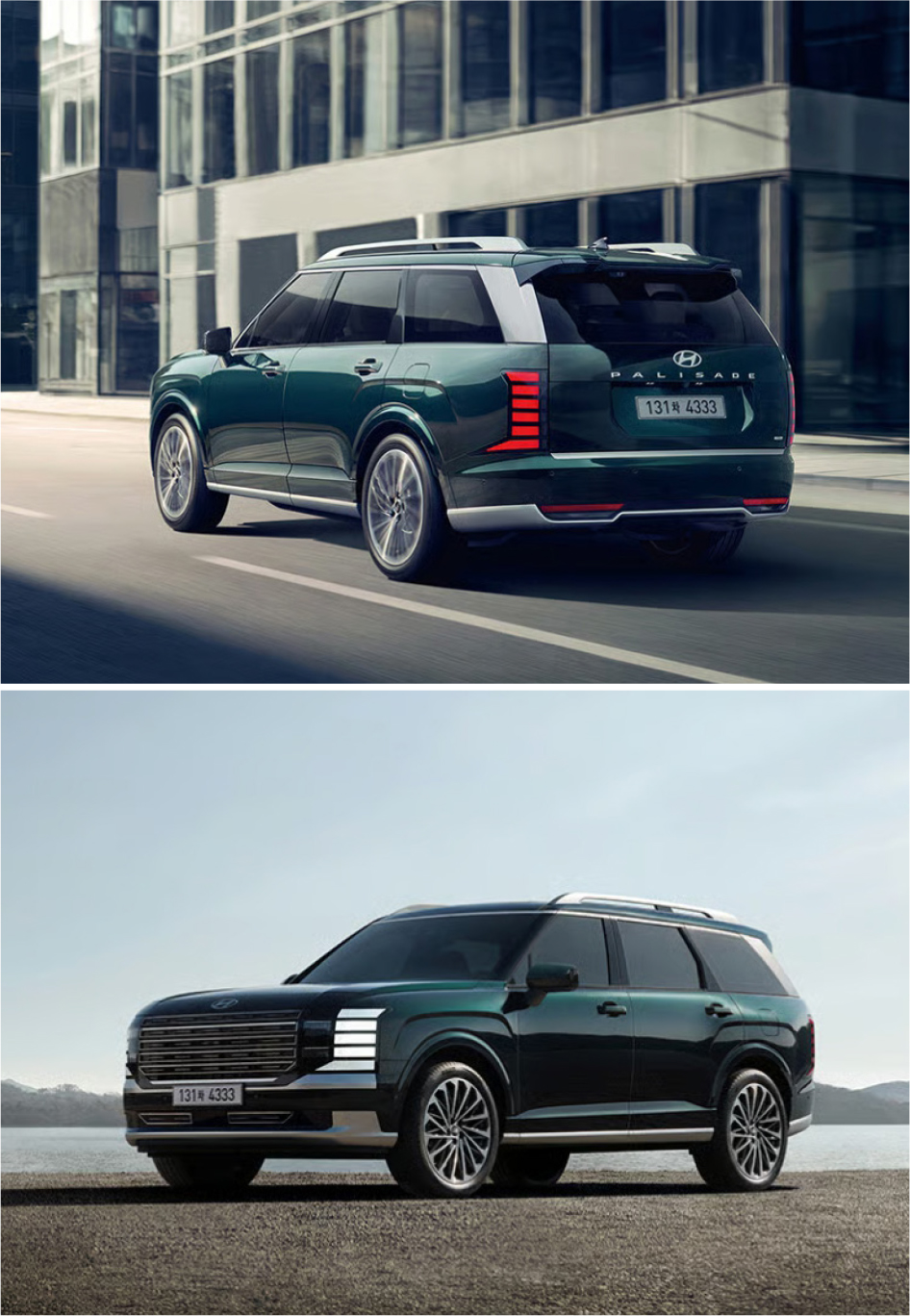
Hyundai Motor Company Achieves its Best-ever Sales Performance for the Palisade

https://korean-machinery.com///inquiry

Achieving record global sales of over 210,000 units last year

Hyundai Motor Company’s large SUV, Palisade, achieved record sales last year, selling 211,215 units worldwide.
According to Hyundai Motor Company, this marks the first time since Palisade’s launch in 2018 that its global sales surpassed 200,000 units. This is a 27.4% increase compared to 2024 sales (165,745 units).

The second-generation model, the ‘All-New Palisade,’ which was launched last year, led the surge in global sales. The second-generation Palisade began its sales surge in North America in May of last year. With the popularity of gasoline models (73,574 units) and hybrid models (28,034 units), a total of 101,608 units have been exported in just eight months.

In particular, nearly 10,000 hybrid models were sold in the United States. The vehicle can travel more than 1,000 km on a single tank. A spokesperson for Hyundai Motor Company explained, “With the abolition of the electric vehicle tax credit in the USA, demand for hybrid vehicles with less charging burden and high fuel efficiency is increasing. The Palisade model featuring a next-generation hybrid system has emerged as a key choice in a local market traditionally favoring larger vehicles.”
In Korea, 38,112 units of hybrid models were sold, surpassing gasoline models (21,394 units). Hyundai Motor Company’s next-generation hybrid system is equipped with two motors. As a driving motor (P2), responsible for driving and regenerative braking, is complemented by a new motor for starting, power generation and assisted driving, it has improved power performance and fuel efficiency compared to existing hybrid systems.
 
 
korean-machinery.com | Blog Magazine of korean-machinery, brands and Goods
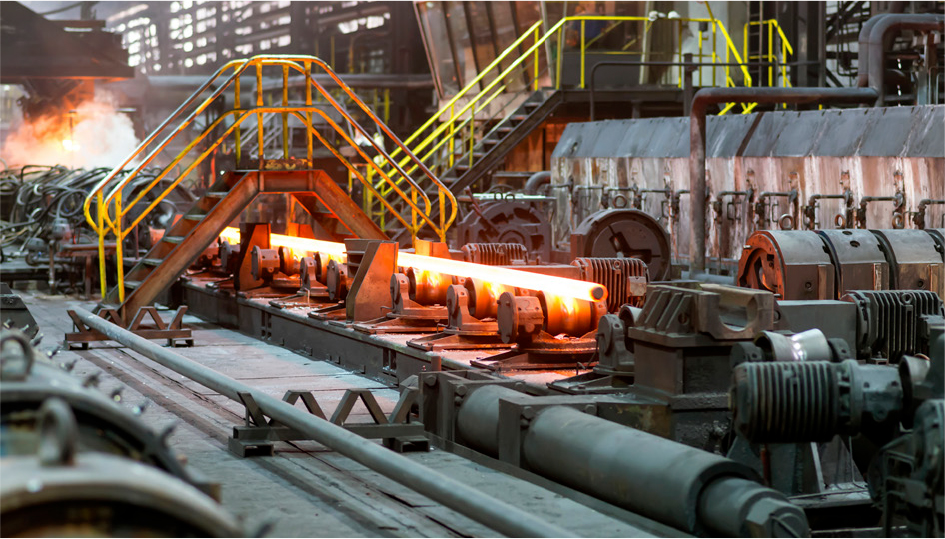
K-Steel Overcomes Crisis with High-Value-Added Special Steel

https://korean-machinery.com///inquiry

POSCO develops first armor steel for naval ships
Hyundai Steel leads the way in armored vehicles and tanks
SeAH Group establishes a special alloy plant in the USA

Korea’s steel industry is seeking new opportunities with differentiated high-value-added special steel for aerospace, defense, and nuclear power plants.
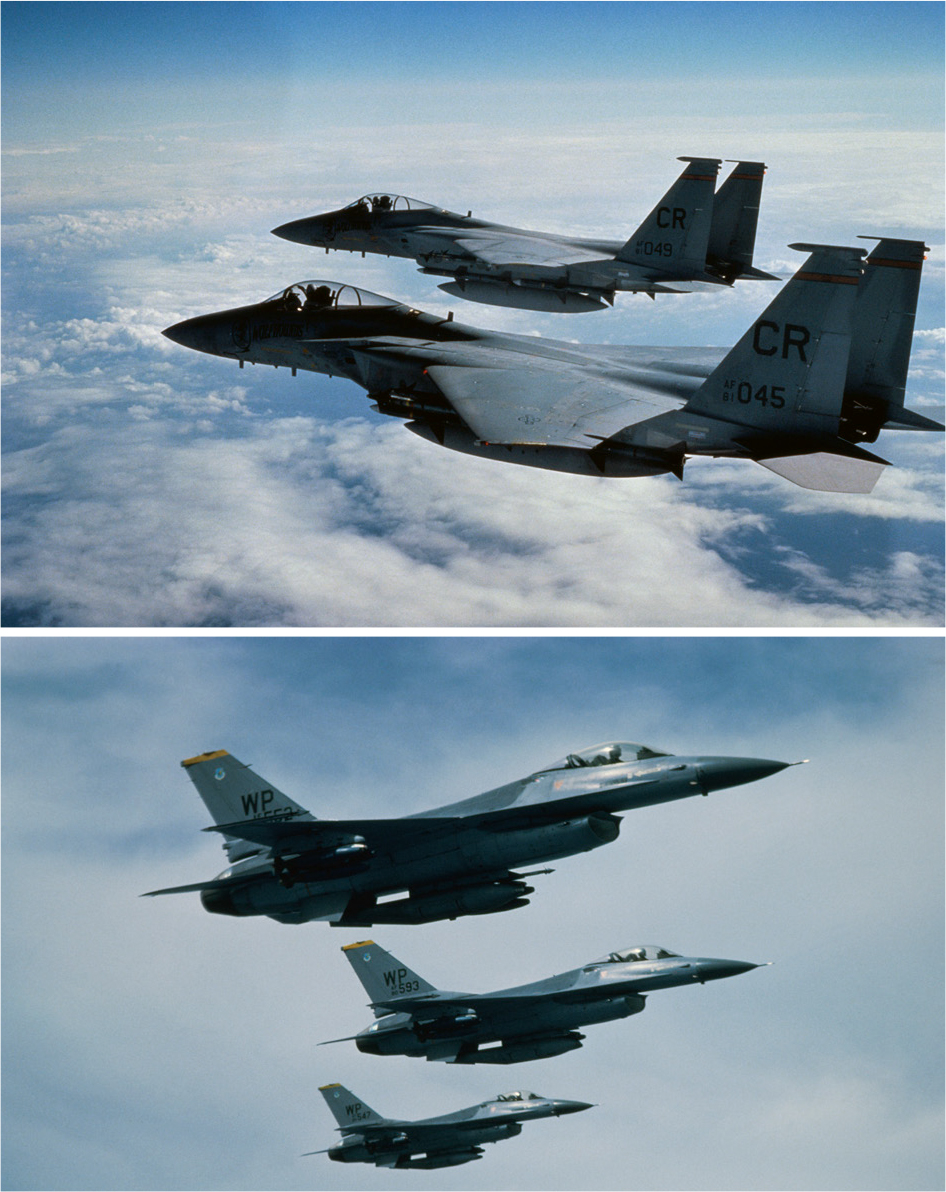
According to steel industry sources, major steelmakers such as SeAH, POSCO and Hyundai Steel are rapidly restructuring their business portfolios, prioritizing special steel for aerospace, defense, and nuclear power.
SeAH Group, which primarily produces shape steel and steel pipes, is at the forefront of this restructuring. SeAH Changwon Special Steel, a special steel affiliate, is constructing SeAH Super Alloy Technology, a special alloy plant for aerospace, in Temple, Texas.
The company plans to start commercial production in the second half of this year and directly supply local aerospace and defense companies. Orders from leading aerospace companies such as SpaceX are also anticipated.
SeAH Changwon Special Steel supplied a prototype of a 900℃ high heat-resistance alloy for aircraft engines to Hanwha Aerospace last year.
POSCO has also opened the door to the market of special steel for naval ships by developing the first higher-ductility hull structural steel and armor steel in Korea. Armor steel is 30% thinner than existing steel plates for ships but has the same bulletproof performance. Its application to upper structures of naval vessels aims to enhance protection power, while improving restoration of ships by reducing weight.
The company is also expanding its presence with steel materials for energy that can withstand extremely low temperatures. ‘High manganese steel,’ developed by the company itself, is a material that adds a large amount of manganese to steel so it does not break even at temperatures of -196˚C.
Hyundai Steel is also focusing on special steel for defense in response to slowing demand for construction and automobiles. Hyundai Rotem started supplying rear plates for armored vehicles in 2024. It also plans to begin mass-production and supply of rear plates for tanks this year, with development completed last year.
The domestic steel industry’s shift to high-value-added materials for aerospace and defense is seen as a survival strategy to escape the ‘negative growth tunnel’ caused by intensive supply of low-priced general-purpose goods from China.
According to the Financial Supervisory Service’s E-disclosure, the combined sales of Korea’s big four steelmakers ― POSCO, Hyundai Steel, Dongkuk Steel and SeAH Steel ― totaled KRW 70.98 trillion last year, a 3% decrease from the previous year, recording negative growth for three consecutive years.
An official from the steel industry explained, “It is difficult to withstand price competition with latecomers such as China and India only with general materials. Supplying special steel with high technology thresholds such as aerospace materials and armor steel for naval ships will determine the next 10 years of K-steel.”


korean-machinery.com | Blog Magazine of korean-machinery, brands and Goods
Orders for Ships

https://korean-machinery.com///inquiry

Orders for High Value-added Ships Growing

Orders for high value-added ships such as ultra-large crude oil and ethane carriers are likely to increase.

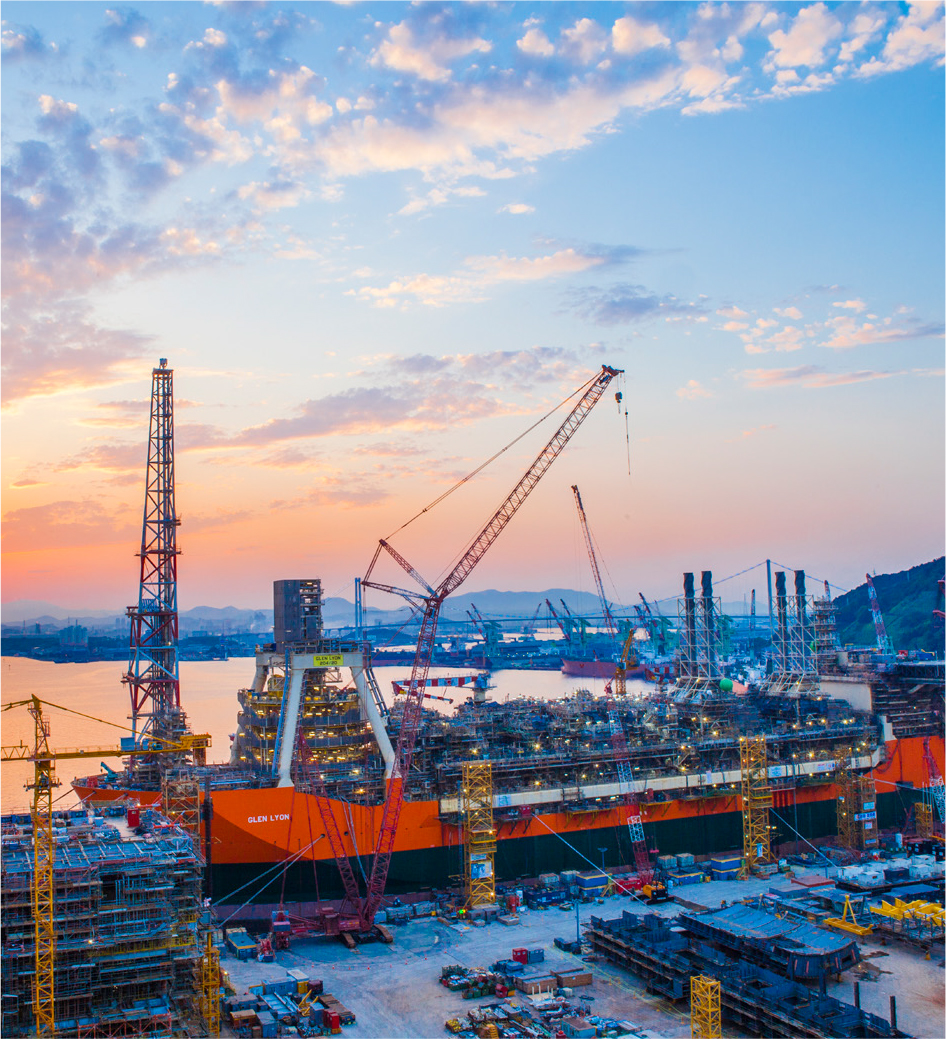
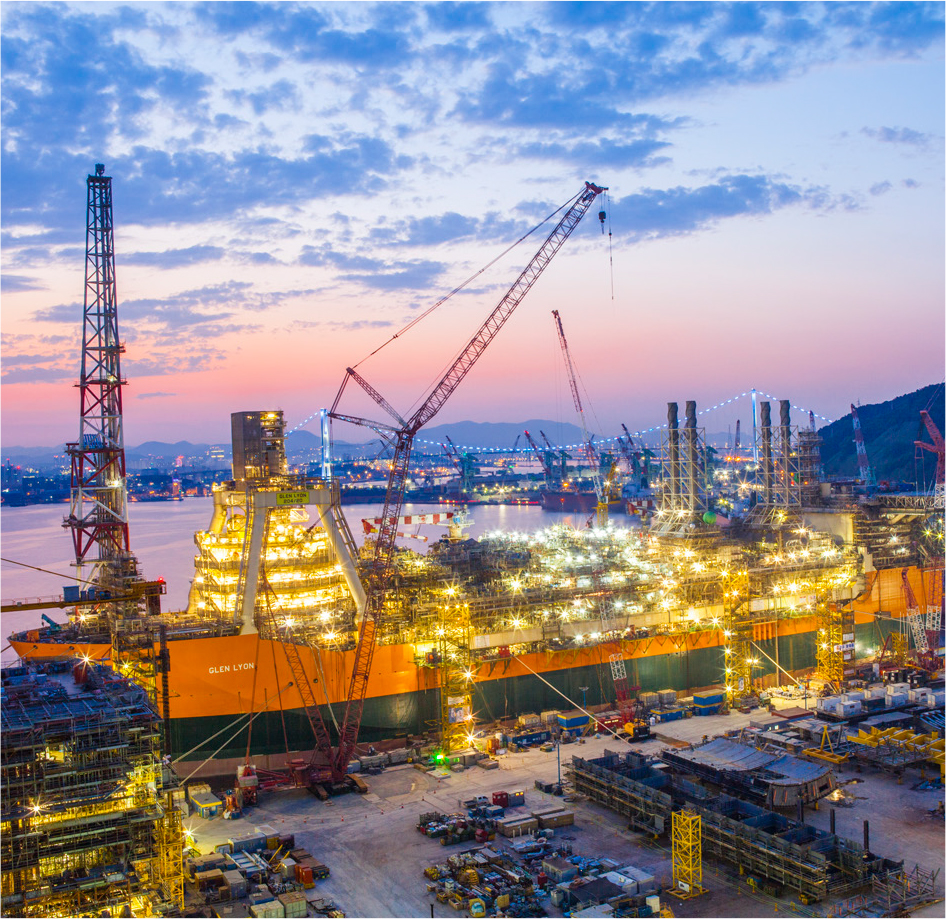
Orders focusing on high value-added ships are growing in the shipbuilding industry. The scope of orders is expanding, focusing on LNG (liquefied natural gas) carriers, into large gas carriers and tankers.

According to industry sources, HD Korea Shipbuilding & Offshore Engineering recently concluded a contract with a shipbuilding company in the USA to build four LNG carriers worth KRW 1.4993 trillion. The contract includes options for four more options, so additional orders are also expected.

Hanwha Ocean received an order last month for seven LNG carriers, worth KRW 2.5891 trillion, and Samsung Heavy Industries also secured an order in the same month for two LNG carriers, worth KRW 721.1 billion.
The industry expects orders for LNG carriers to increase this year. Last year, orders slowed down due to high ship prices and delays in final investment decisions (FIDs) of major LNG projects, with a total of 31 ships, including seven ships to HD Korea Shipbuilding & Offshore Engineering, 13 to Hanwha Ocean, and 11 to Samsung Heavy Industries.
According to Clarkson Research, a British shipbuilding and shipping analysis firm, global LNG carrier orders this year are expected to reach 115 ships. It is explained that orders will increase due to the expansion of new LNG project development and the demand for replacement of aging ships.
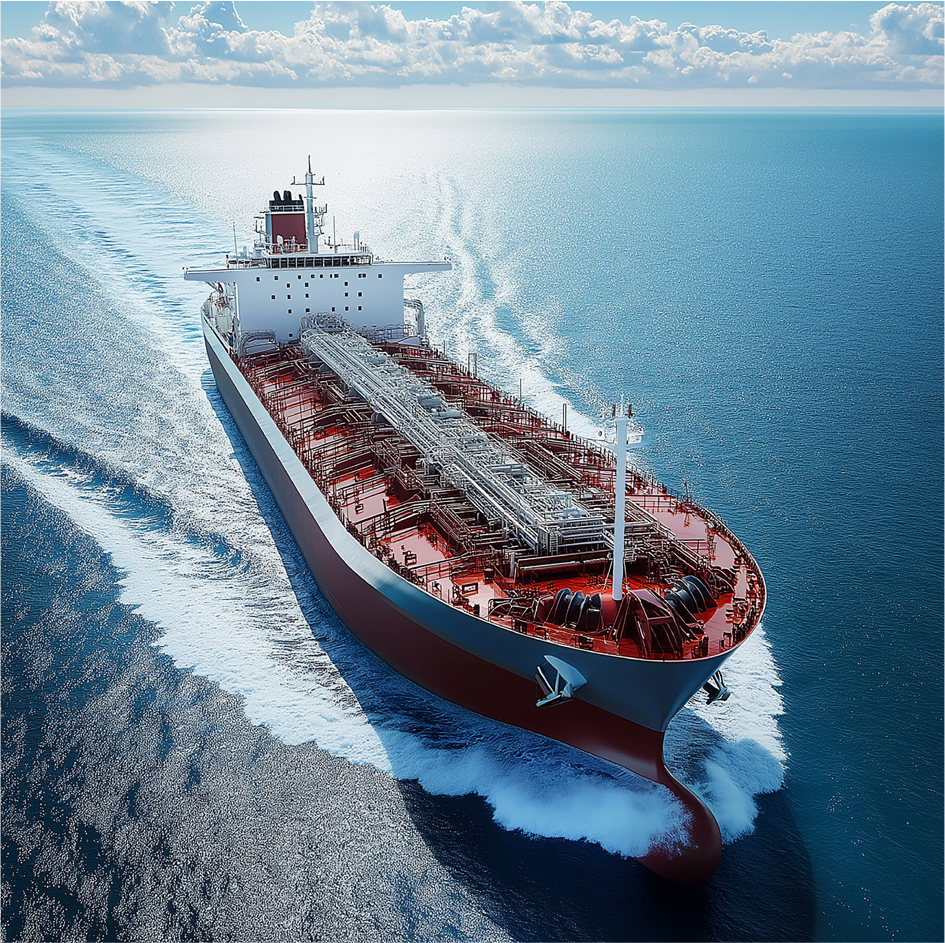
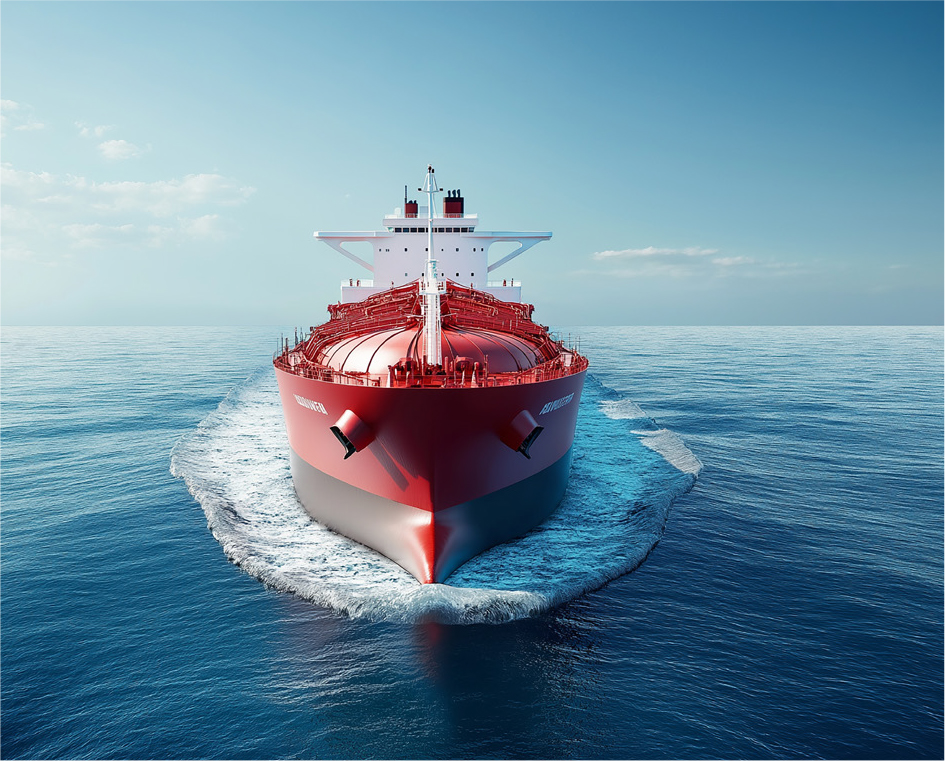
The order flow centered on LNG carriers appears to be expanding to other high value-added ships. In the new year, Hanwha Ocean received a KRW 572.2 billion order for three very large crude carriers (VLCCs) from a Middle Eastern shipowner.


korean-machinery.com | Blog Magazine of korean-machinery, brands and Goods
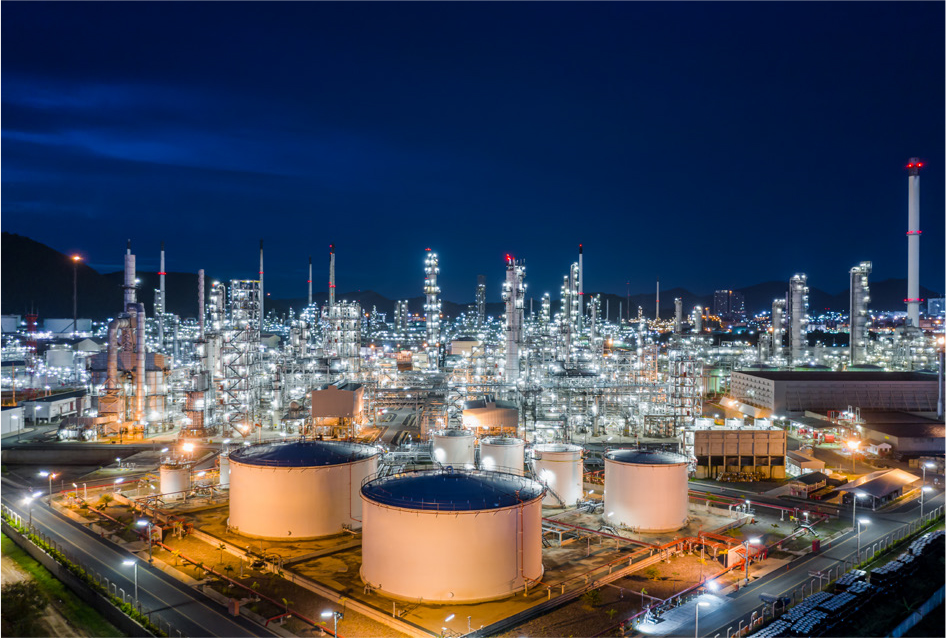
K-Defense’s power

https://korean-machinery.com///inquiry

K-Defense’s Power Expands from Eastern Europe to the Middle East

Hanwha strengthens response to the Saudi Arabian Market
KAI partners with America’s Lockheed Martin

K-defense companies are expanding globally, focusing on the Middle East. While demand for rearmament in Europe has been structured due to the protracted war between Russia and Ukraine, the trend of targeting the Middle East, Central and South America, the United States, and Western Europe is in full swing based on references verified in Eastern Europe.

According to the defense industry, Hanwha Aerospace, which has been continuously supplying Poland with its ‘bestseller’ K9, a self-propelled gun, and Cheonmu, a multiple-launch rocket, is also stepping up its sales activities in the Middle East. In particular, it is reported that the company is strengthening its market response by examining the cooperation possibilities focusing on Saudi Arabia.
Hanwha Aerospace is known to be seeking business opportunities focusing on the possibility of package-type cooperation including local production and maintenance infrastructure.
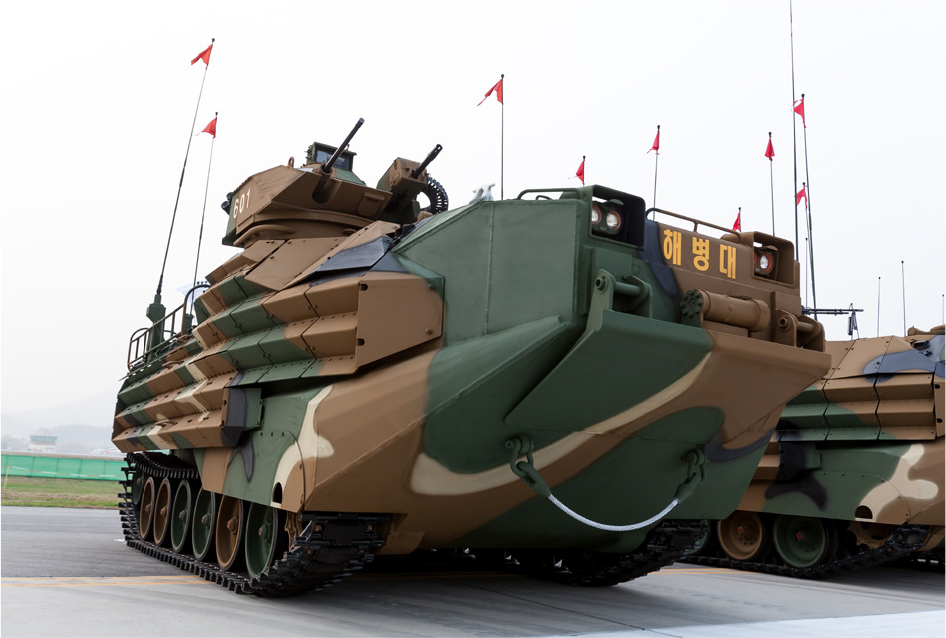
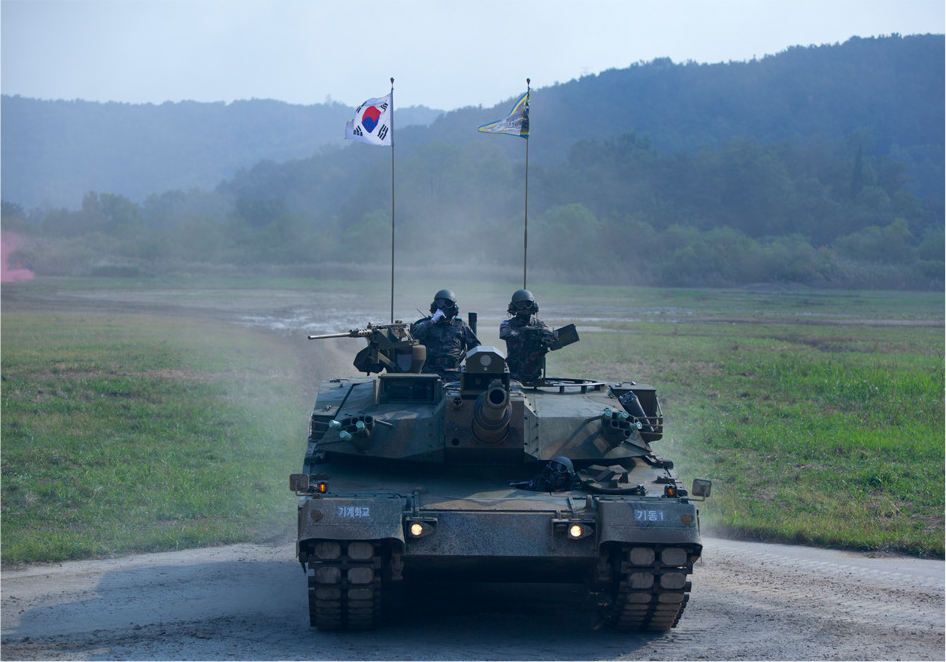
Hyundai Rotem is pursuing expansion of its K2 tank exports to emerging markets in the Middle East and Central and South America, while expanding into new European markets with Poland as its European production hub. Hyundai Rotem delivered all 180 K2 tank (K2 GF) to the Polish Armaments Agency last November, completing a massive supply without delays in about three and a quarter years.
In the first half of this year, the company is focusing on signing an implementation contract with the Peruvian Army Armory for the supply of K2 tanks and K808 wheeled armored vehicles.
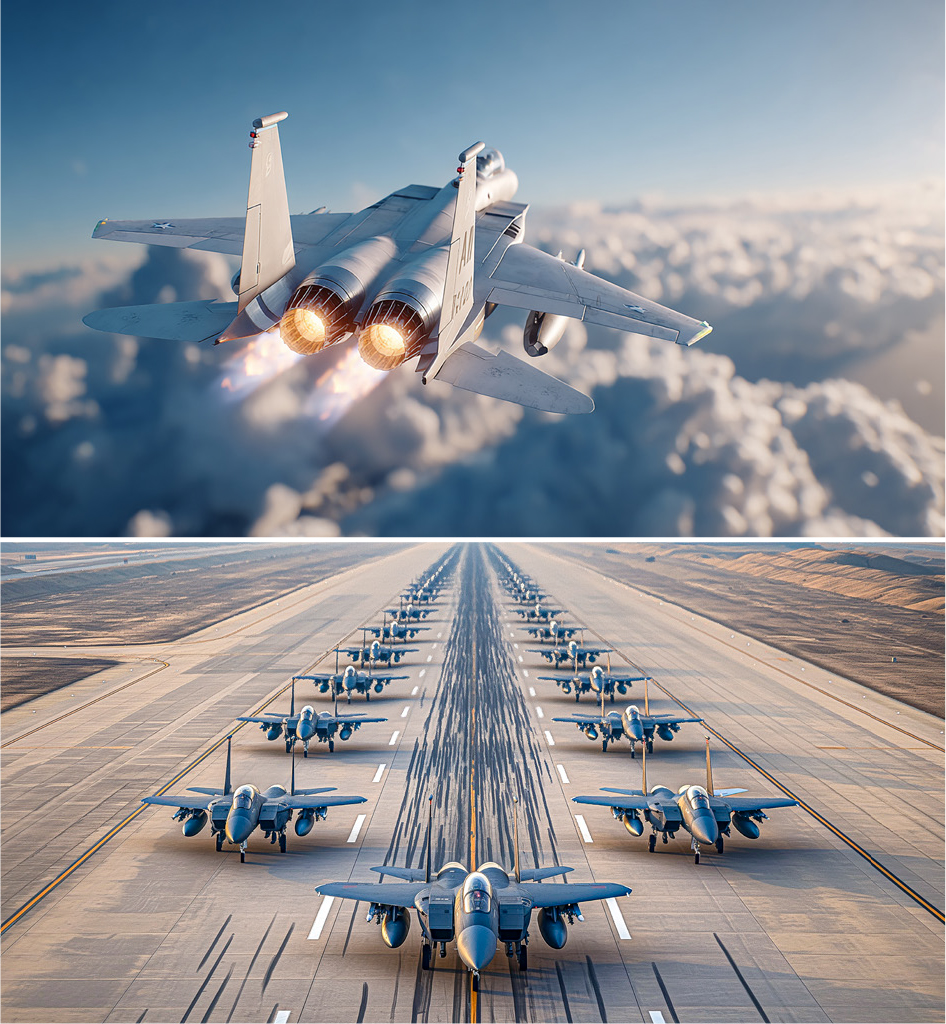
Korea Aerospace Industries (KAI) is strengthening joint marketing with Lockheed Martin to obtain orders for the U.S. Navy’s Undergraduate Jet Training System (UJTS). It is also conducting export marketing for FA-50, targeting Southeast Asia, Europe, Central and South America, North America and Africa. LIG Nex1 maintains a multi-regional strategy encompassing the Middle East, the United States, Southeast Asia and Europe, and seeks export opportunities with integrated solutions based on air defense and guided weapons.


korean-machinery.com | Blog Magazine of korean-machinery, brands and Goods
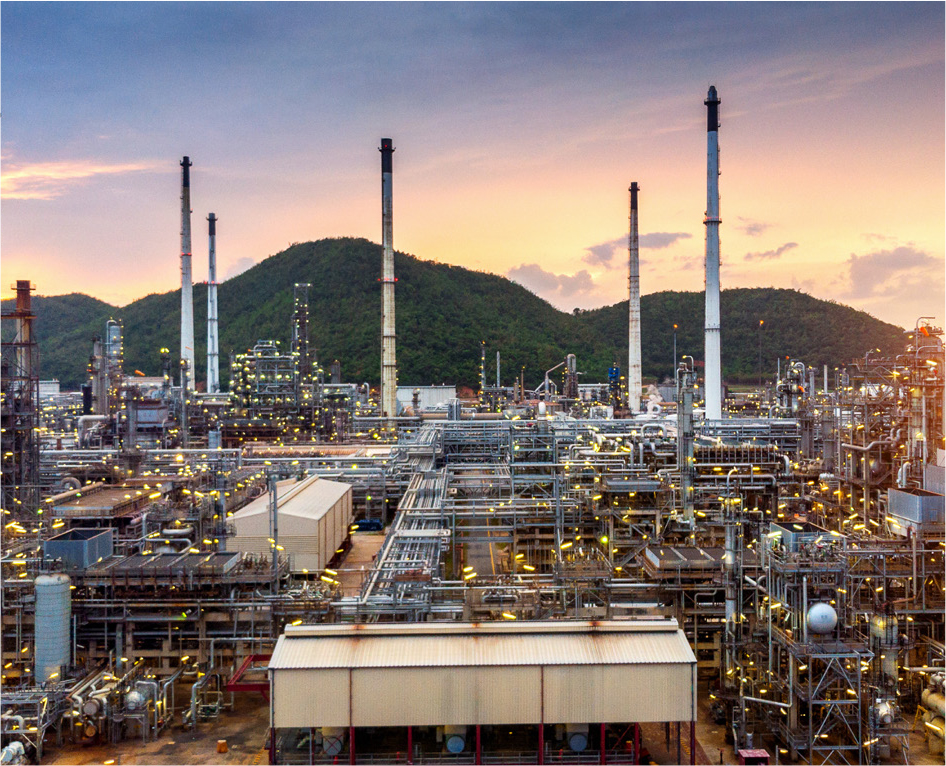
Korea’s Shipbuilders

https://korean-machinery.com///inquiry

Korea’s Shipbuilders Aggressively Expanding into the U.S. Ship MRO Business

Following HD Hyundai and Hanwha, Samsung and SK Actively Enter the Future Foods Market.

Domestic shipbuilders are aggressively expanding into the U.S. Navy’s Ship Maintenance, Repair, and Overhaul (MRO) business.
This is interpreted as a strategic response to obtain Master Ship Repair Agreements (MSRA) required by the U.S. Navy and lay the foundation for mid- to long-term business.
According to industry sources, Samsung Heavy Industries has started preparing to acquire MSRA based on its U.S. business division. It plans to secure the basic qualification documents and apply to the U.S. Naval Supply Systems Command.

MSRA is a qualification granted by the U.S. Naval Supply Systems Command to a private shipyard after officially verifying its maintenance capability. Shipyards that have acquired MSRA can officially participate in bidding for the U.S. Navy’s combat ship MRO project for five years.
Recently, HJ Heavy Industries officially entered the U.S. Navy MRO market by signing an MSRA with the Supply Systems Command. It has won an MRO project for USNS Amelia Earhart, a 40,000-ton military support ship belonging to the U.S. Navy’s Maritime Transport Command, and has begun full-scale maintenance work.

SK Oceanplant also successfully completed port security assessment, which is the final step to acquire MSRA. With HD Hyundai Heavy Industries and Hanwha Ocean already acquiring MSRA and carrying out the U.S. Navy’s MRO project, the trend of incorporating MRO into the mid- to long-term business is spreading throughout the shipbuilding industry.
 
 
korean-machinery.com | Blog Magazine of korean-machinery, brands and Goods
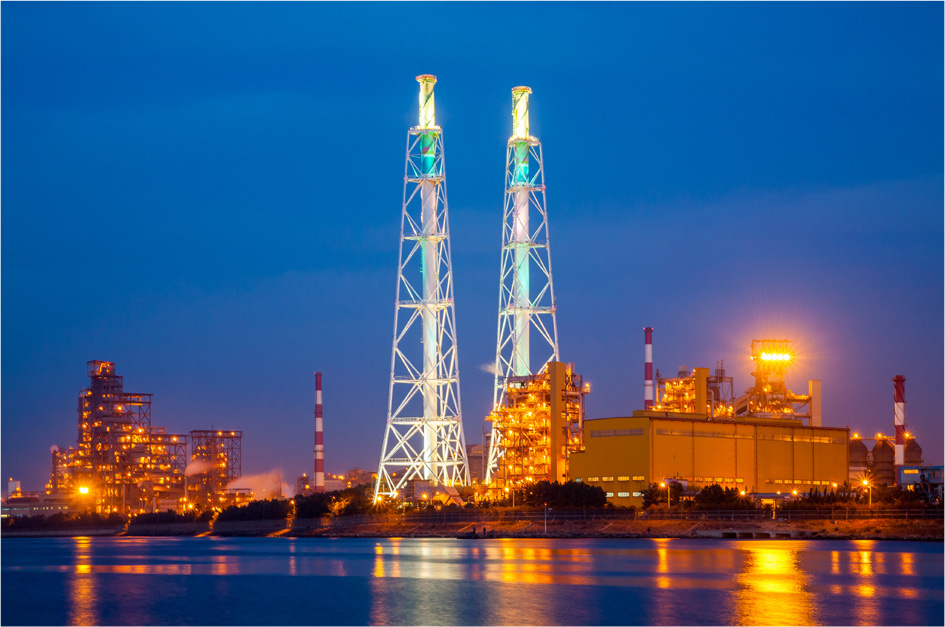
Export of Transformers

https://korean-machinery.com///inquiry

Export Volumes of Transformers At a Record High

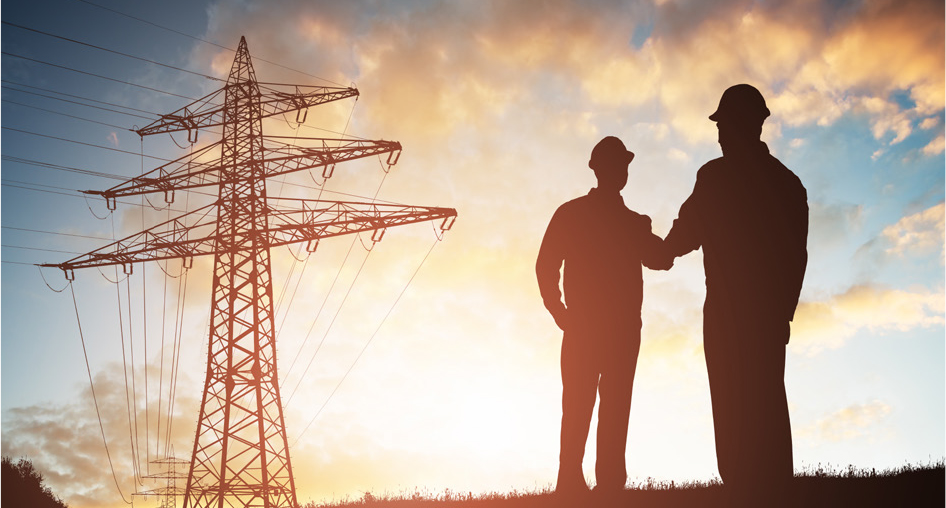
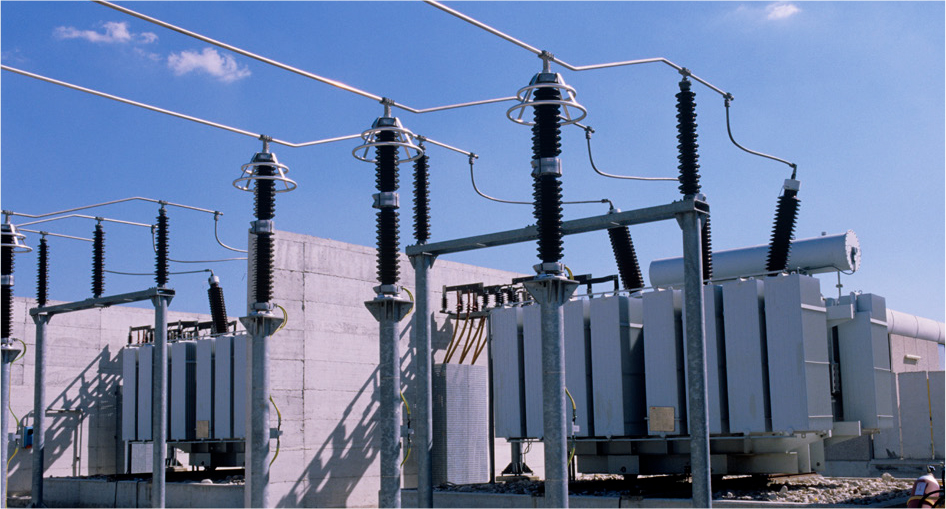
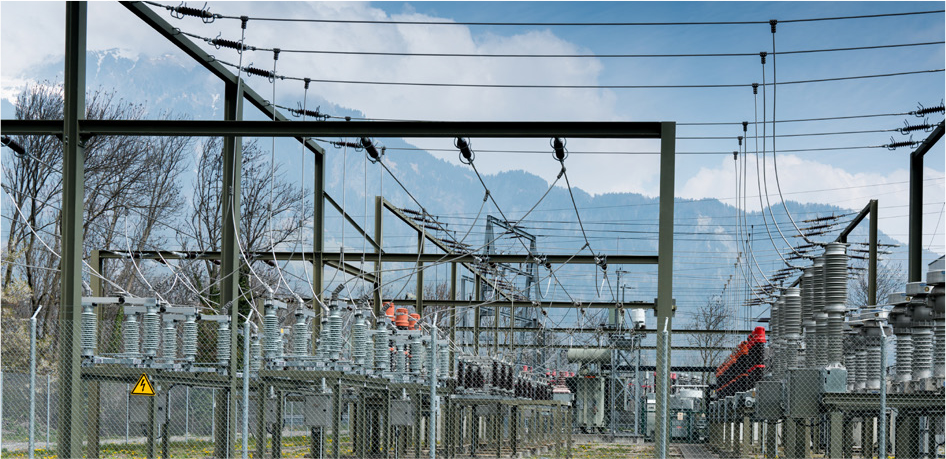
With growing demand for electricity in high-tech industries including artificial intelligence (AI), major countries expanded related infrastructure, and the domestic ultra-high voltage transformer industry achieved record-high exports last year. This trend is expected to continue this year.
According to the Korea International Trade Association (KITA), exports of 10,000kVa (kilovolt-ampere) class ultra-high voltage transformers from Korea last year amounted to USD 1.29898 billion. This is the largest volume since 1977, the year in which related statistics began being recorded. It is the first time in 15 years that it has surpassed the USD 1 billion export barrier.

In terms of export volume by country, the USA ranked first, at USD 738.29 million, followed by Kuwait (USD 93.54 million, approximately KRW 138.2 billion), Canada (USD 93.13 million), the UK (USD 89.87 million), and Saudi Arabia (USD 63,1 million). Among them, this marks the first time that exports to the USA have exceeded KRW 1 trillion.
Driven by demand for replacement of aging power grids in the USA, exports to the United States have steadily increased from USD 108.65 million in 2022, increased nearly seven-fold in just three years. The typical lifespan of the power grid is estimated at around 30 years, but demand has increased rapidly as around 70% of transformers in the USA face their replacement cycle.

HD Hyundai Electric, the first company to enter the U.S. market, is increasing its production capacity with the goal of completing the expansion of its second plant in Alabama this year. Hyosung Heavy Industries is increasing its production capacity, by more than 50%, of its plant in Memphis in the United States, which it acquired in 2020. It also plans to achieve the expansion goal by 2028.
LS Electric plans to secure a comprehensive production and research base in Texas and invest USD 240 million (approximately KRW 350 billion) by 2030 to increase production.


korean-machinery.com | Blog Magazine of korean-machinery, brands and Goods
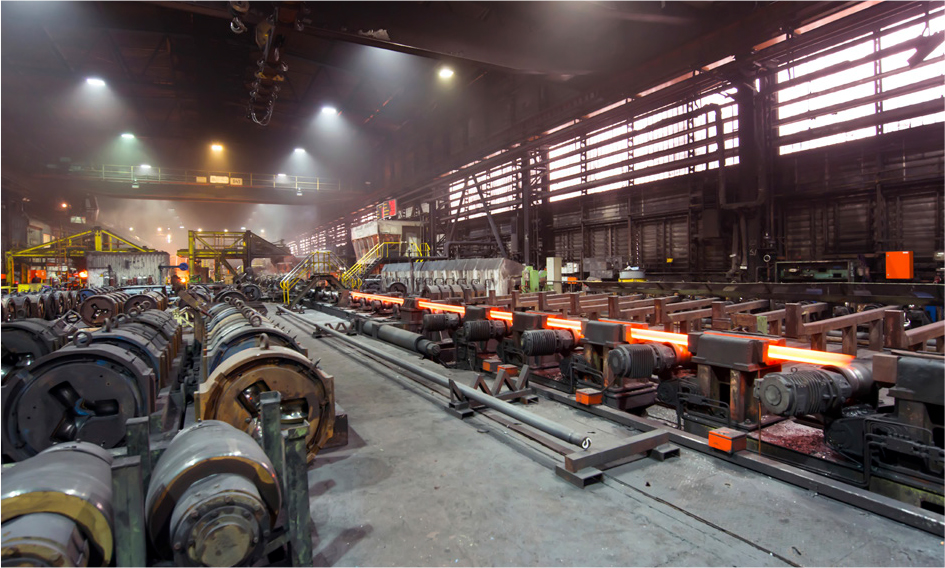
Electric and Hydrogen Vehicles

https://korean-machinery.com///inquiry

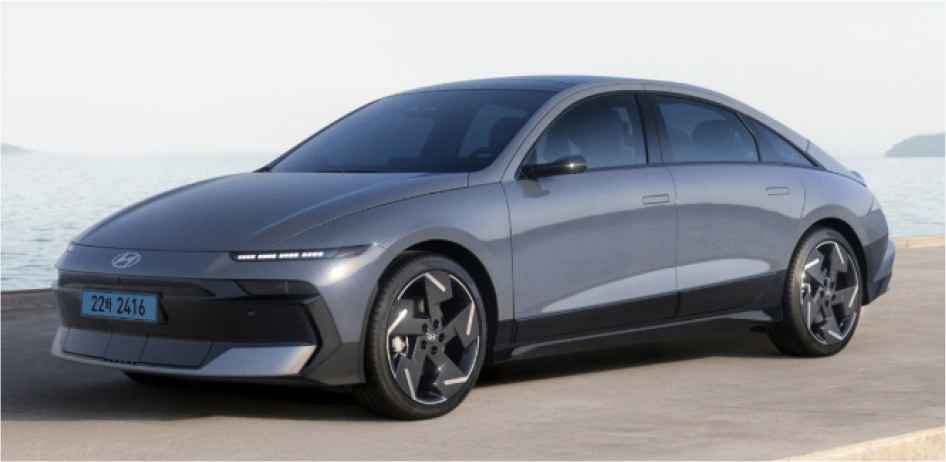
Korea Plans to Increase the Share of Electric and Hydrogen Vehicles

Raising a goal of distributing zero-emission vehicles

The government has set a goal of restructuring Korea’s entire automotive industry, including not only complete vehicles but also parts manufacturers, centered around eco-friendly vehicles.
The Ministry of Trade, Industry and Energy, jointly with relevant ministries, recently announced the K-Mobility Global Initiative Strategy that contains such contents. The core objective is to transition not only sales of complete vehicles but also parts manufacturers toward eco-friendly vehicles. The government’s goal is to increase the proportion of eco-friendly vehicles, including electric, hydrogen, and hybrid vehicles, to comprise 90% of new vehicle sales by 2035.
According to the Korea Automobile Mobility Industry Association, cumulative sales of domestic complete vehicles as of the third quarter of 2025 reached 1,036,912 units. Of these, eco-friendly vehicles accounted for 44%, or 457,321 units. The government aims to more than double the proportion of eco-friendly vehicle sales within 10 years.

The government also sets a goal for the distribution of zero-emission vehicles, including only electric and hydrogen vehicles. Assuming the 2035 National Greenhouse Gas Reduction Target (NDC), to be 53%, the lowest goal, a total of 9.52 million zero-emission vehicles must be supplied by 2035. The cumulative number of zero-emission vehicles distributed is approximately 750,000, representing only 7.8% of the target value.

The government plans to support the distribution of eco-friendly vehicles across the entire supply and demand chain. To increase demand, subsidies for passenger EVs will be significantly expanded from this year. Until last year, subsidies were limited to a maximum of KRW 5.8 million per vehicle, but starting this year, an additional KRW 1 million will be provided. This applies to scrapping old existing vehicles and purchasing eco-friendly vehicles. The total budget for subsidies has also been increased from KRW 780 billion this year to KRW 936 billion next year.
The government sets itself another goal of converting 70% of internal combustion engine parts companies into future vehicle parts companies by 2030. To facilitate allied mergers between companies, the government will provide support of up to 60% of the funding, up to a limit of KRW 20 billion. It will also support research and development, and 200 future vehicle specialized companies by training 70,000 future vehicle specialists by 2033.

 
korean-machinery.com | Blog Magazine of korean-machinery, brands and Goods
Tesla’s Autonomous Driving Technology

https://korean-machinery.com///inquiry

Tesla’s Autonomous Driving Technology Officially Enters Korea

GM also unveils its second-generation self-driving system.

Competing in the IT-receptive Korean market

Tesla’s flagship self-driving technology, Full Self-Driving (FSD), has been officially introduced in Korea, the seventh country in the world.
According to the automotive industry, Tesla recently released its ‘supervised FSD’ feature via an over-the-air (OTA) software update.

This update was applied to Tesla Model S and Model X vehicles equipped with the 4th-generation hardware (HW4) produced in North American factories.
This system accelerates, decelerates, changes lanes, and navigate routes on city streets and highways, but it is a Level-2 self-driving system that requires a driver to keep eyes on the road. Based on the test-drive data released by Tesla Korea, advanced features were identified — such as recognizing a speed limit sign, decelerating over a speed bump, and avoiding a stationary vehicle.
There are, however, still many obstacles to overcome before Tesla’s FSD is fully implemented in Korea. The update applied by Tesla this time is restricted to U.S.-produced vehicles. While vehicles imported into Korea under the Korea-U.S. Free Trade Agreement (FTA) can use the FSD feature without restrictions, vehicles manufactured at the Shanghai plant in China, which account for most domestic sales, are subject to separate safety standards, meaning that it will take longer until fully implemented.
As advanced global self-driving technologies are rapidly being introduced in Korea, technological competition will be also intensified. GM, ahead of Tesla, announced the launch of the Cadillac Escalade IQ this month and announced that advanced driver assistance system (ADAS) ‘Super Cruise’ will be applied. Super Cruise supports hands-free driving on tens of thousands of kilometers of highways and arterial roads.
These characteristics of the Korean market are also evident in sales of imported cars. From January to October of this year, Tesla’s Model Y ranked first in cumulative imported car sales. As 37,590 units were sold as a single vehicle, its sales are at least double those of the BMW 520 (12,408 units). Tesla ranked third among all imported vehicles, selling 47,962 units through October of this year, accounting for more than half of all imported electric vehicle sales.

 
korean-machinery.com | Blog Magazine of korean-machinery, brands and Goods
Korea’s Advancing Big-4 Defense Companies

https://korean-machinery.com///inquiry

Korea’s Advancing Big-4 Defense Companies Expecting KRW 4 Trillion in Operating Profit

Korea’s four largest defense companies expect to exceed KRW 4 trillion in annual operating profit this year. Their combined operating profit for the 3rd quarter of 2025 (from July to September) reached KRW 3.49 trillion, already surpassing last year’s annual performance by over KRW 1 trillion.

According to each company’s disclosures, the four largest domestic defense companies — Hanwha Aerospace, Korea Aerospace Industries (KAI), Hyundai Rotem, and LIG Nex1 — have earned a cumulative operating profit of KRW 3.49 trillion through the 3rd quarter. This surpasses last year’s combined operating profit of KRW 2.4182 trillion by 44.4%, and with just 3 months left until the end of the year, their combined operating profit is likely to exceed KRW 4 trillion.
By company, Hanwha Aerospace posted operating profit of KRW 2.2817 trillion from January to September, accounting for 65% of total profits. Hyundai Rotem followed with KRW 738.2 billion, LIG Nex1 with KRW 280.8 billion, and KAI with KRW 192.2 billion.

Hanwha Aerospace achieved KRW 10 trillion in sales and KRW 1 trillion in operating profit last year for the first time in the Korean defense industry and is expected to exceed KRW 20 trillion in sales and KRW 2 trillion in operating profit this year. Hyundai Rotem’s cumulative operating profit in the third quarter also exceeded the last year’s annual performance, KRW 456.6 billion) by 61%, thanks to large-scale overseas orders including the second export contract for the Polish K2 tank.
With these companies’ defense industry orders backlog reaching KRW 118 trillion, forecasts suggest that growth will continue for the next 2~3 years.


korean-machinery.com | Blog Magazine of korean-machinery, brands and Goods
Increasing Electric and Hydrogen Vehicles

https://korean-machinery.com///inquiry

Increasing Electric and Hydrogen Vehicles… 9.5 Million Units in 10 Years

K-Mobility Initiative Strategy
Raising a goal of distributing zero-emission vehicles
Reducing individual consumption and acquisition taxes until next year

The government has set a goal of restructuring the entire automotive industry, including not only complete vehicles but also parts manufacturers, centered around eco-friendly vehicles.
The Ministry of Trade, Industry and Energy, jointly with relevant ministries, recently announced the K-Mobility Global Initiative Strategy that contains such contents. The core objective is to transition not only sales of complete vehicles but also parts manufacturers toward eco-friendly vehicles. The government’s goal is to increase the proportion of eco-friendly vehicles, including electric, hydrogen, and hybrid vehicles, to comprise 90% of new vehicle sales by 2035.
According to the Korea Automobile Mobility Industry Association, cumulative sales of domestic complete vehicles as of the third quarter of 2025 reached 1,036,912 units. Of these, eco-friendly vehicles accounted for 44%, or 457,321 units. The government aims to more than double the proportion of eco-friendly vehicle sales within 10 years.

The government also set a goal for the distribution of zero-emission vehicles, including only electric and hydrogen vehicles. Assuming the 2035 National Greenhouse Gas Reduction Target (NDC), announced on the 11th, to be 53%, the lowest goal, a total of 9.52 million zero-emission vehicles must be supplied by 2035. The cumulative number of zero-emission vehicles distributed is approximately 750,000, representing only 7.8% of the target value.

The government plans to support the distribution of eco-friendly vehicles across the entire supply and demand chain. To increase demand, subsidies for passenger EVs will be significantly expanded from next year. Until this year, subsidies were limited to a maximum of KRW 5.8 million per vehicle, but starting next year, an additional KRW 1 million will be provided. This applies to scrapping old existing vehicles and purchasing eco-friendly vehicles. The total budget for subsidies has also been increased from KRW 780 billion this year to KRW 936 billion next year.
The government set itself another goal of converting 70% of internal combustion engine parts companies into future vehicle parts companies by 2030. To facilitate allied mergers between companies, the government will provide support of up to 60% of the funding, up to a limit of KRW 20 billion. It will also support research and development, and 200 future vehicle specialized companies by training 70,000 future vehicle specialists by 2033.

korean-machinery.com | Blog Magazine of korean-machinery, brands and Goods