Hanbok Travel in Korea: A Guide for the Modern Visitor

https://korean-machinery.com///inquiry

Why Hanbok Has Become a Travel Experience
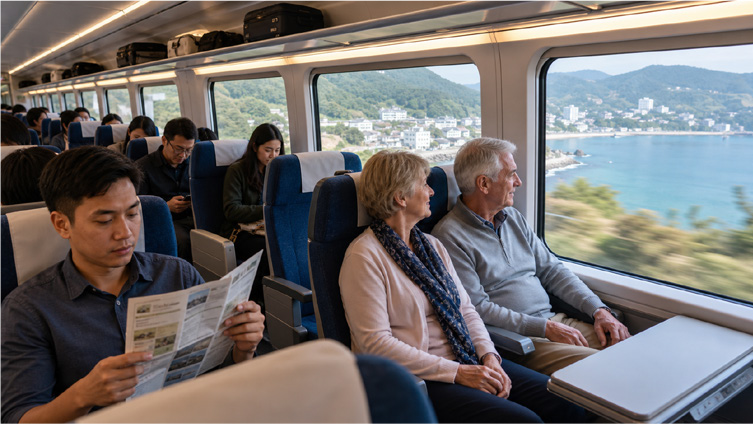
Korea’s traditional dress, known as hanbok, has undergone a quiet but significant transformation. Once confined mainly to ceremonial occasions such as first-birthday celebrations, weddings, and funerals, hanbok has expanded into a living cultural experience that now intersects with tourism, contemporary fashion, and urban space.
Contemporary designers have been central to this shift. They have softened the distinctions of gender, class, and social status associated with the Joseon era, foregrounding aesthetic qualities such as color, line, and silhouette. Hanbok has also entered overseas exhibitions and fashion platforms, including the Hanbok Wave fashion event held in London in 2022.
Government support has reinforced this momentum. The Hanbok Advancement Center under the Korea Craft and Design Foundation operates programs including Hanbok Culture Week, hanbok design projects, support for sales channels, and the operation of local hanbok culture studios. October 21 is officially designated as Hanbok Day in Korea.
The Korea Tourism Organization notes that hanbok is growing in popularity among young couples and international visitors. A key reason is that wearing hanbok is no longer simply a rental activity but an experience product tied to specific spaces, landscapes, and programs.

Where to Go and What to Expect
Seoul’s Palace District is the most efficient starting point for a hanbok-themed visit. Gyeongbokgung Palace, the main royal palace of the Joseon Dynasty built in 1395, is the largest of Seoul’s five grand palaces. The four major palaces — Gyeongbokgung, Deoksugung, Changgyeonggung, and Changdeokgung — all offer free admission to visitors wearing hanbok. Rental shops for both traditional and modern styles are concentrated nearby, making the route of rental, hair styling, palace visit, and photography straightforward to arrange.

Bukchon Hanok Village, situated between Gyeongbokgung Palace, Changdeokgung Palace, and Jongmyo Shrine, is where tradition and the present share the same frame. Many hanok here function as cultural spaces, guesthouses, restaurants, and teahouses. The Bukchon-ro 11-gil area has visiting hours of 10:00 to 17:00. Visitors should keep in mind that this is a residential neighborhood, and quiet, respectful viewing is expected.

Public hanok areas in Seoul are more program-oriented. The 2026 Public Hanok Night Out opens major public hanok until 8 p.m. and offers 34 programs including exhibitions, performances, guided commentary, hands-on activities, and barrier-free options. This evening program is a natural complement to daytime palace visits. A combined schedule — hanbok photography at the palaces during the day, followed by public hanok programs at night — represents a well-rounded Seoul hanbok experience.

Jeonju Hanok Village remains the leading regional destination. Its atmosphere is slower than Seoul’s, and its combination of dense alleyways, food culture, and hanok accommodation makes it well-suited for extended stays in hanbok. The classic pairing of photos, hanok strolling, and local food gives Jeonju consistently high satisfaction among first-time visitors.

Gyochon Village in Gyeongju, along with Woljeonggyo Bridge and Hwangnidan-gil, brings hanbok into contact with living craft culture. Experiences available in the area include pottery, rice-cake pounding, traditional tea ceremony, nubi quilting, traditional fermented sauces, and noodle making. Hanbok here functions within a broader package of cultural activities rather than simply as a photographic backdrop.

Hahoe Village in Andong allows visitors to experience hanbok within a Confucian cultural context. UNESCO designates Hahoe and Yangdong as representative historic villages formed in the 14th and 15th centuries, reflecting early Joseon Confucian culture. Andong has also announced a Korea-China-Japan collaborative fashion show using Andongpo hemp cloth and Andong hanji paper throughout October 2026, connecting traditional textiles with contemporary fashion.

Suwon Yeongdong Market, which opened in 1917, developed into a market centered on hanbok and accessories. Among its approximately 300 stores, about 40 sell ready-made hanbok and about 40 handle fabrics, offering visitors the rare combination of sightseeing at the nearby UNESCO-listed Suwon Hwaseong Fortress and direct engagement with the hanbok retail and production ecosystem.

Practical Notes Before You Go
Programs and operating hours vary by season and location. Confirmed 2026 dates include the Korean Folk Village’s nighttime opening “Joseon at Night” from April 11 to November 15 on Fridays, Saturdays, Sundays, and public holidays, and the Changdeokgung Palace Moonlight Tour from April 16 to May 31. The Korea Tourism Organization’s Hanbok Programs page was last updated in October 2025, so for experience reservations and rental program availability, verifying directly with official websites or the 1330 Korea Travel Hotline is recommended.
 
 
korean-machinery.com | Blog Magazine of korean-machinery, brands and Goods
Korea’s Exports Hit All-time Monthly High

https://korean-machinery.com///inquiry

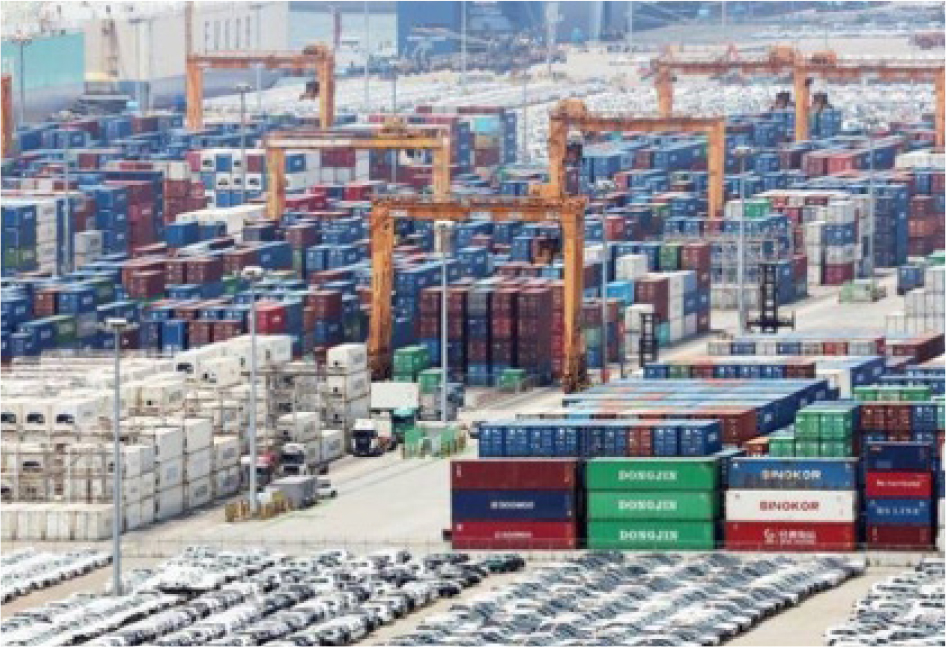
Korea’s exports in May 2026 reached $87.75 billion, breaking the all-time monthly record. Driven by a super-cycle of demand, the semiconductor sector also recorded its highest-ever performance, offsetting the effect of reduced working days due to the holidays.
Monthly exports have exceeded $80 bil. for three consecutive months since first surpassing the $80 bil. mark in March.
Despite the reduced number of working days, exports hit a record high, with the daily average export value rising by 60.7% to $4.28 bil. This marks the first time the figure has surpassed the $4 bil. mark.
Semiconductors were once again the driving force behind exports this month. Semiconductor exports in May reached $37.15 bil., a 169.4% increase from the same month last year, marking an all-time high as they surpassed $30 bil. for the third consecutive month.
Exports of non-semiconductor items also showed a steep upward trend, rising by an average of 16%.
As unit prices for petroleum and petrochemical products rose significantly due to the impact of the Middle East war, exports of petroleum products increased by 46.6% to $5.25 bil., while exports of petrochemicals rose by 11.1% to $3.7 bil.

However, automobiles, a key export product, fell by 5.9% to $5.83 bil. due to reduced working days, fires at domestic parts suppliers, and logistical disruptions caused by the Middle East war.
By region, exports increased in seven out of the nine major export destinations; exports to China recorded $18.9 bil., an 80.9% increase, driven by semiconductors — the largest export item — showing a triple-digit growth rate.
Exports to the United States also rose by 59.1% to $15.97 bil., driven by increased exports of semiconductors, computers, and electrical equipment.
Last month’s trade balance recorded a surplus of $26.95 bil., an increase of $20.03 bil. compared to the same month last year. The cumulative balance from January to May was $109.11 bil., breaking the previous record for the highest annual trade surplus ($95.2 bil. in 2017) in five months.

 
korean-machinery.com | Blog Magazine of korean-machinery, brands and Goods
A New Stage For Korean Culture in Southern Brazil

https://korean-machinery.com///inquiry

A cultural movement continues to expand
The growing popularity of Korean culture in Brazil has created new opportunities for cultural exchange, entertainment, tourism, and consumer engagement. What began as a niche interest among dedicated fans has gradually developed into a broader cultural movement, driven by the international success of K-pop, Korean television dramas, digital content, fashion, food, and lifestyle trends.
Across Brazil, Korean cultural events have become increasingly visible, attracting audiences eager to experience Korean entertainment and contemporary culture firsthand. This environment has encouraged the development of festivals and cultural initiatives designed to bring together fans, brands, creators, performers, and local communities within a shared experiential setting.

Against this backdrop, Hallyu Fest Blu 2026 (BLU 2026) has been presented as a new regional initiative intended to expand the reach of Korean cultural programming into southern Brazil. According to the event’s sponsorship presentation, the project is an extension of the broader Hallyu Korean Fest platform, which has previously been associated with Curitiba in the state of Paraná. The organizers describe the initiative as a cultural and commercial experience that combines entertainment, gastronomy, immersive activities, and brand engagement.
The proposal positions the event not simply as a music festival but as a platform designed to connect culture, entertainment, consumption, and audience participation. By integrating performances, food experiences, workshops, interactive attractions, and promotional activities, the organizers aim to create an environment that encourages both visitor engagement and commercial participation.
The planned expansion into Blumenau represents what the organizers describe as a new phase of growth. The objective is to bring the Hallyu experience to a different regional market while building on the visibility and audience interest generated through previous editions.

Building on the foundation established in Curitiba
The concept behind the Blumenau edition is closely connected to the development of earlier editions in Curitiba. According to the presentation materials, the first edition in 2025 operated as a free public event and attracted more than 40,000 participants. The organizers characterize that edition as a demonstration of strong public demand for Korean cultural experiences and contemporary Asian entertainment.
The background material further explains that the event initially took place in a public setting and generated substantial visibility. The scale of attendance helped establish the festival’s profile while also highlighting the challenges associated with managing very large crowds in an open-access environment.
In response, the second Curitiba edition adopted a controlled-access format. According to the presentation, attendance exceeded 23,000 participants and the event emphasized audience qualification, visitor experience, and commercial value for participating brands. The organizers describe this shift as a strategic evolution intended to create a more focused environment for sponsors, exhibitors, and attendees.
The 2026 Curitiba edition reportedly combined exhibitions, workshops, cultural programming, influencer participation, and live entertainment. The supplementary material describes a schedule that included cultural demonstrations, martial arts showcases, K-pop dance activities, creator panels, culinary experiences, and major performances by Korean artists.
These earlier editions are used throughout the sponsorship presentation as evidence of the project’s potential. The organizers argue that the experience gained in Curitiba provides a foundation for regional expansion and supports the development of new editions in other parts of southern Brazil.

A strategic move into Santa Catarina
The proposed location for Hallyu Fest Blu 2026 is Blumenau, a city known for its strong cultural identity and established event infrastructure. According to the presentation, the festival is scheduled for August 1 and 2, 2026, and is planned to take place at Parque Vila Germânica.
Parque Vila Germânica is one of the city’s most prominent event venues and serves as the host location for a variety of major cultural and commercial activities. External research confirms the venue’s status as a recognized event complex and public gathering space within Blumenau.
The organizers describe the venue as an important component of the expansion strategy. By selecting an established event facility, they seek to benefit from existing infrastructure, accessibility, visitor services, and crowd-management capabilities. The proposal presents the location as an environment capable of supporting both entertainment programming and commercial participation.

The sponsorship materials emphasize that the move into Santa Catarina is intended to broaden the festival’s geographic footprint while introducing Korean cultural experiences to a new audience. Blumenau is presented as a market with significant potential for visitor engagement, tourism activity, and brand visibility.
In this context, the event is positioned not merely as an isolated cultural gathering but as part of a broader effort to expand the presence of Korean entertainment and cultural programming within regional Brazilian markets.

An experience built around participation
One of the defining characteristics of the proposed event is its emphasis on participation rather than passive observation. The presentation repeatedly highlights visitor interaction as a central objective of the overall concept.
Planned components include K-pop performances, cultural attractions, themed food offerings, workshops, influencer participation, brand activations, and dedicated spaces designed for photography and social media engagement. The organizers describe these elements as tools for increasing visitor dwell time and encouraging stronger emotional connections with the event environment.

The proposal also identifies experiential marketing as an important feature. Sponsors are offered opportunities to interact directly with attendees through branded activities and customized experiences. Rather than relying exclusively on traditional advertising, the event seeks to create situations in which visitors actively engage with participating organizations.
This approach reflects broader developments within contemporary live events. Increasingly, audiences expect opportunities to participate, create content, and share experiences through digital channels. The proposed structure of Hallyu Fest Blu 2026 appears designed to support those expectations while generating additional visibility through audience-driven social media activity.
The organizers argue that this combination of entertainment, culture, and participation creates a favorable environment for both visitors and commercial partners. As a result, the festival is positioned as a platform capable of serving multiple objectives simultaneously, including cultural promotion, audience engagement, tourism visibility, and brand exposure.

Audience profile and international attraction
The sponsorship materials describe the festival audience as highly engaged, digitally connected, and strongly interested in culture, entertainment, and consumer experiences. According to the presentation, previous editions attracted a predominantly female audience, with the primary age range concentrated between 18 and 44 years old.

For sponsors and exhibitors, this demographic profile is presented as one of the event’s key advantages. The organizers emphasize the potential to connect directly with consumers who actively participate in cultural trends and who frequently engage with digital content and social media platforms.
Another major component of the proposal is the planned participation of the South Korean K-pop group NTX, which is identified as the principal international attraction for the Blumenau edition. The presentation describes the group’s appearance as a significant element of the festival’s value proposition and a major driver of media attention.
Supplementary material links the Blumenau appearance to broader Latin American activities involving the group and highlights the importance of international entertainment in attracting visitors and generating publicity.
The proposal includes projected attendance of between 8,000 and 12,000 visitors and estimated digital reach exceeding one million impressions. These figures are explicitly presented as forecasts and should therefore be understood as projections rather than verified outcomes.

Taken together, the available information presents Hallyu Fest Blu 2026 as an ambitious attempt to extend the reach of Korean cultural programming within Brazil. By combining live entertainment, cultural experiences, audience participation, and commercial engagement, the project seeks to establish a new regional platform within the country’s expanding Korean cultural landscape.
While several operational details remain based on organizer projections, the initiative reflects the continuing influence of Korean popular culture in Brazil and the growing demand for events that bring global cultural trends to regional audiences.


korean-machinery.com | Blog Magazine of korean-machinery, brands and Goods
Turbo Blower

https://korean-machinery.com///inquiry

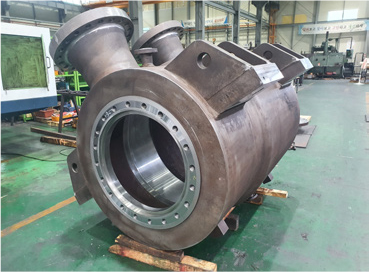
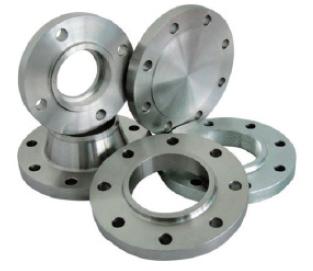
[INQ. NO. 2606M23] NS Co., Ltd. is a company that has achieved significant results across various fields, including industrial equipment, aerospace components, hydrogen energy, and special vessels, since its establishment in 2000 under the name Neuros. The company then changed its name to NS last year and has been operating under this name since then.
The product NS focused on showcasing in the recent domestic exhibition was the Turbo Blower, which is suitable for applications such as wastewater treatment. NS explains that this equipment, which combines a high-efficiency impeller, air bearings, and a Permanent Magnet Synchronous Motor (PMSM) optimized for high-speed operation, features high efficiency, eco-friendliness, and user-friendliness.

In particular, NS cites ‘air bearings’ as a key strength of its turbo blowers. Air bearings are non-contact bearings that utilize the fluid dynamic pressure automatically generated between a high-speed rotating disc and a foil-shaped structure within a viscous gas, thus eliminating the need for separate lubricants.
During the 2024 Paris Olympics, there were many criticisms regarding the water quality of the River Seine, and so 10 of NS’s turbo blowers were deployed to address this issue. The company’s turbo blowers are used not only to purify water using compressed air but also in the cooling process during semiconductor-wafer manufacturing.
Regarding the application of air-bearing technology, a company spokesperson explained, “Since no wear occurs during rotation, the air bearings can be operated semi-permanently, and 100% lubrication-free operation is achievable. Because they only split and compress air from the atmosphere, they can be considered free from environmental concerns.”
Meanwhile, NS is also implementing advanced predictive maintenance through its smart blower solution, NSync. This is an intelligent system that goes beyond the limits of conventional blowers to optimize energy efficiency and enable preventive maintenance through IoT-based real-time monitoring and data analysis functions. It is designed to provide an integrated screen that allows users to check the operating status at a glance and enables immediate response in the event of an anomaly.


korean-machinery.com | Blog Magazine of korean-machinery, brands and Goods
Hyundai Motor’s New GV70 EV to be Produced in Ulsan

https://korean-machinery.com///inquiry

[INQ. NO. 2606M15] Hyundai Motor Company plans to establish a production base at its plant in Ulsan, South Korea, for its GV70’s Extended-Range Electric Vehicle (EREV) — instead of North America. The GV70 EREV is currently under development as a core model for its next-generation electric vehicles. By adding a key future vehicle production line as part of the reconstruction of the Ulsan plant, the company is strengthening its strategy to establish Ulsan as a ‘Mother Factory.’
According to sources in Korea’s automotive industry, Hyundai Motor Company is considering producing the GV70 EREV at its Ulsan plant, a project originally intended for local production in North America. By shifting the base for next-generation electrification production from the United States to Korea, the company is also introducing changes to its global supply strategy.
EREV is an electrification technology where the engine acts as a generator when battery power is insufficient. Unlike Plug-in Hybrid Electric Vehicles (PHEVs), the engine does not directly intervene in propulsion but is used solely for battery charging. It is considered a next-generation electric vehicle that takes conventional hybrid-vehicle power technology to the next level.
Hyundai Motor Company is currently preparing a briefing for the labor union regarding the production of the GV70 EREV at the Ulsan plant. Specifically, plans are underway to soon hold a meeting through labor-management consultations to discuss production volume allocations, deployment plans, and employment impacts.
Given that commercialization of EREVs will take time, Hyundai Motor Company has decided to locate the related facilities at its Ulsan plant, which is currently undergoing reconstruction due to aging infrastructure, instead of at its existing North American plants. This strategy is expected to be fully realized once the new Ulsan EV plant begins operations in the second half of this year.

Reconstruction of Existing Plant Following the New Ulsan Plant
Hyundai Motor’s decision to revise its Extended-Range Electric Vehicle (EREV) strategy and proceed with the production of the GV70 EREV in Ulsan is interpreted as a result of a combination of strategic judgments: redefining next-generation EV production hubs, and strengthening the so-called ‘Korean Mother Factory.’
Initially, Hyundai Motor Company had designated the GV70 EREV as a strategic model for North America and considered local production in the United States. Production at the Alabama plant or the Hyundai Motor Group Metaplant America (HMGMA) in Georgia was considered with a target sales date of 2027. However, the actual production strategy has been readjusted toward a more realistic direction.
As a state-of-the-art production facility equipped with AI-based intelligent control systems and eco-friendly manufacturing methods, the new electric vehicle (EV) plant in Ulsan is expected to gradually expand production from the Genesis GV90 to next-generation electrified models, including future EREVs. By establishing a production system that links the renovation of the existing plant with the new facility, Ulsan is highly likely to be reorganized from a simple production base into an integrated production hub for future vehicles.

Based on this, Hyundai Motor Company plans to diversify its production bases, reduce global supply-chain risks, and simultaneously lay the groundwork for expanding exports of EVs. In the mid- to long-term, the company is considering launching EREV models in the Chinese market. To this end, utilizing production bases in Korea would enhance geographical accessibility, thereby securing logistics and supply efficiency.
Hyundai Motor Company has recently announced plans to invest KRW 125 trillion in the domestic market over the next five years, starting this year ― and is accelerating the modernization of its production lines and the transition to electrification. The company also aims to more than double exports of electrified vehicles from 690,000 units last year to 1.76 million units by 2030.
Hyundai Motor Company had previously embarked on efficiency improvements last year by halting production of the electrified model of the GV70 at its Montgomery plant in Alabama.
Furthermore, the fact that the Genesis brand’s recognition and sales base in the North American market have not yet expanded sufficiently is also acting as a variable. The judgment is that it is more effective to first establish the premium electrified model, the GV70 EREV, in the domestic market ― where brand recognition and sales base are relatively more robust than in North America.
On the other hand, Hyundai Motor Company plans to proceed as scheduled with local production of the Santa Fe EREV, a representative sports utility vehicle (SUV) with a solid demand base in the North American market.

 
korean-machinery.com | Blog Magazine of korean-machinery, brands and Goods
EV Fleet Charging Solutions

https://korean-machinery.com///inquiry

[INQ. NO. 2606M14] PUMPKIN Co., Ltd. is Korea’s leading provider in the electric-bus charging market, delivering optimized charging technologies tailored for electric buses and commercial electric vehicles (EVs) ― along with integrated solutions based on Mobility-as-a-Service (MaaS).
Powered by its big data-driven eBAB integrated control system, PUMPKIN offers a comprehensive, one-stop solution that includes real-time charging monitoring; remote fault management; charging efficiency optimization; fire prevention; and maintenance support. Having recently obtained European CE certification, PUMPKIN is now fully prepared to expand into the global market.

Rapid Chargers for Electric Buses
PUMPKIN has manufactured and deployed over 4,000 electric-bus chargers, operating reliably year-round without interruption. Backed by extensive experience and technological expertise, the company leads the industry in electric-bus charging solutions.
Its portfolio includes both sequential and simultaneous charging technologies, with a wide selection of chargers ranging from 140kW to 480kW. Recently, PUMPKIN introduced a high-performance system capable of charging up to four double-decker electric buses simultaneously.

Ultra-Fast Charging System
PUMPKIN’s pantograph-based mobile-robot automatic charging system enables unmanned, high-speed charging for a wide range of large electric mobility vehicles. Utilizing advanced automatic positioning recognition and robotic transport technology, the system ensures precise and efficient operation.
With scalable high-power charging capabilities ― ranging from 480kW up to 600kW ― this solution enhances both safety and operational efficiency. Compared to conventional methods, it reduces maintenance costs, shortens charging time, and minimizes the need for driver intervention.

Integrated Control Solution
The eBAB integrated control platform analyzes over one billion data points in real time, delivering advanced services such as charging history tracking, predictive fault detection, fire prevention, and energy efficiency optimization.
Through these differentiated technologies, PUMPKIN enhances the operational stability of electric buses, reduces overall costs, and maximizes the efficiency of charging infrastructure management ― earning strong trust among its customers worldwide.


korean-machinery.com | Blog Magazine of korean-machinery, brands and Goods
EV Charging Solutions

https://korean-machinery.com///inquiry

[INQ. NO. 2606M13] Klinelex Co., Ltd. is a leading EV-charging solution provider, actively expanding into India, Southeast Asia, the USA, and the Middle East ― with innovative marketing strategies. Committed to building a sustainable EV-charging infrastructure, Klinelex enhances its global competitiveness through advanced charging technology and operational solutions.
Specializing in EV chargers and smart-charging technologies, Klinelex provides high-quality products and efficient management solutions for corporate- and personal-charging facilities. Klinelex’s offerings include fast and slow chargers, smart charging solutions, control systems, charging apps, and real-time charging information services.

DC Chargers / Fast Chargers
Klinelex manufactures standalone and power-bank-type DC fast chargers with output power of up to 350kW per channel. Its chargers feature compact design, advanced cooling and air conditioning, efficient DC power distribution, and optimized cable management technology, thereby ensuring high performance and reliability.

AC Chargers / Slow Chargers
Klinelex manufactures single- and dual-channel AC chargers with charging speeds of up to 11kW per channel. Its chargers excel in compact design, fault management, efficient AC power distribution, and scheduled charging technology, thus ensuring reliability and user convenience.

Operations Management Solution & Apps
Klinelex provides OCPP-based CSMS, offering a standardized charger interface, charging information management, and driver information management. Its solution ensures seamless integration, smart charging optimization, and efficient data collection & processing.
Klinelex provides Android and iOS-based mobile apps that enable users to conveniently access and manage their charging stations with real-time monitoring and seamless payment options.

AI-Based Intelligent Diagnostics & Technical Support System
Klinelex has revolutionized maintenance quality by developing the industry’s first AI-based EV-Charger Technical Support System. This system integrates over a decade of expertise, including tens of thousands of repair records, technical manuals, and real-time equipment data into a single platform.
When a technician inputs a symptom, the AI analyzes historical data to immediately suggest optimal solutions and necessary parts, thus ensuring high-quality service regardless of the technician’s experience level. By integrating with the CSMS, the system enables real-time status monitoring and proactive maintenance, thereby maximizing charger uptime and customer satisfaction.

Leading the Global EV-charging Industry
Klinelex leads the industry with high compatibility, durability, and reliability. Its SoC display enables easy monitoring, and charging automatically stops at 95% for safety. With Plug & Charge (PnC) functionality, both charging and payment are handled seamlessly.
“All our products meet UL/CE global standards, thus reinforcing our position as a leading export-oriented company. Through continuous technological innovation and AI integration, we are transforming the future of the global EV-charging industry,” said the company’s CEO.
 
 
korean-machinery.com | Blog Magazine of korean-machinery, brands and Goods
Fast Chargers

https://korean-machinery.com///inquiry

[INQ. NO. 2606M12] EVSIS Co., Ltd. is the first electric vehicle (EV) charger company in Korea, and operates the entire value chain ― including EV-charger manufacturing/sales, charging platforms, and maintenance. It is thus currently the No. 1 company in domestic industry sales.
In addition, EVSIS established a U.S. subsidiary and factory in April 2024 to expand its global business, and is currently supplying chargers to other Asian markets such as Japan and Southeast Asia ― in addition to North America.
EVSIS manages global chargers through the global monitoring control system known as the Charge Sync System (C-SYNC), and also performs maintenance.
EVSIS is increasing its global brand awareness through participation in various exhibitions such as CES, EV Trend, Move, and ACT Expo.

Diverse lineups of globally certified DC fast chargers
Based on its manufacturing capabilities of excellent rapid chargers, EVSIS has acquired a diverse lineup of global certifications such as UL, CE, NRTL, NTEP, CTEP, and Energy Star.
The main models are: 30kW (charging time 2 hours) mid-fast chargers (Level 2~3); 100kW (charging time 40 minutes) fast chargers (Level 3); 180/240kW (charging time 20 minutes) fast chargers (Level 3); and 350/400kW (charging time 10 minutes) ultra-fast chargers (Level 4).
Furthermore, EVSIS is on track to complete development and begin supply of its 480kW All-in-One model within Q3,2026, to meet high market demand.
As an integrated system, its 480kW All-in-One model offers superior installation efficiency and supports ultra-fast charging, which positions it as EVSIS’ next-generation flagship model.

EVSIS’ products are equipped with a PLC modem that can communicate with vehicles, allowing the drivers to check their batteries’ real-time charging status and prevent overcharging, thus enabling power control and fire prevention.
The introduction of automatic charging (auto-charging) technology and cable with “Metal Swing” has improved user convenience, and the introduction of an anti-theft system (ATS) has improved safety.
Additionally, in response to the frequent cable thefts in North America, EVSIS successfully developed a specialized cable protection enclosure.
EVSIS has already commenced production and supplied these units to key CPOs, thereby effectively enhancing infrastructure security.
Finally, EVSIS’ models support both the international standard CCS and the North American charging standard NACS, and they are OCCP 2.0.1-certified products, which are the latest communication protocol certifications.
EVSIS’ chargers are standardized products, but EVSIS can also produce customized products according to the requests of the charging business operators.
EVSIS is also supplying charging infrastructure for expanded mobilities such as large-capacity commercial vehicles, heavy equipment, electric buses, and electric ships.
“We are preparing to commercialize a 1MW charger that won the Red Dot Design Award with a charging time of less than five minutes, and we will continue to lead the innovation of charging infrastructure in the future,” explained a spokesperson for the company.


korean-machinery.com | Blog Magazine of korean-machinery, brands and Goods
Test Equipment for EVs

https://korean-machinery.com///inquiry

[INQ. NO. 2606M11] WOOJIN TECHNOLOGY CO., LTD. is a corporation specializing in automotive test facilities and has been striving to achieve the highest level of technology to ensure customer satisfaction and product quality competitiveness, based on many years of technical cooperation with domestic and overseas companies.
In particular, WOOJIN TECHNOLOGY supplies high-performance dynamometers, including models with 400 kW power, 600 Nm maximum torque, and a maximum speed of 25,000 rpm, for EV motors and ePT development. These are developed in cooperation with overseas companies possessing advanced technologies in EV and HEV test facilities.

WOOJIN TECHNOLOGY continues to grow while taking pride in contributing to customers’ research and technological development by providing high-quality test facilities, including universal inverter drivers and battery simulators (600 kW / 1200 V / 1000 A) for EV powertrain testing.

In addition, WOOJIN TECHNOLOGY offers a module-type bidirectional power supply (hereinafter, ‘multi-charger’), capable of testing various prototype products. The multi-charger is designed to operate 30 kW units (500 V ± 180 A) in configurations of up to three units in series (1500 V), and can be flexibly configured in combinations such as the 2-series 3-parallel, 3-series 2-parallel, and 4-series, etc., as one set.
Furthermore, WOOJIN TECHNOLOGY is developing a mobile charger (50 kW rapid charger) utilizing recycled batteries as part of a government-supported project. This system enables charging in general parking areas and is expected to have strong potential in the future market.
The CEO of WOOJIN TECHNOLOGY stated, “We will continue to fulfill our responsibilities and mission as a company that grows together with our customers by focusing on new technology development, based on our management philosophy of continuous challenge and trust.”
Currently, WOOJIN TECHNOLOGY primarily exports to Japan and is working to expand its export markets to Europe and China in the mid- to long-term.


korean-machinery.com | Blog Magazine of korean-machinery, brands and Goods
Kia Launches Sales of the Updated Model of its Flagship Semi-large Sized Sedan

https://korean-machinery.com///inquiry

[INQ. NO. 2606M10] Kia recently announced that it will begin sales of ‘The 2027 K8’ (hereinafter, ‘2027 K8’), the updated model of its flagship semi-large sized sedan, K8.
The 2027 K8 is characterized by enhanced overall product appeal, achieved by applying highly preferred convenience and safety features as standard, and enhancing its price competitiveness.
Kia has improved safety and convenience by basically installing a head-up display on the Signature, the top trim of the 2027 K8, which reduces visual distraction while driving.
The Noblesse and Best Selection trims feature an expanded range of Advanced Driver Assistance Systems (ADAS) to provide a safer and more convenient driving experience.
Kia has equipped the Noblesse trim with Highway Driving Assist 2 (HDA 2), Navigation-based Smart Cruise Control, and Rear Passenger Alert as standard fittings, while the Best Selection trim features Blind Spot Collision Avoidance Assist, Rear Cross Traffic Collision Avoidance Assist, and Safe Exit Assist as standard.
To commemorate the launch of the 2027 K8, Kia has initiated the Smart Owner Purchase Program, which allows customers to purchase the vehicle at a more reasonable price. Customers who sign a contract for the 2027 K8 by May 31 and take delivery within June will receive an additional KRW 300,000 in Kia Members points. This is intended to alleviate the burden of vehicle operation, such as maintenance and refueling, amidst rising fuel prices, and to support efficient vehicle management.
Meanwhile, the K8 underwent product enhancements in August 2024. By equipping it with Preview Electronic Control Suspension and Highway Body Motion Control, it detects road conditions in advance and precisely controls the vehicle body movements. In this way, it further enhances the comfortable ride and driving stability befitting a premium sedan.
In particular, while securing ample interior and cargo space based on a body exceeding five meters in length, the hybrid model has been chosen by many customers, accounting for approximately 62% of total K8 sales last year, thanks to its class-leading fuel efficiency of 18.1 km/ℓ (17-inch wheels, combined).
“The 2027 K8 is a model that has further strengthened its competitiveness by focusing on premium value that customers can actually experience, serving as an iconic sedan representing Kia,” a spokesperson for the company noted, adding, “Based on the K8’s unique luxurious design and highly preferred safety and convenience features, it will provide even greater satisfaction to customers in the semi-large sedan market.


korean-machinery.com | Blog Magazine of korean-machinery, brands and Goods