Hyundai Motors to Introduce All of its Hydrogen Value Chains in Japan

https://korean-machinery.com///inquiry

Driving range of 720km, surpassing Toyota
Scheduled for launch in Japan in the first half of this year

Hyundai Motor Group will solidify its position as a global leader in the hydrogen sector by introducing all of its hydrogen value chains in Japan, the birthplace of hydrogen.
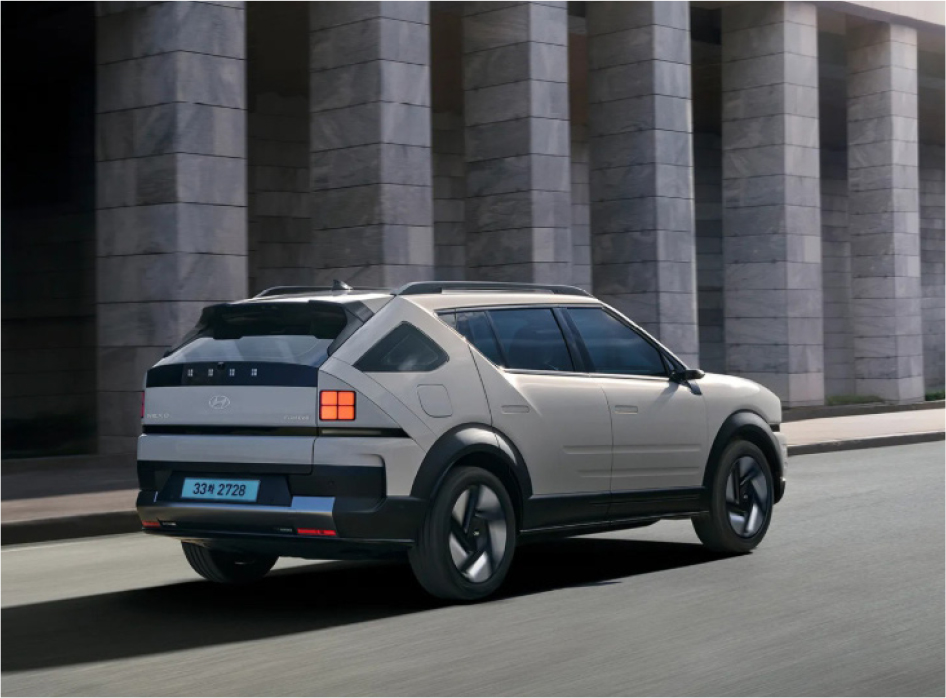
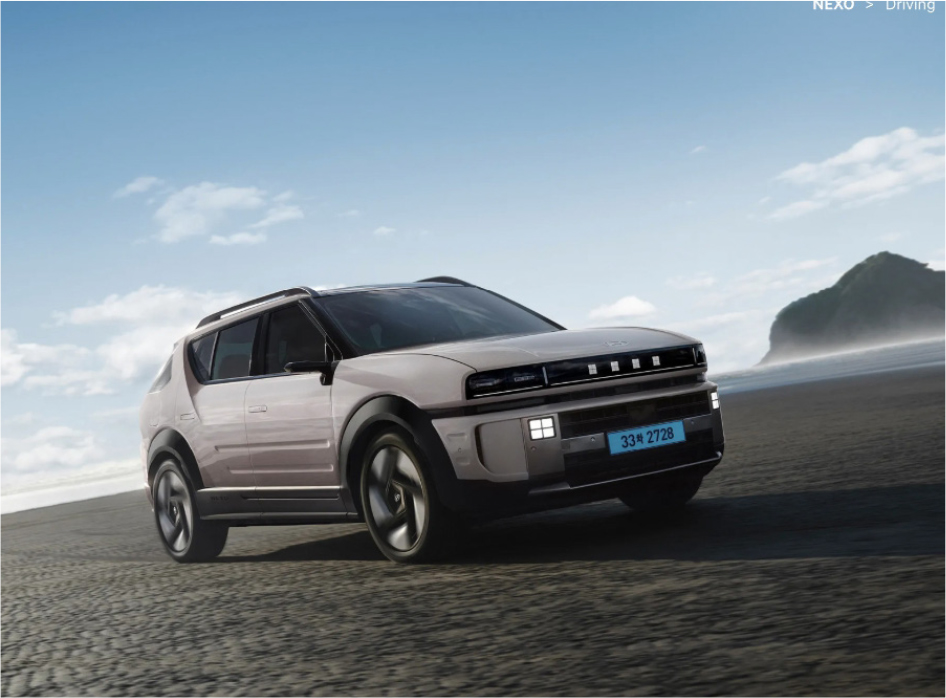
Especially designed for models to be launched in Japan, a vehicle-to-home (V2H) function that can supply power to homes in case of an emergency, considering disaster situations such as earthquakes and power outages. Hyundai Motors will launch The All-New Nexo in the first half of this year. In addition to passenger models, hydrogen-electric trucks and hydrogen-electric tram models will also be shown at this exhibition.

Hyundai Motor Group is also demonstrating its capabilities as an ‘energy solution company’ beyond just being an automobile manufacturer. ‘The hydrogen automatic EV charging robot,’ developed by Robotics Lab will show a charging demonstration of The All-New Nexo. This robot enables 24-hour unmanned charging without human intervention, through vision AI technology.
The company will also display a model of a packaged hydrogen-charging station to expand the hydrogen charging infrastructure. This charging station is designed to modularize core facilities in the form of containers so that they can be freely placed, both horizontally and vertically. In addition, it is considered a practical alternative to solving the problem of securing land for charging stations in urban areas, which is the biggest obstacle to the supply of hydrogen cars, by incorporating multi-layering and undergrounding technology.
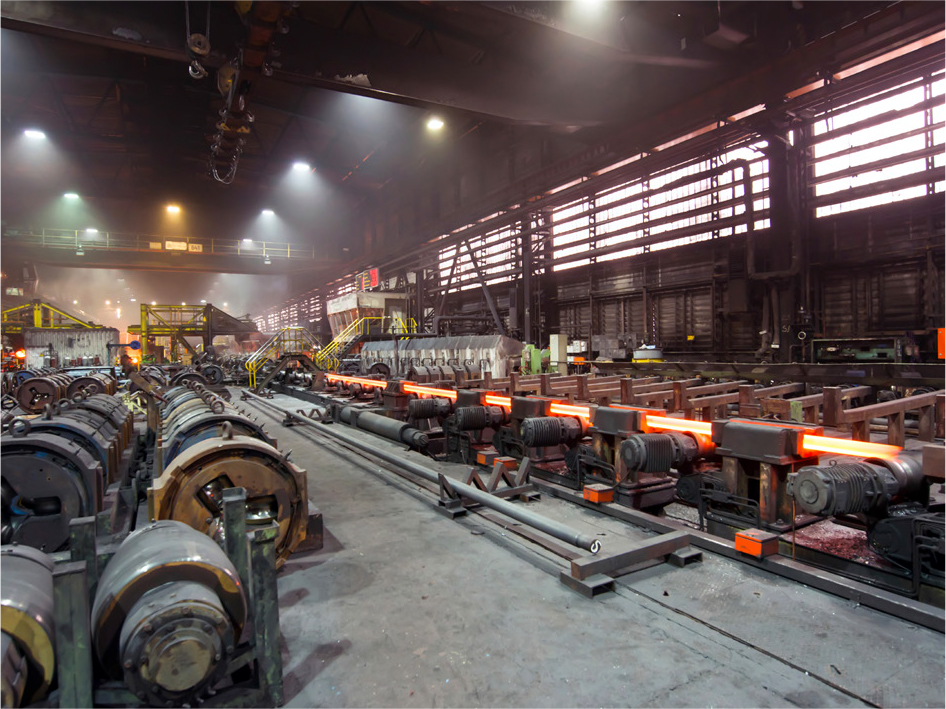
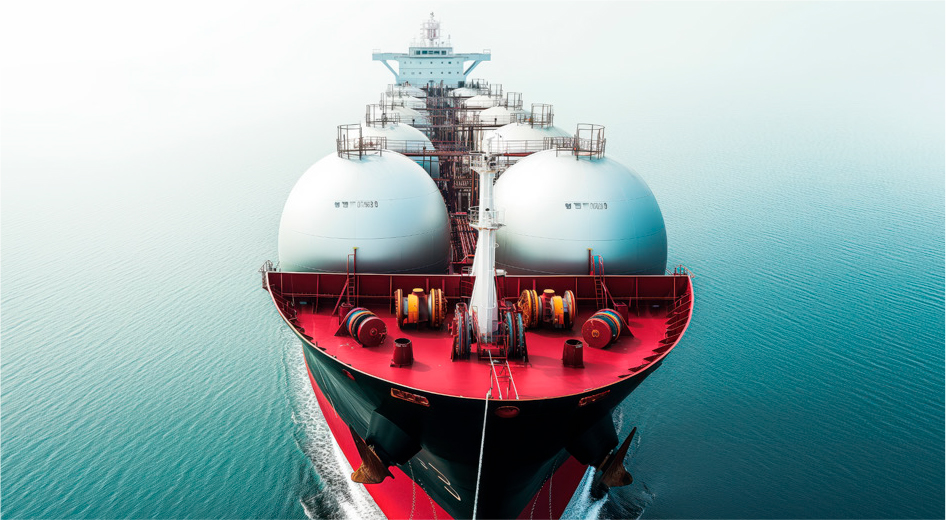
Furthermore, Hyundai Motor will also unveil its hydrogen-burner technology for decarbonizing the manufacturing process. Starting with the company’s plant in Ulsan, it will convert to hydrogen about 5,000 liquefied natural gas (LNG) burners in domestic production bases and introduce it to more production bases in North America and Europe.
Hyundai Motor established a hydrogen research and development organization in 1998 and has been conducting research for 30 years.

korean-machinery.com | Blog Magazine of korean-machinery, brands and Goods
Hyundai Mobis Obtains Huge Orders in Europe

https://korean-machinery.com///inquiry

Jackpot in Europe following the USA
Recognized for its supply capabilities and technology

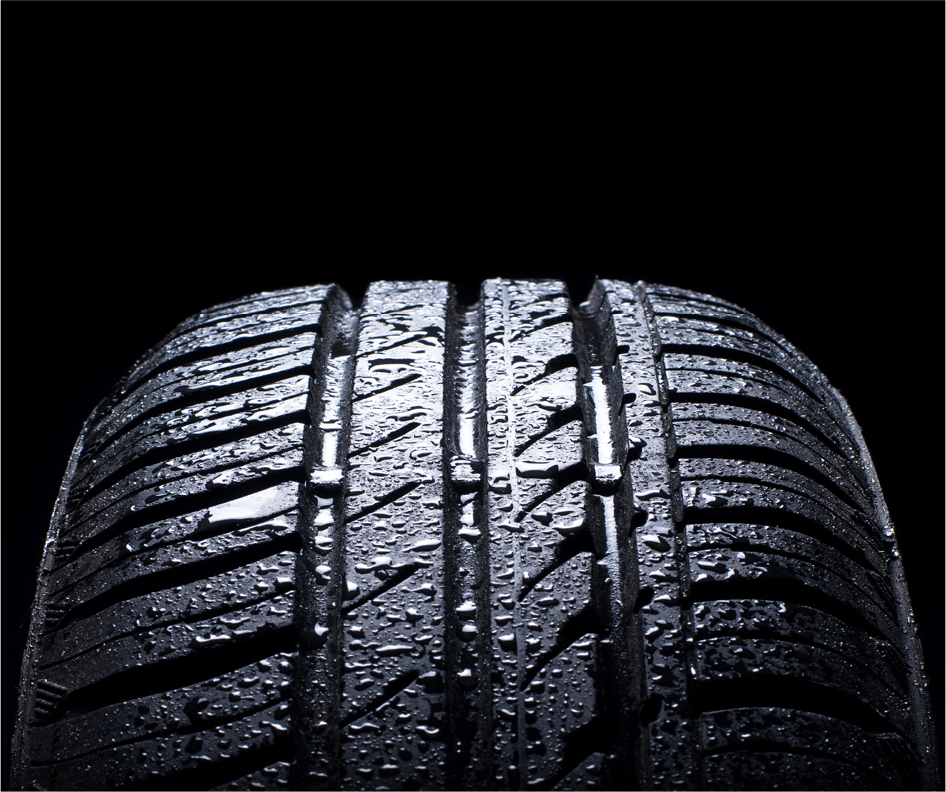
Hyundai Mobis will supply chassis modules on a large-scale to Mercedes-Benz in Europe after its success in North America. Hyundai Mobis announced that it has signed a contract with Mercedes to supply chassis modules, and has operated a dedicated production base in Hungary for this purpose. It plans to supply chassis modules for electric and hybrid vehicles through this new plant in Hungary and build facilities for mixed manufacturing with gas and diesel vehicles.

The chassis houses components such as steering, braking, and suspension that runs under the vehicle body. When these devices are installed on the vehicle body, it is called a chassis module, which is considered a key component that determines driving stability. As vehicle parts are integrated and provided in a package format, there are many cases where supply continues for a long time once trust relationships with customers are established.
The industry also sets a high value on the fact that the company has established a forward base in Hungary, targeting the European market, where premium automakers are located. Hyundai Mobis’ new European plant in Kecskemét , central Hungary, is the size of seven football fields (equivalent to 50,000 square meters). Recently, Hungary has been rapidly emerging as an automobile and battery production hub in Eastern Europe. Production bases of major battery cell companies such as Samsung SDI, SK On, and CATL as well as finished car makers such as BMW have been built, resulting in annual production of 500,000 new cars.

korean-machinery.com | Blog Magazine of korean-machinery, brands and Goods

Doosan Enerbility Expands its North America Invasion Strategy

https://korean-machinery.com///inquiry

Expected to supply to Mask’s xAI
Secured order for two additional 370MW units

Doosan Enerbility has won a contract with a U.S. company to supply steam turbines and generators for power supply to data centers. This marks the first time Doosan Enerbility has supplied steam turbines to North America.
Doosan Enerbility announced that it recently signed a contract with a U.S. big-tech company to supply two 370 MW-class steam turbines and two generators for power supply to data centers. With the company securing steam turbine orders, following its export of gas turbines last year, it has strengthened its foothold in the North American market.
Doosan Enerbility is reported to have signed a contract last year to supply a total of 12 gas turbines to xAI’s data center.

Steam turbines are a core component of combined cycle power plants, using exhaust-heat from gas turbines to generate additional electricity and significantly boosting energy efficiency. Combined cycle power generation refers to a high-efficiency generation system in which a gas turbine is driven by gas including liquefied natural gas (LNG), and the heat produced in this process is then used to drive a steam turbine a second time. Because AI centers consume massive amounts of electricity around the clock, highly efficient and reliable power facilities are essential.
Building on this latest order, Doosan Enerbility plans to accelerate exports of its combined cycle power-generation model to utility companies and independent power producers (IPPs) across North America.
It is analyzed that the company has gained a competitive edge in bidding for future large-scale combined-cycle power projects by securing gas-turbine and steam-turbine supply-performance in the North American market.


korean-machinery.com | Blog Magazine of korean-machinery, brands and Goods

Imminent First Export of Korean-Made Supersonic Fighter KF-21

https://korean-machinery.com///inquiry

The countdown is on for the first exports of Korea’s supersonic fighter plane, KF-21. The KF-21’s first client is Indonesia, a joint-development participant, with an export volume of 16 units.
It is reported that Korea Aerospace Industries (KAI) is expected to sign an export fulfillment contract in Jakarta as early as the first half of this year after subsequent negotiations with Indonesia.
Initially, Indonesia planned to introduce 48 KF-21s (equivalent to three squadrons), but decided to sign for only 16 of them first due to defense -budget constraints. In addition, it was disclosed that detailed consultations have been held since the beginning of this year with local defense authorities and Kat participating.

Meanwhile, KAI has made another advance by formalizing the new presidential system under Jong-chul Kim. The management gap, which lasted for about eight months since the retirement of former president Gu-young Kang, who was appointed by the previous government, has been resolved.
President Kim explained, “We will strengthen strategic cooperation with domestic defense companies in line with the government’s Team Korea policy,” adding, “We will establish a horizontal communication system to create a ‘One Team KAI’ in which all executives and employees, including subsidiaries, are committed to achieving common goals.”

 
korean-machinery.com | Blog Magazine of korean-machinery, brands and Goods
SK Innovation Wins KRW 3.3 Trillion Power Plant Order in Vietnam

https://korean-machinery.com///inquiry

Securing a strategic energy base in Southeast Asia

Pursuing a business model that integrates the entire process of from procurement to storage and power generation of LNG

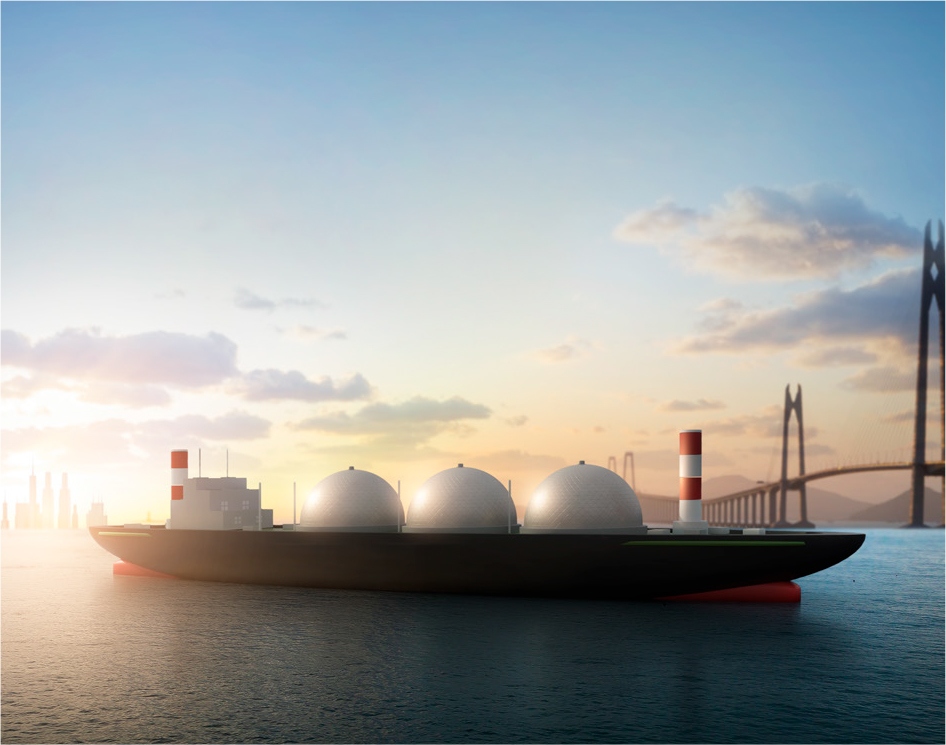
SK Innovation has been selected as the operator of a large LNG liquefied natural gas (LNG) power plant in Quynh Lap, Nghe An Province, Vietnam, thereby accelerating its global LNG business expansion. This is a massive project, with a total project cost of USD 2.3 billion (approximately KRW 3.3 trillion). SK is projected to secure a strategic foothold in the Southeast Asian energy market.

This is a large-scale energy infrastructure project that will simultaneously build a 1500MW gas combined thermal power plant; a 250,000m3 LNG terminal; and a dedicated port in the Quynh Lap area, about 220km south of Hanoi. It is a project aimed at stabilizing the supply and demand of electricity in Vietnam and expanding the industrial base with an integrated structure of power generation, storage, and supply functions.
SK Innovation has acquired business rights from the government of Nghe An province by forming a consortium with PV Power, for power generation under the Vietnam National Oil and Gas Group (PVN) and local company NASU. The goal is to begin construction in 2027 and complete LNG terminals and power plants in 2030.
The LNG value chain capabilities that SK Innovation has been building will be applied to this project. The strategy is to secure fuel supply and demand stability and price competitiveness at the same time through a business model that integrates the entire process from LNG procurement to storage and power generation.
Vietnam has maintained a power structure centered on coal and hydropower, but has faced chronic power shortages due to recent rapid industrialization and population growth. LNG is emerging as a practical transition energy source in a situation where it is not easy to expand coal and hydroelectric power generation due to environmental pollution and climate risks.
With this project, SK Innovation plans to expand its LNG business in Vietnam and increase its global LNG portfolio, currently about 6 million tons per year, to 10 million tons by 2030, thereby advancing as a global energy company.

korean-machinery.com | Blog Magazine of korean-machinery, brands and Goods
K-Steel’s Key to Success for 2026is Overseas Localization

https://korean-machinery.com///inquiry

POSCO expands its range of high-value-added products
Hyundai Steel to begin construction of an integrated steel mill in the USA

Korea’s steel industry is slowly emerging from a slump

Hyundai Steel announced that it recorded KRW 22.7332 trillion in sales and KRW 21902 billion in operating profit on a consolidated basis last year. Although its sales fell 2.1% from the previous year (KRW 23.22 trillion), its operating profit rose 37.4% from KRW 159.5 billion. It is explained that the cost-reduction effects resulting from declining iron ore and coal prices and lowered steel-product export freight rates led to improved profitability.

POSCO successfully rebounded last year, recording KRW 1.78 trillion in operating profit in its steel sector (on a separate basis), an approximately 20% increase from the previous year (KRW 1.473 trillion). This was achieved by increasing the proportion of high-value-added automotive steel and electrical steel and normalizing selling prices to increase profitability.
POSCO is strengthening its North America automotive steel plate supply network through partnerships, including equity investments, with Cleveland-Cliffs, the No. 2 steelmaker in the United States. Meanwhile, in India, POSCO plans to pursue the establishment of a joint integrated steel mill with JSW, the No. 1 steel maker in India, to directly meet growing market demand.
In Korea, Pohang Steel Mill will specialize as a base for energy and structural steel plates, and Gwangyang Steel Mill for automotive and electrical steel plates ― while reducing energy and improving facility efficiency at the same time. It also plans to respond to environmental regulations such as the Carbon Border Adjustment Mechanism (CBAM) by accelerating investment in decarbonization facilities, including the construction of a hydrogen-reduced steel demo plant and the completion of the Gwangyang electric furnace.
Hyundai Steel and POSCO are partnering to build an electric arc furnace-based integrated steel mill in Louisiana, USA, with a total investment of KRW 8.5 trillion, to establish a local automotive steel plate production system. It is planned to begin construction in the third quarter of this year, with the goal of starting commercial production in the first quarter of 2029. The company intends to respond to global demand for low-carbon steel plates for complete vehicles while increasing supply to North American factories of Hyundai Motor Company and Kia.

 
korean-machinery.com | Blog Magazine of korean-machinery, brands and Goods
Hyundai Motor Company Achieves its Best-ever Sales Performance for the Palisade

https://korean-machinery.com///inquiry

Achieving record global sales of over 210,000 units last year

Hyundai Motor Company’s large SUV, Palisade, achieved record sales last year, selling 211,215 units worldwide.
According to Hyundai Motor Company, this marks the first time since Palisade’s launch in 2018 that its global sales surpassed 200,000 units. This is a 27.4% increase compared to 2024 sales (165,745 units).

The second-generation model, the ‘All-New Palisade,’ which was launched last year, led the surge in global sales. The second-generation Palisade began its sales surge in North America in May of last year. With the popularity of gasoline models (73,574 units) and hybrid models (28,034 units), a total of 101,608 units have been exported in just eight months.

In particular, nearly 10,000 hybrid models were sold in the United States. The vehicle can travel more than 1,000 km on a single tank. A spokesperson for Hyundai Motor Company explained, “With the abolition of the electric vehicle tax credit in the USA, demand for hybrid vehicles with less charging burden and high fuel efficiency is increasing. The Palisade model featuring a next-generation hybrid system has emerged as a key choice in a local market traditionally favoring larger vehicles.”
In Korea, 38,112 units of hybrid models were sold, surpassing gasoline models (21,394 units). Hyundai Motor Company’s next-generation hybrid system is equipped with two motors. As a driving motor (P2), responsible for driving and regenerative braking, is complemented by a new motor for starting, power generation and assisted driving, it has improved power performance and fuel efficiency compared to existing hybrid systems.
 
 
korean-machinery.com | Blog Magazine of korean-machinery, brands and Goods
K-Steel Overcomes Crisis with High-Value-Added Special Steel

https://korean-machinery.com///inquiry

POSCO develops first armor steel for naval ships
Hyundai Steel leads the way in armored vehicles and tanks
SeAH Group establishes a special alloy plant in the USA

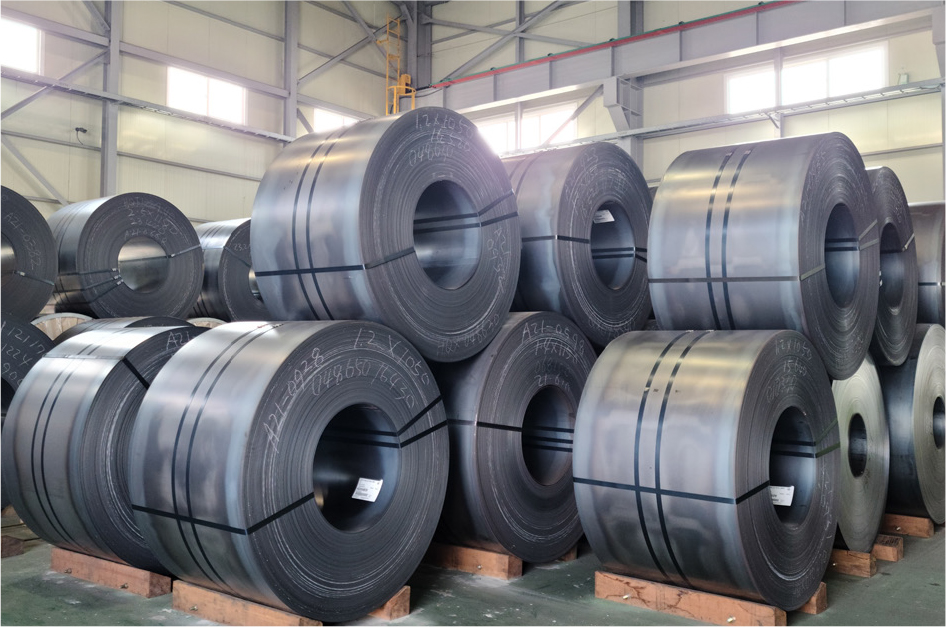
Korea’s steel industry is seeking new opportunities with differentiated high-value-added special steel for aerospace, defense, and nuclear power plants.
According to steel industry sources, major steelmakers such as SeAH, POSCO and Hyundai Steel are rapidly restructuring their business portfolios, prioritizing special steel for aerospace, defense, and nuclear power.
SeAH Group, which primarily produces shape steel and steel pipes, is at the forefront of this restructuring. SeAH Changwon Special Steel, a special steel affiliate, is constructing SeAH Super Alloy Technology, a special alloy plant for aerospace, in Temple, Texas.
The company plans to start commercial production in the second half of this year and directly supply local aerospace and defense companies. Orders from leading aerospace companies such as SpaceX are also anticipated.
SeAH Changwon Special Steel supplied a prototype of a 900℃ high heat-resistance alloy for aircraft engines to Hanwha Aerospace last year.
POSCO has also opened the door to the market of special steel for naval ships by developing the first higher-ductility hull structural steel and armor steel in Korea. Armor steel is 30% thinner than existing steel plates for ships but has the same bulletproof performance. Its application to upper structures of naval vessels aims to enhance protection power, while improving restoration of ships by reducing weight.
The company is also expanding its presence with steel materials for energy that can withstand extremely low temperatures. ‘High manganese steel,’ developed by the company itself, is a material that adds a large amount of manganese to steel so it does not break even at temperatures of -196˚C.
Hyundai Steel is also focusing on special steel for defense in response to slowing demand for construction and automobiles. Hyundai Rotem started supplying rear plates for armored vehicles in 2024. It also plans to begin mass-production and supply of rear plates for tanks this year, with development completed last year.
The domestic steel industry’s shift to high-value-added materials for aerospace and defense is seen as a survival strategy to escape the ‘negative growth tunnel’ caused by intensive supply of low-priced general-purpose goods from China.
According to the Financial Supervisory Service’s E-disclosure, the combined sales of Korea’s big four steelmakers ― POSCO, Hyundai Steel, Dongkuk Steel and SeAH Steel ― totaled KRW 70.98 trillion last year, a 3% decrease from the previous year, recording negative growth for three consecutive years.
An official from the steel industry explained, “It is difficult to withstand price competition with latecomers such as China and India only with general materials. Supplying special steel with high technology thresholds such as aerospace materials and armor steel for naval ships will determine the next 10 years of K-steel.”


korean-machinery.com | Blog Magazine of korean-machinery, brands and Goods
Orders for Ships

https://korean-machinery.com///inquiry

Orders for High Value-added Ships Growing

Orders for high value-added ships such as ultra-large crude oil and ethane carriers are likely to increase.

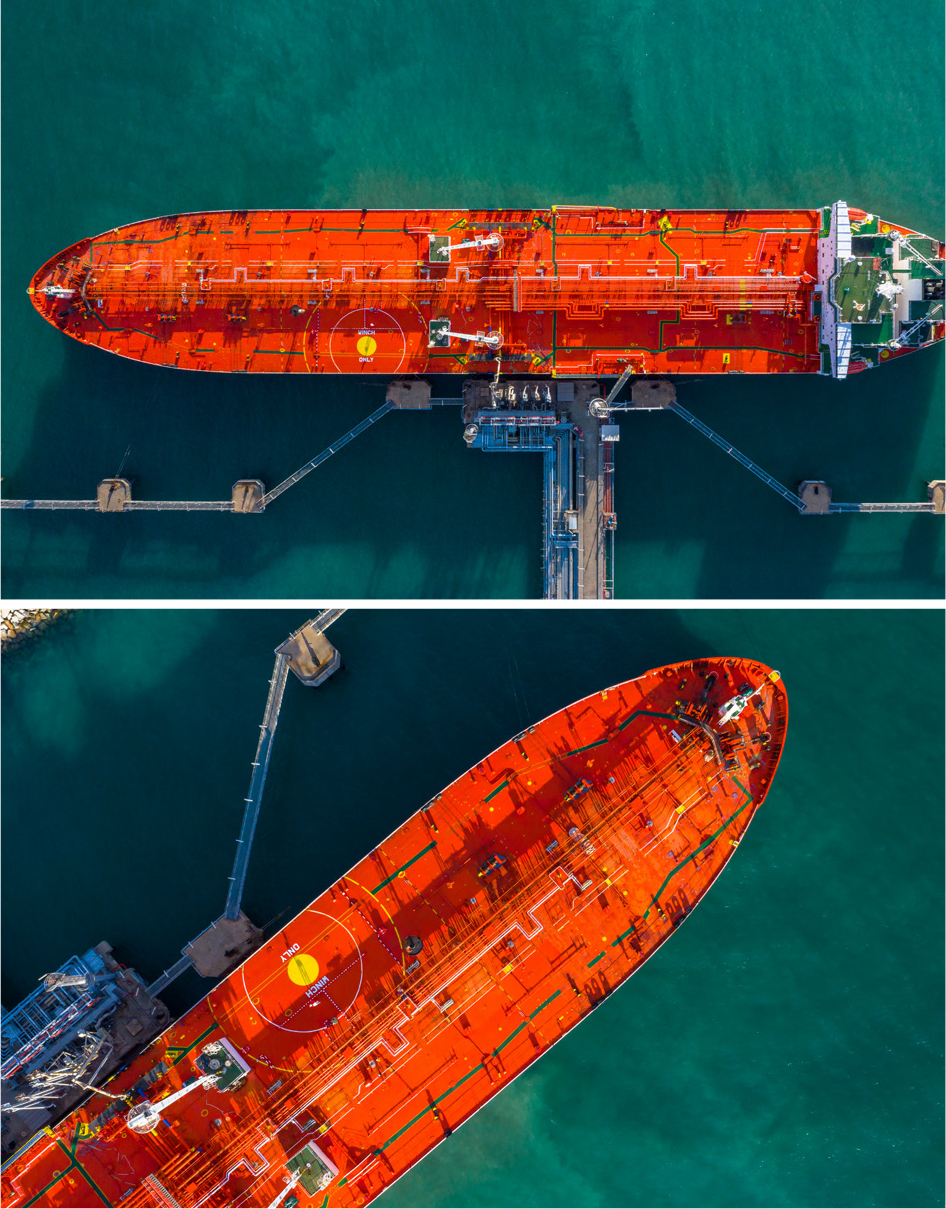
Orders focusing on high value-added ships are growing in the shipbuilding industry. The scope of orders is expanding, focusing on LNG (liquefied natural gas) carriers, into large gas carriers and tankers.

According to industry sources, HD Korea Shipbuilding & Offshore Engineering recently concluded a contract with a shipbuilding company in the USA to build four LNG carriers worth KRW 1.4993 trillion. The contract includes options for four more options, so additional orders are also expected.

Hanwha Ocean received an order last month for seven LNG carriers, worth KRW 2.5891 trillion, and Samsung Heavy Industries also secured an order in the same month for two LNG carriers, worth KRW 721.1 billion.
The industry expects orders for LNG carriers to increase this year. Last year, orders slowed down due to high ship prices and delays in final investment decisions (FIDs) of major LNG projects, with a total of 31 ships, including seven ships to HD Korea Shipbuilding & Offshore Engineering, 13 to Hanwha Ocean, and 11 to Samsung Heavy Industries.
According to Clarkson Research, a British shipbuilding and shipping analysis firm, global LNG carrier orders this year are expected to reach 115 ships. It is explained that orders will increase due to the expansion of new LNG project development and the demand for replacement of aging ships.
The order flow centered on LNG carriers appears to be expanding to other high value-added ships. In the new year, Hanwha Ocean received a KRW 572.2 billion order for three very large crude carriers (VLCCs) from a Middle Eastern shipowner.


korean-machinery.com | Blog Magazine of korean-machinery, brands and Goods
K-Defense’s power

https://korean-machinery.com///inquiry

K-Defense’s Power Expands from Eastern Europe to the Middle East

Hanwha strengthens response to the Saudi Arabian Market
KAI partners with America’s Lockheed Martin

K-defense companies are expanding globally, focusing on the Middle East. While demand for rearmament in Europe has been structured due to the protracted war between Russia and Ukraine, the trend of targeting the Middle East, Central and South America, the United States, and Western Europe is in full swing based on references verified in Eastern Europe.

According to the defense industry, Hanwha Aerospace, which has been continuously supplying Poland with its ‘bestseller’ K9, a self-propelled gun, and Cheonmu, a multiple-launch rocket, is also stepping up its sales activities in the Middle East. In particular, it is reported that the company is strengthening its market response by examining the cooperation possibilities focusing on Saudi Arabia.
Hanwha Aerospace is known to be seeking business opportunities focusing on the possibility of package-type cooperation including local production and maintenance infrastructure.
Hyundai Rotem is pursuing expansion of its K2 tank exports to emerging markets in the Middle East and Central and South America, while expanding into new European markets with Poland as its European production hub. Hyundai Rotem delivered all 180 K2 tank (K2 GF) to the Polish Armaments Agency last November, completing a massive supply without delays in about three and a quarter years.
In the first half of this year, the company is focusing on signing an implementation contract with the Peruvian Army Armory for the supply of K2 tanks and K808 wheeled armored vehicles.
Korea Aerospace Industries (KAI) is strengthening joint marketing with Lockheed Martin to obtain orders for the U.S. Navy’s Undergraduate Jet Training System (UJTS). It is also conducting export marketing for FA-50, targeting Southeast Asia, Europe, Central and South America, North America and Africa. LIG Nex1 maintains a multi-regional strategy encompassing the Middle East, the United States, Southeast Asia and Europe, and seeks export opportunities with integrated solutions based on air defense and guided weapons.


korean-machinery.com | Blog Magazine of korean-machinery, brands and Goods