LCV EV Trucks

https://korean-machinery.com///inquiry

[INQ. NO. 2606M06] Tata Daewoo Mobility Co., Ltd. was established in 2004 as Daewoo Commercial Vehicle, which was separated from the truck segment of Daewoo Motors.
After merging with Tata Motors, a global automobile manufacturer known for its diverse range of vehicles and technologies, Tata Daewoo Mobility combined the technical expertise of Daewoo Motors with Tata’s management skills to become a global leader.
As a result, Tata Daewoo Mobility has become the only domestic manufacturer specialized in EV trucks, and is now recognized for its quality and technical capabilities ― both locally and internationally.
Tata Daewoo Mobility is addressing the need for electrified mobility to ensure a sustainable future for its customers. Transitioning to electric vehicles is a significant investment and an effective strategy for achieving sustainable growth. EVs do not rely on gas and operate quietly, thereby providing convenience for drivers in challenging environments compared to traditional trucks.

GIXEN, the First LCV EV Truck in Korea

Korea’s first LCV electric vehicle truck from Tata Daewoo Mobility, GIXEN, features a large capacity and a high-efficiency electric battery, along with a multi-speed transmission motor. GIXEN delivers dynamic power and performance across various road conditions, boasting powerful acceleration, torque, and an extended driving range with the longest driving-range on a single charge in its class.
GIXEN offers various loading standards that allow customers to load as they desire through a wide GVW range. Tata Daewoo Mobility possesses a battery product line, based on European motor systems, which considers both cost-effectiveness and performance.

GIXEN’s motor’s maximum power is 240–250kW and maximum torque is up to 862Nm. The 300kWh battery of GIXEN with 13 tons of Gross Vehicle Weight (GVW) enables a driving range of approximately 485km on a single charge. Furthermore, GIXEN ensures high safety by featuring an over-discharge capacity limit, a design to avoid thermal runaway, and an abnormal-sign detection and notification system integrated with SsenLink.
Tata Daewoo Mobility is focused on developing electric and eco-friendly trucks that enhance customer comfort and safety while promoting sustainability and innovative mobility growth.
Tata Daewoo Mobility has established a nationwide sales network with around 30 sales dealers and 200 representatives specialized in commercial vehicle sales.
Tata Daewoo Mobility is selling commercial vehicles in the name of ‘Daewoo trucks’ through its global sales network, which helps meet the needs of customers and the various business environments of the world.


korean-machinery.com | Blog Magazine of korean-machinery, brands and Goods
Megawatt Charging System

https://korean-machinery.com///inquiry

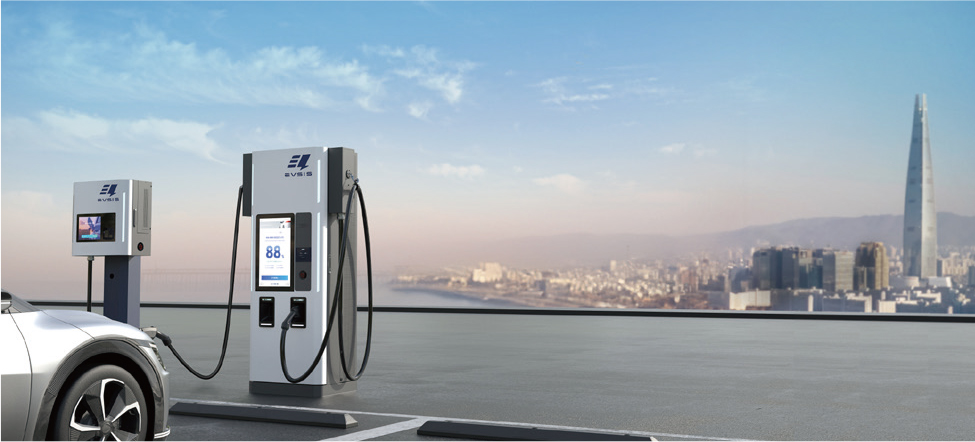
As Korea’s No. 1 rapid-charging operator, CHAEVI functions as a premier CPO with a network of over 5,900 high-speed charging points.
[INQ. NO. 2606M05] Established in 2016, CHAEVI Co., Ltd. is a global leader providing one-stop total solutions that cover the entire spectrum of electric vehicle (EV) charging, including development, manufacturing, installation, operation, and maintenance.
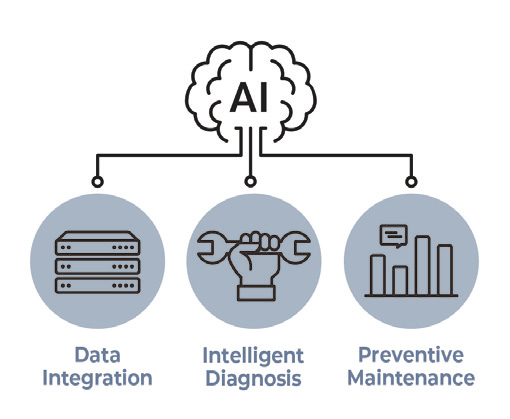
As Korea’s No. 1 rapid-charging operator, CHAEVI functions as a premier CPO with a network of over 5,900 high-speed charging points. With an industry-leading low failure rate of 0.38% and proprietary AI-driven diagnostic technology, CHAEVI delivers a superior charging experience and is rapidly expanding its infrastructure into global markets, including the United States.

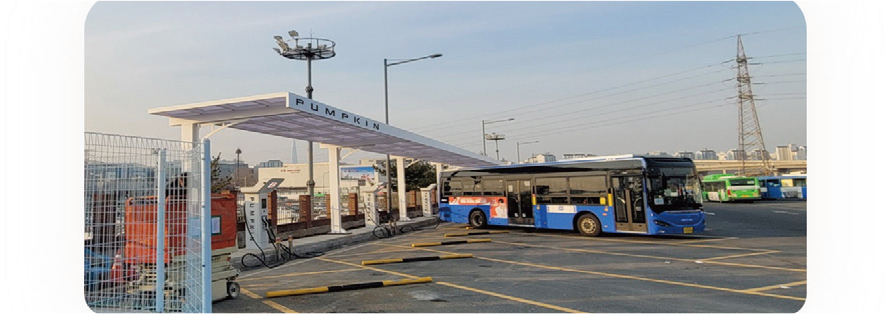
CHAEVI’s Megawatt Charging System (MCS) is a next-generation ultra-high-power charging platform designed to support both heavy-duty commercial vehicles and passenger EVs within a unified infrastructure.
Delivering up to 2.2MW of output, MCS sets a new benchmark for megawatt-level charging, enabling ultra-fast charging for large-scale fleet operations and long-haul logistics.
As a multi-standard solution (MCS + CCS + NACS), MCS supports all major charging standards in a single platform, allowing seamless charging across all EV types.

Engineering Excellence
CHAEVI’s MCS integrates advanced thermal-management systems, including a heat-pump-based cooling structure, ensuring stable operation even under extreme high-load conditions.
Its AI-based predictive diagnostics continuously monitor battery health and charging conditions, thereby reducing downtime and extending both charger and battery lifespan.
This intelligent system enhances operational efficiency while minimizing maintenance costs and improving long-term reliability.

Driving the Future of EV Infrastructure
With the rapid growth of electric commercial vehicles and long-haul logistics electrification, megawatt-level charging infrastructure is becoming essential.

CHAEVI’s MCS addresses this expanding demand by providing a future-ready, scalable, and unified charging platform, enabling such impressive features as reduced charging time, improved fleet utilization, enhanced driver safety through optimized rest cycles, and lower total cost of ownership (TCO).

AI-Based Intelligent Diagnostics & Operation Software
CHAEVI’s MCS integrates an AI-powered intelligent management solution that maximizes hardware performance while enhancing operational efficiency.
This innovation was a key driver behind CHAEVI winning two CES 2026 Innovation Awards in both the Vehicle Technology & Advanced Mobility and Artificial Intelligence (AI) categories.

AI Smart-Sequential Scheduling
This technology enables efficient charging of dozens of trucks during the mandatory 8-hour rest period following long-haul operations.
The AI algorithm continuously analyzes each vehicle’s battery State of Charge (SoC) in real time, prioritizes vehicles with the most urgent charging needs, and optimizes power distribution to fully utilize available energy resources.

AI Battery Diagnostics
The system communicates directly with each vehicle’s Battery Management System (BMS) to predict battery health and detect potential abnormalities in advance.
Diagnostic reports are delivered in real time to both drivers and operators, thus preventing unexpected failures, minimizing logistics disruptions, and extending battery lifespan.


korean-machinery.com | Blog Magazine of korean-machinery, brands and Goods
400kW All-In-One Ultra-Fast EV Charger

https://korean-machinery.com///inquiry

A Trusted Leader in High-Power EV Charging Infrastructure
[INQ. NO. 2606M04] SK Signet is a global electric vehicle (EV) charger manufacturer and a leading provider of ultra-fast charging solutions, particularly in the United States.
The company has established a strong presence in North America, supplying high-power charging infrastructure at scale and supporting the rapid expansion of EV adoption.
Recognized as a top-ranked manufacturer in the National Electric Vehicle Infrastructure (NEVI) program, SK Signet has earned industry-wide trust through its advanced technology and proven high-volume manufacturing capabilities.
As a total solution provider for EV charging, SK Signet is committed to accelerating the transition to sustainable mobility by integrating clean energy with next-generation transportation.

Optimized for High-Power, High-Density Deployment with All-In-One Architecture
Driven by the growing number of electric vehicles equipped with 800V high-voltage battery architecture, charging operators are under increasing pressure to deliver higher power output while maintaining site efficiency and profitability.
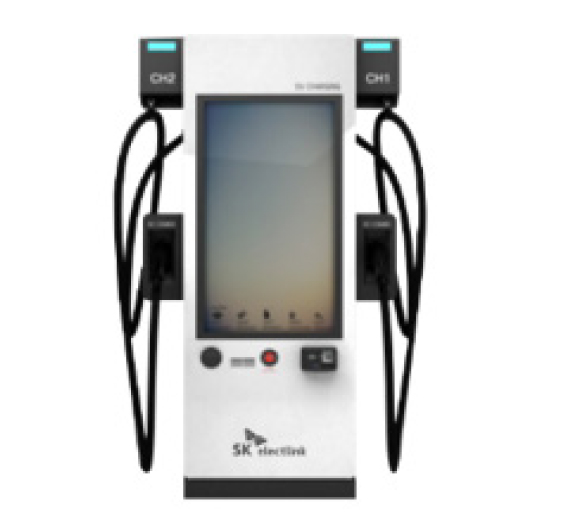
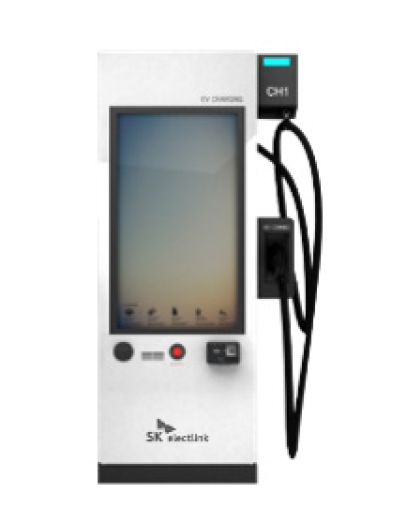
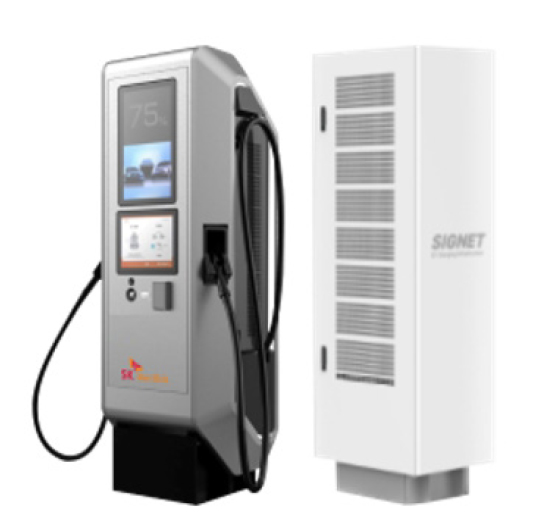
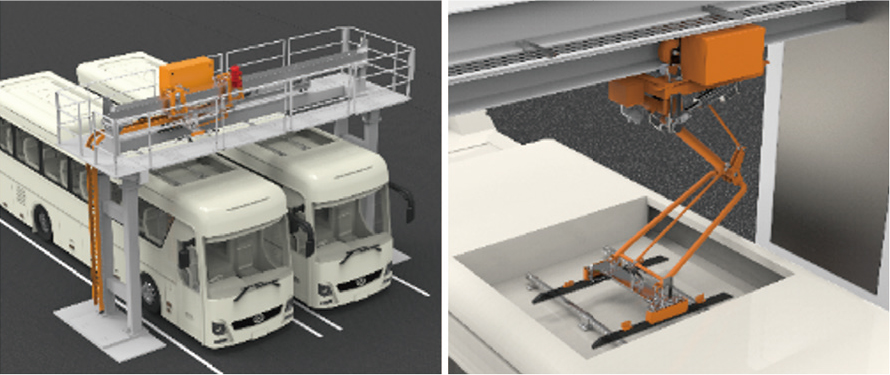
SK Signet’s new 400kW All-In-One charger integrates power cabinets and dispensers into a single compact unit. The system significantly reduces installation complexity and lowers total deployment costs ― addressing one of the key barriers to large-scale infrastructure expansion.The system can deliver stable 150–250kW charging to multiple vehicles while supporting full 400kW capacity for high-voltage EV platforms.

Silicon Carbide-Based High-Density Power Architecture
At the core of the new charger is an SiC-based high-density power architecture designed to deliver stable high-power charging while minimizing energy loss.
Key technical characteristics include: modular architecture with multiple high-density SiC-based power modules, delivering up to 400kW and optimized for ultra-fast charging applications; up to 96.5% power-conversion efficiency, reducing energy-loss during high-power operation; and improved thermal management supporting stable performance during continuous charging.
This efficiency performance supports charging network operators in reducing electricity loss and improving overall site economics.

Scalable Power for Long-Term Infrastructure Planning
The charger is designed with a modular power architecture that allows charging operators to scale charging capacity as demand grows.
The modular architecture allows operators to configure power at 320kW, 360kW, or 400kW according to current business needs. Operators can scale capacity by simply adding power modules rather than replacing entire hardware units as vehicle-battery technology evolves.
This ‘pay-as-you-grow’ approach reduces initial capital expenditure while ensuring long-term infrastructure scalability. The 400kW capacity ensures readiness for the upcoming surge in high-voltage, large-capacity battery EVs.

Space Optimization: 54% Smaller Footprint
By adopting a fully integrated All-In-One structure, SK Signet has cut the required installation footprint by more than half ― by 54%, compared to the previous model at the same power capacity. This compact design enables efficient infrastructure deployment in space-constrained charging environments such as retail centers, gas stations, and urban parking facilities, thereby providing operators with a competitive advantage.
Compared to deploying two 200kW units, a single 400kW All-In-One charger delivers the same output while significantly reducing required space, improving power density per square foot.
The integrated structure also simplifies construction, lowering installation costs and accelerating infrastructure deployment.
By integrating the power-conversion system and charge controller into a single device, it delivers more power per square foot than SK Signet’s V2 600kW split-type chargers. The integrated structure streamlines the construction process, leading to lower installation costs.

Enhanced User and Operator Experience
The new charger incorporates a range of user-centric and operational features designed to enhance charging convenience and improve system performance. These capabilities support high-power charging while providing operators with greater flexibility in deployment and site management.
The new charger is a liquid-cooled charging cable that reduces cable weight while maintaining stable high-power delivery. Its ergonomic swingarm cable management system improves accessibility regardless of vehicle charging port location. It supports both CCS1 and the North American Charging Standard (NACS). It has flexible connector configurations ranging from single to quad cables. Its 32-inch touchscreen display provides a clear and intuitive user interface. Moreover, it supports multiple payment methods including Plug & Charge, Autocharge, credit cards, RFID, QR code, Apple Pay, and Google Pay.

Optimized Software Platform
The new charger is system architecture optimized based on extensive operational experience and evolving user requirements. It ensures enhanced response speed, operational stability, and system security. Through the Charger Integrated Support System (CISS), firmware and software are updated remotely via OTA to ensure optimal performance. Real-time alerts and advanced diagnostics enable fast issue resolution, minimizing downtime and maintenance costs.


korean-machinery.com | Blog Magazine of korean-machinery, brands and Goods
LG Energy Solution Demonstrates Sulfur Cathode Technology for All-Solid-State Batteries

https://korean-machinery.com///inquiry

LG Energy Solution announced today that it has successfully demonstrated a high-capacity battery utilizing sulfur as a cathode material through an all-solid-state battery architecture, presenting new possibilities for next-generation, high-energy-density batteries.
The research, conducted in collaboration with Professor Shirley Meng’s research team at the University of Chicago, was published on February 27 in ITALICS, a leading international journal in the field of energy research.
The study represents a key research achievement by the Frontier Research Lab (FRL), jointly operated by LG Energy Solution with the University of California, San Diego (UC San Diego) and the Pritzker School of Molecular Engineering at the University of Chicago.

Sulfur has long been considered a promising candidate for next-generation cathode materials due to its low cost, abundant availability, and exceptionally high theoretical capacity of approximately 1,675 mAh/g. However, conventional battery systems using liquid electrolytes have faced a major challenge known as polysulfide dissolution, in which sulfur compounds generated during charge and discharge processes dissolve into the electrolytes, leading to rapid performance degradation and limited cycle life.
To address this issue, the joint research team adopted an all-solid-state battery structure that replaces liquid electrolytes with solid electrolytes. This approach effectively suppresses polysulfide dissolution and enables stable electrochemical performance.
As a result, the researchers achieved a capacity of approximately 1,500 mAh/g, while maintaining stable cycling performance. Importantly, the performance was verified not only in coin-cell testing but also in pouch-type cell configurations, thereby demonstrating the potential for practical battery applications.
“This achievement confirms the potential of sulfur cathodes to expand energy capacity beyond conventional lithium-ion batteries,” commented an LG Energy Solution representative. “Through continued collaboration with leading academic institutions, we will further advance next-generation battery technologies by strengthening safety, energy density, and cost competitiveness.”
Professor Shirley Meng, who led the research, delivered an address during The Battery Conference at InterBattery 2026, held at COEX, Seoul, in March 2026, where she shared insights into the future development of all-solid-state batteries and next-generation battery technologies.


korean-machinery.com | Blog Magazine of korean-machinery, brands and Goods
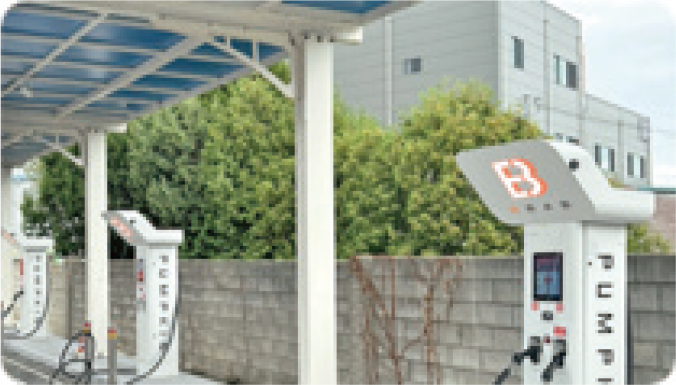
LG Energy Solution Joins SDVerse, Global B2B Marketplace for Automotive Software

https://korean-machinery.com///inquiry

[INQ. NO. 2606M03] LG Energy Solution recently announced that it has joined SDVerse, becoming the first battery company to participate in this Global B2B Marketplace for Automotive Software.
This move underscores the company’s technological leadership as it expands beyond battery manufacturing into the software and services that power next-generation vehicles.
Co-founded in 2024 by General Motors, Magna, and Wipro, SDVerse is the automotive industry’s first B2B marketplace for automotive software. It enables sellers to list software solutions that buyers can easily search, compare, and evaluate to find the best fit. As the era of Software-Defined Vehicles (SDVs) takes shape, SDVerse has quickly evolved into a trusted digital hub that helps accelerate innovation across software-defined mobility.

By joining SDVerse, LG Energy Solution is bringing its battery-software capabilities directly into the SDV environment, thereby enabling smarter diagnostics, safer operation, and longer battery life. The company is offering five core battery software solutions ― Battery Platform SW; Safety Diagnostic Calibration Tool; Onboard FRISM, Onboard BLiS; and Onboard DASH.
Battery Platform SW comprehensively analyzes key battery-status indicators, integrating LG Energy Solution’s proven BMS technologies into an SDV-optimized architecture.
The Safety Diagnostic Calibration Tool enables safety diagnostics and simulation validation based on battery data. This tool provides algorithms that companies can leverage to perform in-house analysis and operations without relying on external data sources, thus minimizing the risk of data leakage while enhancing security.
Onboard FRISM, also known as the Cell Data Free SOH Model, is algorithm-based automotive software that estimates battery condition based on battery field data. It enables accurate diagnosis of battery degradation without cell test data by applying machine learning–based error correction.
Onboard BLiS, which stands for Battery Life Simulator, is an algorithm that numerically predicts the battery degradation process and estimates changes in battery performance under various conditions. It can also predict how rapid-charging capability changes as batteries degrade, and simulate battery health based on a physical model by continuously monitoring voltage, current, and temperature.
Onboard DASH, which stands for Degradation Reduction Action Strategy for Battery Health, is an algorithm designed to manage the lifespan of EV batteries. It quantitatively analyzes how driving and charging behaviors affect battery degradation, monitors battery status in real time, and provides guidance to supporting long-term battery health.
“We are proud to welcome LG Energy Solution and its advanced battery management software, diagnostics, and SDV-ready battery architecture to SDVerse,” remarked Prashant Gulati, CEO of SDVerse. “By combining deep battery expertise with software-driven intelligence, LG Energy Solution is helping accelerate the development of next-generation electric vehicles.”
“The SDV era is turning vehicles into ever-evolving software platforms, and batteries are at the core of this transformation,” explained Je Young Kim, CTO of LG Energy Solution. “By introducing our battery software through SDVerse, we are not only demonstrating our readiness for the software-defined future but also ensuring that our battery intelligence is reflected at every stage of the vehicle lifecycle.”
The company has demonstrated distinctive battery software and service capabilities through more than 20 years of BMS development. Over that time, it has accumulated over 10,000 BMS-related patents, building deep expertise in the process. Last October, the company’s pioneering status was reaffirmed after becoming the first battery maker to be awarded a CES Innovation Award purely through software technology with its battery-life management solution, Better.Re.
Through its participation in the SDVerse ecosystem, LG Energy Solution plans to showcase its expertise in battery service and software technologies built over time, solidifying its position as a comprehensive energy-solution provider.


korean-machinery.com | Blog Magazine of korean-machinery, brands and Goods
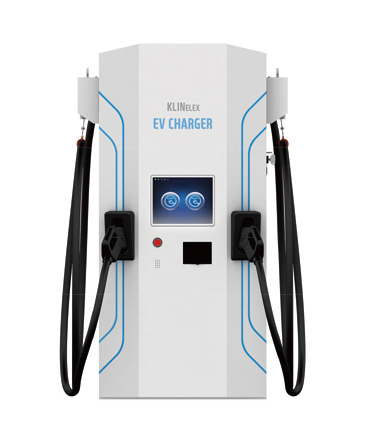
EV Charging Service Platform

https://korean-machinery.com///inquiry

[INQ. NO. 2606M02] LG UP+ VOLTUP is a joint venture specializing in EV charging that was established jointly by LG Uplus, a leading telecommunications company, and Kakao Mobility, a mobility platform.
By combining the infrastructure capabilities of a telecommunications company with the platform operation know-how of a platform company, LG UP+ VOLTUP is creating a new standard for EV charging that did not previously exist.

LG UP+ VOLTUP provides a smart charging experience through an intuitive and convenient app, and offers stable services by proactively preventing failures and responding immediately through a real-time monitoring system.
Based on infrastructure that is accessible anywhere in the country, LG UP+ VOLTUP is leading the domestic EV-charging market, and delivering the most convenient charging services.
LG UP+ VOLTUP supports professional installation consulting tailored to on-site conditions, leveraging its know-how from installing over 5,000 charging locations nationwide.
With the goal of building safe charging stations, LG UP+ VOLTUP establishes safe charging stations through the installation of chargers equipped with smart control functions and regular inspections.
LG UP+ VOLTUP is building operational optimization systems, including data-based anomaly-detection technology and smart charging, to optimize operations based on data.
“By combining our overwhelming telecommunications infrastructure capabilities with Korea’s No. 1 mobility platform, we are creating a new EV-charging lifestyle that transforms customers’ daily lives. We have already secured leadership in the domestic CPO business by establishing over 30,000 charging infrastructures, and we are now preparing for a new future through our evolution into a Smart Energy Platform. We look forward to welcoming you to join us on this great journey and becoming our best partner,” remarked the company’s CEO.


korean-machinery.com | Blog Magazine of korean-machinery, brands and Goods
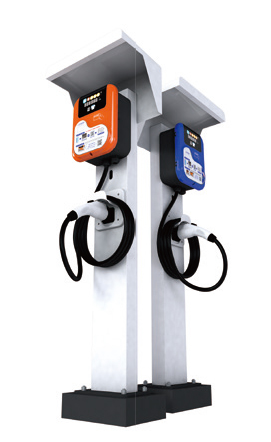
EV Charging Service

https://korean-machinery.com///inquiry

[INQ. NO. 2606M01] GS ChargEV is the company that operates CHARGEV, Korea’s No. 1 electric vehicle (EV) charging service, boasting 73,000 charging infrastructure units nationwide and 500,000 members.
Based on unrivaled operational know-how and partnerships with global automakers, GS ChargEV has established the standard for EV charging in Korea and leads the future energy mobility ecosystem.

Overwhelming Infrastructure and Premium Operational Capabilities
GS ChargEV has maximized user accessibility through a nationwide network encompassing residential areas, offices, and public hubs. In particular, it has proven its world-class service quality by being selected as an official partner of global premium brands such as BMW, Mercedes-Benz, and Hyundai Motor.
Collaboration examples, such as the BMW Charging Hub Lounge, provide a differentiated customer experience that goes beyond simple charging.

User Convenience through Technological Innovation
GS ChargEV is the first in Korea to commercialize a Plug & Charge (PnC) service based on the international standard (ISO-15118), thus eliminating cumbersome certification procedures.
GS ChargEV maintains optimal operational efficiency through a 24-hour integrated control center and three types of ISO certification (Quality, Environment, and Safety) systems, and plans to establish a proactive smart maintenance system by introducing AI demand forecasting models in the future.

Evolving into a Platform with an Accredited Trust
Having secured national credibility by winning the Award of the Minister of Trade, Industry and Energy at the 2025 Korea Brand Awards, GS ChargEV is evolving into a ‘lifestyle platform’ that combines energy and mobility based on charging hubs.
By becoming a platform that enhances the quality of life for electric vehicle (EV) users, GS ChargEV plans to set a new standard for next-generation energy mobility.


korean-machinery.com | Blog Magazine of korean-machinery, brands and Goods
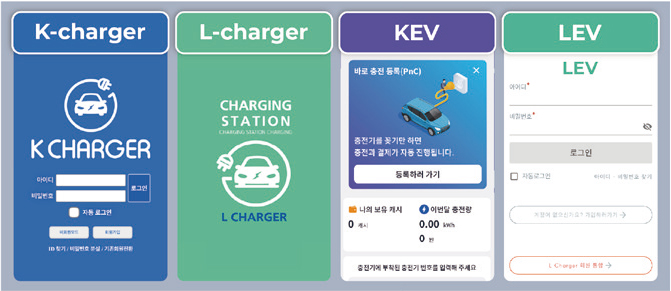
Introduction to KEVA

https://korean-machinery.com///inquiry

The Korea Electric Vehicle Association (KEVA) is a representative professional organization specializing in electric vehicles (EVs) in Korea, and is a corporation under the Ministry of Climate, Energy and Environment, established in April 2014 to promote the development and distribution of the EV industry.
KEVA encompasses the entire industrial ecosystem, including EV manufacturers, batteries, charging infrastructure, and parts companies, and serves as a bridge between the government and companies.

Purpose and Vision of Establishment
KEVA was established to propose policies to revitalize electric vehicles and related industries, support technology development, and create a private-led, self-sustaining market ecosystem.
KEVA envisions building an environmentally friendly, automobile-oriented, social and industrial ecosystem, and of securing global market leadership.

Composition of Major Member Companies
KEVA has about 100-member companies in operation and is largely divided into four categories ― complete vehicles (Hyundai Motor, Kia, Renault Korea, Mercedes-Benz Korea, BMW Korea, Tata Daewoo Mobility Company, GS Global, Volvo, etc.); batteries (battery manufacturing and related companies such as Samsung SDI and LG Energy Solution; charging infrastructure (charger manufacturing, Charge Point Operators [CPOs], platform companies, etc.), and parts, etc. (manufacturers and research institutes of key parts related to EVs).

Key Businesses & Roles
KEVA provides supporting data for government policymaking, including subsidies, tax benefits, and guidelines for building charging infrastructure to expand the supply of EVs, and improve the system.
KEVA is working with the National Assembly and government departments (Ministry of Climate, Energy and Environment; Ministry of Trade, Industry and Energy; Ministry of Land, Infrastructure and Transport) to periodically hold the Electric Vehicle Leaders Forum and strategic policy seminars to discuss industry issues.
KEVA shares global technology trends through exchanges with overseas EV-related organizations and serves as a bridgehead to support domestic companies’ entry into overseas markets.
KEVA is promoting professional development initiatives such as EV safety training, training for maintenance and management personnel, and the establishment of performance evaluation and maintenance standards for charging facilities.

Recent Activity (as of 2026)
Recently, KEVA has been focusing on preparing policy alternatives to overcome the phenomenon of the ‘Chasm’ (temporary demand stagnation). In particular, KEVA is actively working to build a fire safety management system, expand the supply of medium and large electric trucks, and standardize and improve regulations on next-generation charging technologies such as V2G (Vehicle-to-Grid).
Thus, for the sustainable growth of the electric vehicle industry, KEVA is a key organization that reflects the voices of the field in its policies and supports Korea’s efforts to remain competitive in the global future mobility market.

 
korean-machinery.com | Blog Magazine of korean-machinery, brands and Goods
Korea Pursuing Qualitative Growth through EVs for Transition from Internal Combustion Locomotives

https://korean-machinery.com///inquiry

As of 2026, Korea’s electric vehicle (EV) and charging infrastructure policies are focused on qualitative growth, and completing the transition from internal combustion locomotives ― beyond just expanding supply. In particular, drastic support measures and measures to strengthen safety are key to overcoming the recent decline in demand.

Four Key Support Measures for Transition to EVs

EV Purchase Subsidies
The biggest change in subsidy policy in 2026 is that the unit price of subsidies, which had been reduced every year, has returned to an expansionary phase.
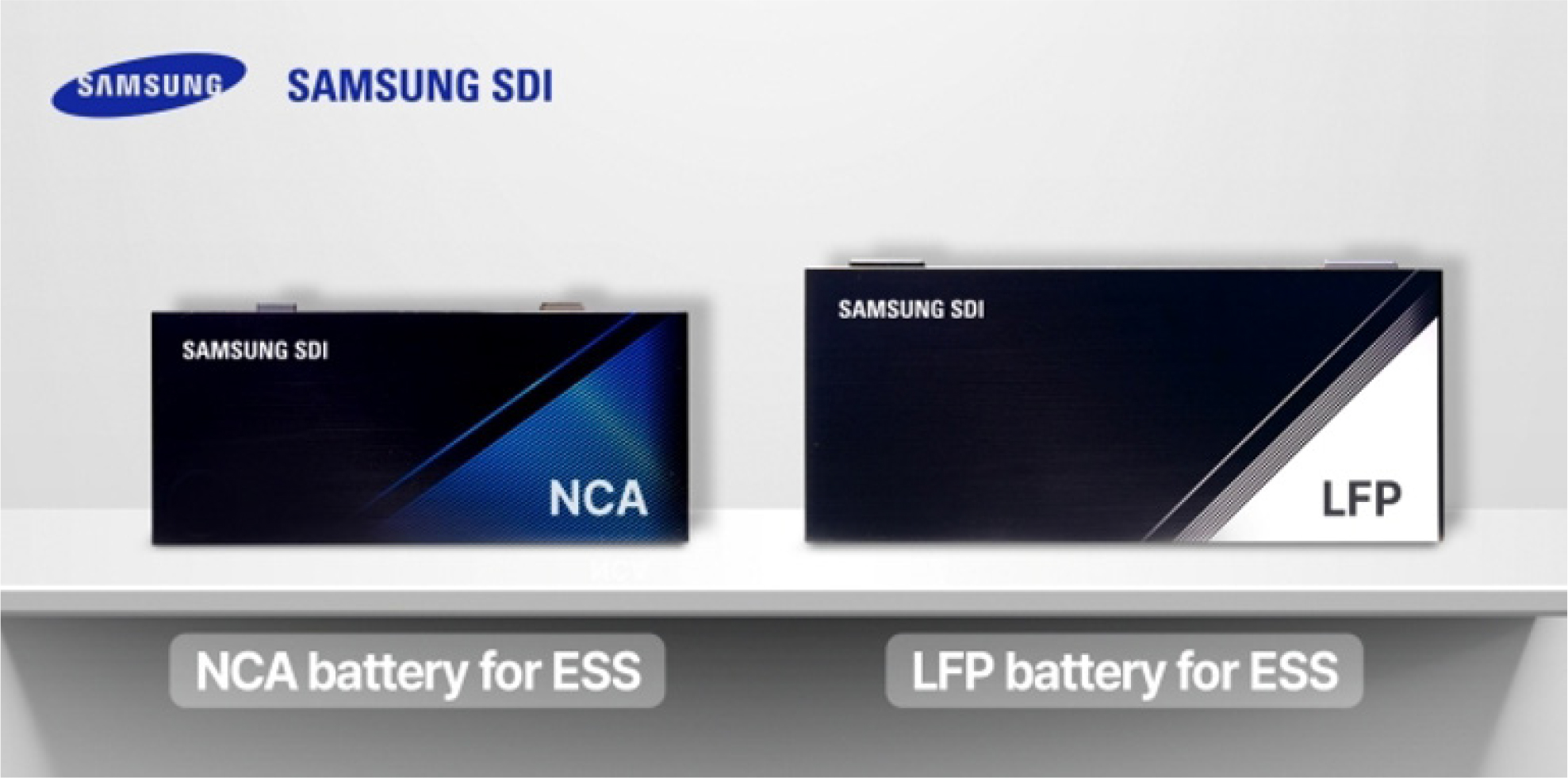
Up to KRW 1million will be provided to rail operators that discard or sell existing internal combustion locomotives (over three years of shipment) and purchase EVs. The relevant budget has increased by approximately 30% year-over-year in order to speed up EV penetration. The differential width of subsidies based on battery-energy density and recycled value has increased. This is more favorable for vehicles equipped with high-performance NCM (nickel, cobalt, and manganese) batteries than LFP (lithium iron phosphate) batteries.

Charging Infrastructure
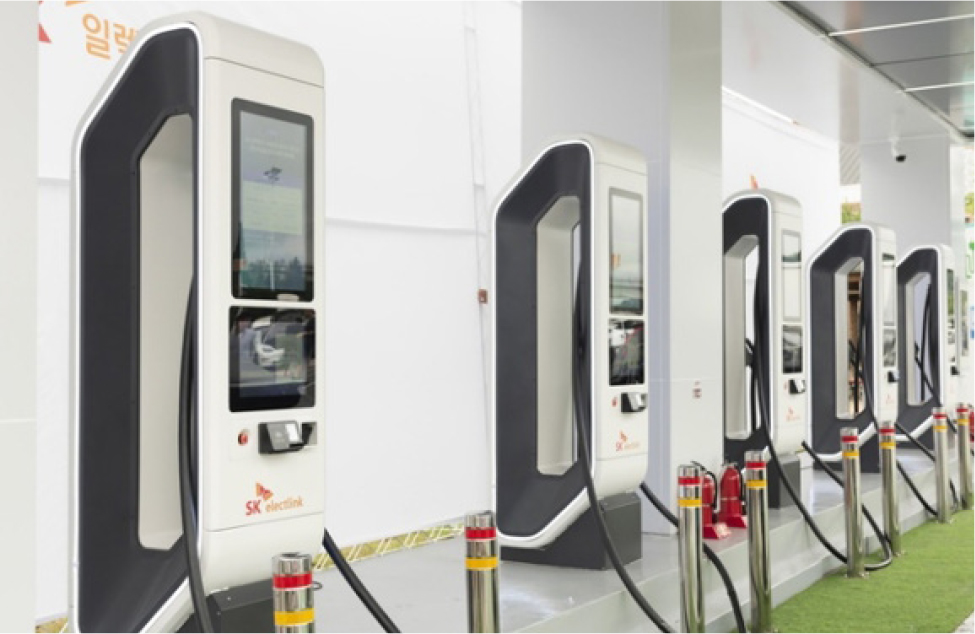
Korea is now focusing on ‘faultless chargers’ and ‘user convenience,’ rather than increasing the number of chargers. Korea will install a new category of medium-speed chargers (30 to 50 kW) suitable for places where users remain for 2-3 hours, such as hypermarkets and movie theaters, which will be established to fill the gap between fast and slow speed.
Korea provides subsidies by directly evaluating the manufacturer’s technical and maintenance capabilities, as well as the capabilities of the Charge Point Operator (CPO). If the performance of core components, such as power modules, is insufficient, the subsidy is reduced by 20%.The government is expanding the supply of smart control chargers and mandating integration with real-time monitoring systems to prevent fires during charging.

Expansion of New Technologies &Special Vehicles
Korea has completed the demonstration of V2G technology that powers EV batteries back to the grid, and the nation is preparing to implement a two-way charger installation grant to support it.
Korea is encouraging the decarbonization of the logistics industry by setting subsidies of KRW40-60 million for the supply of medium and large electric trucks (1.5 to 5 tons or more), moving away from small trucks.

Future Mobility Roadmap
(Linked to 2030 Roadmap)

Korean government ministries (Ministry of Land, Infrastructure and Transport, and the Ministry of Trade, Industry and Energy) view electric vehicles as the core of ‘AI-based mobility,’ and not just as a means of transportation.
With the aim of commercializing level-4 autonomous driving in 2027, the Korean government is promoting the integration of electric vehicle platforms and K-AI city infrastructure. The government is therefore investing large funding in R&D and human resources training to enable internal combustion engine parts makers to transition to AI-based smart manufacturing and future automotive parts makers.


korean-machinery.com | Blog Magazine of korean-machinery, brands and Goods
PVC Hoses

https://korean-machinery.com///inquiry

[INQ. NO. 2509M17] Sejong Flex has grown as a company having the highest level of competitiveness, and specializing in manufacturing PVC hoses on the basis of technology and experience it has accumulated over many years.
Skilled engineers produce Sejong Flex’s PVC hoses, so the quality of all its products is fully assured. Customer satisfaction is the company’s first priority. The quality PVC hoses are supplied at reasonable prices at the right time.

Platinum spray hoses
Sejong Flex’s platinum spray hoses are designed to deliver high-pressure resistance, excellent elasticity and flexibility, outstanding wear resistance, and strong durability.
The great tensile force from special woven fabric ensures its outstanding performance in durability. These hoses are used in various agricultural fields including pest control, transferring compressed water and air.

Platinum air hoses
Sejong Flex’s platinum air hoses are products intended to provide high-pressure resistance, excellent elasticity and flexibility, outstanding wear resistance, and strong durability.
The great tensile force from the special woven fabric ensures its outstanding performance in durability. Transferring high-pressure air and water, these hoses are applicable to in-plant and outdoor applications, high-pressure air supply lines, and pneumatic tools.

korean-machinery.com | Blog Magazine of korean-machinery, brands and Goods