Korea’s November Exports

https://korean-machinery.com///inquiry

Korea’s November Exports Increase 8.4%:
On the Verge of Reaching US$700 Billion Annually

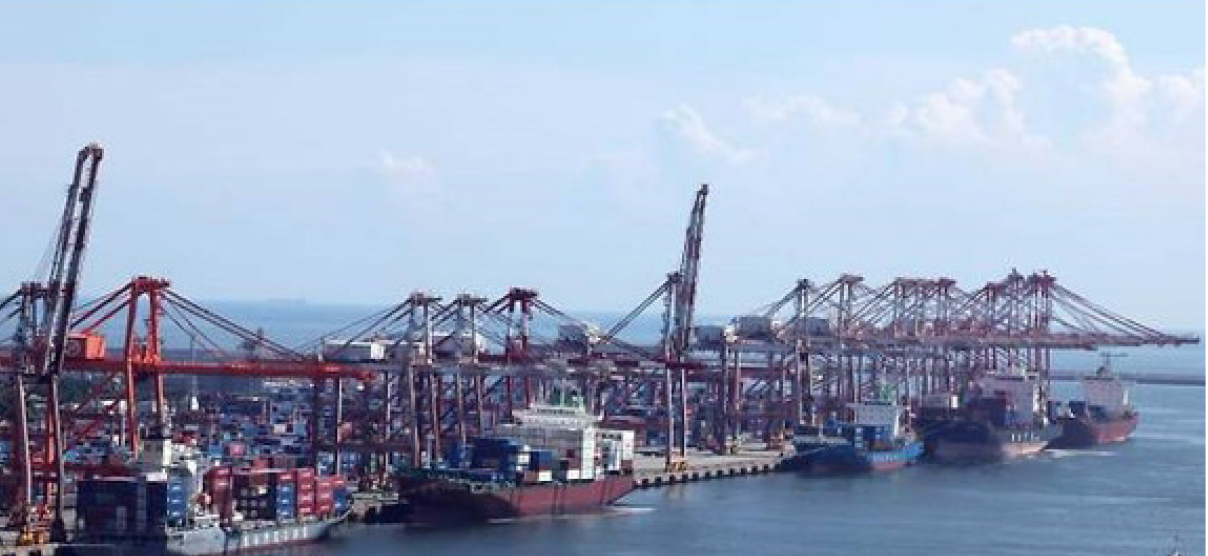
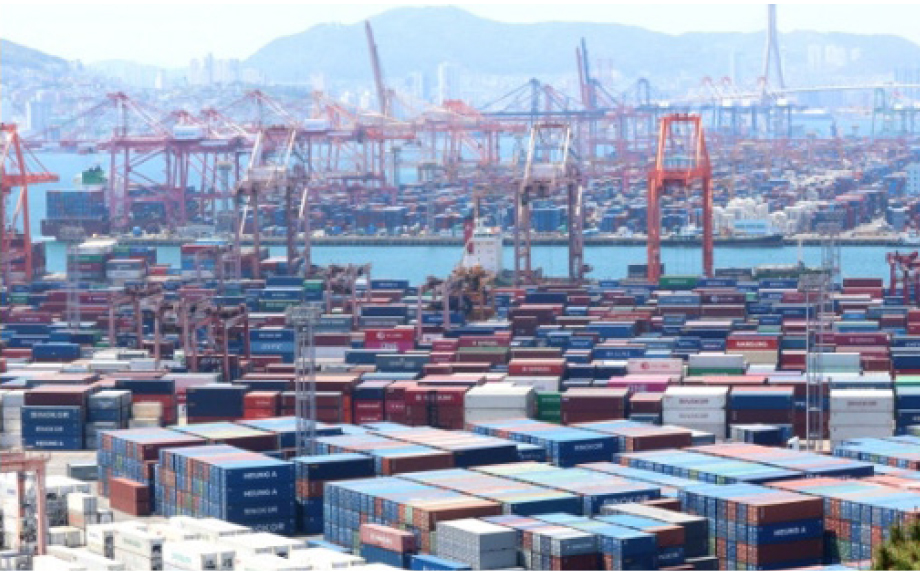
Last month, Korea’s exports increased by 8.4% year-on-year, setting a record for the highest-ever exports for the month of November. With the continued strong trend in exports, led by semiconductors, it is expected that the nation’s annual exports will top $700 billion by the end of the year.
According to the recent ‘November 2025 Export and Import Trends’ released by the Ministry of Trade, Industry and Energy (MOTIE), Korea’s exports last month reached $61.04 billion, an 8.4% increase year-on-year. Assuming December exports remain at the same level as last year ($61.359 billion), exports this year are expected to easily surpass $700 billion.
A spokesperson for MOTIE commented, “We are approximately $59.8 billion away from achieving annual exports of $700 billion. While there is a risk because some products, such as steel and petrochemicals, are experiencing continuing sluggish sales, we still expect to achieve positive results.”

Despite the uncertainties stemming from the U.S. tariffs, semiconductors were a major factor in this year’s improved export performance. Last month, semiconductor exports increased 38.6% year-on-year to $17.26 billion. This is the result of increased demand for high-value-added memory, particularly for data centers, driving up prices. Cumulative semiconductor exports from January to November reached $152.6 billion, already surpassing last year’s previous annual record of $141.9 billion.
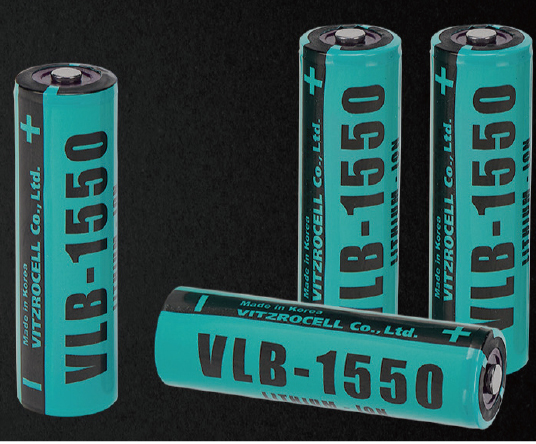
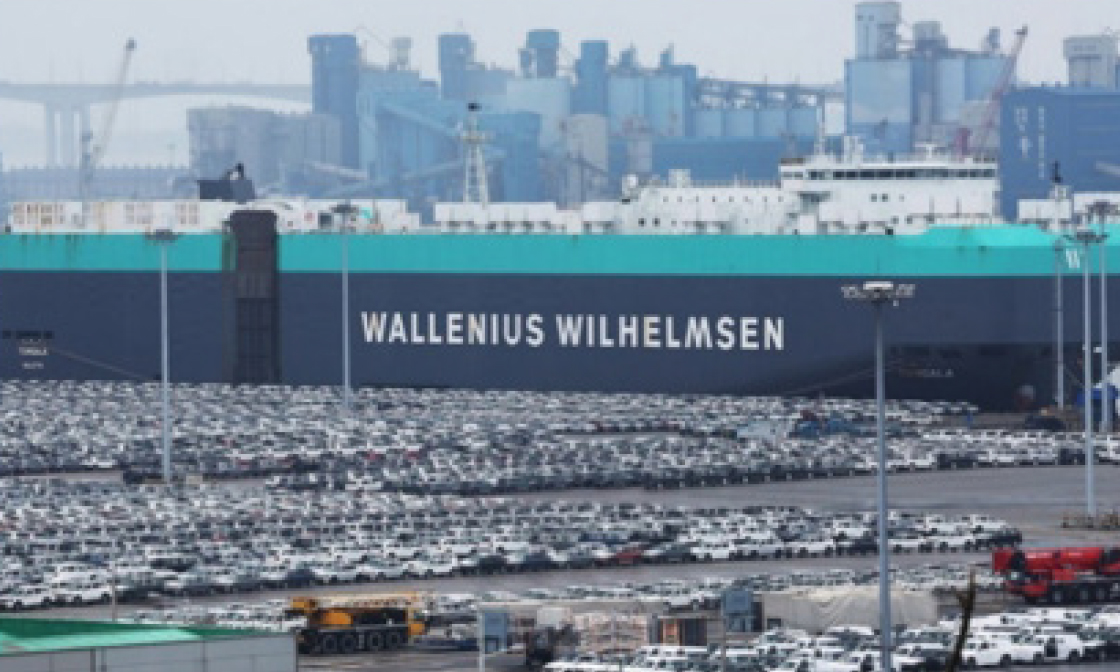
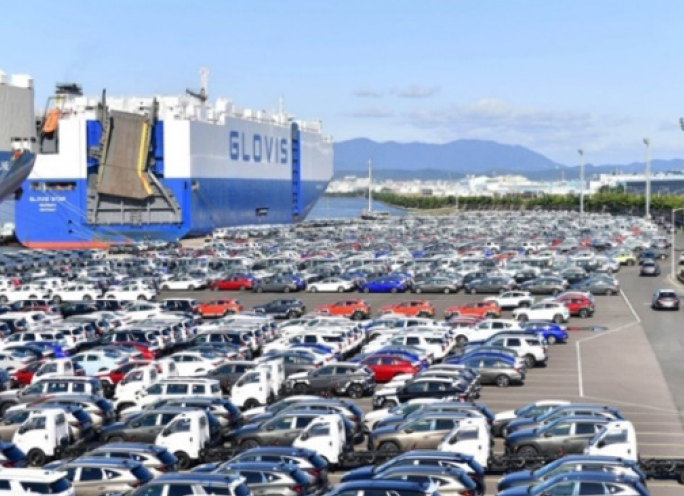
Automobile exports also recorded robust performance, rising 13.7% year-on-year. Exports of wireless communication devices and secondary batteries also improved by 1.6% and 2.2%, respectively, during the same period. However, petroleum products (-10.3%) and petrochemicals (-14.1%) continued their double-digit declines.
By country, exports increased in five of the nine major export regions, including China (6.9%), ASEAN (6.3%), and the Middle East (33.1%). However, exports to the United States decreased by 0.2% year-on-year. Imports increased by 1.2% over the same period, reaching $51.3 billion, resulting in a trade surplus for Korea of $9.73 billion.

korean-machinery.com | Blog Magazine of korean-machinery, brands and Goods

Korea’s October Exports Reach their Highest-Ever Level

https://korean-machinery.com///inquiry

According to the ‘October Export and Import Trends in 2025,’ released by Korea’s Ministry of Trade, Industry and Energy (MOTIE), exports in October reached $59.57 billion, a 3.6% increase year-on-year. This marks the highest October export performance ever.
Notably, despite a significant decrease in operating days due to the Chuseok holidays, exports continued to increase for five consecutive months. The trade balance also recorded a surplus of $6.06 billion.
By product, exports of four of the 15 major export items increased in October. Semiconductor exports increased significantly by 25.4% to $15.73 billion, marking the eighth consecutive month of growth and the highest-ever October performance. This growth was driven by strong demand for high-capacity, high-value-added memory, such as server-focused HBM and DDR5, which led to rising memory contract prices. Computer exports also rose by 1.7% to $980 million, ending a three-month decline and turning positive.
Ship exports, including offshore plants ($2.47 billion), recorded massive triple-digit growth (+131.2%), marking the eighth consecutive month of growth.

Petroleum product exports rose by 12.7% to $3.83 billion, marking the second consecutive month of growth, driven by year-on-year increases in export volume amidst exports of petroleum products remain flat in international product prices.
Overall, exports decreased for most of the 15 major items, as well as other items, due to the extended holiday period at the beginning of the month. In particular, the exports of automobiles, auto parts, steel, general machinery, and home appliances, which are being heavily impacted by U.S. tariffs, showed a relatively high decline.

By region, exports increased to two of Korea’s nine major export regions in October. Exports to the United States decreased by 16.2% to $8.71 billion — the only region to record a double-digit decline among nine major regions — as key items such as automobiles, auto parts, steel, and general machinery weakened due to the tariffs.
Exports to China decreased slightly to $11.55 billion (-5.1%), remaining above $11 billion for the second consecutive month. Exports to ASEAN decreased by 6.5% to $9.4 billion, as most items, excluding semiconductors, declined due to fewer working days.

Exports to Central and South America surged by 99.0% to $4.71 billion, driven by exports of large-scale offshore plants, breaking the previous record (previously $4.22 billion in June 2010). Exports to the CIS increased by 34.4% to $1.34 billion, marking the eighth consecutive month of growth.
Meanwhile, exports to the EU ($5.19 billion, -2.0%), India ($1.49 billion, -1.2%), and the Middle East ($1.5 billion, -1.3%) remained flat year-on-year. Outside the nine major regions, exports to Taiwan reached $5.15 billion (+46.0%), the highest level in October, driven by the continued strong semiconductor market, particularly in HBM.


korean-machinery.com | Blog Magazine of korean-machinery, brands and Goods
Significant Increase in Korea’s September Exports

https://korean-machinery.com///inquiry

Increasing 12.7% year-on-year

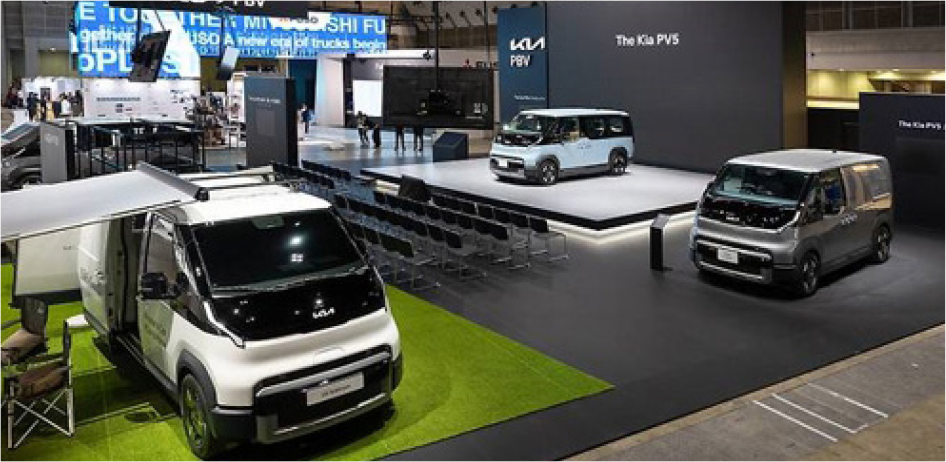
 Korea’s exports in September this year increased by over 12%, compared to the previous year. According to the Ministry of Trade, Industry and Energy (MOTIE), exports last month totaled US$65.95 billion (approximately KRW 93 trillion), a 12.7% increase year-on-year. Despite U.S. tariff pressure, exports continued to grow for four consecutive months from June to September this year.
Exports increased for 10 of the 15 major export items, including semiconductors and automobiles. Semiconductor exports, in particular, continued their record high in September, following August, driven by strong demand for high-value-added memory, particularly for artificial intelligence (AI) servers. However, exports of petrochemicals and steel decreased by 2.8% and 4.2%, respectively, compared to the previous year due to declining export prices.
Display exports, which had been sluggish, rose by 1.3% to $1.92 billion. This growth was driven by the expanded adoption of OLED panels in IT devices and a partial recovery in demand from downstream industries such as mobile phones and laptops.
Mobile phone component exports decreased by $1.07 billion, or 23.6%, due to intensifying competition among component manufacturers. However, finished-product exports increased by $420 million, or 55.8%, narrowing the decline.
Computer and peripheral device exports decreased by 10.1% to $1.47 billion.This was a base effect, reflecting the surge in exports of solid-state drives (SSDs) for artificial intelligence (AI) data centers last year. However, the decline was offset by a 69.2% surge in SSD exports to the Netherlands, a European data center hub. Regional export trends show that Taiwan, which saw a significant increase in semiconductor exports, recorded $4.29 billion, a 53.5% year-on-year increase.
Regionally, exports increased in eight of the nine major regions, excluding the United States, which imposed reciprocal and product tariffs. Exports to China, which had been negative for the past four months, increased by 0.5% last month to $11.68 billion. Exports to the USA decreased by 1.4% during the same period.
Last month, Korea’s total imports reached $56.4 billion, an 8.2% increase from the same period last year. This resulted in a positive trade balance of $9.6 billion, calculated by subtracting imports from exports.


korean-machinery.com | Blog Magazine of korean-machinery, brands and Goods
August Exports

https://korean-machinery.com///inquiry

August Exports Record US$58.4 Billion

Increasing 1.3% year-on-year

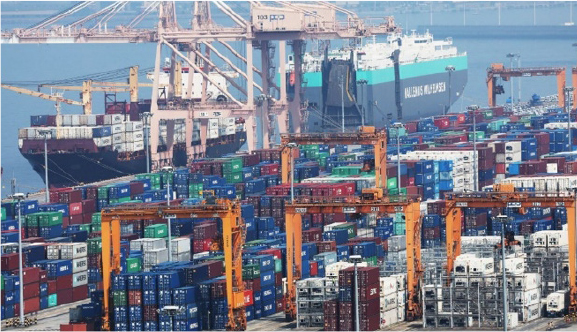
South Korea’s August exports increased 1.3% year-on-year to $58.4 billion, marking the third consecutive month of positive growth.
Meanwhile, import/export trade continued its upward trend for the seventh consecutive month, recording a surplus in August of $6.51 billion, with exports increasing and imports decreasing by 4.0%.
According to the ‘August 2025 Export and Import Trends’recently released by the Ministry of Trade, Industry and Energy, exports reached $58.4 billion (+1.3%) in August, continuing the upward trend ― despite a one-day decrease in operating days compared to the same month last year.
This export performance marks the highest ever for August, and marks the third consecutive month since June when monthly exports reached record highs. Taking operating days into account, daily average exports increased by 5.8% to $2.6 billion.
By product, exports of three of Korea’s 15 major export items increased in August. Semiconductor exports rose significantly by 27.1% to $15.1 billion, breaking the previous record high for the first time in two months, driven by continued robust demand for semiconductors, particularly for servers, and favorable fixed prices for memory.

Automobile exports, driven by positive growth in demand for both eco-friendly vehicles, including pure electric vehicles (EVs) and hybrids, and increased used car exports, reached $5.5 billion (+8.6%), the highest August figure ever, continuing growth for the third consecutive month.
Shipbuilding exports also rose by 11.8% to $3.14 billion, maintaining positive growth for the sixth consecutive month, driven by continued deliveries of high-priced vessels ordered in 2022 and 2023.

However, petroleum products ($4.17 billion, -4.7%) and petrochemicals ($3.38 billion, -18.7%) continued to decline, driven by falling oil prices and a global oversupply, which led to lower export prices.
By region, exports increased in August to three of the nine major regions. Driven by the strong performance in semiconductors and ships, exports to ASEAN reached $10.89 billion (+11.9%), the highest August figure ever, continuing positive growth for the third consecutive month.

Exports to the Middle East rose by 1.0% to $1.4 billion, turning positive for the first time in a month. Exports to the CIS increased by 9.2% to $1.12 billion, marking the sixth consecutive month of growth.
Meanwhile, exports to China declined across most categories, although semiconductor exports increased, with this largest export item, reaching $11.01 billion (-2.9%), flat year-on-year. This marked the second consecutive month of exports exceeding $11 billion.

Exports to the United States fell by 12.0% overall to $8.74 billion, driven by declines in key export items such as automobiles, general machinery, and steel. However, key tariff-exempt items, such as semiconductors and wireless communication devices, showed increases, mitigating the decline somewhat.
Meanwhile, exports to Taiwan, in addition to the nine major regions, reached $4.38 billion (+39.3%), the highest August figure ever, driven by the robust demand for semiconductors.
Total imports in August decreased 4.0% to $51.89 billion. Energy imports (to $11.02 billion) decreased by 12.2%, and non-energy imports (to $40.86 billion) also decreased by 1.5%.
The overall trade balance recorded a surplus of $6.51 billion, an increase of $2.93 billion. The cumulative surplus from January to August reached $40.97 billion, an increase of $10.8 billion.

korean-machinery.com | Blog Magazine of korean-machinery, brands and Goods
Exports in June Increased 4.3% Year-on-Year, Recovering Growth for the First Time

https://korean-machinery.com///inquiry

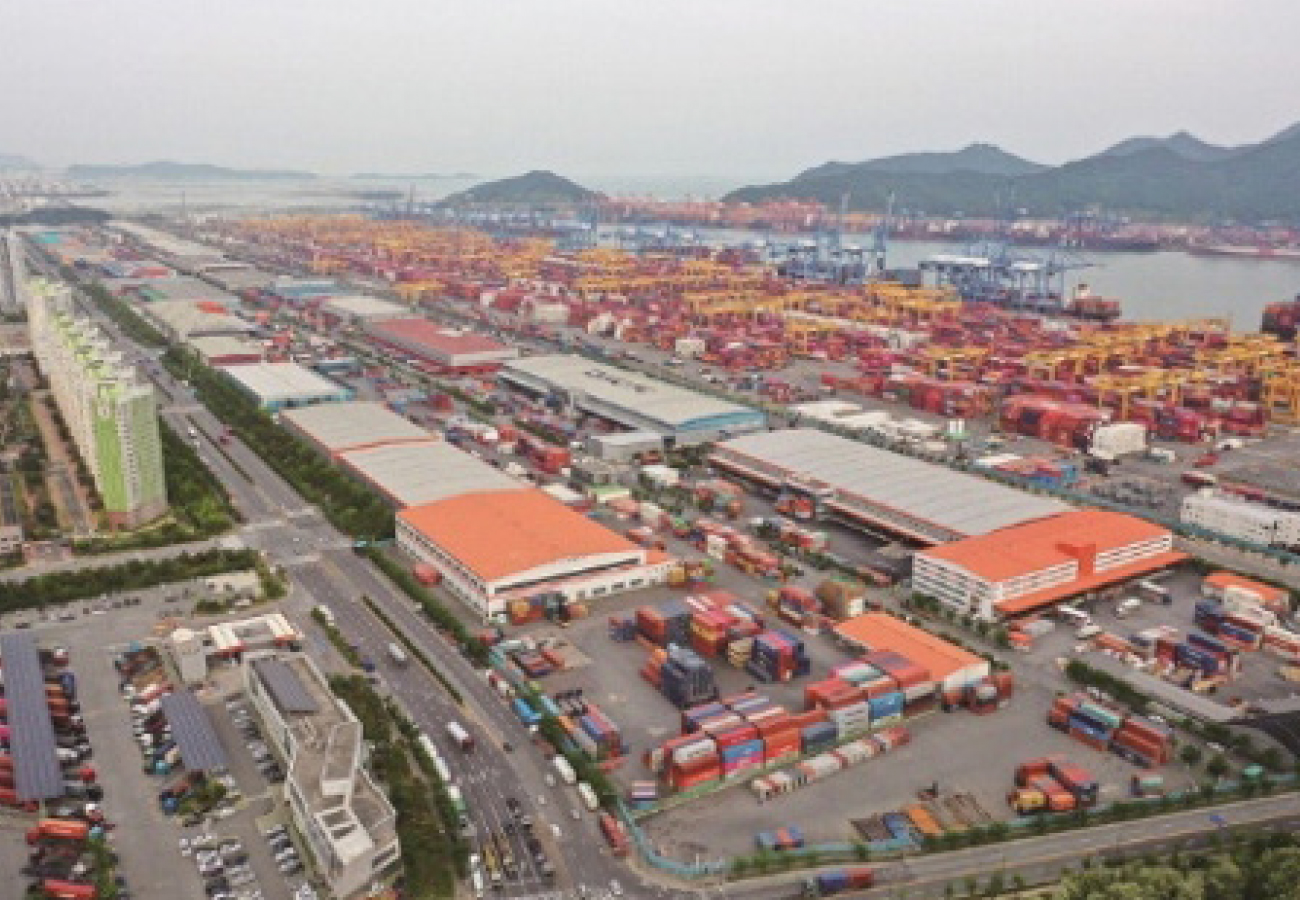
The Ministry of Trade, Industry and Energy (MOTIE) recently announced the export and import trends for June: exports in June amounted to $59.8 billion, up 4.3% from the same month last year; while imports amounted to $50.72 billion, up 3.3% from the previous year.
Despite the impact of U.S. tariffs, semiconductors, a key flagship product, recorded the highest performance ever, while automobile exports also achieved the highest performance ever in June, leading overall exports.
Monthly exports increased for 15 consecutive months from October 2023 compared to the same month last year, but then decreased in January this year. After increasing for three consecutive months, they fell in May, but recovered growth again in just one month.
The largest export item, semiconductors, increased 11.6% from last year to $14.97 billion (approximately KRW 20.2 trillion), rewriting the record for the highest performance ever.

Monthly semiconductor exports slightly decreased (-3%) in February, but have been increasing for four consecutive months since March, thanks to solid demand for high-value products such as high-bandwidth memory (HBM) and the upward trend in fixed prices.
Automobile exports increased by 2.3% to $6.3 billion. This is the highest performance ever in June. Exports to the USA decreased due to the impact of U.S. tariffs, but exports to the European Union (EU) increased and used car exports increased significantly, leading to the overall increase.
Looking at exports by major country, exports to both the United States and China, the two largest export markets, showed a decrease. Exports to the United States, directly affected by the ‘Trump tariffs,’ decreased by 0.5% year-on-year to $11.24 billion, and exports to China also decreased by 2.7% to $10.42 billion.
Total exports in the first half of this year (January to June) amounted to $334.7 billion, down 0.03% year-on-year, similar to last year. However, the trade balance showed a surplus of $27.8 billion, an improvement of $4.8 billion from last year. It is evaluated that this was relatively good despite the influence of the U.S. tariffs.
The trade balance in June recorded a surplus of $9.08 billion, the largest since September 2018.

 
korean-machinery.com | Blog Magazine of korean-machinery, brands and Goods

Exports of Semiconductors Record the Highest-Ever Level

https://korean-machinery.com///inquiry

Other key export items, however, decreased in May

Korea’s exports in May turned downward for the first time in four months. While exports of semiconductors, a key product, recorded the highest level ever in May, exports of key items such as automobiles and petrochemical products decreased. Exports to the USA and China, Korea’s two largest markets, both decreased by 8%.
According to the Ministry of Trade, Industry and Energy (MOTIE), total exports in May amounted to $57.27 billion, down 1.3% from a year ago. This is the first time in four months that monthly exports have decreased compared to the same month last year since January (-10.1%).
Out of the 15 major export items, 10 items saw a decrease in exports. Steel and automobile exports to the United States, which are subject to a 25% tariff, decreased by 12.4% and 4.4%, respectively, compared to the previous year. During this period, exports of petroleum products and petrochemical products decreased by 20.9% and 20.8%, respectively. This is the result of the sharp drop in prices of both items due to the low oil price trend that has continued since the inauguration of the Trump administration in the United States.

Looking at Korea’s exports by region, they decreased in all seven of the nine major markets except for the European Union (EU) and the Commonwealth of Independent States (CIS). Exports to China decreased by 8.4% year-on-year to $10.4 billion due to a drop in exports of semiconductors and petrochemicals, the largest export items. Exports to the USA, where the impact of reciprocal and product tariffs started to be felt in earnest, also decreased by 8.1% to $10 billion during this period.
Despite the sluggish export performance by item and region, the total export decrease was limited to 1% because semiconductors, the largest export item, showed a record-breaking performance. In May, semiconductor exports surged by 21.2% year-on-year to $13.79 billion. This is the third consecutive month of double-digit growth and the largest May performance ever.
“In the case of semiconductors, the export of high value-added memory such as high bandwidth memory (HBM) and double data rate 5 (DDR5) continued to be brisk, while fixed prices also showed an upward trend,” explained a spokesperson for MOTIE.
Exports of wireless communication devices (3.9%), such as smartphones, bio-health (4.5%), and ships (4.3%) also increased.


korean-machinery.com | Blog Magazine of korean-machinery, brands and Goods

Growing Prospects for Korean Drone Companies to Enter the U.S. Market

https://korean-machinery.com///inquiry

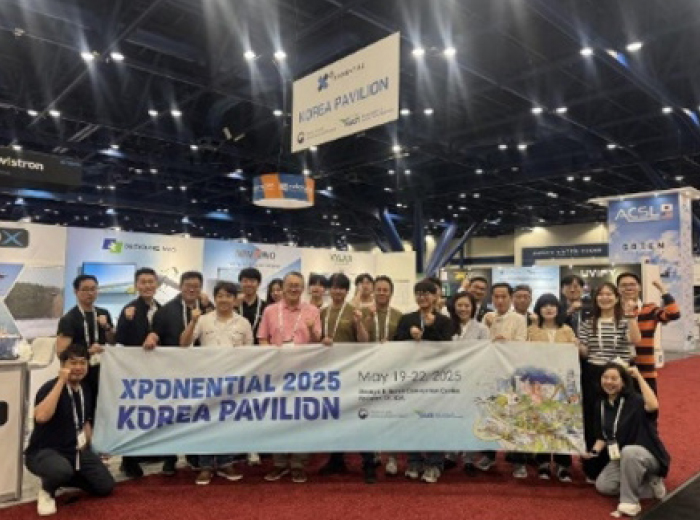
KOTRA and the Korea Institute of Aviation Safety Technology (KIAST) recently announced that they were hosting a Korean Pavilion at the world’s largest unmanned mobility exhibition ‘Xponential 2025’ held in Houston, USA from May 19 to 22, and held export consultation meetings for Korean companies seeking to enter the U.S. market.
KOTRA focused on expanding local partnerships and promoting technology at this event through the Korean pavilion exhibition booths, export consultation meetings, and PR center operation. A total of 11 Korean companies participated, conducted 191 consultations, and signed 15 on-site MOUs, thereby expanding opportunities for cooperation with global drone companies.
Xponential is the world’s largest unmanned mobility exhibition hosted by the Association for Unmanned Vehicle Systems International (AUVSI), and is held annually in major cities in the United States.

 More than 7,500 persons from 60 countries participated in this year’s event, and it was a venue to share the latest technologies and industry trends such as drones, military unmanned vehicles, and autonomous driving systems. In addition to booth exhibitions, Xponential provided opportunities for cooperation and information exchanges among industries through various programs such as technology conferences and panel discussions.
The drone industry market size in the United States is worth approximately $12.1 billion as of 2024, and is expected to grow by an average of 9.2% annually to $17.2 billion by 2028 due to recent increases in demand. The U.S. government plans to invest more than $4 billion in research and development (R&D) and demonstration projects in the unmanned mobility field, including drones, and is also preparing regulations and policies to strengthen national security.

In particular, the U.S. Congress has recently been proposing bills (the Security Drone Act and the China Drone Response Act) to restrict the import of Chinese drones for reasons of national security. Accordingly, the proportion of Chinese imports, which reached 85% in 2023, has decreased to less than 30% as of the first quarter of 2025.
Amid these changes, imports from third countries such as Vietnam and Switzerland are increasing, and it is expected that Korea’s drone companies will now have more opportunities to enter the U.S. market.

korean-machinery.com | Blog Magazine of korean-machinery, brands and Goods

Korea Achieves $58.21 Billion Worth of Exports in April

https://korean-machinery.com///inquiry

According to the Ministry of Trade, Industry and Energy (MOTIE), Korea’s exports continued to grow for three consecutive months amid changes in the trade landscape, led by the United States. Last month’s exports were the highest-ever for April. They increased by $370 million from the previous record of $57.84 billion in April 2022.
Imports in April were $53.32 billion, down 2.7% year-on-year. The trade balance thus recorded a surplus of $4.88 billion.
The export boom was led by semiconductors, the largest export item. Semiconductor exports recorded the highest-ever April performance, at $11.7 billion, as the fixed price of DRAM (DDR4 8Gb) rebounded for the first time in 12 months since April 2024, and high value-added memory exports such as high-bandwidth memory (HBM) continued to boom. This is a 17.2% increase compared to the same month last year.
Wireless communication device exports also continued to increase for the third consecutive month, recording $1.5 billion, up 26.5%, led by smartphone exports ($400 million, +61.1%).
Bio-health exports increased 14.6% year-on-year to $1.4 billion. Bio-pharmaceutical exports ($900 million, +21.8%) increased significantly.
Steel exports turned positive for the first time in four months, increasing by 5.4% to $3 billion. Secondary battery exports also broke the 16-month negative trend since December 2023, increasing by 13.7% to $700 million. Ship exports also increased by 17.3% to $2 billion, increasing for two consecutive months.
On the other hand, automobile exports, one of the largest export items, decreased by 3.8%. However, the export volume ($6.5 billion) achieved the highest performance this year.
Agricultural, fishery, and food product exports achieved the highest-ever performance for all months, reaching $1.1 billion, thanks to the growing K-food craze.
By region, exports increased in seven out of the nine major markets.

Exports to China increased by 3.9% year-on-year to $10.9 billion. While semiconductor exports rebounded, after being in a negative trend this year, exports of wireless communication devices increased by double digits, leading to the overall increase in exports.
Exports to ASEAN increased by 4.5% to $9.4 billion, due to brisk exports of semiconductors and steels.
Exports to the EU achieved the highest-ever performance of $6.7 billion (+18.4%) in the entire period, with double-digit growth rates in automobile and bio-health exports.

Exports to the United States decreased by 6.8% year-on-year to $10.6 billion. Exports of petroleum products, secondary batteries, and wireless communication devices showed brisk growth, but exports of two major items, automobiles and general machinery, decreased.
Imports in April decreased by 2.7% to $53.32 billion. Energy imports amounted to $10 billion, down 20.1% year-on-year. Imports other than energy, including semiconductor equipment (+18.2%), increased by 2.4% to $43.4 billion.
Korea’s trade balance in April recorded a surplus of $4.88 billion, up $3.6 billion year-on-year. The cumulative trade balance from January to April this year was $12.2 billion, an increase of $2.3 billion over the same period of last year.


korean-machinery.com | Blog Magazine of korean-machinery, brands and Goods
Korea’s Exports Continue to Grow Noticeably

https://korean-machinery.com///inquiry

Indicating that the nation’s export items are gaining increasing popularity

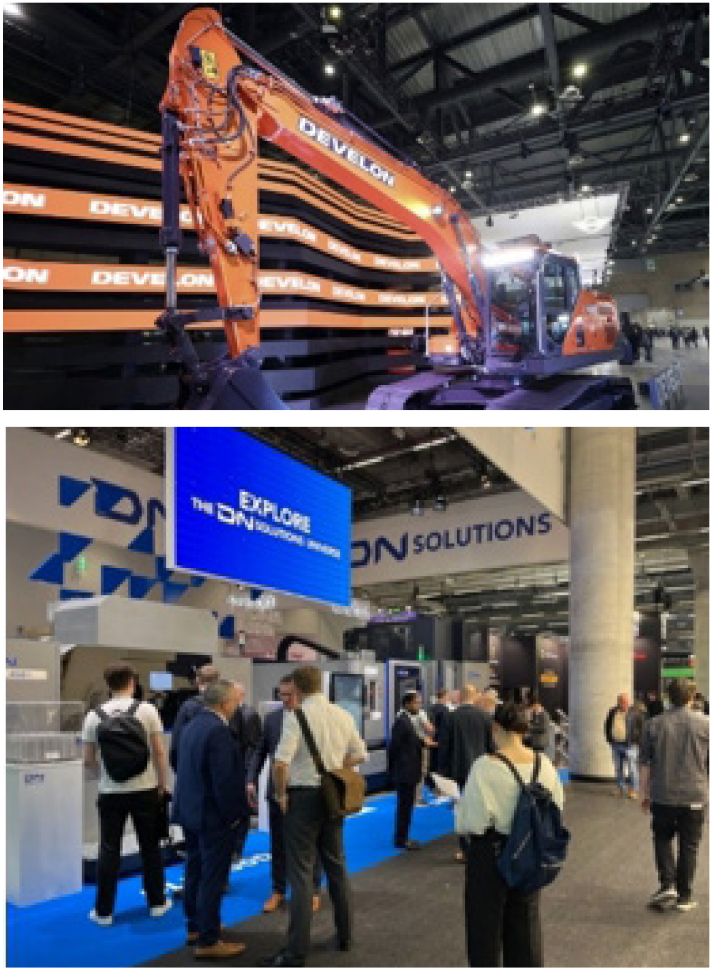
Last March, Korea’s exports amounted to $58.28 billion, up 3.1% year-on-year. The export of semiconductors, the nation’s largest export product, recorded an amount close to the highest-ever March performance, while automobile exports also continued to increase, leading the export performance in March.
Semiconductor exports amounted to $13.1 billion, up 11.9% year-on-year. This is attributable to the strong demand for high value-added items such as high-bandwidth memory (HBM) and DDR5 used in the artificial intelligence (AI) and data center industries. Semiconductor exports exceeded $10 billion for nine consecutive months until January, increasing for 15 consecutive months compared to the same period last year, but turned to a decline in February.

Exports of computers ($1.2 billion, 33.1%) and wireless communication devices ($1.3 billion, 13.8%) also increased for two consecutive months, showing an increase in exports across all IT items. Display exports also increased by 2.9% to $1.5 billion, breaking the seven-month negative flows that had continued since August last year.
Automobile exports increased by 1.2% year-on-year to $6.2 billion. However, exports of electric vehicles (EVs) decreased significantly due to the global chasm (temporary stagnation in demand) for EVs; but exports of hybrid vehicles and internal combustion engine vehicles increased, leading to an increase in overall exports.
Ship exports increased by 51.6% year-on-year to $3.2 billion. This is the highest performance in 15 months since December 2023 ($3.7 billion). However, exports of steel (-10.6%) and petroleum products (-28.1%) decreased significantly.
By country, exports to China were recorded at $10.1 billion, down 4.1% year-on-year. It was analyzed that the decrease in semiconductor exports had a major impact. Exports to the United States increased by 2.3% to $11.1 billion.


korean-machinery.com | Blog Magazine of korean-machinery, brands and Goods
Korea’s January Exports

https://korean-machinery.com///inquiry

Korea’s January Exports Decreased by Over 10%
Semiconductor exports continued to perform well, achieving over US$10 billion for nine consecutive months.

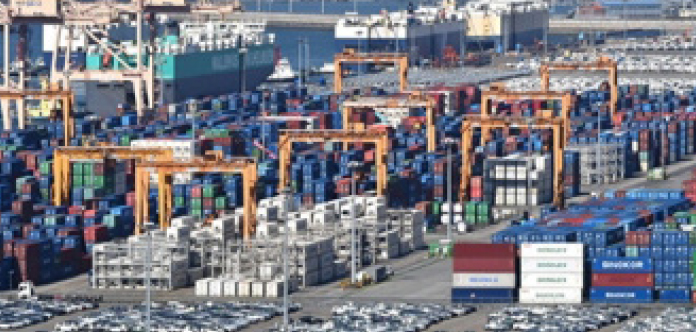
Due to the early Lunar New Year holiday and other factors, Korea’s January exports decreased by more than 10%, and the 15-month consecutive ‘export plus’ streak came to a halt.
The main product, semiconductor exports, continued to perform well, achieving over $10 billion for nine consecutive months, but automobile exports, which were largely affected by the decrease in operating days, fell by nearly 20%.

The January export amount totaled $49.12 billion, down 10.3% from the same month last year.
Korea’s exports turned positive in October 2023 compared to the same month the previous year, and continued to record positive growth for 15 consecutive months until December last year, but this positive trend ceased in January 2025.
Looking at the trends of the 15 main export items, excluding the two items that are the largest export items, namely, semiconductors and computers, exports of 13 items decreased compared to last year. However, based on the daily average exports, the exports of 10 items increased.
Semiconductor exports in January increased by 8.1% from last year to $10.1 billion, recording the second highest January performance after 2022 ($10.8 billion).
Semiconductor exports recorded more than $10 billion for nine consecutive months, continuing the year-on-year export plus trend for 15 consecutive months.
Despite the seasonal decrease in demand for information technology (IT) products and the decline in general memory prices, the semiconductor export boom continued as demand for high value-added memory products such as high bandwidth memory (HBM) and DDR5 remained strong due to the artificial intelligence (AI) craze.
Computer item exports, including solid state drives (SSDs), also increased by 14.8% to $800 million, continuing their 13th consecutive month of growth.
Automobile exports, the second largest export item, decreased by 19.6% to $5 billion. The Ministry of Trade, Industry and Energy (MOTIE) analyzed that the decrease in the number of operating days was greater than that of other industries as automakers including Hyundai Motors and parts manufacturers designated Friday following the Lunar New Year holiday as an additional holiday.
Amid the global electric vehicle (EV) chasm (temporary stagnation in demand), EV exports decreased by 50.3%, while internal combustion engine vehicle exports also decreased by 20.8%, but hybrid vehicle exports increased by 37.1%, continuing their steady growth. Auto parts exports also decreased by 17.2% to $1.57 billion.


korean-machinery.com | Blog Magazine of korean-machinery, brands and Goods