
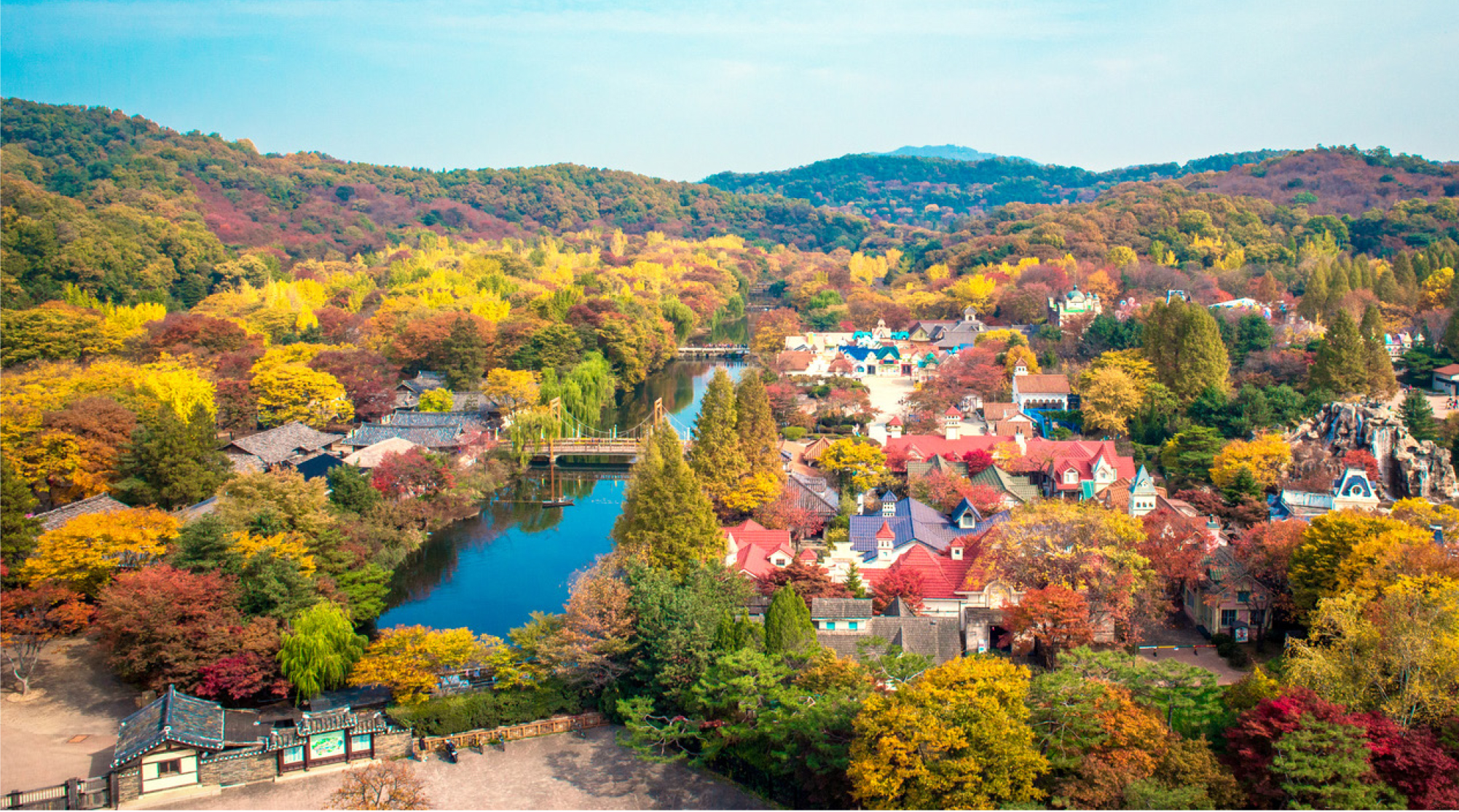
Nestled in the scenic landscape of Yongin-si, Gyeonggi-do, the Korean Folk Village stands as a vibrant testament to South Korea’s rich cultural heritage. Since opening its doors in October 1974, this expansive 245-acre living museum has transported millions of visitors back to the late Joseon Dynasty (1392-1897), offering an immersive glimpse into traditional Korean life.
A Living Museum of History and Craft
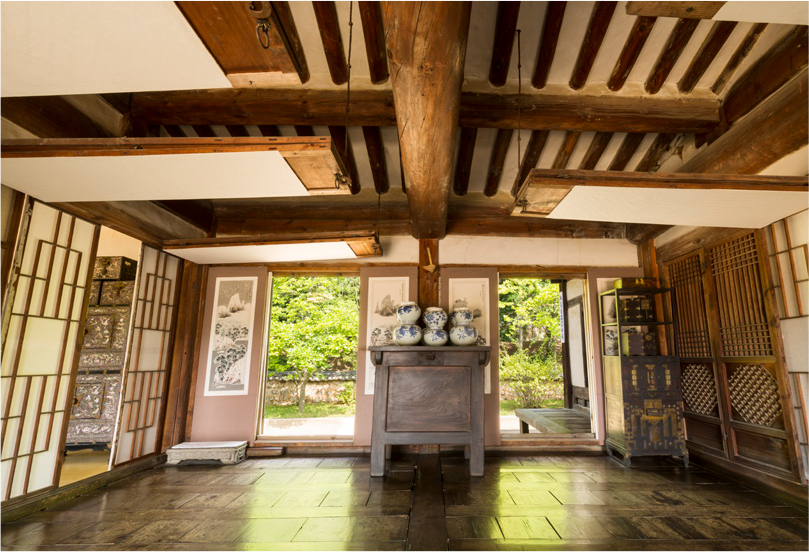
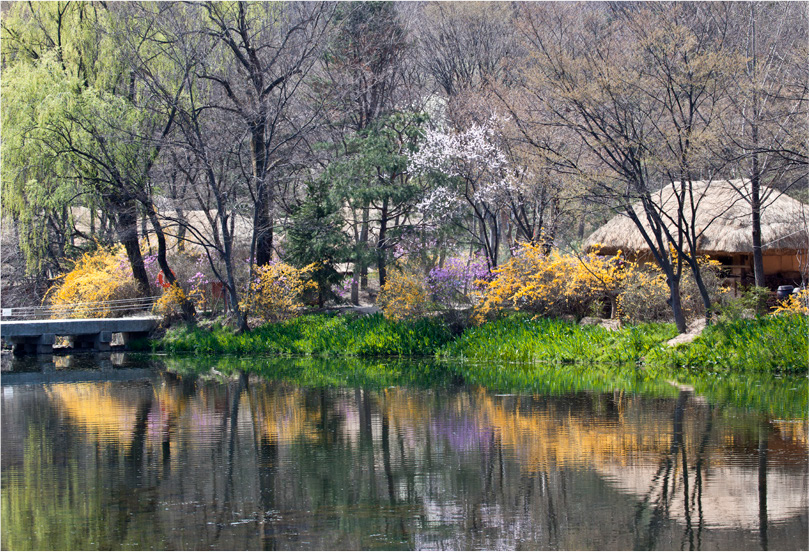
The heart of the Korean Folk Village lies in its meticulous recreation of traditional Korean architecture. The village features 270 authentic houses that were carefully relocated and reconstructed from various regions across Korea. As you wander through the village pathways, you’ll encounter common dwellings, aristocratic residences, provincial government offices (gwana), educational institutions (seowon), Buddhist temples, and even a fortune-teller’s abode—each telling its own story of Joseon-era life.
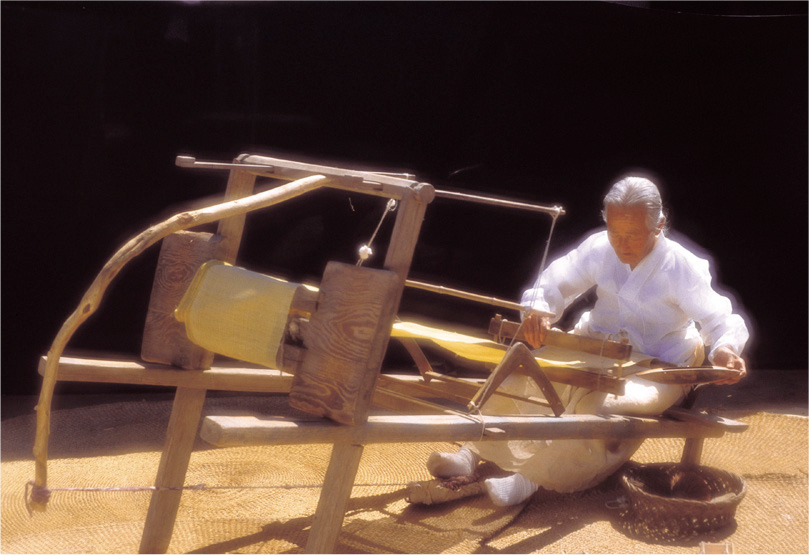
One of the most enchanting aspects of the village is witnessing traditional Korean craftsmanship in action. Nine specialized ateliers showcase skilled artisans practicing time-honored crafts including blacksmithing, earthenware making, bamboo weaving, and woodworking. Visitors can observe the creation of bamboo ware, wooden utensils, brass tableware, wooden masks, and naturally dyed fabrics, with many items available for purchase as unique souvenirs.
The village truly comes alive through its schedule of dynamic traditional performances. The non-verbal Pungmul Performance combines Korean music and dance in a way that transcends language barriers, while the Eolssigu Jeolssigu parade brings together traditional dances and comic elements from the classic Tale of Chunhyang. Other performances include equestrian displays and traditional wedding ceremonies, each offering a window into historic Korean life.
Cultural Experiences and Seasonal Festivities
The Marketplace recreates the authentic atmosphere of a Joseon-era market, serving around 20 local and seasonal dishes prepared using traditional methods. Visitors can indulge in classic Korean fare such as naengmyeon (cold noodles), bibimbap (mixed rice bowl), and handmade dumpling soup. Korea House serves upscale Korean dishes popular among international tourists, while Gilmokjip offers specialties like bulgogi in a traditional setting. Traditional teahouses serve herbal teas alongside seasonal treats like sweet red-bean porridge in winter.
The Korean Folk Village transforms throughout the year with distinct seasonal experiences. The “Adding the Moonlight” evening festival bathes traditional houses in gentle illumination and features captivating LED performances. The “Horror Village in the Dead of Night” offers ghostly encounters inspired by Joseon-era folklore. Spring brings the “Welcome to Joseon” festival with costumed historical characters, while winter features the King’s Christmas festival and opportunities to try traditional Korean snow sledding.
The village also celebrates traditional Korean holidays with special events—fortune rice cake on Korean New Year, moon house burning during Jeongwol Daeboreum (First Full Moon), and traditional games during Chuseok (Korean Thanksgiving).
Visitor Information and Regional Attractions
The Korean Folk Village is located at #90 Minsokchon-ro, Giheung-gu, Yongin-si, Gyeonggi-do. Operating hours vary by season, generally running from 9:30 AM until early evening, with extended hours on weekends. Admission fees range from 8,000 to 15,000 KRW, with “Free Pass” options available at higher rates.
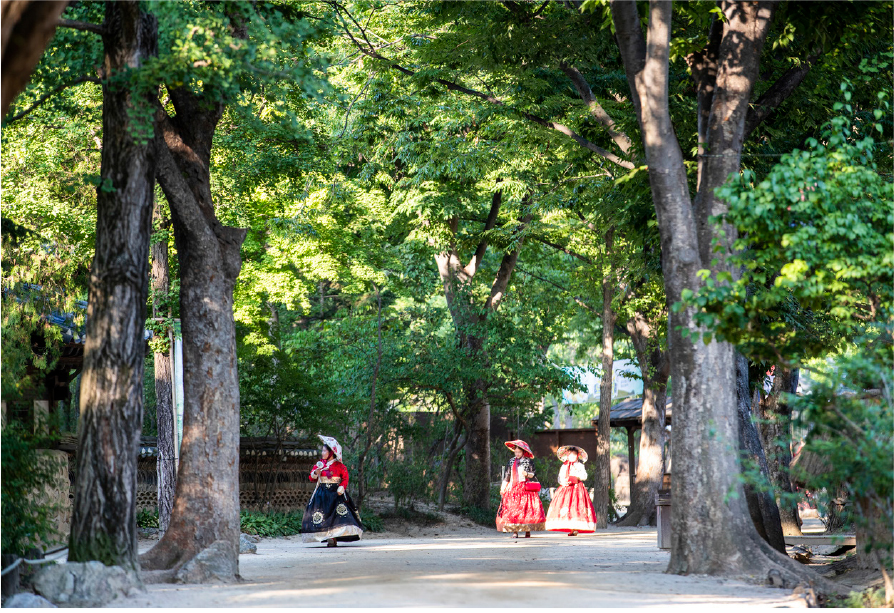
Transportation options from Seoul include bus routes No. 5001-1 from Sinnonhyeon Station and No. 4101 from Sungnyemun Gate. Subway travelers can take the Suin-Bundang Line to Sanggal Station and connect to local buses. Visitor feedback consistently highlights the importance of wearing comfortable footwear and recommends renting a hanbok (traditional Korean clothing) to enhance the immersive experience.
The strategic location makes the Korean Folk Village an excellent anchor for exploring other regional attractions. Nearby lies Everland, South Korea’s largest amusement park, and the UNESCO World Heritage Suwon Hwaseong Fortress. Other attractions include the Gyeonggi Children’s Museum, Nam June Paik Art Center, and Hwadam Botanic Garden.
The Korean Folk Village represents a vital bridge connecting contemporary visitors with Korea’s rich cultural heritage. Through its authentic architecture, living traditions, vibrant performances, and seasonal celebrations, the village offers an unparalleled opportunity to experience the essence of traditional Korean life that resonates with visitors of all backgrounds—making it a must-visit destination for anyone seeking to understand the soul of Korea’s cultural past.
korean-machinery.com | Blog Magazine of korean-machinery, brands and Goods



 Korean-Machinery.com