
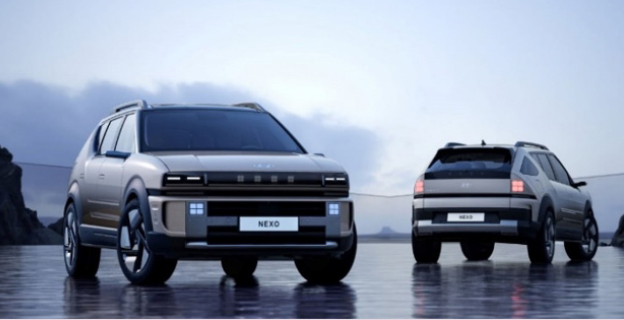
Even as the global chasm (temporary slowdown in demand) in electric vehicles continues, the global EV industry is continuously developing.
The electric vehicle (EV) industry in Korea is seen as very important as a future growth engine, and as a key industry of the future. The government is therefore sparing no efforts in providing various policies and financial support necessary for the transition to zero-emission vehicles.
As of the end of 2024, a total of 700,000 EVs have been distributed in Korea, and the charging infrastructure has also exceeded 400,000. The proportion of zero-emission vehicles among new vehicles released annually is approaching 10%.
The Korean EV market, which has shown rapid growth in recent years, is slowing down due to reduced subsidies, lack of charging infrastructure, and high interest rates.
Latest Trends in Korea’s EV Industry
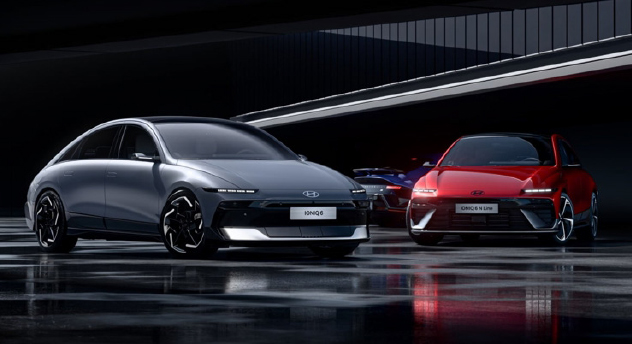
Automakers are expanding their investments in the development of next-generation EV platforms, battery technology innovation, and transition to software-centric vehicles (SDVs). In particular, software competitiveness such as AI-based autonomous-driving technology, connectivity, and infotainment systems is being highlighted as important.
Korea’s battery companies are focusing on developing next-generation battery technology, expanding production capacity, and stabilizing the supply chain. In particular, there is fierce competition in the development of next-generation battery technologies such as high-performance batteries, and all-solid-state batteries.
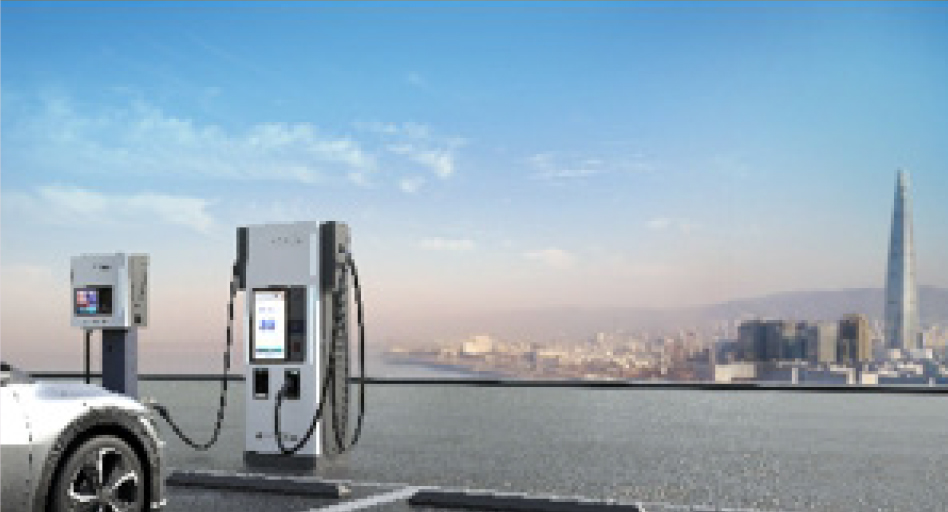
The Korean government and private companies are spurring the expansion of charging infrastructure to expand the supply of EVs. Various practical efforts are being made, such as expanding rapid-charging facilities, improving charging convenience, and introducing charging roaming services.

The secretary-general of the Korea Electric Vehicle Association (KEVA) commented on the future outlook for the Korean EVs industry: “The Korean EV market is expected to continue growing thanks to active support from the government and the technological advancement of domestic companies. It is expected that innovation in battery technology, expansion of charging infrastructure, and advancement of autonomous driving technology will further accelerate the growth of the industry. And continued growth in the EV-related parts industry is expected.”
Korean exporters are continuing to actively challenge overseas markets to increase their gradual growth of exports in the fourth quarter of this year, maintaining their growth drivers in the global market in the third quarter.

korean-machinery.com | Blog Magazine of korean-machinery, brands and Goods

 Korean-Machinery.com