Seoul’s Creative Heart

https://korean-machinery.com///inquiry

Seongsu-dong From Factory Floors to Seoul’s Creative Heart

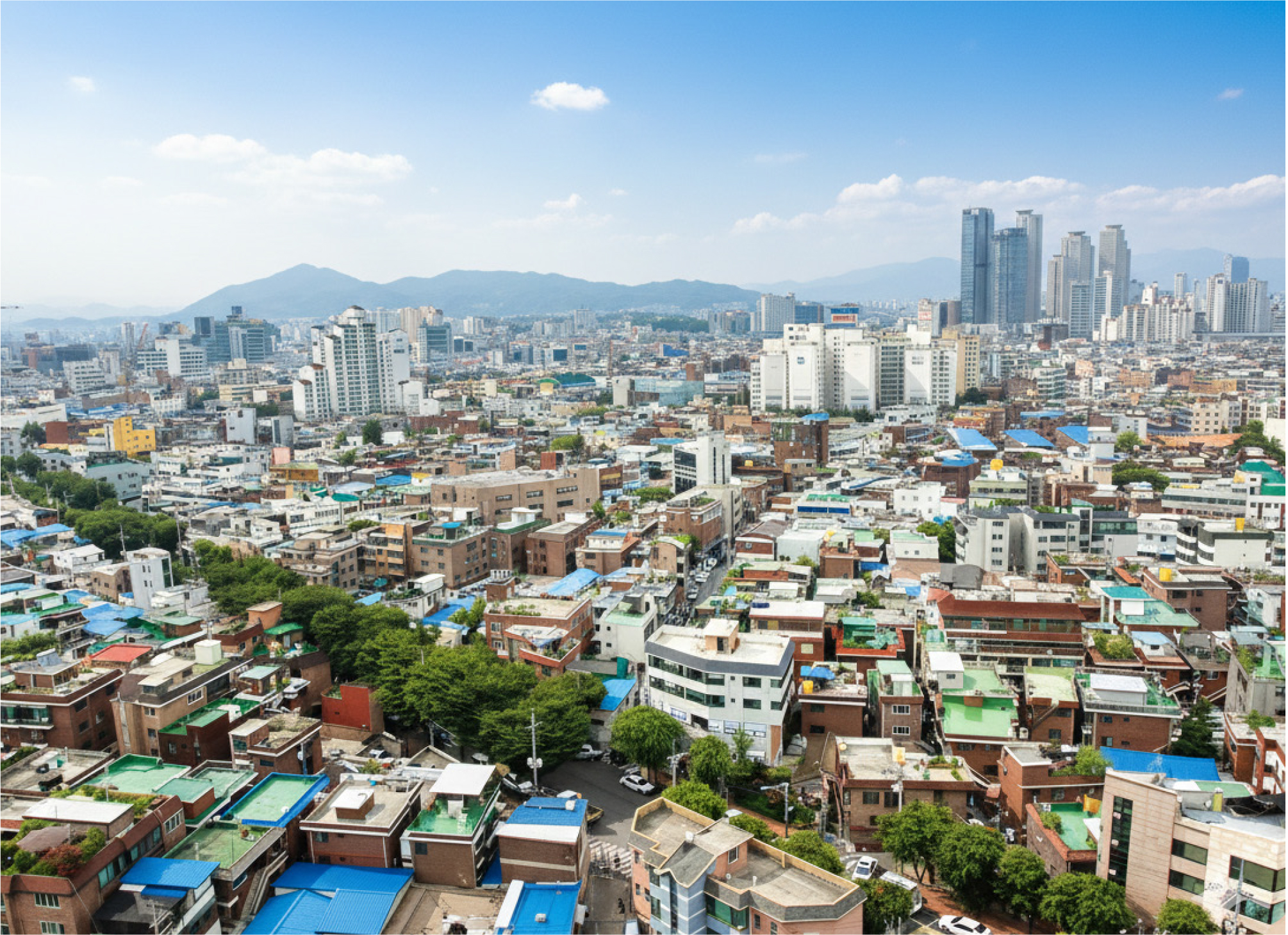
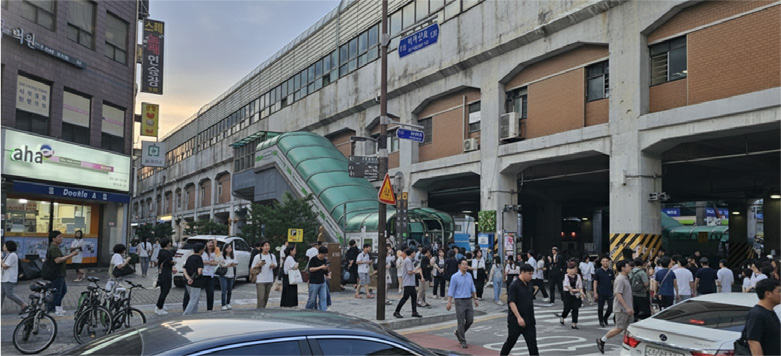
Seongsu-dong’s transformation from an industrial backwater into one of Seoul’s most vibrant cultural districts stands as a defining example of urban regeneration. Once packed with shoemaking workshops, auto repair shops, and small factories, the neighborhood has evolved into a creative hub of fashion, cafés, technology firms, and experiential retail. Rather than erasing its past, Seongsu-dong rebuilt its future on preserved red brick warehouses, turning industrial heritage into cultural capital
The Industrial Roots That Shaped the Landscape
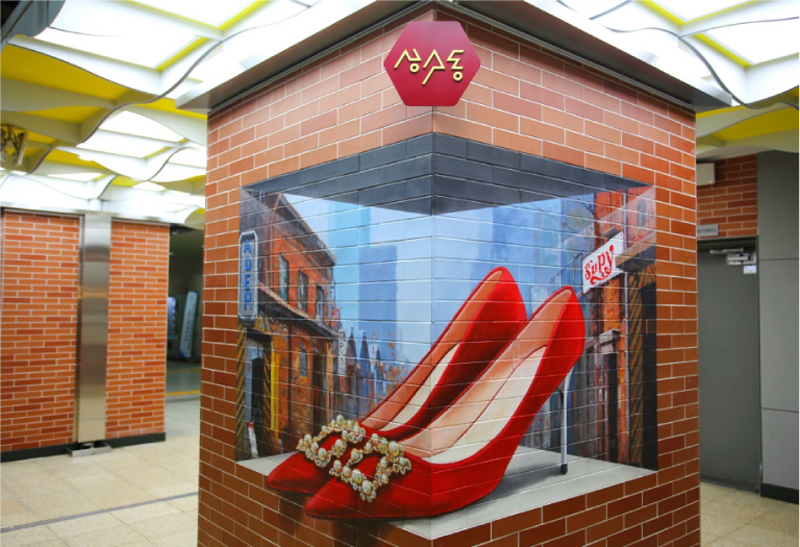
Seongsu-dong began its rise in the 1960s and 1970s when it was designated a semi-industrial zone. Shoemakers migrated here from central Seoul as rents climbed, and over time the district became South Korea’s main handmade shoe production cluster, housing more than a thousand workshops at its peak.
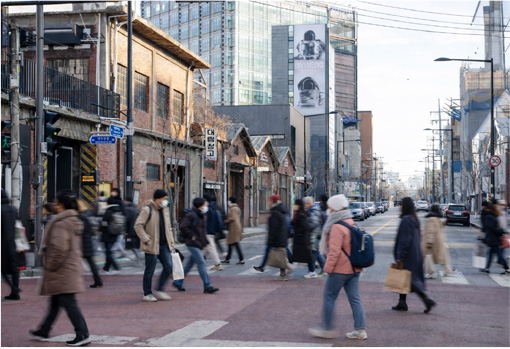
The neighborhood’s identity was defined by low rise red brick factories built for efficiency and durability. Their wide interiors and high ceilings were originally meant for machinery but later proved perfect for galleries, cafés, and creative studios. What was once purely functional architecture became the backbone of Seongsu-dong’s revival.
Saving Brick Buildings Instead of Replacing Them
While much of Seoul redeveloped into glass towers, Seongsu-dong’s industrial decline in the late 1990s preserved its factory structures. Large scale demolition never arrived, leaving behind a landscape of aging but character rich warehouses.
In the early 2010s, artists and entrepreneurs moved in, drawn by affordable rents and raw industrial aesthetics. Local government later reinforced preservation through programs encouraging red brick restoration, ensuring that new development would complement the historic look rather than erase it.

Seoul Forest and the Rise of a Creative Lifestyle Zone
The opening of Seoul Forest in 2005 accelerated Seongsu-dong’s transformation. The massive urban park dramatically improved livability, attracting residents, startups, and visitors. Shared offices and social enterprises settled nearby, bringing in young professionals who blurred the line between work and leisure.
Cafés, boutiques, and restaurants soon clustered around the park, creating a walkable lifestyle district where green space met creative commerce. Seoul Forest became both a recreational hub and a catalyst for cultural growth.
Repurposed Landmarks That Defined the New Identity
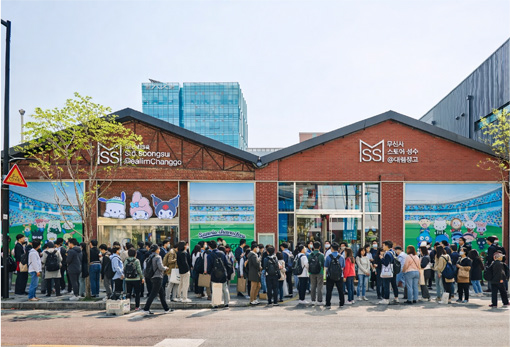
Iconic reused buildings anchored the neighborhood’s cultural reputation. Daelim Changgo transformed a former warehouse into a gallery and fashion venue, preserving raw brick walls and steel pillars as design features. Café Onion converted a decades old factory into one of Seoul’s most photographed cafés, keeping its worn textures and industrial charm.
LCDC Seoul pushed repurposing further by merging old auto shops and shoe factories into a multi level cultural complex built around a shared courtyard and rooftop views. These spaces showed how industrial heritage could become immersive cultural environments.

From Trend District to Global Retail Playground
By the mid 2020s, Seongsu-dong had become Seoul’s trendsetting epicenter. Global luxury brands launched experiential concept stores here, choosing the area’s youthful creative energy over traditional upscale districts. At the same time, pop up shops appeared constantly, transforming warehouses into short term showcases for fashion, beauty, food, and art.
This fast rotating retail culture turned the neighborhood into a living exhibition space where visitors encountered something new each week, fueling its reputation as Seoul’s most dynamic hotspot.
Balancing Growth With Tradition
Major corporations soon followed, relocating headquarters and building smart office complexes in Seongsu-dong. The district evolved into a new business hub alongside its cultural fame. However, rapid success pushed rents upward, forcing many traditional artisans, especially shoemakers, to leave.
To protect local character, authorities introduced sustainable development zones, limited franchise expansion, and revitalized Handmade Shoe Street as a cultural attraction celebrating the district’s roots.

A Future Built on Old Bricks
Looking toward 2030, large redevelopment projects aim to turn Seongsu-dong into a global innovation district with startup campuses and mixed use towers. Yet its greatest strength remains the coexistence of old and new. Red brick factories stand beside tech offices, and artisan workshops operate near luxury boutiques.
Seongsu-dong’s story proves that urban renewal does not require erasing history. By embracing its industrial past and adapting it for modern life, the neighborhood has become one of Seoul’s most authentic and dynamic districts, where creativity grows from the foundations of heritage.
 
 
korean-machinery.com | Blog Magazine of korean-machinery, brands and Goods
Find the Hipster in you in Seongsu-dong

https://korean-machinery.com///inquiry

Find the Hipster in you in Seongsu-dong

Seongsu-dong is one of the most tagged location in Instagram in 2022, proving itself as currently the most trending neighborhood in Korea. World-famous luxury brands as well as up-and-coming local brand stores and select shops have settled in Seongsu-dong, making it a shopper’s haven. Exploring themed cafés and restaurants that serve delectable desserts and foods is another great way to enjoy what Seongsu-dong has to offer.
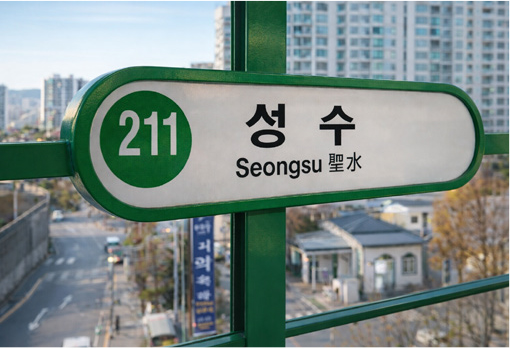
Another perk of Seongsu-dong is handmade shoes shopping. Handmade shoes business has deep roots in Seongsu-dong and you’ll find many well-established shoe shops scattered around the area. If you’re interested in finding or ordering one-of-a-kind shoes just for you, take the subway to Seongsu Station and take Exit 3 or 4 to find hipster shoe stores and workshops clustered together.

Recommended spots

Daelim Changgo Gallery
Daelim Changgo Gallery best represents the modern transformation of Seongsu-dong, which was once accepted as an industrial zone. A café and gallery renovated from a warehouse, Daelim Changgo Gallery has a unique atmosphere created by preserving the aw and bold interior from its original form. The unusual blend of exhibitions taking place in a café that resembles a warehouse pretty much sums up Seonsu-dong’s quirky charms!

Seongsu Yeonbang
Seongsu Yeonbang is a multipurpose culture center renovated from an old factory. The building is filled with diverse shops and stores ranging from handmade caramel shop, lifestyle select store, jewelry shop, cafés and restaurants. The most iconic shop can be found on the 3rd floor, a popular eco-friendly greenhouse café named Cheonsang Gaok. Seongsu Yeonbang has also earned some fame among K-pop fans for it was used as a birthday party event venue for Jimin of BTS.

Munchies and Goodies
Munchies and Goodies is a bakery and wine shop popular for its signature salted butter rolls, called sogeumppang in Korean. The salted butter rolls come out at 11:00 and 15:00, and both times usually require lining up by the store. The store has no seats inside and offers only take-out. Another dessert that’s worth a try is the shop’s original tigré, made using Korea’s traditional sweets called yakgwa (honey cookie).

DOOR to Seongsu
DOOR to Seongsu is a premium flagship store opened by the convenience store brand GS25. DOOR to Seongsu appeals to consumers through a unique concept that separates itself from regular convenience stores. The most eye-catching difference is the Drinking Zone where customers can enjoy a variety of beer and wine on tap. The store also sells bread and chicken that are prepared on a daily basis as well as their bestselling products. With chairs and tables, the store feels like a café by night and a bar by night.

LCDC Seoul
Once a building with a shoemaking factory and an auto repair shop, LCDC Seoul has transformed the place into a trending multipurpose culture center. The building’s façade shows a glimpse of the mini plaza encircled by concrete walls with stairways in between, which all make up to turning this place a reputed Instagrammable photo spot. Inside the building, you’ll find several quirky and adorable shops including select shops, cafés, and a rooftop bar. Seasonal pop-up stores that open occasionally are also fun to look around.

Onion Seongsu
Onion Seongsu is a bakery café renovated from a 1970s building that received much attention for its unique interior and tasty baked goods. Onion Seongsu added transparent glasses and metal frames onto the original old framework for an overall vintage look with a modern touch. You can try a variety of breads and desserts here, from ang-butter bread (red bean paste butter bread) that uses handmade red bean paste and chewy rye ciabatta to sweet, soft Pandoro.

Magpie&Tiger Seongsu Tea Room
Magpie&Tiger Seongsu Tea Room is a must-visit place for tea aficionados. This tea house specializes in East Asian tea, serving tea brewed from tea leaves grown and dried locally in Korea as well as other East Asian countries. You can pair your tea with a variety of tea foods available, from traditional Korean desserts like tteok (rice cake) and baked sweets to Western deserts and pound cake and cheese cake.

Peaches. by D8NE
Peaches. D8NE is an offline flagship store launched by Peaches., a lifestyle brand inspired by automobiles. The store uses cars as a theme to create a unique atmosphere both inside and out. Not only does the store sell and showcase products by Peaches., but also has well-known food franchises like Downtowner burger house and Knotted donuts.

Monami Factory Seongsu
Monami Factory Seongsu is where you can see, try, and buy a wide range of products by Monami, Korea’s prominent office supplies and stationery brand particularly well-known for their ballpoint pens. The store has a DIY station where you can make your very own ballpoint pen and fountain pen ink. Several packaged products are also available that make for perfect souvenirs.


korean-machinery.com | Blog Magazine of korean-machinery, brands and Goods