
Samsung SDI Signs Mid- to Long-term LFP Cathode Material Supply Deal with L&F
Securing a domestic supply of key materials to build a stronger competitive edge
[INQ. NO. 2605M08] Samsung SDI has secured a key supply agreement for battery materials as it moves to strengthen its presence in the North American energy-storage system market while diversifying its supply chain away from China.
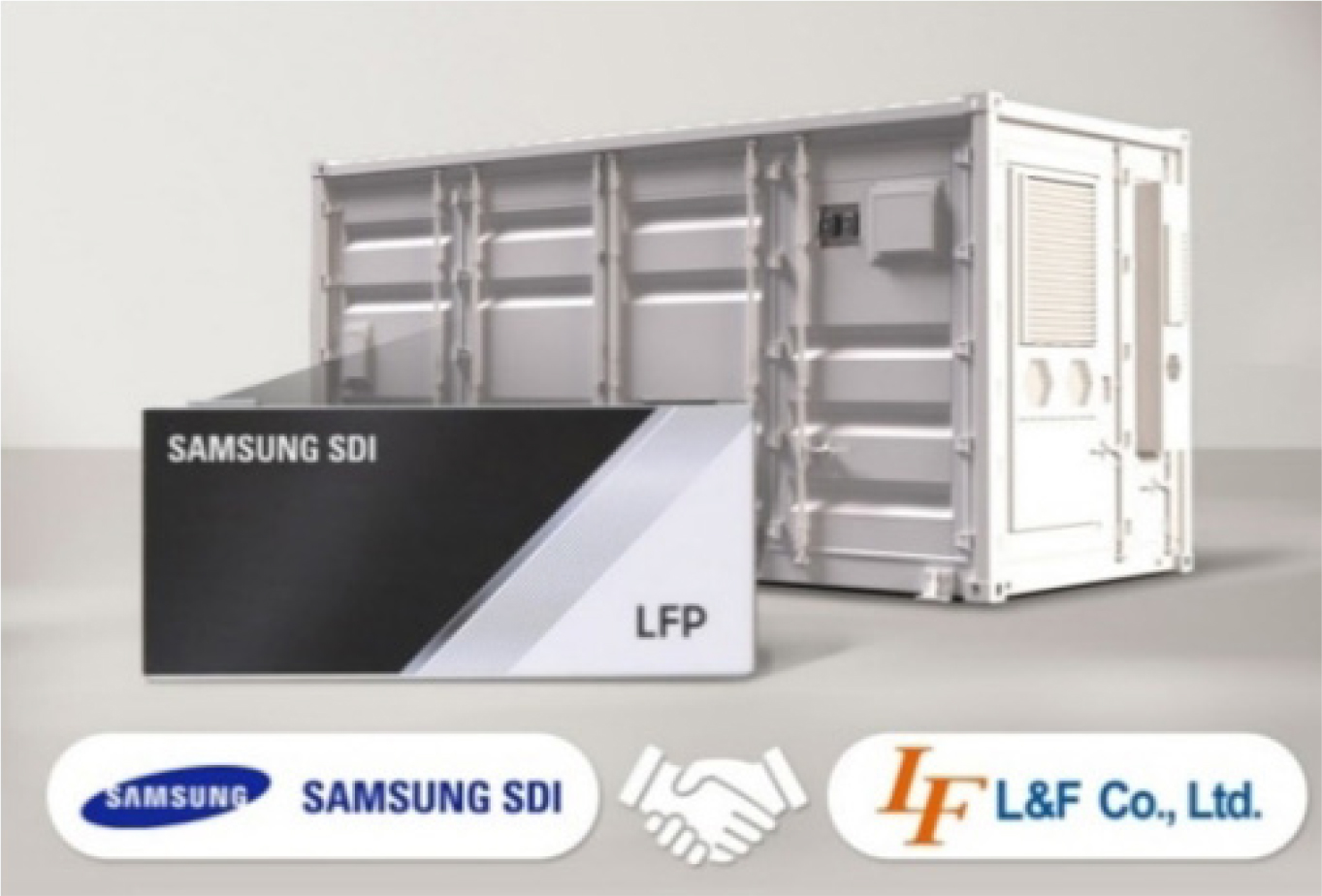
Samsung SDI announced recently that it has signed a mid- to long-term supply agreement with L&F, a leading Korean battery-materials manufacturer, for cathode materials used in lithium iron phosphate (LFP) batteries.
Under the agreement, Samsung SDI will receive cathode materials worth approximately KRW 1.6 trillion over three years starting next year. The materials will be used to produce LFP batteries for ESS applications. The contract also includes an option to extend supply for an additional three years.
Samsung SDI plans to use the LFP cathode materials supplied by L&F to manufacture ESS batteries at StarPlus Energy (SPE), its joint venture with Stellantis located in Indiana, USA.
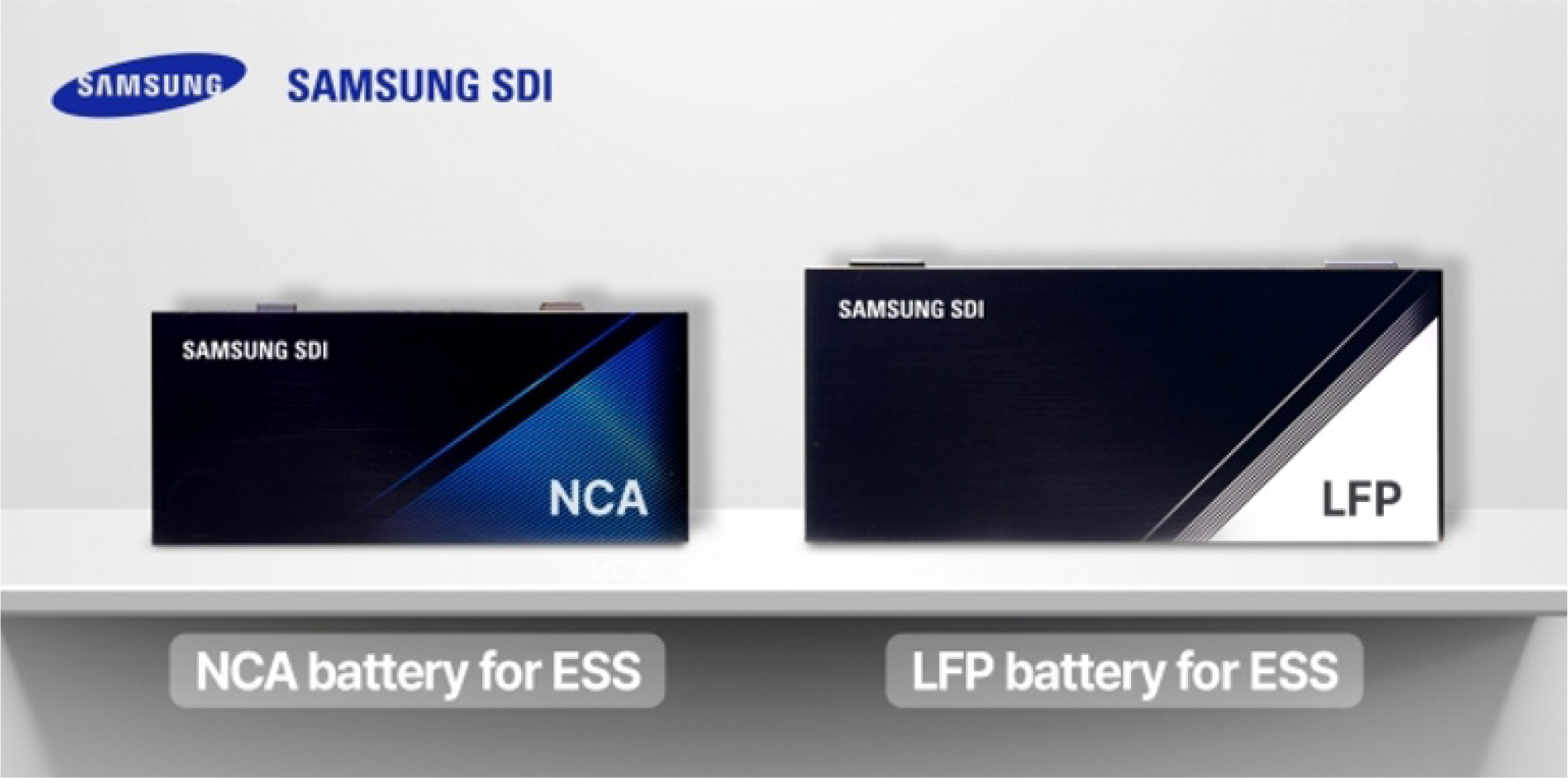
SPE has been gradually converting part of its production lines from electric vehicle batteries to ESS batteries since the fourth quarter of last year. Beginning in the fourth quarter of this year, the facility is expected to mass-produce LFP batteries alongside its existing high-nickel NCA batteries.
As Korea’s sole manufacturer of prismatic batteries, Samsung SDI expects the agreement with L&F to help establish a stable domestic materials supply chain while further strengthening its competitive edge in the North American ESS market.
L&F previously announced a new investment in LFP cathode materials in August last year, becoming the first company outside China to do so, and is currently building production capacity of 60,000 tons per year.
While the global battery industry has traditionally relied heavily on Chinese suppliers for LFP cathode materials, tightening regulations in the United States on products manufactured in China, including rules related to Prohibited Foreign Entities (PFE), have made supply-chain diversification an increasingly important priority.
Against this backdrop, Samsung SDI’s move to secure a domestic supply of key materials is widely seen as solidifying its competitive edge.
The agreement also comes as Samsung SDI continues to expand its footprint in the North American ESS market through a series of major supply contracts. Late last year, the company signed a contract worth approximately KRW 2 trillion to supply LFP batteries for ESS to a major U.S. energy developer and operator. On March 16, it also announced another ESS battery supply deal worth KRW 1.5 trillion with a U.S. energy company.
The company said the deals reflect recognition of the quality of its prismatic batteries, which incorporate a proprietary stacking process along with in house safety technologies such as No Thermal Propagation (No TP) and Enhanced Direct Injection (EDI) to prevent thermal spread and enhance overall safety.
Building on more than 30 years of accumulated expertise, Samsung SDI recently introduced its differentiated prismatic battery technology under the name PrismStack at InterBattery 2026.
“In response to growing demand for supply chains that are less dependent on China, we proactively signed a supply agreement with a domestic materials partner. Through this partnership, we expect to further strengthen our competitiveness in the North American market and additional business opportunities, remarked a spokesperson for the company.
Samsung SDI Wins KRW 1.5 Tril. ESS Prismatic Battery
Supply Deal in the USA
Samsung SDI recently announced that it has landed another mega-sized deal for the supply of ESS batteries in the United States, accelerating expansion into the global ESS market.
The company said its Michigan-based subsidiary Samsung SDI America recently clinched a KRW 1.5 trillion ($1 billion) worth deal to supply ESS batteries in phases for a U.S. energy company over a four-year period from this year through 2029.
The batteries will be produced at StarPlus Energy’s plant in Indiana, as a joint venture between Samsung SDI and automaker Stellantis.
Initial supplies will begin with NCA (Nickel·Cobalt·Aluminum), and later expand to lithium iron phosphate (LiFePO4).
The latest deal means that Samsung SDI has been highly recognized for technological competitiveness of NCA and LFP batteries in the global market.
Samsung SDI is currently increasing its presence in the U.S. market where demand for ESS is surging in line with the expanding renewable energy and artificial intelligence markets.
Last December, the Korean battery maker signed a deal worth over KRW 2 trillion for LFP ESS cell supply with a U.S. energy infrastructure company. The company is further strengthening its foothold in the U.S. market by securing the latest deal.
Samsung SDI is currently in talks with multiple global customers to provide batteries, with expectations to produce tangible outcomes in the near future.
Industry observers assess the series of mega-deals won by Samsung SDI, backed by its prismatic battery technology (PrismStack) known for superior safety, to give the company a competitive edge to win the ongoing Korean government-led bid offer for ESS battery supplies for state-run power companies.
Samsung SDI’s prismatic batteries are already recognized by multiple U.S. energy businesses ― not only for their durability advantages over pouch-type batteries, but also for their fire-safety technologies and proven reliability ― underscoring the company’s position as the only non-Chinese supplier of prismatic ESS batteries in North America.
“The latest series of orders confirms Samsung SDI’s technological competitiveness and credibility in the global ESS market,” commented a company spokesperson. “The company will continue its efforts to meet the diverse needs of global customers for specific performance requirements.”
korean-machinery.com | Blog Magazine of korean-machinery, brands and Goods



Leave a comment