
Competition for LNG Carriers Intensifies Korea Holds the Top Spot
Korean companies secure 64% of this year’s orders.
The liquefied natural gas (LNG) carrier market is heating up again. Competition for orders is intensifying as the expansion of LNG projects, centered in the United States, coincides with the demand for replacing existing vessels with eco-friendly ones. Global LNG carrier orders, which stood at just 37 vessels last year, surged to 35 in the first quarter of this year alone and reached 53 as of early June.
According to sources in the shipbuilding industry, Korean shipbuilders have maintained an advantage so far in the global LNG carrier bidding war. As of early June this year, Korean shipbuilders secured 34 orders out of the 53 LNG carriers ordered worldwide, comprising 64% of the total global orders.
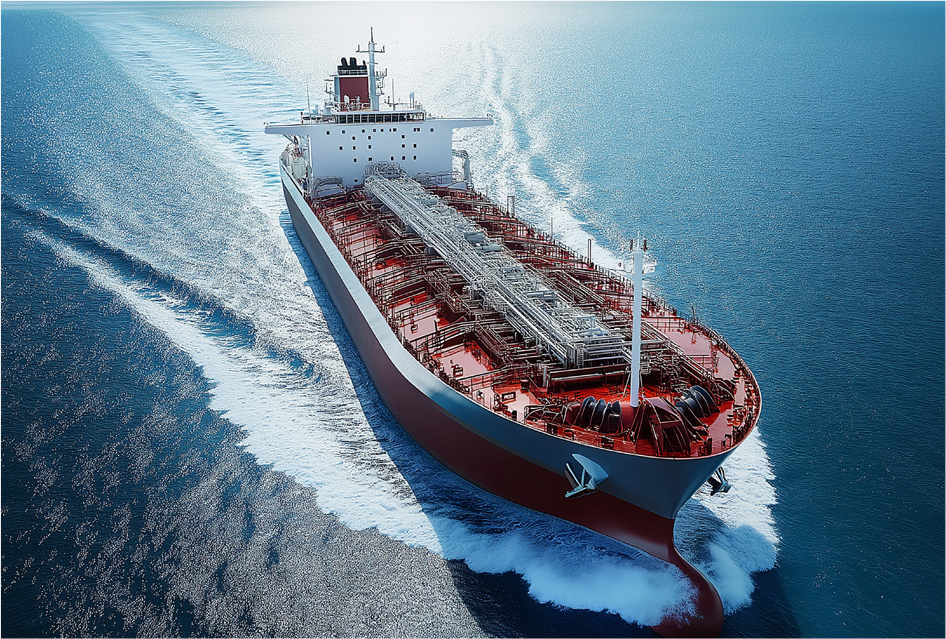
By company, HD Korea Shipbuilding & Marine Engineering had the most orders with 16 vessels, followed by Samsung Heavy Industries with 12 and Hanwha Ocean with six.
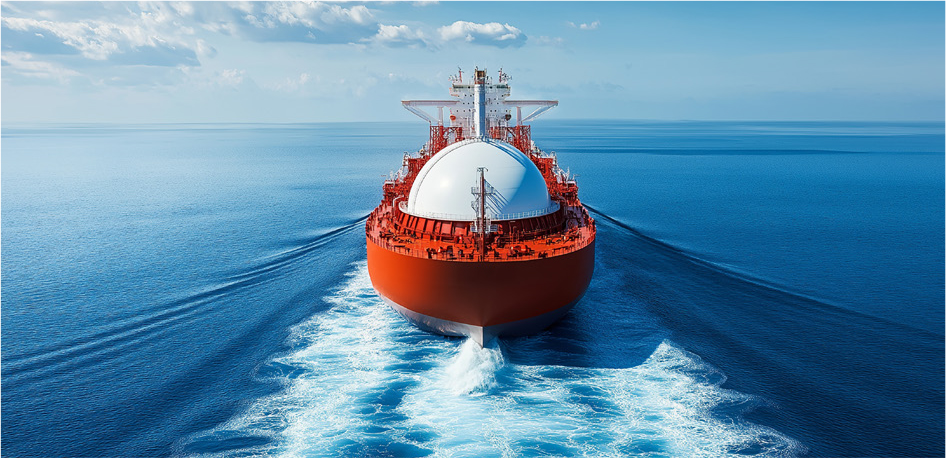
The reason why Korea has taken the lead is high technological barriers. LNG carriers are a representative high-value-added ship type that must safely transport liquefied natural gas at 163 degrees Celsius below zero.
Industry sources assess that Korea’s three major shipbuilders — HD Korea Shipbuilding & Marine Engineering, Hanwha Ocean, and Samsung Heavy Industries — earn absolute trust from global shipowners based on decades of accumulated construction experience, quality control systems, large-scale project execution capabilities, and on-time delivery compliance.
China has recently been rapidly expanding its presence in the high-value-added LNG carrier sector. By early June of this year, Chinese shipbuilders had secured orders for a total of 19 LNG carriers, trailing closely behind Korea.
China is currently expanding its presence in the global market by leveraging its price competitiveness and large-scale production capacity. As of last year, it reportedly accounted for over 70% of total global ship orders.
Japan has also launched a counterattack at the national level. A sense of crisis is mounting as Japan’s share of global ship orders has fallen from the past 15~16% level to 8% last year.
Japan plans to restore competitiveness in high-value-added vessel types, such as LNG carriers, through shipyard consolidation, facility investment, AI and DX based productivity enhancement, and manpower development.
korean-machinery.com | Blog Magazine of korean-machinery, brands and Goods



Leave a Reply