
How the Color Moves down the Peninsula
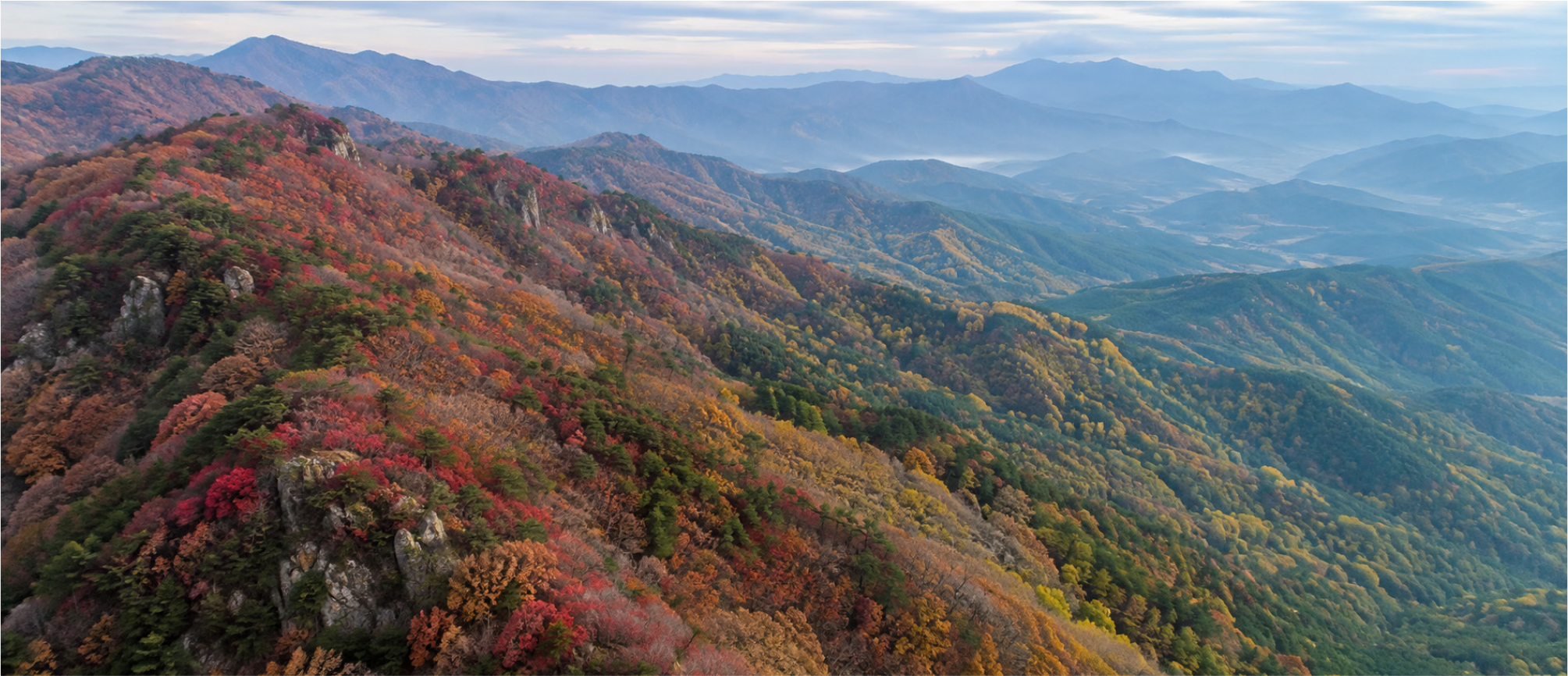
Autumn color in Korea travels like a slow wave from north to south. The first changing leaves of 2026 were recorded on September 14 at the Jeombongsan forest genetic resource reserve, with northern Gangwon expected to follow in early October.
Official forecasts define peak foliage as the point when at least half of the leaves have turned. By that measure, Seoraksan was expected to peak on October 20, Jirisan on October 27, and Songnisan on October 28.
Farther south, Naejangsan was forecast to peak on November 4 and Hallasan on November 6. Nationally, ginkgo trees were expected to peak on October 30, with maples and oaks following around October 31.
The 2026 season was projected to arrive about 0.8 days later than the average of the past five years. Temperature and sunlight still shape the real timing, so actual peaks can shift with local weather conditions.
A national foliage map divides the country into six zones and highlights 36 destinations. It drew on observations from 829 citizen scientists, and because its dates come from arboretum observation points, individual sites may differ by a few days.
Northern Gorges and City Parks
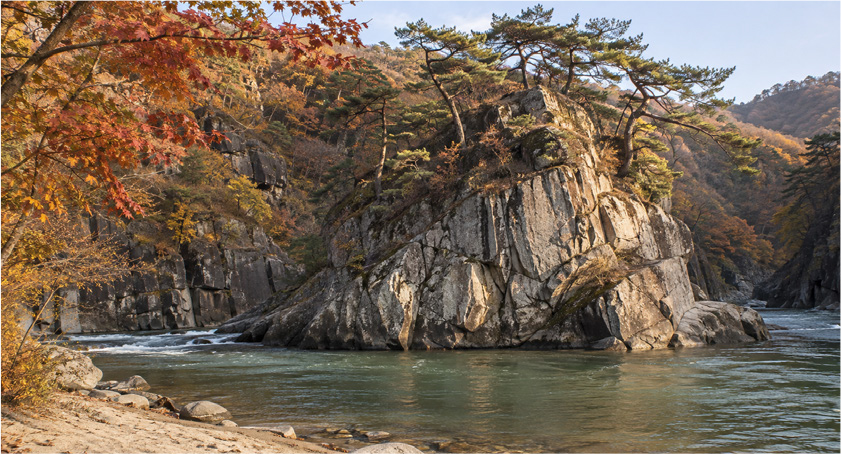
The Greater Seoul area and Gangwon Province were expected to peak first, in late October. In Cheorwon, Goseokjeong sits inside the Hantan River gorge, where autumn foliage fills the canyon around a remarkable rock formation.
That rock is a granite outcrop roughly 15 meters tall. It formed underground about 110 million years ago, was later buried beneath basalt lava, and has since been exposed again by the river’s erosion.
In the capital region, Incheon Grand Park covers about 2.66 million square meters and draws around four million visitors each year. Paths circle its lake and lead toward an arboretum, creating a pleasant foliage walk.
National recreation forests suit travelers who want to stay among the trees. Sambong in Gangwon was forecast to peak on October 21 and Yumyeongsan in Gyeonggi on October 31, and forest lodges and campsites allow overnight stays.
Golden Ginkgo and Kimchi in Central Korea
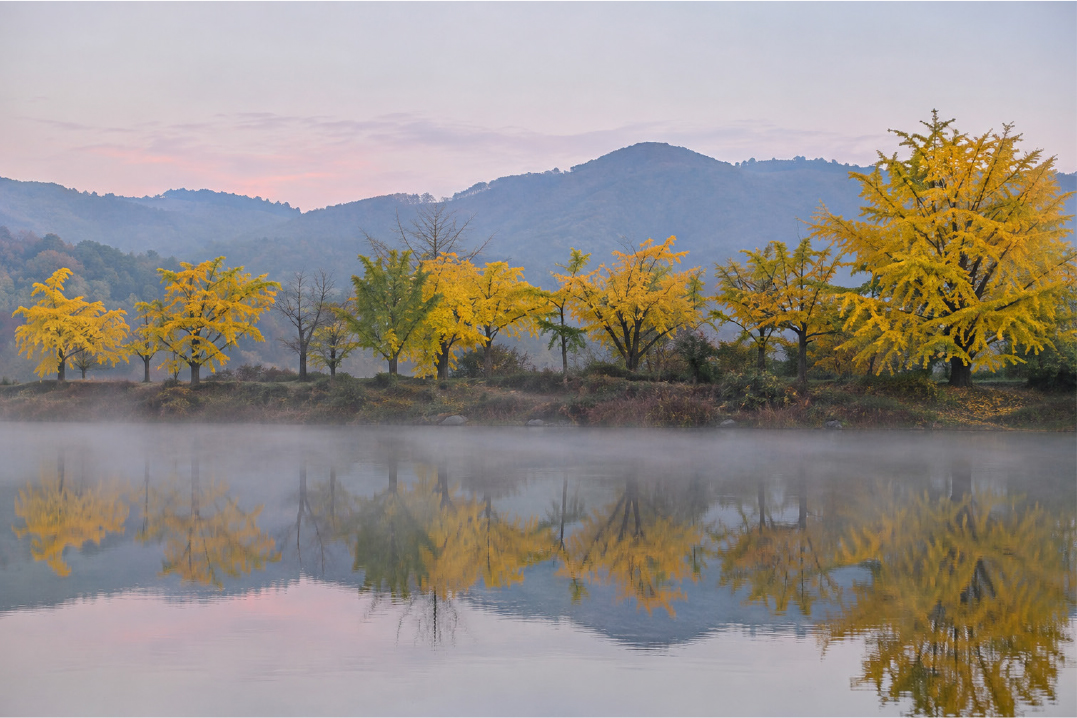
In Goesan, North Chungcheong Province, a ginkgo walk lines the edge of Mungwang Reservoir. When the leaves turn golden, their reflections on the water attract photographers who arrive at dawn to capture the scene.
The 2026 Yanggok Ginkgo Festival runs from October 17 to November 15 around the reservoir, with busking, performances by local artists, a photo exhibition, and sales of local farm products.
Goesan also hosts its Kimjang Festival from November 5 to 8, 2026. Participants make kimchi with locally grown cabbage and peppers, and a drive through program lets visitors prepare kimchi in booths beside their parked cars.
Admission to the kimchi festival is free, although some hands on activities carry a separate fee. Throughout November, villages around Goesan also offer their own kimjang sessions, giving visitors another chance to experience this kimchi making culture.
Southern Mountains and Tree Tunnels
Southern regions, including the Jeolla and Gyeongsang provinces, were expected to peak in early to mid November. At Naejangsan, hikers heading for the Seoraebong section need a reservation during the busy autumn season.
From October 18 to November 16, 2026, the 2.8 kilometer trail from the Seorae visitor center over Seoraebong to Byeongnyeonam admits 520 people a day, with bookings made through the national park reservation system.
In Geochang, Changpowon is a waterside ecological garden of about 420,000 square meters built on land once submerged by the Hapcheon Dam. It became South Gyeongsang Province’s first local garden in 2021 and closes on Wednesdays.
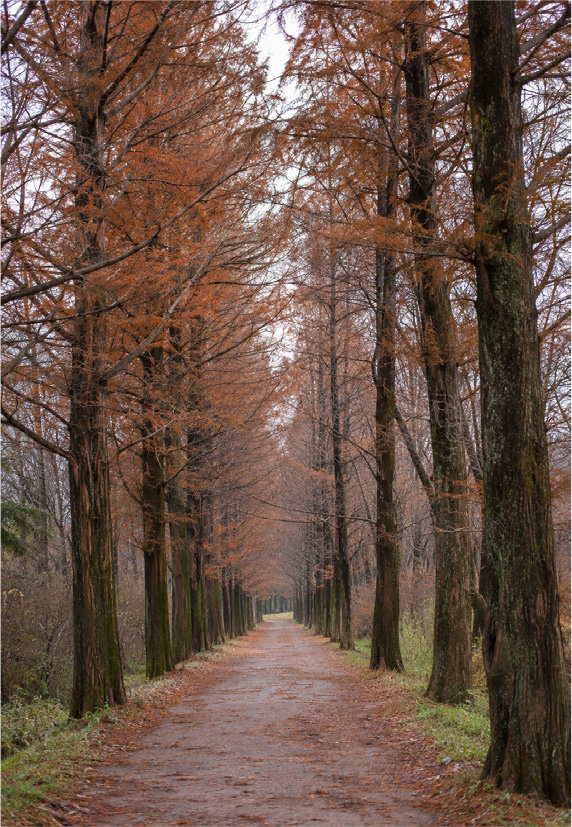
In Damyang, metasequoia trees planted in 1972 along the old National Route 24 shade a car free walking path of about 2.1 kilometers. Adult admission is 2,000 won, with hours from 9 a.m. to 6 p.m. between September and April.
Jeju Ends the Season in Silver
Jeju closes the foliage calendar. Hallasan was forecast to peak on November 6, while maples at Halla Arboretum were expected to peak on November 19, the latest date among the observation points on the national map.
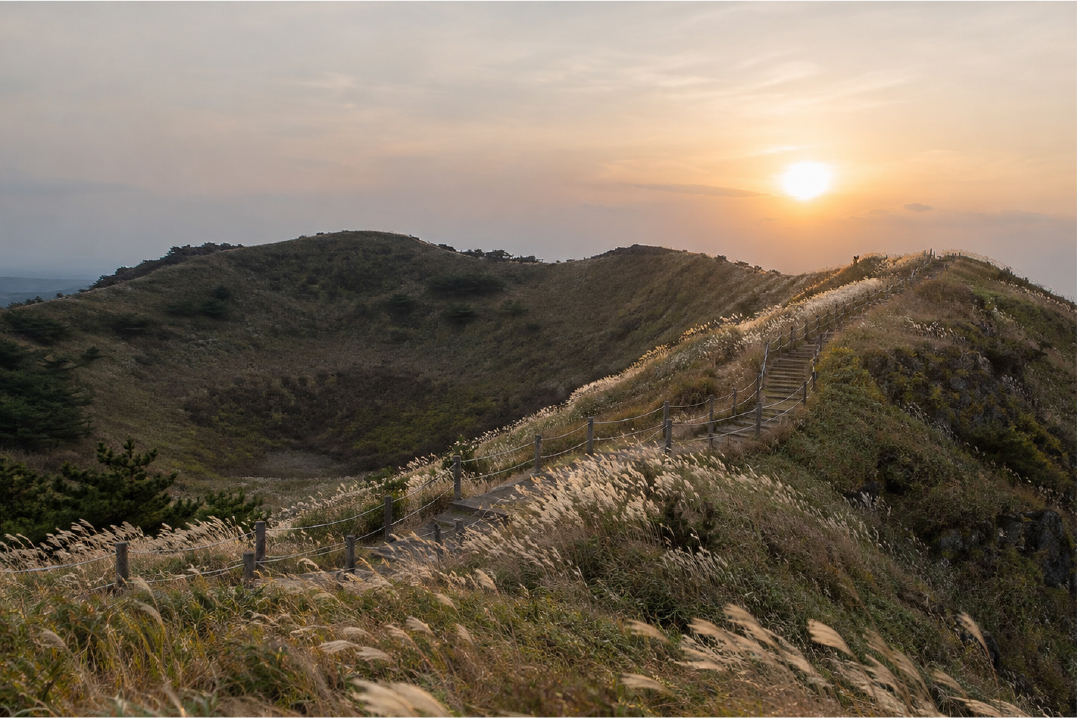
Beyond the leaves, Ttarabiorum in Gasi-ri, Seogwipo, offers a different autumn view. Known as the queen of oreum, this volcanic cone has three craters ringed by six peaks, and silver grass covers its slopes each autumn.
korean-machinery.com | Blog Magazine of korean-machinery, brands and Goods





Leave a Reply