Energy-Efficient Air-Cooled Condensers

https://korean-machinery.com///inquiry

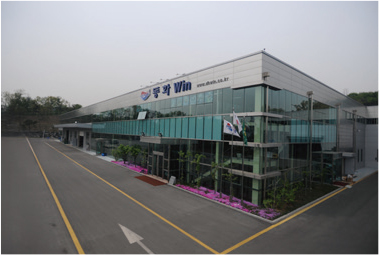
[INQ. NO. 2609M05] Dong Hwa Win Co., Ltd. has developed an air-cooled condenser utilizing A2L and R290 refrigerants to respond to the recent trend in the refrigeration and air conditioning industry, which is shifting from conventional high-GWP refrigerants to systems using low-GWP and natural refrigerants.
Dong Hwa Win has equipped this product with Danfoss and Copeland compressors to ensure stable operation.
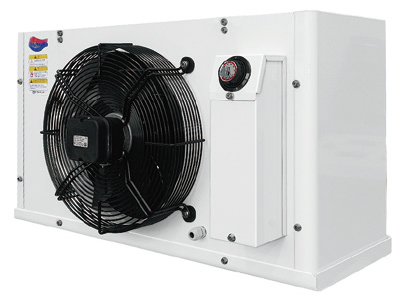
In particular, for models using R290 refrigerant, an inverter system has been applied to improve energy efficiency, allowing the compressor’s operating capacity to be adjusted according to the refrigeration load.
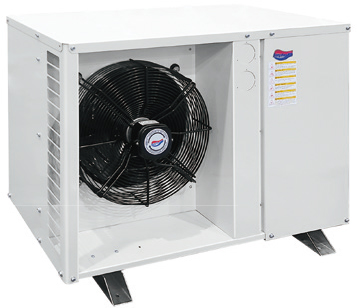
Additionally, products equipped with Danfoss and Bitzer inverters are also being introduced to improve the operational efficiency of various refrigeration systems. Meanwhile, the DUES series (unit coolers) features an integrated fan motor to achieve efficient heat exchange and stable cooling performance.
Dong Hwa Win plans to present a product-development direction at HARFKO 2026 that considers not only changes in refrigerants, but also reflecting market demands for improved energy efficiency.
korean-machinery.com | Blog Magazine of korean-machinery, brands and Goods
Hydrocarbon Refrigerants

https://korean-machinery.com///inquiry

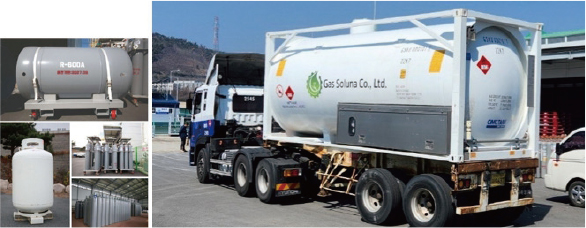
[INQ. NO. 2609M04] At Harfko 2026, Gas Soluna Co., Ltd. will showcase its range of industrial gases and hydrocarbon refrigerants — next-generation refrigerants with Global Warming Potential (GWP) and zero Ozone Depletion Potential (ODP) characteristics.
Gas Soluna’s hydrocarbon refrigerants, including R290, R600a, R-601a, and R-1270 — as well as ultra-high purity (UHP) gas products such as methane and ethane — are supplied in various forms tailored to customer requirements. These include small containers, high-pressure gas containers, ton containers, bundles, cryogenic containers, ISO tanks, high-pressure cartridges, and cryogenic storage tanks.
In particular, Gas Soluna’s hydrocarbon refrigerants are recognized as eco-friendly refrigerants capable of responding to the trend of tightening greenhouse-gas reduction regulations by possessing low GWP and zero ODP characteristics. Gas Soluna has established the only domestic system for importing eco-friendly hydrocarbon refrigerant raw materials and for the in-house charging and supply of gases.
As a specialized company focusing on hydrocarbon refrigerants and ultra-high purity (UHP) gases, Gas Soluna handles propane, isobutane, methane, ethane, propylene, and isopentane. It has established a stable corporate image by achieving KRW 10 billion in total sales through domestic sales and overseas exports by 2025. Moving beyond simple gas supply, it provides customers with unique comprehensive services that combine management techniques.


korean-machinery.com | Blog Magazine of korean-machinery, brands and Goods
High-Efficiency Blowers

https://korean-machinery.com///inquiry

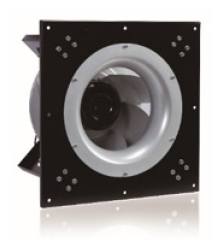
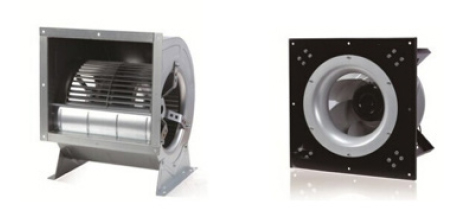
[INQ. NO. 2609M03] Kyungjin Blower’s EC Plug Fan (Electronically Commutated Plug Fan) is an air conditioner fan equipped with a high-efficiency EC motor, offering precise rotational speed control and stable operational performance. It features a backward fan structure suitable for fixed-pressure air conditioners and utilizes an aluminum impeller to ensure both lightweight design and durability. Furthermore, it incorporates various control methods — including 4–20mA, 0–10V, and RS485 communication — making it widely applicable to air conditioners and industrial equipment.

Kyungjin Blower’s BLDC Double Inlet Fan is designed for use in various industrial sectors, including industrial cooling equipment, air conditioners, supply and exhaust systems, constant temperature and humidity units, negative pressure units, and portable air conditioners. Based on a high-efficiency brushless DC (BLDC) motor, it enhances energy-saving performance and allows for free speed control from 300 RPM up to the maximum rotational speed. Additionally, it supports RS485-based remote control, thereby improving operational efficiency and system convenience.
Kyungjin Blower is a specialized manufacturer of fans and blowers established in 1983, coming up with products centered on industrial blowers and HVAC fans. Through continuous research and development, the company focuses on developing high-efficiency and eco-friendly products and provides HVAC solutions applicable to various industrial sites.


korean-machinery.com | Blog Magazine of korean-machinery, brands and Goods
Super Low-Noise Cooling Tower

https://korean-machinery.com///inquiry

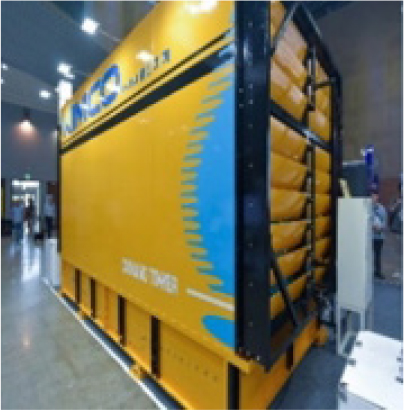
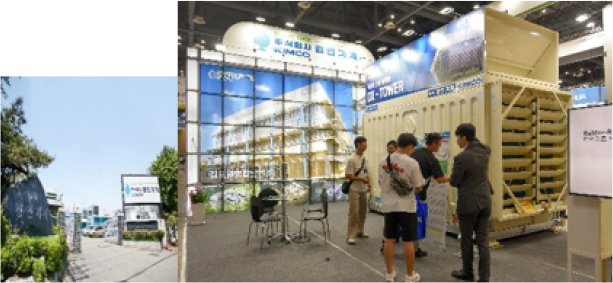
[INQ. NO. 2609M02] Kyung In Machinery Co., Ltd.’s innovative cooling tower, DX TOWER, is attracting attention for its innovative noise-reduction technology and high-efficiency cooling performance. This cooling tower has drastically reduced operating noise by positioning fans and motors, the primary causes of noise, deep inside the structure.
The two-way Air Guide System, independently developed by Kyung In Machinery, integrates noise-reduction devices at the top of the cooling tower to optimize airflow and minimize turbulence, thereby lowering overall noise levels by 10–15 dB compared to conventional cooling towers. Furthermore, by minimizing static pressure loss, the DX TOWER boasts the highest level of cooling efficiency.

The ultra-low-noise cooling tower featuring a direct drive motor, also introduced by Kyung In Machinery, is a state-of-the-art product based on direct-drive technology. This cooling tower significantly reduces motor noise by utilizing a direct-drive motor and a specially developed ultra-low-noise KIFAx fan. Additionally, it minimizes energy loss by eliminating the need for intermediate components such as gear reducers and belt reducers.


korean-machinery.com | Blog Magazine of korean-machinery, brands and Goods
HARFKO 2026 to Unveil its New Lineup of Innovations

https://korean-machinery.com///inquiry

Introducing a wide range of HVAC products that have evolved further through convergence with the latest information and communication technology (ICT)

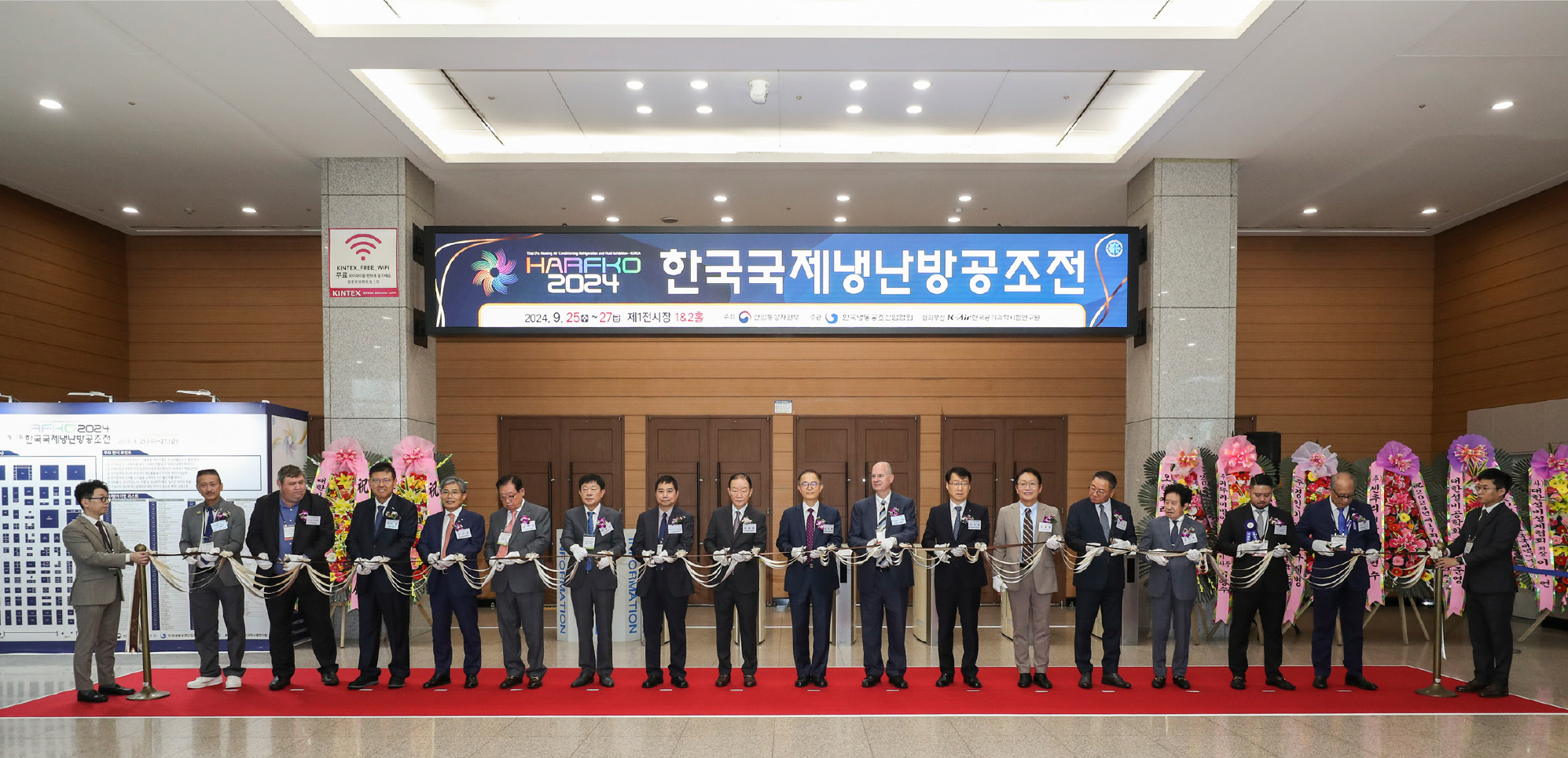
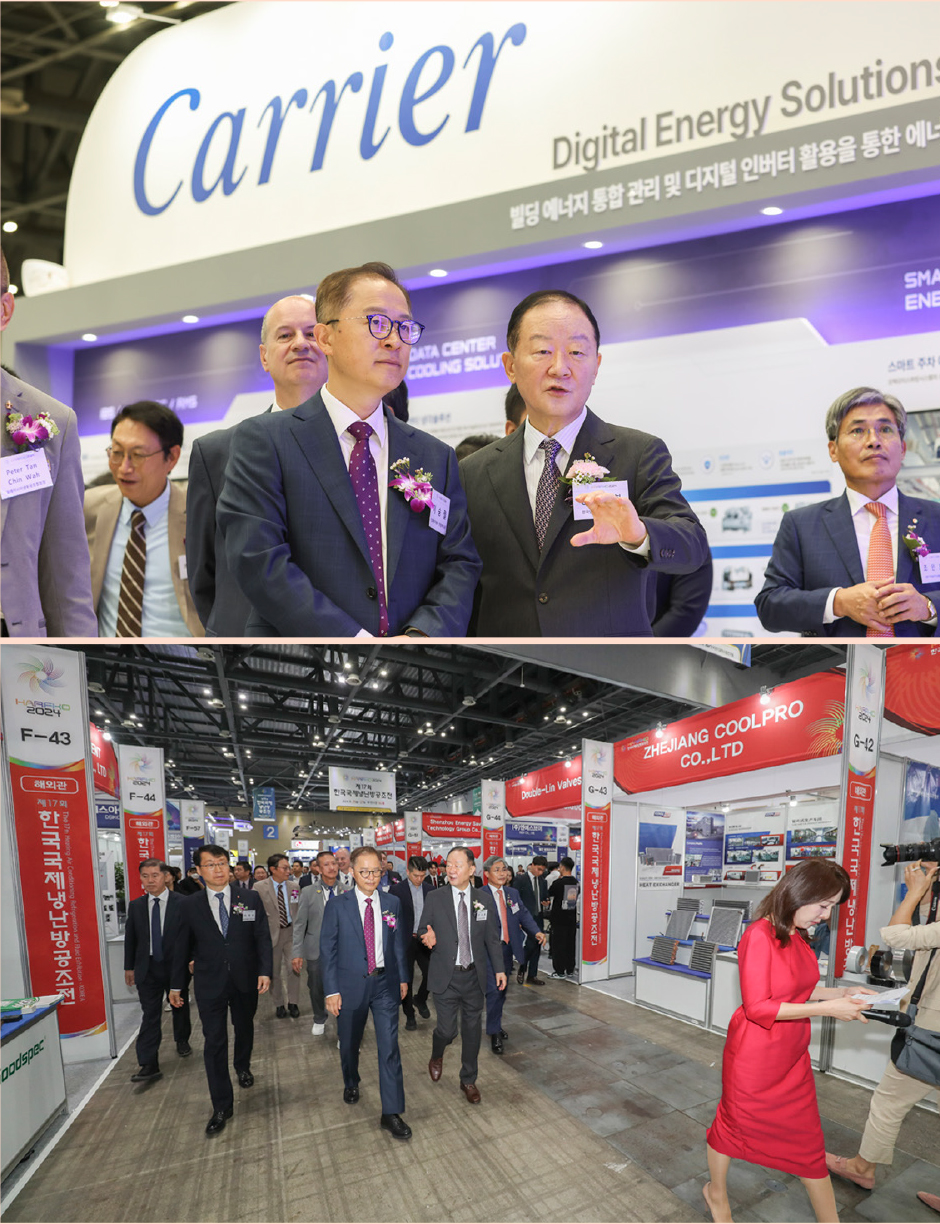
The 18th Korea International Heating, Air-Conditioning, Refrigeration and Fluid Exhibition (HARFKO 2026) will be held for three days from October 21 to 23, 2026, at KINTEX 1 nearby Seoul — under the slogan ‘HVAC&R Innovation Led by Smart Technology: The Future of Heating, Air-Conditioning, Refrigeration and Fluid Completed by AI and IoT.’

Hosted by the Ministry of Trade, Industry and Energy (MOTIE) and organized by the Korea Refrigeration and Air Conditioning Industry Association (KRAIA), HARFKO 2026 is Korea’s most representative HVAC&R exhibition. As an exhibition that has obtained the ‘International Certified Exhibition+’ designation from MOTIE, approximately 230 companies from 23 countries, including Korea, China, Japan, Canada, the United States, and Italy, are scheduled to participate across 1,000 booths. A total of about 24,000 visitors are expected to visit the exhibition.

Riding the wave of smart technology currently sweeping through the HVAC industry, this exhibition will introduce a wide range of HVAC products that have evolved further through convergence with the latest information and communication technology (ICT) — such as Artificial Intelligence (AI), the Internet of Things (IoT), and big data — to match the exhibition theme.
The main exhibits will feature a wide range of future-oriented, innovative products incorporating smart technology across the entire field of refrigeration, freezing, and air conditioning — including refrigerant compressors, air conditioners, refrigeration and freezing equipment, HVAC components, cooling towers, work tools, control and measurement instruments, heating equipment, air equipment, facility materials, I.A.Q, and cleanrooms.

HARFKO 2026 to become a festival ground where industry, technology, and culture come together
A spokesperson for KRAIA explained, “We intend to showcase a future-oriented and innovative image of the HVAC industry to visitors through the excellent HVAC products from around the world that will be unveiled at this exhibition,” adding “Participation in the exhibition will provide a valuable opportunity to discover new business partners, enhance brand awareness and credibility, and gather insights for future vision and competitiveness — in order to cope with the rapidly changing tech landscape.”
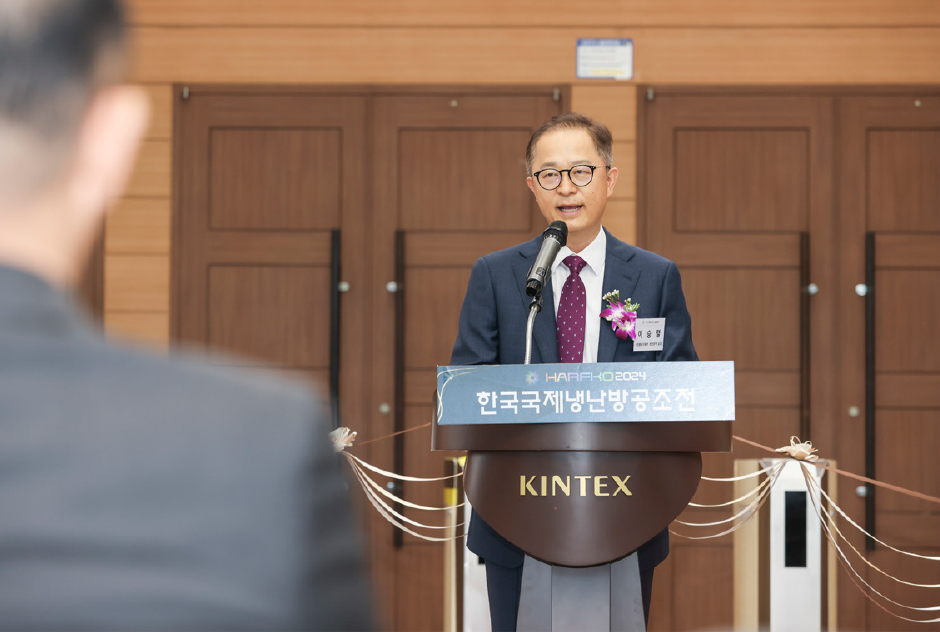
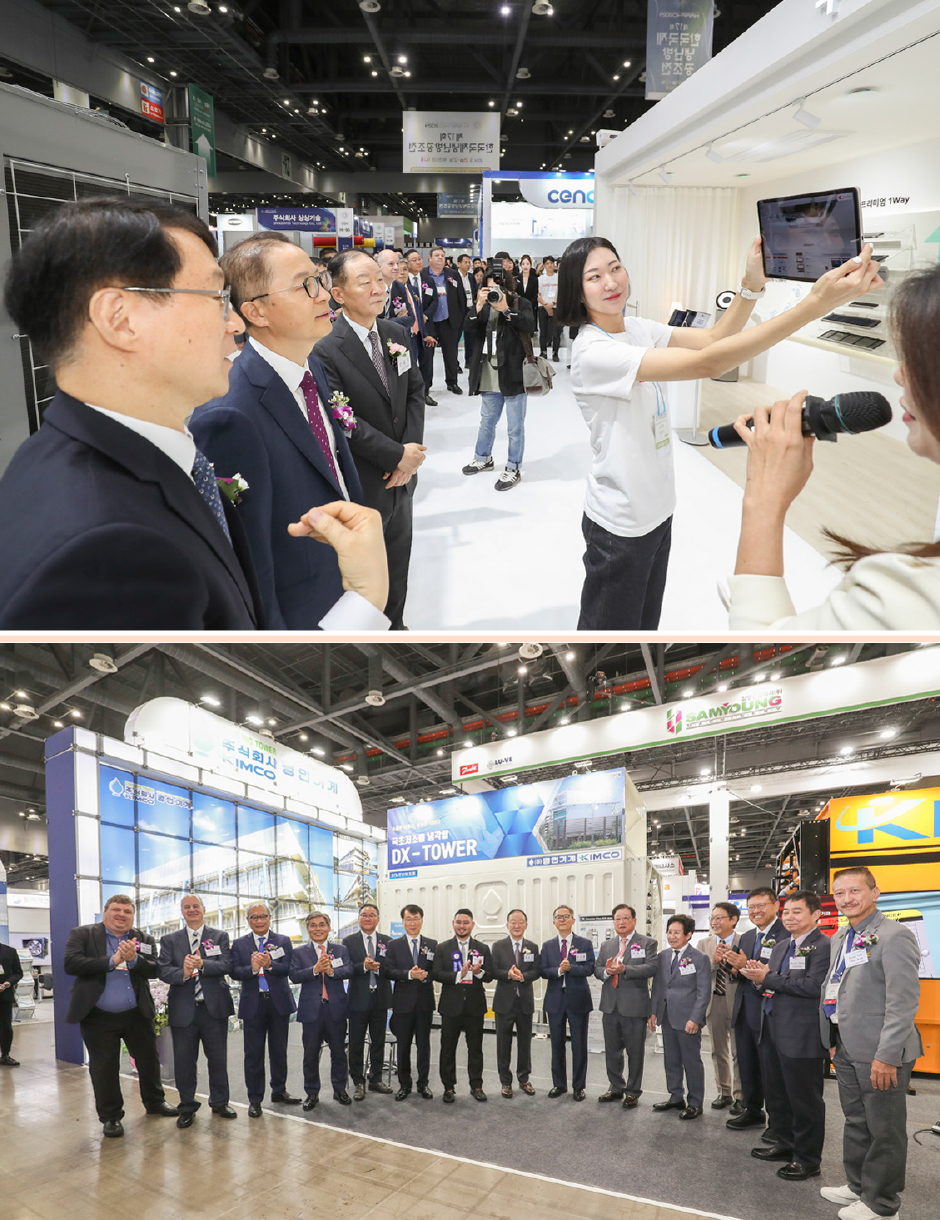
During the exhibition, various side events will be presented, including an opening ceremony and awards for contributors to the development of the HVAC industry; an international symposium on new technologies, new refrigerants, and policies; export consultations; HARFKO academic lectures; and presentations on new technologies and products by participating companies.
HARFKO 2026 is thus expected to become a festival ground where industry, technology, and culture come together.


korean-machinery.com | Blog Magazine of korean-machinery, brands and Goods
3D Vision-Based Autonomous Forklift

https://korean-machinery.com///inquiry

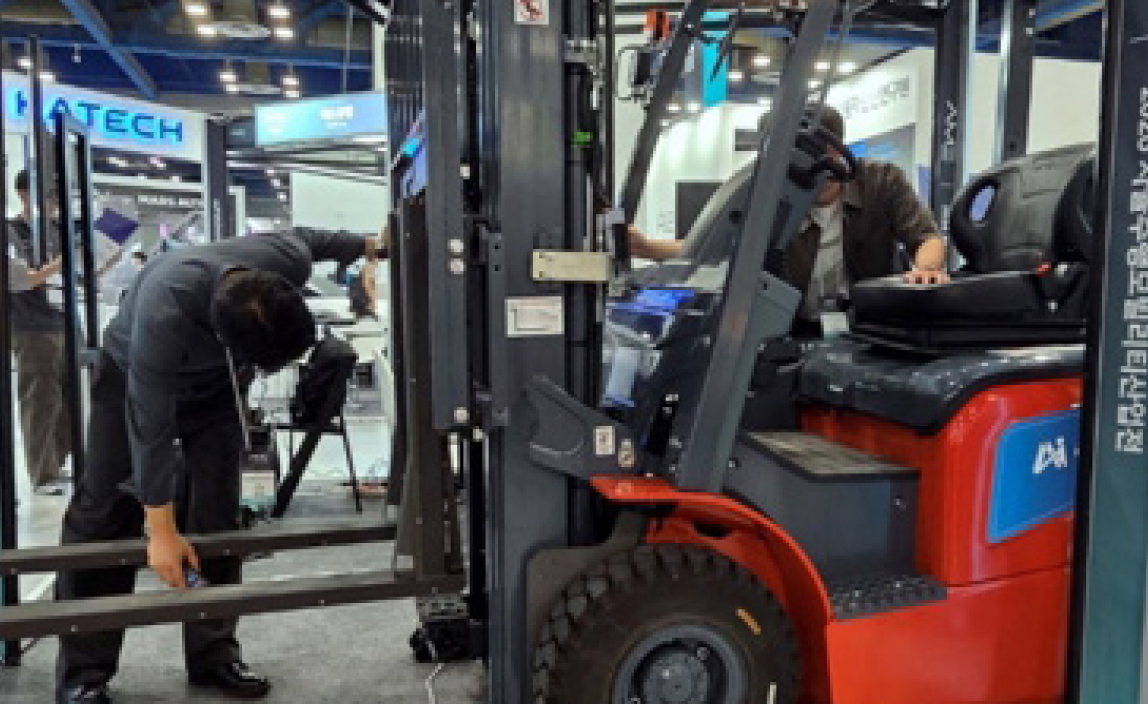
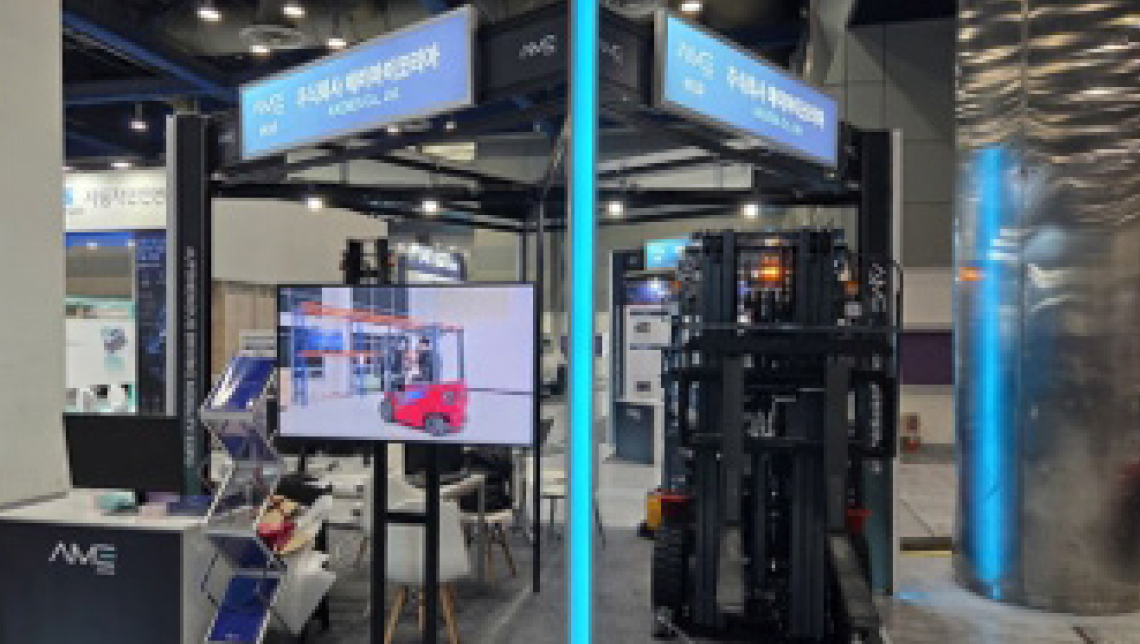
[INQ. NO. 2609M01] AI Korea Co., Ltd., a company specializing in secondary battery infrastructure, participated in the 2026 Autonomous Driving Mobility Expo (AME 2026) held recently at COEX in Seoul to announce its entry into the logistics automation market.
The company, which has focused on building secondary battery electrolyte tanks and piping systems, recruited engineers in the field of vision sensors to drive its new business initiatives. At the exhibition, it demonstrated a collaborative robot palletizing system and a prototype of an autonomous forklift.
The key feature is a system that controls robot operations by using proprietary cameras and 3D vision technology. It supports Mixed Palletizing, a system whereby cargoes of different specifications can be loaded by recognizing their shape and position via vision sensors, even when such cargo is mixed.
The autonomous forklift adopted a modification method involving the application of proprietary software to HELI’s electric forklifts.
Unlike Automated Guided Vehicles (AGVs) that move along floor marking lines, this forklift operates based on an Autonomous Mobile Robot (AMR) that maps the workspace to set a movement path and avoids obstacles. When a stereo depth camera mounted on the bottom recognizes the fork insertion opening of a pallet, it adjusts its position based on this to perform unloading operations.

A spokesperson for the company explained, “The key competitive advantage of this product is that it does not simply automate all industrial logistics operations of industrial logistics sites. Instead, it delegates repetitive tasks to autonomous driving while allowing for an immediate switch to manual operation whenever human judgment is required,” adding “At this event, we showcased our actual operational methods and proprietary autonomous driving control software, and plan to expand the scope of application to include various industrial logistics sites by leveraging AI 3D vision and precision robot-control technologies.”


korean-machinery.com | Blog Magazine of korean-machinery, brands and Goods
U.S. Ammunition Stock Running Low…Opportunity for K-Defense

https://korean-machinery.com///inquiry

Hanwha Defense recruits local talent
Hurrying to build a factory in Arkansas, USA

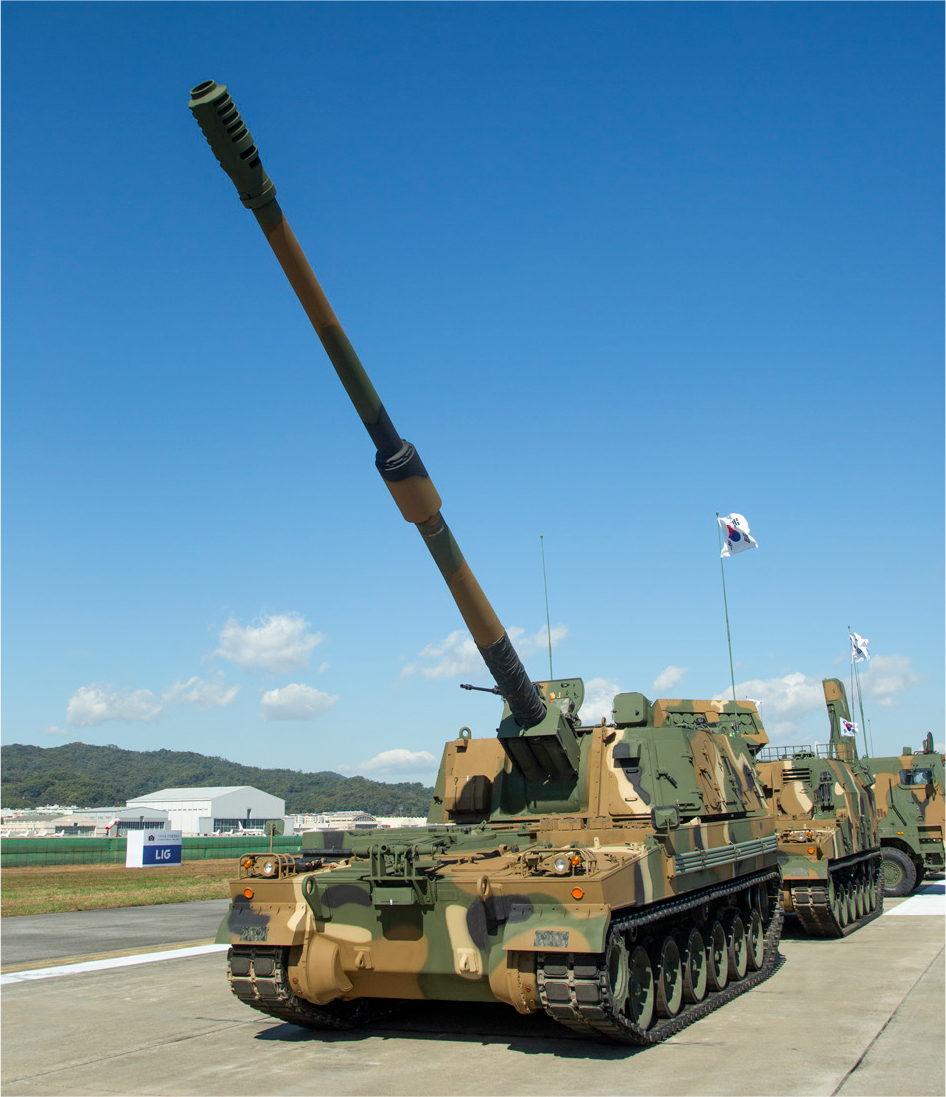
Korean defense companies are looking for opportunities to enter the U.S. ground weapons market. Following its recent securing of a prototype supply contract for the U.S. Army’s wheeled mobile tactical cannon (MTC) project, Hanwha Aerospace is now shifting its focus to ammunition, guided weapons, and unmanned vehicles.
According to industry sources, Hanwha Defense USA, the U.S. subsidiary of Hanwha Aerospace, recently signed a contract with the U.S. Army to develop MTC prototypes. The contract, including options, is valued at USD 262.9 million, covering the supply of six K9MH prototypes, which modified K9 into a wheeled version, and securing an option to supply additional 12 units.

Ammunition supply is considered to be the next stage. Although the United States possesses production capabilities, the pace of production expansion falls short of targets. Last January, Hanwha Defense USA signed a lease agreement with the U.S. Army for idle land at the Pine Bluff Arsenal in Arkansas and decided to invest USD 1.3 billion (approximately KRW 1.9 trillion) to build propellant and high-energy material production facilities.
The inventory of interceptor missiles is a variable in the guided weapon sector. The Center for Strategic and International Studies in Washington, D.C. analyzed that the U.S. inventory of Patriot interceptor missiles has significantly decreased. Hanwha Aerospace was tasked with developing ballistic missile interceptors for the L-SAM, a long-range surface-to-air missile, and secured the subsequent L-SAM-II project, thereby establishing its capability to develop interceptors.
LIG D&A is preparing to enter the U.S. market with its 2.75-inch guided rocket ‘Bigung,’ which was selected for the U.S. Department of Defense’s foreign comparative testing (FCT) in 2019. It has subsequently undergone testing and evaluation in accordance with U.S. military requirements.
The situation is different in sectors where the United States already possesses supply capabilities. The U.S. Army’s main battle tank is the M1 Abrams, manufactured by General Dynamics Land Systems. Accordingly, Hyundai Rotem is placing more emphasis on targeting Europe, the Middle East, and Latin America instead of entering the U.S. market with Korea’s K2 tanks. However, there is speculation that it may enter the maintenance, repair, and overhaul (MRO) sector for weapon systems currently operated by the United States.


korean-machinery.com | Blog Magazine of korean-machinery, brands and Goods
Hyundai Rotem Expands Exports of Electric Trains and High-Speed Rails

https://korean-machinery.com///inquiry

Winning a Taiwanese urban rail project,
entering the USA, Australia, and Morocco

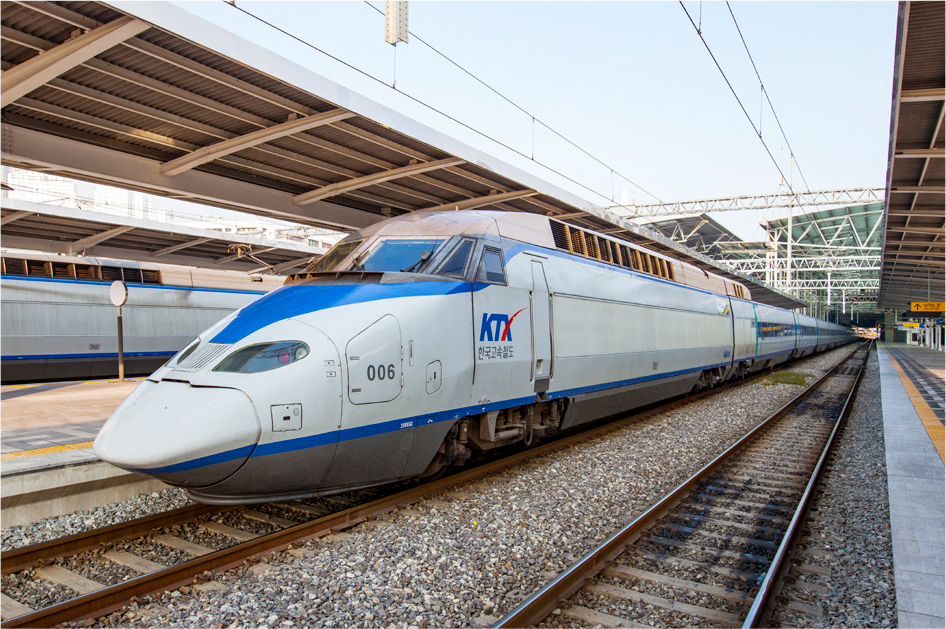
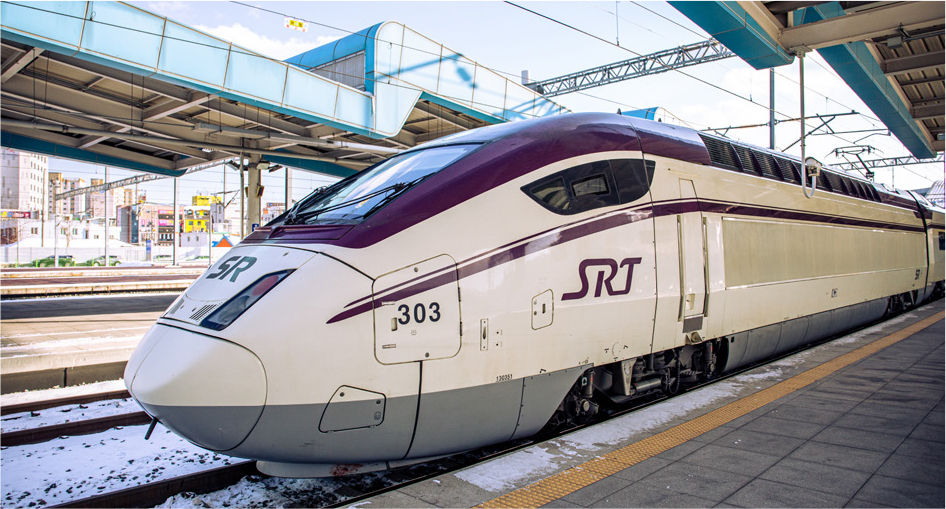
Hyundai Rotem’s railway business is rapidly shifting toward exports, away from focusing on domestic orders. This year, the share of overseas sales exceeded 60%. The company is expanding the scope of its business by entering the phase for securing a series of major projects in Australia, the USA, and Morocco and advancing them into the production phase for large-scale projects successively secured in Australia, the USA, and Morocco, followed by a recent additional order from Taiwan.
According to industry sources, Hyundai Rotem recently won a contract to supply electrical and mechanical (E&M) equipment for the Zhongli extension line (Zhongli District connection section) of the urban railway ‘Green Line,’ commissioned by Taoyuan City, Taiwan. The project is valued at approximately KRW 258.6 billion.

In the first half of this year, Hyundai Rotem’s railway business recorded export sales of KRW 679.1 billion, which was 1.5 times higher than its domestic sales (KRW 448.9 billion). Even when looking at annual performance, the pace of export growth stands out.
The proportion of exports in total railway sales also steadily increased from 50.6% in 2024 to 57.8% last year, and further to 60.2% in the first half of this year.
Railways have long been considered a representative domestic infrastructure industry that has grown based on the construction of key national traffic networks such as subways and high-speed rail, as well as the demand for replacing aging vehicles.
The fact that overseas sales of Hyundai Rotem, Korea’s largest railway company, have begun to surpass domestic sales demonstrates that the domestic railway industry is shifting away from being centered on domestic demand and transforming into a full-fledged export industry.
Hyundai Rotem has been building its overseas order-obtaining portfolio by winning major overseas projects one after another over the past few years.
The company won the Queensland electric train project worth approximately KRW 1.3 trillion in 2023, and in the United States, it secured the Los Angeles Metro electric train project worth about KRW 900 billion in 2024. Last year, it secured an electric train project in Morocco worth KRW 2.2027 trillion, the largest single railway project in history. The company also succeeded in achieving the first export of Korean high-speed rail to Uzbekistan in 2024.


korean-machinery.com | Blog Magazine of korean-machinery, brands and Goods
K-Shipbuilders Compete with their High-Value-Added Vessels

https://korean-machinery.com///inquiry

Samsung Heavy Industries to fully launch floating SMR
Hanwha Ocean pursues unmanned surface vehicles.

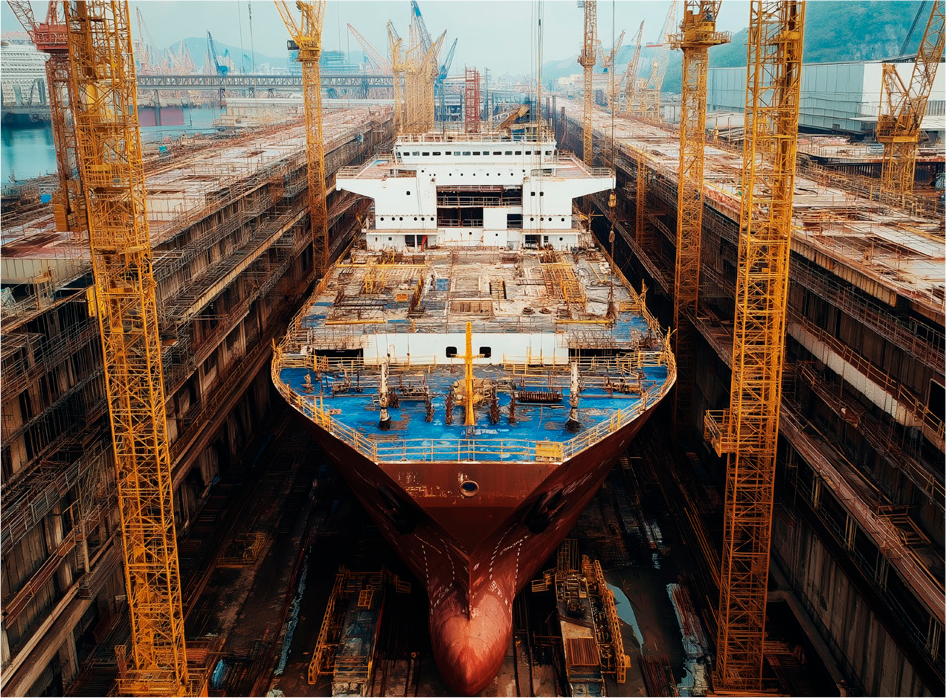
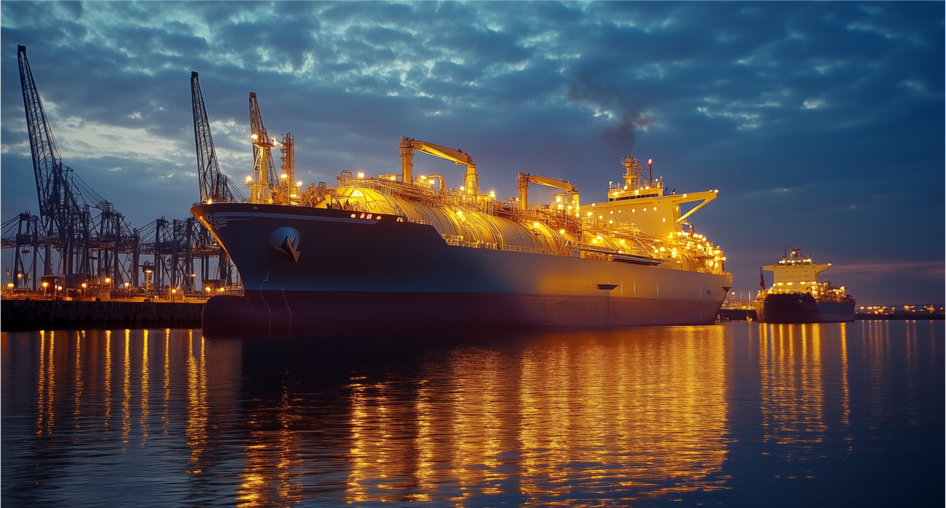
The three major domestic shipbuilders are accelerating efforts to secure next-generation growth engines to lead the post-LNG carrier era. As China rapidly catches up in the high-value-added ship market, including LNG carriers, it appears to be shifting its battleground beyond simple shipbuilding competition to advanced vessel types and future maritime platforms that encompass energy, data, and defense industries.
Samsung Heavy Industries has announced that it has signed an MOU with Sargent & Lundy (S&L), a U.S. nuclear design and engineering firm, for the development of a standard platform for general-purpose floating small modular reactors (FSMRs). This agreement is a follow-up effort to advance the FSMR project, the conceptual design of which was completed last year, into the commercialization stage.

Samsung Heavy Industries’ strategy is to preempt the maritime nuclear power market, targeting AI data centers and power supply for island regions, based on its engineering, procurement, and construction (EPC) capabilities accumulated in the maritime plant sector, such as floating liquefied natural gas (FLNG) production facilities.
HD Korea Shipbuilding & Offshore entered the nuclear power business by investing USD 30 million in the U.S. small modular reactor (SMR) company TerraPower in 2022, and last year, won a contract to manufacture the reactor vessel for the next-generation sodium reactor being built by TerraPower in Wyoming, USA.
HD Korea Shipbuilding & Offshore recently began jointly developing FDC infrastructure with Schneider Electric, a global data center infrastructure company, and also signed a strategic partnership with Kiwit, the largest EPC company in the United States, laying the groundwork for entering the North American data center infrastructure market.
Hanwha Ocean is expanding its future business portfolio, focusing on defense and maritime plants. In cooperation with Hanwha Systems and U.S. AI defense company Havoc AI, it is seeking to participate in the unmanned surface vehicle (MUSV) project, scheduled for mass production in 2027. In addition, it is also accelerating the development of ammonia-propelled carbon-free vessels and liquefied carbon dioxide (LCO2) carriers.


korean-machinery.com | Blog Magazine of korean-machinery, brands and Goods
Hyundai to Counter Threat from China’s Automakers

https://korean-machinery.com///inquiry

All-out war to dominate the European market
20,000 Euro Ioniq 3 makes its debut.

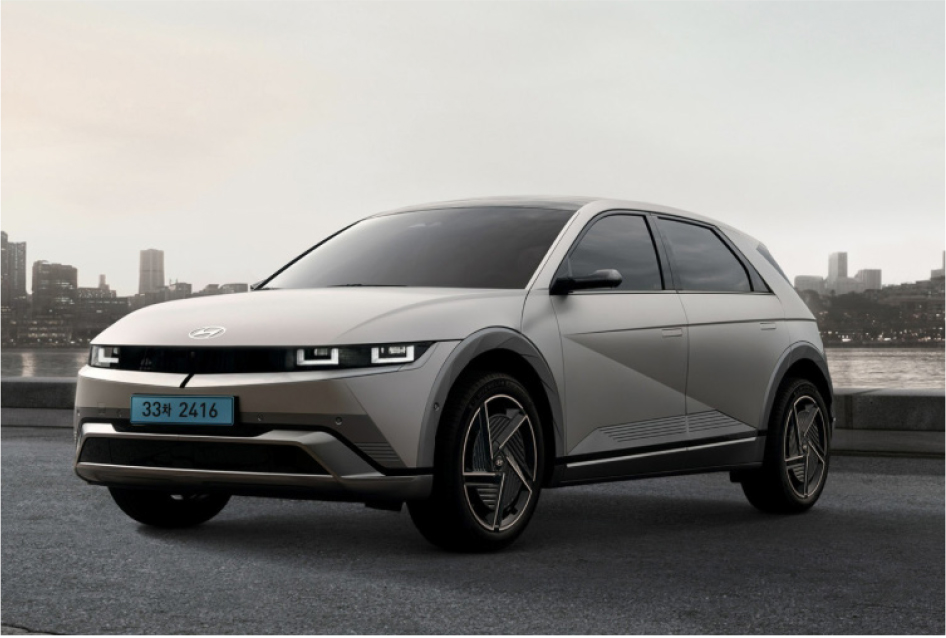
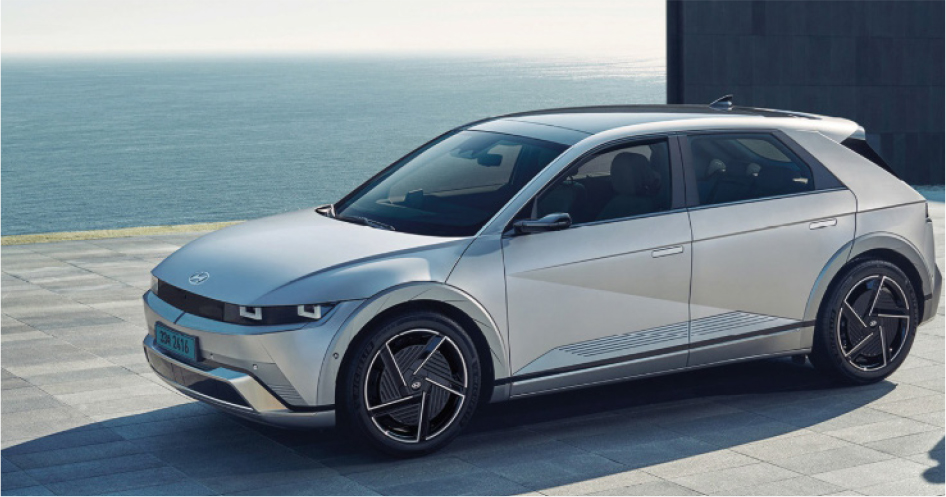
As Chinese electric vehicle (EV) manufacturers rapidly encroach upon major markets such as Europe and Southeast Asia by leveraging their price competitiveness, Hyundai Motor Group is responding by putting region-specific entry-level new models, including its IONIQ 3, at the forefront of its counter attack.
The biggest battleground is Europe, where the transition to electric vehicles (EVs) is accelerating. In the European Union (EU), over 1.22 million new all-electric vehicles were registered in the first half of this year, marking a 40.5% surge in just one year and accounting for 20.7% of the total passenger car market.

Hyundai Motor Group is launching a counterattack by filling the void in the B-segment, which has long been considered a weakness. The B-segment refers to small cars, one level smaller than the compact mid-size. This is a key segment, accounting for about 15% of total demand in the European new car market.
The Ioniq 3, scheduled to launch in September, will set the starting line. With a launch price in the low 20,000 Euro range, it has significantly narrowed the price gap with entry-level Chinese EVs. Designed in Europe and manufactured at the Izmit plant in Turkiye, it reduces logistics and production costs while meeting EU’s domestic production requirements, thereby lowering tariff burdens.
Last March, Kia launched the EV2, a B-segment EV positioned one class lower than the EV3 that had previously driven its European sales, exclusively for Europe. Unlike the EV3, which was entirely produced domestically and exported, the EV2 is being manufactured locally at the Zilina plant in Slovakia. In Southeast Asia, Hyundai Motor is introducing the ‘Neira,’ a three-row electric multi-purpose vehicle (MPV), in Southeast Asia. The Neira is a strategic model featuring a 7-seat family-seater layout that meets high local demand. It shares the platform with the Kia Carens EV, improving development and production efficiency. The plan is to secure price competitiveness by producing locally in Indonesia and selling at a price in the KRW 20 million range.
In China, the largest EV market, Hyundai will unveil the Ioniq V, the brand’s first China-exclusive model, in September. The Ioniq V sought full localization by applying the technology of Momenta, a local autonomous driving company, and CATL batteries.


korean-machinery.com | Blog Magazine of korean-machinery, brands and Goods