Machine Tools

https://korean-machinery.com///inquiry

[INQ. NO. 2603M02] DMC is a specialized machine tool manufacturer with an 80-year legacy, tracing its roots back to Daegu Heavy Industries founded in 1944. Headquartered in Changwon, South Korea, the company leverages decades of precision-machining expertise to export its own branded products to over 25 countries worldwide.
Its core business focuses on producing high-precision equipment such as CNC lathes, machining centers, and tapping centers ― while also providing comprehensive smart factory automation solutions for the automotive and semiconductor industries.
As the first company in Korea to produce machine tools, it continues to build strong industry trust through its own DMC brand, delivering high-quality equipment and innovative manufacturing services.

High-precision Grinding Lathe
DMC’s DL 600GBII is a high-precision grinding lathe optimized for machining high-hardness and brittle materials (high-precision silicon, quartz, SiC, ceramics, etc.) essential for the semiconductor manufacturing process. This product can precisely process various difficult-to-cut materials used in semiconductor component production.
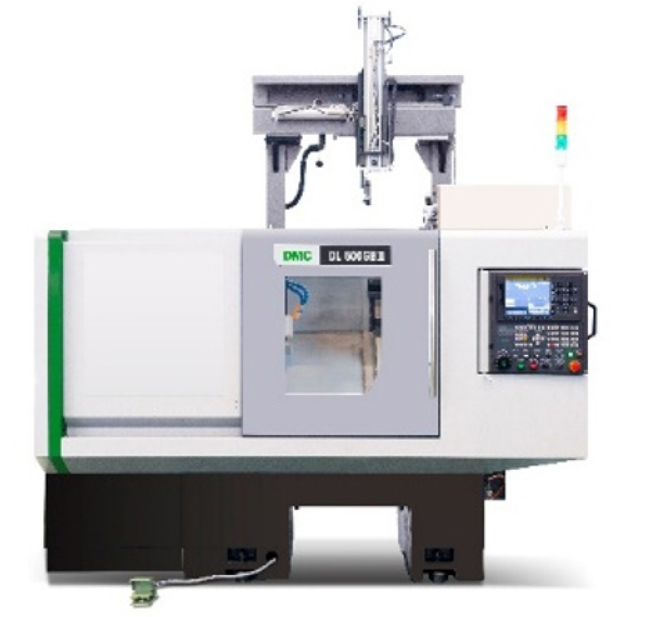
The main specifications include a high-rigidity Box Guideway method for both the X and Z axes to minimize vibration and enhance stability, with a 45˚ bed inclination angle. The swing over the bed and maximum machining diameter is Φ600 mm. The travel distance (X/Z) is 380 / 450 mm, and fast transfer speed is 20/24 m/min. It uses a 12-inch spindle chuck with a maximum spindle speed of 500 rpm.
This high-rigidity structure and precision-maintaining design ensure the exact precision required for semiconductor quartz and SiC machining. Furthermore, for larger machining needs, the lineup can be expanded with the higher-end DL 800GBII model, with a maximum machining diameter of Φ800 mm.

CNC Vertical Lathe
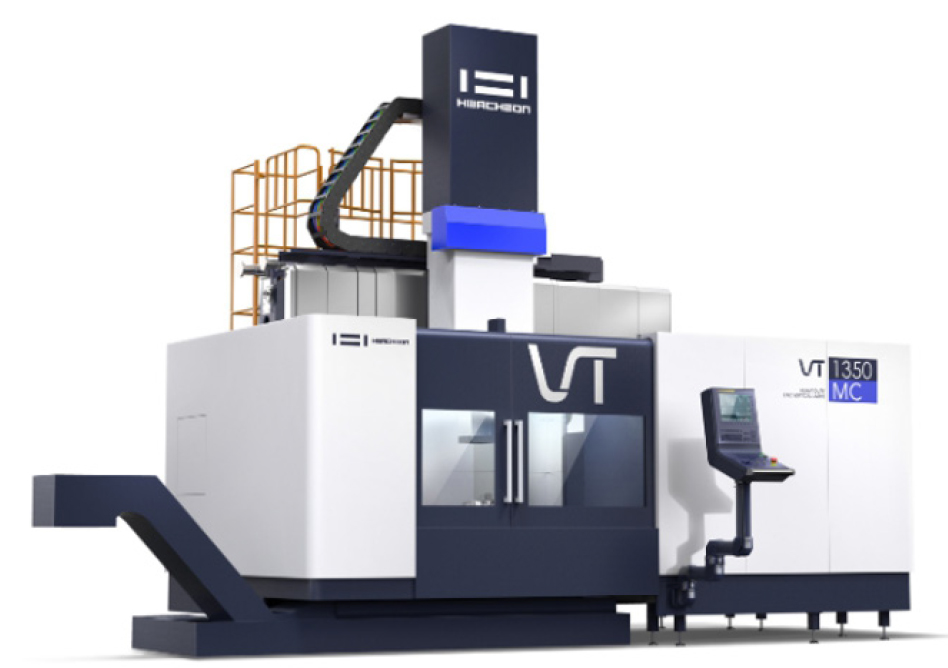
DMC’s DL 600VGB is a high-precision vertical grinding center designed to maximize the benefits of a vertical architecture, distinguishing itself from the slant-bed DL 600GBII. Because the workpiece is mounted vertically, it is advantageous in preventing sagging due to gravity and maintaining precision when machining large or heavy semiconductor quartz/ceramic parts.
This machine specializes in processing high-hardness and brittle materials for semiconductor processes, such as high-precision silicon (Si), quartz, silicon carbide (SiC), and ceramics. The application of high-rigidity box guideways to the X/Z axes effectively absorbs vibrations generated during machining and provides powerful grinding capabilities.
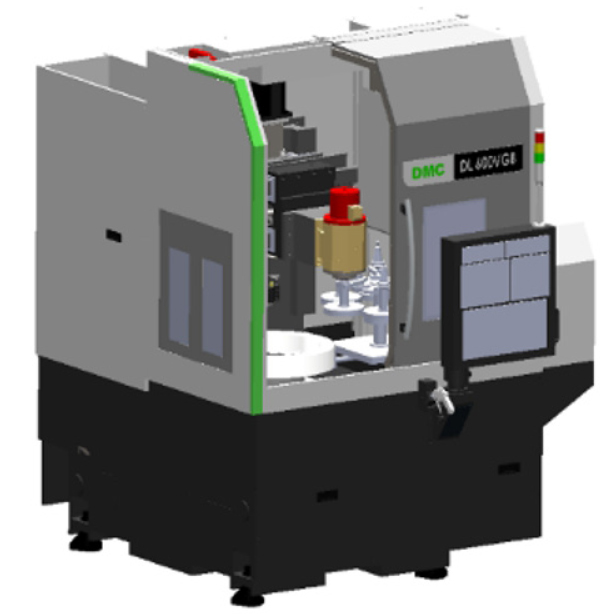
Key specifications include a maximum machining diameter of Φ600 mm. For spindle performance, a high-speed grinding spindle capable of up to 6,000 rpm is equipped for quartz and ceramic machining, ensuring precise surface finish. Furthermore, a specialized coolant system is included to efficiently discharge fine dust (sludge) generated during grinding, enhancing equipment durability.
The biggest difference from the existing model, the DL 600GBII, lies in its structural form. The DL 600GBII features a 45-degree slanted bed structure for easy chip evacuation and operator accessibility, while the DL 600VGB features a vertical structure, offering greater mounting stability and space efficiency when machining larger, heavier parts.

Double-head Vertical Machining Center
DMC’s DVD8200 is a duo-head vertical machining center featuring two spindles in a single body, delivering over double the productivity compared to two single-head machines.
This machine supports a wide table measuring 1,200 x 820 mm and a maximum load of 1,200 kg, making it ideal for mass production of medium- to large-sized precision parts.
Technically, the U-axis control function allows for fine horizontal compensation of the distance between the two spindles. This effectively controls precision errors that may occur while performing the same task, thereby significantly reducing fixture setup time.
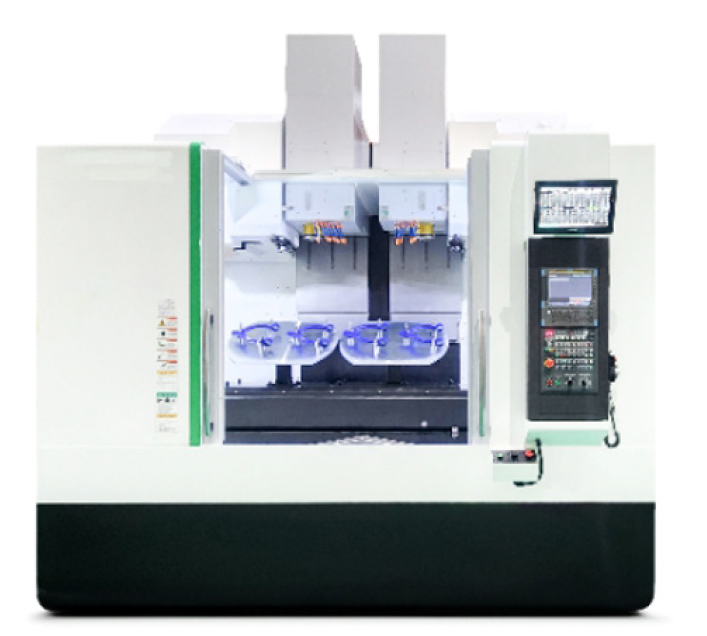
Additionally, it is possible to reduce the occupied area by approximately 40% compared to installing two pieces of equipment separately, resulting in excellent space utilization within the factory. In addition, the application of high-rigidity roller guideways ensures stable vibration absorption and precision even during high-speed processing.
This high-efficiency structure provides economic benefits by reducing initial investment costs by approximately 25% when building an unmanned automated line using robots or loaders, and delivers optimal mass-production performance in a smart factory environment.

CNC Vertical Machining Center
DMC’s DVM 6500 is a high-rigidity vertical machining center designed to simultaneously achieve powerful cutting and high-precision machining. It is a best-selling model that covers a wide range of applications, from mold and die machining to general parts processing.
This machine boasts significantly enhanced rigidity compared to conventional general-purpose machines and features high-rigidity box guideways on all X, Y, and Z axes, ensuring excellent vibration absorption and stable precision during heavy-duty cutting.
Its high-torque spindle ensures superior Metal Removal Rates (MRR) for hard materials like steel and cast iron, while minimizing changes in precision by effectively controlling thermal displacement even during long processing. The machine offers a generous 1,270x670x635mm travel range, a 1,400x670mm table, and a load of up to 1,000kg.
The main spindle supports up to 8,000 rpm as standard and 12,000 rpm as an option, and it has a 30-tool storage and BBT40 format to maximize machining efficiency.
Additionally, the machine offers enhanced operating convenience through a wide processing space and user-friendly control panel ― and various options, such as through-spindle coolant and automatic measurement sensors, allow for customized configurations optimized for the work environment.
The DVM 6500 boasts superior structural rigidity, enabling stable rough grinding and finishing on a single machine. Thanks to its box guide structure with a large friction surface, the DVM 6500 boasts a long machine life and excellent precision retention.
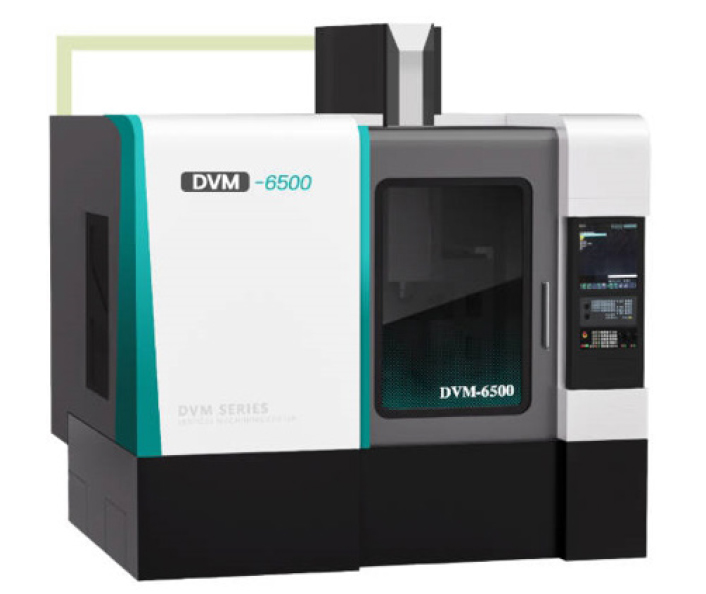
Based on these advantages, it plays a key role in the processing of automotive engine parts, industrial machine housings, as well as in injection and press-mold processes. In particular, it is highly regarded as a machine that possesses both precision and power in the mass- production of medium and large parts by utilizing a wide travel distance of 1,200 mm.
 
 
korean-machinery.com | Blog Magazine of korean-machinery, brands and Goods
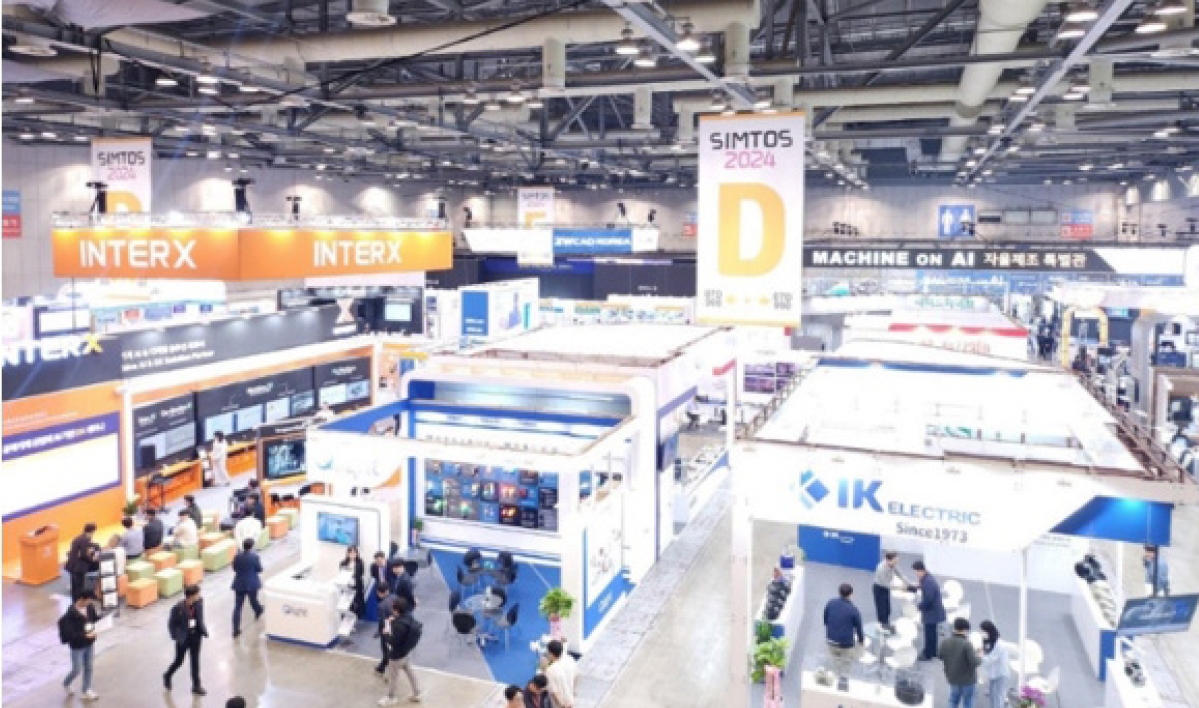
SIMTOS 2026 to Unveil the Future Of the Manufacturing Industry

https://korean-machinery.com///inquiry

A global manufacturing platform for 1,300 companies
from 35 countries participating in 6,000 booths

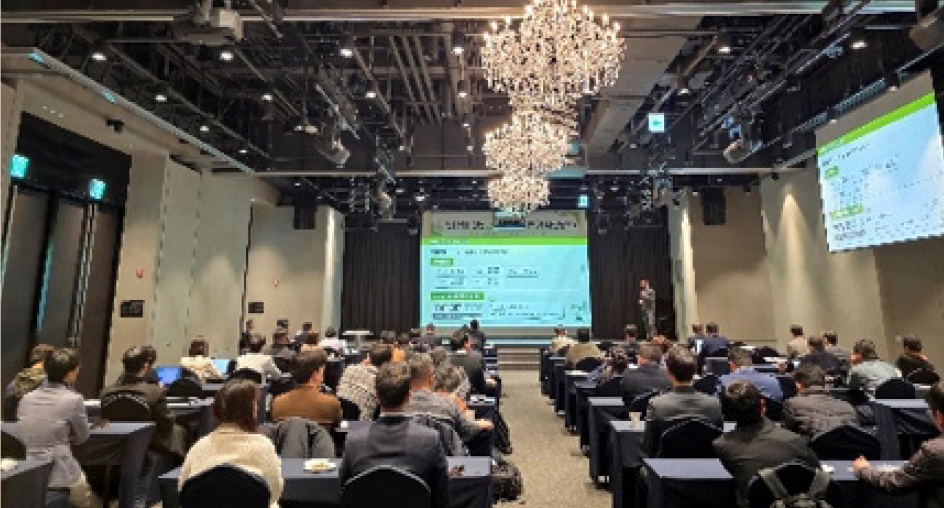
The 21st Seoul International Manufacturing Technology Show 2026 (SIMTOS) will be held for five days from April 13 to 17 at KINTEX Exhibition Halls 1 and 2 (102,431m2).
Under the theme of AI Autonomous Manufacturing Meets Talent, SIMTOS 2026 will feature 1,300 companies from 35 countries, operating 6,000 booths. Approximately 100,000 visitors (including 5,000 from overseas) are expected to attend over the five days.
KINTEX 1 features the Metal Cutting & Die/Mold Tech Pavilion, the Material/Parts Control Tech Pavilion, and the Tooling & Measuring Tech Pavilion ― thus offering a comprehensive overview of manufacturing technology, from cutting equipment to core components, control technology, tooling, and measurement solutions.

The Metal Cutting & Die/Mold Tech Pavilion will feature major domestic companies such as DN Solutions, SMEC, WIA MACHINETOOLS, and Hwacheon Machinery ― as well as global companies such as FANUC and Yamazaki Mazak Korea ― showcasing the latest equipment, including machining centers, turning centers, CNC automatic lathes, and multi-tasking machines. In particular, KCNC, a joint venture established to develop domestic computer numerical control (CNC) technology, will showcase Korea’s CNC technology.
The Material/Parts Control Tech Pavilion will highlight key units that assess equipment performance, as well as automation and intelligent control technologies. Machine tool units, feed and drive systems, motors, and sensors, and control systems will be on display. Domestic material/parts companies such as Samchully Machinery, SEOAM Machinery Industry, and Hansung GT will be exhibiting, along with global companies such as Siemens and NSK.
The Tooling & Measuring Tech Pavilion will showcase high-precision cutting tools and advanced measurement and gauging solutions. Domestic tool companies such as KORLOY, YG-1, and Korea OSG, as well as global companies such as Mitutoyo, Hexagon, Carl Zeiss, and Marposs, will participate to showcase non-contact quality-control technologies, machine vision, and 3D scanning systems.
While KINTEX 1 is focused on precision solutions based on metal cutting processing, Halls 9 & 10 of KINTEX 2, are spaces that encompass large-area, high-output production technologies centered on sheet metal and plastic processing.

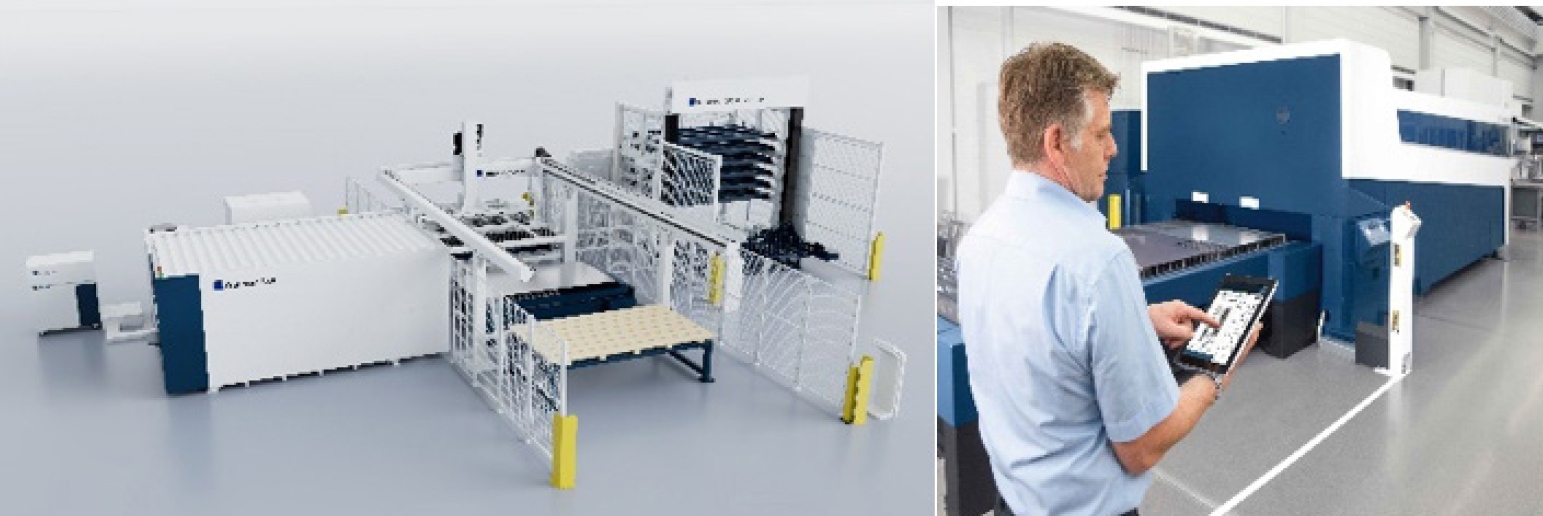
The Metal Cutting-Off & Welding Tech and the Press & Forming Tech sections will showcase high-efficiency cutting and joining technologies such as laser, waterjet, and robotic welding, as well as high-speed, high-precision press and forming automation solutions. Major companies such as HK, TRUMPF, and AMADA will be displaying their digital-based cutting and welding automation technologies.
Global and domestic companies in the press and forming sectors will also reveal the latest automation trends.
The Robotics and Digital Manufacturing Technology Special Exhibition (M.A.D.E. in SIMTOS), to be held in Halls 7 and 8 of KINTEX 2, is a future manufacturing platform that integrates core technologies for the era of AI-driven autonomous manufacturing.

Korean companies such as INTERX, Rainbow Robotics, and Neuromeka, as well as global robotics and engineering companies, will showcase technologies across the entire manufacturing DX cycle, including digital twins, AI factories, manufacturing execution systems (MES), integrated automation solutions, 3D printing and additive manufacturing, and engineering software.
Notably, the Machine on AI Theme Pavilion, one of the digital manufacturing technology themes pavilions within the Special Exhibitions, will feature demonstrations of AI-driven autonomous manufacturing based on global standards. This pavilion will provide a first-hand experience of the expanding manufacturing technology trends, moving beyond conventional equipment-centric exhibitions to data-driven autonomous manufacturing.
SIMTOS 2026 is a strategic platform for assessing the direction of manufacturing innovation in Korea, comparing and analyzing global technology trends, and exploring new business opportunities.

korean-machinery.com | Blog Magazine of korean-machinery, brands and Goods
Machine Tool

https://korean-machinery.com///inquiry

[INQ. NO. 2603M01] DMC is a specialized machine tool manufacturer with an 80-year legacy, tracing its roots back to Daegu Heavy Industries founded in 1944. Headquartered in Changwon, South Korea, the company leverages decades of precision-machining expertise to export its own branded products to over 25 countries worldwide.
Its core business focuses on producing high-precision equipment such as CNC lathes, machining centers, and tapping centers ― while also providing comprehensive smart factory automation solutions for the automotive and semiconductor industries.

CNC Lathe

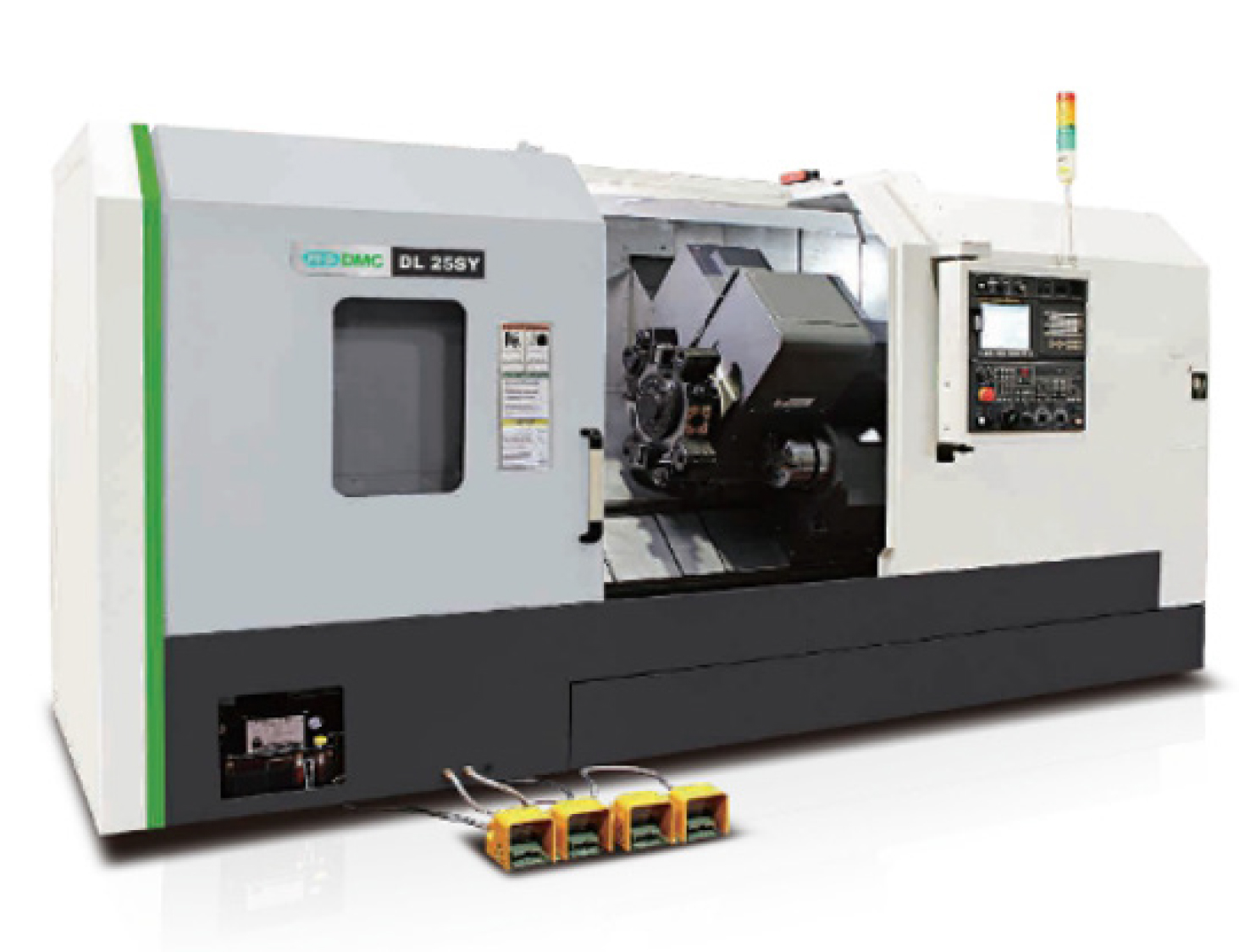
DMC’s DL 25SY is a high-precision horizontal turning center with Y-axis control and multi-tasking capabilities utilizing a sub-spindle. It is a multi-functional machine that can complete complex-shaped parts in a single setup.
As the ‘S’ and ‘Y’ in the model name indicate, the sub-spindle and Y-axis functions enable milling, drilling, tapping, and even backside processing, creating a process-intensive production environment.
In particular, the high-rigidity box guideway has excellent vibration absorption capability, providing high stability even during heavy-duty cutting, and the 45-degree inclined integral bed structure facilitates chip discharge, and minimizes thermal displacement generated during machining.
Key specifications include a machining diameter of up to Φ400mm and a generous machining length of 1,000mm, and a 10-inch main spindle and an 8-inch sub spindle for high-efficiency operation.
The 12-sided turret and ±55mm Y-axis travel enable precise off-center milling. The one-chucking method, which transfers the workpiece from the main spindle to the sub-spindle for immediate backside processing, dramatically improves productivity.
Additionally, it features a thicker guideway design and a robust structure compared to other companies’ products, ensuring long-term equipment precision and durability.
Based on these strengths, the DL 25SY provides an optimized solution for mass-production of complex automotive parts such as valves and shafts, as well as machining high-value-added general mechanical parts that require high precision in a single fixturing.
In particular, it is highly regarded in industrial settings because it can reliably produce medium- to large-sized parts made of various materials by utilizing a processing length of 1,000 mm.
 
 
korean-machinery.com | Blog Magazine of korean-machinery, brands and Goods
SK Innovation Wins KRW 3.3 Trillion Power Plant Order in Vietnam

https://korean-machinery.com///inquiry

Securing a strategic energy base in Southeast Asia

Pursuing a business model that integrates the entire process of from procurement to storage and power generation of LNG

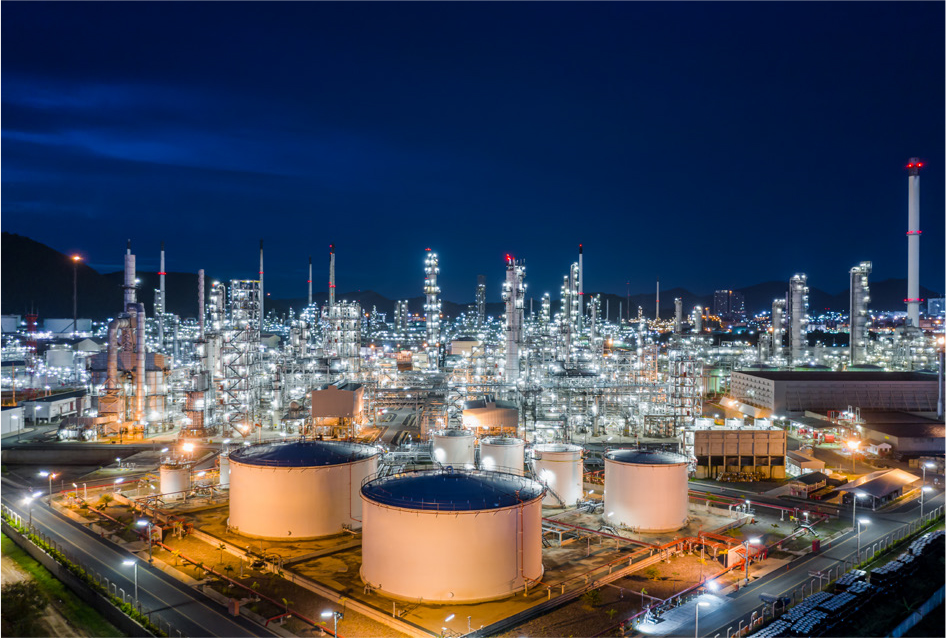
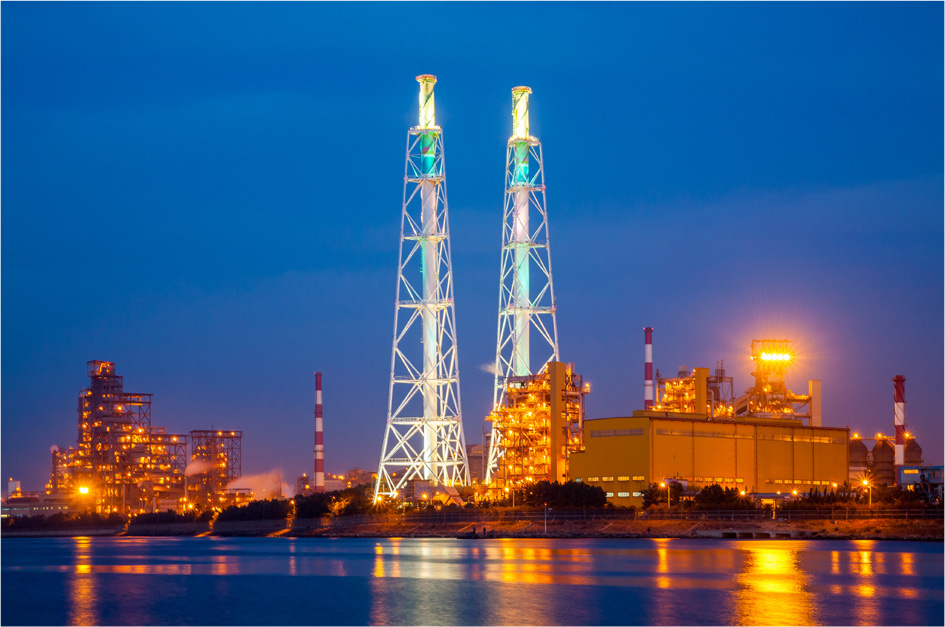
SK Innovation has been selected as the operator of a large LNG liquefied natural gas (LNG) power plant in Quynh Lap, Nghe An Province, Vietnam, thereby accelerating its global LNG business expansion. This is a massive project, with a total project cost of USD 2.3 billion (approximately KRW 3.3 trillion). SK is projected to secure a strategic foothold in the Southeast Asian energy market.

This is a large-scale energy infrastructure project that will simultaneously build a 1500MW gas combined thermal power plant; a 250,000m3 LNG terminal; and a dedicated port in the Quynh Lap area, about 220km south of Hanoi. It is a project aimed at stabilizing the supply and demand of electricity in Vietnam and expanding the industrial base with an integrated structure of power generation, storage, and supply functions.
SK Innovation has acquired business rights from the government of Nghe An province by forming a consortium with PV Power, for power generation under the Vietnam National Oil and Gas Group (PVN) and local company NASU. The goal is to begin construction in 2027 and complete LNG terminals and power plants in 2030.
The LNG value chain capabilities that SK Innovation has been building will be applied to this project. The strategy is to secure fuel supply and demand stability and price competitiveness at the same time through a business model that integrates the entire process from LNG procurement to storage and power generation.
Vietnam has maintained a power structure centered on coal and hydropower, but has faced chronic power shortages due to recent rapid industrialization and population growth. LNG is emerging as a practical transition energy source in a situation where it is not easy to expand coal and hydroelectric power generation due to environmental pollution and climate risks.
With this project, SK Innovation plans to expand its LNG business in Vietnam and increase its global LNG portfolio, currently about 6 million tons per year, to 10 million tons by 2030, thereby advancing as a global energy company.

korean-machinery.com | Blog Magazine of korean-machinery, brands and Goods
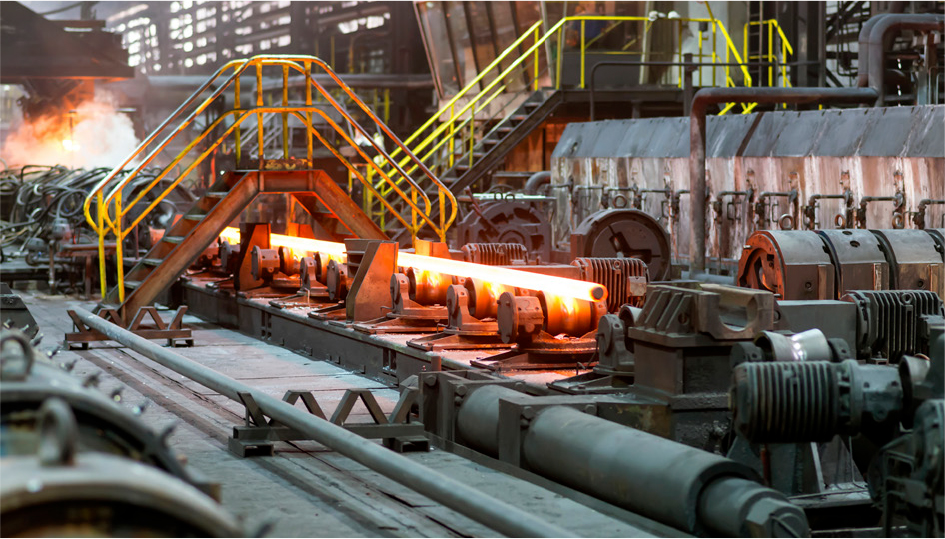
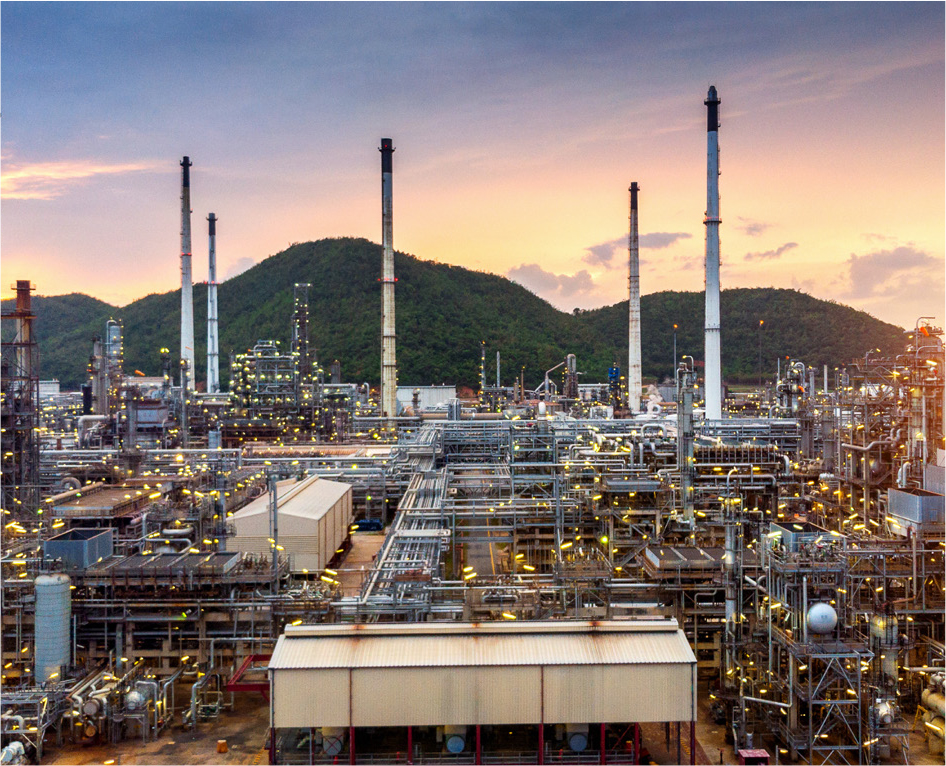
K-Steel’s Key to Success for 2026is Overseas Localization

https://korean-machinery.com///inquiry

POSCO expands its range of high-value-added products
Hyundai Steel to begin construction of an integrated steel mill in the USA

Korea’s steel industry is slowly emerging from a slump

Hyundai Steel announced that it recorded KRW 22.7332 trillion in sales and KRW 21902 billion in operating profit on a consolidated basis last year. Although its sales fell 2.1% from the previous year (KRW 23.22 trillion), its operating profit rose 37.4% from KRW 159.5 billion. It is explained that the cost-reduction effects resulting from declining iron ore and coal prices and lowered steel-product export freight rates led to improved profitability.

POSCO successfully rebounded last year, recording KRW 1.78 trillion in operating profit in its steel sector (on a separate basis), an approximately 20% increase from the previous year (KRW 1.473 trillion). This was achieved by increasing the proportion of high-value-added automotive steel and electrical steel and normalizing selling prices to increase profitability.
POSCO is strengthening its North America automotive steel plate supply network through partnerships, including equity investments, with Cleveland-Cliffs, the No. 2 steelmaker in the United States. Meanwhile, in India, POSCO plans to pursue the establishment of a joint integrated steel mill with JSW, the No. 1 steel maker in India, to directly meet growing market demand.
In Korea, Pohang Steel Mill will specialize as a base for energy and structural steel plates, and Gwangyang Steel Mill for automotive and electrical steel plates ― while reducing energy and improving facility efficiency at the same time. It also plans to respond to environmental regulations such as the Carbon Border Adjustment Mechanism (CBAM) by accelerating investment in decarbonization facilities, including the construction of a hydrogen-reduced steel demo plant and the completion of the Gwangyang electric furnace.
Hyundai Steel and POSCO are partnering to build an electric arc furnace-based integrated steel mill in Louisiana, USA, with a total investment of KRW 8.5 trillion, to establish a local automotive steel plate production system. It is planned to begin construction in the third quarter of this year, with the goal of starting commercial production in the first quarter of 2029. The company intends to respond to global demand for low-carbon steel plates for complete vehicles while increasing supply to North American factories of Hyundai Motor Company and Kia.

 
korean-machinery.com | Blog Magazine of korean-machinery, brands and Goods
Hyundai Motor Company Achieves its Best-ever Sales Performance for the Palisade

https://korean-machinery.com///inquiry

Achieving record global sales of over 210,000 units last year

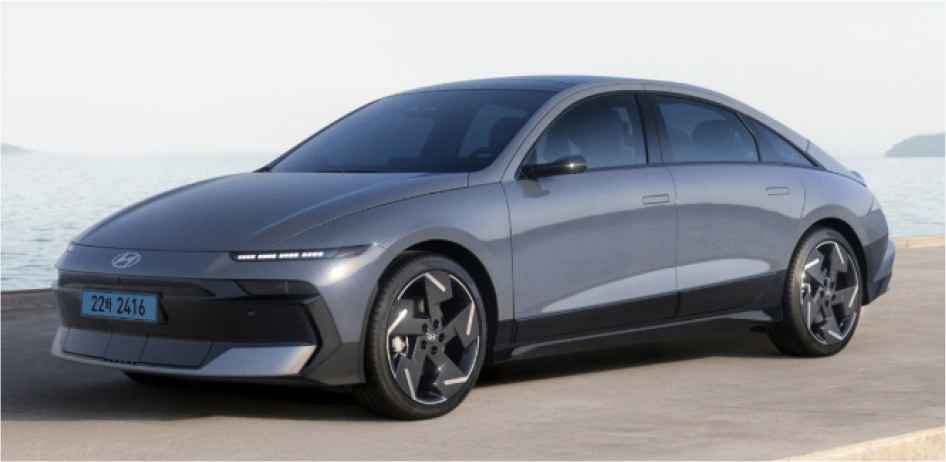
Hyundai Motor Company’s large SUV, Palisade, achieved record sales last year, selling 211,215 units worldwide.
According to Hyundai Motor Company, this marks the first time since Palisade’s launch in 2018 that its global sales surpassed 200,000 units. This is a 27.4% increase compared to 2024 sales (165,745 units).

The second-generation model, the ‘All-New Palisade,’ which was launched last year, led the surge in global sales. The second-generation Palisade began its sales surge in North America in May of last year. With the popularity of gasoline models (73,574 units) and hybrid models (28,034 units), a total of 101,608 units have been exported in just eight months.

In particular, nearly 10,000 hybrid models were sold in the United States. The vehicle can travel more than 1,000 km on a single tank. A spokesperson for Hyundai Motor Company explained, “With the abolition of the electric vehicle tax credit in the USA, demand for hybrid vehicles with less charging burden and high fuel efficiency is increasing. The Palisade model featuring a next-generation hybrid system has emerged as a key choice in a local market traditionally favoring larger vehicles.”
In Korea, 38,112 units of hybrid models were sold, surpassing gasoline models (21,394 units). Hyundai Motor Company’s next-generation hybrid system is equipped with two motors. As a driving motor (P2), responsible for driving and regenerative braking, is complemented by a new motor for starting, power generation and assisted driving, it has improved power performance and fuel efficiency compared to existing hybrid systems.
 
 
korean-machinery.com | Blog Magazine of korean-machinery, brands and Goods
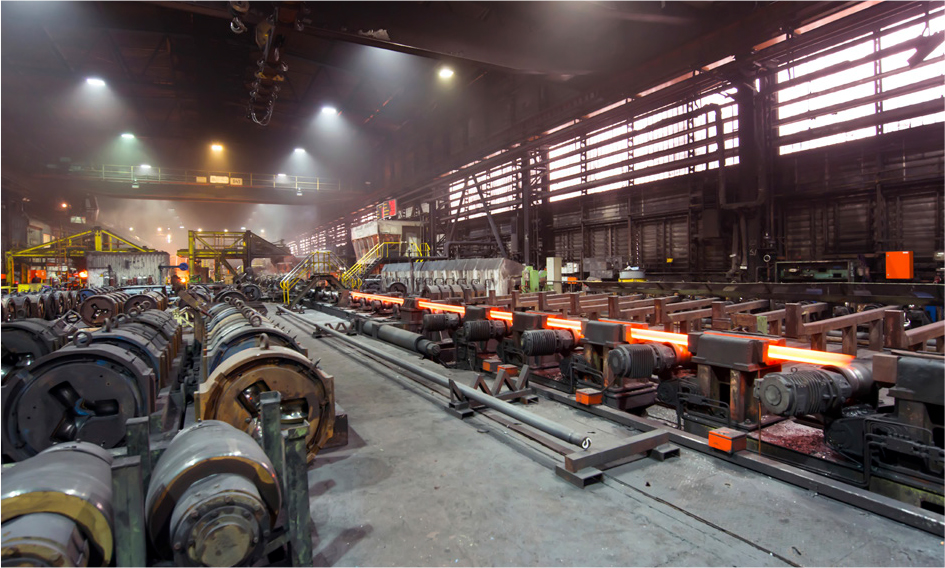
K-Steel Overcomes Crisis with High-Value-Added Special Steel

https://korean-machinery.com///inquiry

POSCO develops first armor steel for naval ships
Hyundai Steel leads the way in armored vehicles and tanks
SeAH Group establishes a special alloy plant in the USA

Korea’s steel industry is seeking new opportunities with differentiated high-value-added special steel for aerospace, defense, and nuclear power plants.
According to steel industry sources, major steelmakers such as SeAH, POSCO and Hyundai Steel are rapidly restructuring their business portfolios, prioritizing special steel for aerospace, defense, and nuclear power.
SeAH Group, which primarily produces shape steel and steel pipes, is at the forefront of this restructuring. SeAH Changwon Special Steel, a special steel affiliate, is constructing SeAH Super Alloy Technology, a special alloy plant for aerospace, in Temple, Texas.
The company plans to start commercial production in the second half of this year and directly supply local aerospace and defense companies. Orders from leading aerospace companies such as SpaceX are also anticipated.
SeAH Changwon Special Steel supplied a prototype of a 900℃ high heat-resistance alloy for aircraft engines to Hanwha Aerospace last year.
POSCO has also opened the door to the market of special steel for naval ships by developing the first higher-ductility hull structural steel and armor steel in Korea. Armor steel is 30% thinner than existing steel plates for ships but has the same bulletproof performance. Its application to upper structures of naval vessels aims to enhance protection power, while improving restoration of ships by reducing weight.
The company is also expanding its presence with steel materials for energy that can withstand extremely low temperatures. ‘High manganese steel,’ developed by the company itself, is a material that adds a large amount of manganese to steel so it does not break even at temperatures of -196˚C.
Hyundai Steel is also focusing on special steel for defense in response to slowing demand for construction and automobiles. Hyundai Rotem started supplying rear plates for armored vehicles in 2024. It also plans to begin mass-production and supply of rear plates for tanks this year, with development completed last year.
The domestic steel industry’s shift to high-value-added materials for aerospace and defense is seen as a survival strategy to escape the ‘negative growth tunnel’ caused by intensive supply of low-priced general-purpose goods from China.
According to the Financial Supervisory Service’s E-disclosure, the combined sales of Korea’s big four steelmakers ― POSCO, Hyundai Steel, Dongkuk Steel and SeAH Steel ― totaled KRW 70.98 trillion last year, a 3% decrease from the previous year, recording negative growth for three consecutive years.
An official from the steel industry explained, “It is difficult to withstand price competition with latecomers such as China and India only with general materials. Supplying special steel with high technology thresholds such as aerospace materials and armor steel for naval ships will determine the next 10 years of K-steel.”


korean-machinery.com | Blog Magazine of korean-machinery, brands and Goods
Seoul’s Creative Heart

https://korean-machinery.com///inquiry

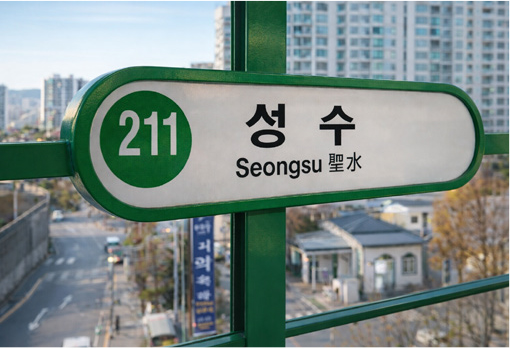
Seongsu-dong From Factory Floors to Seoul’s Creative Heart

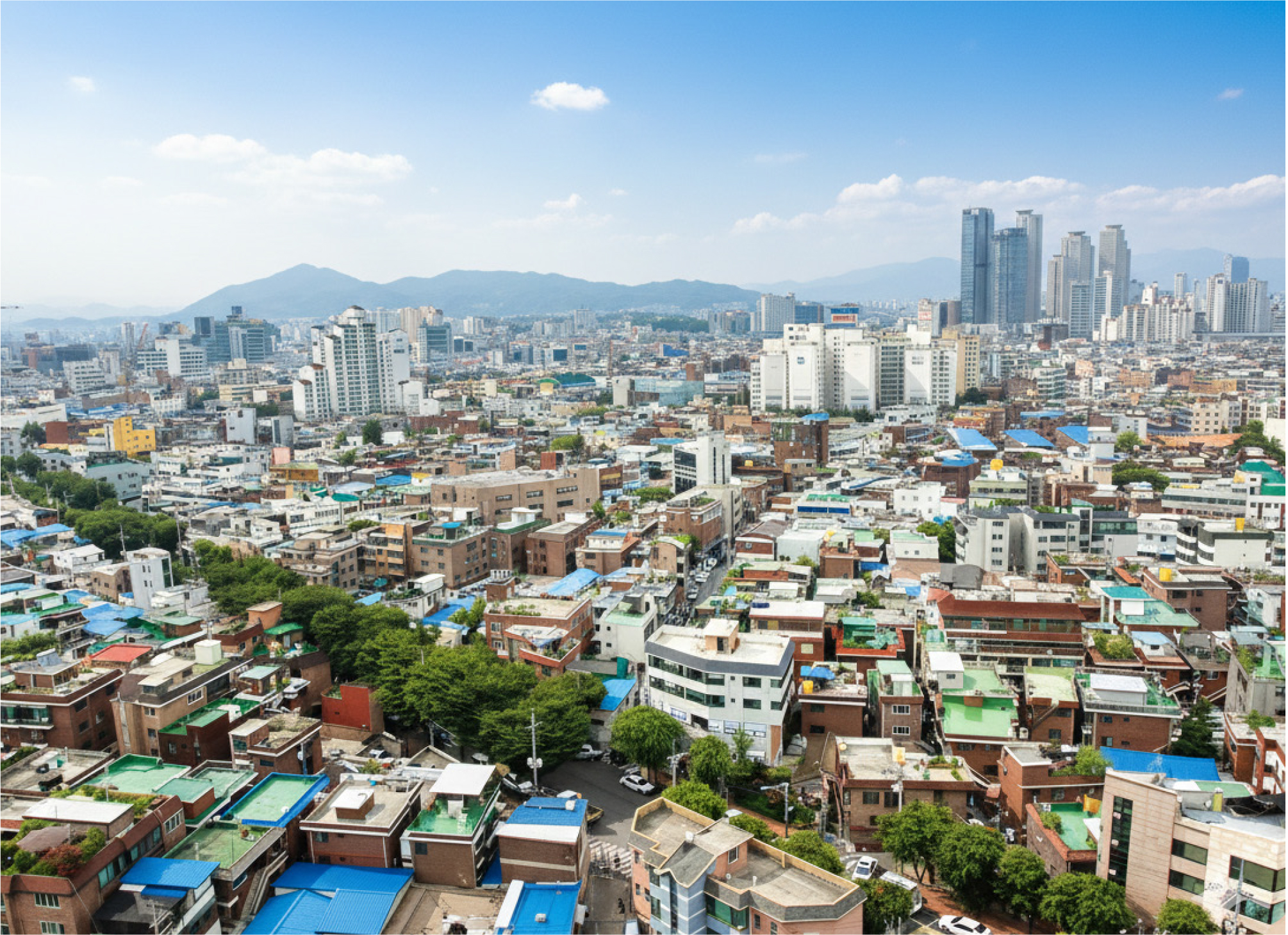
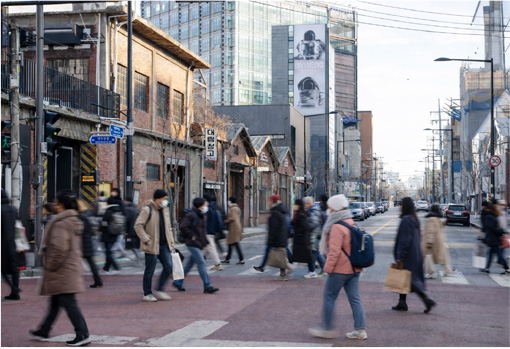
Seongsu-dong’s transformation from an industrial backwater into one of Seoul’s most vibrant cultural districts stands as a defining example of urban regeneration. Once packed with shoemaking workshops, auto repair shops, and small factories, the neighborhood has evolved into a creative hub of fashion, cafés, technology firms, and experiential retail. Rather than erasing its past, Seongsu-dong rebuilt its future on preserved red brick warehouses, turning industrial heritage into cultural capital

The Industrial Roots That Shaped the Landscape
Seongsu-dong began its rise in the 1960s and 1970s when it was designated a semi-industrial zone. Shoemakers migrated here from central Seoul as rents climbed, and over time the district became South Korea’s main handmade shoe production cluster, housing more than a thousand workshops at its peak.
The neighborhood’s identity was defined by low rise red brick factories built for efficiency and durability. Their wide interiors and high ceilings were originally meant for machinery but later proved perfect for galleries, cafés, and creative studios. What was once purely functional architecture became the backbone of Seongsu-dong’s revival.

Saving Brick Buildings Instead of Replacing Them
While much of Seoul redeveloped into glass towers, Seongsu-dong’s industrial decline in the late 1990s preserved its factory structures. Large scale demolition never arrived, leaving behind a landscape of aging but character rich warehouses.
In the early 2010s, artists and entrepreneurs moved in, drawn by affordable rents and raw industrial aesthetics. Local government later reinforced preservation through programs encouraging red brick restoration, ensuring that new development would complement the historic look rather than erase it.

Seoul Forest and the Rise of a Creative Lifestyle Zone
The opening of Seoul Forest in 2005 accelerated Seongsu-dong’s transformation. The massive urban park dramatically improved livability, attracting residents, startups, and visitors. Shared offices and social enterprises settled nearby, bringing in young professionals who blurred the line between work and leisure.
Cafés, boutiques, and restaurants soon clustered around the park, creating a walkable lifestyle district where green space met creative commerce. Seoul Forest became both a recreational hub and a catalyst for cultural growth.

Repurposed Landmarks That Defined the New Identity
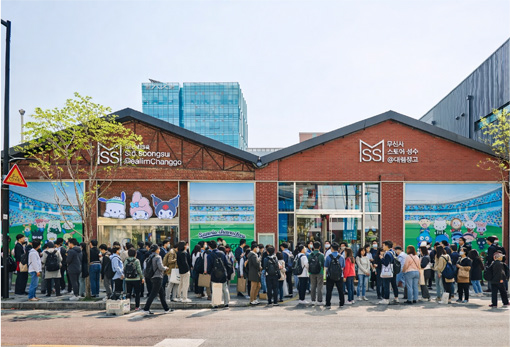
Iconic reused buildings anchored the neighborhood’s cultural reputation. Daelim Changgo transformed a former warehouse into a gallery and fashion venue, preserving raw brick walls and steel pillars as design features. Café Onion converted a decades old factory into one of Seoul’s most photographed cafés, keeping its worn textures and industrial charm.
LCDC Seoul pushed repurposing further by merging old auto shops and shoe factories into a multi level cultural complex built around a shared courtyard and rooftop views. These spaces showed how industrial heritage could become immersive cultural environments.

From Trend District to Global Retail Playground
By the mid 2020s, Seongsu-dong had become Seoul’s trendsetting epicenter. Global luxury brands launched experiential concept stores here, choosing the area’s youthful creative energy over traditional upscale districts. At the same time, pop up shops appeared constantly, transforming warehouses into short term showcases for fashion, beauty, food, and art.
This fast rotating retail culture turned the neighborhood into a living exhibition space where visitors encountered something new each week, fueling its reputation as Seoul’s most dynamic hotspot.

Balancing Growth With Tradition
Major corporations soon followed, relocating headquarters and building smart office complexes in Seongsu-dong. The district evolved into a new business hub alongside its cultural fame. However, rapid success pushed rents upward, forcing many traditional artisans, especially shoemakers, to leave.
To protect local character, authorities introduced sustainable development zones, limited franchise expansion, and revitalized Handmade Shoe Street as a cultural attraction celebrating the district’s roots.

A Future Built on Old Bricks
Looking toward 2030, large redevelopment projects aim to turn Seongsu-dong into a global innovation district with startup campuses and mixed use towers. Yet its greatest strength remains the coexistence of old and new. Red brick factories stand beside tech offices, and artisan workshops operate near luxury boutiques.
Seongsu-dong’s story proves that urban renewal does not require erasing history. By embracing its industrial past and adapting it for modern life, the neighborhood has become one of Seoul’s most authentic and dynamic districts, where creativity grows from the foundations of heritage.
 
 
korean-machinery.com | Blog Magazine of korean-machinery, brands and Goods
Korea’s January Export

https://korean-machinery.com///inquiry

Korea’s January Export Reached a Record High of $65.85 Billion

In the first month of the New Year, Korea’s exports reached a record high of $65.85 billion, fueled by a semiconductor boom. Semiconductor exports doubled compared to the same month of last year.
According to the Ministry of Trade, Industry and Energy (MOTIE), Korea’s exports last month reached $65.85 billion, a 33.9% increase year-on-year. Average daily exports, taking into account operating days, also rose 14.0% to $2.8 billion, a record high.
January imports were recorded at $57.11 billion, an 11.7% increase. Energy imports decreased by 11.9%, but non-energy imports increased by 18.4%.
With exports exceeding imports, the trade balance in January reached a surplus of $8.74 billion, a $10.71 billion increase year-on-year, marking the 12th consecutive month of surplus.

Exports of 13 of the 15 major export items increased. Of these, semiconductor exports reached $20.54 billion, a 102.7% year-on-year increase. While this represents a slight decrease from the all-time high of $20.8 billion in December last year, it still represents the second-highest performance on record. The strong semiconductor performance was largely due to rising memory fixed prices driven by demand for artificial intelligence (AI) and data center infrastructure. Compared to the same month of last year, international memory fixed prices increased by 752% for DDR4 (8Gb), 661% for DDR5 (16Gb), and 334% for NAND (128Gb).
Wireless communication devices (USD 2.03 billion, up 66.9%) increased for the third consecutive month, while computers (USD 1.55 billion, up 89.2%) saw their fourth consecutive month of growth, driven by robust SSD exports driven by growing demand for AI infrastructure. Displays (USD 1.38 billion, up 26.1%) also saw growth for the second consecutive month.

Automobile exports rose 21.7% to USD 6.07 billion, driven by increased operating days due to the Lunar New Year holiday being moved from January last year to February this year, and strong performance in eco-friendly vehicles such as hybrids and electric vehicles.
Conversely, petrochemical exports decreased 4.5% to USD 3.52 billion, impacted by lower export prices due to global oversupply.
By region, exports increased in seven of the nine major export markets, excluding Japan and the Commonwealth of Independent States (CIS).

Exports to the US (USD 12.02 billion, up 29.5%) were sluggish in many categories, including automobiles, auto parts, and general machinery, due to tariffs. However, semiconductor exports showed growth, setting a new record for January.
Exports to ASEAN also increased by 40.7% to USD 12.11 billion, demonstrating the continued recovery in manufacturing and trade in ASEAN countries.
 
 
korean-machinery.com | Blog Magazine of korean-machinery, brands and Goods
KINTEX

https://korean-machinery.com///inquiry

KINTEX: Developing a Global Space Competitiveness by Constructing its Third Exhibition Center

Opening a New Runway for K-Industry

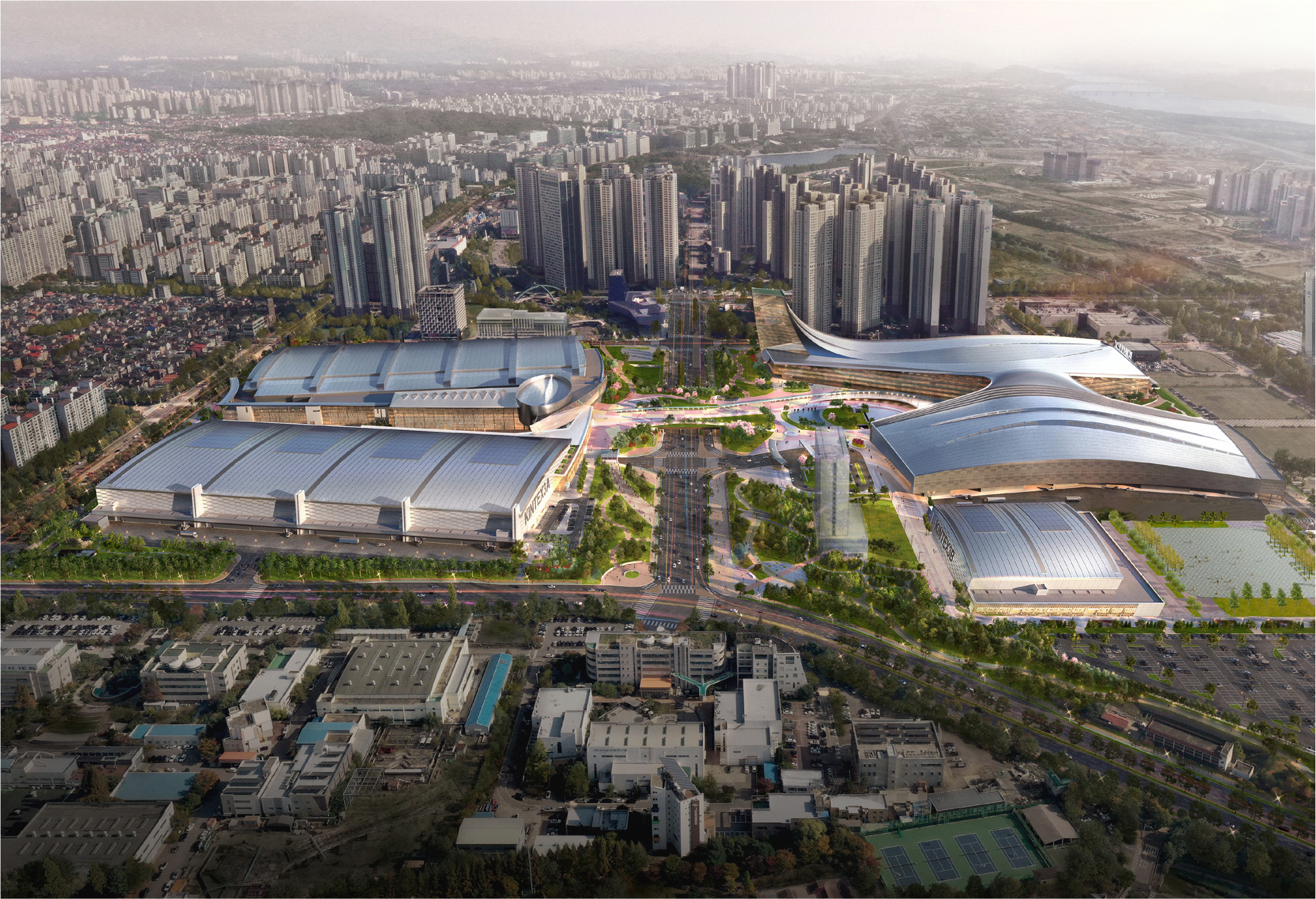
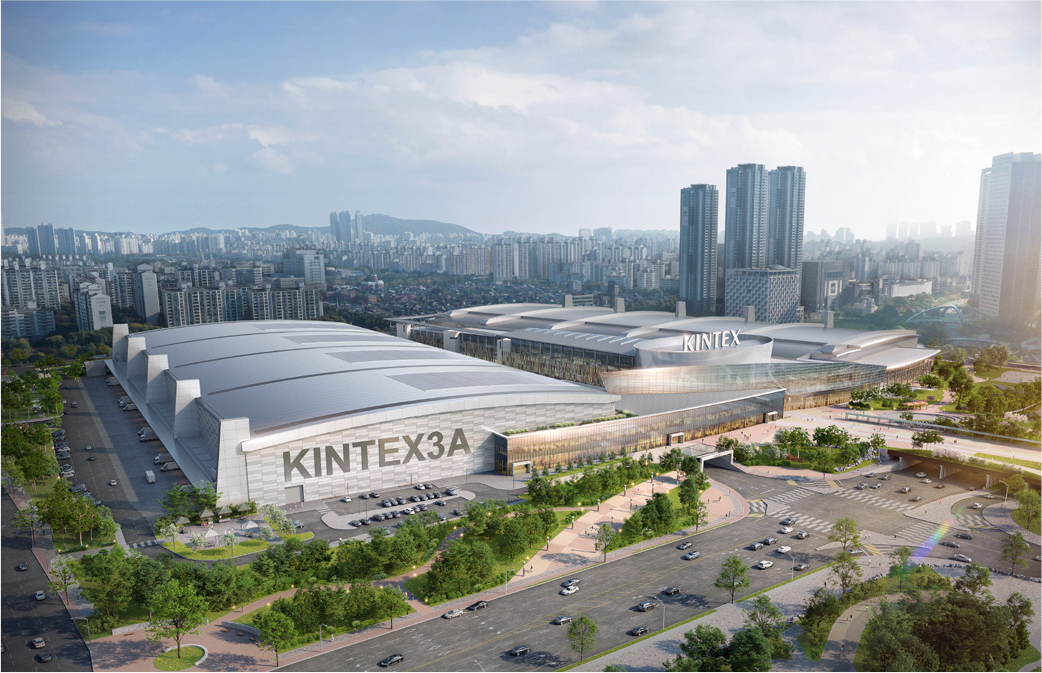
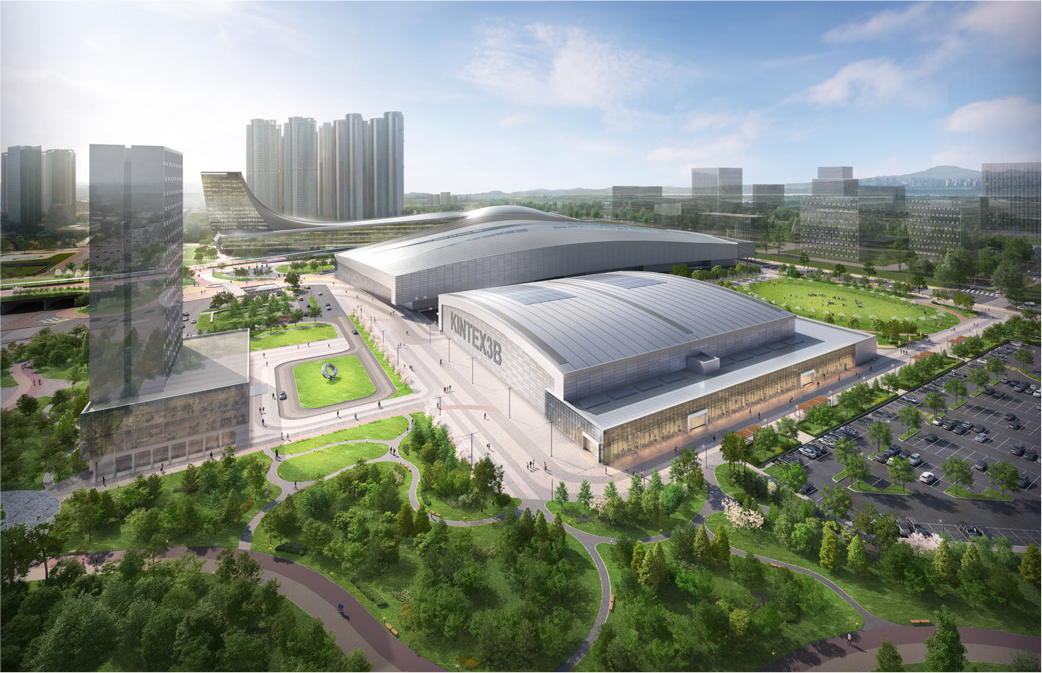
KINTEX is currently constructing its third exhibition center, scheduled for completion in the second half of 2028. This project represents an infrastructure investment aimed at overcoming the structural limitations of the Korean exhibition industry, while also embodying a strategy to steadily attract large-scale global exhibitions and elevate KINTEX on the global stage.
With the completion of the third exhibition center, KINTEX’s total exhibition space will increase from 108,000 square meters to 170,000 square meters. It will also rise from 66th to the top 30 globally in terms of exhibition space, providing KINTEX with the physical capacity to simultaneously accommodate large-scale and multi-purpose exhibitions. This will effectively establish the foundation for KINTEX’s full-fledged entry into the global exhibition market.
For KINTEX, the construction of the third exhibition center is not simply an expansion project; it is a strategic decision that reflects the reality that the competitiveness of the nation’s exhibition industry hinges on the scale of its space. The exhibition center will function as an industrial platform where technology disclosure, market validation, and contract signing can occur simultaneously. It is not simply a space for promotion, but a space where business is completed.

Accordingly, the value of offline space in the exhibition industry is actually increasing even amid the proliferation of digital technology. As of 2025, the scale of the global exhibition industry reached approximately $60 billion, with an average annual growth rate of over 5%.
The problem, however, still lies in Korea’s spatial competitiveness. Exhibition powerhouses like the USA, China, and Europe are leading the global exhibition market with exhibition infrastructure spanning millions of square meters. In contrast, Korea’s total exhibition space is a mere 310,000 square meters, occupying a mere 0.7% of the global overall scale. Compared to its economic size, Korea’s exhibition infrastructure is significantly lagging behind. This gap in space availability is leading to a significant gap in Korea’s competitiveness in the hosting of exhibitions.
The construction of this third exhibition center aims to take this challenge to the next level. Beyond mere quantitative expansion, it will be transformed into a smart exhibition center utilizing big data and artificial intelligence (AI). With the construction of the new center, visitor flow will be managed through data, further enhancing the efficiency of matching between participating companies and buyers. Furthermore, temperature, lighting, and power will be managed automatically. The goal is to transform all aspects of exhibition center operations into a data-driven system, thereby enhancing efficiency and productivity.

The opening of the GTX-A express train line has also improved accessibility to KINTEX. With the expansion of linked infrastructure, including anchor hotels, and multiplex buildings for parking, the whole area of KINTEX is expected to develop into a self-sufficient MICE complex combining exhibitions, lodging, transportation, and business.
KINTEX’s CEO Lee Min-woo described the construction of the third exhibition center as an expansion of Korea’s business runway, emphasizing, “Exhibition centers are economic infrastructure that connects industries and actualizes contracts. The third exhibition center will serve as a significant opportunity to broaden the physical foundation for domestic companies to compete in the global market.”

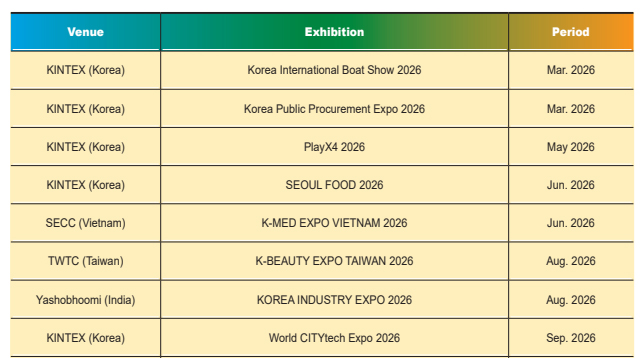
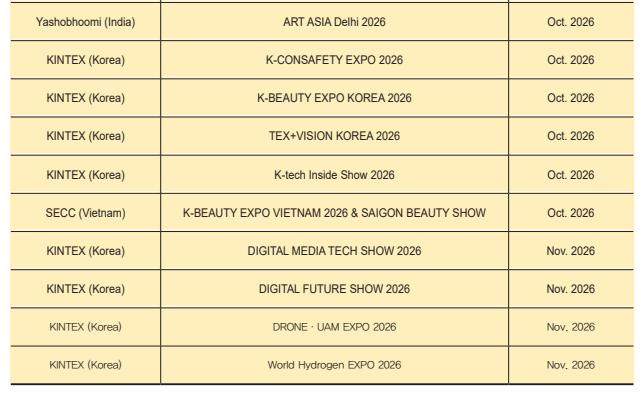
Major Exhibitions in 2026

 
korean-machinery.com | Blog Magazine of korean-machinery, brands and Goods