Korea’s Exports

https://korean-machinery.com///inquiry

Korea’s Exports in June Surpass US$100 Billion for the First Time

South Korea has set a new milestone by surpassing US$100 billion in exports for the first time in its history during June 2026.
Semiconductors — a key sector — are driving overall exports with June’s performance exceeding $40 billion. Moreover, the nation’s trade surplus also surpassed $30 billion for the first time, achieving remarkable results in terms of both quantity and quality.
The Ministry of Trade, Industry and Energy (MOTIE) recently announced that June’s exports recorded $102.25 billion, a 70.9% surge compared to the same month of last year.
This marks the first time in history that Korea’s monthly exports have exceeded $100 billion. It far surpassed the previous all-time record of $87.8 billion set in May, by passing the $90 billion mark and directly entering the $100 billion era.
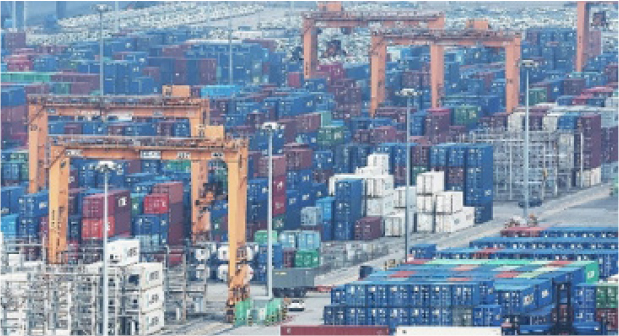
With this achievement, South Korea has become the fourth country in the world to reach $100 billion in monthly exports, following Germany, China, and the United States.
The nation’s monthly exports continued their streak of setting all-time monthly records for 13 consecutive months, following a turnaround to year-on-year growth in June of last year.
Average daily exports, based on the number of actual working days, climbed by 59.5% to $4.54 billion, marking a new all-time high for the second consecutive month following May ($4.28 billion).
The main driver of growth was semiconductors. Powered by the exponential demand for memory fueled by the global boom in artificial intelligence (AI) infrastructure investment, fixed prices surged, resulting in semiconductor exports in June recording $44.82 billion, a 199.5% increase year-on-year.
The price of DDR5 16Gb RAM continued its upward trend, rising from $31.0 in March to $35.3 in April, $37.5 in May, and $40.0 in June, boosting Korea’s export figures.
This marks the first time that the nation’s monthly semiconductor exports have surpassed $40 billion. Semiconductors have also recorded their highest-ever monthly figures for 15 consecutive months.
Computer exports, driven by high demand for solid-state drives (SSDs) from big-tech companies, recorded $5.41 billion, representing a 308.8% increase. Wireless communication devices ($1.55 billion, up 51.9%) also showed an upward trend, centered on finished mobile phones.
Balanced growth was achieved as exports of 18 out of the top-20 major product categories increased. The export growth rate for non-semiconductor items reached 28%.
By region, seven out of the nine major export destinations saw significant gains. Notably, exports to China and the United States, Korea’s largest trading partners, both surpassed $20 billion. This was thanks to a substantial increase in semiconductor exports driven by expanded investment in AI servers in both countries.
Exports for the first half of this year (January to June) reached $496.7 billion, a 48.4% increase compared to the same period last year, setting a new all-time record.
If this momentum continues into the second half, this year’s exports are expected to reach the dream target of $1 trillion.
korean-machinery.com | Blog Magazine of korean-machinery, brands and Goods
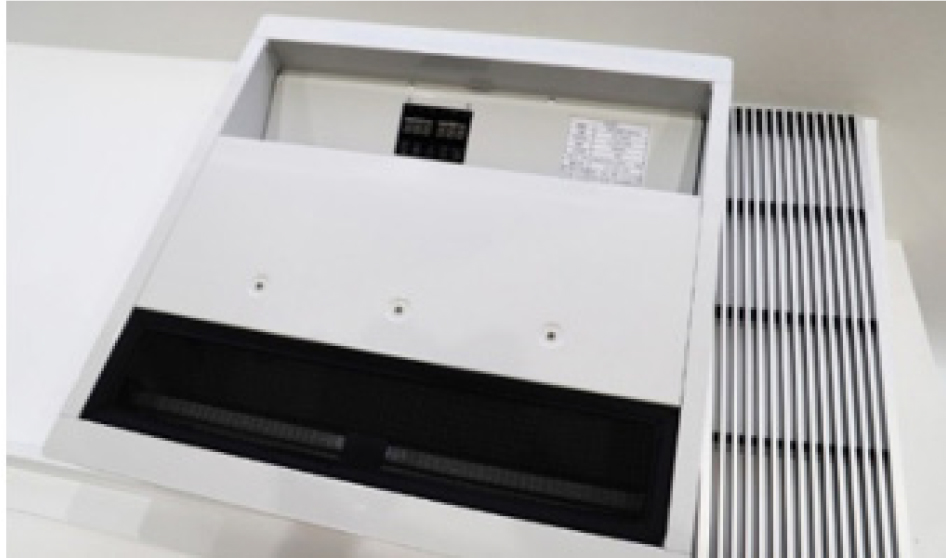
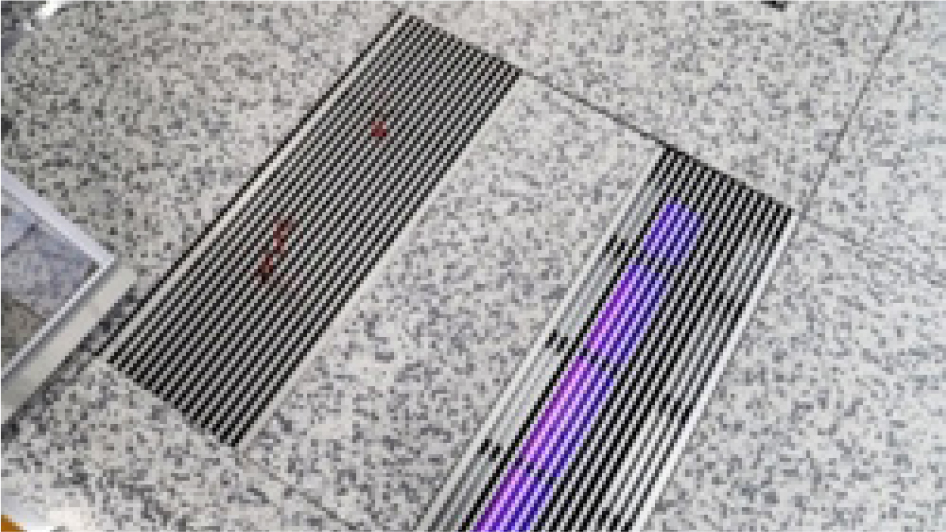
Fan Terminal Unit for Floor Air Conditioning Systems

https://korean-machinery.com///inquiry

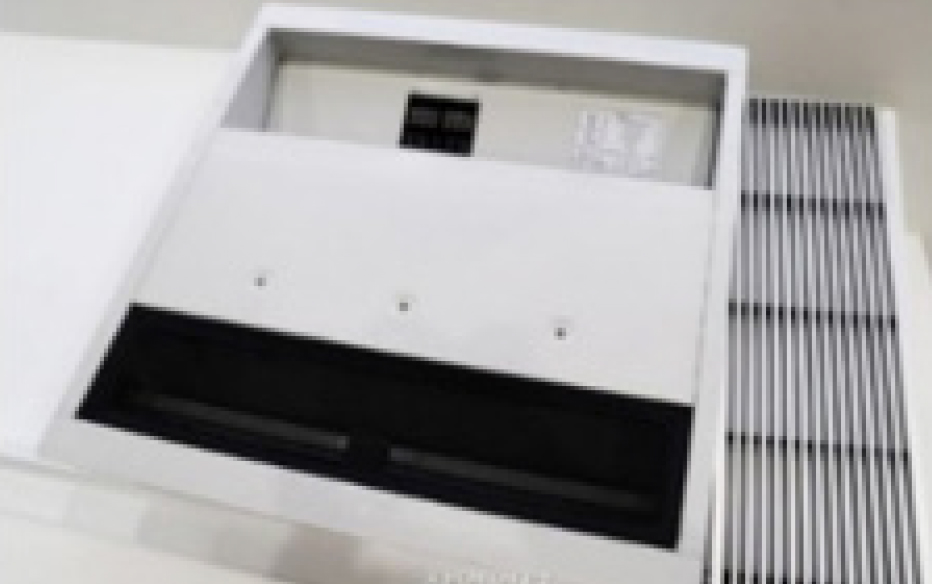
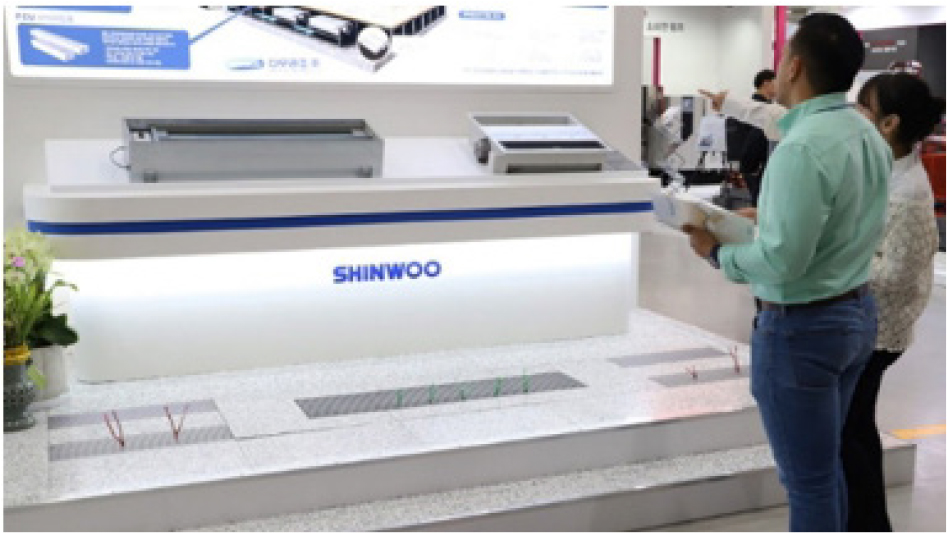
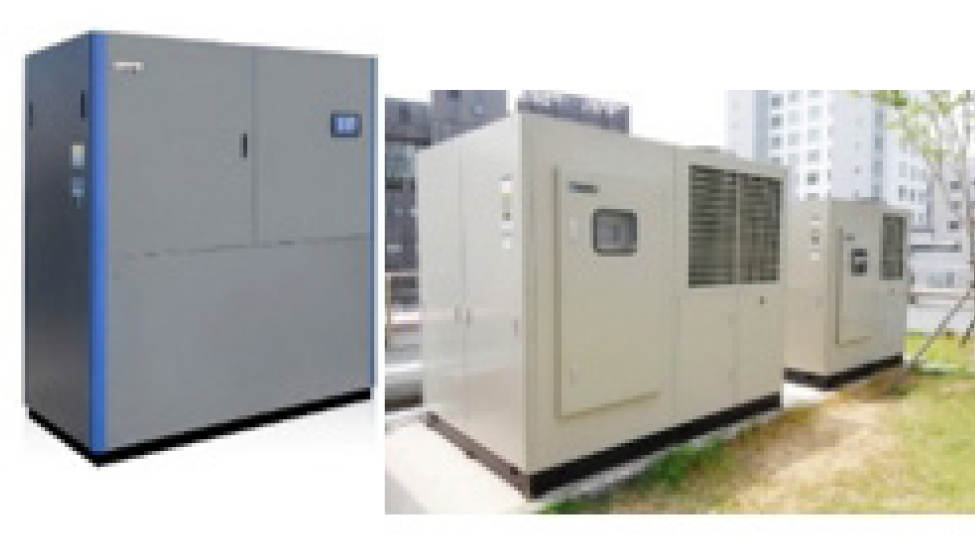
[INQ. NO. 2607M07] Shinwoo Conditioning Co., Ltd. participated in the recently held HVAC KOREA 2026, Korea’s representative mechanical equipment exhibition, and unveiled its Fan Terminal Unit (FTU) equipment used in floor air conditioning systems.
The existing air conditioning systems rely on large air conditioners located in underground mechanical rooms. However, with recent technological advancements leading to the emergence of small and efficient air conditioners, isostatic floor air conditioning —which utilizes the space beneath the floors by placing units on each floor —is becoming a popular trend.

Developed in accordance with this trend, Shinwoo Conditioning’s FTU enables precise temperature management through 8-stage airflow settings and damper angle adjustment functions.

An optional built-in electric heater can be installed to further heat the air supplied by the unit, thereby compensating for heat loss. Additionally, the installation of a UV lamp provides an air- quality improvement function.
“We have specialized in manufacturing Fan Coil Units (FCUs) for over 30 years to handle external loads, such as radiant heat and outside air entering through windows. We have also developed floor-mounted air conditioning equipment to respond to changing architectural trends, and also showcased floor-mounted FCUs at the exhibition,” explained an official from Shinwoo Conditioning.
According to Shinwoo Conditioning, FCUs feature a structure that exhausts air from the floor and vents it through the ceiling, resulting in efficient airflow. Since cool air rises from below in the summer and warm air rises in the winter, the comfort-level for building occupants is higher than that provided by ceiling-mounted air conditioning.
There are also economic advantages, such as the ability to create higher ceiling heights and secure more parking space by reducing the need for existing mechanical rooms.

korean-machinery.com | Blog Magazine of korean-machinery, brands and Goods
Air-conditioning & Refrigeration Products

https://korean-machinery.com///inquiry

[INQ. NO. 2607M06] Established in 1981, AR Co., Ltd. has established itself as a leader in the air-conditioning and refrigeration field for 45 years through continuous research and development under the management philosophy of ‘Best Quality and Best Service’ to develop thermohygrostats, clean room devices, air conditioners, and cooling devices.
AR has grown into a specialized company that manufactures, constructs, and manages humidifiers and refrigeration systems.

Chiller
The temperature range of cold water/brine (-40˚C ~ 20˚C) can be manufactured as needed, so the capacity can be adjusted according to the temperature, and it can be separated or integrated. Because it can be manufactured customized, it can be installed either outdoors or indoors.
A remote confirmation system function that can be monitored on the Internet allows remote status monitoring of a digital pressure gauge while using the Micom touchpad control method.

Air Handling Unit
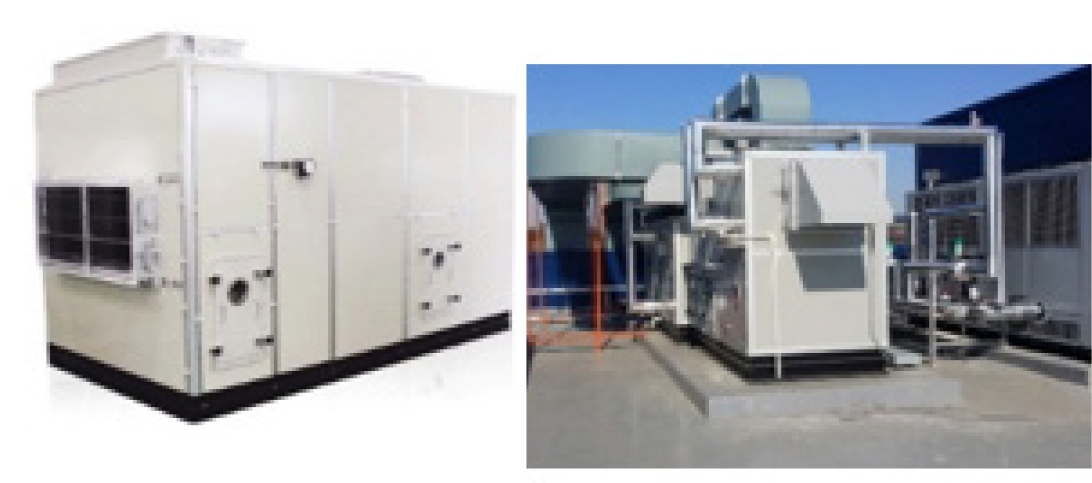
Galvanized or cold-rolled steel sheets are used according to customer specifications. In the case of cold-rolled steel sheets, they are degreased and treated with phosphoric acid before being coated with anti-rust paint and finishing paint, and then baked, so the exterior appearance is beautiful while retaining high anti-corrosion effect.

Flame-retardant glass wool insulation or eco-friendly polyester insulation is attached to the inside of the casing to prevent condensation, and increase the insulation effect to prevent heat loss and improve sound absorption.
“We strive to provide the best service to customers with constant innovation and passion, and to provide a stable and beneficial work environment for employees. We value cooperation and creativity, and seek to grow and develop together. Our values are based on fairness, responsibility, and collaboration, and we aim to create a better future based on these values,” commented a spokesperson for the company.

korean-machinery.com | Blog Magazine of korean-machinery, brands and Goods
Aluminum Coil Brazing Machine

https://korean-machinery.com///inquiry

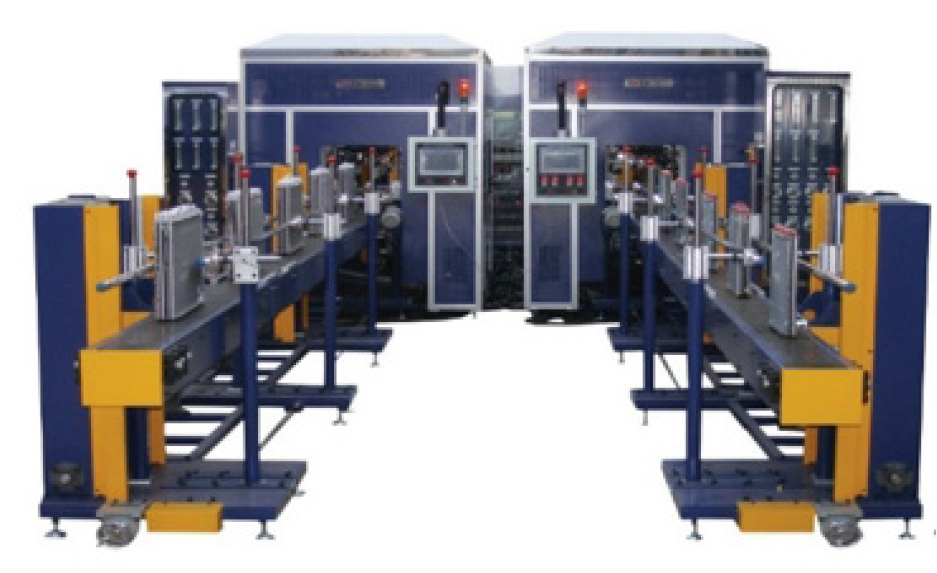
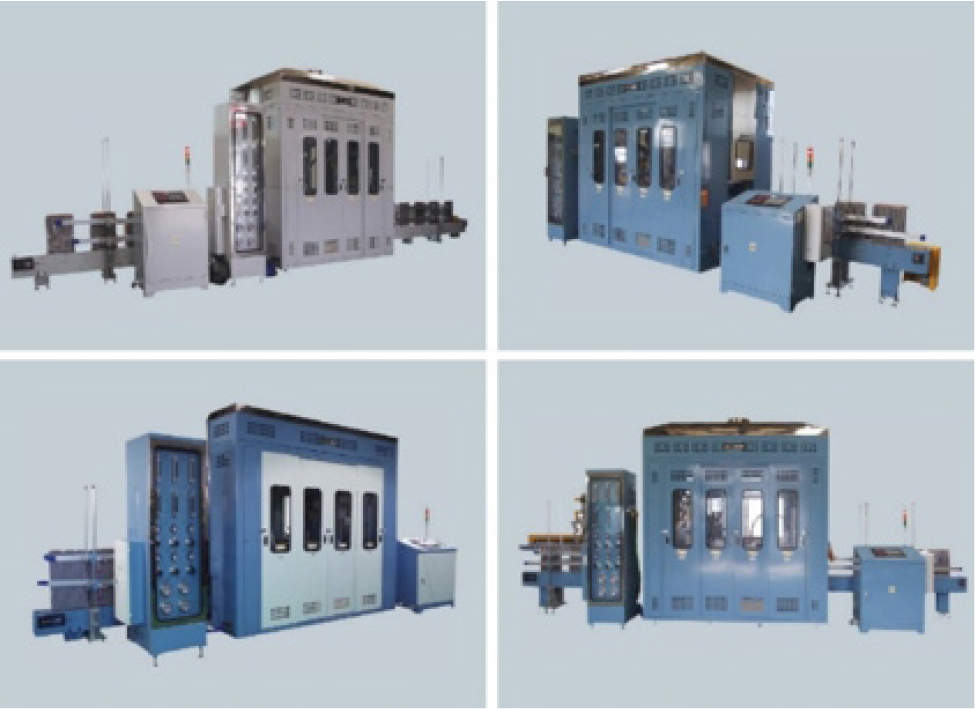
[INQ. NO. 2607M05] SK Brazing Co. has designed a very special aluminum coil brazing machine that makes it possible to avoid the orange-peel crack phenomenon and erosion issues commonly found on brazing of aluminum u-bend coils. Its technology sets a new standard in aluminum brazing technology.
SK Brazing has been manufacturing gas brazing machines in various forms for brazing copper and aluminum U-bends.
In particular, SK Brazing produced the world’s first machine capable of continuous brazing of aluminum U-bends on a conveyor. These machines incorporate technology designed to prevent the orange-peel cracking and erosion phenomena. This technology has now become a global source technology.

Conveyors are primarily used for mass production, and depending on the application, various styles are utilized such as slat conveyors, free-flow conveyors, and square moving conveyors.
These machines are manufactured as 3-stage or 2-stage gas bundle types. They can store settings such as flame intensity/flame height, conveyor height, torch width, torch angle, and conveyor speed, and can also be operated in conjunction with barcode readers.
In addition, IoT services and video control systems are sometimes added recently at the request of customers. A brazing robot for brazing headers and coils may also be added to these machines.
For manual brazing, manual brazing devices may be installed such as gas savers, digital torch kits, Torch Man (a hand-held, intelligent, personal digital torch kit), and manual induction brazing equipment.
“We offer a complete range of brazing and soldering services including materials, automation and technical expertise. From simple shuttle machines to complex, fully automated systems in using robotics, material handling, etc., we have designed automation solutions for most industrial applications. We pride itself on the craftsmanship & quality found in our equipment,” remarked the company’s CEO.

SK Brazing can also offer a full complementary range of products and services including — alloy selection, flux selection, brazing methods, automation methods & an education service, all supported by its renowned technical expertise.
 
 
korean-machinery.com | Blog Magazine of korean-machinery, brands and Goods
Cooling Towers

https://korean-machinery.com///inquiry

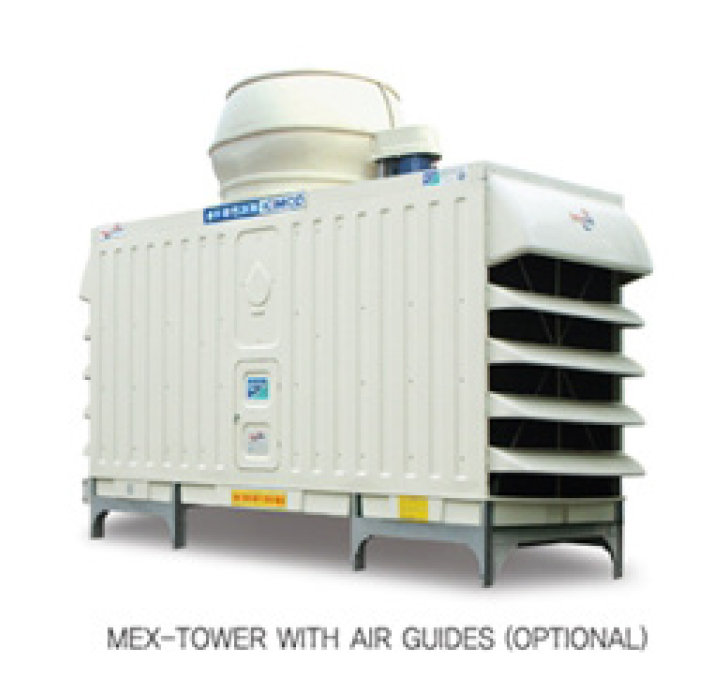
[INQ. NO. 2607M04] Kyung In Machinery Co., Ltd. has been focusing on research and development based on its cooling tower research institution having acquired more than 40 patents. Its unique technologies are widely recognized in the industry, and a number of entities are visiting from all over the world to find out more about Kyung In’s know-how and technology.
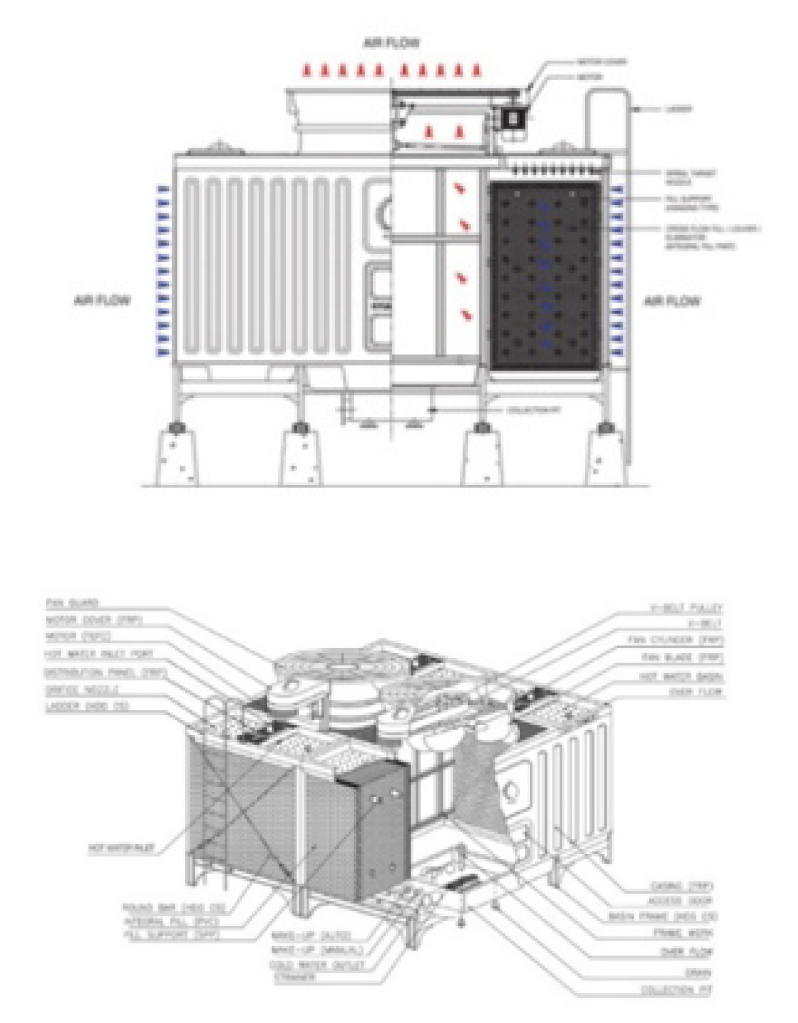
Kyung In Machinery’s EX/MEX series of the cooling tower utilizes its own crossflow system. This is a newly innovated system that can handle a large capacity in a compact form.

The standard crossflow cooling tower system has the following disadvantage: the dead area where the cooling water passing through the fill material is deflected to one side. It is due to the speed of the air being sucked and not being cooled. However, the highly efficient fill material of the EX/MEX series of the cooling tower system is patented through its extraordinary technology, and shows no disadvantages.
The usage of a PVC cellular type drift eliminator and wide mounting space reduces drift to less than 0.002%. Furthermore, it is the least drift type among the cooling tower systems through showing a very low probability of legionella propagation.
To maximize heat-exchange efficiency, separate distribution equipment is installed on top of the fill material. The Cooling Tower Institute (CTI) has proven to be a compact, lightweight, high-performance cooling tower. And it has a maximum capacity of 1200 CRT per cell.
The double crossflow system of the cooling tower allows maintenance and repair during the operation. The access door is designed for easy access, and is designed efficiently for inspection and cleaning. What’s more, immediate repair is possible when defects occur on the driving side.
Ultraviolet protection coating (UV coating) is applied to the fill material to minimize the hardening phenomenon, so it does not interfere with the related systems (main equipment, pump, piping) due to breakage.

Kyung In Machinery is the market-leading cooling tower manufacturer in Korea. With numerous projects and an ongoing commitment to research and development programs, the company has been accumulating top-class expertise in cooling towers.
“We have been doing our utmost to develop new environmentally friendly cooling towers through our long-term technical partnership with Marley USA and training courses with foreign experts,” a spokesperson for the company commented. 
 
korean-machinery.com | Blog Magazine of korean-machinery, brands and Goods
Freezing Ball Valves

https://korean-machinery.com///inquiry

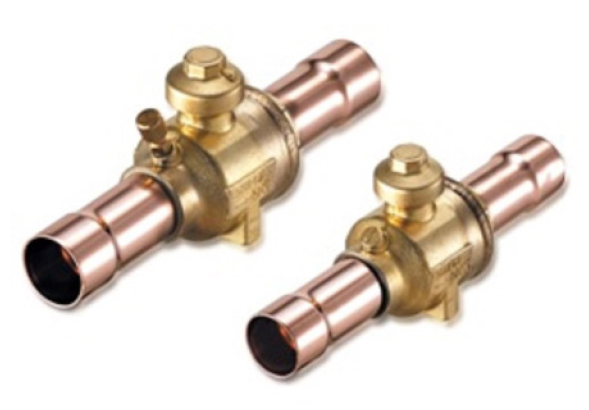
[INQ. NO. 2607M03] ESSENTECH CO., LTD. manufactures and supplies ball valves, a core component of refrigeration and air conditioning equipment, to domestic and international companies.
In refrigeration and air conditioning equipment, ball valves enhance the convenience of maintenance. They allow for work to be performed by simply closing the ball valve when replacing specific parts, such as compressors or filters, without having to recover the refrigerant from the entire system. Furthermore, through safe refrigerant isolation, they quickly prevent massive refrigerant-leaks in the event of malfunctions or pipe-damage.

ESSENTECH has developed a pressure-relief integrated 3-in-1 Refrigeration Ball Valve, and is expanding its presence in the global market. This is a high-value-added product that integrates the functions of a ball valve, check valve, and relief valve into a single unit. Demand is reportedly increasing, particularly in North America and Europe. In particular, the increase in the installation of AI data centers also offers promising opportunities.
Generally, ball valves, check valves, and filter dryers are installed separately in refrigeration piping. Using a 3-in-1 composite valve that combines these components into a single unit minimizes the risk of refrigerant leakage. Furthermore, the simplified piping structure saves installation space, leading to reductions in materials and labor costs. This effectively makes it highly competitive.
The CEO of ESSENTECH recently remarked, “The market for eco-friendly natural refrigerant (CO₂)-based refrigeration and air conditioning systems is growing rapidly. For this reason, there is increasing demand for our refrigeration and air conditioning valve products, which ensure stability even in high-pressure environments,” adding “In particular, our pressure relief integrated 3-in-1 refrigeration ball valve has been recognized for its competitiveness by overseas clients, leading to expanding demand, centered on the North American and European markets.”

ESSENTECH, with exports accounting for 45% of its business, is benefiting from the recent high exchange rates. Profitability is improving as the exchange rate effect is added. Last year, the company achieved sales of KRW 57.9 billion and an operating profit of KRW 1.9 billion. This year’s business performance is projected to reach KRW 63 billion in sales and KRW 4 billion in operating profit, a significant increase from last year.
 

ESSENTECH has established an integrated production system that spans every stage from forging to machining and assembly. The company assesses that this has enabled it to secure both price and quality competitiveness. It plans to further strengthen its technological competitiveness in line with the recent trends toward transition to eco-friendly refrigerants and energy efficiency.
 
korean-machinery.com | Blog Magazine of korean-machinery, brands and Goods
Pipe-Coupling Solutions

https://korean-machinery.com///inquiry

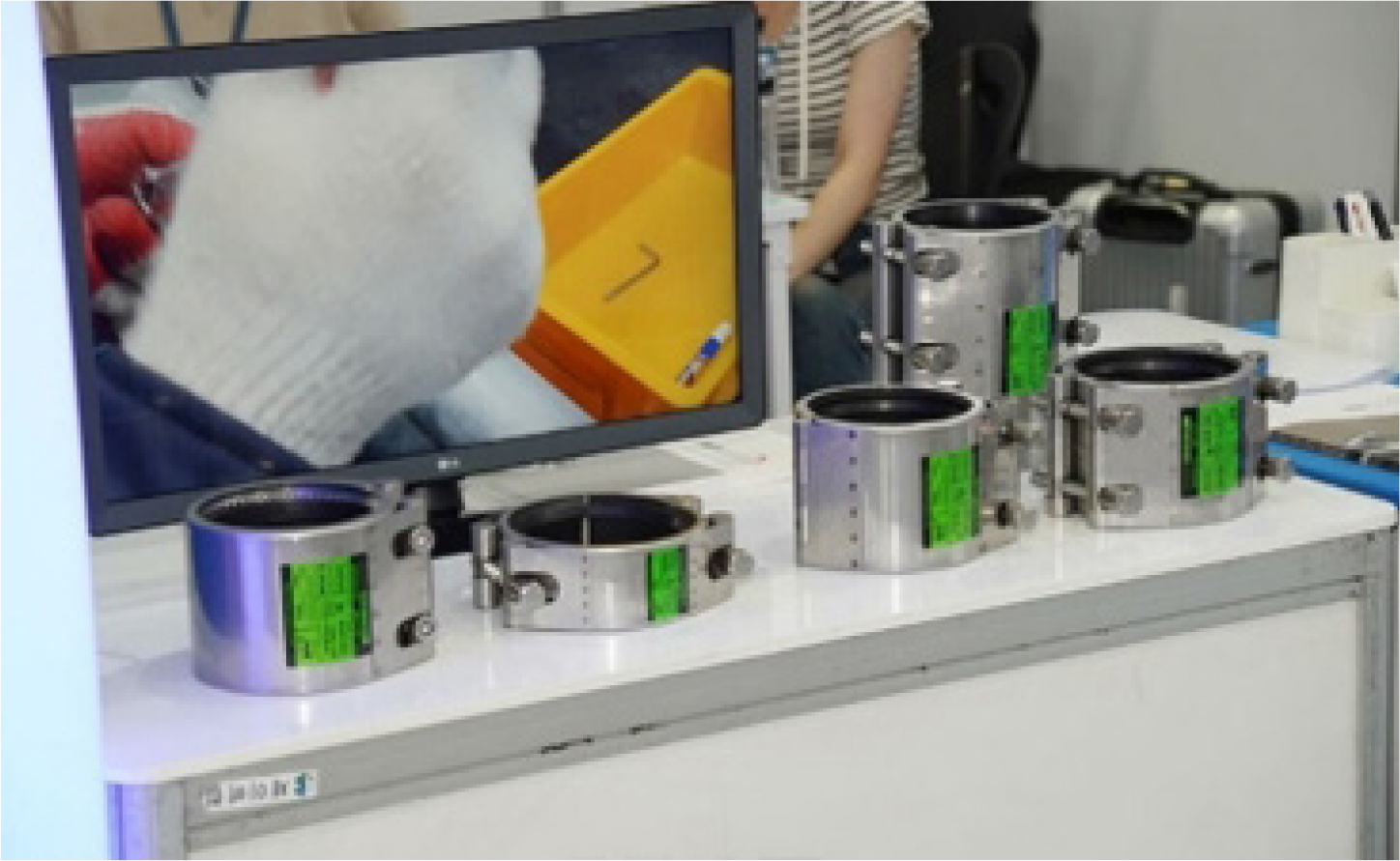
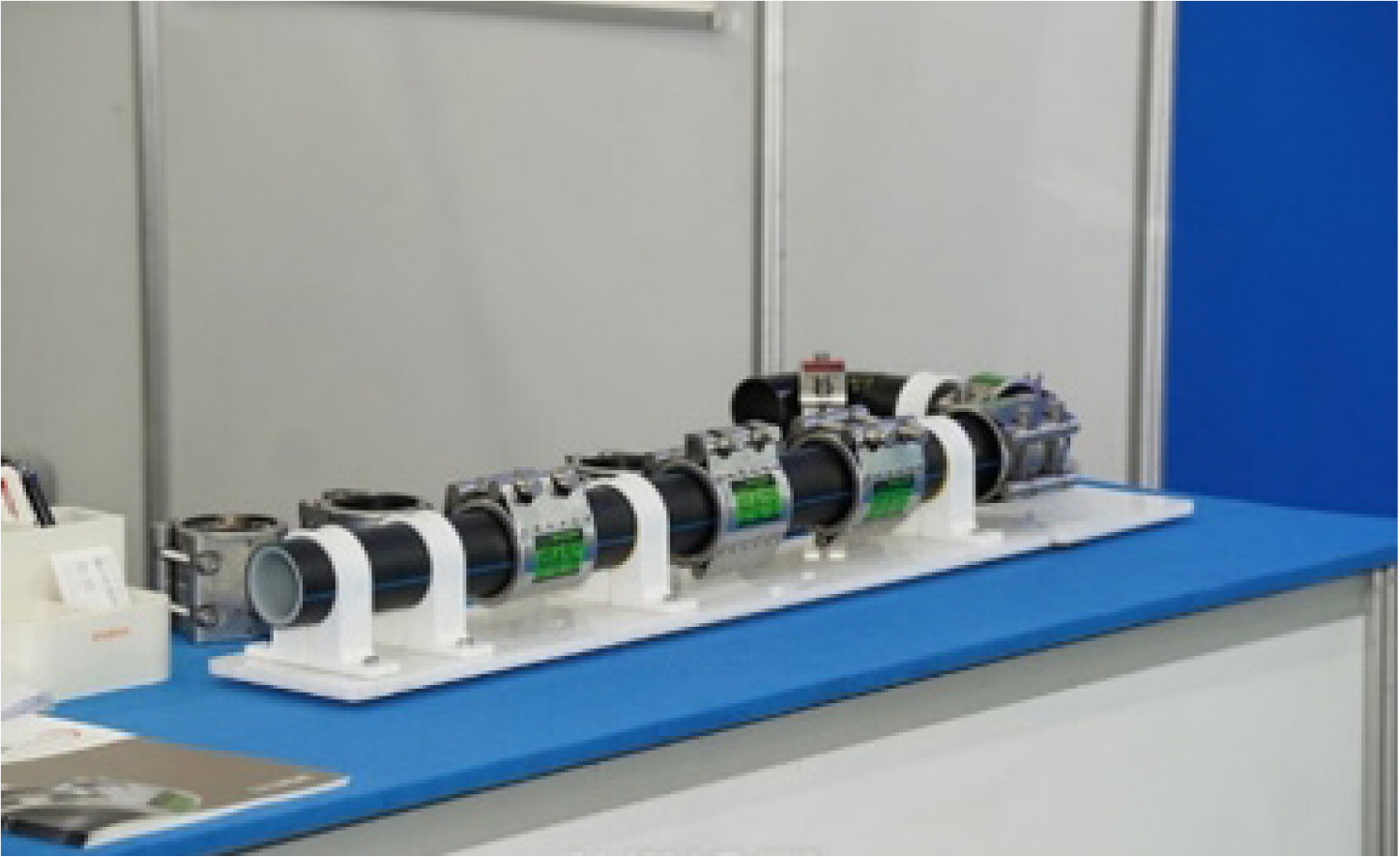
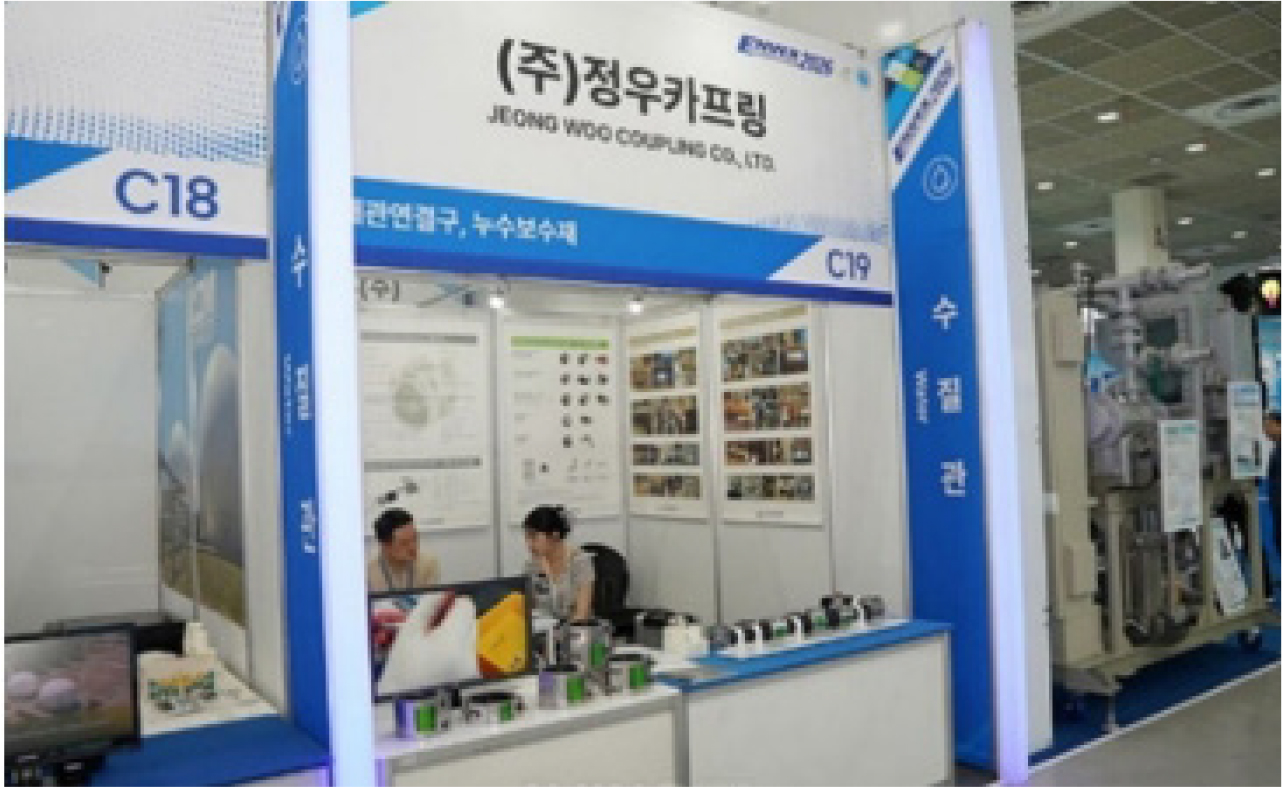
[INQ. NO. 2607M02] JEONG WOO COUPLING CO., LTD. showcased its next-generation pipe-coupling solution that simultaneously secures construction innovation and seismic performance at ENVEX 2026, Korea’s representative environmental and carbon-neutral exhibition, recently held at COEX in Seoul.
Established in 1995, JEONG WOO COUPLING has dedicated itself to the production of pipe-connection couplings and leak-repair clamps. Recognized for its technological prowess, the company is a global powerhouse exporting over 70% of its production to approximately 40 countries worldwide, including Japan, the United States, the Netherlands, and the UAE.
Domestically, JEONG WOO COUPLING has developed unrivaled quality reliability through a wide range of delivery performance, spanning everything from large-scale plants for major corporations to small and medium-sized sites.
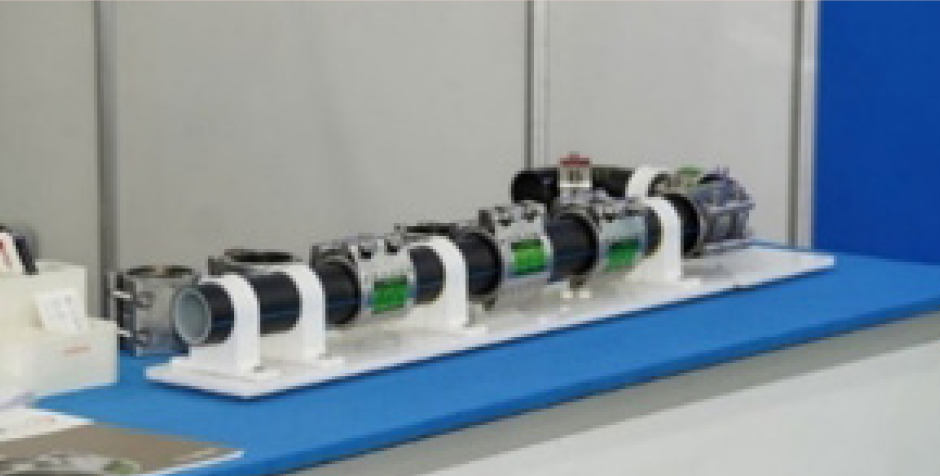
The pipe-coupling that JEONG WOO COUPLING introduced as its flagship product at this exhibition, is an innovative product that replaces existing complex and skill-intensive piping methods such as welding, flanges, sockets, and groove joints.

Notably, it requires absolutely no pre-processing steps, such as pipe threading or welding. With just a standard wrench, fastening can be done quickly and safely on-site, thus drastically reducing construction difficulty and significantly shortening the construction period — as well as reducing overall piping installation costs, including labor expenses.
Moreover, it can be applied to all pipes regardless of material — ranging from steel and stainless-steel pipes to cast iron pipes, copper pipes, plastic pipes (PVC, PPR, PE, etc.), and fiberglass pipes — providing exceptional flexibility even when connecting dissimilar pipe types.
JEONG WOO COUPLING’s technological prowess shines even in the harsh fluid environments and safety standards of industrial sites. This is because it is designed to allow for the selection and application of an optimal rubber gasket tailored to the type of fluid flowing inside the pipe.

Accordingly, stable installation is possible in various specialized piping systems carrying hazardous substances, such as oil and chemicals, in addition to water and air. Consequently, it is gaining attention as an essential piece of equipment across all industrial sectors, ranging from large-scale plant industries like shipbuilding, chemicals, steels, and power-generation to construction, civil engineering, and maintenance sites for various equipment and aging pipelines.
In addition, the rubber gasket installed inside the product flexibly absorbs noise, shock, and vibration generated during pipe operation. This perfectly meets the seismic design standards for piping that have recently been strengthened worldwide.
At the exhibition, a detailed product lineup tailored to various on-site requirements was also introduced, drawing keen attention.
First, the ‘Grip Type’ is a model equipped with a powerful anti-detachment function that prevents pipes from coming loose due to internal pressure or external impact, and is supplied in sizes ranging from 15A to 400A.
Also exhibited is the Slip/Flexible Type, characterized by its ability to flexibly absorb pipe movements by allowing for natural stretching and contraction. It features perfect manufacturing specifications ranging from small-caliber 13A to extra-large caliber up to 4,000A.

korean-machinery.com | Blog Magazine of korean-machinery, brands and Goods
Wastewater Heat-Recovery System

https://korean-machinery.com///inquiry

[INQ. NO. 2607M01] TL Engineering is one of the few purely specialized cleanroom engineering firms in Korea, established by key members of the Korean branch of M+W Zander, the world’s leading cleanroom engineering company based in Germany.
TL Engineering is expanding its business scope in the fields of HVAC and energy-saving engineering based on its ‘end-to-end’ total-solution capabilities, which encompass the entire process from cleanroom design to construction and maintenance.
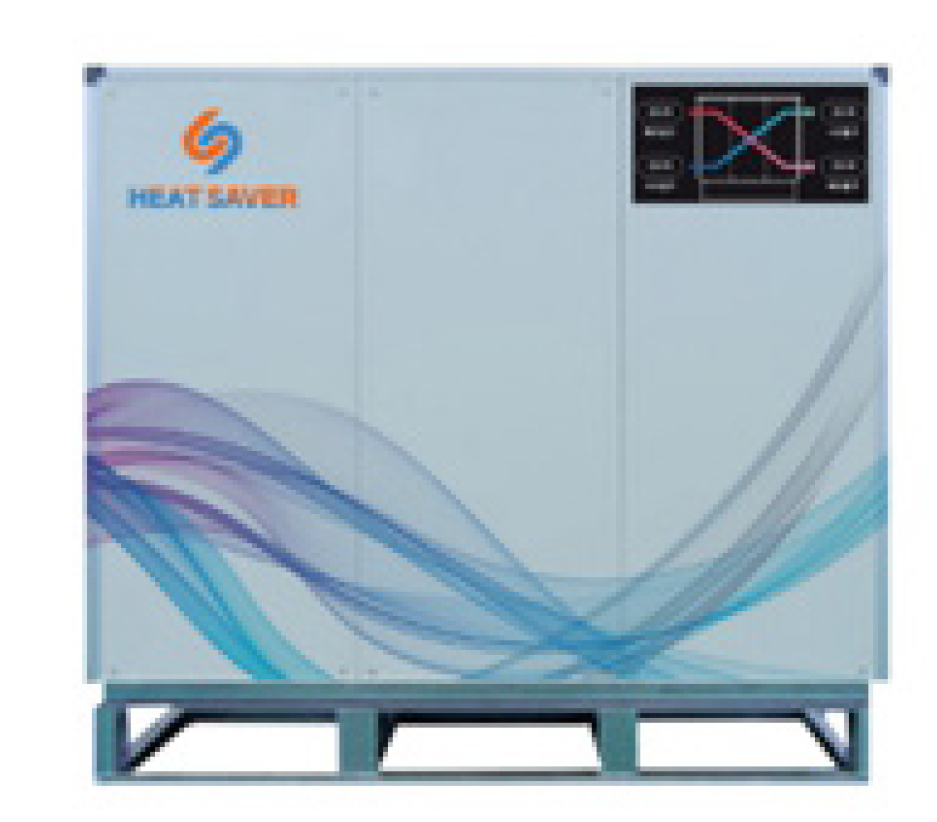
TL Engineering’s Heat Saver is a wastewater heat-recovery system that captures and reuses thermal energy from discharged wastewater in buildings and industrial facilities. By recovering heat that would otherwise be lost, it enables significant energy savings and reduces carbon emissions.
The system is designed without the need for a pre-filtration unit, thereby minimizing the needs for installation space and maintenance requirements. Its self-cleaning mechanism effectively prevents sludge accumulation, thus ensuring stable long-term operation. In addition, the dual heat-recovery structure simultaneously utilizes both hot- and cold-water lines, thereby maximizing overall energy efficiency.

Heat Saver has been verified through KOLAS-certified testing, achieving approximately 80% heat-recovery efficiency, and over 30% energy savings. It has been successfully applied in various sites, including sports facilities and hospitals, thus demonstrating both performance and economic feasibility.
“Our company is comprised of professional engineers with over a decade of experience specializing in cleanroom design and construction in both the electronics and pharmaceutical sectors, and we possess both expertise and competitiveness. Based on the deep trust we have built over the years, if you entrust us with a task, all our employees will dedicate themselves wholeheartedly to delivering satisfactory results. Furthermore, we are striving to become Korea’s leading specialized HVAC engineering company,” remarked the company’s CEO.

korean-machinery.com | Blog Magazine of korean-machinery, brands and Goods
Korea’s Exports

https://korean-machinery.com///inquiry

Korea’s Exports Continue Remarkable Performance

Korea’s exports in June recorded $102.25 billion, a 70.9% surge compared to the same month of last year.
The main driver was semiconductors. Driven by explosive demand for memory fueled by a global boom in artificial intelligence (AI) infrastructure investment, fixed prices surged, resulting in semiconductor exports in June recording $44.82 billion, a 199.5% increase year-on-year.

The price of DDR5 16Gb RAM continued its upward trend, rising from $31.0 in March to $35.3 in April, $37.5 in May, and $40.0 in June, boosting export figures.
This marks the first time that monthly semiconductor exports have surpassed $40 billion. Semiconductors have also recorded their highest-ever monthly figures for 15 consecutive months.

Computer exports, driven by high demand for solid-state drives (SSDs) from big-tech companies, recorded $5.41 billion, a 308.8% increase. Wireless communication devices ($1.55 billion, up 51.9%) also showed an upward trend, centered on finished mobile phones.
Korean exporters are energetically releasing new products. In their efforts toward accomplishing their export performance goals for this year, creative moves are being made to discover their own potential buyers and markets.
Shinwoo Conditioning recently unveiled its Fan Terminal Unit (FTU) equipment used in floor air-conditioning systems. The FTU enables precise temperature management through 8-stage airflow settings and damper angle adjustment functions.

An optional built-in electric heater can be installed to further heat the air supplied by the unit, thereby compensating for heat loss. Additionally, the installation of a UV lamp provides an air-quality improvement function.
Meanwhile, at ENVEX 2026, JEONG WOO COUPLING showcased its next-generation pipe-coupling solution that simultaneously secures construction innovation and seismic performance.
The pipe-coupling requires absolutely no pre-processing steps, such as pipe threading or welding. With just a standard wrench, fastening can be done quickly and safely on-site, thus drastically reducing construction difficulty and significantly shortening the construction period — as well as reducing overall piping installation costs, including labor expenses.
 
 
korean-machinery.com | Blog Magazine of korean-machinery, brands and Goods
LNG Carriers

https://korean-machinery.com///inquiry

Competition for LNG Carriers Intensifies Korea Holds the Top Spot

Korean companies secure 64% of this year’s orders.

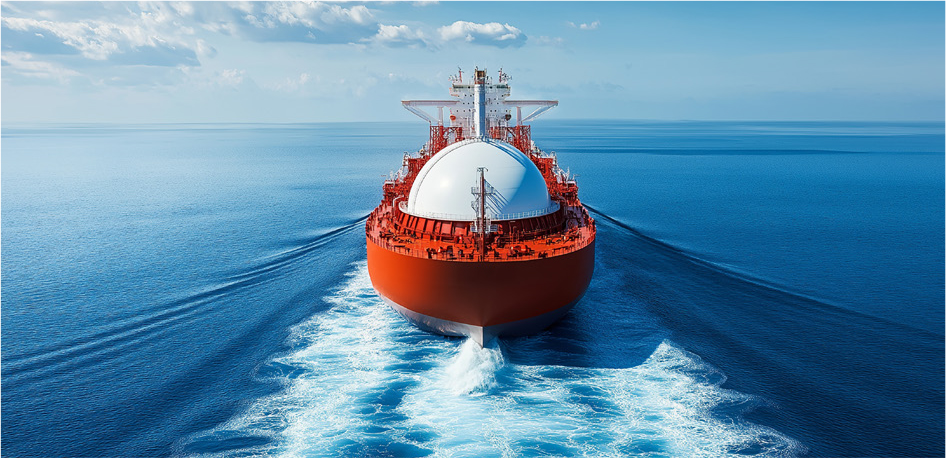
The liquefied natural gas (LNG) carrier market is heating up again. Competition for orders is intensifying as the expansion of LNG projects, centered in the United States, coincides with the demand for replacing existing vessels with eco-friendly ones. Global LNG carrier orders, which stood at just 37 vessels last year, surged to 35 in the first quarter of this year alone and reached 53 as of early June.
According to sources in the shipbuilding industry, Korean shipbuilders have maintained an advantage so far in the global LNG carrier bidding war. As of early June this year, Korean shipbuilders secured 34 orders out of the 53 LNG carriers ordered worldwide, comprising 64% of the total global orders.

By company, HD Korea Shipbuilding & Marine Engineering had the most orders with 16 vessels, followed by Samsung Heavy Industries with 12 and Hanwha Ocean with six.
The reason why Korea has taken the lead is high technological barriers. LNG carriers are a representative high-value-added ship type that must safely transport liquefied natural gas at 163 degrees Celsius below zero.
Industry sources assess that Korea’s three major shipbuilders — HD Korea Shipbuilding & Marine Engineering, Hanwha Ocean, and Samsung Heavy Industries — earn absolute trust from global shipowners based on decades of accumulated construction experience, quality control systems, large-scale project execution capabilities, and on-time delivery compliance.
China has recently been rapidly expanding its presence in the high-value-added LNG carrier sector. By early June of this year, Chinese shipbuilders had secured orders for a total of 19 LNG carriers, trailing closely behind Korea.
China is currently expanding its presence in the global market by leveraging its price competitiveness and large-scale production capacity. As of last year, it reportedly accounted for over 70% of total global ship orders.
Japan has also launched a counterattack at the national level. A sense of crisis is mounting as Japan’s share of global ship orders has fallen from the past 15~16% level to 8% last year.
Japan plans to restore competitiveness in high-value-added vessel types, such as LNG carriers, through shipyard consolidation, facility investment, AI and DX based productivity enhancement, and manpower development.


korean-machinery.com | Blog Magazine of korean-machinery, brands and Goods