Senko Grows into a Global-Leading Safety & Environmental Solutions Provider

https://korean-machinery.com///inquiry

Winning the $10 Million Export Tower
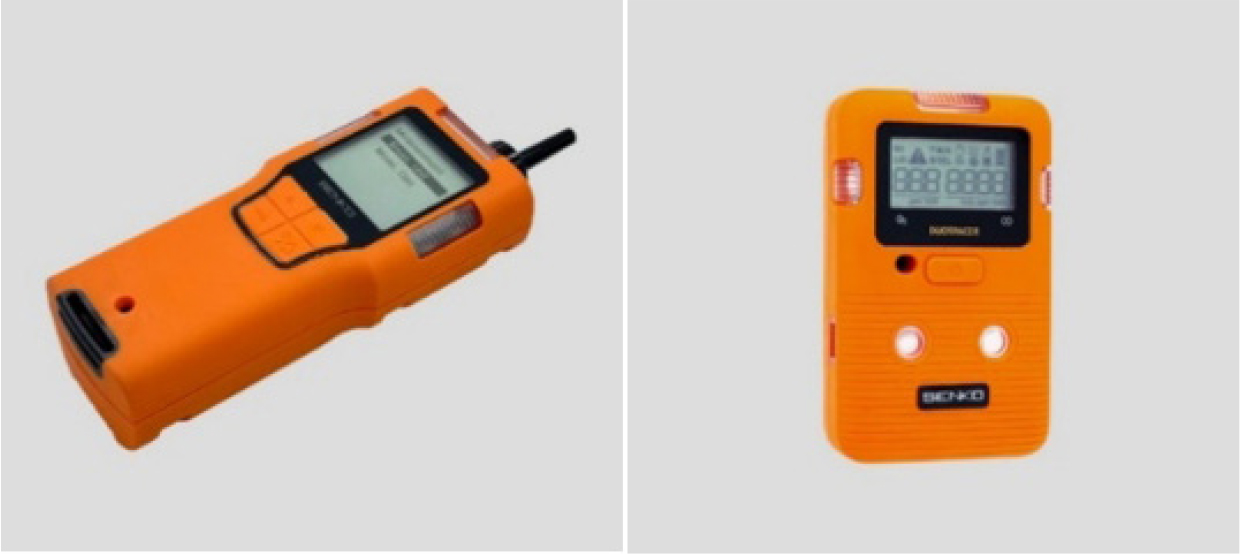
[INQ. NO. 2601M04] Senko Co., Ltd., a gas sensor and total solutions specialist, received the $10 Million Export Tower at the 62nd Trade Day ceremony.
Senko’s winning of the award is official recognition of the performance of its portable and fixed gas detectors and alarms in overseas markets over the past year, as well as of its efforts to expand into the global market.
Senko has been recognized for its quality-excellence and capabilities by leveraging its proprietary technology, which is based on domestically produced gas sensors, and by actively exploring global markets based on this technology.
These efforts have led Senko to receive the $10 Million Export Tower, following the $3 Million Export Tower in 2013 and the $7 Million Export Tower in 2022.
“This winning of the $10 Million Export Tower carries more meaning than just numbers. It is significant because it demonstrates the culmination of over a decade of trust and technological prowess, solidifying the foundation for our future expansion in the global market,” commented the company’s CEO.
Meanwhile, Senko, which recently developed an infrared-based gas sensor, plans to accelerate its growth into a global safety and environmental solutions company by continuously expanding sales channels in key regions such as North America, Europe, and Asia, while aggressively pursuing new market opportunities through strengthening local corporate capabilities and developing new products.
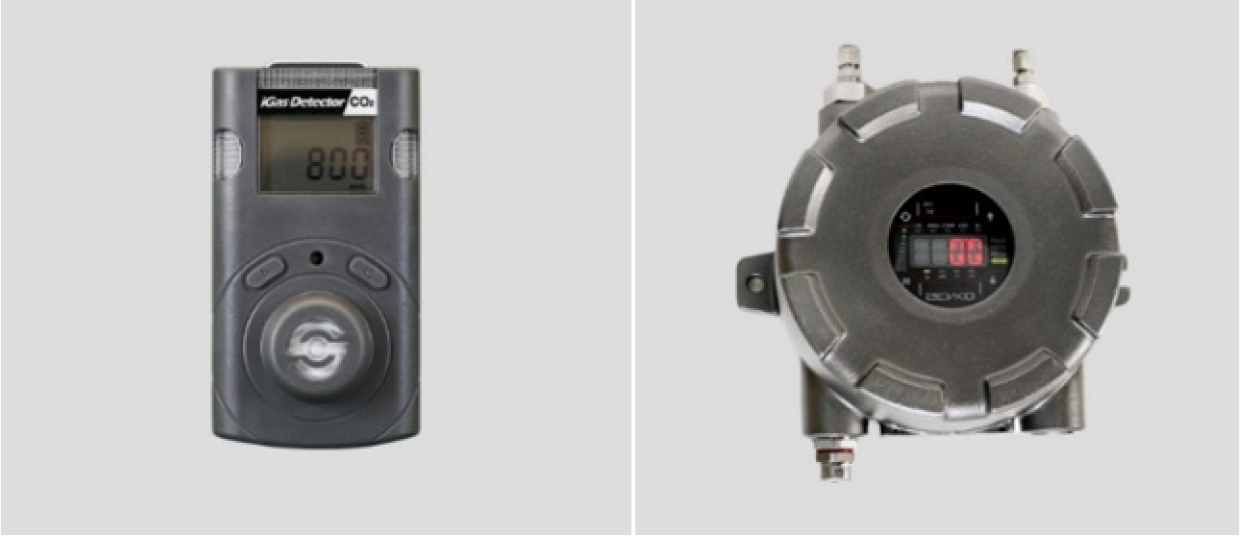

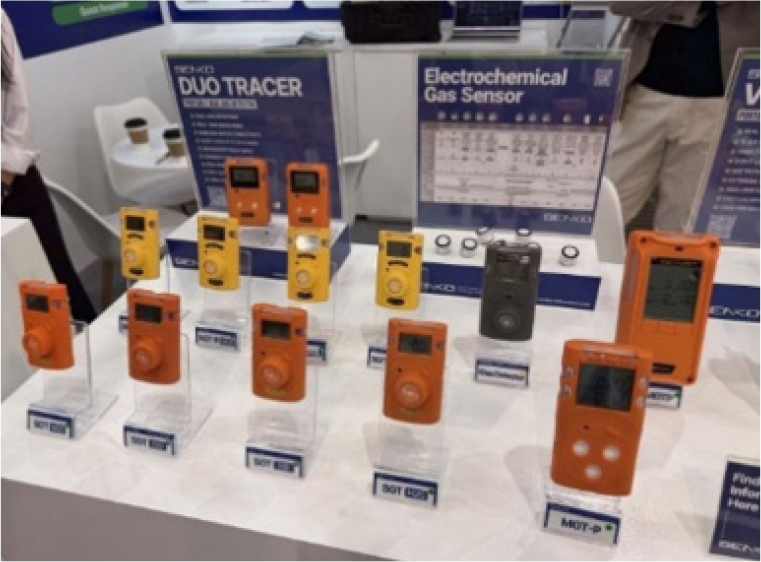
 Senko is a global manufacturer specializing in gas detectors and sensors, with over 20 years of history. Through cutting-edge technology and innovative products, it provides safety and reliability in industrial environments and daily life, leading the way in protecting lives and assets.
Senko is dedicated to ensuring safety in industrial environments and people’s everyday lives worldwide, while driving sustainable development. As a global leader in sensor and detection technologies, Senko aims to provide greater value both to its customers and society, working toward shaping a future where everyone can feel safer and more secure.

 
korean-machinery.com | Blog Magazine of korean-machinery, brands and Goods
Bumhan Mecatec Further Strengthens its Position in the Global Market

https://korean-machinery.com///inquiry


 Winning the $400 Million Export Tower

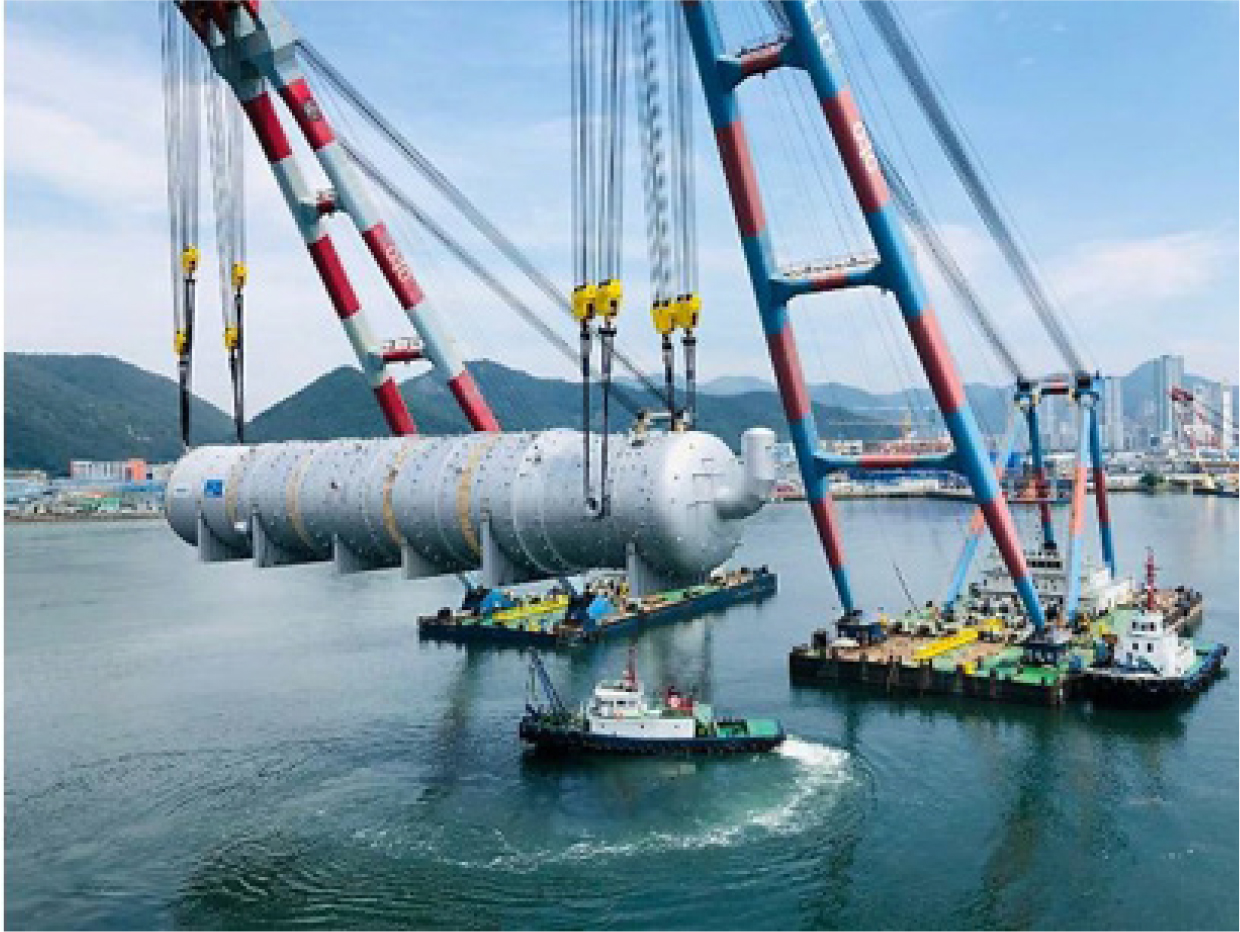
[INQ. NO. 2601M03] Bumhan Mecatec, a global energy plant core equipment company, was awarded the $400 Million Export Tower at the 62nd Trade Day ceremony, further strengthening its position in the global market.
The company’s winning of the Export Tower award marks its third, following the $100 Million Export Tower and $200 Million Export Tower at the 55th and 57th Trade Day, respectively, reaffirming its high status as a global exporter.
Bumhan Mecatec is an export-driven energy company, generating approximately 90% of its revenue from exports. It achieved a 33% increase in sales, from KRW 414.5 billion in 2023 to KRW 550.2 billion in 2024. The company is accelerating both export and sales growth by diversifying its business portfolio, including expanding the global LNG market and strengthening its EPC (engineering, procurement, and construction) capabilities.
Based on its core cryogenic and high-pressure equipment used throughout the LNG value chain, Bumhan Mecatec has established itself as a world-leading supplier of LNG equipment. It has expanded its partnerships with major global energy companies by securing a series of large-scale projects in key energy hubs such as the Middle East, North America, Europe, and Asia.

Furthermore, Bumhan Mecatec is pursuing new energy transition-related businesses, including small modular reactors (SMRs), carbon capture, utilization, and storage (CCUS), power turbines, and engineering, procurement & construction (EPC) projects, solidifying its position as a global energy solutions partner. Building on its cryogenic and high-pressure design and engineering capabilities accumulated in its existing core energy equipment, the company is building a portfolio capable of addressing next-generation energy infrastructure.
On the technological side, Bumhan Mecatec is enhancing its special alloy design, welding, and processing technologies, as well as its precision-analysis-based engineering system. By introducing a digital quality and production management system, Bumhan Mecatec is securing a competitive edge in quality that meets the demanding standards of major global energy companies.

Founded in 1964, Bumhan Mecatec has contributed to the construction of energy infrastructure and the establishment of a stable supply chain around the world, leveraging its 60-year history and expertise.
Bumhan Mecatec maintains long-term, trusted partnerships with major global EPCs and end-users, including Bechtel, Technip, and Aramco — and is further expanding its global project network and market presence.
“Our winning of an Export Tower for the third time is testament to our world-class LNG equipment technology and the trust we have built with our global customers. While further strengthening our existing competitiveness in energy plant equipment, we will also grow into a global energy solutions partner leading the energy transition through new businesses in SMRs, CCUS, power turbines, and EPC,” remarked the company’s CEO.
The CEO added, “We are committed to sustainable growth based on field-oriented communication, responsible management, and a healthy organizational culture. As a leading Korean global company, we will continue to boost our presence in the global energy market.”


korean-machinery.com | Blog Magazine of korean-machinery, brands and Goods
DN Automotive Competing in Global Automotive Anti-Vibration Parts and Batteries Markets

https://korean-machinery.com///inquiry

Winning the $500 Million Export Tower
[INQ. NO. 2601M02] DN Automotive, a global Korean company specializing in automotive anti-vibration components, once again demonstrated its competitiveness in the global market by winning the $500 Million Export Tower on Trade Day 2025.
DN Automotive achieved its highest-ever export performance last year (July 2024 – June 2025), recording US$551.27 million in exports, an approximately 18% increase from the previous year ($466.53 million). The company has maintained its growth by supplying automotive anti-vibration components and batteries to major global automakers.
This achievement was made possible by its dedicated R&D efforts, which aim for world-class quality. DN Automotive conducts R&D centered on its global-technology research center, staffed by approximately 270 experts. Furthermore, it operates production plants and technology centers in approximately 10 countries worldwide, achieving optimal cost efficiency through localization.
Based on this, DN Automotive has proven its technological competitiveness by winning numerous quality awards from customers, including the 2024 GM Supplier Quality Excellence Award and the Stellantis Supplier of the Year.

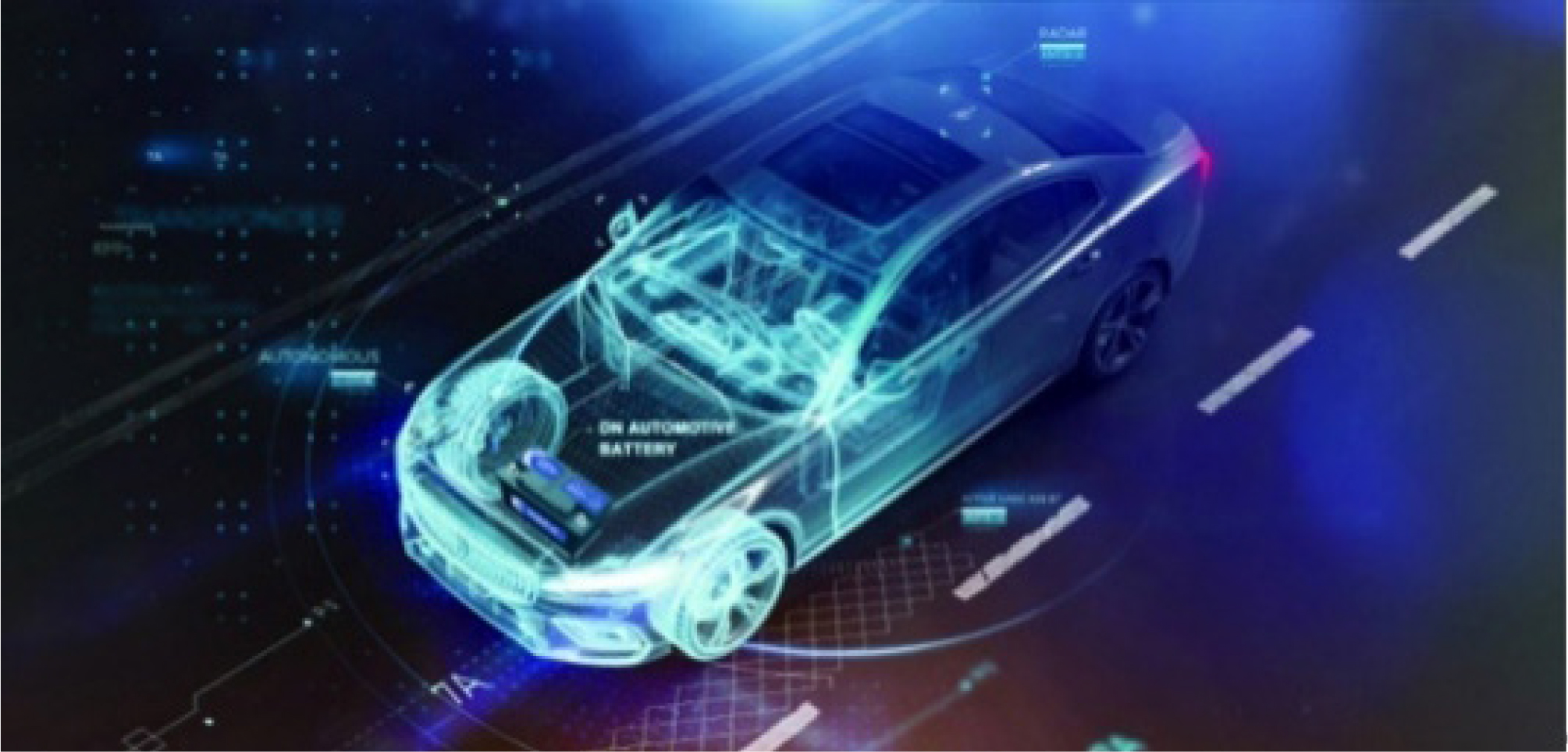
In line with the expanding electric vehicle (EV) market, DN Automotive has developed high-performance anti-vibration components for high-frequency vibration reduction, supplying them to next-generation EV manufacturers such as Tesla, Rivian, Nio, and GM. The company is also preparing future businesses, including anti-vibration components for autonomous vehicles, which are increasingly equipped with controllers and sensors.

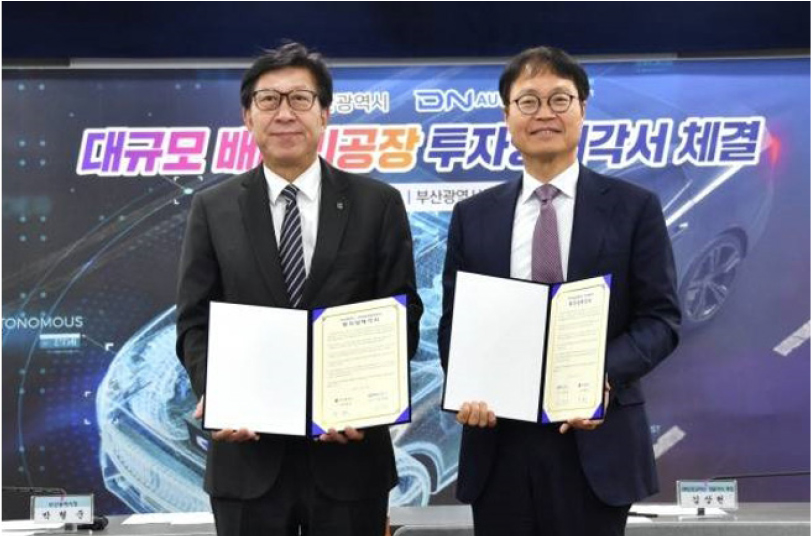
For its battery business, DN Automotive is expanding its production lines through facility investments to address the growing market demand for AGM batteries, in addition to existing MF batteries. The company has also completed the acquisition of land for a new plant in Busan, Korea.
A spokesperson for DN Automotive remarked, “Our winning of the $500 Million Export Tower is the fruition of our continuous investment in future mobility technology development, and our commitment to quality improvement to satisfy global customers. We will continue to expand exports and strengthen our global market leadership by optimizing our global production system and securing next-generation technologies.”
Meanwhile, DN Group, to which DN Automotive belongs, is a manufacturing innovation group leading the global market based on world-leading technology in machine tools, automotive parts, and batteries.
Since its establishment in 1971, DN Automotive has expanded its business from tires to automotive noise- and vibration-reduction solutions and batteries. With the acquisition of DN Solutions in 2022, DN Automotive entered the machine tool sector, supporting advanced manufacturing for customers across diverse demand industries, including aerospace, semiconductors, and energy. Based on this foundation, DN Solutions ranks third globally and first in Korea in terms of machine tool sales.
DN Automotive continues to strive for quality-improvement through continuous improvement. It invests 6% of its sales profits in research and development (R&D), led by approximately 270 employees at its global technology research center. This is part of a strategy to secure its competitiveness in global markets through quality-increase.


korean-machinery.com | Blog Magazine of korean-machinery, brands and Goods
TMC Rises as an Emerging LNG Cargo Tank Manufacturer

https://korean-machinery.com///inquiry

Winning the $7 Million Export Tower
[INQ. NO. 2601M01] TMC, a specialized LNG cargo-tank manufacturer, recently received the $7 Million Export Tower at the 62nd Trade Day ceremony.
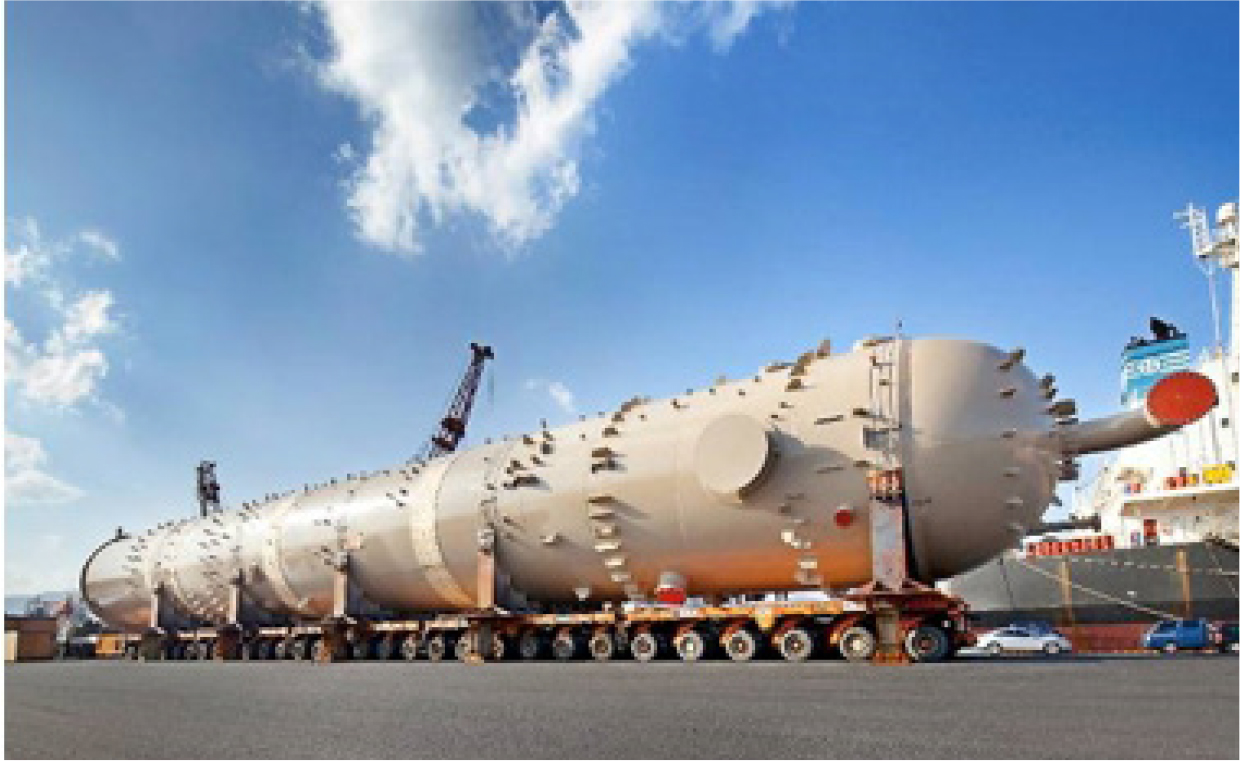
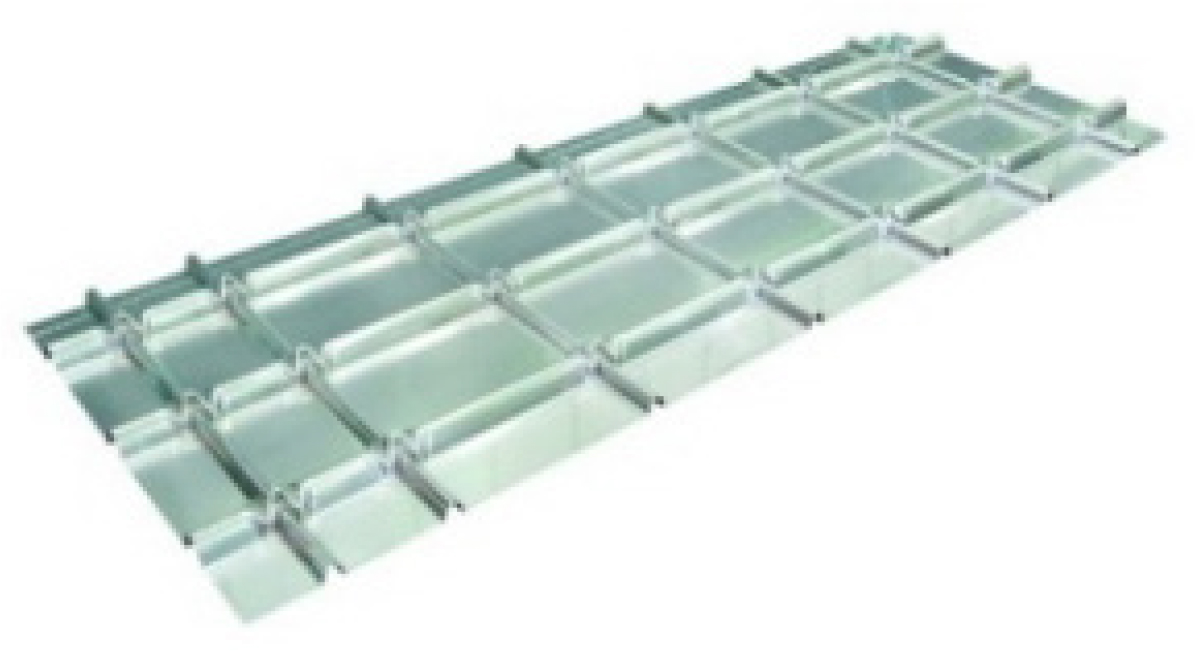
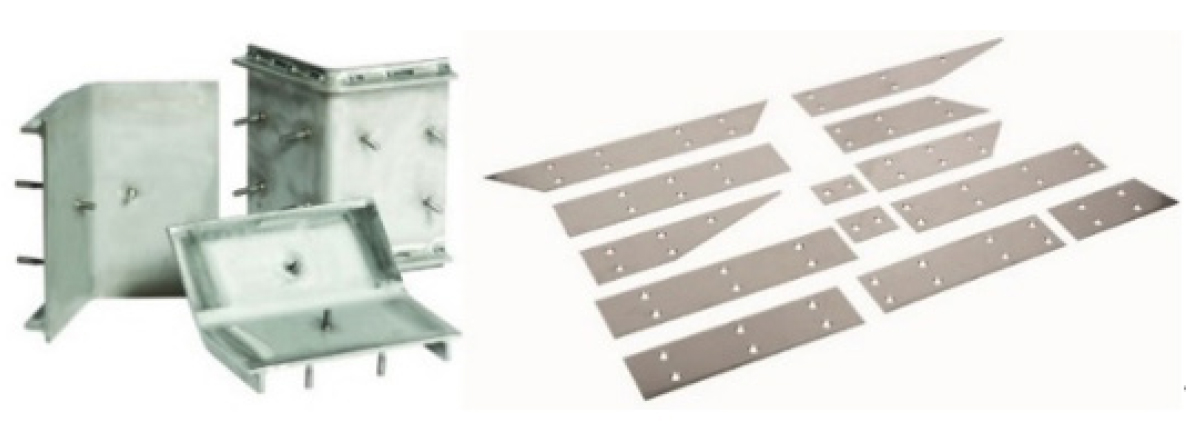
TMC’s main export products are essential components for LNG carriers – such as membranes, stainless steel corners, and anchor strips.
Founded in December 2001 as a specialized shipbuilding equipment company, TMC is an affiliate of the motor specialist Taehwa Group. It has established and operates molds and automated production systems for membranes, stainless steel corners, and anchor strips — key components of Mark-III type LNG cargo tanks.
Notably, in 2002, TMC received manufacturing process approval and factory approval for membrane sheets from Gaztransport et Technigaz (GTT), earning favorable reviews from leading global LNG carrier ship owners.
Currently, TMC is supplying membranes, manufactured using molds developed using its proprietary technology, to domestic LNG carrier manufacturers such as HD Hyundai Heavy Industries, Samsung Heavy Industries, HD Hyundai Samho Heavy Industries, and Korea Carbon.

A spokesperson for the company explained, “Although our export volumes are small compared to large corporations that export large quantities, we feel a sense of fulfillment and pride in exporting essential products for LNG carriers. We will continue to strive to provide the highest level of satisfaction to domestic and international shipowners through continuous research and development.”
Meanwhile, TMC has established and operates an automated production line to keep pace with the global trend toward high-insulation efficiency of cargo holds in LNG carriers. Furthermore, TMC has developed and completed prototypes of a 760-liter liquid hydrogen fuel tank and a 400-liter liquid hydrogen recon vessel.
Even today, TMC is making technological advances with its thorough craftsmanship, and is proud to be a world-class company that produces the best products for customer satisfaction.


korean-machinery.com | Blog Magazine of korean-machinery, brands and Goods
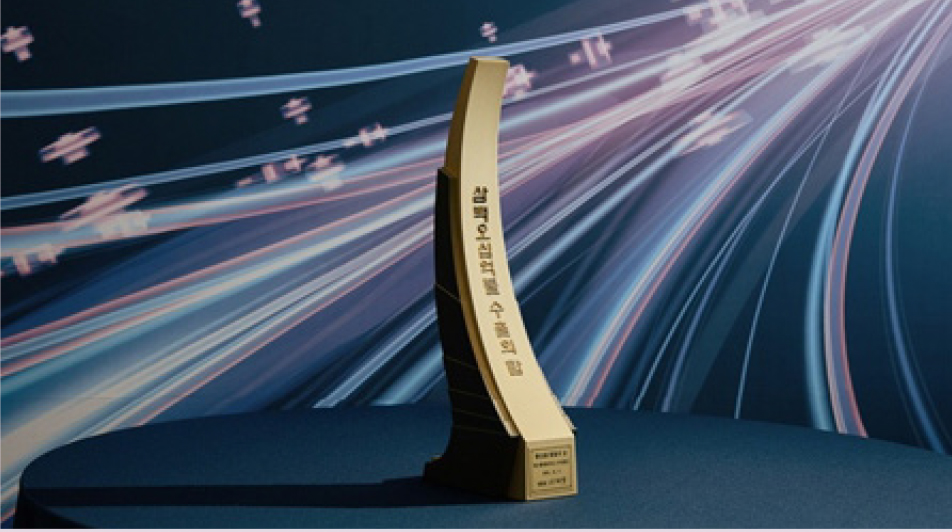
Korea’s Exporters

https://korean-machinery.com///inquiry

Korea’s Exporters Contribute to the Nation’s Growth More than Ever Before

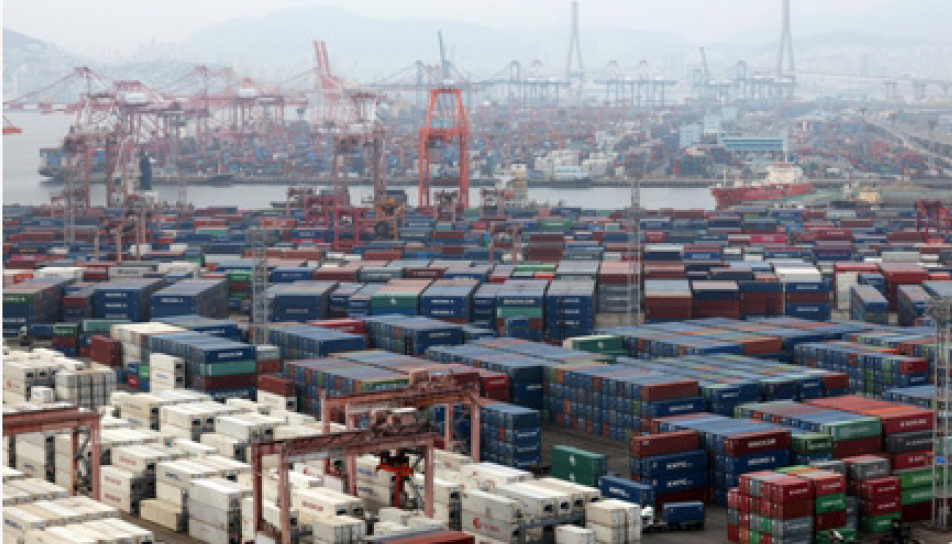
Helping the nations’ exports to reach $709.7 bil. in 2025

Last year, Korea’s exports surpassed $700 billion for the first time, achieving a record high. Fueled by the artificial intelligence (AI) boom, semiconductor exports reached a record high of $173.4 bil., driving the nation’s overall export growth. Exports in December last year increased by 13.4%, the highest-ever in December.
According to the Ministry of Trade, Industry and Energy (MOTIE), last year’s exports reached $709.7 bil., a 3.8% increase from the previous year, surpassing the previous record set in 2024. Daily average exports also rose by 4.6% to $2.64 bil., reaching a record high.
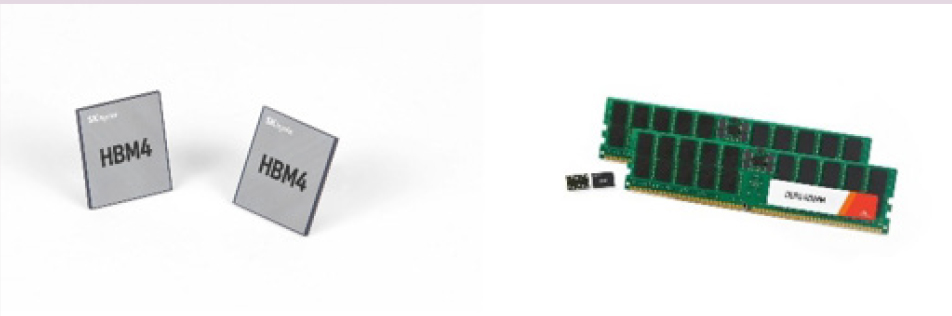
Semiconductor exports, the nation’s largest export item, surged by 22.2% to $173.4 bil., driven by rising prices and the booming investments in AI and data centers. This marked another record high, following the previous year’s record.

Automobile exports also reached a record high, rising by 1.7% to $72 bil. While exports to the United States, the largest market, declined due to the impact of U.S. tariffs, exports to the European Union (EU) and the Commonwealth of Independent States (CIS) saw positive growth, driven by robust exports of eco-friendly and used vehicles.
Exports of ships (up 24.9% to $32 bil.), computers (up 4.5% to $13.8 bil.), and wireless communication devices (up 0.4% to $17.3 bil.) also showed strong performance.
In celebration of the 62nd Trade Day, the nation’s government awarded Export Towers to 1,689 companies, in recognition of their export performance and of their contribution to the national economy.

SK Hynix received the highest Export Tower, for its semiconductor exports reaching $35 billion. Other recipients included Hyundai Glovis ($6 billion Export Tower), HD Hyundai Samho ($4 billion Export Tower), and Hyundai Rotem ($2 billion Export Tower).
The nation’s MOTIE’s Minister stated, “Our achievements of last year were the result of the combined competitiveness of our industries and our commitment to exports, symbolizing the strength and resilience of our economy and exports,” adding “Going forward, we will go beyond record-breaking exports and pioneer new avenues for our trade through industrial innovation and K-culture. We will also make every effort to implement policies that ensure the impact of our exports spreads to SMEs, regions, and workers.”


korean-machinery.com | Blog Magazine of korean-machinery, brands and Goods
Electric and Hydrogen Vehicles

https://korean-machinery.com///inquiry

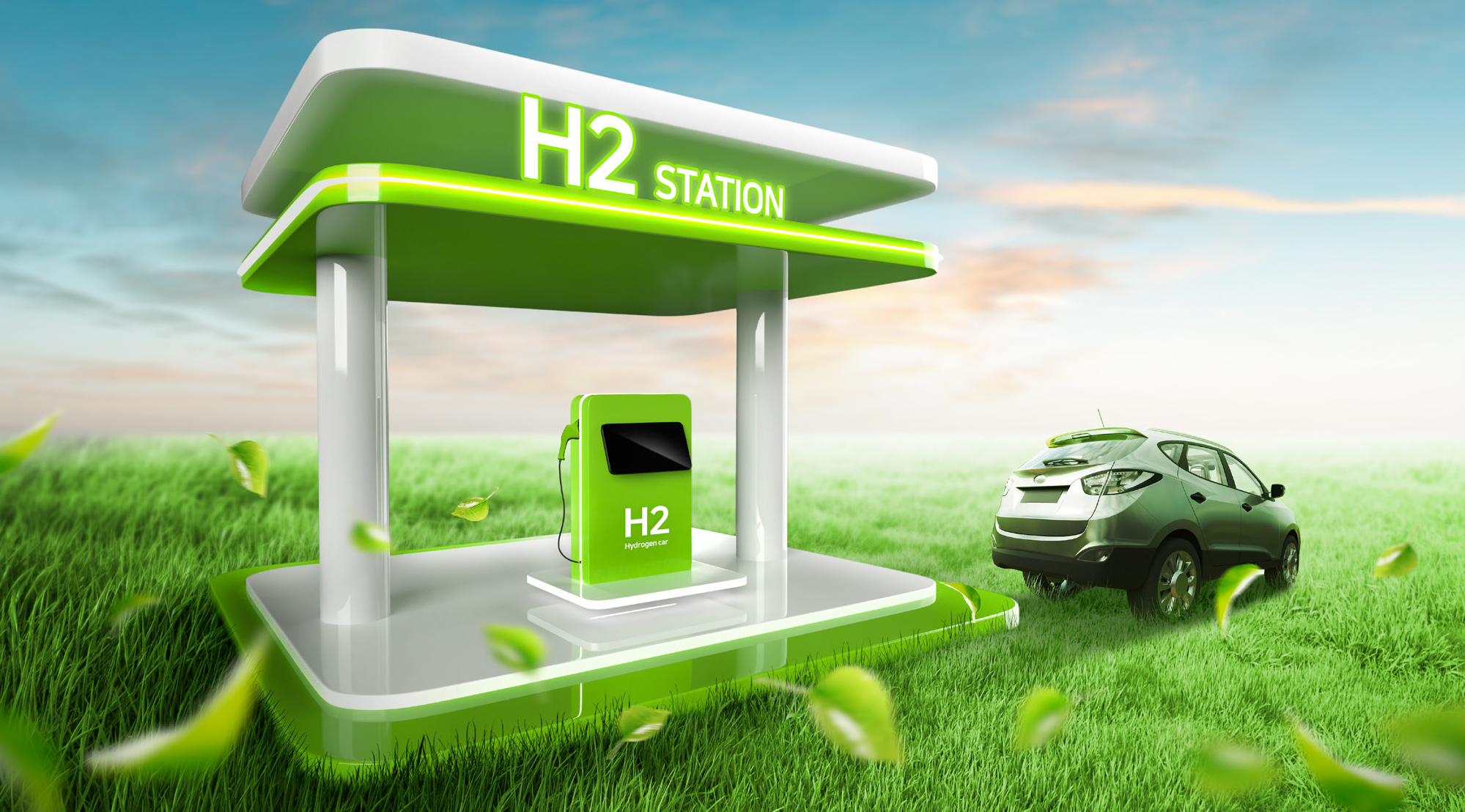
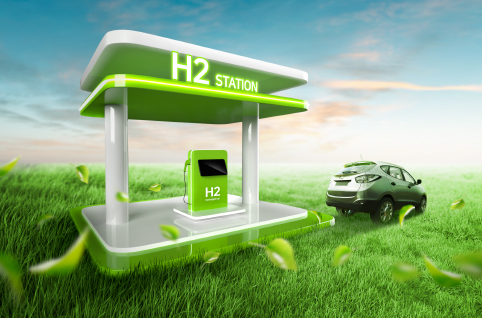
Korea Plans to Increase the Share of Electric and Hydrogen Vehicles

Raising a goal of distributing zero-emission vehicles

The government has set a goal of restructuring Korea’s entire automotive industry, including not only complete vehicles but also parts manufacturers, centered around eco-friendly vehicles.
The Ministry of Trade, Industry and Energy, jointly with relevant ministries, recently announced the K-Mobility Global Initiative Strategy that contains such contents. The core objective is to transition not only sales of complete vehicles but also parts manufacturers toward eco-friendly vehicles. The government’s goal is to increase the proportion of eco-friendly vehicles, including electric, hydrogen, and hybrid vehicles, to comprise 90% of new vehicle sales by 2035.
According to the Korea Automobile Mobility Industry Association, cumulative sales of domestic complete vehicles as of the third quarter of 2025 reached 1,036,912 units. Of these, eco-friendly vehicles accounted for 44%, or 457,321 units. The government aims to more than double the proportion of eco-friendly vehicle sales within 10 years.

The government also sets a goal for the distribution of zero-emission vehicles, including only electric and hydrogen vehicles. Assuming the 2035 National Greenhouse Gas Reduction Target (NDC), to be 53%, the lowest goal, a total of 9.52 million zero-emission vehicles must be supplied by 2035. The cumulative number of zero-emission vehicles distributed is approximately 750,000, representing only 7.8% of the target value.

The government plans to support the distribution of eco-friendly vehicles across the entire supply and demand chain. To increase demand, subsidies for passenger EVs will be significantly expanded from this year. Until last year, subsidies were limited to a maximum of KRW 5.8 million per vehicle, but starting this year, an additional KRW 1 million will be provided. This applies to scrapping old existing vehicles and purchasing eco-friendly vehicles. The total budget for subsidies has also been increased from KRW 780 billion this year to KRW 936 billion next year.
The government sets itself another goal of converting 70% of internal combustion engine parts companies into future vehicle parts companies by 2030. To facilitate allied mergers between companies, the government will provide support of up to 60% of the funding, up to a limit of KRW 20 billion. It will also support research and development, and 200 future vehicle specialized companies by training 70,000 future vehicle specialists by 2033.

 
korean-machinery.com | Blog Magazine of korean-machinery, brands and Goods
Tesla’s Autonomous Driving Technology

https://korean-machinery.com///inquiry

Tesla’s Autonomous Driving Technology Officially Enters Korea

GM also unveils its second-generation self-driving system.

Competing in the IT-receptive Korean market

Tesla’s flagship self-driving technology, Full Self-Driving (FSD), has been officially introduced in Korea, the seventh country in the world.
According to the automotive industry, Tesla recently released its ‘supervised FSD’ feature via an over-the-air (OTA) software update.

This update was applied to Tesla Model S and Model X vehicles equipped with the 4th-generation hardware (HW4) produced in North American factories.
This system accelerates, decelerates, changes lanes, and navigate routes on city streets and highways, but it is a Level-2 self-driving system that requires a driver to keep eyes on the road. Based on the test-drive data released by Tesla Korea, advanced features were identified — such as recognizing a speed limit sign, decelerating over a speed bump, and avoiding a stationary vehicle.
There are, however, still many obstacles to overcome before Tesla’s FSD is fully implemented in Korea. The update applied by Tesla this time is restricted to U.S.-produced vehicles. While vehicles imported into Korea under the Korea-U.S. Free Trade Agreement (FTA) can use the FSD feature without restrictions, vehicles manufactured at the Shanghai plant in China, which account for most domestic sales, are subject to separate safety standards, meaning that it will take longer until fully implemented.
As advanced global self-driving technologies are rapidly being introduced in Korea, technological competition will be also intensified. GM, ahead of Tesla, announced the launch of the Cadillac Escalade IQ this month and announced that advanced driver assistance system (ADAS) ‘Super Cruise’ will be applied. Super Cruise supports hands-free driving on tens of thousands of kilometers of highways and arterial roads.
These characteristics of the Korean market are also evident in sales of imported cars. From January to October of this year, Tesla’s Model Y ranked first in cumulative imported car sales. As 37,590 units were sold as a single vehicle, its sales are at least double those of the BMW 520 (12,408 units). Tesla ranked third among all imported vehicles, selling 47,962 units through October of this year, accounting for more than half of all imported electric vehicle sales.

 
korean-machinery.com | Blog Magazine of korean-machinery, brands and Goods
Korea’s Advancing Big-4 Defense Companies

https://korean-machinery.com///inquiry

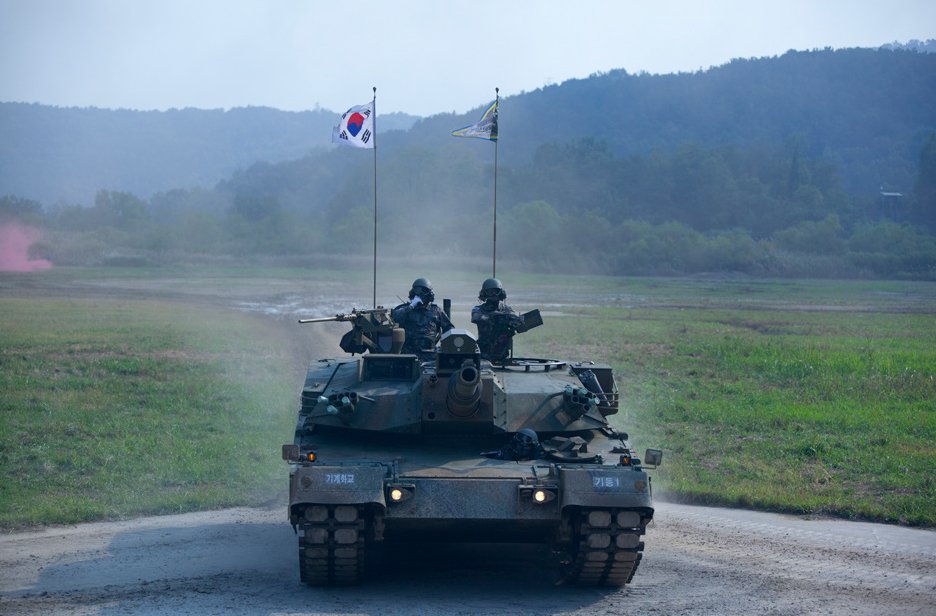
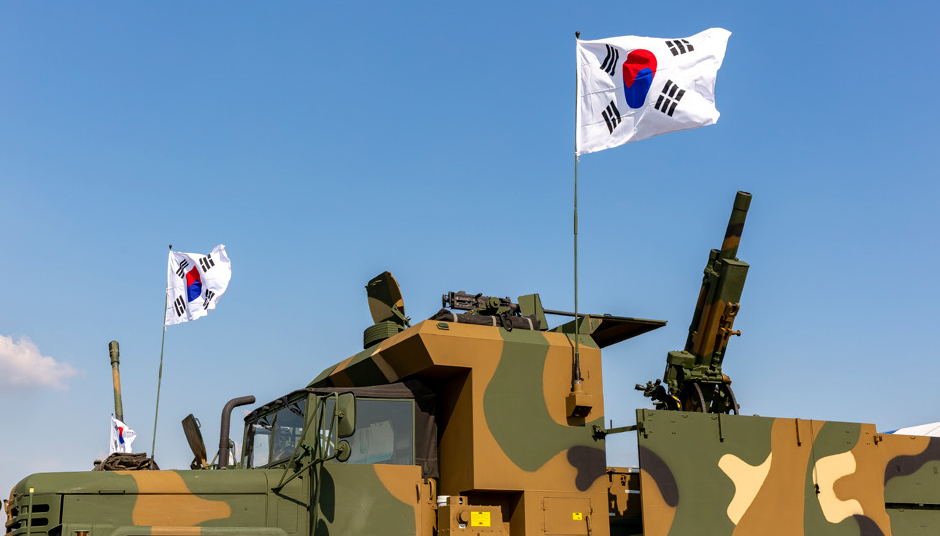
Korea’s Advancing Big-4 Defense Companies Expecting KRW 4 Trillion in Operating Profit

Korea’s four largest defense companies expect to exceed KRW 4 trillion in annual operating profit this year. Their combined operating profit for the 3rd quarter of 2025 (from July to September) reached KRW 3.49 trillion, already surpassing last year’s annual performance by over KRW 1 trillion.

According to each company’s disclosures, the four largest domestic defense companies — Hanwha Aerospace, Korea Aerospace Industries (KAI), Hyundai Rotem, and LIG Nex1 — have earned a cumulative operating profit of KRW 3.49 trillion through the 3rd quarter. This surpasses last year’s combined operating profit of KRW 2.4182 trillion by 44.4%, and with just 3 months left until the end of the year, their combined operating profit is likely to exceed KRW 4 trillion.
By company, Hanwha Aerospace posted operating profit of KRW 2.2817 trillion from January to September, accounting for 65% of total profits. Hyundai Rotem followed with KRW 738.2 billion, LIG Nex1 with KRW 280.8 billion, and KAI with KRW 192.2 billion.

Hanwha Aerospace achieved KRW 10 trillion in sales and KRW 1 trillion in operating profit last year for the first time in the Korean defense industry and is expected to exceed KRW 20 trillion in sales and KRW 2 trillion in operating profit this year. Hyundai Rotem’s cumulative operating profit in the third quarter also exceeded the last year’s annual performance, KRW 456.6 billion) by 61%, thanks to large-scale overseas orders including the second export contract for the Polish K2 tank.
With these companies’ defense industry orders backlog reaching KRW 118 trillion, forecasts suggest that growth will continue for the next 2~3 years.


korean-machinery.com | Blog Magazine of korean-machinery, brands and Goods
Increasing Electric and Hydrogen Vehicles

https://korean-machinery.com///inquiry

Increasing Electric and Hydrogen Vehicles… 9.5 Million Units in 10 Years

K-Mobility Initiative Strategy
Raising a goal of distributing zero-emission vehicles
Reducing individual consumption and acquisition taxes until next year

The government has set a goal of restructuring the entire automotive industry, including not only complete vehicles but also parts manufacturers, centered around eco-friendly vehicles.
The Ministry of Trade, Industry and Energy, jointly with relevant ministries, recently announced the K-Mobility Global Initiative Strategy that contains such contents. The core objective is to transition not only sales of complete vehicles but also parts manufacturers toward eco-friendly vehicles. The government’s goal is to increase the proportion of eco-friendly vehicles, including electric, hydrogen, and hybrid vehicles, to comprise 90% of new vehicle sales by 2035.
According to the Korea Automobile Mobility Industry Association, cumulative sales of domestic complete vehicles as of the third quarter of 2025 reached 1,036,912 units. Of these, eco-friendly vehicles accounted for 44%, or 457,321 units. The government aims to more than double the proportion of eco-friendly vehicle sales within 10 years.

The government also set a goal for the distribution of zero-emission vehicles, including only electric and hydrogen vehicles. Assuming the 2035 National Greenhouse Gas Reduction Target (NDC), announced on the 11th, to be 53%, the lowest goal, a total of 9.52 million zero-emission vehicles must be supplied by 2035. The cumulative number of zero-emission vehicles distributed is approximately 750,000, representing only 7.8% of the target value.

The government plans to support the distribution of eco-friendly vehicles across the entire supply and demand chain. To increase demand, subsidies for passenger EVs will be significantly expanded from next year. Until this year, subsidies were limited to a maximum of KRW 5.8 million per vehicle, but starting next year, an additional KRW 1 million will be provided. This applies to scrapping old existing vehicles and purchasing eco-friendly vehicles. The total budget for subsidies has also been increased from KRW 780 billion this year to KRW 936 billion next year.
The government set itself another goal of converting 70% of internal combustion engine parts companies into future vehicle parts companies by 2030. To facilitate allied mergers between companies, the government will provide support of up to 60% of the funding, up to a limit of KRW 20 billion. It will also support research and development, and 200 future vehicle specialized companies by training 70,000 future vehicle specialists by 2033.

korean-machinery.com | Blog Magazine of korean-machinery, brands and Goods
Tesla’s Self-Driving Offensive

https://korean-machinery.com///inquiry

Tesla’s Self-Driving Offensive… Korean Cars on the Edge

7th company to enter the market, following the USA, Canada, and China
GM also unveils its second-generation self-driving system.
Competing in the IT-receptive Korean market

Tesla’s flagship self-driving technology, Full Self-Driving (FSD), has been officially introduced in Korea, the seventh country in the world.
According to the automotive industry, Tesla recently released its ‘supervised FSD’ feature via an over-the-air (OTA) software update.
This update was applied to Tesla Model S and Model X vehicles equipped with the 4th-generation hardware (HW4) produced in North American factories.

This system accelerates, decelerates, changes lanes, and navigate routes on city streets and highways, but it is a Level-2 self-driving system that requires a driver to keep eyes on the road. Based on the test-drive data released by Tesla Korea, advanced features were identified — such as recognizing a speed limit sign, decelerating over a speed bump, and avoiding a stationary vehicle.
There are, however, still many obstacles to overcome before Tesla’s FSD is fully implemented in Korea. The update applied by Tesla this time is restricted to U.S.-produced vehicles. While vehicles imported into Korea under the Korea-U.S. Free Trade Agreement (FTA) can use the FSD feature without restrictions, vehicles manufactured at the Shanghai plant in China, which account for most domestic sales, are subject to separate safety standards, meaning that it will take longer until fully implemented.
As advanced global self-driving technologies are rapidly being introduced in Korea, technological competition will be also intensified. GM, ahead of Tesla, announced the launch of the Cadillac Escalade IQ this month and announced that advanced driver assistance system (ADAS) ‘Super Cruise’ will be applied. Super Cruise supports hands-free driving on tens of thousands of kilometers of highways and arterial roads.
These characteristics of the Korean market are also evident in sales of imported cars. From January to October of this year, Tesla’s Model Y ranked first in cumulative imported car sales. As 37,590 units were sold as a single vehicle, its sales are at least double those of the BMW 520 (12,408 units). Tesla ranked third among all imported vehicles, selling 47,962 units through October of this year, accounting for more than half of all imported electric vehicle sales.

korean-machinery.com | Blog Magazine of korean-machinery, brands and Goods