Korean Companies Pioneering Global Markets

https://korean-machinery.com///inquiry

Unveiling New Competitive Exports Items

Korea’s exports of May 2026 reached $87.75 billion, breaking the all-time monthly record. Driven by a super-cycle of demand, the semiconductor sector also recorded its highest-ever performance.

Monthly exports have exceeded $80 bil. for three consecutive months since first surpassing the $80 bil. mark in March.
Exports of non-semiconductor items also showed a steep upward trend, rising by an average of 16%.
As unit prices for petroleum and petrochemical products rose significantly due to the impact of the Middle East war, exports of petroleum products increased by 46.6% to $5.25 bil., while exports of petrochemicals rose by 11.1% to $3.7 bil.
However, automobiles, a key export product, fell by 5.9% to $5.83 bil. due to reduced working days, fires at domestic parts suppliers, and logistical disruptions caused by the Middle East war.

Korean exporters are ceaselessly releasing new products. In their efforts toward accomplishing their export performance goals for this year, creative steps are being taken to pioneer their own potential buyers and markets.

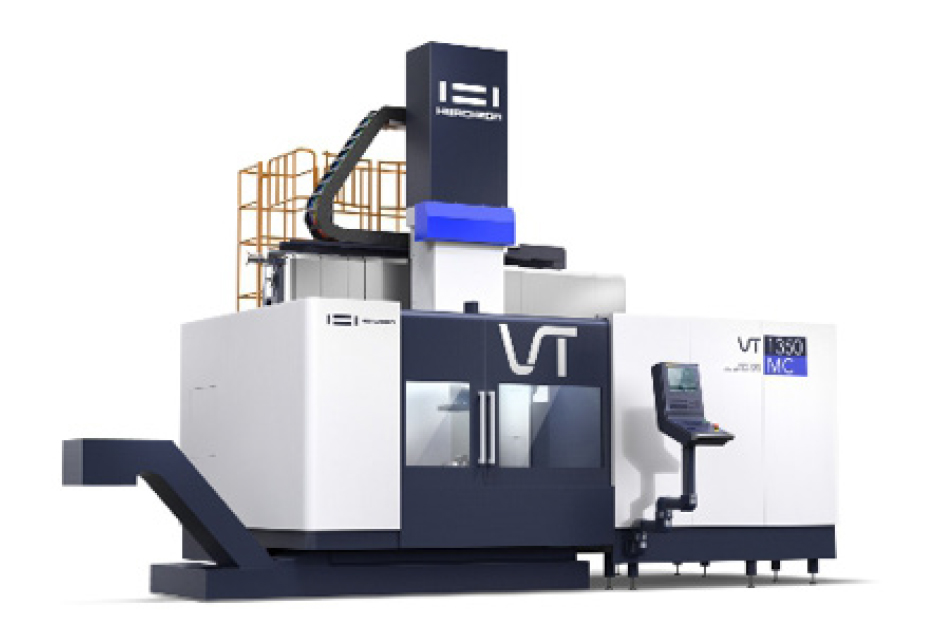
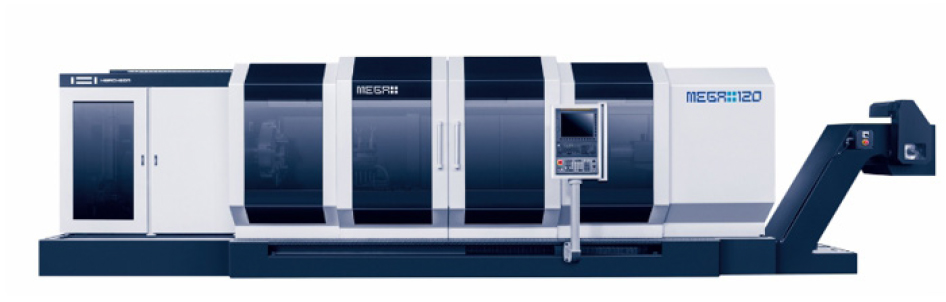
DN Solutions’ DNM 6700XL is a highly productive vertical-machining center equipped with a 2,100mm X-axis optimized for the cutting of medium- to large-sized display parts. Featuring productivity improvement with the standardized direct-coupled spindle, which is crucial to high-precision cutting, DNM 6700XL drastically reduces spindle vibration and noise generated during high-speed cutting.
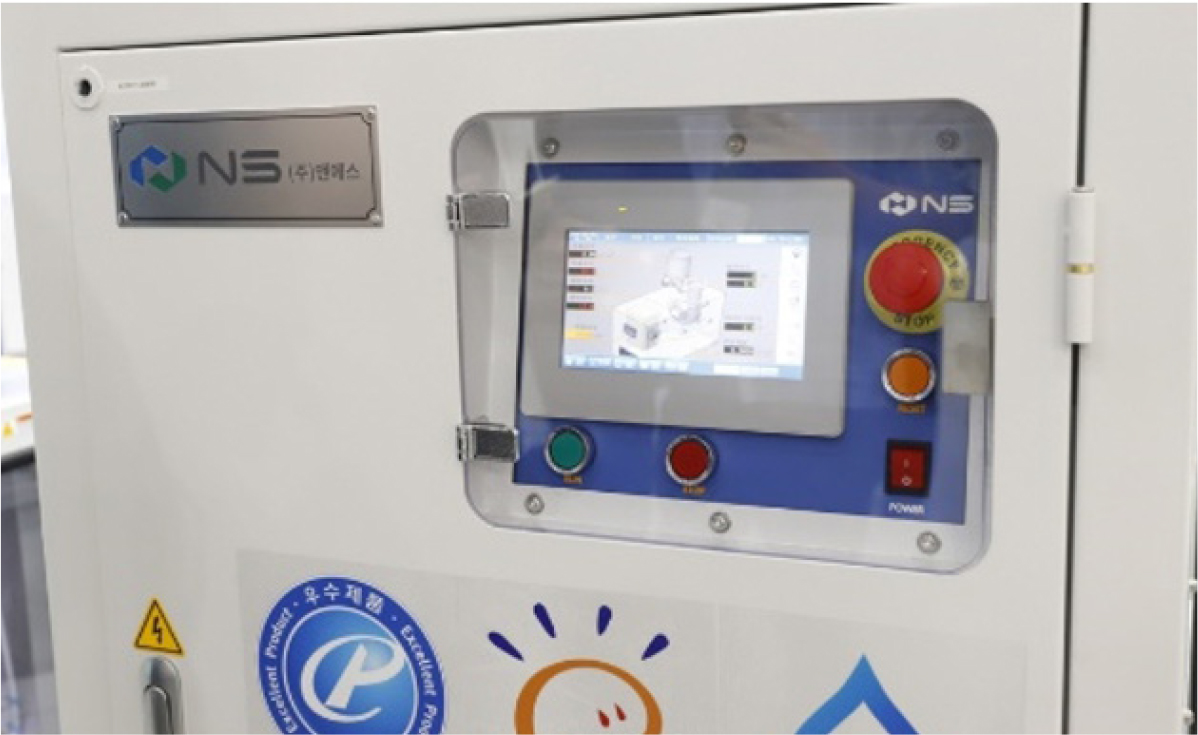
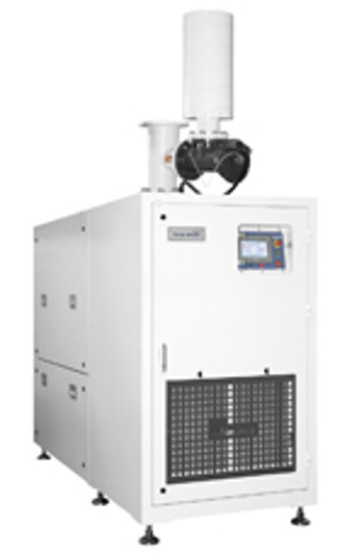
DXG’s flagship product DGA-X is an in-situ type analyzer utilizing a UV light source. This device, capable of simultaneously measuring three components — NOx, SO2, and NH3 — is DXG’s representative model, boasting a track record of over 1,000 units delivered nationwide. This model is applicable to various processes, including TMS, SCR, and FGD.


korean-machinery.com | Blog Magazine of korean-machinery, brands and Goods
Hyundai Motor Group to Develop Robotic Hands

https://korean-machinery.com///inquiry

Laying the groundwork to break free from dependence on American and Japanese parts

Hyundai Motor Group is directly developing the ‘robotic hand (gripper),’ a core component of humanoid robots.
According to the automotive industry, it has been confirmed that Hyundai Motor’s Robotics LAB is conducting in-house advanced research and development on customized grippers capable of stably lifting and transporting heavy components such as battery packs, car bodies, vehicle glass, and seats.

A gripper is a device that acts as a hand for a robot to grasp objects or perform fine motions. Even when using the same robotic arm, the gripper that is used affects work precision, production speed and safety. Therefore, it is considered core technology that determines the competitiveness of robotic automation.
As the automotive industry has recently shifted toward electric vehicles, the weight and shape of parts that must be handled in the production processes are becoming increasingly diverse.
Hyundai’s in-house development of gripper technology aligns with its smart-factory strategy. Hyundai Motor Group is enhancing the level of factory automation centered on its AI-based manufacturing innovation platform, ‘e-Forest.’ Securing customized grippers for each process is expected to expand the scope of robot application, improve productivity, and reduce industrial accidents.
Hyundai Motor Group’s moves to strengthen its competitiveness in manufacturing-specialized robot technology are also drawing attention. Since acquiring Boston Dynamics in 2021, the group has been dedicated to enhancing its humanoid robot development capabilities. The acquisition of this gripper technology is interpreted as an extension of its strategy to strengthen practical robotics competitiveness tailored to manufacturing sites.
In particular, as Hyundai Mobis, a key parts subsidiary of Hyundai Motor Group, has agreed to supply mass-production actuators for Boston Dynamics’ humanoid robot ‘Atlas,’ greater synergies in robotics technology among group companies are also anticipated.
While there has been high dependence on Japanese and European companies for core components of existing industrial robots, this strategy simultaneously increases competitiveness in smart factories and physical AI by securing competitiveness in key components such as hands and joints within the group.


korean-machinery.com | Blog Magazine of korean-machinery, brands and Goods
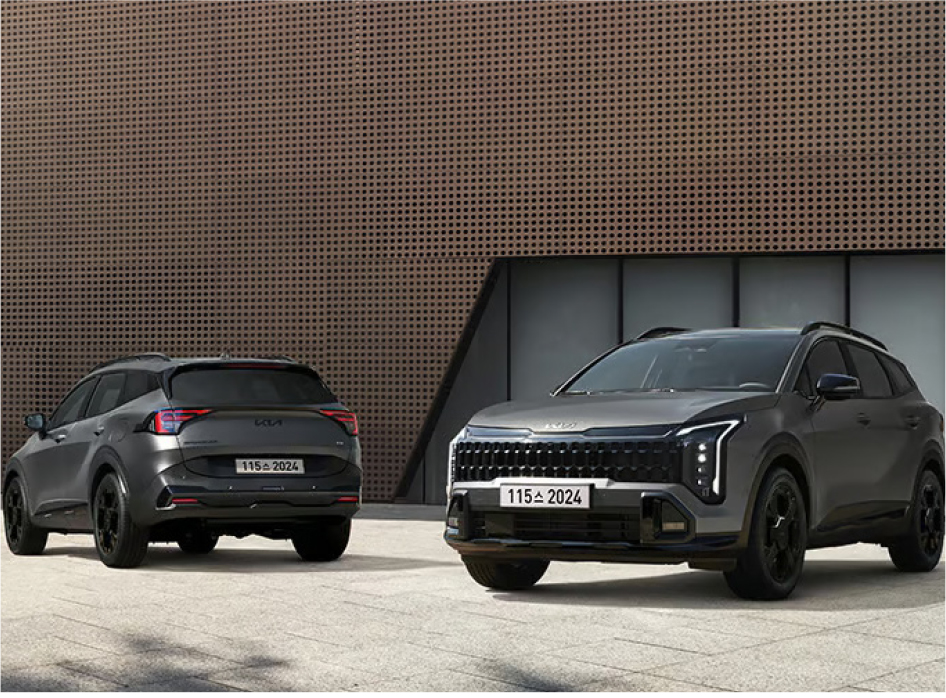
Steel is Reviving as the Framework for U.S. Data Centers

https://korean-machinery.com///inquiry

Steel exports to the USA hit a 10-year high, breaking through 50% tariff barrier
Rebar exports, previously experiencing sluggish sales, increased 11-fold

The South Korean steel industry has broken through the 50% tariff barrier and achieved its highest export performance in the U.S. market in over a decade. This is the result of explosive local steel demand driven by a confluence of large-scale U.S. infrastructure investment and a data-center construction rise fueled by the artificial intelligence (AI) boom.
According to trade statistics from the Korea Iron and Steel Association, South Korea’s steel exports to the United States reached 399,852 tons last April, marking the highest figure since February 2015 (404,155 tons). Exports to the United States, which had plummeted to 154,160 tons last August when the impact of tariffs began to take effect in full-scale, have continued a clear upward trend this year, recording 307,338 tons in February, 334,193 tons in March and 399,852 tons in April.

Rebar is leading the export drive. After previously accounting for practically zero of the total exports, Rebar has rapidly emerged as a new flagship product for the Korean steel industry by generating explosive demand in the U.S. market. Rebar exports to the USA reached 117,779 tons in January and 94, 115 tons in April, surging more than 11-fold compared to June of last year (8,136 tons), immediately following the implementation of tariffs.
The export boom is not limited to rebar. Exports of color-coated steel sheets to the United States in April surged by 136.8% compared to June of last year (10,122 tons) to 23,968 tons. Exports to the United States expanded across virtually all categories except heavy plates, including galvanized steel sheets (92.8%), cold-rolled steel sheets (89.4%), and steel pipes (51.6%). Steel pipes recorded the highest absolute volume among export items to the United States at 136,554 tons.
Data centers are often built on larger sites than general buildings — with high-rise or multi-story structures, requiring a greater amount of construction steel, such as Rebar.
Hyundai Steel has signed a strategic framework agreement (SFA) with Amazon Web Services (AWS) and is supplying eco-friendly steel materials, including carbon-reducing steel and H-beams, to major data centers in the Asia-Pacific region. Dongkuk Steel has also set a goal to increase its export share from 11% last year to 15% this year, with its customized steel product for data centers, called ‘D-Mega Beam.’
All of the strategies to expand exports were reflected in the first-quarter results. Dongkuk Steel achieved an earnings surprise, with its operating profit in the first quarter, KRW 21.4 billion, skyrocketing by 403.9% compared to the same period last year. Hyundai Steel also marked a turnaround from an operating loss of KRW 19 billion in the first quarter of last year to an operating profit of KRW 15.7 billion in the first quarter of this year. Hyundai Steel’s sales of rebar to the United States surged 286% compared to the previous quarter, leading to a performance rebound.


korean-machinery.com | Blog Magazine of korean-machinery, brands and Goods
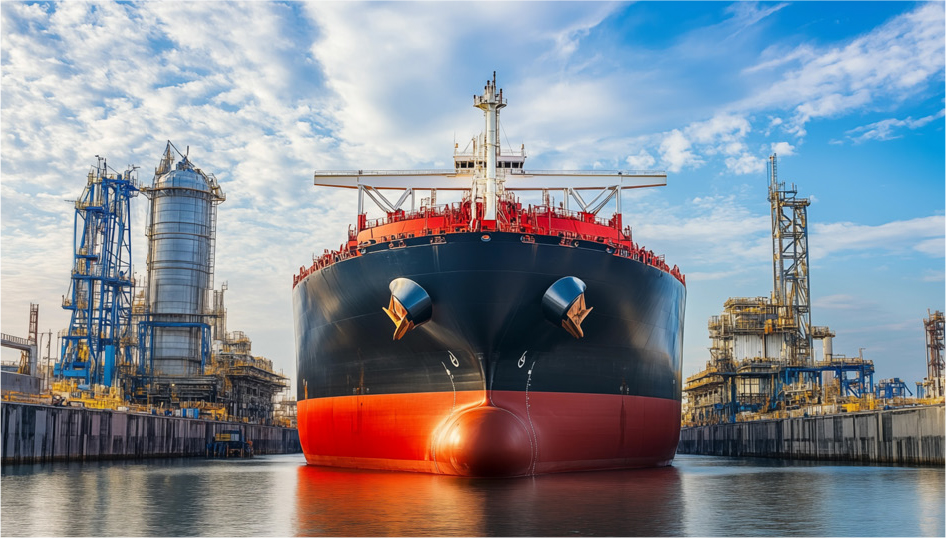
K-Shipbuilding Industry’s Order-Winning Rally is Sailing Smoothly, Already Halfway toward Reaching its Annual Target

https://korean-machinery.com///inquiry

South Korea’s shipbuilding industry has been sailing smoothly while continuously winning a lot of orders since the beginning of this year. Market analysts evaluate that a selective-order strategy centered on high-value-added energy vessels is leading to such improved performance and achievement of the targeted number of orders. According to the shipbuilding industry, HD Korea Shipbuilding & Offshore Engineering Co., Ltd., which is the intermediary holding company of HD Hyundai, has won orders for a total of 96 vessels worth USD 11.32 billion so far this year. This amounts to 48.6% of its annual order target, USD 23.31 billion. Compared to the same period last year, when orders were secured for 53 vessels worth USD 6.55 billion, achieving 35.5% of the target. The number of orders, the value, and the speed of target achievement have all accelerated significantly.

Last year, container ships accounted for more than half of total orders, but this year, the share of orders for liquefied natural gas (LNG) carriers, liquefied petroleum gas (LPG) and ammonia carriers, and petrochemical product carriers (PC carriers) has expanded rapidly. In particular, LNG carrier orders have already reached 14 vessels this year, double the annual volume of seven vessels last year. Meanwhile, LPG ammonia carrier orders have also increased from 11 vessels last year to 20 this year. Orders for PC carriers also recorded 26 vessels, surpassing last year’s annual order volume.

Hanwha Ocean is also seeing an improvement in its order flow this year. To date, the company has secured orders for a total of 19 vessels worth approximately USD 3.44 billion, including 10 Very Large Crude Carriers (VLCCs), five LNG carriers, three Very Large Ammonia Carriers (VLACs), and one Wind Turbine Installer Vessel (WTIV). This represents an increase in scale compared to the same period last year (14 vessels worth USD 3 billion).
Meanwhile, Samsung Heavy Industries has secured orders for a total of 17 vessels worth USD 3.4 billion so far this year. Of these, orders for merchant vessels alone amounted to USD 3 billion, already meeting 52.6% of its annual merchant vessel target of USD 5.7 billion. By vessel type, the orders include six LNG carriers, two Very Large Ethane Carriers (VLECs), two Very Large Gas Carriers (VLGCs), two container ships, and four crude oil carriers.
 
 
korean-machinery.com | Blog Magazine of korean-machinery, brands and Goods
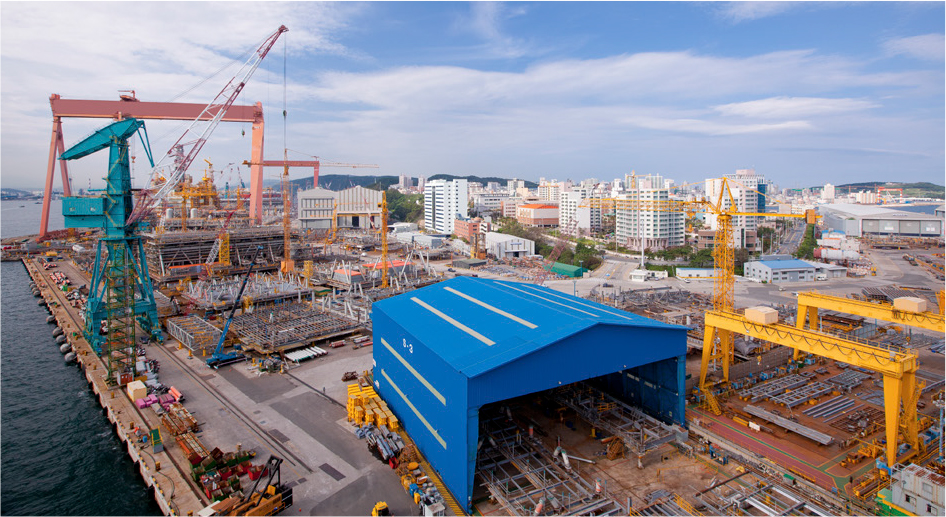
K-Construction Machinery Firms Strengthen Local Strategies in China

https://korean-machinery.com///inquiry

HD Construction Equipment strengthens ultra-large equipment
Bobcat accelerates with entry-level brands

China, the world’s largest construction equipment market, is on the move again. As sluggish demand for construction equipment in China showed signs of a rebound last year, Korean companies are also strengthening their market responses. They are enhancing production efficiency and supply-chain competitiveness while simultaneously reinforcing strategies for supplying localized products for the Chinese market.

According to sources in the construction industry, China emerged as the center of the global construction equipment market from late 2010 to the early 2020s, driven by a combination of large-scale urbanization and high economic growth. During this period, Korean construction equipment companies also generated a significant portion of their global revenue from China. Combining the letters of ‘Hyundai’ and ‘DEVELON,’ HD Construction Equipment Co., Ltd. recorded a market share of over 10% of the Chinese market between 2015 and 2019.
According to Off-Highway Research, a UK-based firm specializing in research on construction equipment, demand for construction equipment in China surpassed 200,000 units again last year. With an average annual growth rate of around 4%, demand is projected to exceed 250,000 units by 2029.
HD Construction Equipment Co., Ltd. is defending its profitability with product lines with strengths such as ultra-large equipment, while maintaining its local market share through more affordable models. In particular, the company consolidated product manufacturing from ‘hidden champions’ in China into Yantai Corporate to enhance operational efficiency and cost effectiveness, while also focusing on strengthening its capacity to respond to emerging markets. The company’s Yantai plant is expected to serve as its export hub, alongside its factories in Korea and India.
Korea’s Doosan Bobcat is also keeping a close eye on the Chinese market. Bobcat plans to accelerate its market penetration by leveraging its entry-level brand, ‘Bobcat Earthforce,’ which offers both core performance and price competitiveness tailored to the practical demands of construction sites.


korean-machinery.com | Blog Magazine of korean-machinery, brands and Goods

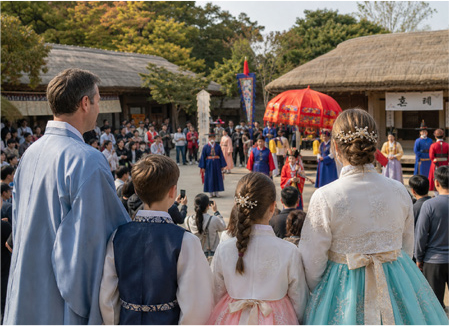
Jjimjilbang

https://korean-machinery.com///inquiry

Jjimjilbang: A Living Ritual of Heat Rest and Community

A unique wellness space in modern Korea
The contemporary landscape of South Korean tourism is shaped by the meeting of traditional wellness practices and advanced hospitality. At its center stands the jjimjilbang, a multi-functional institution that extends beyond the typical idea of a spa or sauna.
The jjimjilbang functions as a social and restorative environment where people of all backgrounds participate in shared routines of hygiene, thermal therapy, and rest. It has become a widely recognized cultural experience that blends everyday life with structured wellness practices.

Roots in history and thermal philosophy
The origins of Korean bath culture are deeply connected to early uses of natural hot springs, valued for detoxification and stress relief. Over time, these practices were influenced by religious and medicinal traditions that framed bathing as both physical and spiritual cleansing.
Historical records describe organized sauna facilities supported for health purposes, including kiln-based systems heated with wood. These early forms established a foundation for modern jjimjilbang experiences, linking contemporary facilities to long-standing traditions of thermal healing.

The science of heat and materials
The jjimjilbang experience is shaped by traditional heating technologies that define both comfort and therapeutic effects. Ondol underfloor heating provides gentle warmth that encourages floor-based relaxation and social interaction within shared spaces.
Kiln systems generate more intense heat, often producing far-infrared radiation that is associated with circulation and muscle relief. Various materials such as stone, charcoal, and minerals contribute to the diversity of environments found within different sauna rooms.

The structured ritual of visiting
A visit follows a clear sequence that emphasizes cleanliness and shared etiquette. Guests begin by storing their shoes, receiving a wristband, and changing into provided clothing, marking the transition from the outside world into a controlled communal setting.
The bathing area requires full cleansing before entering pools of varying temperatures. This step is considered essential, reflecting a strong cultural expectation of respect for others within shared spaces. The process establishes both hygiene and social harmony.
Professional exfoliation services offer a distinctive experience, using textured towels to remove dead skin thoroughly. Though vigorous, this practice is widely regarded as beneficial and contributes to the overall sense of renewal associated with the visit.

Shared spaces and themed environments
After bathing, visitors move into co-ed areas where families and groups gather. These spaces feature heated floors and multiple themed rooms, each offering different temperatures and materials designed to create varied sensory and wellness experiences.
Rooms may include salt, charcoal, or mineral-based environments, as well as cooler areas for contrast. Together, they form a cycle of heating and cooling that encourages relaxation, circulation, and extended stays within the facility.

Food and recovery within the experience
Food and drink play a meaningful role in the jjimjilbang routine. After intense heat exposure, visitors often consume traditional items designed to restore hydration and energy, reinforcing the connection between physical treatment and nourishment.
Popular options include a sweet rice beverage served cold and eggs slow-cooked within heated environments. These foods are closely associated with the spa experience and are valued for both their taste and restorative qualities.
A traditional seaweed soup is also widely recognized for its nutritional properties. Its cultural symbolism, tied to care and recovery, adds another layer of meaning to the overall experience of wellness and renewal.

Changing trends and modern transformations
In recent years, the industry has undergone significant transformation. Traditional facilities have declined in some areas, while new formats have emerged, ranging from high-end complexes to revitalized rustic kiln centers that preserve older methods.
Modern spaces increasingly emphasize design, technology, and curated environments. Features such as themed interiors and advanced systems reflect a shift toward a more immersive and visually engaging form of wellness tourism.
Emerging technologies are also being integrated into these environments, introducing new forms of health screening and personalized recommendations. These developments indicate a broader movement toward combining traditional practices with contemporary innovation.

A cultural experience for global visitors
The jjimjilbang has become an important part of Korea’s tourism offering, appealing to a wide range of visitors. It provides an accessible and immersive way to experience local culture through daily routines centered on relaxation and communal living.
As facilities adapt to international visitors, including improved accessibility and guidance, the experience continues to expand beyond its local roots. It represents a model of how traditional practices can evolve while maintaining their cultural identity.


korean-machinery.com | Blog Magazine of korean-machinery, brands and Goods

Korea’s Exports Soar

https://korean-machinery.com///inquiry

Korea’s Exports Soar, Backed by the Global Expansion of AI Infrastructure

Recording all-time high of $ 85.9 billion

Driven by the global expansion of artificial intelligence (AI) infrastructure, Korea’s exports have broken all-time records for the month of April.
The nation’s exports in April recorded $85.89 billion, a 48.0% increase compared to the same month last year. Imports rose by 16.7% to $62.11 billion, resulting in a surplus of $23.77 billion in trade balance. With this, Korea set a record by surpassing $80 billion in exports and $20 billion in trade balance for the first time in history.

The undisputed star contributor was semiconductors. As global investment in AI infrastructure expanded, massive demand emerged for both NAND and DRAM, causing semiconductor exports to surge by a staggering 173.5% year-on-year to reach $31.9 billion. This marks the highest monthly record for the 13th consecutive month. The computer (SSD) sector also showed growth, increasing by 515.8% due to an explosion in demand for data centers driven by the spread of AI.

On the other hand, the automobile sector declined by 5.5% due to disruptions in maritime logistics caused by the war in the Middle East and the impact of expanded local production, while the eco-friendly vehicle sector maintained its growth.

Looking at the landscape of major exports, seven out of nine regions showed consistent positive growth. In particular, exports to China, the largest market, recorded $17.7 billion, a 62.5% increase driven by strong performance in IT items such as semiconductors, continuing a favorable trend for six consecutive months. Exports to the United States also surged by 54.0% to $16.3 billion. Meanwhile, exports to the Middle East plummeted by 25.1% as most items declined due to disruptions in port operations caused by the ongoing war.
Imports rose overall, driven by a combination of soaring international oil prices due to instability in the Middle East and increased demand for semiconductor equipment.


korean-machinery.com | Blog Magazine of korean-machinery, brands and Goods
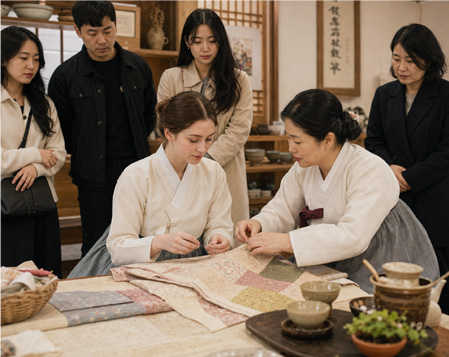
Hyundai Motor’s

https://korean-machinery.com///inquiry

Hyundai Motor’s New GV70 EV to be Produced in Ulsan

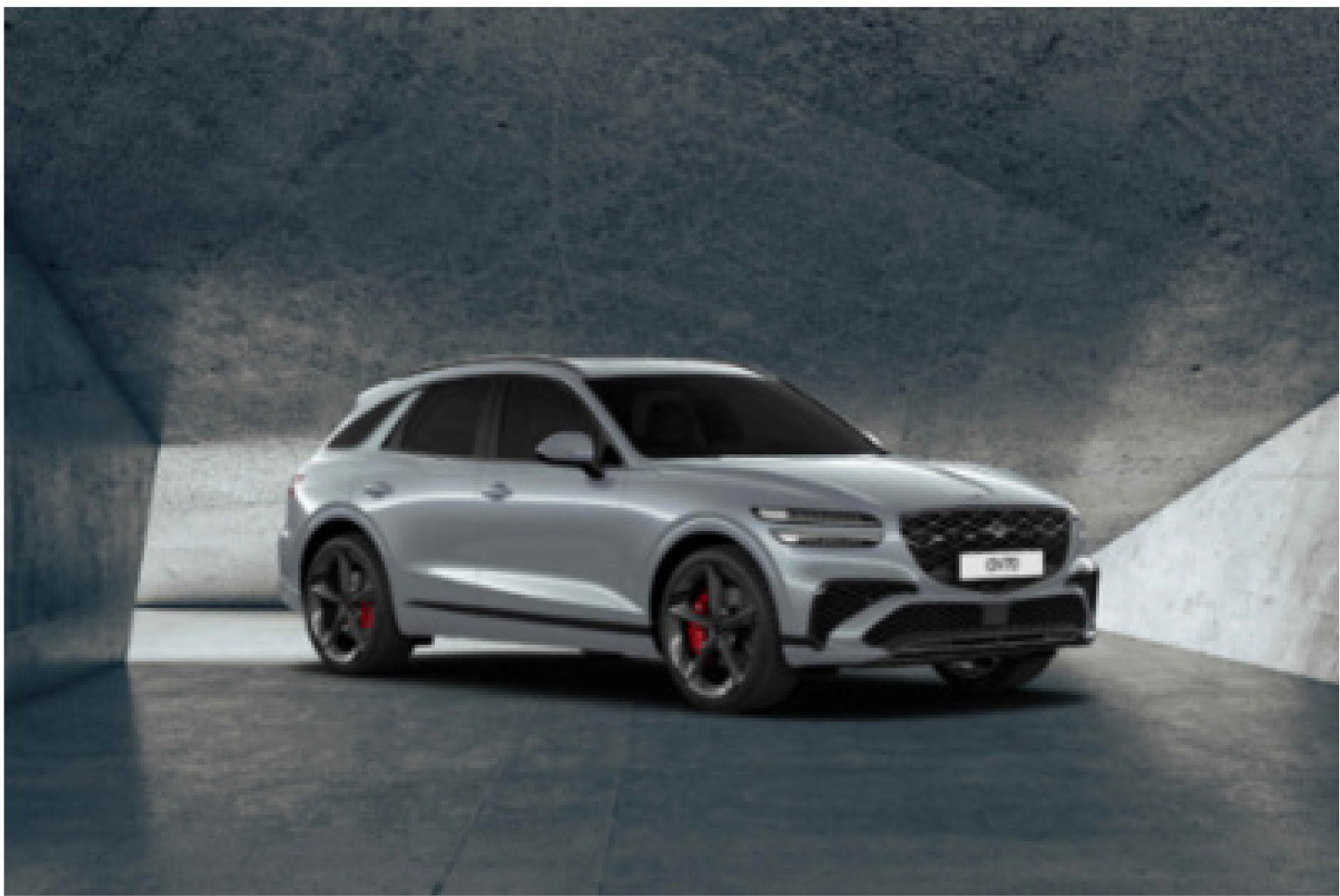
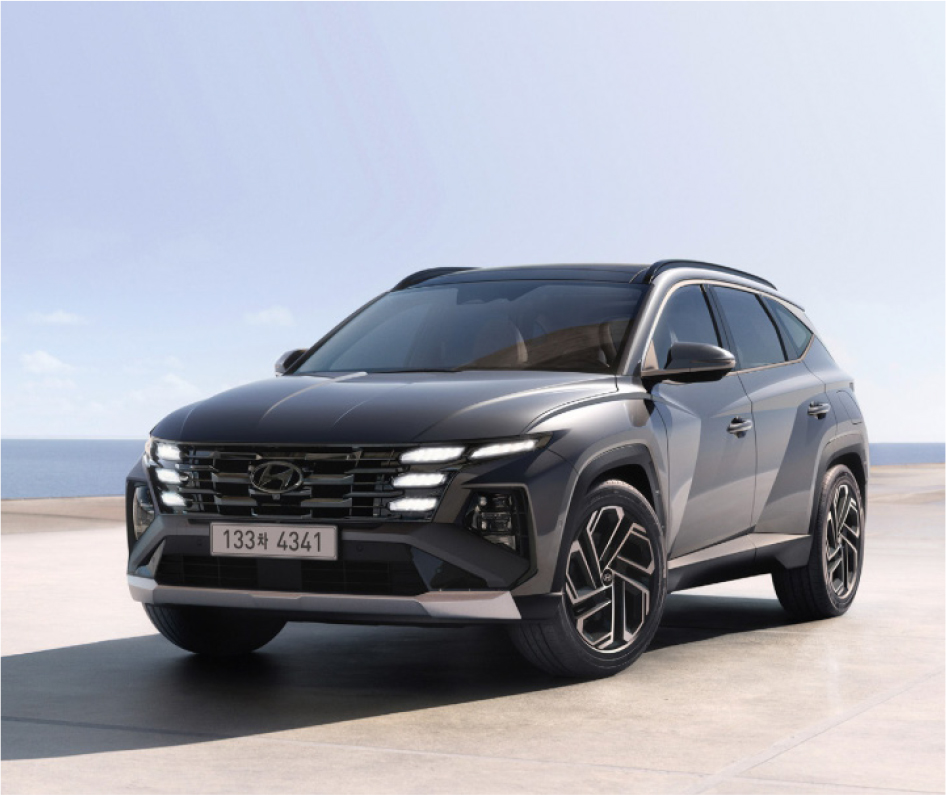
[INQ. NO. 2605M15] Hyundai Motor Company plans to establish a production base at its plant in Ulsan, South Korea, for its GV70’s Extended-Range Electric Vehicle (EREV) — instead of North America. The GV70 EREV is currently under development as a core model for its next-generation electric vehicles. By adding a key future vehicle production line as part of the reconstruction of the Ulsan plant, the company is strengthening its strategy to establish Ulsan as a ‘Mother Factory.’
According to sources in Korea’s automotive industry, Hyundai Motor Company is considering producing the GV70 EREV at its Ulsan plant, a project originally intended for local production in North America. By shifting the base for next-generation electrification production from the United States to Korea, the company is also introducing changes to its global supply strategy.
EREV is an electrification technology where the engine acts as a generator when battery power is insufficient. Unlike Plug-in Hybrid Electric Vehicles (PHEVs), the engine does not directly intervene in propulsion but is used solely for battery charging. It is considered a next-generation electric vehicle that takes conventional hybrid-vehicle power technology to the next level.

Hyundai Motor Company is currently preparing a briefing for the labor union regarding the production of the GV70 EREV at the Ulsan plant. Specifically, plans are underway to soon hold a meeting through labor-management consultations to discuss production volume allocations, deployment plans, and employment impacts.
Given that commercialization of EREVs will take time, Hyundai Motor Company has decided to locate the related facilities at its Ulsan plant, which is currently undergoing reconstruction due to aging infrastructure, instead of at its existing North American plants. This strategy is expected to be fully realized once the new Ulsan EV plant begins operations in the second half of this year.

Reconstruction of Existing Plant Following the New Ulsan Plant
Hyundai Motor’s decision to revise its Extended-Range Electric Vehicle (EREV) strategy and proceed with the production of the GV70 EREV in Ulsan is interpreted as a result of a combination of strategic judgments: redefining next-generation EV production hubs, and strengthening the so-called ‘Korean Mother Factory.’
Initially, Hyundai Motor Company had designated the GV70 EREV as a strategic model for North America and considered local production in the United States. Production at the Alabama plant or the Hyundai Motor Group Metaplant America (HMGMA) in Georgia was considered with a target sales date of 2027. However, the actual production strategy has been readjusted toward a more realistic direction.
As a state-of-the-art production facility equipped with AI-based intelligent control systems and eco-friendly manufacturing methods, the new electric vehicle (EV) plant in Ulsan is expected to gradually expand production from the Genesis GV90 to next-generation electrified models, including future EREVs. By establishing a production system that links the renovation of the existing plant with the new facility, Ulsan is highly likely to be reorganized from a simple production base into an integrated production hub for future vehicles.

Based on this, Hyundai Motor Company plans to diversify its production bases, reduce global supply-chain risks, and simultaneously lay the groundwork for expanding exports of EVs. In the mid- to long-term, the company is considering launching EREV models in the Chinese market. To this end, utilizing production bases in Korea would enhance geographical accessibility, thereby securing logistics and supply efficiency.
Hyundai Motor Company has recently announced plans to invest KRW 125 trillion in the domestic market over the next five years, starting this year ― and is accelerating the modernization of its production lines and the transition to electrification. The company also aims to more than double exports of electrified vehicles from 690,000 units last year to 1.76 million units by 2030.
Hyundai Motor Company had previously embarked on efficiency improvements last year by halting production of the electrified model of the GV70 at its Montgomery plant in Alabama.
Furthermore, the fact that the Genesis brand’s recognition and sales base in the North American market have not yet expanded sufficiently is also acting as a variable. The judgment is that it is more effective to first establish the premium electrified model, the GV70 EREV, in the domestic market ― where brand recognition and sales base are relatively more robust than in North America.
On the other hand, Hyundai Motor Company plans to proceed as scheduled with local production of the Santa Fe EREV, a representative sports utility vehicle (SUV) with a solid demand base in the North American market.


korean-machinery.com | Blog Magazine of korean-machinery, brands and Goods
EV Fleet Charging Solutions

https://korean-machinery.com///inquiry

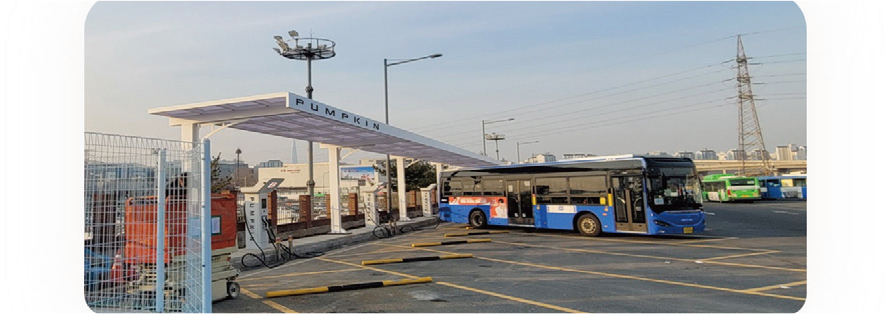
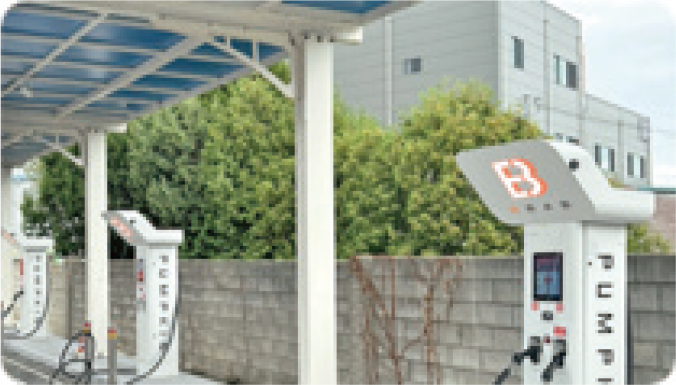
[INQ. NO. 2605M14] PUMPKIN Co., Ltd. is Korea’s leading provider in the electric-bus charging market, delivering optimized charging technologies tailored for electric buses and commercial electric vehicles (EVs) ― along with integrated solutions based on Mobility-as-a-Service (MaaS).
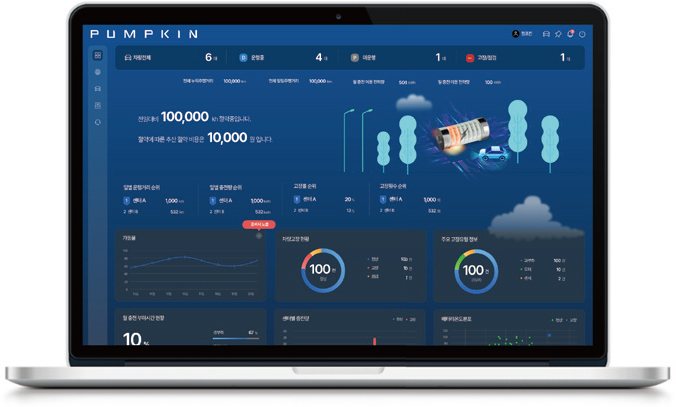
Powered by its big data-driven eBAB integrated control system, PUMPKIN offers a comprehensive, one-stop solution that includes real-time charging monitoring; remote fault management; charging efficiency optimization; fire prevention; and maintenance support. Having recently obtained European CE certification, PUMPKIN is now fully prepared to expand into the global market.

Rapid Chargers for Electric Buses
PUMPKIN has manufactured and deployed over 4,000 electric-bus chargers, operating reliably year-round without interruption. Backed by extensive experience and technological expertise, the company leads the industry in electric-bus charging solutions.
Its portfolio includes both sequential and simultaneous charging technologies, with a wide selection of chargers ranging from 140kW to 480kW. Recently, PUMPKIN introduced a high-performance system capable of charging up to four double-decker electric buses simultaneously.

Ultra-Fast Charging System
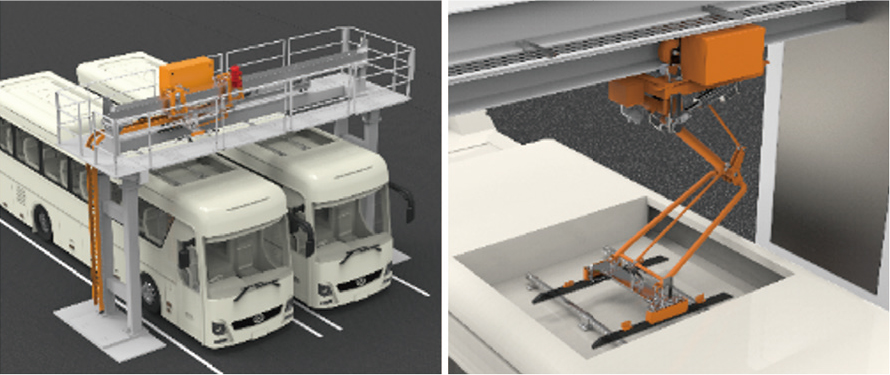
PUMPKIN’s pantograph-based mobile-robot automatic charging system enables unmanned, high-speed charging for a wide range of large electric mobility vehicles. Utilizing advanced automatic positioning recognition and robotic transport technology, the system ensures precise and efficient operation.
With scalable high-power charging capabilities ― ranging from 480kW up to 600kW ― this solution enhances both safety and operational efficiency. Compared to conventional methods, it reduces maintenance costs, shortens charging time, and minimizes the need for driver intervention.

Integrated Control Solution
The eBAB integrated control platform analyzes over one billion data points in real time, delivering advanced services such as charging history tracking, predictive fault detection, fire prevention, and energy efficiency optimization.
Through these differentiated technologies, PUMPKIN enhances the operational stability of electric buses, reduces overall costs, and maximizes the efficiency of charging infrastructure management ― earning strong trust among its customers worldwide.


korean-machinery.com | Blog Magazine of korean-machinery, brands and Goods

EV Charging Solutions

https://korean-machinery.com///inquiry

[INQ. NO. 2605M13] Klinelex Co., Ltd. is a leading EV-charging solution provider, actively expanding into India, Southeast Asia, the USA, and the Middle East ― with innovative marketing strategies. Committed to building a sustainable EV-charging infrastructure, Klinelex enhances its global competitiveness through advanced charging technology and operational solutions.
Specializing in EV chargers and smart-charging technologies, Klinelex provides high-quality products and efficient management solutions for corporate- and personal-charging facilities. Klinelex’s offerings include fast and slow chargers, smart charging solutions, control systems, charging apps, and real-time charging information services.

DC Chargers / Fast Chargers
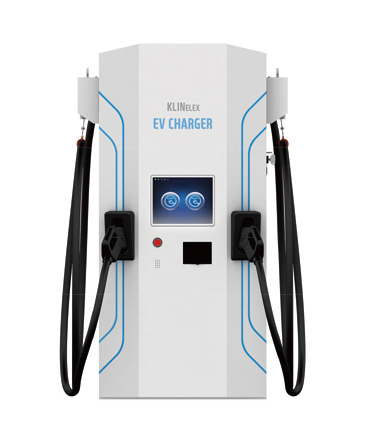
Klinelex manufactures standalone and power-bank-type DC fast chargers with output power of up to 350kW per channel. Its chargers feature compact design, advanced cooling and air conditioning, efficient DC power distribution, and optimized cable management technology, thereby ensuring high performance and reliability.

AC Chargers / Slow Chargers
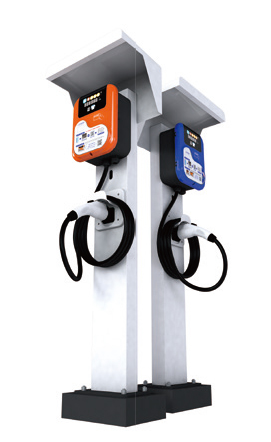
Klinelex manufactures single- and dual-channel AC chargers with charging speeds of up to 11kW per channel. Its chargers excel in compact design, fault management, efficient AC power distribution, and scheduled charging technology, thus ensuring reliability and user convenience.

Operations Management Solution & Apps
Klinelex provides OCPP-based CSMS, offering a standardized charger interface, charging information management, and driver information management. Its solution ensures seamless integration, smart charging optimization, and efficient data collection & processing.
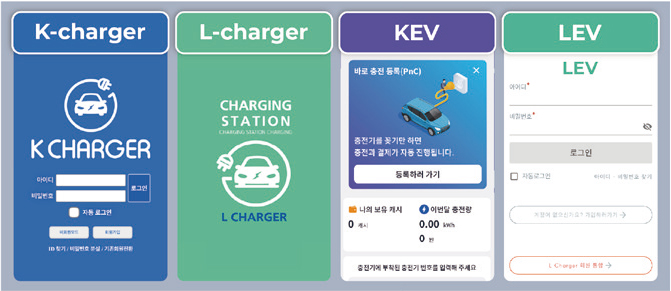
Klinelex provides Android and iOS-based mobile apps that enable users to conveniently access and manage their charging stations with real-time monitoring and seamless payment options.

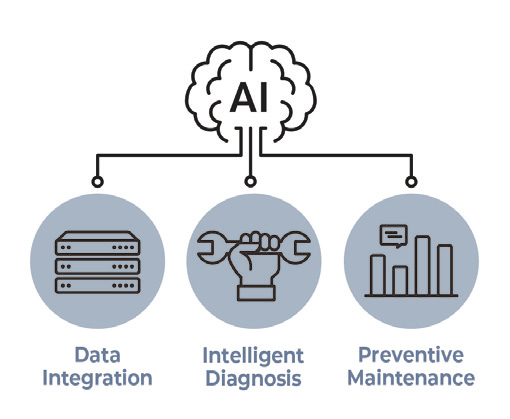
AI-Based Intelligent Diagnostics & Technical Support System
Klinelex has revolutionized maintenance quality by developing the industry’s first AI-based EV-Charger Technical Support System. This system integrates over a decade of expertise, including tens of thousands of repair records, technical manuals, and real-time equipment data into a single platform.
When a technician inputs a symptom, the AI analyzes historical data to immediately suggest optimal solutions and necessary parts, thus ensuring high-quality service regardless of the technician’s experience level. By integrating with the CSMS, the system enables real-time status monitoring and proactive maintenance, thereby maximizing charger uptime and customer satisfaction.

Leading the Global EV-charging Industry
Klinelex leads the industry with high compatibility, durability, and reliability. Its SoC display enables easy monitoring, and charging automatically stops at 95% for safety. With Plug & Charge (PnC) functionality, both charging and payment are handled seamlessly.
“All our products meet UL/CE global standards, thus reinforcing our position as a leading export-oriented company. Through continuous technological innovation and AI integration, we are transforming the future of the global EV-charging industry,” said the company’s CEO.


korean-machinery.com | Blog Magazine of korean-machinery, brands and Goods