Coex: Seoul’s Premier Exhibition Hall Leading the Way in MICE Industry

https://korean-machinery.com///inquiry

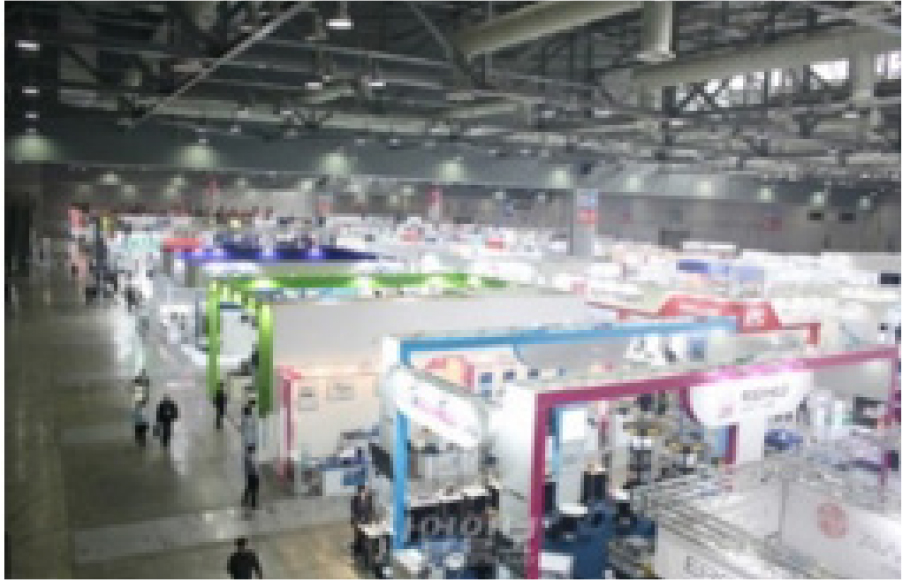
Coex, a prominent exhibition and convention center located in Seoul, South Korea, stands as a shining example of innovation and excellence in the Meetings, Incentives, Conferences, and Exhibitions (MICE) industry. In recent years, Coex has redefined its mission, focusing on connecting and providing experiential value through industry exchanges and the integration of AI. This forward-thinking approach has propelled Coex to the forefront of the MICE industry, making it a platform that drives the activation and future growth of this sector.

A Remarkable Year of Recovery
The year 2023 marked a significant milestone for Coex, as it played a pivotal role in the recovery of the MICE industry. Despite the challenges posed by the COVID-19 pandemic, Coex hosted 27 domestic exhibitions and 9 international exhibitions, achieving an annual revenue exceeding 1 trillion KRW. This remarkable feat surpassed the pre-pandemic revenue levels of 2019, showcasing Coex’s resilience and adaptability.
Notably, the InterBattery exhibition held in March emerged as one of the largest secondary battery industry events in South Korea, with participation from over 470 companies, including global top-three battery manufacturers. The event attracted an unprecedented 60,000 visitors, setting a new attendance record. In June, Coex ventured into the international arena by hosting “InterBattery Europe” in Germany, facilitating the entry of Korean battery companies into the European market. Furthermore, September saw the simultaneous hosting of the KiAF SEOUL and the world’s second-largest art fair, Frieze, drawing more than 10,000 international visitors to Coex. Finally, in November, Coex hosted Food Week, the largest food exhibition in the latter half of the year, attracting over 50,000 attendees. These events not only expanded Coex’s physical footprint but also demonstrated its commitment to globalization and diversified content for sustainable growth.

Coex’s Vision for 2024

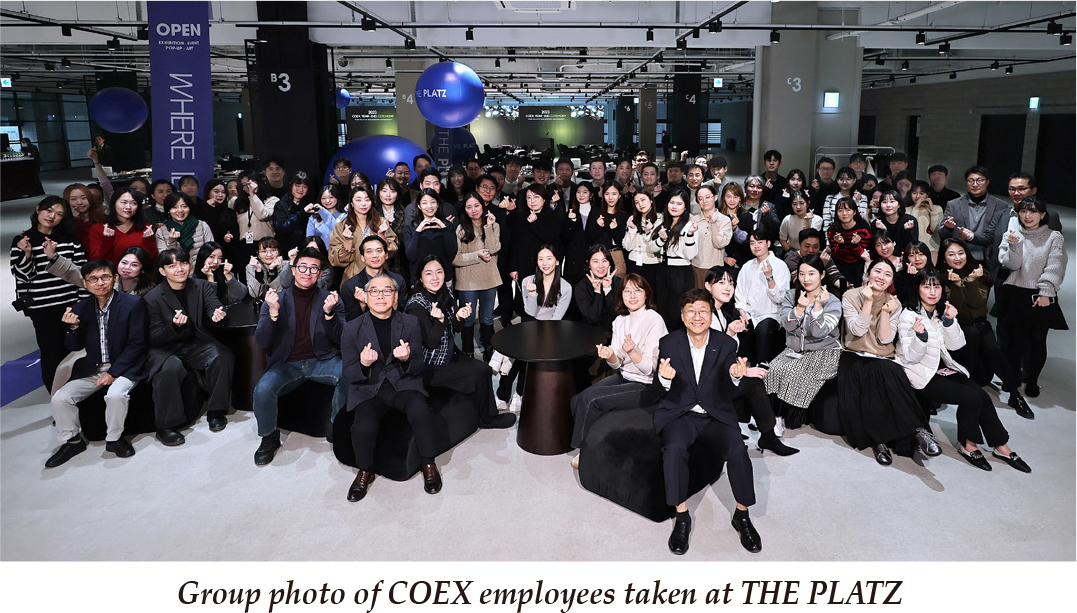
As we step into 2024, Coex is poised to expand its influence in the MICE industry through strategic expansion. The unveiling of “THE PLATZ” a versatile event hall on the second floor of the Coex exhibition hall, in January signifies a renewed commitment to host a wide array of events, including exhibitions, seminars, conferences, and banquets.
Mr. Dong-ki Lee, President of Coex, stated, “We are expanding the exhibition and conference spaces at Coex to meet the growing demand from companies and organizations seeking to host events here.” He further elaborated, “Currently, Coex offers a total exhibition and conference space of 48,000 square meters, and we plan to increase this by 2,500 square meters in 2024 and an additional 2,500 square meters by 2025 to cater to the needs of our customers.”
Moreover, Coex is gearing up to operate the Coex Magok Convention Center, located in Magok-dong, Gangseo-gu, Seoul, scheduled to open in November of this year. Leveraging its experience in managing the massive Trade Center in Gangnam, Coex aims to brand the convention center in Magok as “Coex Magok LaWest” and transform the area into a hub for MICE activities in western Seoul.
The Coex Magok LaWest boasts a total floor area of 20,000 square meters, featuring an exhibition hall capable of accommodating up to 400 booths and conference rooms capable of hosting up to 13,000 attendees. With excellent transportation connectivity and a fully-equipped MICE infrastructure, this facility is poised to alleviate the shortage of MICE spaces in Seoul effectively.
Within a 10-kilometer radius of Magok, numerous industrial complexes have been established, making it an ideal environment for hosting B2B exhibitions. Additionally, the region boasts a resident population of approximately 6.88 million people within a 10-kilometer radius, providing an optimal setting for B2C exhibitions.
Anticipated to achieve a 60% operational rate during its first year, Coex Magok is already receiving inquiries for conference room rentals, further solidifying its role in the MICE landscape.

Elevating Sustainability with “good plan”
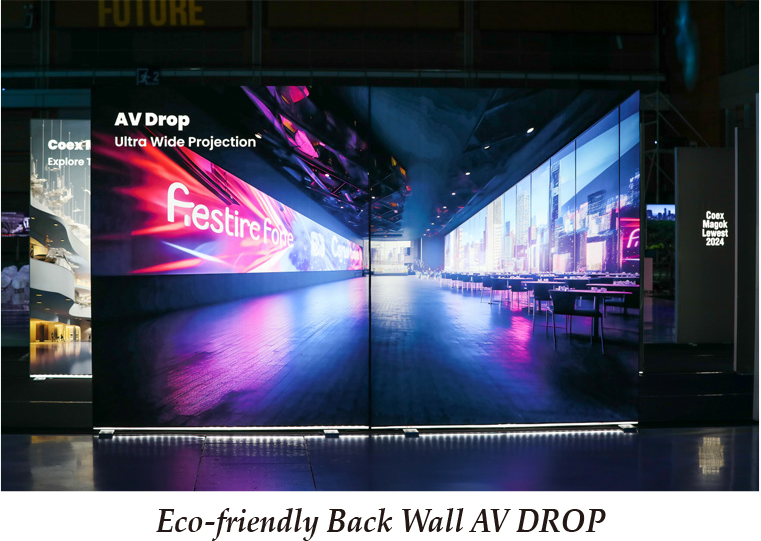
Coex is at the forefront of promoting sustainability within the MICE industry, and it has introduced the “good plan” a premium eco-friendly event service. This service encompasses various eco-friendly elements, including the “AV DROP,” a rapid and eco-friendly assembly stage system, “Best Systems” lighting booths, and the “vomo” eco-friendly booth package exclusively used by the world’s second-largest art fair, Art Basel.
The AV DROP system has been utilized in approximately 160 events to create diverse spaces such as planning zones, seminar areas, VIP lounges, and photo zones for events like AWS Summit Seoul, Coffee Expo All That Travel, and Food Week.
“good plan” aligns with the current focus of the MICE industry on sustainability, ESG (Environmental, Social, and Governance), and carbon neutrality. Coex is the third organization in South Korea to join the “Net Zero Carbon Events Pledge,” a global MICE industry initiative that aims to achieve carbon neutrality by 2050, aligning with the Paris Agreement and United Nations Climate Change Convention resolutions.
Furthermore, Coex has entered into an agreement for “ESG Cooperation in Seoul Global Exhibitions” with Exporum and KOREA E&EX INC., solidifying its commitment to practicing ESG principles and contributing to the Seoul city’s efforts in this direction.

Shifting Focus: From Innovation to Sustainability

While innovation was a central theme in the convention industry pre-pandemic, the industry is now shifting its focus towards sustainability, ESG, and carbon neutrality. Mr. Lee Dong-gi, President of Coex, highlighted the industry’s commitment to environmentally friendly practices, stating, “Convention centers and large exhibition organizers worldwide are grappling with ways to reduce energy consumption, cut carbon emissions, and minimize waste and food waste generated after events, all in response to the climate crisis.”
Coex’s dedication to this ethos ensures it will continue to discover and expand eco-friendly service offerings that align with the spirit of the times.

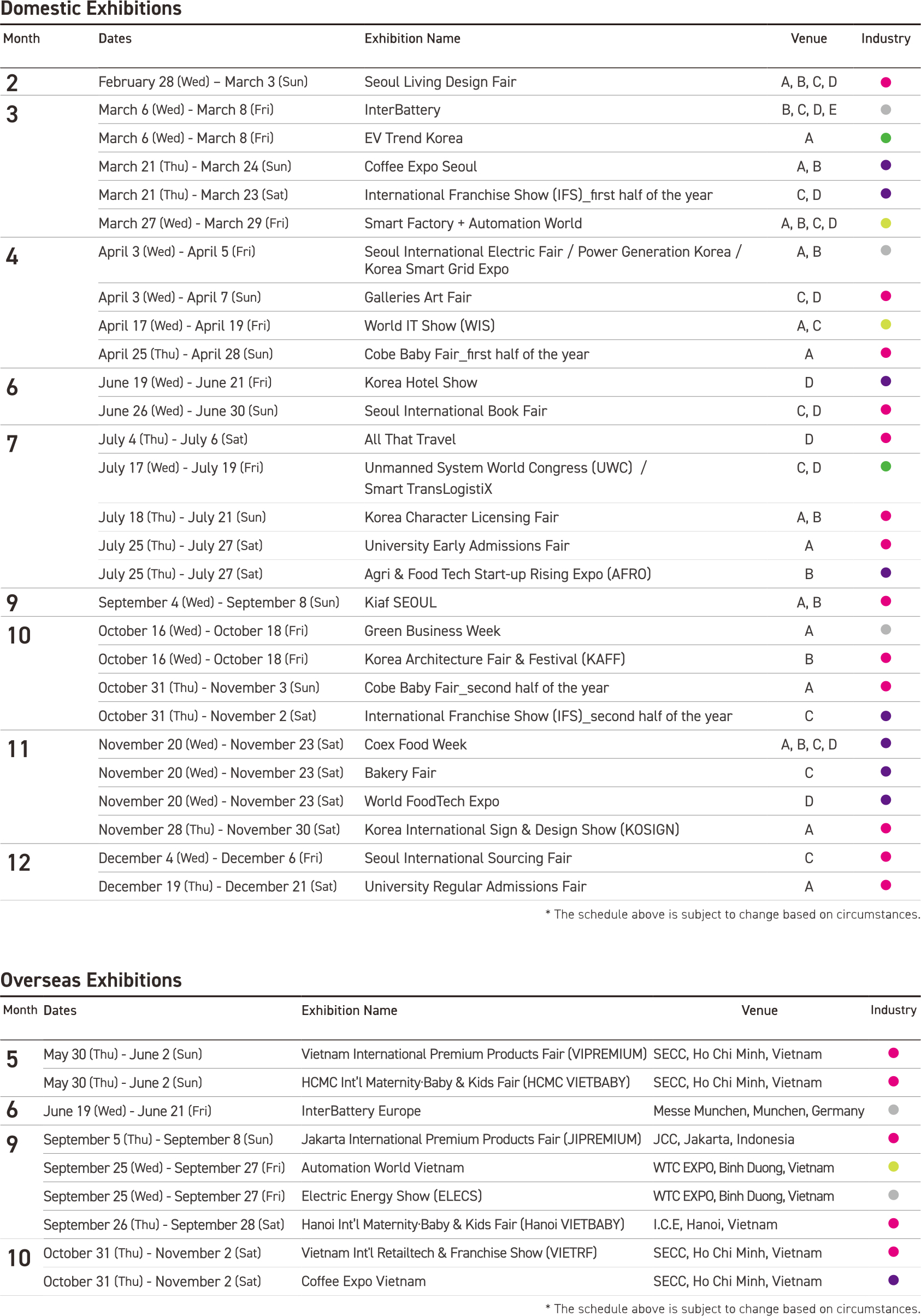
 
 
korean-machinery.com | Blog Magazine of korean-machinery, brands and Goods
AKEI Playing a Vital Role in Development of Korea’s Exhibition Industry

https://korean-machinery.com///inquiry

The Association of Korean Exhibition Industry (AKEI) is the organization in charge of the exhibition industry development project selected by the Minister of Trade, Industry and Energy (MOTIE) in accordance with the nation’s Exhibition Industry Development Act.
Since its establishment in 2002 with the purpose of fostering Korea’s exhibition industry, and thereby contributing to the development of the national economy, AKEI has been implementing projects to promote the exhibition industry — while drafting the government’s exhibition industry policy, and carrying out various related tasks. In addition, as a representative organization of Korea’s exhibition industry, it identifies trends in the global exhibition industry, and supports international cooperation with Korea’s exhibition industry through exchanges and cooperation with overseas exhibition industry-related organizations and businesses — such as major international associations like UFI, AFECA, and IAEE in the global exhibition industry.
AKEI’s major projects include supporting the holding of domestic exhibitions; evaluation projects and exhibition-industry foundation-building projects — such as exhibition certification; statistical surveys; public relations; holding celebrations on the exhibition industry day. In addition, AKEI is conducting a pre-sales support project led by the Ministry of SMEs and Startups (MSS) to promote collaboration with small business owners and exhibition professional training projects of the Ministry of Employment and Labor — and is carrying out various projects to develop Korea’s exhibition industry.
AKEI also provides member company services such as networking for shared growth and mutual prosperity in the exhibition industry. Members include 72 companies — including trade promotion organizations such as KOTRA; and the Korea International Trade Association (KITA); exhibition centers such as COEX and KINTEX; industry groups and private exhibition organizers; and exhibition design installation and service providers.

Certification Exhibitions

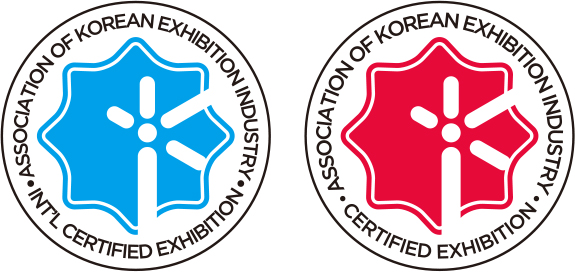
Among the various projects carried out by AKEI, the ‛Exhibition Certification System Operation Project’ refers to objectively researching and confirming data on exhibition areas, the number of participating companies, and the number of visitors submitted by exhibition organizers according to standardized standards, and granting a certification mark in order to officially certify.
It is operated for the purpose of securing reliable and objective data statistics on exhibition participants and visitors and contributing to the internationalization of Korean exhibitions.
As the proportion and importance of exhibitions in terms of corporate marketing gradually increased, the exhibition certification system began as one of the policy measures to enhance the performance of companies’ participation in exhibitions. For this reason, after a pilot certification period from 2002 to 2004, a formal certification system was introduced for exhibitions seeking certification, starting in 2005.
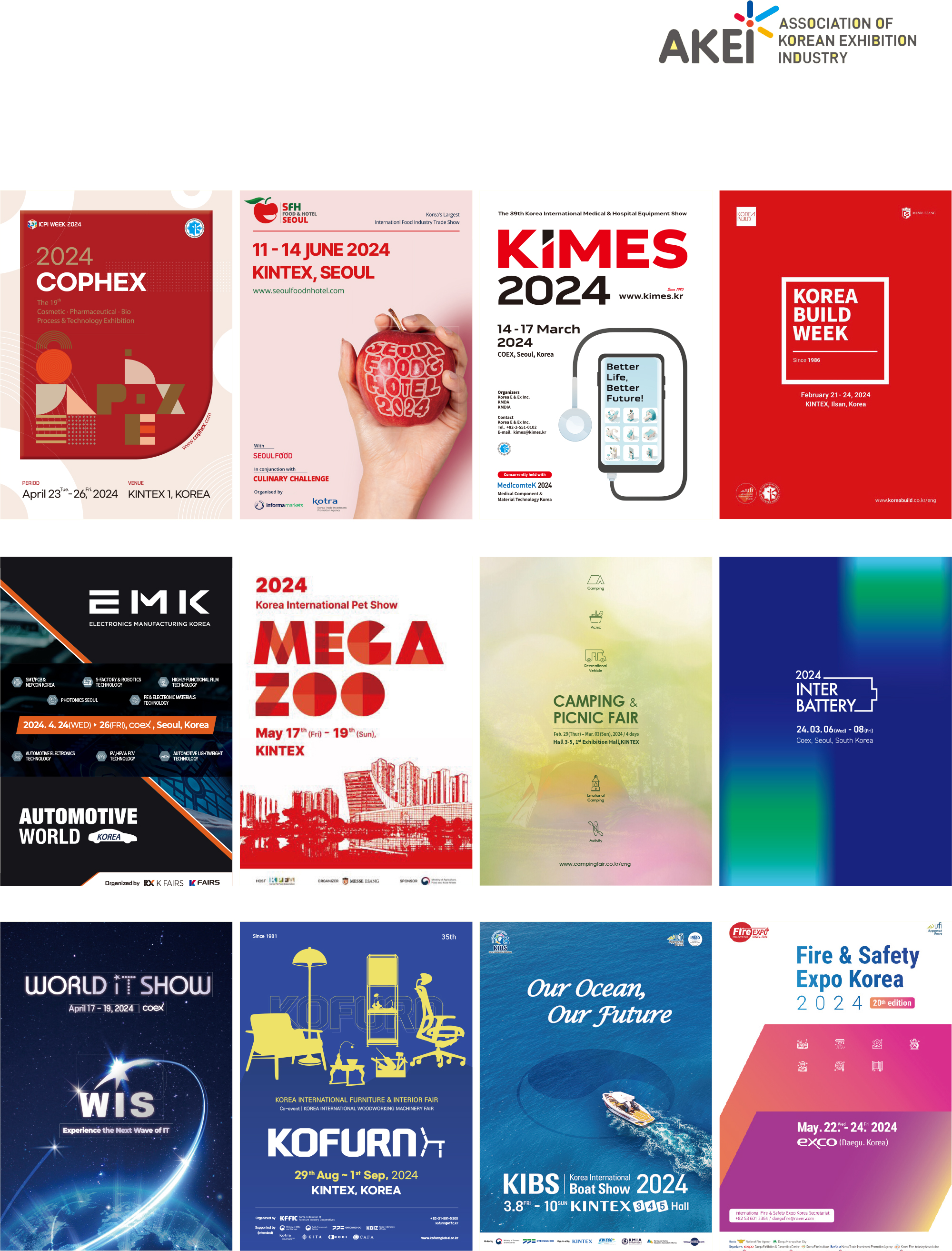
Certification regulations apply with the regulations of the Global Association of the Exhibition Industry (UFI). AKEI assesses the qualifications by classifying into certification or international certification depending on the contents of the certification, and whether the requirements are met or not. More than 130 exhibitions are certified annually, and major certified exhibitions include Seoul ADEX, COPHEX, and KES.


korean-machinery.com | Blog Magazine of korean-machinery, brands and Goods
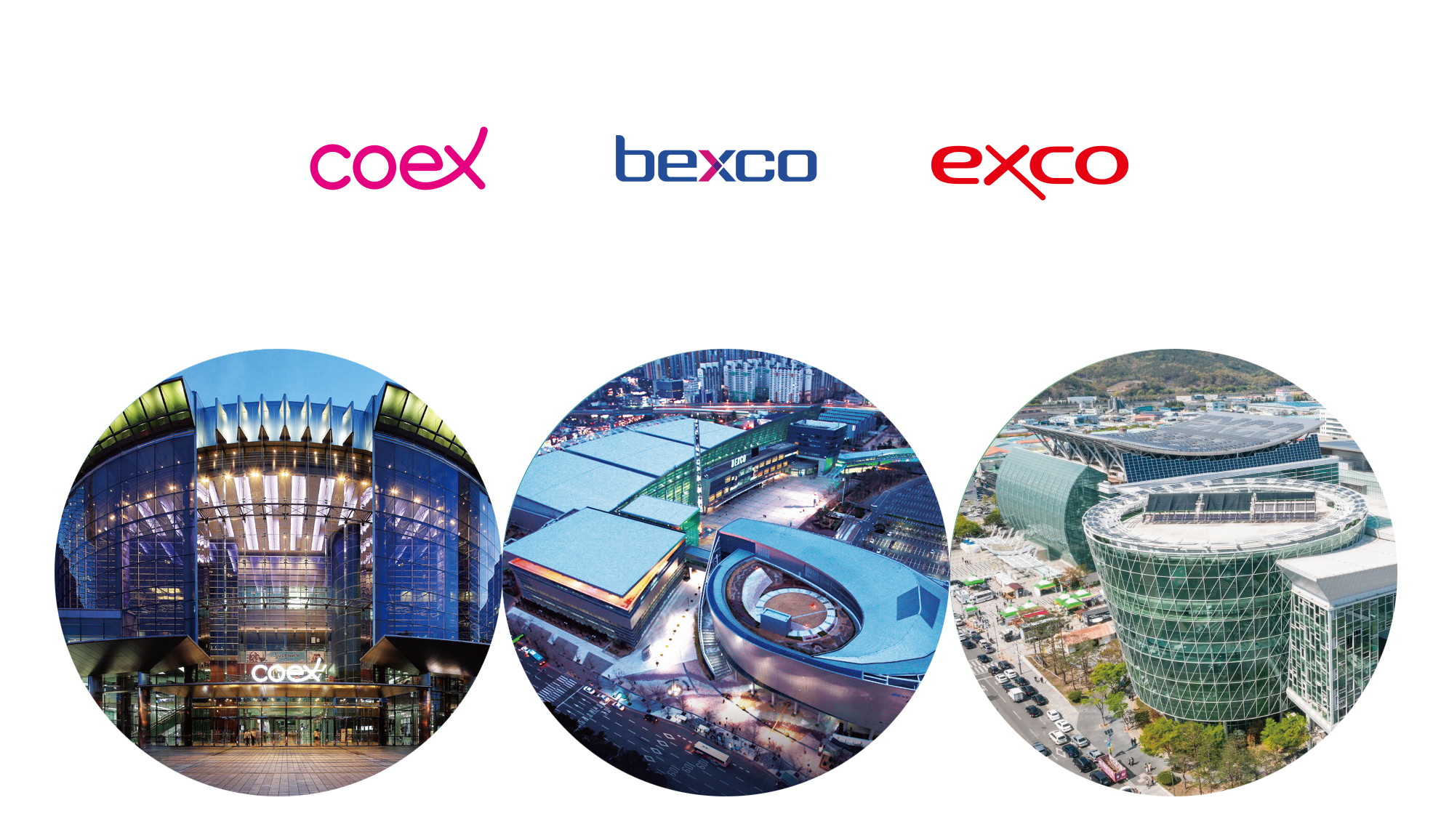
Korea’s Major Exhibition Centers

https://korean-machinery.com///inquiry

Korea’s Exhibition Centers See Growing Demand for Industry Exhibitions Related to New Growth Engines
 

Since 2020, when the coronavirus pandemic began, there has been gradually increasing demand for holding exhibitions, which had been suppressed due to the social and national atmosphere caused by the coronavirus pandemic. This increasing demand has led to a significant increase in exhibition hall operating profits, mainly in Korea’s major exhibition centers.
In 2023, demand for exhibitions, international conferences, corporate meetings, and year-end events at major exhibition centers across the country has almost reached the level of 2019, to where it was before the pandemic.
Based on the operation rate and rental area in 2024, it is expected to be similar to or slightly increased compared to 2023. The main reasons are attributable to the organizers’ active business promotion efforts, the resumption of international conferences, and the enlargement of exhibitions after the pandemic.
By industry group, growth is predicted for industry exhibitions related to new growth engines such as secondary batteries, biohealth, next-generation displays, and electric vehicles.

New Trends
Since the coronavirus outbreak, a notable common feature of each industry at major exhibition centers across the country been the increasing demand for exhibitions in the health, medical, optics, precision fields, culture, arts, and the public sector. Among the B2C exhibitions in specific fields, there are cases where the numbers of visitors have increased very sharply based on the consumption patterns of the MZ generation. After the pandemic, existing large exhibitions and exhibitions held by professional exhibition organizers (PEOs) in the metropolitan area have not been significantly affected and are being maintained to some extent.
Major exhibition centers aim to create new value for customer satisfaction by establishing realistic operating policies; promoting ESG to respond to the climate crisis; and expanding digitalization and convenience facilities based upon customers’ experiences – by sensitively detecting changes in society and industry, rather than merely providing venues.


korean-machinery.com | Blog Magazine of korean-machinery, brands and Goods
3D Optical Tomography Imaging Inspection Equipment

https://korean-machinery.com///inquiry

[INQ. NO. 2401M01] The ‘Optical Coherence Tomography (OCT)’ technology used in the medical field has been expanded to industrial use. This technology identifies defects by penetrating inside the semiconductor and display.
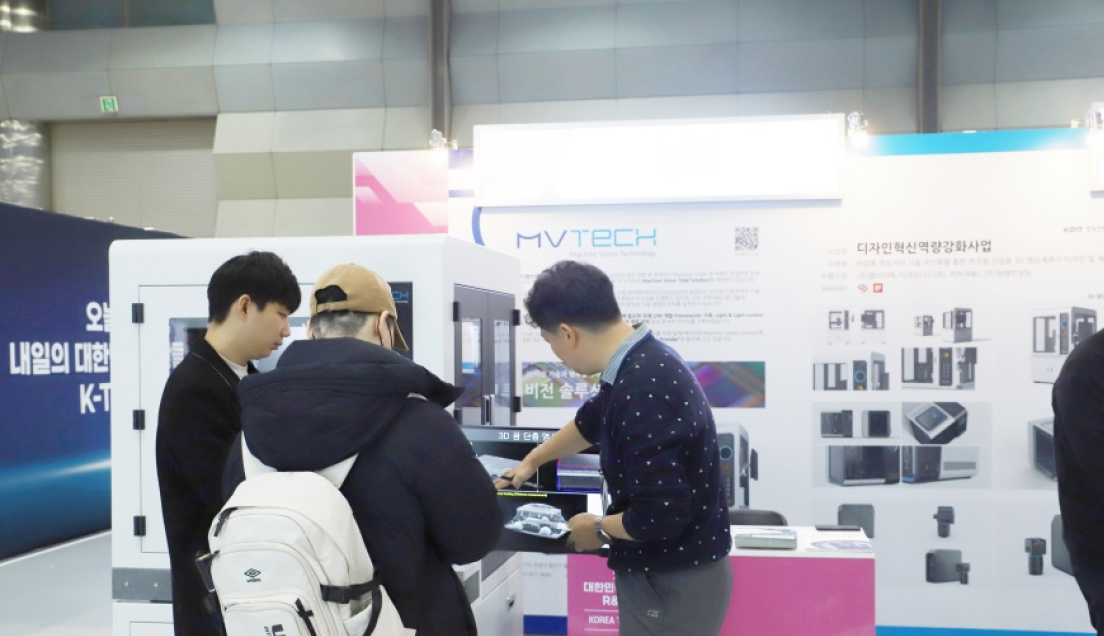
MVTech Co., Ltd., a machine vision company, introduced its ‘3D optical tomographic inspection equipment’ at the recently held 2023 Korea Industrial Technology R&D Expo.
OCT is technology that obtains high-resolution tomography images by using the time difference of the reflected light transmitted. A spokesperson for the company explained, “We acquire images using the different properties of the index of refraction of reflection and transmission according to the wavelength of light.” Like an X-ray, it can penetrate inside the product to inspect cracks, foreign substances, scratches, coating thickness, etc., and find defects in mobile phone displays or semiconductor wafers.

Even microscopic defects are fatal in high-tech components such as semiconductors and displays. In general, X-rays were used in the production process to read, but the use of radiation was dangerous and had low resolution.
MVTech’s 3D optical tomography imaging inspection equipment acquires high-definition images up to 2.5μm (micrometer). The tomographic image can be reconstructed in 3D and viewed at a glance.

This equipment can penetrate any surface to accurately determine the size and thickness of materials in each layer, and also detect internal defects. This product can be connected to existing inspection processes to identify defective products and take action.
A spokesperson for the company commented, “It is not yet in the commercialization stage, but we have completed development and are reviewing the technology with major companies,” adding, “It is suitable for inspection of transparent and translucent materials that allow light to pass through, so we are approaching it as equipment specialized for semiconductors and displays.”


korean-machinery.com | Blog Magazine of korean-machinery, brands and Goods

Experience Jeju at a Leisurely Pace

https://korean-machinery.com///inquiry

One of the main reasons people go on vacation is to get rid of stress. The stress-relieving powers of simple things such as enjoying a good meal or buying some new shoes are amplified when on vacation! Everything tastes better and looks better, even your home. Jeju Island is the perfect place to relax, with a natural environment, delicious local foods, and unique shopping opportunities. Set out now for your very own stress-relieving trip to Jeju-do!
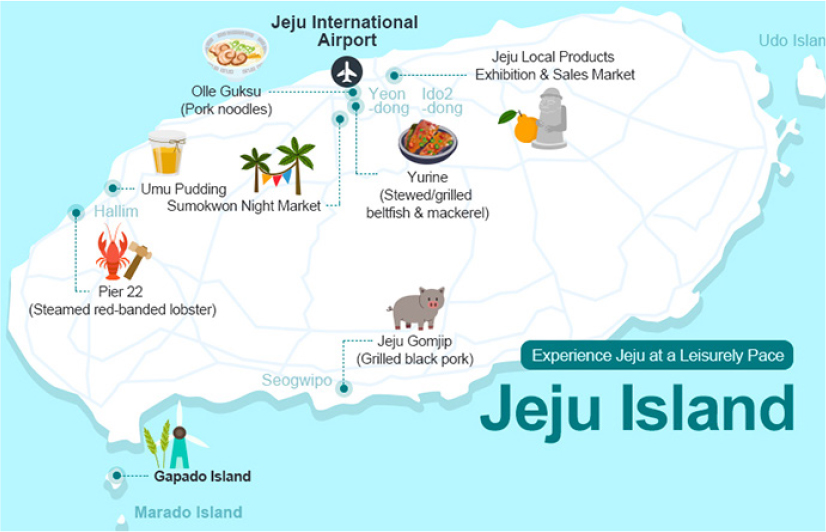
There are a number of smaller islands around Jeju, including Udo and Marado Islands. These days, Gapado Island, the fourth largest island, has become a popular day-trip destination. The island resembles a swimming ray when seen from above. The island is most visited during spring, when the fields of green barley are waving in the sea breeze.

Setting off for Gapado Island
The ferry to Gapado Island departs from Unjinhang Harbor in Hamo-ri, Seogwipo-si off the southwest coast. The ferry from Unjinhang Harbor operates from 09:00 to 16:00, although the last ferry back from Gapado Island is at 16:20. Tickets are purchased as a round-trip set, so if you leave after 15:00, you’ll have to spend the night on the island and return the next morning. Tickets must be purchased at least 40 minutes before departure, in order for all passengers to be recorded. On-site ticket purchase is available but you may have to wait a few hours until the next ferry if you visit during the peak season. It’s recommended to reserve tickets in advance, either online or over the phone. Foreigners must submit their passport for verification when purchasing or picking up their ticket on-site.

Fun on Gapado Island
The best way to see all the island has to offer in a short amount of time is by renting a bicycle. The bike rental is located right at the harbor, so you can’t miss it! There are both regular and tandem bicycles for rent, at a rate of 5,000 won and 10,000 won respectively. Payment is only accepted in cash, so be sure to plan ahead if you want to rent one.
There is a circular road around the coast of the island that offers beautiful sights of the sea, but don’t forget the interior of the island. One place you must see is Somang Observation Deck. Located at the highest point of the island, both Marado Island to the south and Hallasan Mountain to the north can be seen from the observation deck. The railings of the deck are decorated with many ribbons with wishes and hopes, somang in Korean, written on them, giving the location its name.
Another attraction on the island is Pang Gallery, dedicated to the unique painting style of women in the Mithila region of the Indian subcontinent. The art is created with natural dyes and pigments, using fingers and twigs as brushes. The paintings generally focus on nature, daily life, or Hindu gods and goddesses.

Eat your stress away

Special treat of the island
There are a number of local specialties on Gapado Island, foremost of which is green barley ice cream! This soft serve ice cream is popular among all ages, and the pale green color makes for beautiful photos. The ice cream can be ordered in a cup or cone, both of which are served with a small ppeongtwigi (rice puff) snack.
Other snacks on the island include green barley makgeolli (rice wine) and green barley misutgaru (roasted grain drink). All these treats can be found at the convenience stores and snack bars around the harbor. We recommend buying snacks to enjoy while you wait for the ferry to return.

Pier 22
Being an island, it’s obvious that some of the best foods you’ll find in Jeju are seafood dishes! If you’re looking for a dish favored by locals, try the red-banded lobster jjim (steamed lobster) from Pier 22 near Geumneungeutteum Beach. Red-banded lobsters are a unique species of lobster with a hard, sharp shell, found only the in southern sea around Korea. Because of the hard shell, the restaurant gives each diner a small wooden hammer to crack the shell! The sweet lobster meat tastes great dipped in ranch dressing.

Umu Pudding
Umu Pudding is a special dessert found only on Jeju Island! The name umu comes from the Korean word for red algae, umutgasari. When it is boiled, it releases a gelatin substance, known as agar. The red algae used at Umu Pudding is harvested by haenyeo, female divers of Jeju. You can choose from three flavors, the standard custard, matcha-flavored, or chocolate pudding. The shop also sells products with an Umu character design that make for great souvenirs. Before leaving, be sure to get a few pictures of the sweet interior!

Black pork
The most famous food from Jeju is heukdwaeji, otherwise known as black pork! Jeju’s local black pigs have played an important part in the history, culture, and livelihood of the island. Grilled black pork tastes best after being dipped in meljeot (salted anchovy) for about 20 seconds. To eat like a Korean, wrap the meat and some pamuchim(spicy spring onions) in a lettuce or perilla leaf.

Pork noodles
You can eat guksu (noodles) anywhere in Korea, but gogi guksu (pork noodles) is a specialty of Jeju! Each bowl is filled with noodles and pork slices for a filling meal. The pork adds to the powerful flavor of the broth. The dish is served plain but chili pepper powder can be added to taste. Even if you add a lot to make it super spicy, the broth maintains its flavor.

Beltfish & mackerel dishes
Before leaving Jeju, you have to try galchi (beltfish) or godeungeo (mackerel). These two fish can be served a variety of ways, although the most common are stewed and fried; spicy stewed beltfish is the most popular. The taste of stewed beltfish will vary slightly by restaurant, but they are all marked by their strong seasoning. The spicy yet slightly sweet flavor is addicting! Most restaurants in Jeju use a local silver beltfish, which has an even stronger taste. Radish and potatoes are also stewed with the beltfish for a full meal.

Retail therapy

Sumokwon Night Market
Sumokwon Night Market is the latest trending location for nightlife in Jeju! Located near Halla Arboretum, the market draws in as many tourists as the popular night markets in Seoul. The entire area is decorated in cute photo zones and features both local specialty products and handmade items. Purchase some of the foods available from the food trucks, such as giant turkey drumsticks, black pork ribs, or fresh pineapple juice, to quench any late-night cravings!

Jeju Local Products Exhibition & Sales Market
Jeju has developed a unique culture due to being so far separated from the Korean peninsula. Thanks to this, there are plenty of local products that will please anyone who receives one as a gift! The best place to visit for these special souvenir items is the Jeju Local Products Exhibition & Sales Market. The market has over 2,200 items created by 138 individual shops! You’re sure to find something for everyone here; just be sure you don’t forget a gift for yourself!

More info

▶

1330 Korea Travel Hotline: +82-2-1330 (Korean, English, Japanese, Chinese, Russian, Vietnamese, Thai, Malay)

The above article is courtesy of VisitKorea, the official website of the Korea Tourism Organization (www.visitkorea.or.kr)


korean-machinery.com | Blog Magazine of korean-machinery, brands and Goods
Hyundai Motor Company and Kia Each Achievethe Highest Export Performance Ever

https://korean-machinery.com///inquiry

Hyundai Motor Company and Kia each achieved the highest export performance ever and won the ‘Export Tower’ award. Hyundai Motor Company received the $30 billion ‘Export Tower’ award and Kia received the $20 billion ‘Export Tower’ award. The two companies ranked first and second, respectively, in export volume among the 1,700 companies that received the ‘Export Tower’ award this year. These awards come 11 years after 2012, when Hyundai Motor Company received the $20 billion ‘Export Tower’ award and Kia received the $15 billion ‘Export Tower’ award.

According to the Korea International Trade Association (KITA), Hyundai Motor Company’s export performance during the corresponding period (July 1 of last year to last June 30) was $31 billion, showing a 29.6% increase compared to the same period of the previous year ($23.9 billion). Kia’s sales amounted to $23.5 billion, an increase of 30.7% compared to the same period of last year ($18 billion).
Despite uncertain external environments such as geopolitical crises, deepening protectionism, supply shortages of automotive semiconductors, and intensifying competition in the market due to the economic downturn, Hyundai Motor Company and Kia have strived to improve their sales mix by focusing on high-value-added vehicle models, launching competitive electric vehicle (EV) models, and expanding global sales, etc. ‒ thereby achieving record-high export performance. The proportion of high-value-added vehicle models among Hyundai Motors and Kia’s exports has increased significantly. This is attributable to continuously improving the sales mix through the launch of new models with global competitiveness.
In addition, models that applied the EV platform E-GMP (Ionic 5, EV6, etc.) received favorable reviews in the global EV market, contributing to increased exports. Hyundai’s and Kia’s EV exports nearly doubled from 119,569 units in 2020 to 218,241 units last year. New EVs based on E-GMP are playing a major role in helping Hyundai Motor Company and Kia secure leadership in the global EV market.

Moreover, Hyundai Motor Company and Kia are actively expanding domestic EV production capacity to respond to the growing global demand for EVs, so exports of EVs are expected to continue increasing in the future. Last November, Hyundai Motor Company began construction of a factory at its Ulsan plant dedicated solely to EVs with an annual production capacity of 200,000 units. Similarly, Kia broke ground on a factory dedicated to customized EVs with an annual capacity of 150,000 units at Autoland Hwaseong in Gyeonggi Province in April. Autoland Gwangmyeong in Gyeonggi Province also converted some lines to EV lines. Hyundai Motor Company and Kia plan to have a total of 31 EV models by 2030.
In order to expand global sales and diversify the market, Hyundai Motor Company and Kia are not only focusing on entering new overseas bases through active market development, but also focusing on improving brand competitiveness by strengthening product lineups tailored to regional characteristics and expanding customer experience. As a result, Hyundai Motor Company’s EV sales last year grew by 9.7% compared to the previous year in the environmentally sensitive European market, led by the Ionic 5.
In the U.S. market, the increase in sales of Hyundai’s luxury brand Genesis was particularly noticeable. Genesis is solidifying its global presence by expanding market share in major regions, including breaking the highest sales record in the United States for two consecutive years.
Kia, which changed its name from “Kia Motors” and began rebranding in 2021, is actively targeting overseas markets based on improved brand reliability in all global regions. Kia’s exports last year spanned most regions of the world, including 33% to North America (the United States, Canada, and Mexico), 31% to Europe, including Germany, the United Kingdom, and France, 13% to the Middle East and Africa, 12% to Asia and the Pacific, and 7% to Central and South America. By vehicle type, Kia is significantly expanding its export performance through maximum production and timely supply of high-value-added models that are popular throughout the world.

The automobile industry’s contribution to the trade balance is even more notable. According to KITA, in 2021, automobiles and automobile parts recorded a combined trade surplus of $48.7 billion. This is approximately 1.7 times the amount of Korea’s total trade surplus of $29.3 billion in the same year.
The automobile industry, led by Hyundai Motor Group, which ranks among the top three in global automobile sales, is the foundation of the national economy and plays a pivotal role in terms of production, taxes, and added value creation. The automobile industry accounts for 12.1% of the entire manufacturing industry in terms of production, 10.8% of national and local taxes in terms of tax revenue, and 9.6% of the entire manufacturing industry in terms of added value.

A spokesperson for Hyundai Motor Company and Kia explained, “Despite the global economic downturn, we were able to achieve maximum export performance through improved sales mix and efforts to expand global sales,” adding, “We will continue to contribute to the national economy by expanding exports through strengthening our global brand competitiveness in the future.”
 
 
korean-machinery.com | Blog Magazine of korean-machinery, brands and Goods
SIMTOS 2024

https://korean-machinery.com///inquiry

 KOMMA to open its first Die-Casting Theme
Pavilion at SIMTOS 2024

The Korea Machine Tool Manufacturers’ Association (KOMMA), which hosts the Seoul International Manufacturing Technology Show (SIMTOS), Korea’s largest production and manufacturing technology exhibition, recently announced that it will be launching a Die-Casting Theme Pavilion to establish a digital manufacturing environment customized for demand industries during SIMTOS 2024.

Die-Casting, which has been stigmatized as a 3D (Dirty, Difficult, Dangerous) industry, despite being the foundation of manufacturing and driving new growth-engine industries, has recently changed its paradigm through ICT and robot-based automation and digitalization.

At SIMTOS 2024, the Die-Casting Theme Pavilion will be part of the Robot and Digital Manufacturing Technology Special Exhibition (M.A.D.E. in SIMTOS) to share these trend changes in the die-casting industry.
The Die-Casting Theme Pavilion, which will be held in Hall 7 and 8 of KINTEX, was planned jointly with the Korea Diecasting Society to share the current status and future of Korea’s die-casting industry. This theme pavilion will feature special casting facilities for filling molten metal at high speed and high pressure, die- casting molds, highly ductile alloy materials, and auxiliary materials such as release agents.
Companies participating in the theme pavilion are focusing on preparations to share with SIMTOS visitors the technological changes in the die-casting industry that is rapidly becoming automated and digitized.
A spokesperson for the Korea Diecasting Society explained, “Equipment, mold, and peripheral equipment companies participating in the Die-Casting Theme Pavilion will demonstrate in detail the digital processes that are processed and managed using the latest technology, which is different from before,” adding, “In particular, this exhibition through the theme pavilion is expected to be a good opportunity to show that the 3D industry is not a labor-intensive industry, but rather based upon robot automation and digitalization.”


korean-machinery.com | Blog Magazine of korean-machinery, brands and Goods

Industrial Reels

https://korean-machinery.com///inquiry

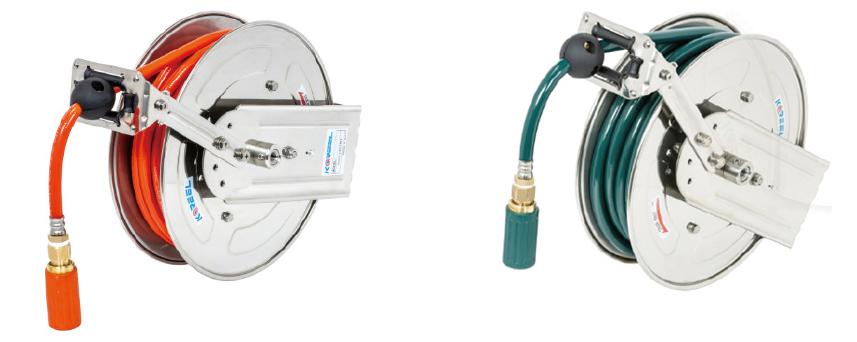
 [INQ. NO. 2312M23] A reel is a common item we encounter in our daily lives, such as a vacuum cleaner reel used to automatically rewind the cable after it was pulled out. Meanwhile, an industrial reel is a device that is based on the same principle and applied to manufacturing facilities and industrial and service sites so as to keep workplaces neat and tidy, secure cleanness, and increase safety, work efficiency and productivity of workers.
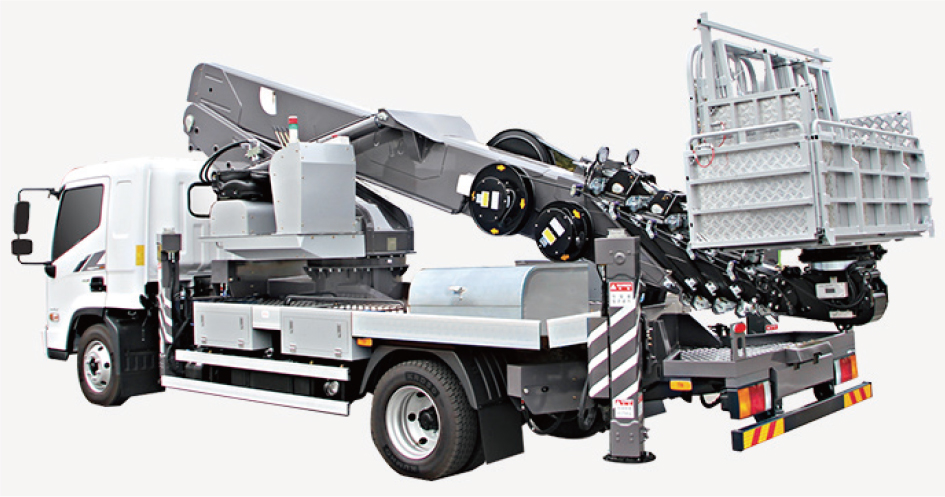
Moreover, a reel is also used as an essential supporting item attached to various special vehicles (fire trucks, expensive ladder trucks, etc.), as well as to cranes, heavy equipment, etc., to increase their functions and added value.

Cables or hoses are needed to deliver or supply electricity, air, water, oil, gas, etc., on sites for manufacturing, farming, construction, mining, ports, vessels, special vehicles, cranes, heavy equipment, and for service sites (repair shops, gas stations, kitchens, etc.). In short, a reel is a device used to roll up such cables and hoses and pull them up when necessary.
Industrial reels are divided into versatile standard reels and customized reels specifically manufactured for work site conditions. In particular, those customized reels, which are used for very dangerous environments including mines, oceans, etc., require advanced designs and engineering technologies.

Depending on the types of driving systems, there are hand crank reels, spring-driven reels, and motor-driven reels. And they are also categorized into cable reels, air reels, oil reels, gas hose reels, etc., based on the medium delivered and supplied.
The CEO of Koreel explains, “We’ve put our utmost efforts into researching and developing reels in cooperation with experts, believing that industrial reels are essential items for future machinery. We’ve also given priority to the value of our efforts, rather than the numerical results of sales. Thanks to such endeavors, we could upgrade various machines including a number of special vehicles.”


korean-machinery.com | Blog Magazine of korean-machinery, brands and Goods

Tires for Agricultural Tractors & Industrial Equipment

https://korean-machinery.com///inquiry

[INQ. NO. 2312M22] HUNG-A CO., LTD., (also known as TIRON TIRES), since its establishment in 1951, has been producing industrial and agricultural tires and various vehicle tires based on technology and know-how accumulated over 73 years.
TIRON TIRES is currently supplying a wide range of products that satisfy various needs by realizing various product configurations, subdivision of functions, and differentiation of designs.

Based on world-class quality competitiveness, TIRON TIRES is gradually expanding its market to the Americas, Asia, Europe, and the Middle East – by utilizing its independent brands of “TIRON.” In particular, TIRON TIRES is expanding its foothold as a stable parts supplier to foreign tractor manufacturers through its U.S. corporation established in 2020, and is increasing its brand awareness in the American market. TIRON TIRES is currently exporting to more than 30 countries including Turkey, Italy, Egypt, Vietnam, Cambodia, and Japan.

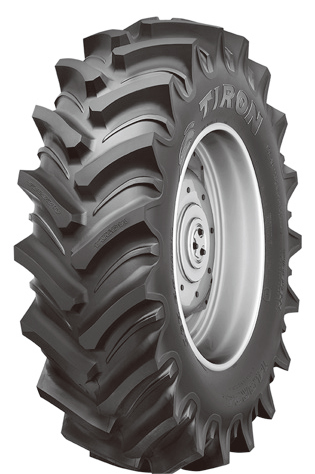
Tires mounted on agricultural tractor models (AGR)
AGR is a tire mounted on agricultural tractor models. This product is a tire with a pattern specialized for AG, IND, and TURF use according to the usage environment.
This product is among the company’s main product group that continues to grow every year by maximizing work efficiency and lifespan for each purpose. As the only special tire supplier in Korea, TIRON TIRES is expanding sales in overseas markets beyond the domestic market.

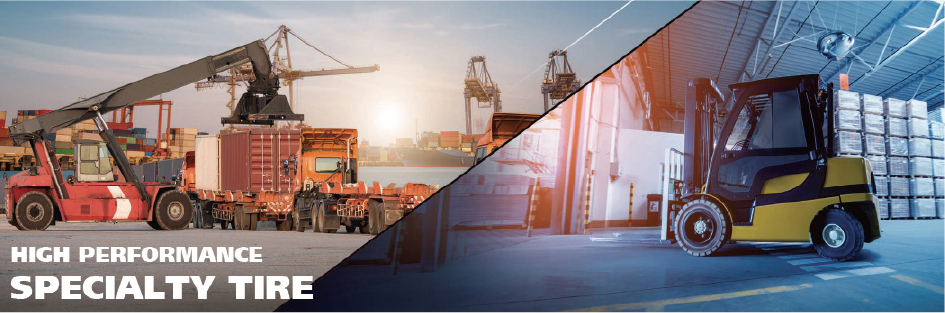
Industrial tires applied to equipment used in construction and port sites (OTR & IND)
OTR & IND are industrial tires applied to equipment used in construction and port sites, and are manufactured through various unique patterns and specially formulated tire materials to suit different usage environments with know-how accumulated over the past 70 years. These products show strong durability and usage efficiency even in harsh environments


korean-machinery.com | Blog Magazine of korean-machinery, brands and Goods

Electro-osmosis Dehydrator & Dehydration Dryer

https://korean-machinery.com///inquiry

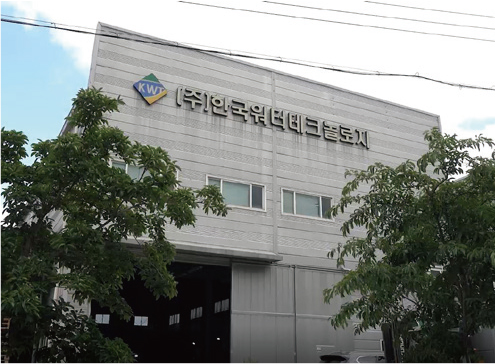
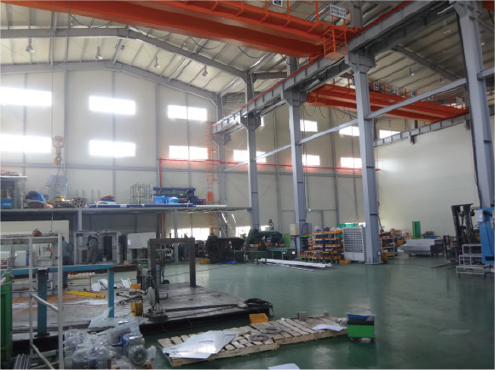
[INQ. NO. 2312M21] Korea Water Technology, Inc. succeeded in commercializing the world’s first electro-osmosis sludge cake dehydrator, and is the world’s No. 1 company in electro-osmosis dehydration technology with the most achievements.
KWT is engaged in the manufacture of electro-osmosis dehydration equipment for sewage and wastewater sludge treatment, and has proven products that have been installed and operated not only in Korea but also in Japan, China, and Eastern Europe for 15 years.
KWT has experience in various application sites. It is contributing to make the planet cleaner with eco-friendly technology that is very useful for reducing and recycling waste.

ESG-related product with strengths in both waste reduction and cost reduction

KWT’s product is a facility that reduces the weight of sludge cake (a waste generated in wastewater treatment plants) by about 50% by secondary dehydration to reduce the cost of cake treatment or lower the water content for facilitating eco-friendly treatment such as recycling. It thus is an ESG related product that has strengths in terms of waste reduction and cost reduction.
 KWT’s product is high-end equipment, and the market for the product has been formed and growing as environmental regulations are increased worldwide.

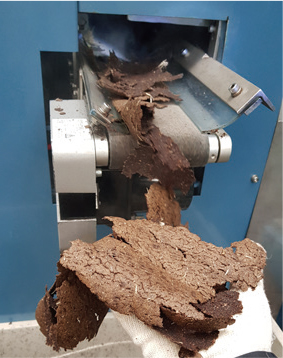
Compared to existing technologies, this equipment reduces odor generation by more than 60%, and CO2 emissions by about 40%. Since this product is a modular prefabricated type, it is possible to save installation space compared to plant-type drying facilities. The chip-type sludge discharge eliminates the need for additional/molding equipment, and step-by-step capacity expansion is possible.

Sludge cake weight reducer & sludge cake dehydration dryer

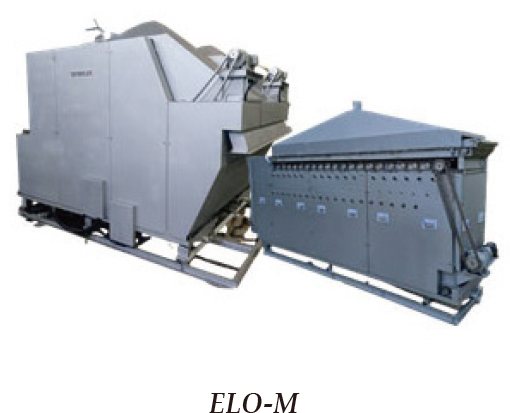
KWT’s electro-osmosis dehydrator (ELO-Ms), a sludge cake weight reducer, significantly reduces the weight of the cake by about 50% by dehydrating the sludge cake (a water content of about 80%) discharged after primary dehydration once again (a water content of about 60%).


KWT’s electro-osmosis dehydration dryer (ELO-M), a sludge cake dehydration dryer, rapidly dehydrates and dries sludge cake with a water content of 80% to less than 20%.


korean-machinery.com | Blog Magazine of korean-machinery, brands and Goods