 [INQ. NO. 1703M35] GSA is a leading company in the design and manufacturing of products for the treatment of compressed air and gas in Korea. It produces refrigerated compressed air dryers, desiccant air dryers, membrane dryers, after coolers, chillers, oil-water separators, particulate & air filters, automatic condensate drains, PSA nitrogen generator, PAS oxygen generator, PSA hydrogen purifier, PSA argon recovery and purification plant, PSA CO, CO2 recovery and purification plant, PSA methane recovery and purification plant, PSA other gases separation and purification plant.
The compressed air treating equipment is very important and widely used in various industries. Much of the condensate and vaporized oil is produced as a by-product when air is compressed by air compressor. If they are not removed properly, they can shorten the lifetime of various pneumatic tools and equipment and also lead to the shutdown of the entire production lines.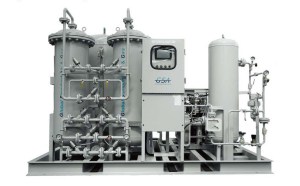
Representative Products of GSA – Desiccant Dryer, Refrigerated Air Dryer, etc.
Desiccant dryers (also known as Regenerative Desiccant Dryers) run the  compressed air through a chamber filled with desiccant, which is usually activated alumina or silica gel. The desiccant absorbs the moisture in its millions of pores, thereby trapping it. If the air dryer is using a smart controller, the compressed air dryer changes chambers when the dew point downstream begins to change, indicating the desiccant is wet.
Other models change on a set timer. The wet desiccant is regenerated, or dried, by the compressed air dryer’s hot purge air. The hot air drives off the moisture preparing the desiccant for its next cycle.
A refrigerated air-dryer removes moisture from the air through the use of a heat exchanger. An air-to-refrigerant heat exchanger is used to cool the air so that the vapor condenses into water. This water is then collected and drained out of the system, leaving only dry air. A refrigerated dryer typically has a dew point of around 40 degrees Fahrenheit.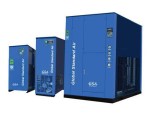
Nitrogen can be produced by separating oxygen and nitrogen in the air by using the pressure swing adsorption (PSA) process. Dry & oil-free compressed air 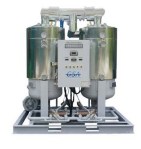 produced in out compressed air system enters the PSA nitrogen generator and is first stored in the dry air receiver from where it enters the PSA system.
Here, the oxygen is absorbed by the carbon molecular sieves and nitrogen is emitted as a product gas. The N2 enters the surge vessel where its purity is stabilized before it is sent to the nitrogen vessel and then drawn for use.
korean-machinery.com | Blog Magazine of korean-machinery, brands and Goods




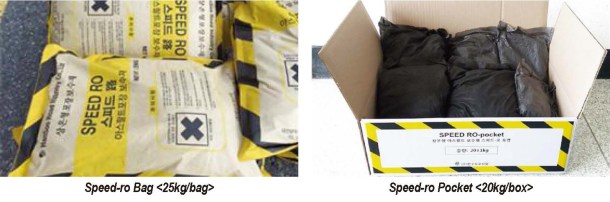 development through physical compaction. Resource cycling of cold patch is possible by using 100% recycled asphalt aggregate and nonvolatile special agent. Energy efficiency and reduction of CO2 emission is achievable in asphalt plants by producing room temperature.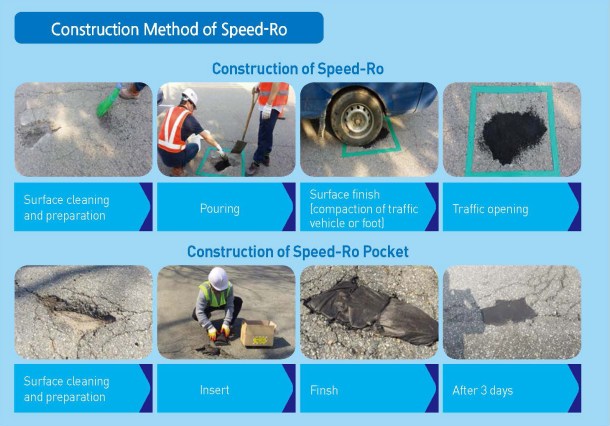
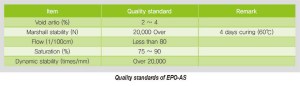 EPO-AS, a high-temperature asphalt mixture using epoxy resin as binder, is an excellent asphalt concrete pavement that has very high strength, resistant to plastic deformation and high-performance for bridges and heavy traffic zones.
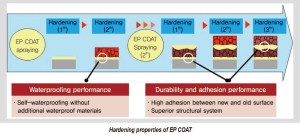 EP-COAT is an epoxy primer to increase the adhesion and water resistance of new and old asphalt, steel plate decking, and concrete slabs in the repairing of general asphalt and concrete pavement. This solution is made for pavement for new steel plate deck and concrete bridge, repairing pavement steel plate deck and concrete bridge, and pavement for heavy traffic roads and checkpoints.
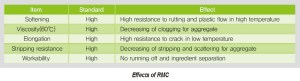 RMC, an asphalt modifier material, mainly composed of thermoplastic elastomer, which enhances deformation resistance, low temperature crack resistance, and fatigue resistance, compared to the normal asphalt pavement, by adding in plant mix method in asphalt plant.
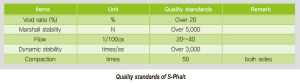 S-Phalt is a high-viscosity modified asphalt. It is added with RMC modifier during manufacturing asphalt mixture. It has high porosity that allows rainwater to drain through the continuously porous asphalt paving.
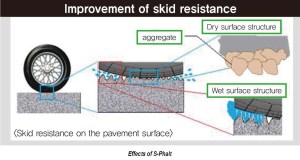 days. It ensures improved resistance to plastic deformation by using high viscosity modifier; prevents secession of aggregate owing to the increased adhesion; and ensures higher visibility of the road when it rains and driving at night. This solution also helps the significant mitigation of noise (3~5Db) when compared to the dense asphalt pavement.
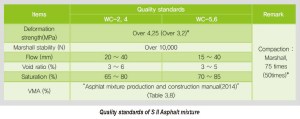 S II Asphalt, a modified asphalt concrete added with RMC modifier by the plant-mix method when producing asphalt mixture, enhancing deformation resistance, low temperature crack resistance, and fatigue resistance in repeat loading, compared to the normal asphalt pavement. This solution is intended to be used for construction of highways and motorways, and general roads frequented by heavy traffic, bridges and overpasses, tunnels and underpasses, and roads with serious rutting and deformation.
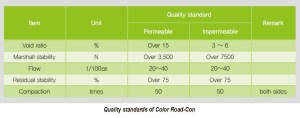 Color Road-Con is a new concept of pavement method designed for sidewalks, driveways, and riverside roads, which is added with high viscosity RMC modifier and a variety of color pigment in consideration of scenic urban landscape (both water drainable type / non drainable type available).
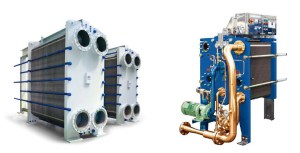
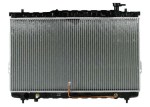
 A condenser is required to cool down the hot refrigerant coming from a compressor, so it is located at the front of a car where it can be exposed to the maximum amount of air. As the hot refrigerant flows into the condenser, it dissipates heat by flowing through a system
  of ultra-thin tubes that are held together by fins.
 compressed into high pressure gas and sent to the condenser. These units compress liquid refrigerant into gas while keeping the refrigerant flowing through the airconditioning system. Compressors are also filled with special lubricating oil, and some of this oil circulates with the refrigerant through the air-conditioning system, keeping all of the parts lubricated.
 A radiator is located at the front of a car’s engine, just behind the condenser, and is the most important component of the cooling module because it keeps the engine from overheating. The radiator is made up of a radiator core, along with two plastic side tanks, and all the necessary connections and attachments. The radiator core is made up of a network of fins and tubes that run either horizontally or vertically, depending on the application.
 vehicles from Hyundai, Kia, SsangYong and GM Korea, but also foreign-made cars from Toyota, Honda and BMW. The maker can supply automotive parts under the basis of both OEM and genuine parts. Its products can also carry the firm’s own brand “DJ parts.”
 Korean-made cars, including CRDi (Common Rail Direct Injection) dieselengine cars. They have the same quality as those being supplied to Mercedes Benz, BMW and Audi.
 Hyundai’s gasoline-engine cars and European diesel-engine cars. They are similar to those being supplied to Hyundai, Kia and Ssang Yong.
 Recently, the firm has acquired the Korean agency for Bosch.
 oriented attitude, we put all our efforts into finding ways to achieve mutual prosperity with our foreign customers, and are always ready to satisfy any complex requirements from overseas buyers, “ said the company’s spokesperson Raul Kim.
 accumulated during 20 years of experience and research in the manufacture of freezing equipment and panels.
 and operational noise. With it, users do not need to operate a refrigerator attached to the car engine.
 certifications like ISO 9001 and has actively explored overseas markets in more than 30 countries, especially in Southeast Asia, Southwest Asia, the Middle East, Latin America and Africa. It has also been designated as a “Promising Export Company” by Korea’s Small & Medium Business Administration. Moreover, it has registered itself for the UN procurement market.
 x 330mm (H), this model weighs only 8.9Kg. Its available spouting particle sizes range from 5 to 30㎛. With a chemical tank capacity of 6.5l, it generally spouts 20l of chemicals per hour. Easy to carry, it can operate in both smoke and fog mode.
 Other hot-selling models include the IZ-33 electric power ULV sprayer. With the main body made of aluminum and stainless steel, the model weighs only 5Kg. Ideal for pest control, it offers maximum chemical discharge rate of 60l per hour with its dimensions running 460 (L) x 290 (H) x 260mm (W). Easy to handle, it delivers ten-times higher productivity than air-pressure-type models.
 since the products such as COM type, RLO type, RVC type, LIN/BSS type are emerging.
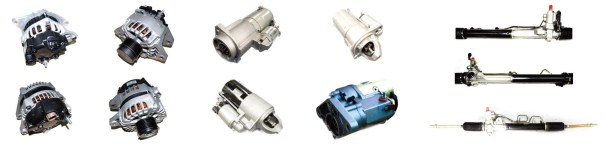
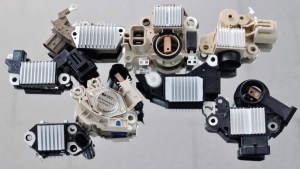 Alternator rectifiers also apply for 12V and 24V charging systems with press-fit type zener diode. Alternator die-cast and extrusion-type heat sink are available with welded connection to the stator wire.
 Test system for alternator rectifier is alternator rectifier ASM test system. Zener and avalanche type diode tests are available with programmable super power and V/I source. Testing usually takes only six seconds.
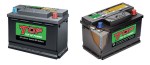 against any drastic temperature changes. It is a maintenance free product that needs no refilling of the electrolytic solutions. Now, a new era of automotive batteries begins with Solite.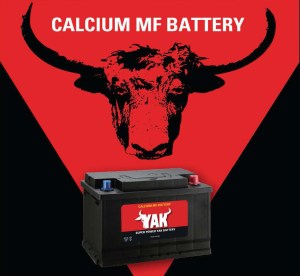



 Korean-Machinery.com