Vegetarian Restaurants

https://korean-machinery.com///inquiry

Vegetarian Restaurants with Michelin Green Star Taste

Other than fame, what do Ariana Grande, Billie Eilish, and Zendaya all have in common? They have all chosen to live a vegetarian lifestyle! Vegetarianism is a popular dietary option among the younger generation who have a big heart for animal welfare and the world climate. It’s no surprise that vegetarianism has also spread throughout Korea, with many restaurants catering to these diners. Among these, there are two restaurants that are well known for their outstanding taste, even earning the Michelin Green Star.

Michelin Green Star, environmental friendly recognition

The Michelin Guide, the international guide to fine dining, released the Michelin Green Star rating system in 2021. This new addition gives stars to restaurants that use environmentally friendly ingredients to make their tasty dishes. There are two restaurants in Seoul that have earned this prestigious award for three years in a row! For a high-quality vegan experience, visit A Flower Blossom on The Rice or Hwanggeum Kongbat.

A Flower Blossom on The Rice, vegetarian dining as beautiful as a flower

Location | Within Insa-dong, a top attraction in Seoul. Three-minute walk from Anguk Station (Seoul Subway Line 3)
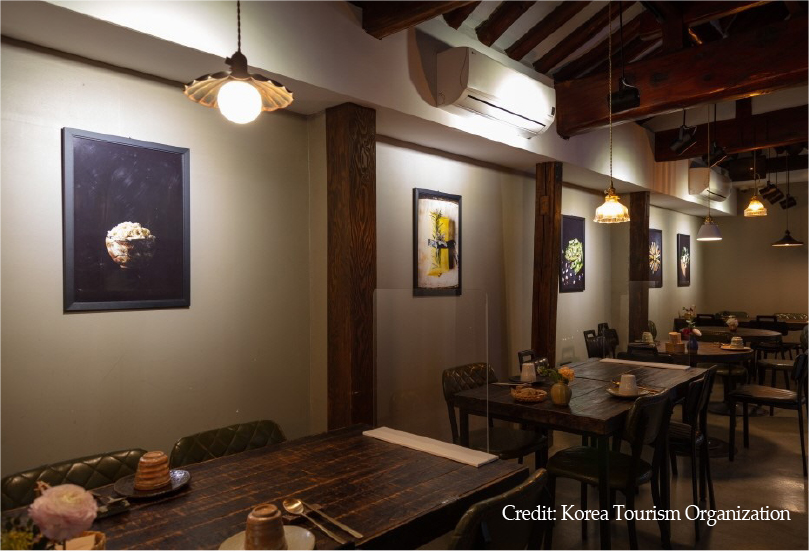
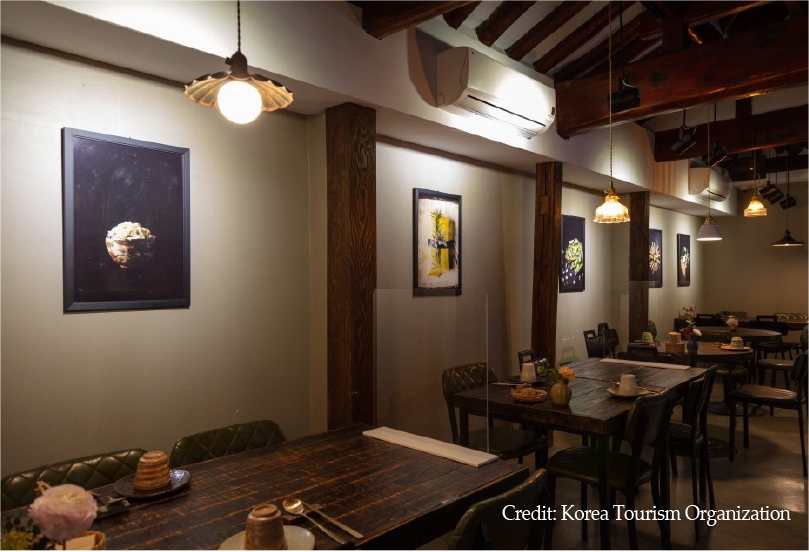
Introduction | A Flower Blossom on The Rice showcases just how beautiful a Korean vegetarian restaurant can be. Ninety-five percent of the restaurant’s ingredients are organic, pesticide-free, and animal welfare certified ingredients. The eggs come from chickens with a large area to roam, and the rice is cultivated by farmers who do not use pesticides.

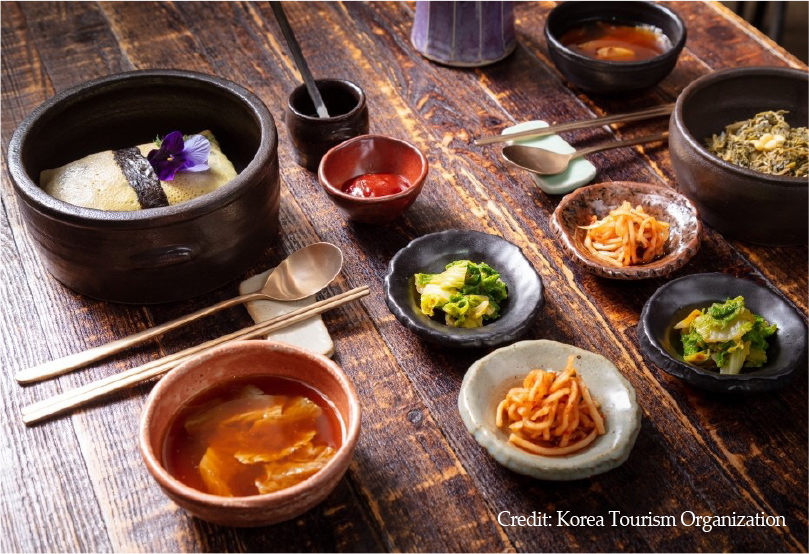
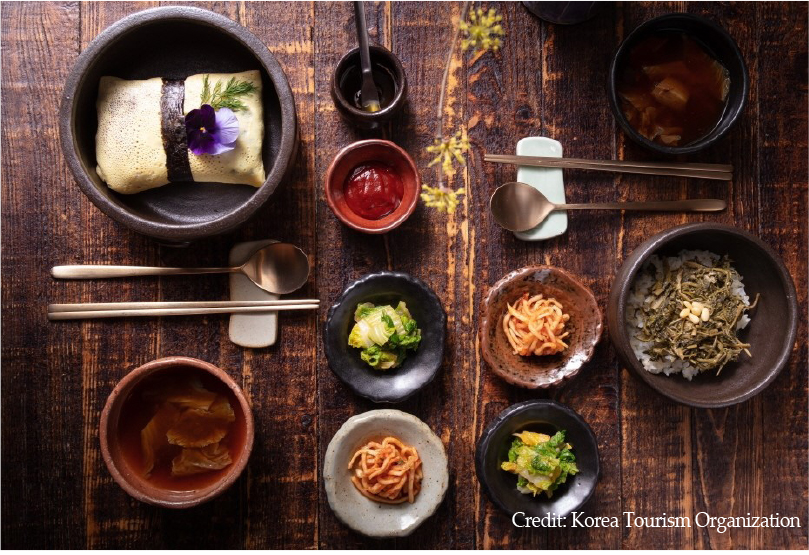
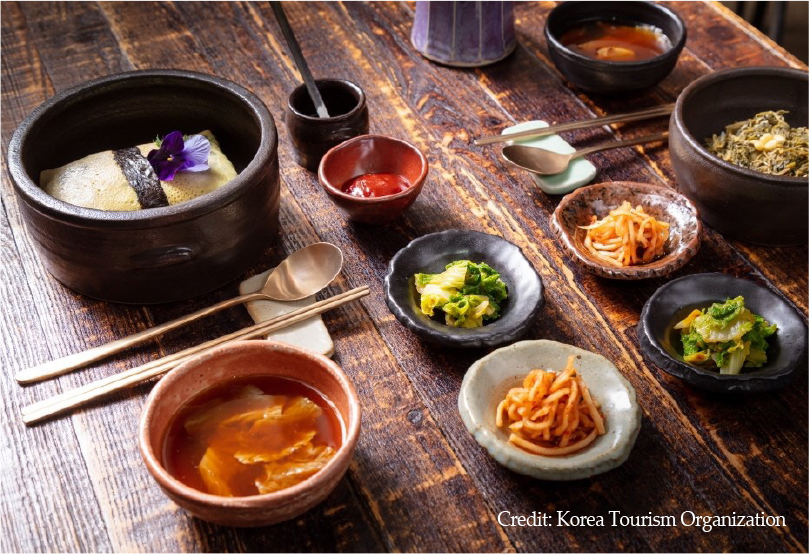
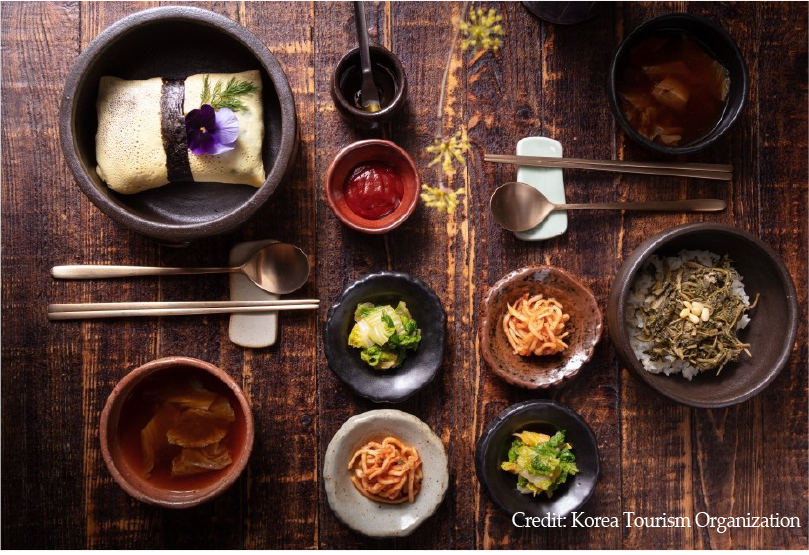
Signature menus | A Flower Blossom on The Rice’s signature menus are the bojagi bibimbap (limited lunch special) and the vegan course. The bojagi bibimbap is made by wrapping the rice in a sheet of fried egg yolk layers and decorated with a strip of seaweed and an edible flower. The rice filling is made with organic rice and six types of green vegetables for a hearty meal. The vegan course can be ordered as a full course or a half course, with each option including only 100% vegan foods. The course begins with a soup and salad before leading into savory vegetable pancakes and kimchi before the main course of rice and a stew, rounded out by dessert. Must-try dishes include the goatsbeard rice enjoyed by Michael Jackson during his trips to Korea, and the spicy Korean chili pepper japchae that comes with the full vegan course.

Tip | For non-vegetarians ordering the vegan course, you can also order side menus made with fish or meat, such as the tteok bulgogi (rice cake bulgogi) made with organic hanu (Korean beef).
Address: 3-6 Insadong 16-gil, Jongno-gu, Seoul
Operating hours: 11:30-21:00 (Break time 15:00-17:30) / Closed the day of Seollal (Lunar New Year’s Day) & Chuseok (Korean Thanksgiving Day)
Website: http://www.goodbab.co.kr

Hwanggeum Kongbat, a new world of bean curd cooking

Location | A five-minute walk from Aeogae Station on Seoul Subway Line 5. It’s also a short 20-minute ride on the subway from Seoul Station.
Introduction | Bean curd is one of the main ingredients used in vegetarian meals, thanks to the high level of protein found in soy beans, making it a good substitute for meat. At Hwanggeum Kongbat, the bean curd is made fresh every morning using 100% Korea-grown soy beans. Their bean curd became famous for its nutty flavor and smooth texture like that of pudding. The restaurant sends the soy bean pulp leftover from making the bean curd to farms to be used as animal fodder, earning high points from the Michelin Guide, which gives points for lower amounts of food waste!

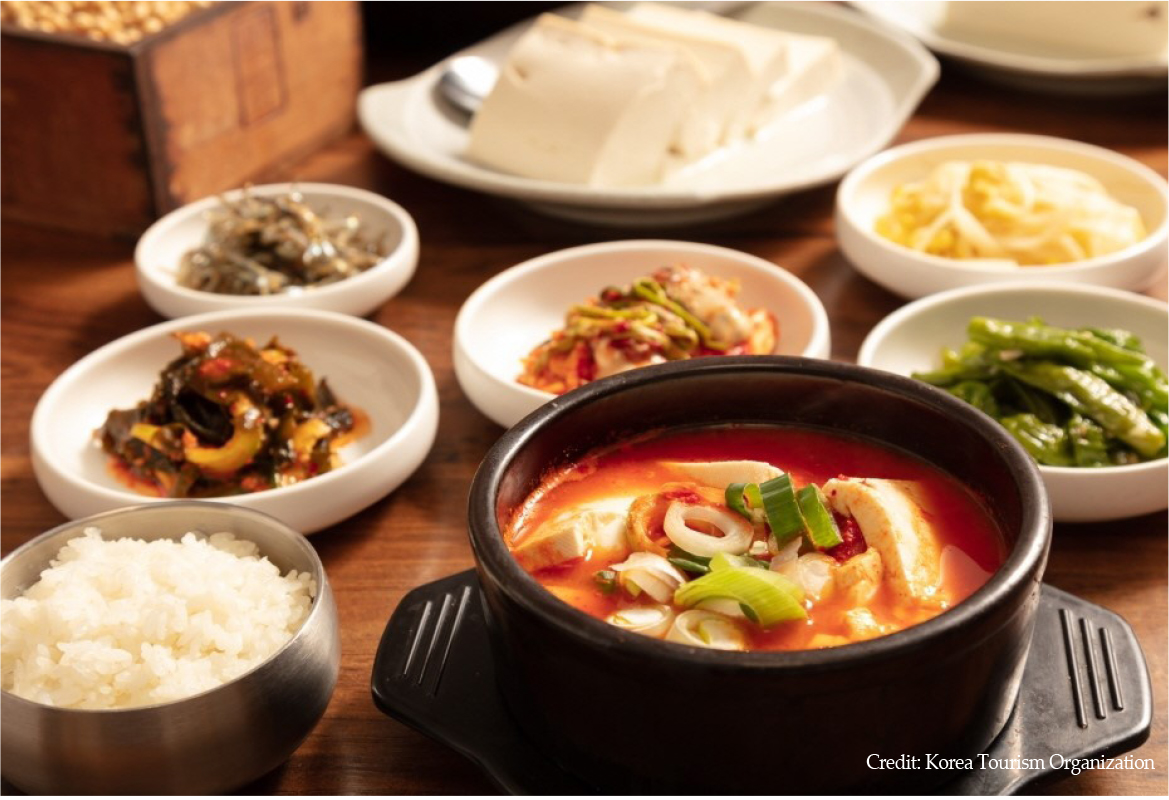
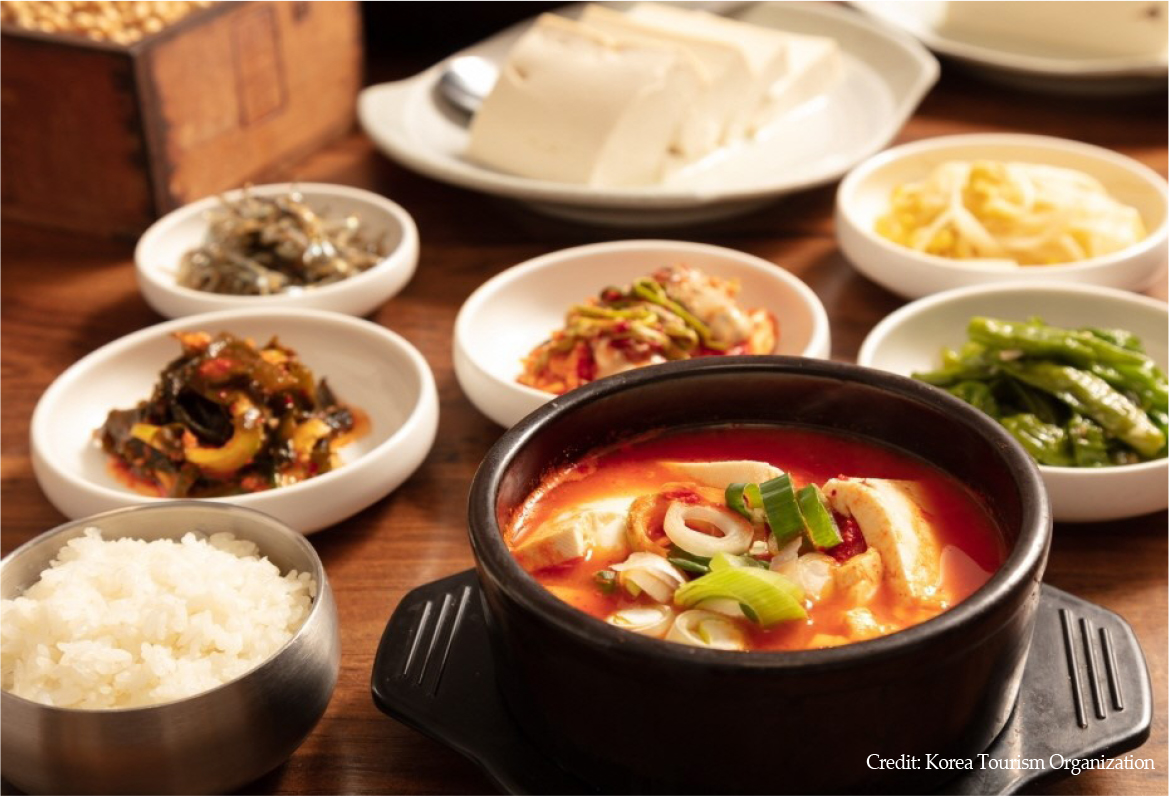
Signature menus | Hwanggeum Kongbat’s main menus are bean curd stew, salted bean curd soup, and bean curd course meal. If you enjoy spicy Korean food, try the bean curd stew, a dish served piping hot and spiced with Korean chili peppers. The salty bean curd soup is made with a vegetable broth salted with shrimp brine, making this dish only acceptable for pescatarians and pollotarians. If you order the bean curd course meal, you can try all of the restaurant’s signature dishes. From fresh bean curd made with just soy beans, water, and salt, to vegetable and tofu balls for vegetarians and bossam made with undyed pork for non-vegetarians, this course has something for everyone to enjoy.

Tip | Be sure to try the fresh bean curd without seasoning first. This way you’ll be able to taste the nutty flavor of the fresh bean curd!
Address: 9 Mapo-daero 16-gil, Mapo-gu, Seoul
Operating hours: Weekdays 11:30-21:30, Weekends 11:30-21:00 (Break time 15:30-17:00) / Closed Seollal (Lunar New Year) & Chuseok (Korean Thanksgiving) holidays

If you are a vegetarian planning a trip to Korea, be sure to also check the “Tips for Vegetarians” page on the VISITKOREA website for more information, including recommended menus.
 
 
korean-machinery.com | Blog Magazine of korean-machinery, brands and Goods
Platform Beyond Vehicles

https://korean-machinery.com///inquiry

[INQ. NO. 2509M18] Kia Corp. recently unveiled its first purpose-built vehicle (PBV), the Kia PV5, for the first time in Korea. The PV5 will bring about innovation in customers’ businesses and daily lives, for the first time in Korea, and concretized Kia’s vision for the Platform Beyond Vehicle (PBV) business through the exhibition space.
Kia’s PBV is a customized mobility solution that integrates vehicles and software solutions developed from the customer’s perspective. It aims to create new value for customers’ diverse lifestyles and business environments based on three major innovation elements – vehicle’s marketability; software solutions; and manufacturing sector ― thereby realizing a paradigm shift in mobility.

The PV5, the first dedicated PBV born under Kia’s PBV business strategy, is a mid-sized PBV developed to be used for various purposes such as mobility services, logistics, and leisure activities ― by applying a purpose-tailored vehicle structure and cutting-edge technology.
The PV5 is the first to apply the PBV-dedicated platform Electric-Global Modular Platform for Service (E-GMP.S) that adds marketability optimized for PBV on top of the excellent electrification technology of Hyundai Motor Group’s electric vehicle-only platform, Electric-Global Modular Platform (E-GMP), providing a spacious interior and cargo space, and can respond to a wide range of product lineups, from compact to large PBVs, by mounting various upper bodies for different purposes.

Kia can produce various body specifications optimized for customer needs in a timely manner by applying the flexible body system, which modularizes body parts of PV5 such as the roof, doors, and tailgate.
Kia displayed a variety of PV5 lineups in the PV5 Zone at the Seoul Mobility Show 2025, including the Passenger, focused on passenger boarding; the Cargo; specialized for logistics and urban delivery with a wide cargo loading space; and the Wheelchair Accessible Vehicle (WAV) developed for the convenience of mobility for the transportation disadvantaged ― thus comprehensively demonstrating the PV5’s potential to adapt according to customer purposes.

korean-machinery.com | Blog Magazine of korean-machinery, brands and Goods
Enjoy the Hangang River to the Fullest

https://korean-machinery.com///inquiry

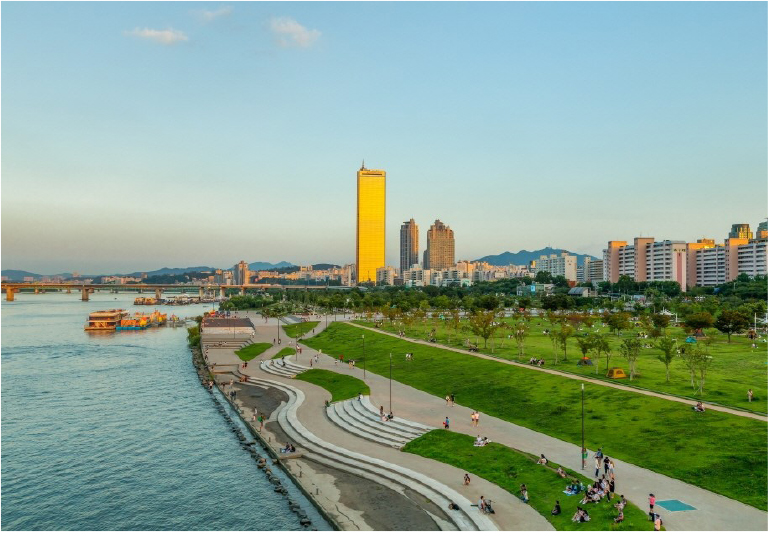
The Hangang River, a piece of nature within the city, is a popular recreational area for Seoulites. There are many parks along the river, making it an ideal place for a picnic, as well as other activities such as watching the fountain show. Why not spend a day like a local and enjoy everything by the river?

Go on a Picnic

Hajodae Scenic Point
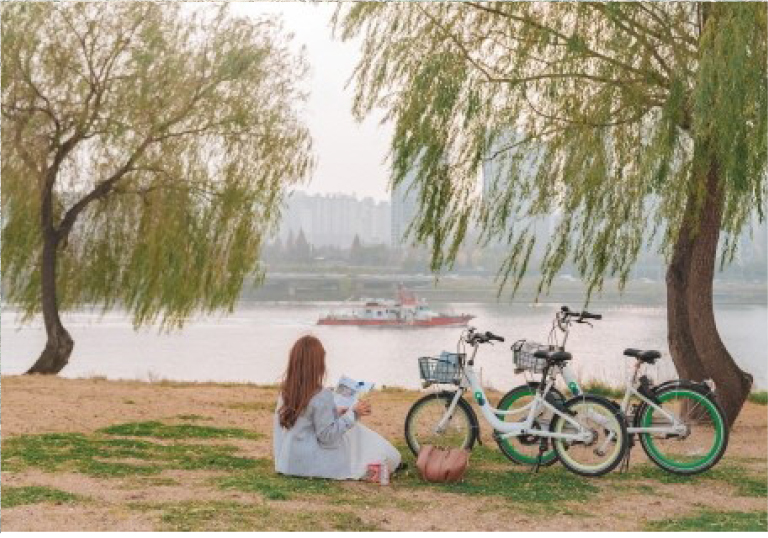
The Hangang River is a representative picnic spot in Seoul. There are many rental shops that offer tents, mats, tables, speakers and more, so you don’t have to prepare too much in advance. Convenience stores within the park also offer picnic essentials for sale.

Picnic on the Water
Enjoy a BBQ on the Hangang River at Waikiki Market in Nanji Hangang Park. If you order a set menu, you can get your choice of beef or pork with various side dishes, grilled skewer ingredients, and bottled water and you can grill the meat over charcoal on your own. Enjoy a delicious meal with an unhindered view of the river in daytime and a beautiful sunset and nightscape scenery during nighttime.

Must-Eats in Hangang
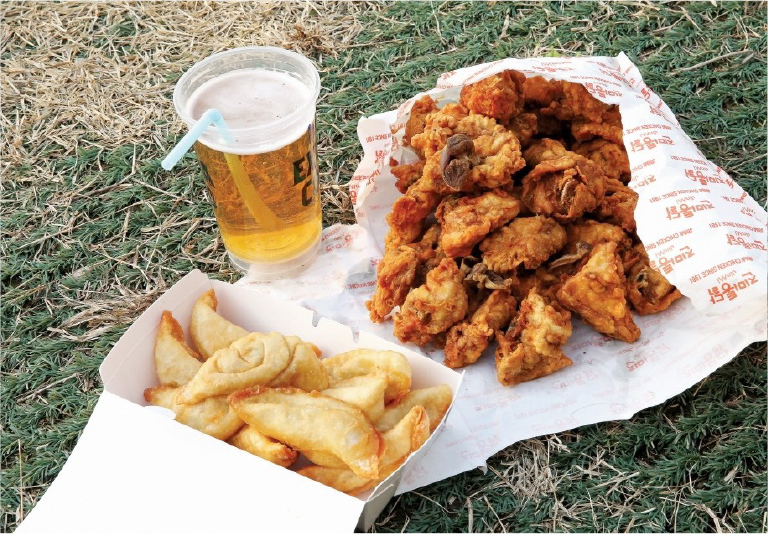
One of Koreans’ favorite combos, chicken and beer is a must-eat menu for an ideal picnic at a Hangang Park. There is a chicken franchise within Yeouido Hangang Park and Banpo Hangang Park for a quick pick-up. Ordering a boneless chicken will make cleaning up after easier as all you need is a fork for to enjoy the savory taste.
Instant ramyeon is another must-eat at a Hangang Park. It is easy to find ramyeon anywhere in Korea, but the clear view of the river makes the meal all the more special. A special ramyeon cooking machine makes cooking ramyeon in Hangang Park even more unique. The instructions with pictures are easy follow, so be sure to try this tasty meal.

Fun Activities Await

Bike Ride
Bike trail along the river makes it easy for anyone to go on a fun bike ride. There are many bike rental shops within the Hangang Parks. Just put your ID or passport on deposit and rent your choice of bike, available in single, double, or kids-friendly seats.
Ddareungi, a public bike rental offered by the Seoul Metropolitan Government, can be rented and returned using a mobile application. An exclusive foreigner rate is available on the official website where travelers can purchase the ticket online and use it in any of the rental shops.

Water Sports
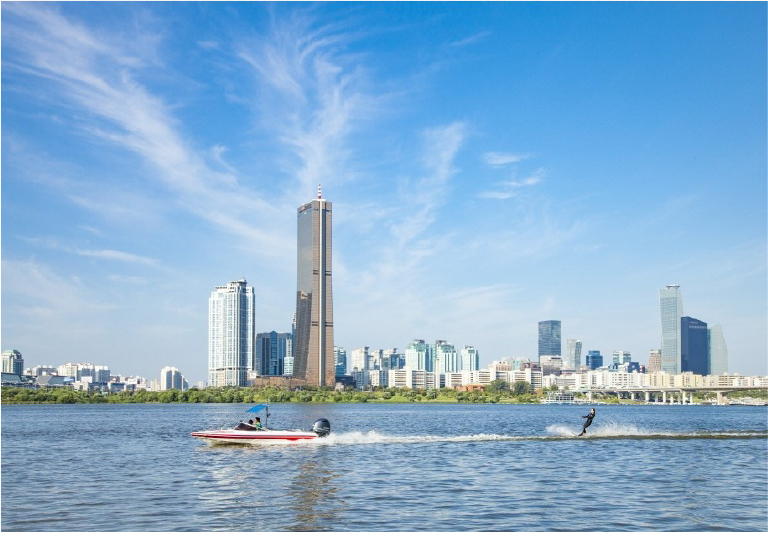
Activities to cool off the summer heat is always welcoming. To experience various water activities, head to Jamwon Hangang Park. Water sports including waterskiing, wakeboarding, paddle boarding, kayaking, and windsurfing as well as other activities such as banana boats and peanut boats are available with lessons for beginners. Ttukseom Hangang Park also offers paddle board, windsurf and kayak rentals. If you’d prefer a yacht tour, head to Banpo Hangang Park.
The Hangang Park outdoor swimming pools located in the city are not only easy to get to, but also affordable. Currently, there are four outdoor swimming pools (Yeouido, Ttukseom, Jamwon, Gwangnaru) and two water playgrounds (Nanji, Yanghwa) that offer their own unique theme and atmosphere. Yeouido outdoor swimming pool is the representative pool of Hangang Park with a capacity of 3,600 people, while Ttukseom outdoor swimming pool offers a lazy river pool. Nanji water playground has an infinity pool designed to look as if it’s connected to the Hangang River. Swimming pools and water playgrounds only operate during summer season.

Wrap it up with a Night Tour

Moonlight Rainbow Fountain
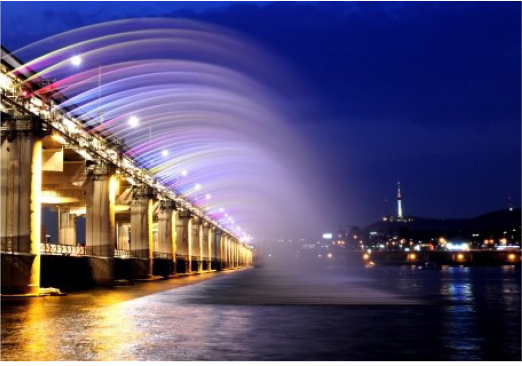
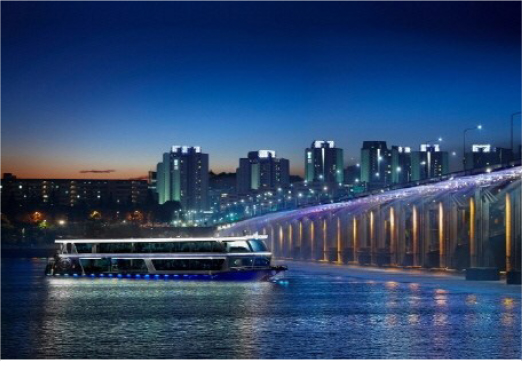
The most well-known nightscape spot among the many Hangang Parks is the Moonlight Rainbow Fountain by Banpodaegyo Bridge. The colorfully lit water dancing to fun music will leave spectators in awe. The fountain nozzles are installed in a row on a 1,140 meter-long bridge and was registered in the Guinness Book of World Records as the world’s longest bridge fountain in 2008.

Night Market
The night at Hangang Park comes alive with the night market. Food trucks line the road with foods from around the world and you’ll also find various handmade goods that make for an excellent souvenir. There are also many events and performances that make a trip to the Hangang Moonlight Market much more entertaining.

Hangang Cruise
The view of Seoul on a cruise is a sight to behold. There are three main options available: Sunset Cruise, for viewing sunset that colors Seoul in a hue of red; Starlight Cruise, for soaking up the evening atmosphere by the river; and Moonlight Music Cruise, where you can enjoy the nightscape with live music. Cafeteria within the cruise provides food and drinks for sale for those looking for a grub. You can get on the cruise at the dock within Yeouido Hangang Park.

korean-machinery.com | Blog Magazine of korean-machinery, brands and Goods
Beginners’ Guide to: Jeju Island

https://korean-machinery.com///inquiry

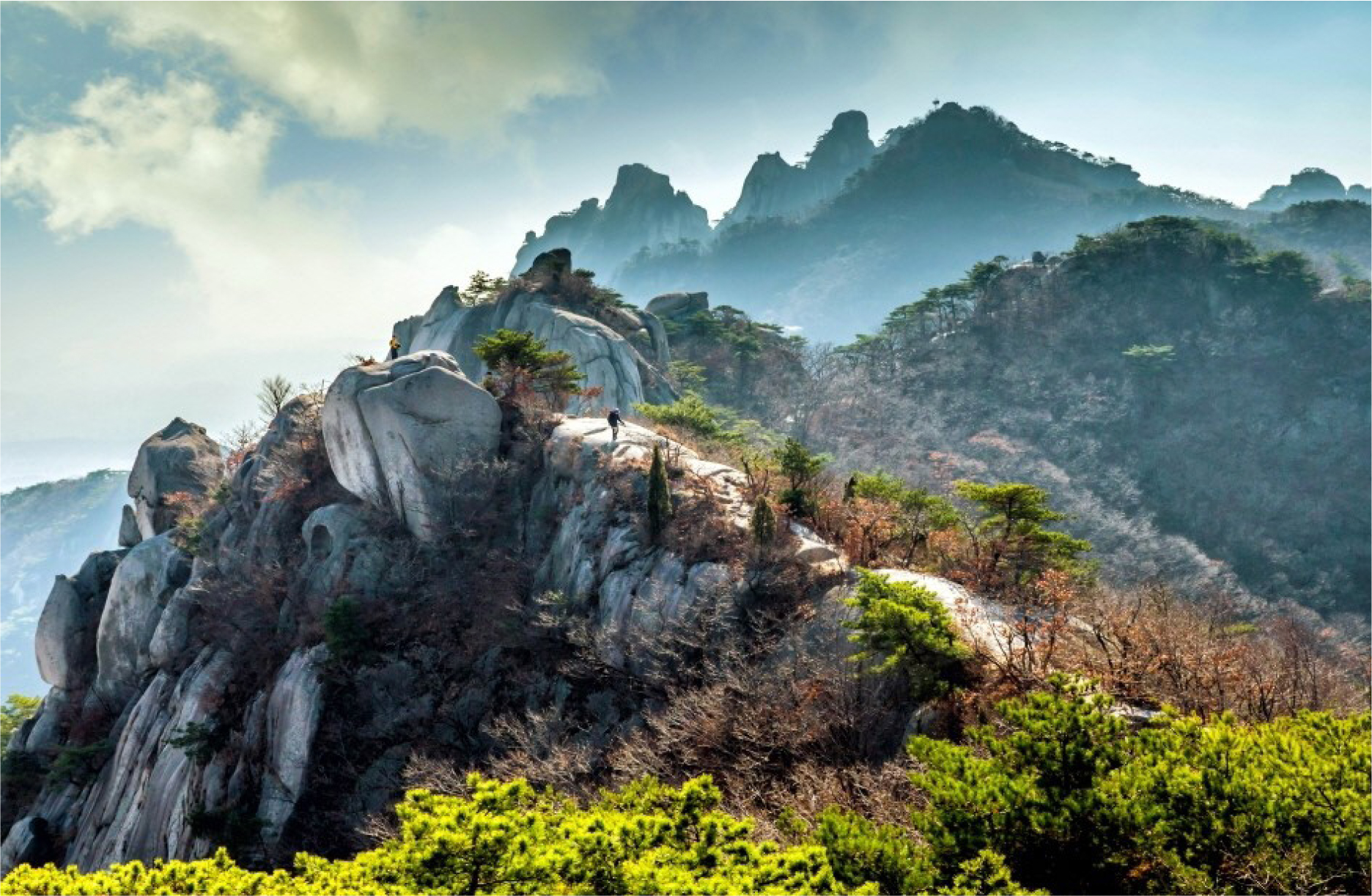
Located southwest of the Korean Peninsula is the largest island of Korea, Jeju Island. The island is one of the most relaxing vacation spots found in Korea thanks to its unique local atmosphere and beautiful natural environment. The volcanic lava tubes that make up nearly 10% of the island’s area are a designated UNESCO World Natural Heritage Site.
Seongsan Ilchulbong Tuff Cone, Manjanggul Lava Tube, and Hallasan National Park are must-see sights. Additional attractions include forests, waterfalls, and parasitic cones. With so many beautiful things to see, it can be hard work to plan your itinerary. Following our guide, you can enjoy a stress-free, relaxing retreat, no matter which part of Jeju you choose to visit.

UNESCO World Heritage Course

Rising from the sea, Seongsan Ilchulbong Tuff Cone
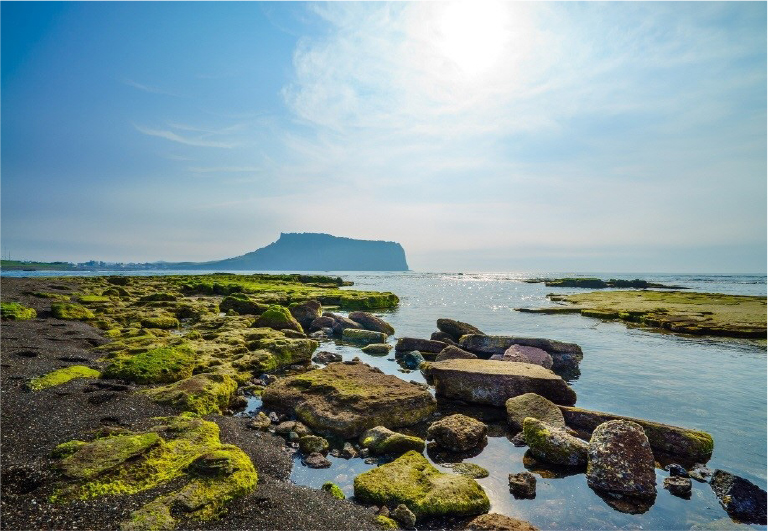
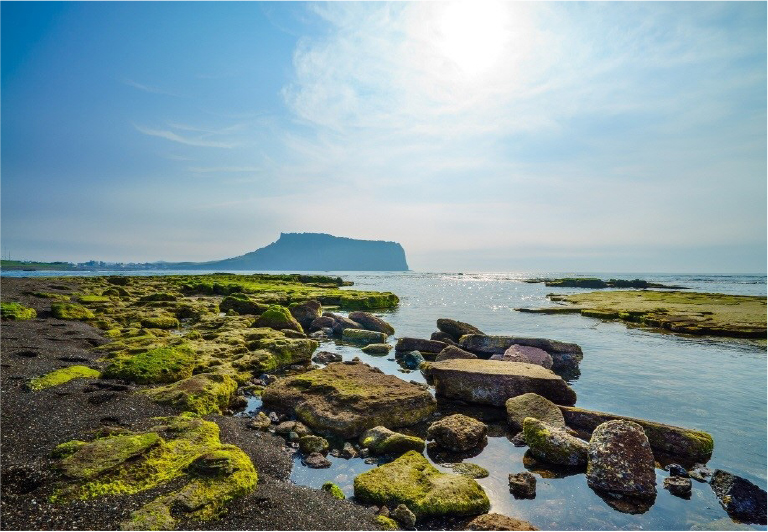
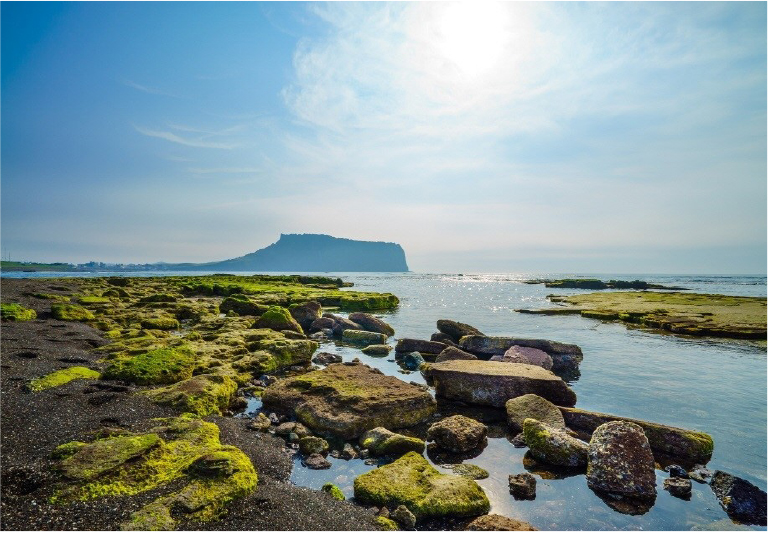
Seongsan Ilchulbong Tuff Cone, a landmark attraction of Jeju, was formed about 5,000 years ago from an eruption of magma on the ocean floor. It is especially famous as a sunrise viewing spot, known to be one of the top ten exquisite sceneries of Jeju Island.
Besides viewing the sunrise, Seongsan Ilchulbong Tuff Cone is also known to be an excellent trekking spot. The Seongsan-Ojo Trail connects two villages by crossing the peak. Another popular trail, the Jijil Trail, offers a closer look at the UNESCO-designated geopark as well as Jeju’s local culture. Walking along one of these paths is recommended to really experience the area; walking all the way to the summit offers views of both the vast volcanic crater in the center and the blue ocean surrounding the area. To complete your trip, head to Seongsanpo Port to watch haenyeo (female divers) at work.

Feel the breeze at Cape Seopjikoji
A short drive from Seongsan Ilchulbong Peak will take you to Cape Seopjikoji. The name comes from the Jeju dialect for a “Cape of Small Land” due to its peculiar cliff formation that protrudes into the ocean. The picturesque harmony of the hill and ocean attract tourists all year round. You might even be able to sight Jeju ponies grazing on the field of grass.
Walking northeast along the cliff, you will arrive at Bulgeunoreum Parasitic Cone, offering an exquisite view of a white lighthouse with the dark blue sea in the background. Additional noteworthy attractions of Cape Seopjikoji are the Glasshouse and Yumin Art Gallery, two masterpieces designed by world-renowned architect Ando Tadao. The two buildings blend in remarkably well with the surrounding nature.

Observe the beauty of ridges at Yongnunioreum Parasitic Cone
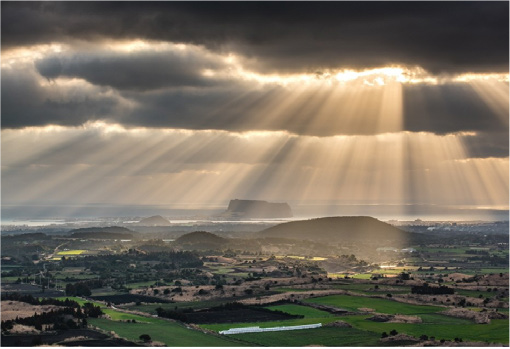
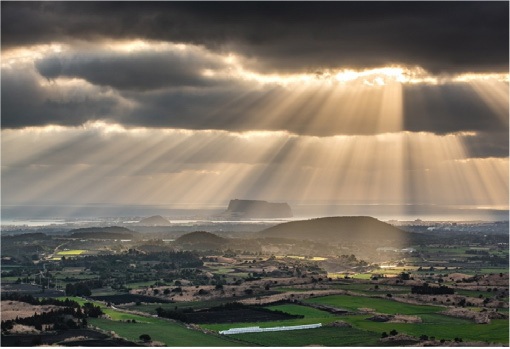
You can’t say you’ve been to Jeju Island without visiting one of the many oreum, Jeju dialect for parasitic cone. There are approximately 360 oreum scattered throughout Jeju. Among these hundreds of oreums, Yongnunioreum Parasitic Cone is undoubtedly the most well-known. It’s not far from Seongsan Ilchulbong Tuff Cone and has a moderately gentle slope, providing a fairly convenient trail for trekking.
Both Seongsan Ilchulbong Tuff Cone and Udo Island can be seen from the peak of Yongnunioreum, offering an unforgettable panorama. The view of curvy ridges along with the ocean also serves as an excellent backdrop for memorable photos. If you are looking for a perfect spot for souvenir photos, be sure to check out Yongnunioreum Parasitic Cone.

A long-lasting garden of nutmeg yews, Bijarim Forest
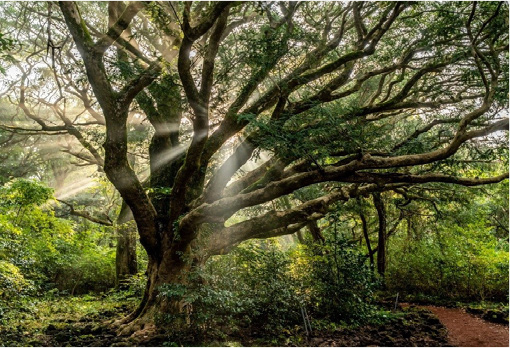
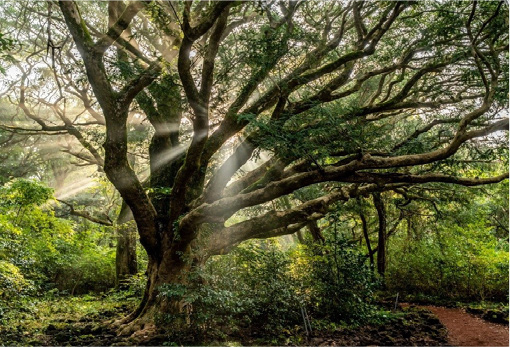
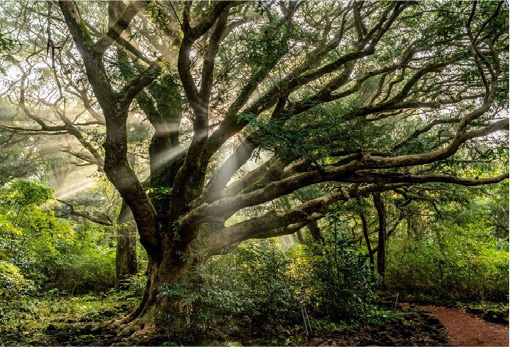
In contrast to Yongnunioreum’s open vistas, Bijarim Forest is an ideal spot for a relaxing forest retreat. The dense forest is home to hundreds of bija (nutmeg yew) trees, and is the largest forest in the world to be made up of one plant species. Most of the trees in the forest have lived for 500 to 700 years, earning the forest the nickname “Forest of a Thousand Years.” Must-see sights while at Bijarim Forest are none other than the 800-year old tree and the conjoined nutmeg yews.

Enter the mysterious underground castle, Manjanggul Lava Tube
Of all the oreum on Jeju, Geomunoreum is the only parasitic cone to be designated as a UNESCO World Natural Heritage site. The oreum holds over 20 caves within its body, although only Manjanggul Lava Tube is open to the public. With its profoundly mysterious and grand appearance, taking a step inside the cave is like stepping into Hades’ underworld. Follow the tunnel of articulate lava rock formations, and you will soon reach a giant rock pillar that indicates the end of the cave. The cave’s temperature fluctuates within 11-21°C regardless of season, allowing visitors to enjoy the magnificent cave all year round.

Seogwipo Nature & Culture Course

Enjoy artwork along the ocean, Jeongbangpokpo Falls and Waljong Art Gallery
Seogwipo, which includes the entire southern half of Jeju, exhibits a great amount of sunshine and warm temperatures, attracting crowds of tourists all year round. One attraction many people choose to visit is Jeongbangpokpo Falls, one of the top three waterfalls on Jeju Island. The water falls 23 meters straight down off the cliff and into a pool before flowing to the sea.
Located on the cliff behind Jeongbangpokpo Falls is Waljong Art Gallery. This gallery is dedicated to the Korean artist Lee Wal Jong, who settled in Jeju decades ago. The gallery is filled with his inspiring artworks, expressing the beauty of Jeju in his own unique way. The strategic location and glass-walled second floor also offer visitors an amazing view looking over the sea.

Nature-made art, Jusangjeolli Cliff and Cheonjeyeonpokpo Falls
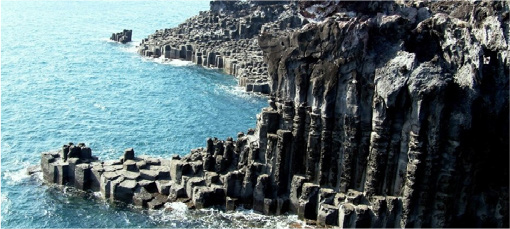
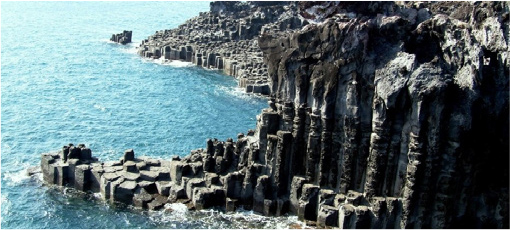
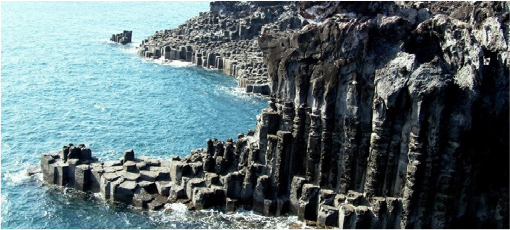
Jeju Jungmun Resort is blessed with not only beautiful natural scenery but also with numerous entertainment and convenience facilities catering to both domestic and international tourists. Jusangjeolli Cliff, near the International Convention Center Jeju, delivers a sight to behold with its gigantic rock pillars running along the costal line. Cheonjeyeonpokpo Falls, a three-tiered waterfall, is another attraction not to be missed in Seogwipo. While the first section of the waterfall is only active after rain, the second and third sections are active all year round.

Rekindle childhood memories at the Teddy Bear Museum
Another favorite tourist attraction at Jungmun Resort is the Teddy Bear Museum. The museum boasts quite an impressive collection of teddy bears from all over the world. Exhibition halls are designed with different themes, such as 20th century history exhibition and fable parodies, all portrayed by teddy bears. The Teddy Bear Museum is a popular museum loved by visitors of all ages, recommended as an excellent place to visit with friends, families, or even on a date. The museum also has a souvenir shop, cafeteria, and a park that offers a splendid view.

Downtown Jeju History & Culture Course

Discover the history and culture of Jeju Island
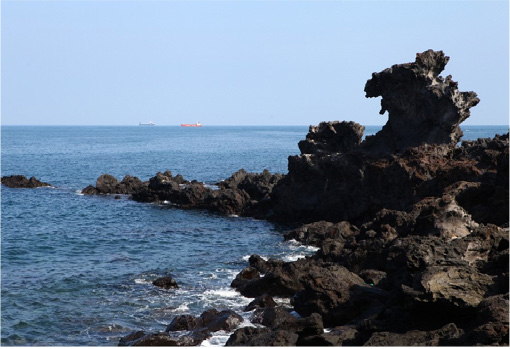
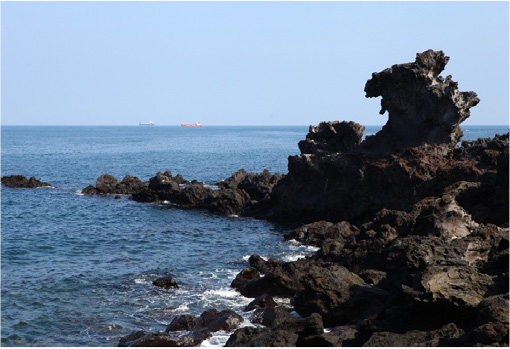
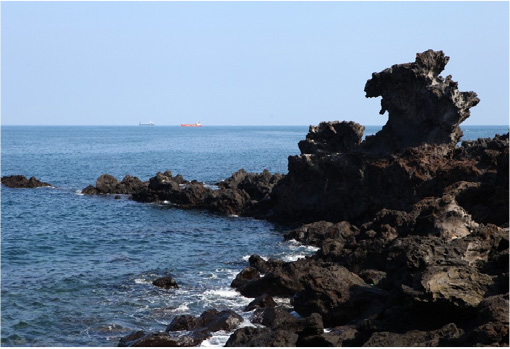
Yongduam Rock, a top tourist attraction in downtown Jeju, is one of the many natural wonders of Jeju Island. Formed by underwater lava millions of years ago, eons of weathering from the rain and wind have formed it into the likeness of a dragon’s head.
After visiting Yongduam Rock, head down to the Jeju Folklore & Natural History Museum to learn about the development of the island people and culture over time. Not only does Jeju Island have its own dialect, it also has a distinct culture that separates it from the rest of mainland Korea, all of which you can see and enjoy from a quick tour of the museum. Right next to the museum is Samseonghyeol Shrine, a religious site that is also the birthplace of Jeju’s ancient mythology. The old trees and traces of the past create a devotional atmosphere.

 
korean-machinery.com | Blog Magazine of korean-machinery, brands and Goods

Vegetarian Restaurants with Michelin Green Star Taste

https://korean-machinery.com///inquiry

Other than fame, what do Ariana Grande, Billie Eilish, and Zendaya all have in common? They have all chosen to live a vegetarian lifestyle! Vegetarianism is a popular dietary option among the younger generation who have a big heart for animal welfare and the world climate. It’s no surprise that vegetarianism has also spread throughout Korea, with many restaurants catering to these diners. Among these, there are two restaurants that are well known for their outstanding taste, even earning the Michelin Green Star.

Michelin Green Star, environmental friendly recognition

The Michelin Guide, the international guide to fine dining, released the Michelin Green Star rating system in 2021. This new addition gives stars to restaurants that use environmentally friendly ingredients to make their tasty dishes. There are two restaurants in Seoul that have earned this prestigious award for three years in a row! For a high-quality vegan experience, visit A Flower Blossom on The Rice or Hwanggeum Kongbat.

A Flower Blossom on The Rice, vegetarian dining as beautiful as a flower

Location | Within Insa-dong, a top attraction in Seoul. Three-minute walk from Anguk Station (Seoul Subway Line 3)
Introduction | A Flower Blossom on The Rice showcases just how beautiful a Korean vegetarian restaurant can be. Ninety-five percent of the restaurant’s ingredients are organic, pesticide-free, and animal welfare certified ingredients. The eggs come from chickens with a large area to roam, and the rice is cultivated by farmers who do not use pesticides.

Signature menus | A Flower Blossom on The Rice’s signature menus are the bojagi bibimbap (limited lunch special) and the vegan course. The bojagi bibimbap is made by wrapping the rice in a sheet of fried egg yolk layers and decorated with a strip of seaweed and an edible flower. The rice filling is made with organic rice and six types of green vegetables for a hearty meal. The vegan course can be ordered as a full course or a half course, with each option including only 100% vegan foods. The course begins with a soup and salad before leading into savory vegetable pancakes and kimchi before the main course of rice and a stew, rounded out by dessert. Must-try dishes include the goatsbeard rice enjoyed by Michael Jackson during his trips to Korea, and the spicy Korean chili pepper japchae that comes with the full vegan course.

Tip | For non-vegetarians ordering the vegan course, you can also order side menus made with fish or meat, such as the tteok bulgogi (rice cake bulgogi) made with organic hanu (Korean beef).
Address: 3-6 Insadong 16-gil, Jongno-gu, Seoul
Operating hours: 11:30-21:00 (Break time 15:00-17:30) / Closed the day of Seollal (Lunar New Year’s Day) & Chuseok (Korean Thanksgiving Day)
Website: http://www.goodbab.co.kr

Hwanggeum Kongbat, a new world of bean curd cooking

Location | A five-minute walk from Aeogae Station on Seoul Subway Line 5. It’s also a short 20-minute ride on the subway from Seoul Station.
Introduction | Bean curd is one of the main ingredients used in vegetarian meals, thanks to the high level of protein found in soy beans, making it a good substitute for meat. At Hwanggeum Kongbat, the bean curd is made fresh every morning using 100% Korea-grown soy beans. Their bean curd became famous for its nutty flavor and smooth texture like that of pudding. The restaurant sends the soy bean pulp leftover from making the bean curd to farms to be used as animal fodder, earning high points from the Michelin Guide, which gives points for lower amounts of food waste!

Signature menus | Hwanggeum Kongbat’s main menus are bean curd stew, salted bean curd soup, and bean curd course meal. If you enjoy spicy Korean food, try the bean curd stew, a dish served piping hot and spiced with Korean chili peppers. The salty bean curd soup is made with a vegetable broth salted with shrimp brine, making this dish only acceptable for pescatarians and pollotarians. If you order the bean curd course meal, you can try all of the restaurant’s signature dishes. From fresh bean curd made with just soy beans, water, and salt, to vegetable and tofu balls for vegetarians and bossam made with undyed pork for non-vegetarians, this course has something for everyone to enjoy.

Tip | Be sure to try the fresh bean curd without seasoning first. This way you’ll be able to taste the nutty flavor of the fresh bean curd!
Address: 9 Mapo-daero 16-gil, Mapo-gu, Seoul
Operating hours: Weekdays 11:30-21:30, Weekends 11:30-21:00 (Break time 15:30-17:00) / Closed Seollal (Lunar New Year) & Chuseok (Korean Thanksgiving) holidays

If you are a vegetarian planning a trip to Korea, be sure to also check the “Tips for Vegetarians” page on the VISITKOREA website for more information, including recommended menus.

korean-machinery.com | Blog Magazine of korean-machinery, brands and Goods
Unveiling the Traditional Charm of the Korean Folk Village

https://korean-machinery.com///inquiry

Nestled in the scenic landscape of Yongin-si, Gyeonggi-do, the Korean Folk Village stands as a vibrant testament to South Korea’s rich cultural heritage. Since opening its doors in October 1974, this expansive 245-acre living museum has transported millions of visitors back to the late Joseon Dynasty (1392-1897), offering an immersive glimpse into traditional Korean life.

A Living Museum of History and Craft

The heart of the Korean Folk Village lies in its meticulous recreation of traditional Korean architecture. The village features 270 authentic houses that were carefully relocated and reconstructed from various regions across Korea. As you wander through the village pathways, you’ll encounter common dwellings, aristocratic residences, provincial government offices (gwana), educational institutions (seowon), Buddhist temples, and even a fortune-teller’s abode—each telling its own story of Joseon-era life.
One of the most enchanting aspects of the village is witnessing traditional Korean craftsmanship in action. Nine specialized ateliers showcase skilled artisans practicing time-honored crafts including blacksmithing, earthenware making, bamboo weaving, and woodworking. Visitors can observe the creation of bamboo ware, wooden utensils, brass tableware, wooden masks, and naturally dyed fabrics, with many items available for purchase as unique souvenirs.
The village truly comes alive through its schedule of dynamic traditional performances. The non-verbal Pungmul Performance combines Korean music and dance in a way that transcends language barriers, while the Eolssigu Jeolssigu parade brings together traditional dances and comic elements from the classic Tale of Chunhyang. Other performances include equestrian displays and traditional wedding ceremonies, each offering a window into historic Korean life.

Cultural Experiences and Seasonal Festivities

The Marketplace recreates the authentic atmosphere of a Joseon-era market, serving around 20 local and seasonal dishes prepared using traditional methods. Visitors can indulge in classic Korean fare such as naengmyeon (cold noodles), bibimbap (mixed rice bowl), and handmade dumpling soup. Korea House serves upscale Korean dishes popular among international tourists, while Gilmokjip offers specialties like bulgogi in a traditional setting. Traditional teahouses serve herbal teas alongside seasonal treats like sweet red-bean porridge in winter.
The Korean Folk Village transforms throughout the year with distinct seasonal experiences. The “Adding the Moonlight” evening festival bathes traditional houses in gentle illumination and features captivating LED performances. The “Horror Village in the Dead of Night” offers ghostly encounters inspired by Joseon-era folklore. Spring brings the “Welcome to Joseon” festival with costumed historical characters, while winter features the King’s Christmas festival and opportunities to try traditional Korean snow sledding.
The village also celebrates traditional Korean holidays with special events—fortune rice cake on Korean New Year, moon house burning during Jeongwol Daeboreum (First Full Moon), and traditional games during Chuseok (Korean Thanksgiving).

Visitor Information and Regional Attractions

The Korean Folk Village is located at #90 Minsokchon-ro, Giheung-gu, Yongin-si, Gyeonggi-do. Operating hours vary by season, generally running from 9:30 AM until early evening, with extended hours on weekends. Admission fees range from 8,000 to 15,000 KRW, with “Free Pass” options available at higher rates.
Transportation options from Seoul include bus routes No. 5001-1 from Sinnonhyeon Station and No. 4101 from Sungnyemun Gate. Subway travelers can take the Suin-Bundang Line to Sanggal Station and connect to local buses. Visitor feedback consistently highlights the importance of wearing comfortable footwear and recommends renting a hanbok (traditional Korean clothing) to enhance the immersive experience.
The strategic location makes the Korean Folk Village an excellent anchor for exploring other regional attractions. Nearby lies Everland, South Korea’s largest amusement park, and the UNESCO World Heritage Suwon Hwaseong Fortress. Other attractions include the Gyeonggi Children’s Museum, Nam June Paik Art Center, and Hwadam Botanic Garden.
The Korean Folk Village represents a vital bridge connecting contemporary visitors with Korea’s rich cultural heritage. Through its authentic architecture, living traditions, vibrant performances, and seasonal celebrations, the village offers an unparalleled opportunity to experience the essence of traditional Korean life that resonates with visitors of all backgrounds—making it a must-visit destination for anyone seeking to understand the soul of Korea’s cultural past.

 
korean-machinery.com | Blog Magazine of korean-machinery, brands and Goods

Blossoming Journey

https://korean-machinery.com///inquiry

Blossoming Journey: 5 Must-Visit Spring Destinations in South Korea

Spring in South Korea transforms the peninsula into a vibrant canvas of colors and renewal. As winter recedes, the country awakens with blossoming landscapes perfect for unforgettable travel experiences. From iconic cherry blossom festivals to fields of golden flowers and historic sites adorned with spring’s touch, here are five exceptional destinations showcasing Korea’s springtime splendor.

Jinhae: A Spectacular Cherry Blossom Festival

Jinhae, in South Korea’s southern coastal region, is the country’s premier cherry blossom destination. Each spring, this naval city hosts the Jinhae Gunhangje Festival, Korea’s largest cherry blossom celebration. Originally started in 1952 as a memorial for Admiral Yi Sun-sin, it has evolved into a magnificent celebration of naval heritage and natural beauty. The 63rd Jinhae Gunhangje Festival in 2025 will run from March 29 to April 6, attracting millions of visitors.
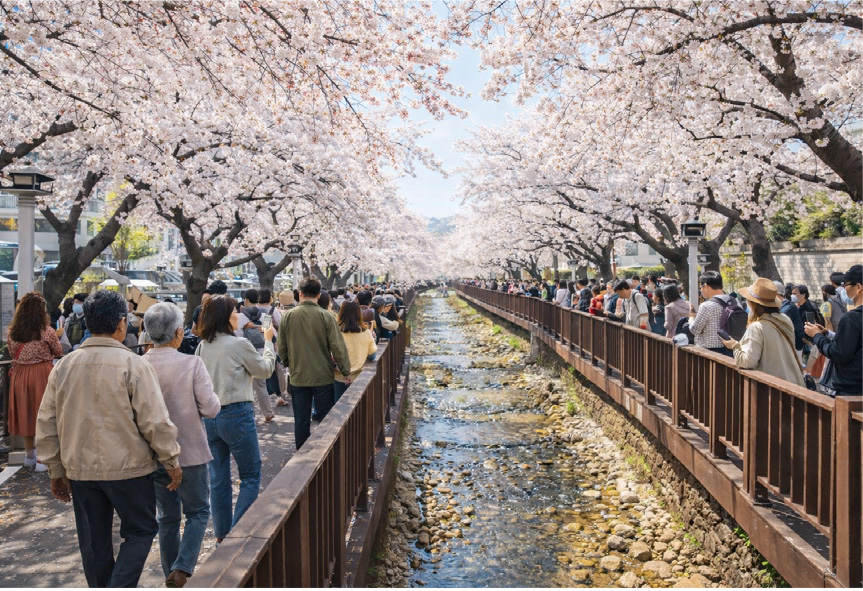
Key viewing spots include Yeojwacheon Stream, where cherry trees form a tunnel of blossoms along its banks, with the “Romance Bridge” being particularly captivating. Though now closed as a functioning station, Gyeonghwa Station’s railway tracks lined with cherry trees create one of Korea’s most photographed springtime scenes. For panoramic views, visitors can ascend Jinhae Tower at Jehwangsan Park.
Visit from late March to early April for peak bloom. From Seoul, intercity buses take 4-5 hours, or you can take the KTX high-speed train to Changwon or Busan followed by local transportation. Local delights include cherry blossom-themed foods and fresh seafood from nearby waters.

Gyeongju: Spring Amidst Ancient History

Gyeongju, the thousand-year capital of the ancient Silla Kingdom, offers a unique blend of historical landmarks and beautiful spring scenery. This UNESCO World Heritage city becomes even more captivating when cherry blossoms adorn its numerous historical sites.
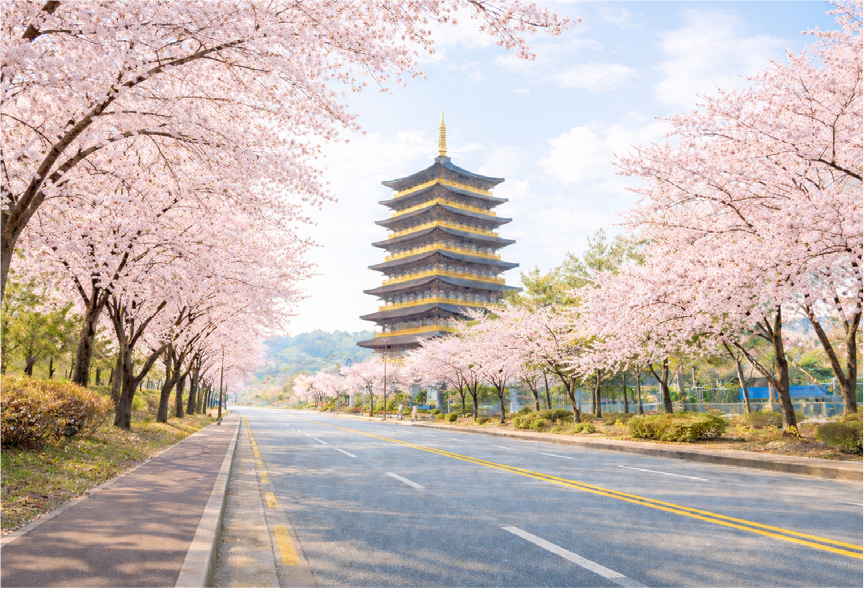
Hwangnyongsa Cherry Blossom Road, the path in front of General Kim Yu-sin’s tomb, is famous for its “popcorn-like” fluffy cherry blossoms. At Daereungwon Royal Tombs, ancient burial mounds create a striking contrast with the cherry and canola flowers that bloom around them. UNESCO World Heritage sites Bulguksa Temple and Seokguram Grotto take on an enhanced spiritual atmosphere in spring, while Bomun Lake offers leisure activities alongside cherry blossom viewing.
Spring flowers typically bloom from late March to early April. Transportation to Gyeongju is convenient, with KTX trains and express buses connecting the city to Seoul and other major centers. Accommodation options range from traditional hanok guesthouses to modern hotels and resorts. Don’t miss traditional cuisine including Gyeongju ssambap (wrapped rice) and historic Gyeongju bread.

Gurye Sansuyu Village: A Sea of Golden Yellow

While cherry blossoms dominate much of Korea’s spring imagery, Gurye Sansuyu Village offers a distinctly different spring palette with its golden yellow cornelian cherry flowers. From mid-March to early April, the entire village transforms into a stunning landscape of bright yellow blossoms stretching approximately 2km through Daepyeong, Bangok, Hawui, and Sangwi Villages.
The sansuyu flowers hold special cultural significance in the region. According to local tradition, couples in old Gurye would exchange these flowers and fruits as a form of proposal, giving the area a romantic heritage. Peak bloom typically occurs in late March, coinciding with the annual Gurye Sansuyu Flower Festival which celebrates with various cultural performances and programs.
Accommodation includes traditional hanok guesthouses and pensions that allow visitors to experience the countryside lifestyle. The area is known for products made from sansuyu fruits such as tea and makgeolli (rice wine), which make perfect souvenirs.

Jeju Island: A Rainbow of Spring Colors

Jeju Island, Korea’s largest volcanic island, transforms into a painter’s palette in spring with multiple flower varieties blooming across its unique landscape. The combination of volcanic terrain, lush vegetation, and coastal scenery creates a multi-dimensional spring experience.
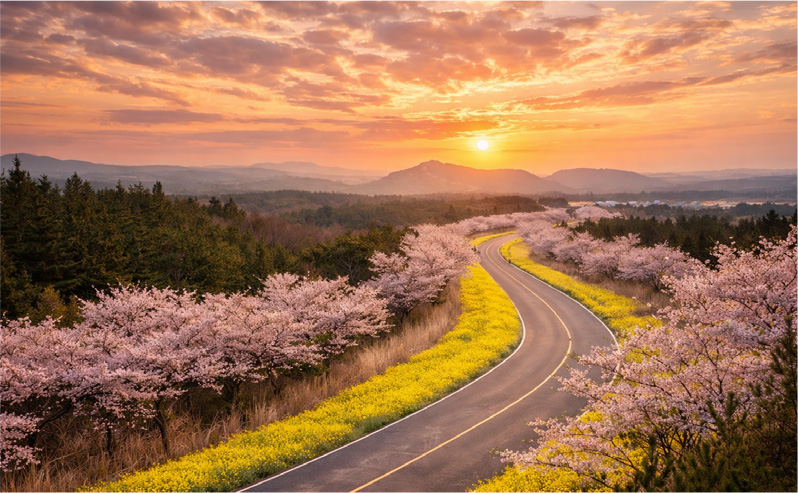
Jeonnong-ro in Jeju City becomes a 1.2km tunnel of cherry blossoms, while Noksan-ro features an enchanting blend of cherry blossoms and yellow canola flowers. In Seongeup Folk Village, traditional thatched-roof houses against a backdrop of cherry blossoms create a nostalgic scene. Gapado Island, off Jeju’s coast, is covered with fields of green barley in spring, creating an emerald sea effect against the blue ocean.
Jeju’s cherry blossoms typically bloom from late March to early April, while canola flowers bloom from March through May, making April the ideal time to experience Jeju’s full spring spectrum. Jeju is accessible via flights from major Korean cities, and renting a car is the most convenient way to explore. The island offers distinctive local cuisine featuring fresh seafood, black pork, and abalone.

Suncheon: Embracing Spring’s Ecological Awakening

Suncheon, in South Korea’s southwestern region, offers a comprehensive spring experience centered around verdant natural environments and ecological preservation. The Suncheon Bay National Garden bursts with colorful flowers in spring, while the nearby Suncheon Bay Wetland Reserve, famous for its vast reed beds and migratory bird habitats, takes on a fresh green appearance.
For spiritual tranquility, Songgwangsa Temple surrounded by mountains offers a peaceful spring retreat, while Naganeupseong Folk Village allows visitors to imagine life in Korea’s pastoral past while surrounded by fresh spring greenery.
Spring in Suncheon brings mild temperatures and lush greenery perfect for outdoor exploration. The National Garden’s spring flowers typically reach their peak in April and May, offering a slightly later spring experience than other Korean destinations.


korean-machinery.com | Blog Magazine of korean-machinery, brands and Goods
Vegetarian Restaurants with Michelin Green Star Taste

https://korean-machinery.com///inquiry

Other than fame, what do Ariana Grande, Billie Eilish, and Zendaya all have in common? They have all chosen to live a vegetarian lifestyle! Vegetarianism is a popular dietary option among the younger generation who have a big heart for animal welfare and the world climate. It’s no surprise that vegetarianism has also spread throughout Korea, with many restaurants catering to these diners. Among these, there are two restaurants that are well known for their outstanding taste, even earning the Michelin Green Star.

Michelin Green Star, environmental friendly recognition

The Michelin Guide, the international guide to fine dining, released the Michelin Green Star rating system in 2021. This new addition gives stars to restaurants that use environmentally friendly ingredients to make their tasty dishes. There are two restaurants in Seoul that have earned this prestigious award for three years in a row! For a high-quality vegan experience, visit A Flower Blossom on The Rice or Hwanggeum Kongbat.

A Flower Blossom on The Rice, vegetarian dining as beautiful as a flower

Location┃Within Insa-dong, a top attraction in Seoul. Three-minute walk from Anguk Station (Seoul Subway Line 3)

Introduction┃A Flower Blossom on The Rice showcases just how beautiful a Korean vegetarian restaurant can be. Ninety-five percent of the restaurant’s ingredients are organic, pesticide-free, and animal welfare certified ingredients. The eggs come from chickens with a large area to roam, and the rice is cultivated by farmers who do not use pesticides.

Signature menus┃A Flower Blossom on The Rice’s signature menus are the bojagi bibimbap (limited lunch special) and the vegan course. The bojagi bibimbap is made by wrapping the rice in a sheet of fried egg yolk layers and decorated with a strip of seaweed and an edible flower. The rice filling is made with organic rice and six types of green vegetables for a hearty meal. The vegan course can be ordered as a full course or a half course, with each option including only 100% vegan foods. The course begins with a soup and salad before leading into savory vegetable pancakes and kimchi before the main course of rice and a stew, rounded out by dessert. Must-try dishes include the goatsbeard rice enjoyed by Michael Jackson during his trips to Korea, and the spicy Korean chili pepper japchae that comes with the full vegan course.

Hwanggeum Kongbat, a new world of bean curd cooking

Location┃A five-minute walk from Aeogae Station on Seoul Subway Line 5. It’s also a short 20-minute ride on the subway from Seoul Station.

Introduction┃Bean curd is one of the main ingredients used in vegetarian meals, thanks to the high level of protein found in soy beans, making it a good substitute for meat. At Hwanggeum Kongbat, the bean curd is made fresh every morning using 100% Korea-grown soy beans. Their bean curd became famous for its nutty flavor and smooth texture like that of pudding. The restaurant sends the soy bean pulp leftover from making the bean curd to farms to be used as animal fodder, earning high points from the Michelin Guide, which gives points for lower amounts of food waste!

Signature menus┃Hwanggeum Kongbat’s main menus are bean curd stew, salted bean curd soup, and bean curd course meal. If you enjoy spicy Korean food, try the bean curd stew, a dish served piping hot and spiced with Korean chili peppers. The salty bean curd soup is made with a vegetable broth salted with shrimp brine, making this dish only acceptable for pescatarians and pollotarians. If you order the bean curd course meal, you can try all of the restaurant’s signature dishes. From fresh bean curd made with just soy beans, water, and salt, to vegetable and tofu balls for vegetarians and bossam made with undyed pork for non-vegetarians, this course has something for everyone to enjoy.

1330 Korea Travel Helpline: +82-1330 (Korean, English, Japanese, Chinese, Russian, Vietnamese, Thai, Malay)
 
 
korean-machinery.com | Blog Magazine of korean-machinery, brands and Goods
Beginners’ Guide to: Jeju Island

https://korean-machinery.com///inquiry

Located southwest of the Korean Peninsula, Jeju Island is the largest island of Korea. The island is one of the most relaxing vacation spots found in Korea thanks to its unique local atmosphere and beautiful natural environment. The volcanic lava tubes that make up nearly 10% of the island’s area are a designated UNESCO World Natural Heritage Site.
Seongsan Ilchulbong Tuff Cone, Manjanggul Lava Tube, and Hallasan National Park are must-see sights. Additional attractions include forests, waterfalls, and parasitic cones. With so many beautiful things to see, it can be hard work to plan your itinerary. Following our guide, you can enjoy a stress-free, relaxing retreat, no matter which part of Jeju you choose to visit.

UNESCO World Heritage Course

Rising from the sea, Seongsan Ilchulbong Tuff Cone
Seongsan Ilchulbong Tuff Cone, a landmark attraction of Jeju, was formed about 5,000 years ago from an eruption of magma on the ocean floor. It is especially famous as a sunrise viewing spot, known to be one of the top ten exquisite sceneries of Jeju Island.
Besides viewing the sunrise, Seongsan Ilchulbong Tuff Cone is also known to be an excellent trekking spot. The Seongsan-Ojo Trail connects two villages by crossing the peak. Another popular trail, the Jijil Trail, offers a closer look at the UNESCO-designated geopark as well as Jeju’s local culture. Walking along one of these paths is recommended to really experience the area; walking all the way to the summit offers views of both the vast volcanic crater in the center and the blue ocean surrounding the area. To complete your trip, head to Seongsanpo Port to watch haenyeo (female divers) at work.

Feel the breeze at Cape Seopjikoji
A short drive from Seongsan Ilchulbong Peak will take you to Cape Seopjikoji. The name comes from the Jeju dialect for a “Cape of Small Land” due to its peculiar cliff formation that protrudes into the ocean. The picturesque harmony of the hill and ocean attract tourists all year round. You might even be able to sight Jeju ponies grazing on the field of grass.
Walking northeast along the cliff, you will arrive at Bulgeunoreum Parasitic Cone, offering an exquisite view of a white lighthouse with the dark blue sea in the background. Additional noteworthy attractions of Cape Seopjikoji are the Glasshouse and Yumin Art Gallery, two masterpieces designed by world-renowned architect Ando Tadao. The two buildings blend in remarkably well with the surrounding nature.

Observe the beauty of ridges at Yongnunioreum Parasitic Cone
You can’t say you’ve been to Jeju Island without visiting one of the many oreum, Jeju dialect for parasitic cone. There are approximately 360 oreum scattered throughout Jeju. Among these hundreds of oreums, Yongnunioreum Parasitic Cone is undoubtedly the most well-known. It’s not far from Seongsan Ilchulbong Tuff Cone and has a moderately gentle slope, providing a fairly convenient trail for trekking.
Both Seongsan Ilchulbong Tuff Cone and Udo Island can be seen from the peak of Yongnunioreum, offering an unforgettable panorama. The view of curvy ridges along with the ocean also serves as an excellent backdrop for memorable photos. If you are looking for a perfect spot for souvenir photos, be sure to check out Yongnunioreum Parasitic Cone.

A long-lasting garden of nutmeg yews, Bijarim Forest
In contrast to Yongnunioreum’s open vistas, Bijarim Forest is an ideal spot for a relaxing forest retreat. The dense forest is home to hundreds of bija (nutmeg yew) trees, and is the largest forest in the world to be made up of one plant species. Most of the trees in the forest have lived for 500 to 700 years, earning the forest the nickname “Forest of a Thousand Years.” Must-see sights while at Bijarim Forest are none other than the 800-year old tree and the conjoined nutmeg yews.

Enter the mysterious underground castle, Manjanggul Lava Tube
Of all the oreum on Jeju, Geomunoreum is the only parasitic cone to be designated as a UNESCO World Natural Heritage site. The oreum holds over 20 caves within its body, although only Manjanggul Lava Tube is open to the public. With its profoundly mysterious and grand appearance, taking a step inside the cave is like stepping into Hades’ underworld. Follow the tunnel of articulate lava rock formations, and you will soon reach a giant rock pillar that indicates the end of the cave. The cave’s temperature fluctuates within 11-21℃ regardless of season, allowing visitors to enjoy the magnificent cave all year round.

Seogwipo Nature & Culture Course

Enjoy artwork along the ocean, Jeongbangpokpo Falls and Waljong Art Gallery
Seogwipo, which includes the entire southern half of Jeju, exhibits a great amount of sunshine and warm temperatures, attracting crowds of tourists all year round. One attraction many people choose to visit is Jeongbangpokpo Falls, one of the top three waterfalls on Jeju Island. The water falls 23 meters straight down off the cliff and into a pool before flowing to the sea.
Located on the cliff behind Jeongbangpokpo Falls is Waljong Art Gallery. This gallery is dedicated to the Korean artist Lee Wal Jong, who settled in Jeju decades ago. The gallery is filled with his inspiring artworks, expressing the beauty of Jeju in his own unique way. The strategic location and glass-walled second floor also offer visitors an amazing view looking over the sea.

Nature-made art, Jusangjeolli Cliff and Cheonjeyeonpokpo Falls
Jeju Jungmun Resort is blessed with not only beautiful natural scenery but also with numerous entertainment and convenience facilities catering to both domestic and international tourists. Jusangjeolli Cliff, near the International Convention Center Jeju, delivers a sight to behold with its gigantic rock pillars running along the costal line. Cheonjeyeonpokpo Falls, a three-tiered waterfall, is another attraction not to be missed in Seogwipo. While the first section of the waterfall is only active after rain, the second and third sections are active all year round.

Rekindle childhood memories at the Teddy Bear Museum
Another favorite tourist attraction at Jungmun Resort is the Teddy Bear Museum. The museum boasts quite an impressive collection of teddy bears from all over the world. Exhibition halls are designed with different themes, such as 20th century history exhibition and fable parodies, all portrayed by teddy bears. The Teddy Bear Museum is a popular museum loved by visitors of all ages, recommended as an excellent place to visit with friends, families, or even on a date. The museum also has a souvenir shop, cafeteria, and a park that offers a splendid view.

Downtown Jeju History & Culture Course

Discover the history and culture of Jeju Island
Yongduam Rock, a top tourist attraction in downtown Jeju, is one of the many natural wonders of Jeju Island. Formed by underwater lava millions of years ago, eons of weathering from the rain and wind have formed it into the likeness of a dragon’s head.
After visiting Yongduam Rock, head down to the Jeju Folklore & Natural History Museum to learn about the development of the island people and culture over time. Not only does Jeju Island have its own dialect, it also has a distinct culture that separates it from the rest of mainland Korea, all of which you can see and enjoy from a quick tour of the museum. Right next to the museum is Samseonghyeol Shrine, a religious site that is also the birthplace of Jeju’s ancient mythology. The old trees and traces of the past create a devotional atmosphere.

korean-machinery.com | Blog Magazine of korean-machinery, brands and Goods
Day Trip to Euljiro, a Rising Hotspot in Seoul

https://korean-machinery.com///inquiry

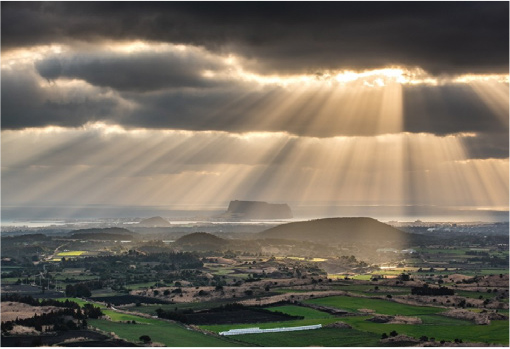
The area of Euljiro is full of history and trendy locations right in the heart of Seoul. The area is centered around Sewoon Plaza, a large commercial building built in the 1970s. As unique and trendy shops began opening alongside the old printing factory, lighting, and tool stores, this hot place received the name “hipjiro,” a combination of the words hip and Euljiro. Here is a charming tour course perfect for a day trip to Euljiro.

10:00 AM Euljiro Alley Tour
The Euljiro tour can start from any station connecting to Cheonggyecheon Stream on the Seoul Subway Line: Eujiro 3(Sam)-ga Station, Euljiro 4(sa)-ga Station, and Jongno 3(sam)-ga Station. Wherever the trip begins, visitors can reach all the major spots of Euljiro by following the countless alleys. The Euljiro area has an ironwork alley, lighting alley, and nogari (dried pollack) alley, making for a great sightseeing trip. Another method is by entering any alley and shop to each liking.

12:00 PM Bowl of Pyeongyang Naengmyeon
The area of Euljiro is also famous for its countless Pyeongyang naengmyeon (cold buckwheat noodles) restaurants. The cold and unique flavor of the soup is a special trait of Pyeongyang naengmyeon. The noodles go especially well with meat. Each store has a variety of selections from bulgogi to suyuk (boiled beef slices), pyeonyuk (boiled pork slices), and much more.

14:00 PM Cup of Coffee in a Nostalgic Cafe
Fragrant coffee and sweet dessert are a must during travels. The Euljiro area has common coffee shops as well as unique cafés with a different vibe. In particular, Coffee Hanyakbang is popular among not only locals, but also tourists. This café specializes in pour over coffee. Just like its name Hanyakbang, which refers to an old-fashioned pharmacy dealing with medicinal herbs, the interior of the café is decorated with old cabinets inlaid with mother-of-pearl, vintage record players, and antiques giving it a unique retro look.
Across the street from Coffee Hanyakbang is a bakery shop that specializes in cake and chocolates. Hyemindang used to be the location of a medical facility called Hyeminseo during the Joseon period. The antique interior design from that period is the biggest characteristic of this shop.

16:00 PM Look around Sewoon Plaza
Sewoon Plaza is Korea’s first mixed-use commercial building and used to be a popular electronics department store. The building has Sewoon Electronics Department Store, Cheonggye Arcade, Daerim Arcade, Dasisewoon Plaza, and more. The building is famous for being the filming location for Korean dramas “Vincenzo (2021)” and “Guardian: The Lonely and Great God (2016). In particular, Cheonggye Arcade and Daerim Arcade have cafés, bookstores, and restaurants that are popular on social media. At Geumjiokyeop, visitors can find posters, books, and goods from old popular films. Horangyi is a recommended coffee shop with old school vibes.
18:00 PM Wrap up the Day at a Wine Bar
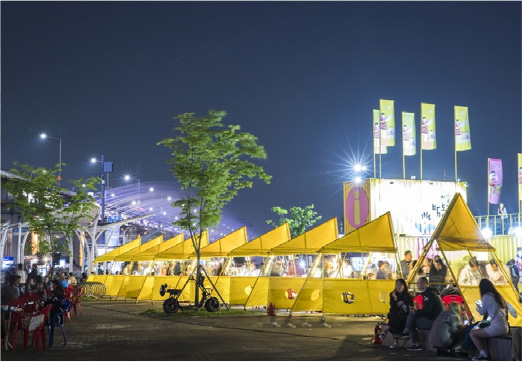
To wrap up the Euljiro tour, how about spending some time at a charming wine bar or pub. The wine bars in Euljiro have retro entrances but the interior design is completely different. Each bar has its own characteristic. There is one wine bar named Le temple that serves delicious dishes made with Jamόn, cheese, and fruits. Some have LP bars playing the classics, like at Pky and The Edge, and some, such as eulijiok and Le temple, have live DJ performances.
Euljiro Nogari Street is perfect for beer lovers who want to enjoy beer and nogari at an affordable price. People sit on tables along the alley and enjoy the summer night.

korean-machinery.com | Blog Magazine of korean-machinery, brands and Goods