
The architectural beauty of hanok structures continues to awe visitors to Korea, with many people including a trip to a hanok village on their itinerary. If you’ve already been to Bukchon Hanok Village or Jeonju Hanok Village but still want to see more, then plan some time in Eunpyeong Hanok Village! Despite being located within Seoul, this village maintains a slower, quieter ambiance where you can truly appreciate the beauty of hanok along with the majestic Bukhansan Mountain.
Eunpyeong Hanok Village
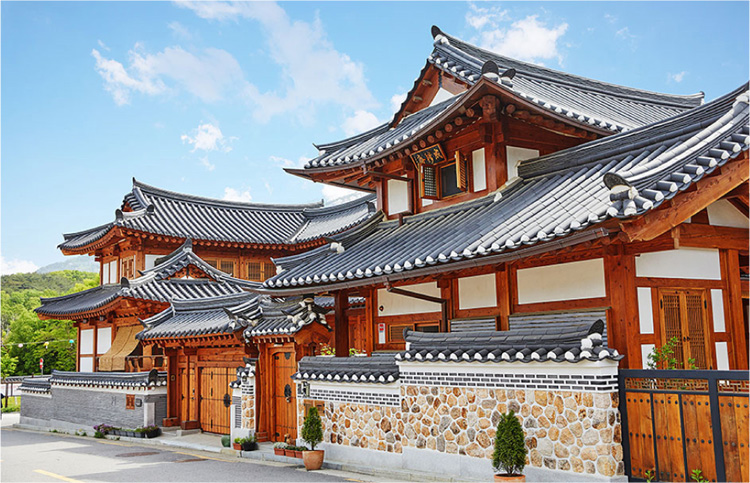
Eunpyeong Hanok Village was founded at the foot of Bukhansan Mountain in December, 2014. Rather than restoring old hanok houses like most villages do, the area was completely created from scratch, becoming the largest neighborhood of new hanok houses in the metropolitan area. The area has plenty of attractions to fill a half-day itinerary, from walking along forested trails on Bukhansan Mountain to visiting a temple and museum before enjoying a break at a café or restaurant with an amazing view.
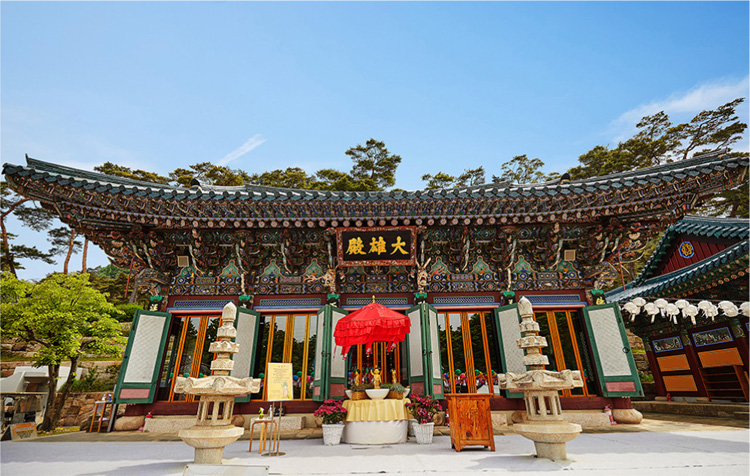
Jingwansa Temple
Jingwansa Temple is one of four major temples located around Seoul.
The temple offers many facilities to learn about Buddhist culture, including temple stay, temple food, and traditional culture experience halls.
The walking path, Baekchowon-gil, starting from the temple entrance is highly recommended. The path is named after Monk Baek Chowon, who hid the Korean flag and other patriotic materials during the Japanese colonial period. The path passes a beautiful valley flowing out of Bukhansan National Park.
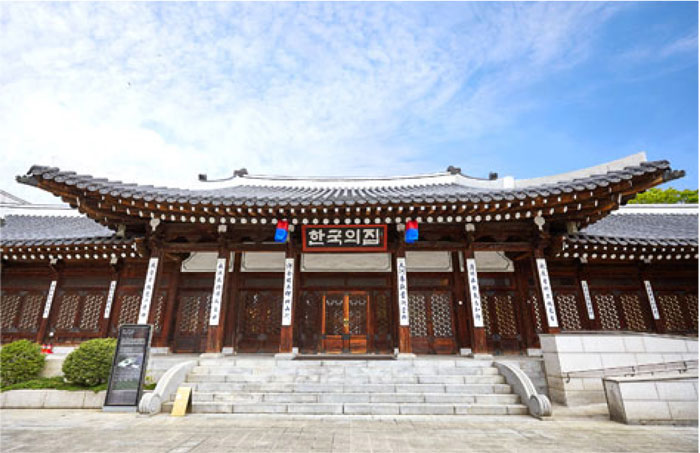
Eunpyeong History Hanok Museum
Eunpyeong History Hanok Museum is dedicated to promoting the history and hanok culture of Eunpyeong-gu through exhibitions as well as lectures and hands-on programs. The building was also selected as a beautiful representative building of Seoul in 2015.
The museum is largely divided into the Eunpyeong History Hall on the second floor and the Hanok Exhibition Hall on the third floor. The hanok hall shows the changes in hanok structures over time, showing plenty of examples of modern hanok. The Eunpyeong History Hall shows the history and culture of the region where Eunpyeong Hanok Village currently stands.
Many visitors enjoy getting a closer look at the materials used to construct hanok, as well as the science behind the flooring of hanok buildings, such as the ondol (underfloor heating) and maru (wooden floor). The museum holds approximately 7,500 items related to the area’s history and representative cultural heritages.

Hanok cafés and restaurants with a view
One unique aspect of Eunpyeong Hanok Village is that there are hanok tea houses and restaurants with upstairs seating for a panoramic view of the entire village. While they aren’t super high up, the floor-to-ceiling windows allow you to see the beautiful tile rooflines up close with a fantastic backdrop of Bukhansan Mountain.
Take a moment to relax from wandering through the village over a traditional drink and snack or even a full meal. No matter which shop or menu you choose, you’re guaranteed to have a pictureperfect table and view.

Eunpyeong Trail
If you enjoy hiking and trekking, you’ll definitely want to check out Eunpyeong Trail! There are five courses total, with courses three and four passing Jingwansa Temple and Eunpyeong Hanok Village.
Course four in particular is great if you enjoy hiking, as it connects with sections of the Bukhansan Dulle-gil Trail. The wooden deck also passes the natural habitat for boreal digging frogs, an endangered species.

korean-machinery.com | Blog Magazine of korean-machinery, brands and Goods
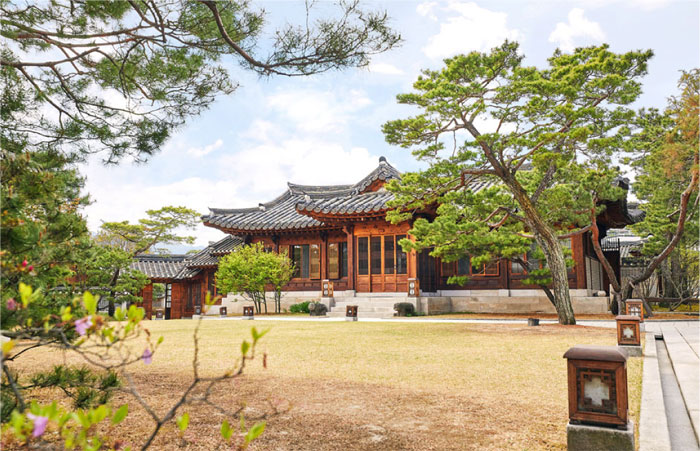


















 Heunginjimun Gate is the largest gate in Seoul, surpassing even Sungnyemun Gate. It has a semicircular ongsung (a small wall built in front of the gate for complete protection) that differentiates it from the other fortress gates.
 Though Gwanghwamun is the main entrance to Cheonggyecheon Stream, visitors may also get to the stream from Dongdaemun Station. There are a total of 22 bridges that cross over Cheonggyecheon Stream, with the bridge in Dongdaemun being Ogansugyo Bridge. The bridge is located at the spot of the previous Ogansu Gate, where five streams flowed out of the old capital. Due to urban development, the old gate can no longer be seen, but its memory lives on in the name of the bridge.
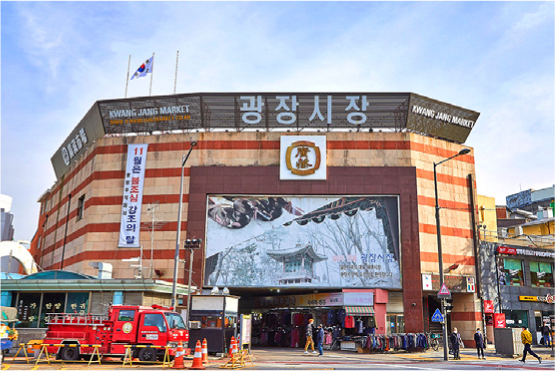
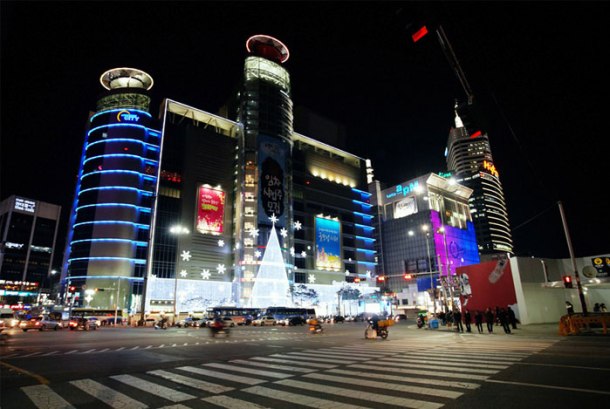 Although international tourists tend to visit the modern-style shopping malls, Dongdaemun Shopping Complex and Pyounghwa Fashion Town are also highly recommended. Visitors may experience a different vibe from usual shopping, and feel a sense of the traditional flea market instead. Dongdaemun Shopping Complex mainly sells fabric, buttons and other similar materials while fashion-related goods and commodities can be found at Pyounghwa Fashion Town.
 The structure itself is not only unique on the outside but is also full of fascinating attractions on the inside. The complex is convenient and makes exploring enjoyable as it is divided into four segments namely ‘Art Hall’, ‘Museum’, ‘Design Lab’ and the ‘Oullim Square’. The park next to the DDP is installed with 25,550 LED roses that make a beautiful scene at night. It’s the perfect location for a romantic date night.
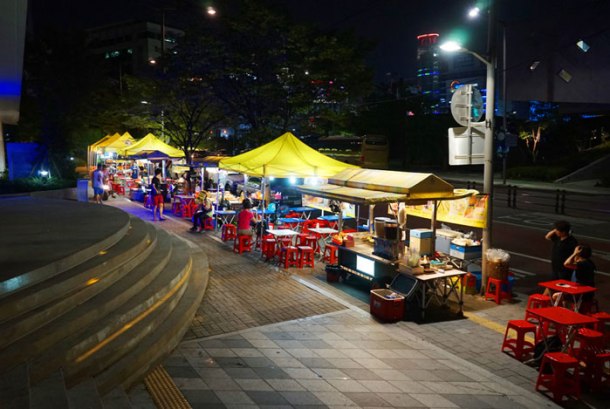 Doosan Tower. Recently, the name was changed to Dongdaemun Sebit Market.


 Korean-Machinery.com