Hyundai Motor’s New GV70 EV to be Produced in Ulsan
[INQ. NO. 2605M15] Hyundai Motor Company plans to establish a production base at its plant in Ulsan, South Korea, for its GV70’s Extended-Range Electric Vehicle (EREV) — instead of North America. The GV70 EREV is currently under development as a core model for its next-generation electric vehicles. By adding a key future vehicle production line as part of the reconstruction of the Ulsan plant, the company is strengthening its strategy to establish Ulsan as a ‘Mother Factory.’
According to sources in Korea’s automotive industry, Hyundai Motor Company is considering producing the GV70 EREV at its Ulsan plant, a project originally intended for local production in North America. By shifting the base for next-generation electrification production from the United States to Korea, the company is also introducing changes to its global supply strategy.
EREV is an electrification technology where the engine acts as a generator when battery power is insufficient. Unlike Plug-in Hybrid Electric Vehicles (PHEVs), the engine does not directly intervene in propulsion but is used solely for battery charging. It is considered a next-generation electric vehicle that takes conventional hybrid-vehicle power technology to the next level.
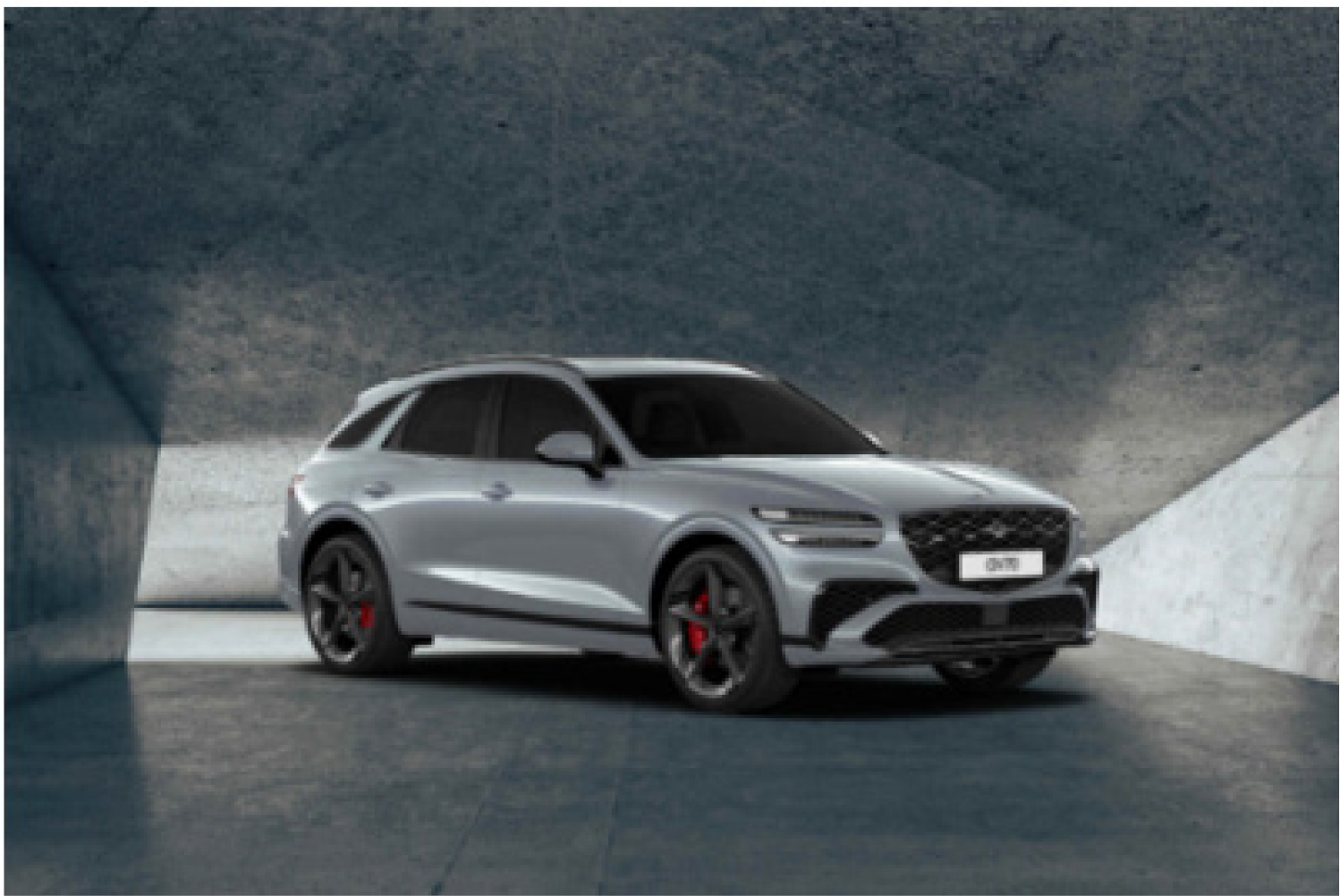
Hyundai Motor Company is currently preparing a briefing for the labor union regarding the production of the GV70 EREV at the Ulsan plant. Specifically, plans are underway to soon hold a meeting through labor-management consultations to discuss production volume allocations, deployment plans, and employment impacts.
Given that commercialization of EREVs will take time, Hyundai Motor Company has decided to locate the related facilities at its Ulsan plant, which is currently undergoing reconstruction due to aging infrastructure, instead of at its existing North American plants. This strategy is expected to be fully realized once the new Ulsan EV plant begins operations in the second half of this year.
Reconstruction of Existing Plant Following the New Ulsan Plant
Hyundai Motor’s decision to revise its Extended-Range Electric Vehicle (EREV) strategy and proceed with the production of the GV70 EREV in Ulsan is interpreted as a result of a combination of strategic judgments: redefining next-generation EV production hubs, and strengthening the so-called ‘Korean Mother Factory.’
Initially, Hyundai Motor Company had designated the GV70 EREV as a strategic model for North America and considered local production in the United States. Production at the Alabama plant or the Hyundai Motor Group Metaplant America (HMGMA) in Georgia was considered with a target sales date of 2027. However, the actual production strategy has been readjusted toward a more realistic direction.
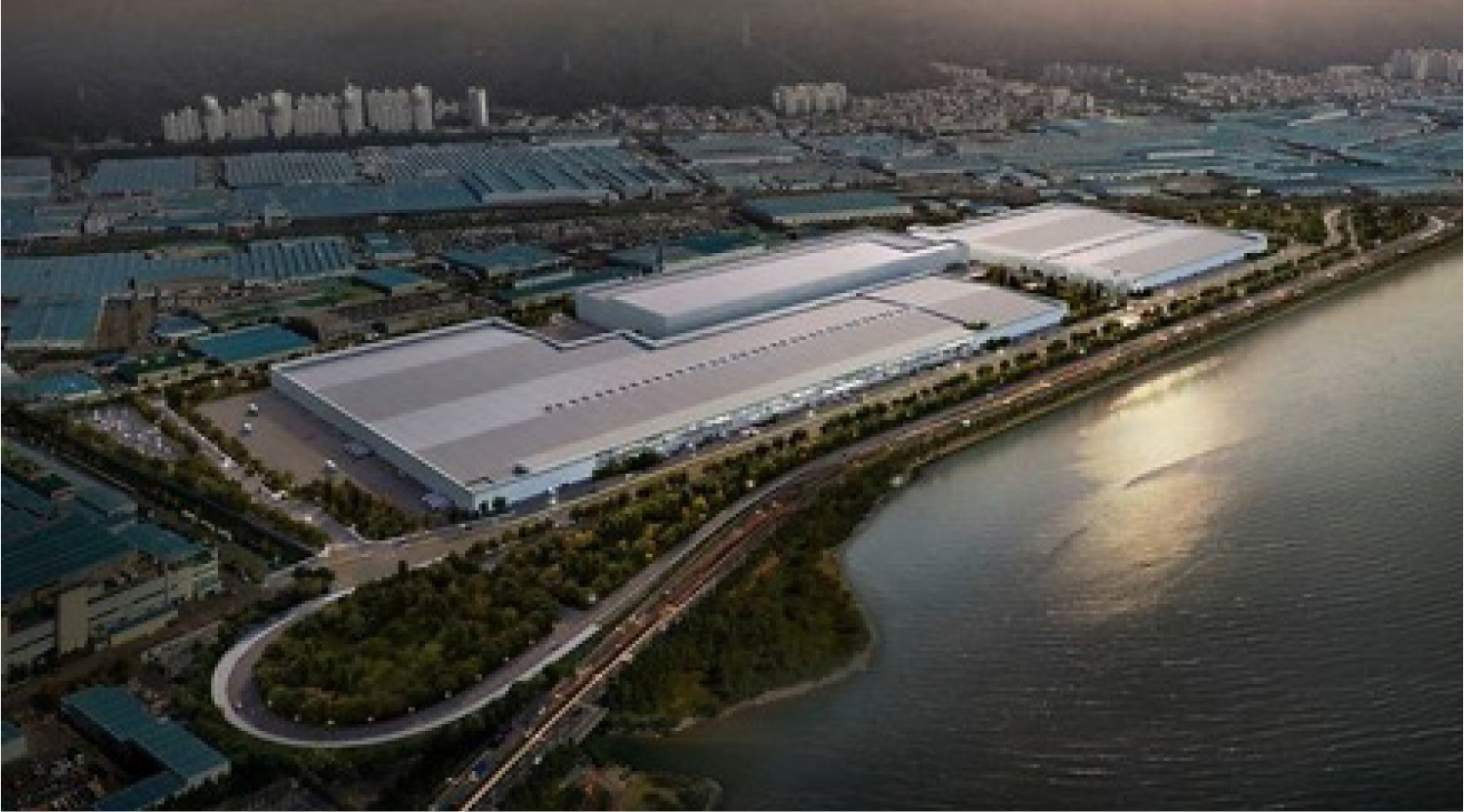
As a state-of-the-art production facility equipped with AI-based intelligent control systems and eco-friendly manufacturing methods, the new electric vehicle (EV) plant in Ulsan is expected to gradually expand production from the Genesis GV90 to next-generation electrified models, including future EREVs. By establishing a production system that links the renovation of the existing plant with the new facility, Ulsan is highly likely to be reorganized from a simple production base into an integrated production hub for future vehicles.
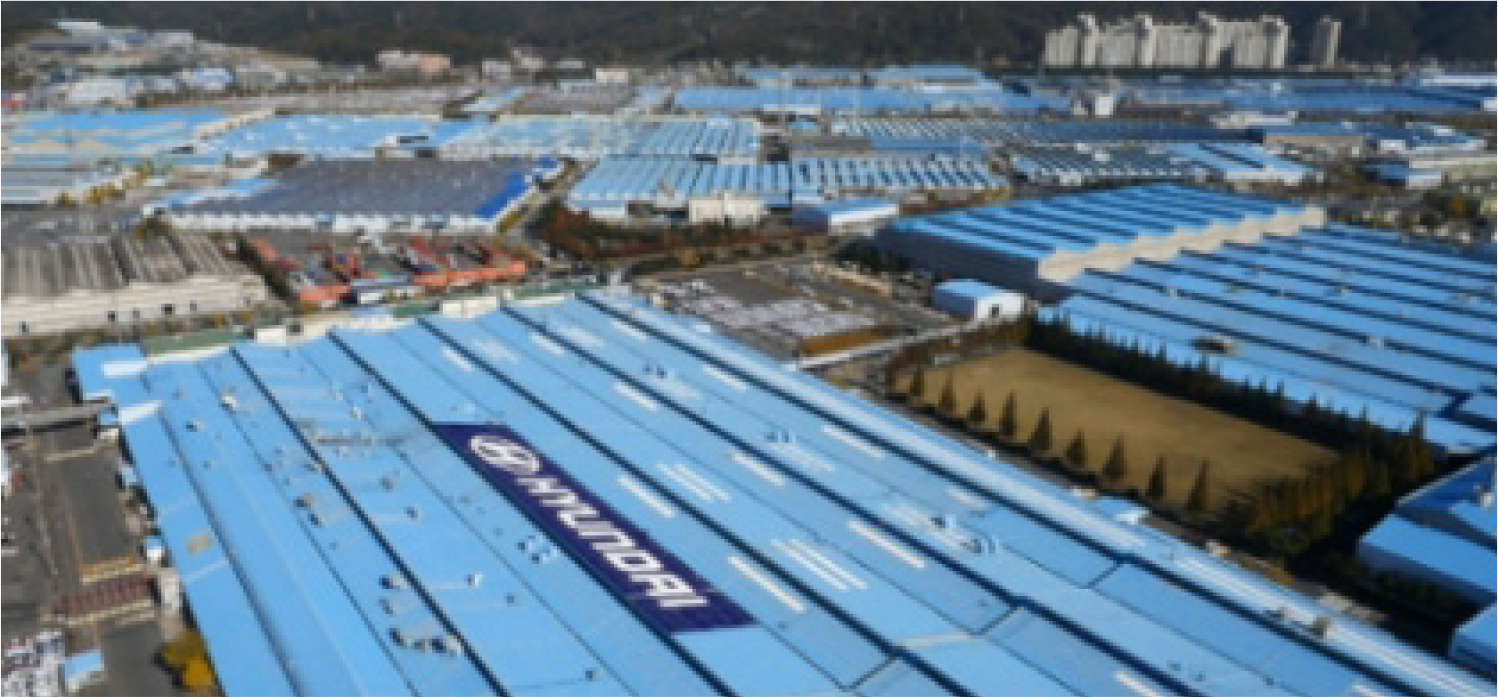
Based on this, Hyundai Motor Company plans to diversify its production bases, reduce global supply-chain risks, and simultaneously lay the groundwork for expanding exports of EVs. In the mid- to long-term, the company is considering launching EREV models in the Chinese market. To this end, utilizing production bases in Korea would enhance geographical accessibility, thereby securing logistics and supply efficiency.
Hyundai Motor Company has recently announced plans to invest KRW 125 trillion in the domestic market over the next five years, starting this year ― and is accelerating the modernization of its production lines and the transition to electrification. The company also aims to more than double exports of electrified vehicles from 690,000 units last year to 1.76 million units by 2030.
Hyundai Motor Company had previously embarked on efficiency improvements last year by halting production of the electrified model of the GV70 at its Montgomery plant in Alabama.
Furthermore, the fact that the Genesis brand’s recognition and sales base in the North American market have not yet expanded sufficiently is also acting as a variable. The judgment is that it is more effective to first establish the premium electrified model, the GV70 EREV, in the domestic market ― where brand recognition and sales base are relatively more robust than in North America.
On the other hand, Hyundai Motor Company plans to proceed as scheduled with local production of the Santa Fe EREV, a representative sports utility vehicle (SUV) with a solid demand base in the North American market.
korean-machinery.com | Blog Magazine of korean-machinery, brands and Goods