Laying the groundwork to break free from dependence on American and Japanese parts
Hyundai Motor Group is directly developing the ‘robotic hand (gripper),’ a core component of humanoid robots.
According to the automotive industry, it has been confirmed that Hyundai Motor’s Robotics LAB is conducting in-house advanced research and development on customized grippers capable of stably lifting and transporting heavy components such as battery packs, car bodies, vehicle glass, and seats.
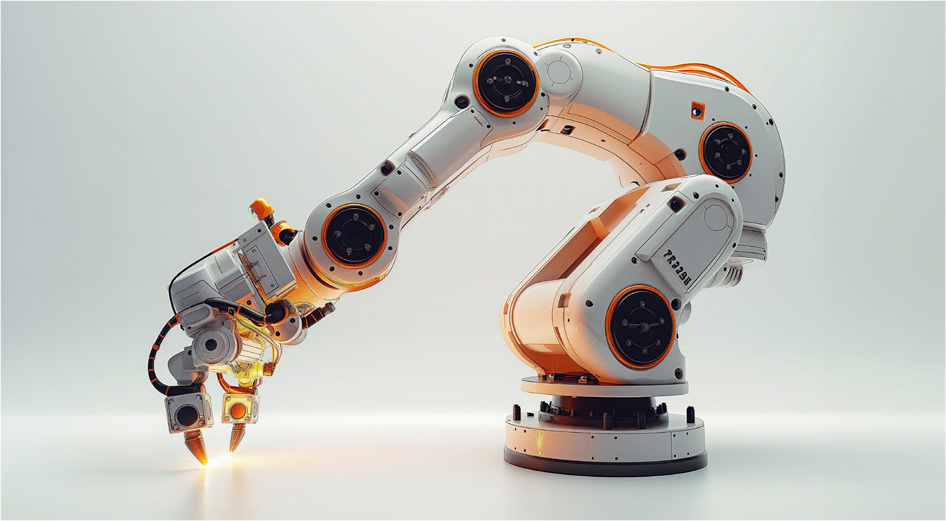
A gripper is a device that acts as a hand for a robot to grasp objects or perform fine motions. Even when using the same robotic arm, the gripper that is used affects work precision, production speed and safety. Therefore, it is considered core technology that determines the competitiveness of robotic automation.
As the automotive industry has recently shifted toward electric vehicles, the weight and shape of parts that must be handled in the production processes are becoming increasingly diverse.
Hyundai’s in-house development of gripper technology aligns with its smart-factory strategy. Hyundai Motor Group is enhancing the level of factory automation centered on its AI-based manufacturing innovation platform, ‘e-Forest.’ Securing customized grippers for each process is expected to expand the scope of robot application, improve productivity, and reduce industrial accidents.
Hyundai Motor Group’s moves to strengthen its competitiveness in manufacturing-specialized robot technology are also drawing attention. Since acquiring Boston Dynamics in 2021, the group has been dedicated to enhancing its humanoid robot development capabilities. The acquisition of this gripper technology is interpreted as an extension of its strategy to strengthen practical robotics competitiveness tailored to manufacturing sites.
In particular, as Hyundai Mobis, a key parts subsidiary of Hyundai Motor Group, has agreed to supply mass-production actuators for Boston Dynamics’ humanoid robot ‘Atlas,’ greater synergies in robotics technology among group companies are also anticipated.
While there has been high dependence on Japanese and European companies for core components of existing industrial robots, this strategy simultaneously increases competitiveness in smart factories and physical AI by securing competitiveness in key components such as hands and joints within the group.
korean-machinery.com | Blog Magazine of korean-machinery, brands and Goods