
Hyundai Motor and CJ Form an Environmental Alliance
Targeting Automotive Parts
CJ CheilJedang has joined forces with Hyundai Motor and Kia to address environmental regulations. The companies are researching technology that uses enzymes to selectively break down and recover recyclable polyethylene terephthalate (PET) from end-of-life vehicle plastics containing a mixture of different resins. The recovered material could then be reused in automotive components and other applications. The technology is expected to deliver significant progress in the recycling of end-of-life automotive parts if commercialized. In particular, as the European Union (EU) moves to mandate the use of recycled plastics in new vehicles from 2032, developing technologies to recover plastics from scrapped vehicles and reuse them in new cars has become a key challenge for automakers.
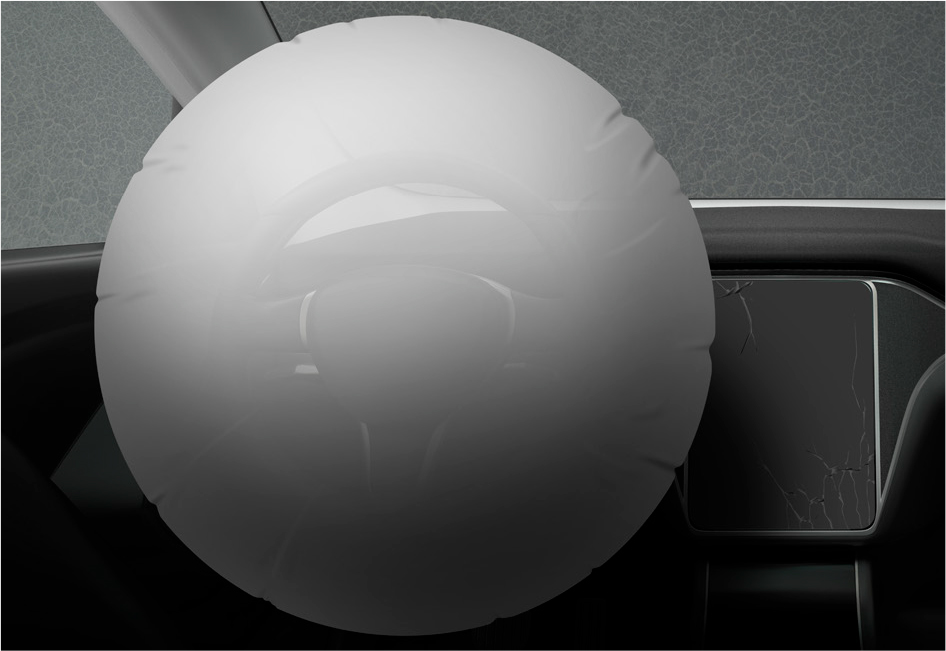
Methods of recycling waste plastics include mechanical recycling, which involves shredding, melting and reprocessing the material, as well as pyrolysis and chemical recycling. PET is a polymer composed of terephthalic acid and ethylene glycol linked through ester bonds, chemical bonds formed when an acid and an alcohol merge through the release of a water molecule. The enzyme being developed by CJ CheilJedang is a polyester-degrading enzyme that breaks these ester bonds. Because the enzyme does not act on resins such as polypropylene and polyethylene, which do not contain ester bonds, or on glass fibers, it can selectively break down PET and recover it as a raw material even when other materials are mixed in. The components Hyundai Motor and Kia are considering for recycling include parts removed from end-of-life vehicles, such as seat belts, airbags and carpeting. Taking economic feasibility into account, the automakers have narrowed their focus to components with relatively high PET content.

Under the partnership, CJ CheilJedang will be responsible for developing and producing the enzymes. Its enzyme-based recycling business is currently managed by its Technical Materials division, established as part of a business restructuring in July this year. Through the collaboration, CJ CheilJedang will be able to expand the applications of its enzyme-based recycling technology into the automotive components sector. The timing and feasibility of commercialization have yet to be determined. Hyundai Motor/ Kia plan to complete the patent process and conduct technical validation before deciding whether to apply the technology to mass production.
korean-machinery.com | Blog Magazine of korean-machinery, brands and Goods





Leave a Reply