
[INQ. NO. 2611M01] Established in 2020, Fawoo Nanotech Co. specializes in the development and supply of nanobubble generators and solutions.
Fawoo Nanotech’s high-quality nanobubbles—averaging less than 150 nanometers in size, with a concentration of 200 to 600 million (up to 5.6 billion) bubbles per liter—facilitate chemical reactions, and can be mass-produced in real time.
The company leverages its nanobubble technology for Carbon Capture, Utilization, and Storage (CCUS) applications. Key examples include the production of carbon-eating concrete (CEC)—which increases concrete strength by over 12%—as well as the production of carbonates and the neutralization of highly alkaline wastewater.
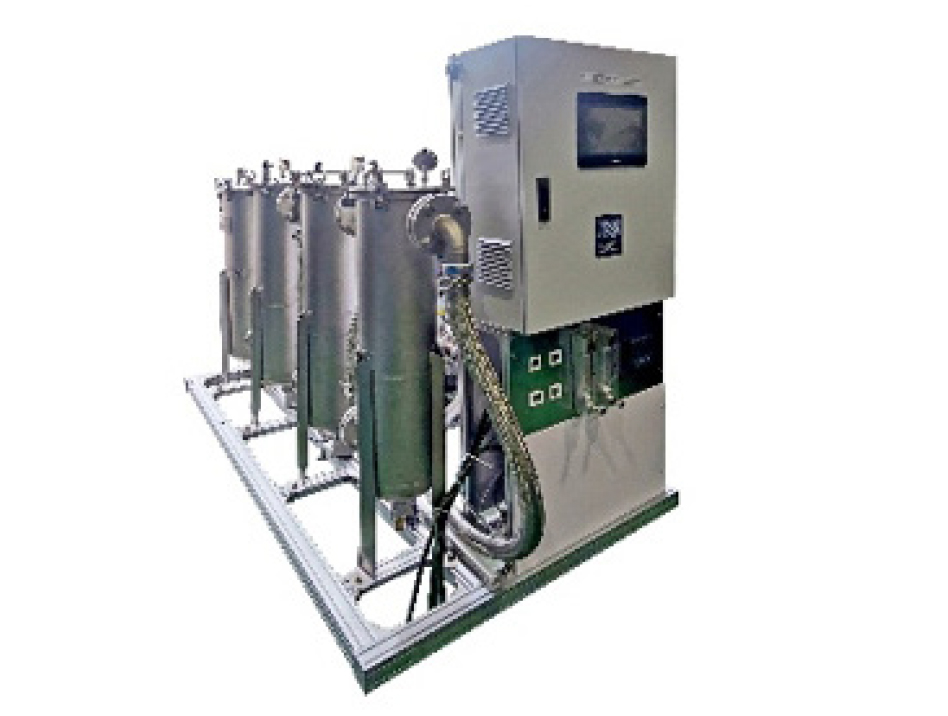
When applied to oxygen (O₂), Fawoo Nanotech’s nanobubble technology can be used in the agricultural and fisheries sectors, for instance, to promote the growth of crops and aquatic products. The company is currently in discussions with several major corporations regarding potential applications and is exporting its technology to various countries including India, Colombia, and Turkey.
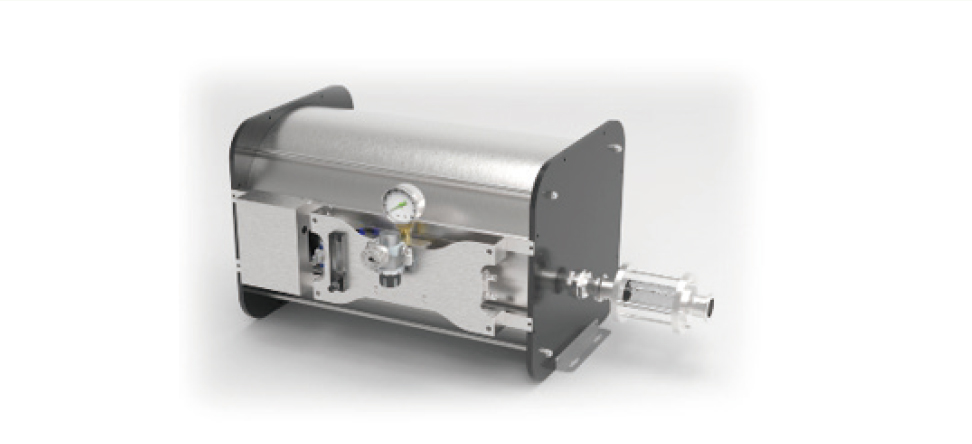
Fawoo Nanotech’s nanobubble generators are compact, energy-efficient, and highly durable, cost-effective, and scalable. They can be integrated directly into existing industrial production processes without requiring modifications, and designs can be customized to meet specific on-site requirements.
Fawoo Nanotech has received the CES Innovation Award for its nanobubble generators for two consecutive years (2025–2026). The company has filed patents across 41 countries and has successfully secured registrations in 68 countries to date.
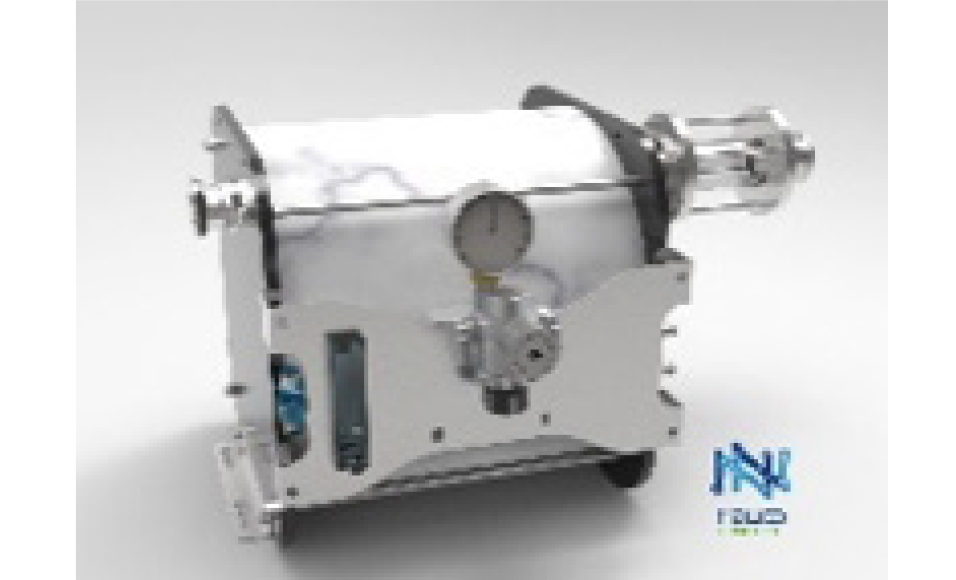
Carbon-Eating Concrete (CEC) Production System
This system permanently stores carbon dioxide—dissolved at high concentrations in nanobubble water—within concrete in the form of calcium carbonate during the concrete manufacturing process.
By enhancing the compressive strength of concrete by 12% or more, the system facilitates a reduction in cement usage and supports initiatives such as CCUS projects and CO2 Removal Certificates (CORC).
The technology is currently undergoing final verification for commercialization by the Korea Conformity Laboratories (KCL), with a commercial launch planned for 2027.
Applications for Industrial and Sewage Wastewater Treatment
Many chemical industrial processes generate highly alkaline wastewater (pH 13 or higher), which is typically neutralized using chemical agents before discharge. By utilizing CO₂ nanobubbles, this wastewater can be neutralized to a pH of 7–8 in real-time without the need for chemical additives, allowing for safe, direct discharge. This approach reduces costs, promotes eco-friendly processes, and supports CCUS initiatives.
Furthermore, nanobubble technology can significantly improve the efficiency of industrial water and wastewater treatment.
By increasing the dissolved oxygen content in water and enhancing oxygen transfer efficiency, nanobubble technology is highly effective for treating industrial wastewater. Fawoo Nanotech’s products are exported to a company in India and are currently in the process of final-stage verification.
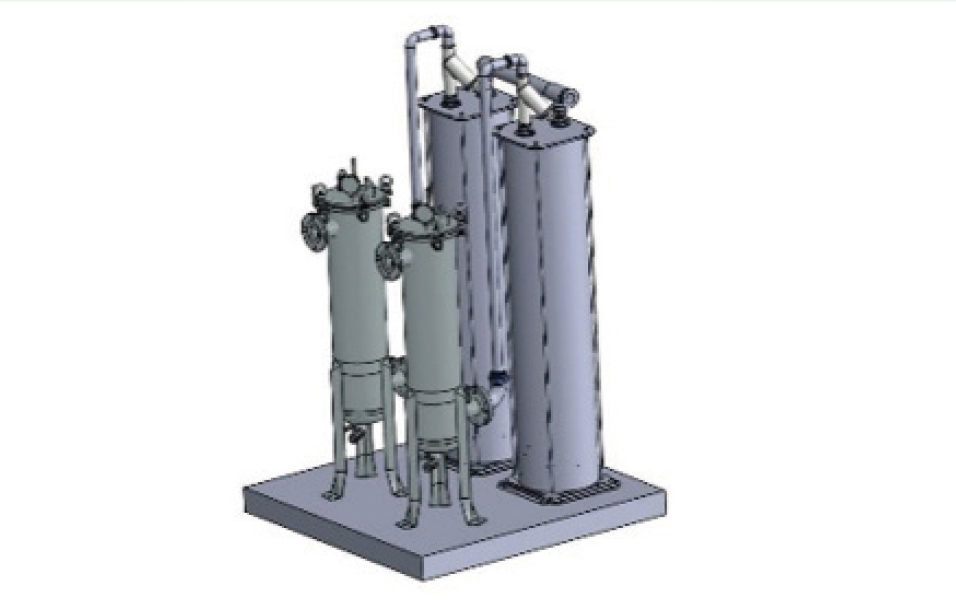
In Colombia, two public utility companies—supported by funding from the Inter-American Development Bank (IDB)—successfully tested this technology to improve the capacity of overloaded sewage treatment plants. By using nanobubbles for oil-water separation, they increased treatment capacity by 50% without the need for additional infrastructure expansion.
The company anticipates further adoption of this technology across sewage treatment facilities throughout Latin America.
Carbonates
Carbonates are used in steelmaking to remove harmful sulfur dioxide (SO2), in hydrogen production (using methane gas) to capture large volumes of CO2, and in the manufacturing of lithium carbonate for secondary batteries.
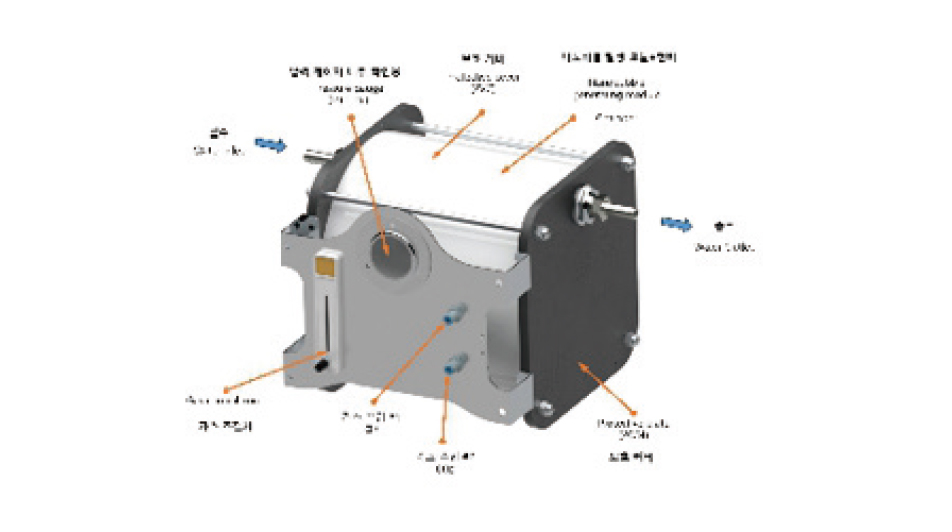
Currently, domestic production is insufficient, requiring heavy reliance on imports. By utilizing CO2 nanobubble water, it is possible to produce large quantities of carbonates in real time, offering significant import-substitution potential and facilitating CCUS initiatives. Successful pilot tests were conducted with major corporations between 2024 and 2026.
Promoting the Growth of Agricultural and Aquatic Products
Nanobubble technology enhances oxygen supply in rice farming, smart farms, and aquaculture facilities, leading to increased rice yields, improved irrigation water efficiency, and accelerated growth of agricultural and aquatic products. These benefits have been demonstrated through successful experiments at various locations across South Korea.
Furthermore, an MOU is currently being finalized with the Black Sea Agricultural Research Institute in Turkey. Fawoo Nanotech has completed the development of compact, highly efficient nanobubble generators (models XM 1–3) and plans to launch full-scale commercial operations by 2027.
korean-machinery.com | Blog Magazine of korean-machinery, brands and Goods





Leave a Reply