Fast Chargers

https://korean-machinery.com///inquiry

[INQ. NO. 2605M12] EVSIS Co., Ltd. is the first electric vehicle (EV) charger company in Korea, and operates the entire value chain ― including EV-charger manufacturing/sales, charging platforms, and maintenance. It is thus currently the No. 1 company in domestic industry sales.
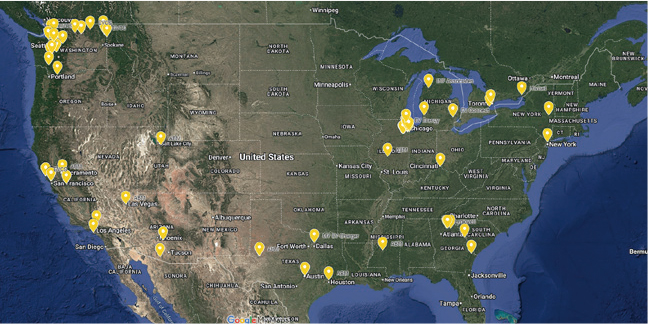
In addition, EVSIS established a U.S. subsidiary and factory in April 2024 to expand its global business, and is currently supplying chargers to other Asian markets such as Japan and Southeast Asia ― in addition to North America.
EVSIS manages global chargers through the global monitoring control system known as the Charge Sync System (C-SYNC), and also performs maintenance.
EVSIS is increasing its global brand awareness through participation in various exhibitions such as CES, EV Trend, Move, and ACT Expo.
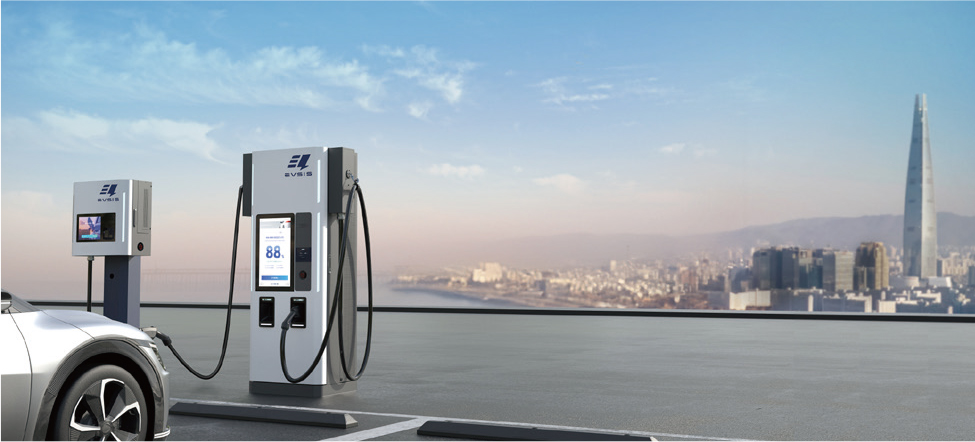
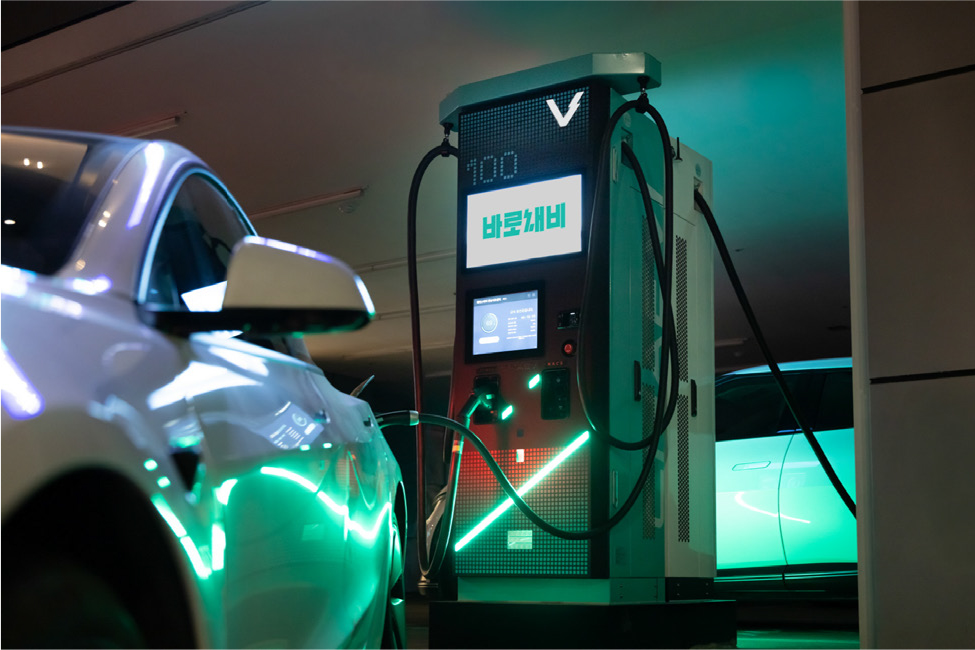
Diverse lineups of globally certified DC fast chargers
Based on its manufacturing capabilities of excellent rapid chargers, EVSIS has acquired a diverse lineup of global certifications such as UL, CE, NRTL, NTEP, CTEP, and Energy Star.
The main models are: 30kW (charging time 2 hours) mid-fast chargers (Level 2~3); 100kW (charging time 40 minutes) fast chargers (Level 3); 180/240kW (charging time 20 minutes) fast chargers (Level 3); and 350/400kW (charging time 10 minutes) ultra-fast chargers (Level 4).
Furthermore, EVSIS is on track to complete development and begin supply of its 480kW All-in-One model within Q3,2026, to meet high market demand.
As an integrated system, its 480kW All-in-One model offers superior installation efficiency and supports ultra-fast charging, which positions it as EVSIS’ next-generation flagship model.
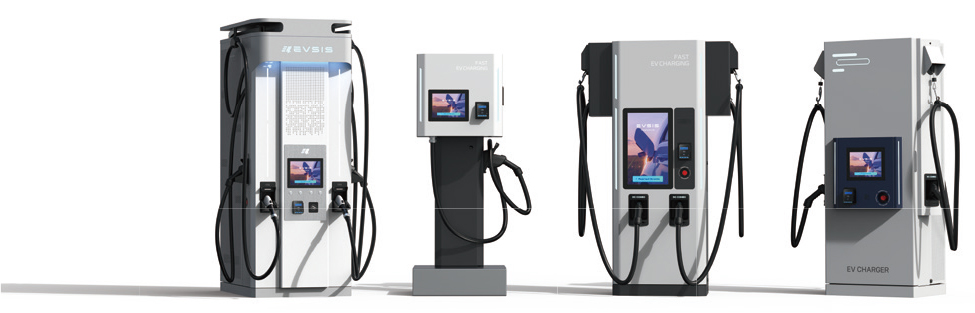
EVSIS’ products are equipped with a PLC modem that can communicate with vehicles, allowing the drivers to check their batteries’ real-time charging status and prevent overcharging, thus enabling power control and fire prevention.
The introduction of automatic charging (auto-charging) technology and cable with “Metal Swing” has improved user convenience, and the introduction of an anti-theft system (ATS) has improved safety.
Additionally, in response to the frequent cable thefts in North America, EVSIS successfully developed a specialized cable protection enclosure.
EVSIS has already commenced production and supplied these units to key CPOs, thereby effectively enhancing infrastructure security.
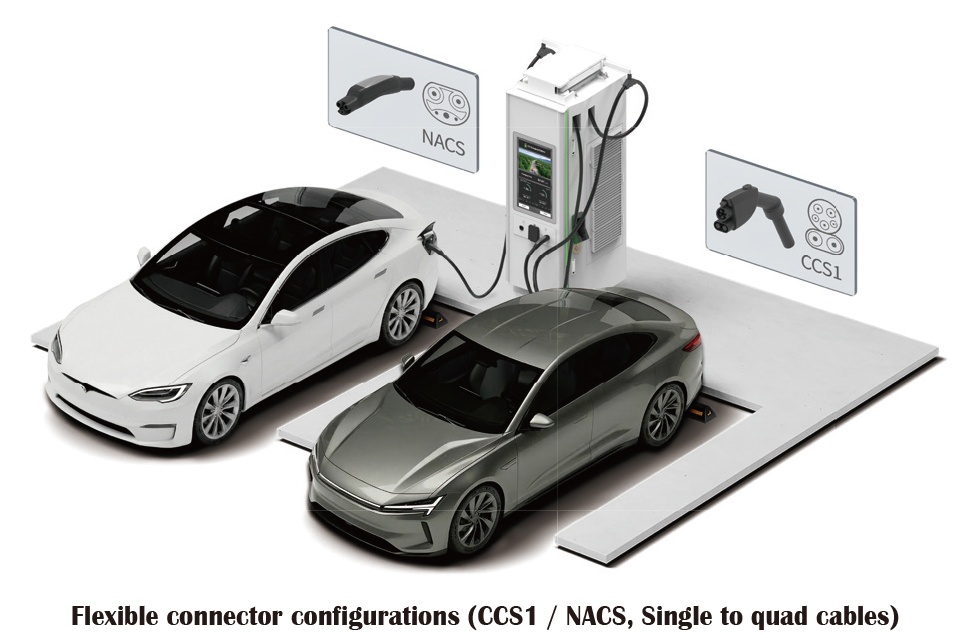
Finally, EVSIS’ models support both the international standard CCS and the North American charging standard NACS, and they are OCCP 2.0.1-certified products, which are the latest communication protocol certifications.
EVSIS’ chargers are standardized products, but EVSIS can also produce customized products according to the requests of the charging business operators.
EVSIS is also supplying charging infrastructure for expanded mobilities such as large-capacity commercial vehicles, heavy equipment, electric buses, and electric ships.
“We are preparing to commercialize a 1MW charger that won the Red Dot Design Award with a charging time of less than five minutes, and we will continue to lead the innovation of charging infrastructure in the future,” explained a spokesperson for the company.


korean-machinery.com | Blog Magazine of korean-machinery, brands and Goods
Test Equipment for EVs

https://korean-machinery.com///inquiry

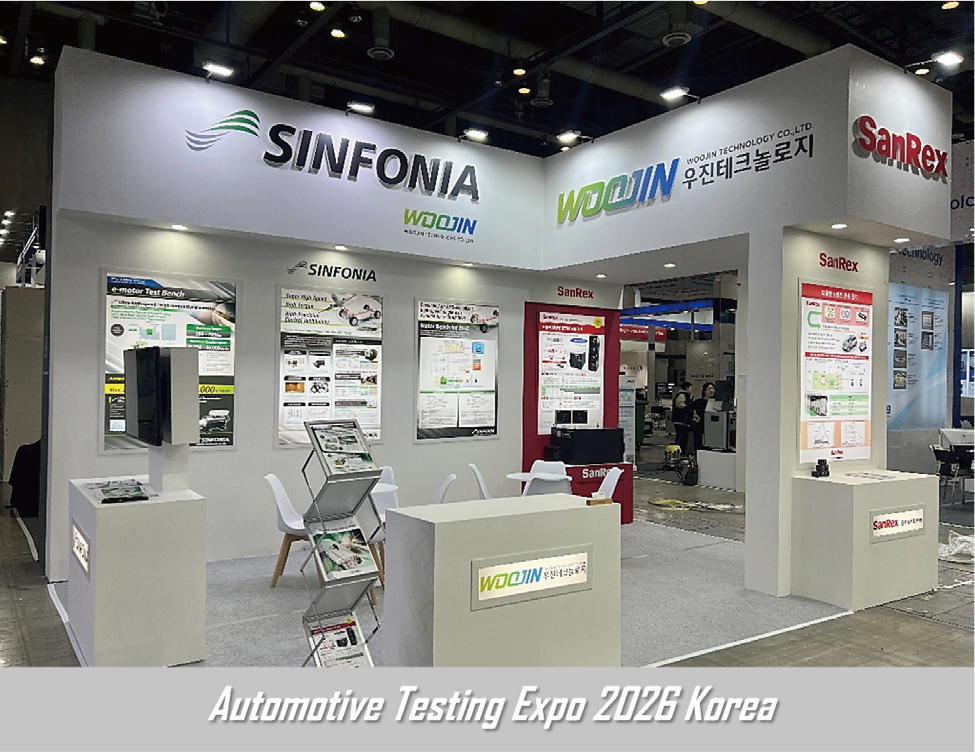
[INQ. NO. 2605M11] WOOJIN TECHNOLOGY CO., LTD. is a corporation specializing in automotive test facilities and has been striving to achieve the highest level of technology to ensure customer satisfaction and product quality competitiveness, based on many years of technical cooperation with domestic and overseas companies.
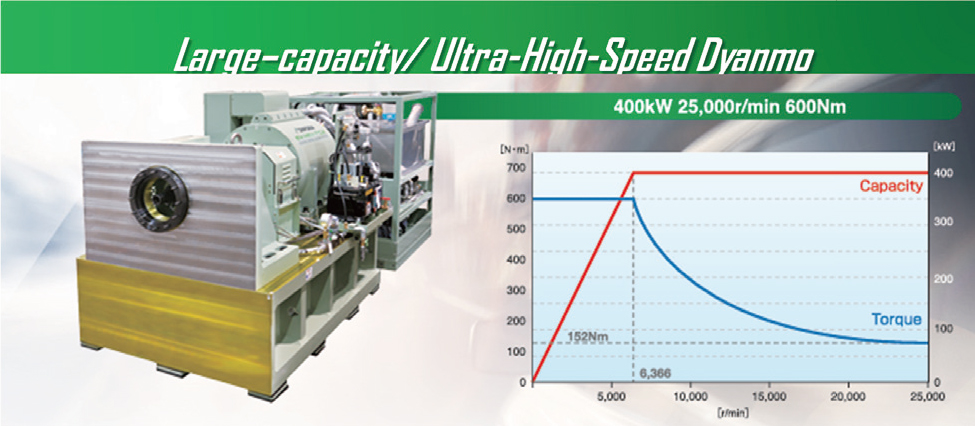
In particular, WOOJIN TECHNOLOGY supplies high-performance dynamometers, including models with 400 kW power, 600 Nm maximum torque, and a maximum speed of 25,000 rpm, for EV motors and ePT development. These are developed in cooperation with overseas companies possessing advanced technologies in EV and HEV test facilities.

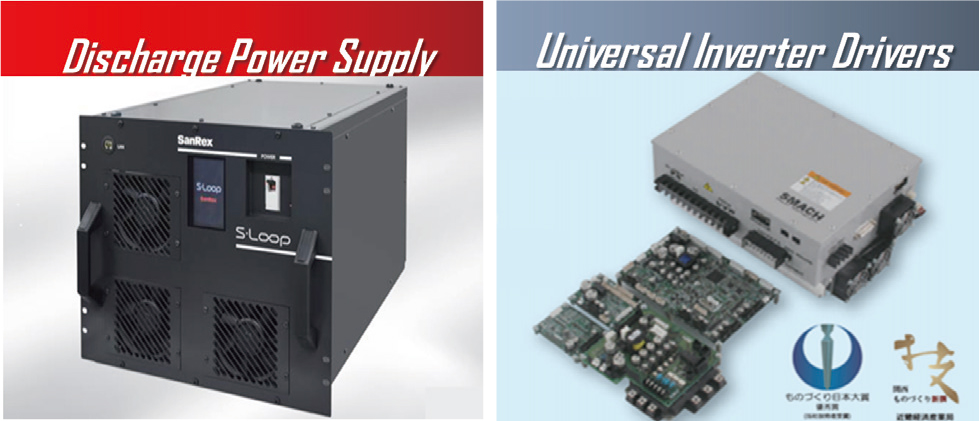
WOOJIN TECHNOLOGY continues to grow while taking pride in contributing to customers’ research and technological development by providing high-quality test facilities, including universal inverter drivers and battery simulators (600 kW / 1200 V / 1000 A) for EV powertrain testing.

In addition, WOOJIN TECHNOLOGY offers a module-type bidirectional power supply (hereinafter, ‘multi-charger’), capable of testing various prototype products. The multi-charger is designed to operate 30 kW units (500 V ± 180 A) in configurations of up to three units in series (1500 V), and can be flexibly configured in combinations such as the 2-series 3-parallel, 3-series 2-parallel, and 4-series, etc., as one set.
Furthermore, WOOJIN TECHNOLOGY is developing a mobile charger (50 kW rapid charger) utilizing recycled batteries as part of a government-supported project. This system enables charging in general parking areas and is expected to have strong potential in the future market.
The CEO of WOOJIN TECHNOLOGY stated, “We will continue to fulfill our responsibilities and mission as a company that grows together with our customers by focusing on new technology development, based on our management philosophy of continuous challenge and trust.”
Currently, WOOJIN TECHNOLOGY primarily exports to Japan and is working to expand its export markets to Europe and China in the mid- to long-term.


korean-machinery.com | Blog Magazine of korean-machinery, brands and Goods
Kia

https://korean-machinery.com///inquiry

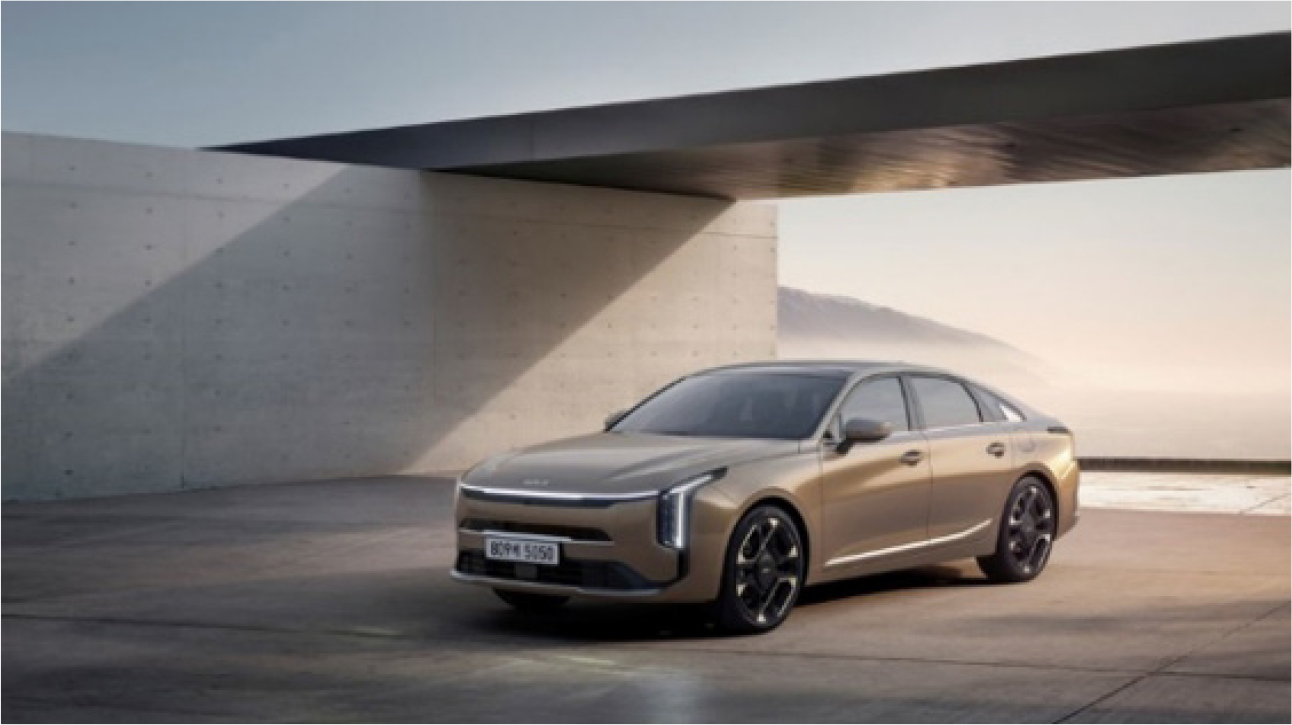
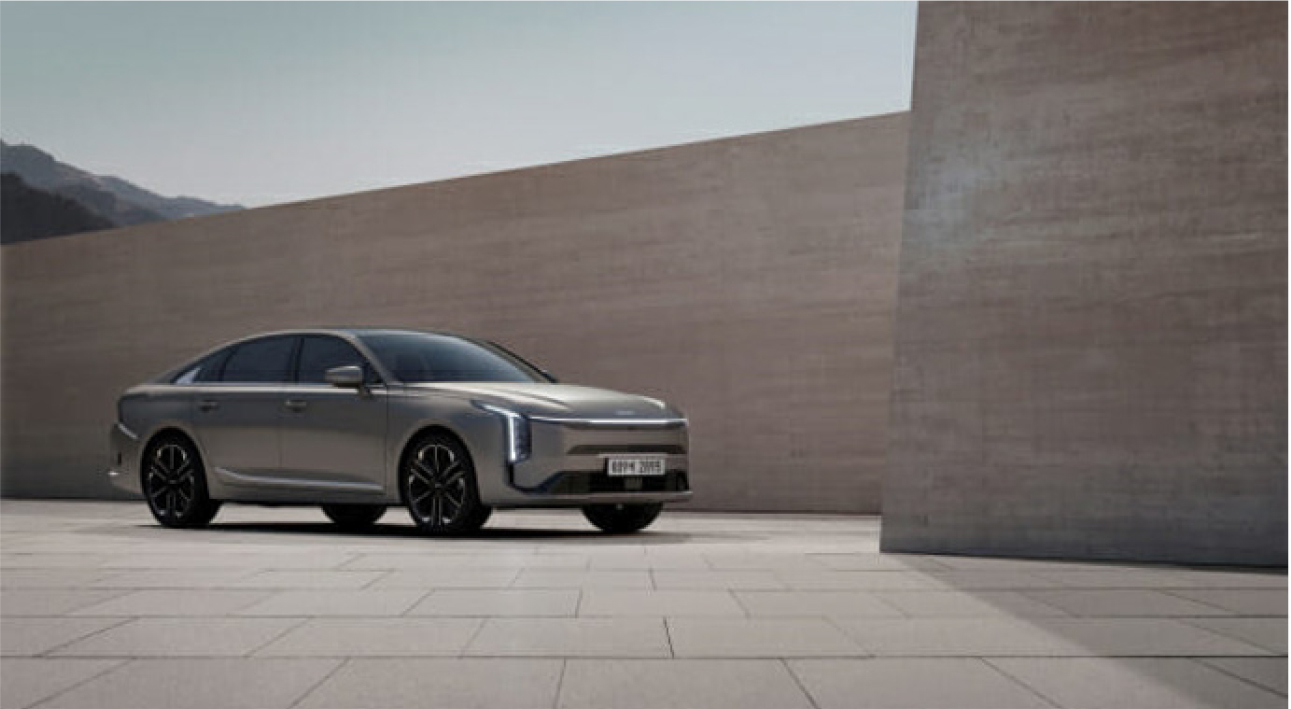
[INQ. NO. 2605M10] Kia recently announced that it will begin sales of ‘The 2027 K8’ (hereinafter, ‘2027 K8’), the updated model of its flagship semi-large sized sedan, K8.
The 2027 K8 is characterized by enhanced overall product appeal, achieved by applying highly preferred convenience and safety features as standard, and enhancing its price competitiveness.
Kia has improved safety and convenience by basically installing a head-up display on the Signature, the top trim of the 2027 K8, which reduces visual distraction while driving.
The Noblesse and Best Selection trims feature an expanded range of Advanced Driver Assistance Systems (ADAS) to provide a safer and more convenient driving experience.
Kia has equipped the Noblesse trim with Highway Driving Assist 2 (HDA 2), Navigation-based Smart Cruise Control, and Rear Passenger Alert as standard fittings, while the Best Selection trim features Blind Spot Collision Avoidance Assist, Rear Cross Traffic Collision Avoidance Assist, and Safe Exit Assist as standard.
To commemorate the launch of the 2027 K8, Kia has initiated the Smart Owner Purchase Program, which allows customers to purchase the vehicle at a more reasonable price. Customers who sign a contract for the 2027 K8 by May 31 and take delivery within June will receive an additional KRW 300,000 in Kia Members points. This is intended to alleviate the burden of vehicle operation, such as maintenance and refueling, amidst rising fuel prices, and to support efficient vehicle management.

Meanwhile, the K8 underwent product enhancements in August 2024. By equipping it with Preview Electronic Control Suspension and Highway Body Motion Control, it detects road conditions in advance and precisely controls the vehicle body movements. In this way, it further enhances the comfortable ride and driving stability befitting a premium sedan.
In particular, while securing ample interior and cargo space based on a body exceeding five meters in length, the hybrid model has been chosen by many customers, accounting for approximately 62% of total K8 sales last year, thanks to its class-leading fuel efficiency of 18.1 km/ℓ (17-inch wheels, combined).
“The 2027 K8 is a model that has further strengthened its competitiveness by focusing on premium value that customers can actually experience, serving as an iconic sedan representing Kia,” a spokesperson for the company noted, adding, “Based on the K8’s unique luxurious design and highly preferred safety and convenience features, it will provide even greater satisfaction to customers in the semi-large sedan market.


korean-machinery.com | Blog Magazine of korean-machinery, brands and Goods
Integrated Operational System for EV Charging Stations

https://korean-machinery.com///inquiry

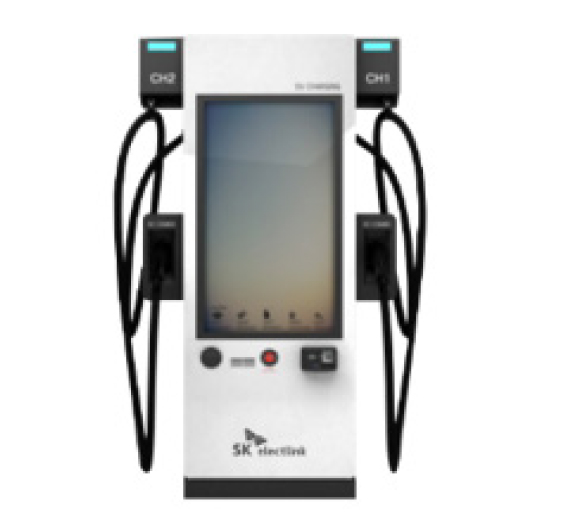
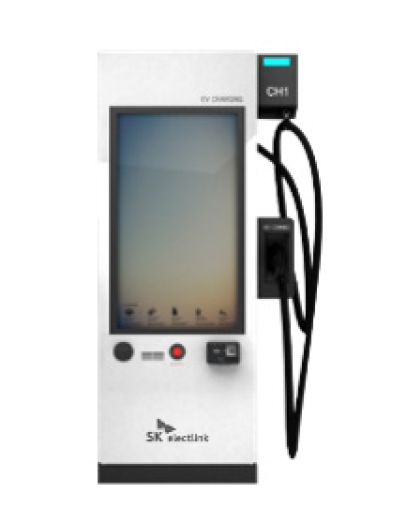
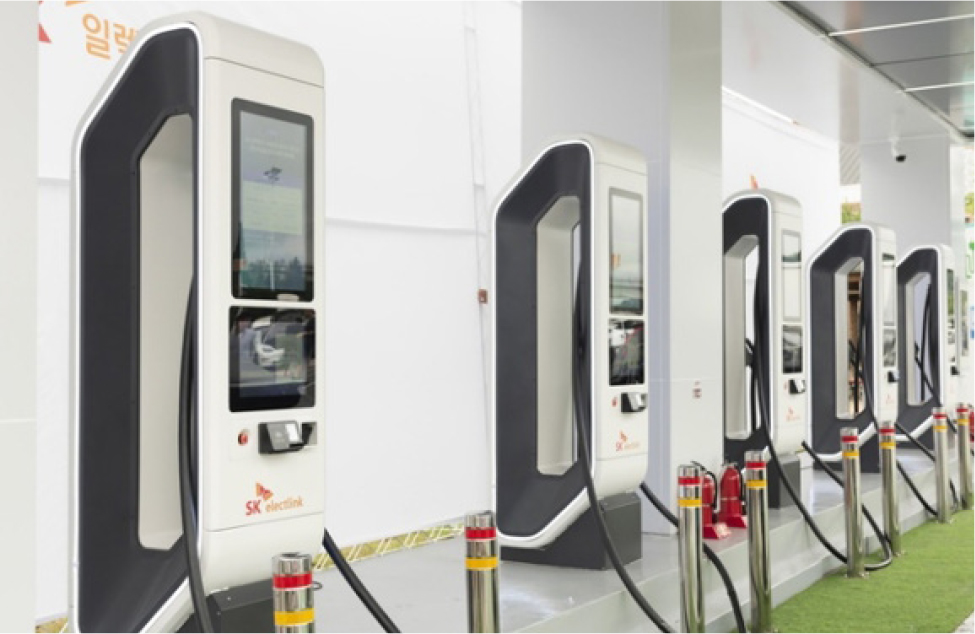
[INQ. NO. 2605M9] SK Electlink, a company specializing in electric vehicle (EV) charging, recently announced that it has acquired and will directly operate all EV-charging stations installed at SK Energy gas stations nationwide. Consequently, EV charging stations located at approximately more than 120 SK Energy gas stations nationwide will be transitioned to SK Electlink’s integrated operational system.
Through this operational transition, customers can now use SK Electlink’s unlimited discount rate plan, MASTER, at EV charging stations within SK Energy gas stations. Subscribers to the MASTER plan can utilize unlimited fast charging at EV charging stations of SK Energy gas stations nationwide at a discounted rate of KRW 295/kWh.
As SK Electlink operates the EV chargers at SK Energy gas stations distributed across the country, customers will receive consistent charging services and rate benefits. A key strength is giving users the ability to charge their vehicles at reasonable costs at gas station locations with good accessibility during their daily lives

A spokesperson for the company explained, “By directly operating EV charging stations within SK Energy gas stations, our members can now utilize charging services of the same standard, and enjoy the benefits of the Masterrate plan anywhere in the country,” adding “We will continue to enhance our operational infrastructure and strengthen customer benefits centered on rate plans.”

SK Electlink improves customer satisfaction by providing EV users with various discounts and additional features, thereby offering economic value and convenience. SK Electlink strives for a better world together with Korea’s top partners.
SK Electlink has been selected as an official charging infrastructure construction operator in collaboration with the government, local governments, and public institutions, and is currently constructing and operating public charging stations.


korean-machinery.com | Blog Magazine of korean-machinery, brands and Goods
Samsung SDI

https://korean-machinery.com///inquiry

Samsung SDI Signs Mid- to Long-term LFP Cathode Material Supply Deal with L&F

Securing a domestic supply of key materials to build a stronger competitive edge
[INQ. NO. 2605M08] Samsung SDI has secured a key supply agreement for battery materials as it moves to strengthen its presence in the North American energy-storage system market while diversifying its supply chain away from China.
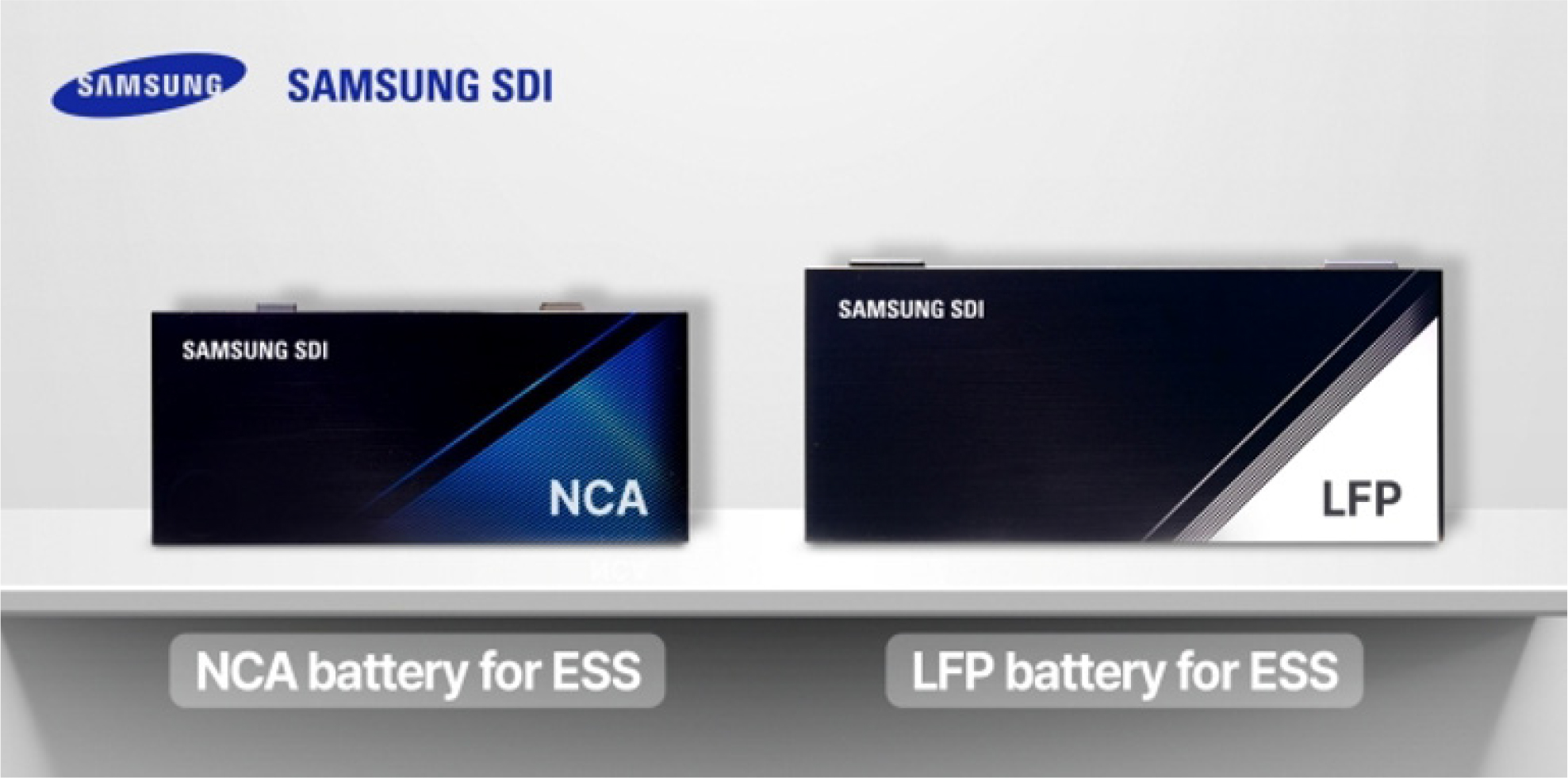
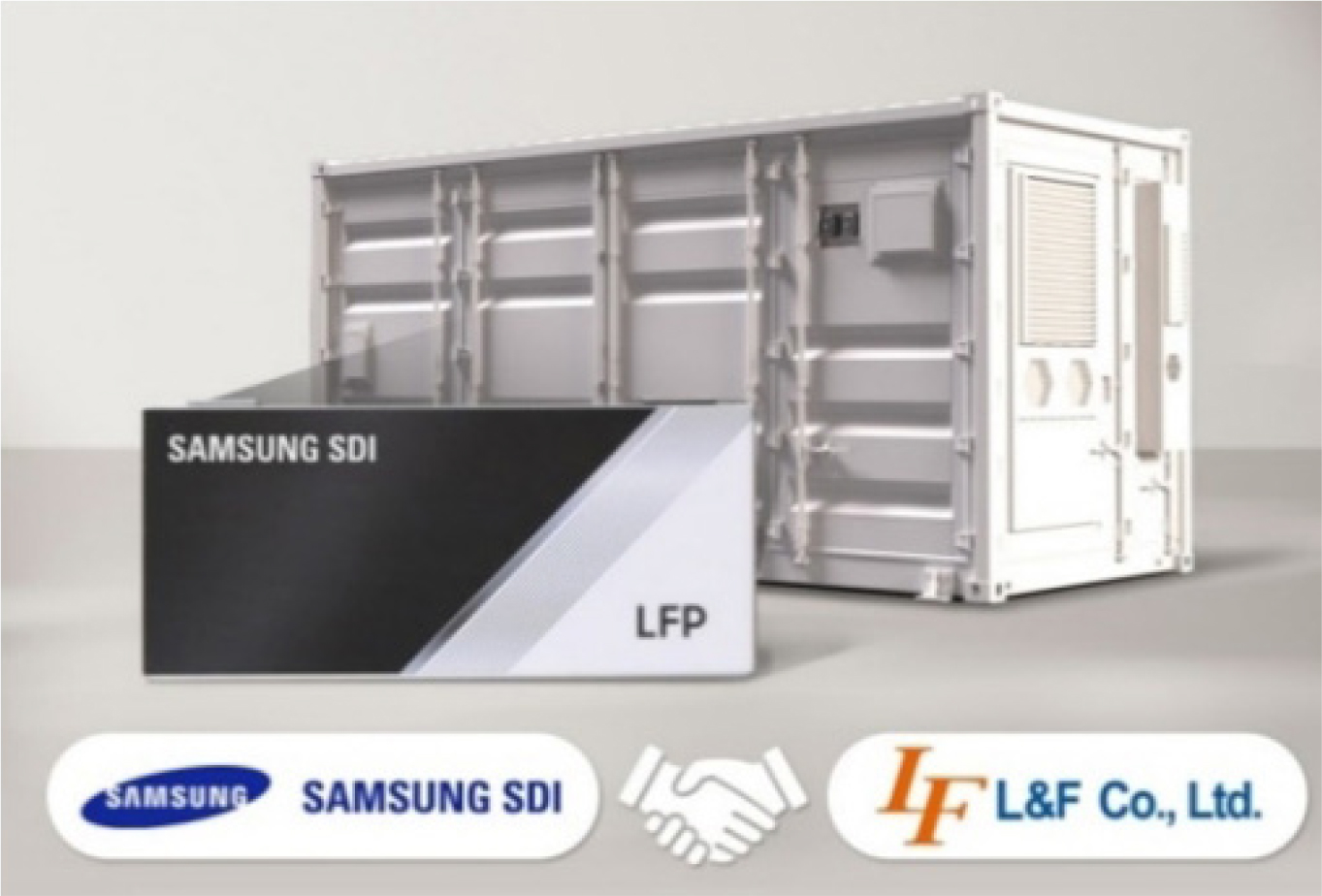
Samsung SDI announced recently that it has signed a mid- to long-term supply agreement with L&F, a leading Korean battery-materials manufacturer, for cathode materials used in lithium iron phosphate (LFP) batteries.
Under the agreement, Samsung SDI will receive cathode materials worth approximately KRW 1.6 trillion over three years starting next year. The materials will be used to produce LFP batteries for ESS applications. The contract also includes an option to extend supply for an additional three years.
Samsung SDI plans to use the LFP cathode materials supplied by L&F to manufacture ESS batteries at StarPlus Energy (SPE), its joint venture with Stellantis located in Indiana, USA.
SPE has been gradually converting part of its production lines from electric vehicle batteries to ESS batteries since the fourth quarter of last year. Beginning in the fourth quarter of this year, the facility is expected to mass-produce LFP batteries alongside its existing high-nickel NCA batteries.
As Korea’s sole manufacturer of prismatic batteries, Samsung SDI expects the agreement with L&F to help establish a stable domestic materials supply chain while further strengthening its competitive edge in the North American ESS market.

L&F previously announced a new investment in LFP cathode materials in August last year, becoming the first company outside China to do so, and is currently building production capacity of 60,000 tons per year.
While the global battery industry has traditionally relied heavily on Chinese suppliers for LFP cathode materials, tightening regulations in the United States on products manufactured in China, including rules related to Prohibited Foreign Entities (PFE), have made supply-chain diversification an increasingly important priority.
Against this backdrop, Samsung SDI’s move to secure a domestic supply of key materials is widely seen as solidifying its competitive edge.
The agreement also comes as Samsung SDI continues to expand its footprint in the North American ESS market through a series of major supply contracts. Late last year, the company signed a contract worth approximately KRW 2 trillion to supply LFP batteries for ESS to a major U.S. energy developer and operator. On March 16, it also announced another ESS battery supply deal worth KRW 1.5 trillion with a U.S. energy company.
The company said the deals reflect recognition of the quality of its prismatic batteries, which incorporate a proprietary stacking process along with in house safety technologies such as No Thermal Propagation (No TP) and Enhanced Direct Injection (EDI) to prevent thermal spread and enhance overall safety.
Building on more than 30 years of accumulated expertise, Samsung SDI recently introduced its differentiated prismatic battery technology under the name PrismStack at InterBattery 2026.
“In response to growing demand for supply chains that are less dependent on China, we proactively signed a supply agreement with a domestic materials partner. Through this partnership, we expect to further strengthen our competitiveness in the North American market and additional business opportunities, remarked a spokesperson for the company.

Samsung SDI Wins KRW 1.5 Tril. ESS Prismatic Battery
Supply Deal in the USA

Samsung SDI recently announced that it has landed another mega-sized deal for the supply of ESS batteries in the United States, accelerating expansion into the global ESS market.
The company said its Michigan-based subsidiary Samsung SDI America recently clinched a KRW 1.5 trillion ($1 billion) worth deal to supply ESS batteries in phases for a U.S. energy company over a four-year period from this year through 2029.
The batteries will be produced at StarPlus Energy’s plant in Indiana, as a joint venture between Samsung SDI and automaker Stellantis.
Initial supplies will begin with NCA (Nickel·Cobalt·Aluminum), and later expand to lithium iron phosphate (LiFePO4).
The latest deal means that Samsung SDI has been highly recognized for technological competitiveness of NCA and LFP batteries in the global market.
Samsung SDI is currently increasing its presence in the U.S. market where demand for ESS is surging in line with the expanding renewable energy and artificial intelligence markets.
Last December, the Korean battery maker signed a deal worth over KRW 2 trillion for LFP ESS cell supply with a U.S. energy infrastructure company. The company is further strengthening its foothold in the U.S. market by securing the latest deal.
Samsung SDI is currently in talks with multiple global customers to provide batteries, with expectations to produce tangible outcomes in the near future.
Industry observers assess the series of mega-deals won by Samsung SDI, backed by its prismatic battery technology (PrismStack) known for superior safety, to give the company a competitive edge to win the ongoing Korean government-led bid offer for ESS battery supplies for state-run power companies.
Samsung SDI’s prismatic batteries are already recognized by multiple U.S. energy businesses ― not only for their durability advantages over pouch-type batteries, but also for their fire-safety technologies and proven reliability ― underscoring the company’s position as the only non-Chinese supplier of prismatic ESS batteries in North America.
“The latest series of orders confirms Samsung SDI’s technological competitiveness and credibility in the global ESS market,” commented a company spokesperson. “The company will continue its efforts to meet the diverse needs of global customers for specific performance requirements.”

 
korean-machinery.com | Blog Magazine of korean-machinery, brands and Goods
Charging Module & Power Bank

https://korean-machinery.com///inquiry

40kW SiC Power Module
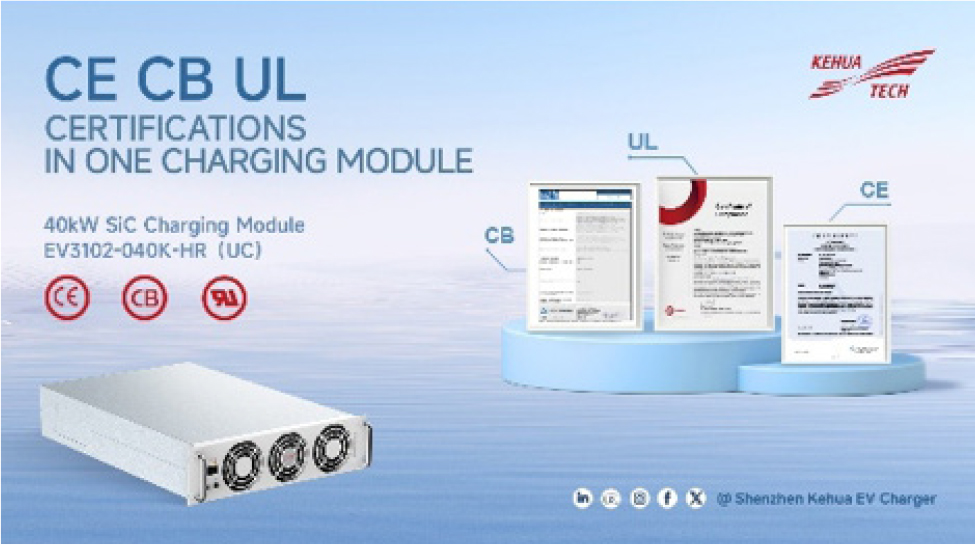
[INQ. NO. 2605M07] Kehua’s 40kW high-efficiency SiC charging module adopts advanced silicon carbide (SiC) devices and a full-bridge LLC interleaved soft-switching topology, achieving a peak efficiency ≥97% and full-load efficiency ≥96%. With an output voltage range of 150–1000V, it supports broad compatibility across different vehicle platforms.
The module integrates 60+ protections, including overvoltage, undervoltage, overtemperature, overcurrent, and short-circuit protection. It complies with IEC 61851-23:2023 and UL 2202 regulations, thus ensuring long-term, stable system operation.

Featuring a four-dimensional stepless fan speed-control design, the module maintains noise ≤65 dB across the full voltage range at ambient temperatures ≤25°C, with three selectable noise modes (65 / 60 / 55 dB). Designed for harsh environments, it operates reliably over a wide temperature range of -40°C to +75°C, demonstrating Kehua’s strength in high-reliability charging core technologies.

480kW/800kW Power Bank
Kehua’s power banks feature in-house 40kW high-efficiency SiC modules with optimized topology, achieving up to 96.5% system efficiency, balancing high power output and energy efficiency.
It is available in 480kW and 800kW models with downward compatibility and smooth on-site upgrades
It is compatible with 240 / 360 / 400kW, which is ideal for passenger cars, urban logistics, and small-to-medium buses. It is also compatible with 600 / 640 / 720kW, designed for high-power applications.
The dual cabinet expands capacity to 960kW–1.6MW, supporting air-cooled, liquid-cooled, and MCS dispensers with 250–1500A output, covering passenger vehicles, commercial fleets, MW-class heavy trucks, electric vessels, and e-Aircraft.
The integrated dynamic power-management algorithm automatically switches between power- and efficiency-priority modes based on load, maximizing operational efficiency.
It is designed for harsh environments with IP55 protection, C4-H anti-corrosion, innovative airflow keeping noise ≤65 dB at 25°C full load, and operating range -30°C to +55°C, sustaining full-power even at 50°C.
 
 
korean-machinery.com | Blog Magazine of korean-machinery, brands and Goods
LCV EV Trucks

https://korean-machinery.com///inquiry

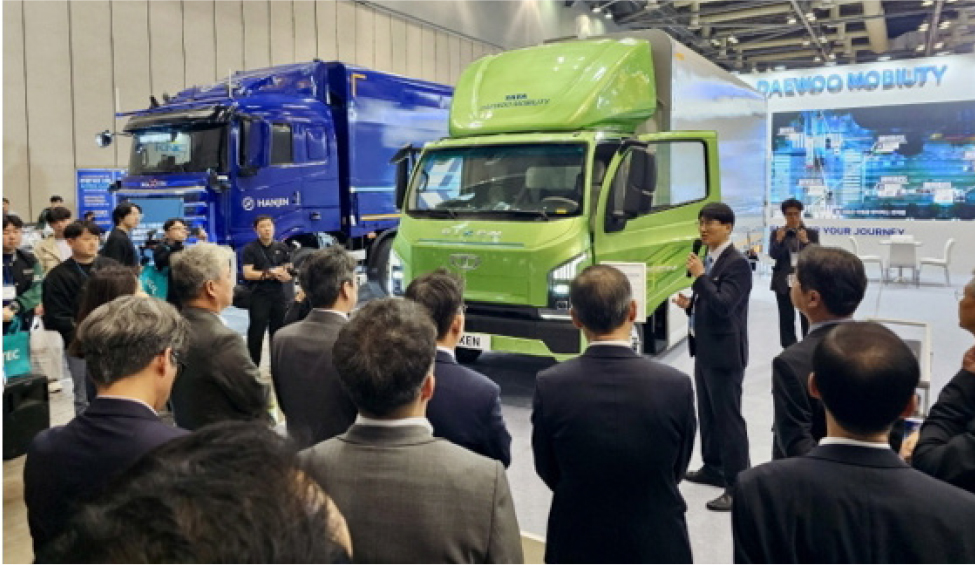
[INQ. NO. 2605M06] Tata Daewoo Mobility Co., Ltd. was established in 2004 as Daewoo Commercial Vehicle, which was separated from the truck segment of Daewoo Motors.
After merging with Tata Motors, a global automobile manufacturer known for its diverse range of vehicles and technologies, Tata Daewoo Mobility combined the technical expertise of Daewoo Motors with Tata’s management skills to become a global leader.
As a result, Tata Daewoo Mobility has become the only domestic manufacturer specialized in EV trucks, and is now recognized for its quality and technical capabilities ― both locally and internationally.
Tata Daewoo Mobility is addressing the need for electrified mobility to ensure a sustainable future for its customers. Transitioning to electric vehicles is a significant investment and an effective strategy for achieving sustainable growth. EVs do not rely on gas and operate quietly, thereby providing convenience for drivers in challenging environments compared to traditional trucks.

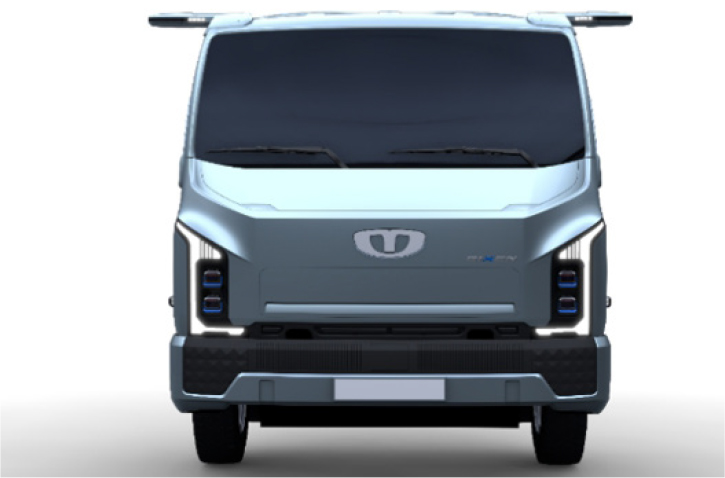
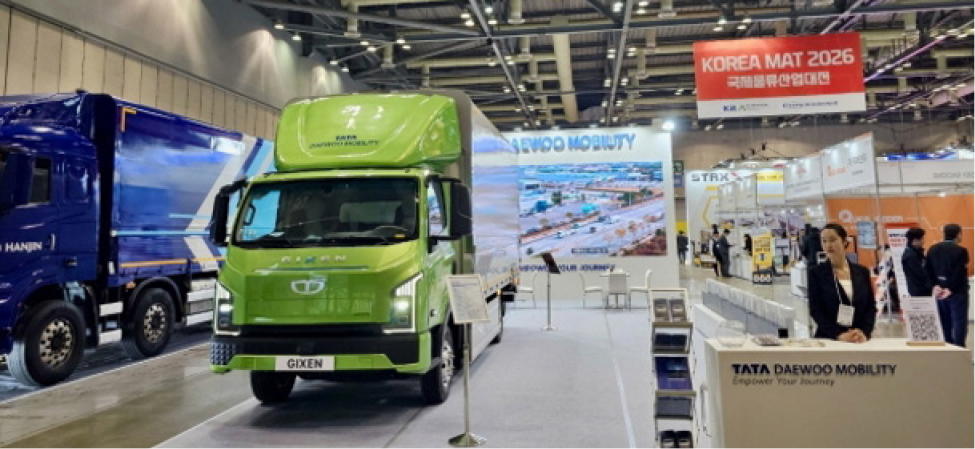
GIXEN, the First LCV EV Truck in Korea

Korea’s first LCV electric vehicle truck from Tata Daewoo Mobility, GIXEN, features a large capacity and a high-efficiency electric battery, along with a multi-speed transmission motor. GIXEN delivers dynamic power and performance across various road conditions, boasting powerful acceleration, torque, and an extended driving range with the longest driving-range on a single charge in its class.
GIXEN offers various loading standards that allow customers to load as they desire through a wide GVW range. Tata Daewoo Mobility possesses a battery product line, based on European motor systems, which considers both cost-effectiveness and performance.

GIXEN’s motor’s maximum power is 240–250kW and maximum torque is up to 862Nm. The 300kWh battery of GIXEN with 13 tons of Gross Vehicle Weight (GVW) enables a driving range of approximately 485km on a single charge. Furthermore, GIXEN ensures high safety by featuring an over-discharge capacity limit, a design to avoid thermal runaway, and an abnormal-sign detection and notification system integrated with SsenLink.
Tata Daewoo Mobility is focused on developing electric and eco-friendly trucks that enhance customer comfort and safety while promoting sustainability and innovative mobility growth.
Tata Daewoo Mobility has established a nationwide sales network with around 30 sales dealers and 200 representatives specialized in commercial vehicle sales.
Tata Daewoo Mobility is selling commercial vehicles in the name of ‘Daewoo trucks’ through its global sales network, which helps meet the needs of customers and the various business environments of the world.

 
korean-machinery.com | Blog Magazine of korean-machinery, brands and Goods
Megawatt Charging System

https://korean-machinery.com///inquiry

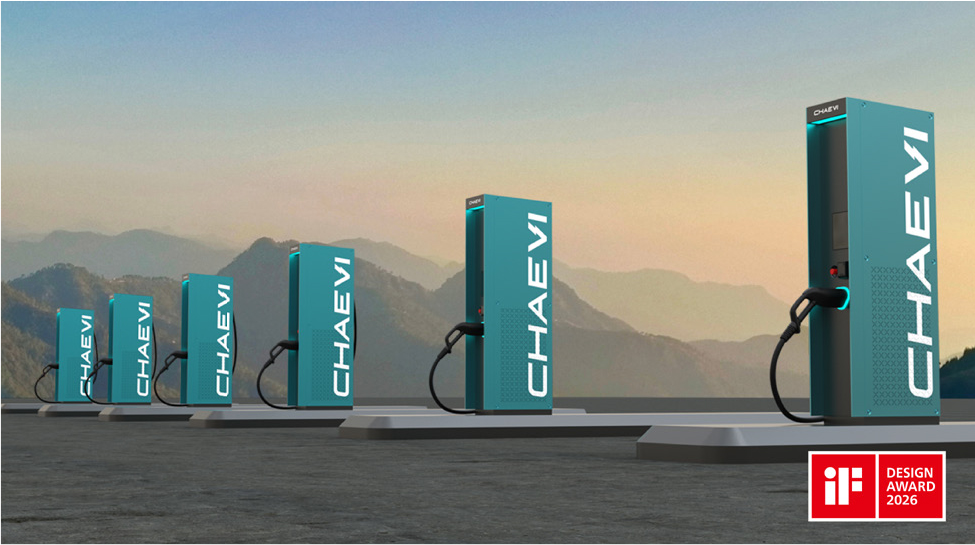
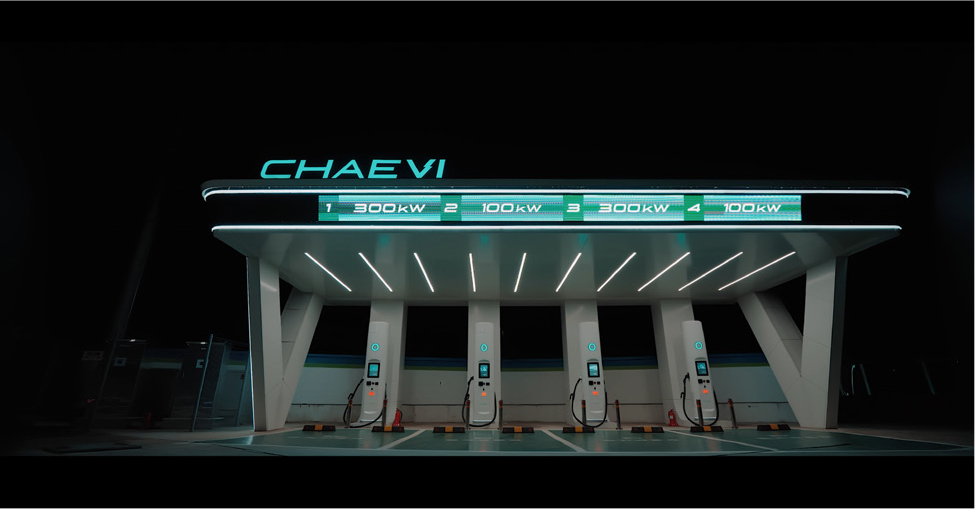
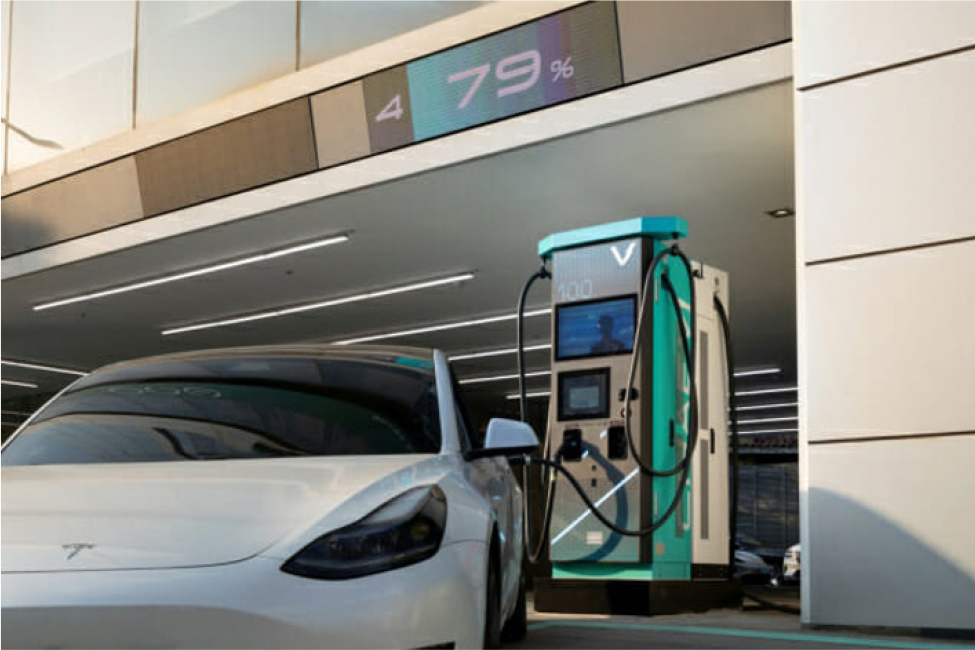
As Korea’s No. 1 rapid-charging operator, CHAEVI functions as a premier CPO with a network of over 5,900 high-speed charging points.
[INQ. NO. 2605M05] Established in 2016, CHAEVI Co., Ltd. is a global leader providing one-stop total solutions that cover the entire spectrum of electric vehicle (EV) charging, including development, manufacturing, installation, operation, and maintenance.

As Korea’s No. 1 rapid-charging operator, CHAEVI functions as a premier CPO with a network of over 5,900 high-speed charging points. With an industry-leading low failure rate of 0.38% and proprietary AI-driven diagnostic technology, CHAEVI delivers a superior charging experience and is rapidly expanding its infrastructure into global markets, including the United States.

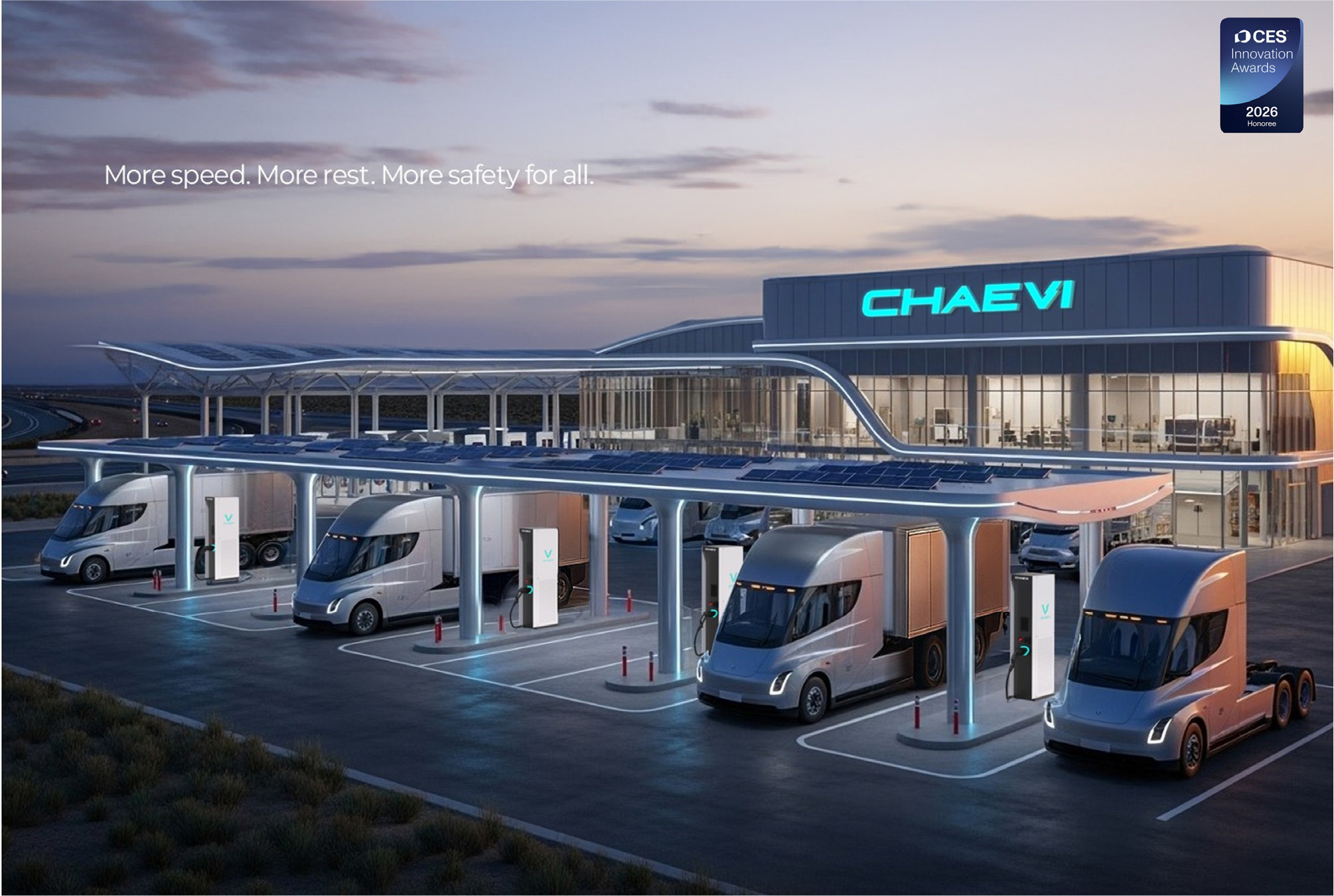
CHAEVI’s Megawatt Charging System (MCS) is a next-generation ultra-high-power charging platform designed to support both heavy-duty commercial vehicles and passenger EVs within a unified infrastructure.
Delivering up to 2.2MW of output, MCS sets a new benchmark for megawatt-level charging, enabling ultra-fast charging for large-scale fleet operations and long-haul logistics.
As a multi-standard solution (MCS + CCS + NACS), MCS supports all major charging standards in a single platform, allowing seamless charging across all EV types.

Engineering Excellence
CHAEVI’s MCS integrates advanced thermal-management systems, including a heat-pump-based cooling structure, ensuring stable operation even under extreme high-load conditions.
Its AI-based predictive diagnostics continuously monitor battery health and charging conditions, thereby reducing downtime and extending both charger and battery lifespan.
This intelligent system enhances operational efficiency while minimizing maintenance costs and improving long-term reliability.

Driving the Future of EV Infrastructure
With the rapid growth of electric commercial vehicles and long-haul logistics electrification, megawatt-level charging infrastructure is becoming essential.
CHAEVI’s MCS addresses this expanding demand by providing a future-ready, scalable, and unified charging platform, enabling such impressive features as reduced charging time, improved fleet utilization, enhanced driver safety through optimized rest cycles, and lower total cost of ownership (TCO).

AI-Based Intelligent Diagnostics & Operation Software
CHAEVI’s MCS integrates an AI-powered intelligent management solution that maximizes hardware performance while enhancing operational efficiency.
This innovation was a key driver behind CHAEVI winning two CES 2026 Innovation Awards in both the Vehicle Technology & Advanced Mobility and Artificial Intelligence (AI) categories.
AI Smart-Sequential Scheduling
This technology enables efficient charging of dozens of trucks during the mandatory 8-hour rest period following long-haul operations.
The AI algorithm continuously analyzes each vehicle’s battery State of Charge (SoC) in real time, prioritizes vehicles with the most urgent charging needs, and optimizes power distribution to fully utilize available energy resources.

AI Battery Diagnostics
The system communicates directly with each vehicle’s Battery Management System (BMS) to predict battery health and detect potential abnormalities in advance.
Diagnostic reports are delivered in real time to both drivers and operators, thus preventing unexpected failures, minimizing logistics disruptions, and extending battery lifespan.


korean-machinery.com | Blog Magazine of korean-machinery, brands and Goods
400kW All-In-One Ultra-Fast EV Charger

https://korean-machinery.com///inquiry

A Trusted Leader in High-Power EV Charging Infrastructure
[INQ. NO. 2605M04] SK Signet is a global electric vehicle (EV) charger manufacturer and a leading provider of ultra-fast charging solutions, particularly in the United States.
The company has established a strong presence in North America, supplying high-power charging infrastructure at scale and supporting the rapid expansion of EV adoption.
Recognized as a top-ranked manufacturer in the National Electric Vehicle Infrastructure (NEVI) program, SK Signet has earned industry-wide trust through its advanced technology and proven high-volume manufacturing capabilities.
As a total solution provider for EV charging, SK Signet is committed to accelerating the transition to sustainable mobility by integrating clean energy with next-generation transportation.

Optimized for High-Power, High-Density Deployment with All-In-One Architecture
Driven by the growing number of electric vehicles equipped with 800V high-voltage battery architecture, charging operators are under increasing pressure to deliver higher power output while maintaining site efficiency and profitability.
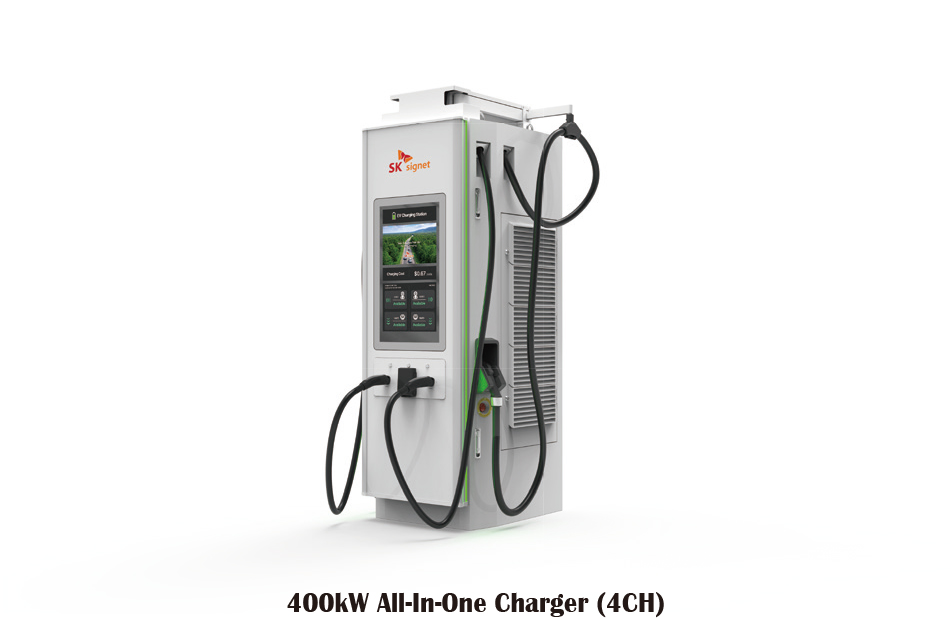
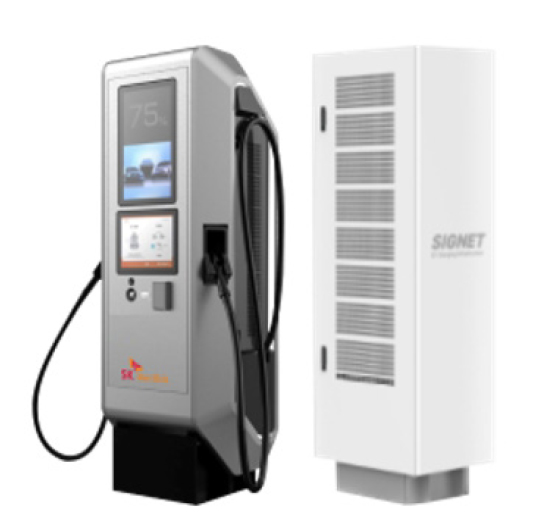
SK Signet’s new 400kW All-In-One charger integrates power cabinets and dispensers into a single compact unit. The system significantly reduces installation complexity and lowers total deployment costs ― addressing one of the key barriers to large-scale infrastructure expansion.The system can deliver stable 150–250kW charging to multiple vehicles while supporting full 400kW capacity for high-voltage EV platforms.

Silicon Carbide-Based High-Density Power Architecture
At the core of the new charger is an SiC-based high-density power architecture designed to deliver stable high-power charging while minimizing energy loss.
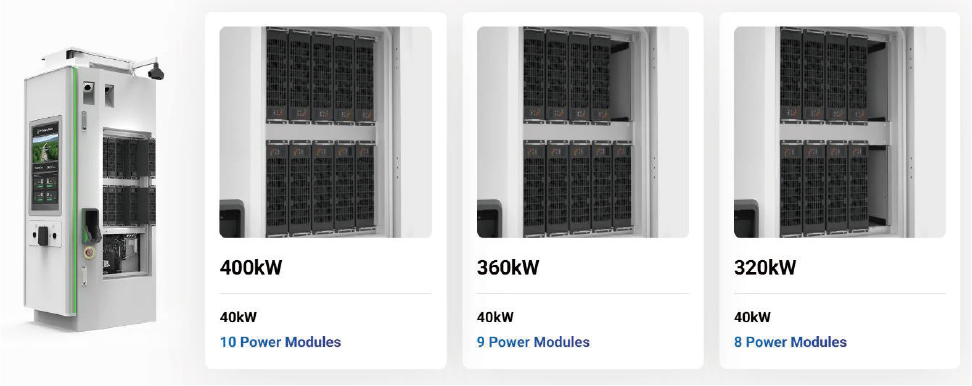
Key technical characteristics include: modular architecture with multiple high-density SiC-based power modules, delivering up to 400kW and optimized for ultra-fast charging applications; up to 96.5% power-conversion efficiency, reducing energy-loss during high-power operation; and improved thermal management supporting stable performance during continuous charging.
This efficiency performance supports charging network operators in reducing electricity loss and improving overall site economics.

Scalable Power for Long-Term Infrastructure Planning
The charger is designed with a modular power architecture that allows charging operators to scale charging capacity as demand grows.
The modular architecture allows operators to configure power at 320kW, 360kW, or 400kW according to current business needs. Operators can scale capacity by simply adding power modules rather than replacing entire hardware units as vehicle-battery technology evolves.
This ‘pay-as-you-grow’ approach reduces initial capital expenditure while ensuring long-term infrastructure scalability. The 400kW capacity ensures readiness for the upcoming surge in high-voltage, large-capacity battery EVs.

Space Optimization: 54% Smaller Footprint
By adopting a fully integrated All-In-One structure, SK Signet has cut the required installation footprint by more than half ― by 54%, compared to the previous model at the same power capacity. This compact design enables efficient infrastructure deployment in space-constrained charging environments such as retail centers, gas stations, and urban parking facilities, thereby providing operators with a competitive advantage.
Compared to deploying two 200kW units, a single 400kW All-In-One charger delivers the same output while significantly reducing required space, improving power density per square foot.
The integrated structure also simplifies construction, lowering installation costs and accelerating infrastructure deployment.
By integrating the power-conversion system and charge controller into a single device, it delivers more power per square foot than SK Signet’s V2 600kW split-type chargers. The integrated structure streamlines the construction process, leading to lower installation costs.

Enhanced User and Operator Experience
The new charger incorporates a range of user-centric and operational features designed to enhance charging convenience and improve system performance. These capabilities support high-power charging while providing operators with greater flexibility in deployment and site management.
The new charger is a liquid-cooled charging cable that reduces cable weight while maintaining stable high-power delivery. Its ergonomic swingarm cable management system improves accessibility regardless of vehicle charging port location. It supports both CCS1 and the North American Charging Standard (NACS). It has flexible connector configurations ranging from single to quad cables. Its 32-inch touchscreen display provides a clear and intuitive user interface. Moreover, it supports multiple payment methods including Plug & Charge, Autocharge, credit cards, RFID, QR code, Apple Pay, and Google Pay.

Optimized Software Platform
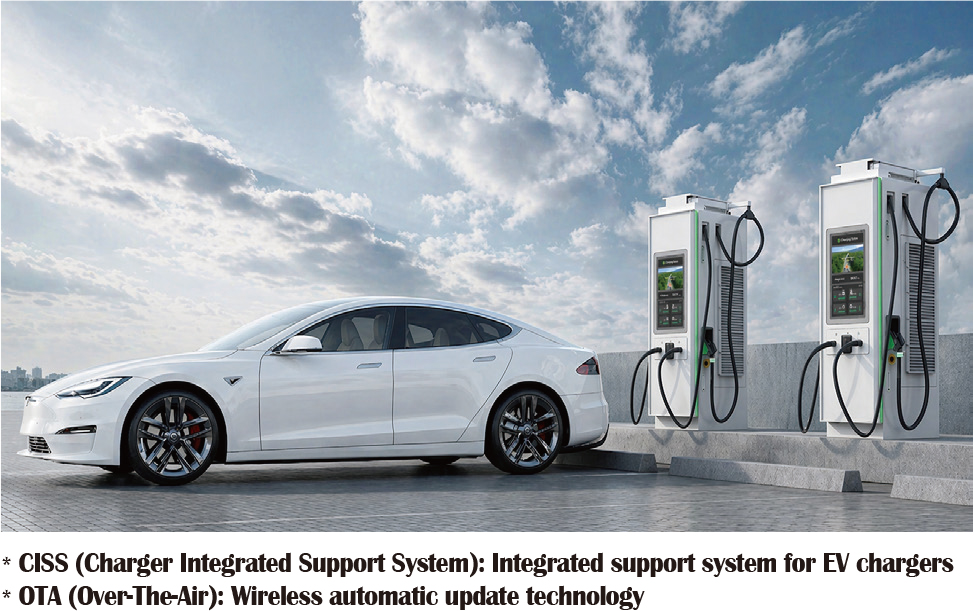
The new charger is system architecture optimized based on extensive operational experience and evolving user requirements. It ensures enhanced response speed, operational stability, and system security. Through the Charger Integrated Support System (CISS), firmware and software are updated remotely via OTA to ensure optimal performance. Real-time alerts and advanced diagnostics enable fast issue resolution, minimizing downtime and maintenance costs.


korean-machinery.com | Blog Magazine of korean-machinery, brands and Goods
LG Energy Solution

https://korean-machinery.com///inquiry

LG Energy Solution Joins SDVerse, Global B2B Marketplace for Automotive Software

[INQ. NO. 2605M03] LG Energy Solution recently announced that it has joined SDVerse, becoming the first battery company to participate in this Global B2B Marketplace for Automotive Software.
This move underscores the company’s technological leadership as it expands beyond battery manufacturing into the software and services that power next-generation vehicles.
Co-founded in 2024 by General Motors, Magna, and Wipro, SDVerse is the automotive industry’s first B2B marketplace for automotive software. It enables sellers to list software solutions that buyers can easily search, compare, and evaluate to find the best fit. As the era of Software-Defined Vehicles (SDVs) takes shape, SDVerse has quickly evolved into a trusted digital hub that helps accelerate innovation across software-defined mobility.

By joining SDVerse, LG Energy Solution is bringing its battery-software capabilities directly into the SDV environment, thereby enabling smarter diagnostics, safer operation, and longer battery life. The company is offering five core battery software solutions ― Battery Platform SW; Safety Diagnostic Calibration Tool; Onboard FRISM, Onboard BLiS; and Onboard DASH.
Battery Platform SW comprehensively analyzes key battery-status indicators, integrating LG Energy Solution’s proven BMS technologies into an SDV-optimized architecture.
The Safety Diagnostic Calibration Tool enables safety diagnostics and simulation validation based on battery data. This tool provides algorithms that companies can leverage to perform in-house analysis and operations without relying on external data sources, thus minimizing the risk of data leakage while enhancing security.
Onboard FRISM, also known as the Cell Data Free SOH Model, is algorithm-based automotive software that estimates battery condition based on battery field data. It enables accurate diagnosis of battery degradation without cell test data by applying machine learning–based error correction.
Onboard BLiS, which stands for Battery Life Simulator, is an algorithm that numerically predicts the battery degradation process and estimates changes in battery performance under various conditions. It can also predict how rapid-charging capability changes as batteries degrade, and simulate battery health based on a physical model by continuously monitoring voltage, current, and temperature.
Onboard DASH, which stands for Degradation Reduction Action Strategy for Battery Health, is an algorithm designed to manage the lifespan of EV batteries. It quantitatively analyzes how driving and charging behaviors affect battery degradation, monitors battery status in real time, and provides guidance to supporting long-term battery health.
“We are proud to welcome LG Energy Solution and its advanced battery management software, diagnostics, and SDV-ready battery architecture to SDVerse,” remarked Prashant Gulati, CEO of SDVerse. “By combining deep battery expertise with software-driven intelligence, LG Energy Solution is helping accelerate the development of next-generation electric vehicles.”
“The SDV era is turning vehicles into ever-evolving software platforms, and batteries are at the core of this transformation,” explained Je Young Kim, CTO of LG Energy Solution. “By introducing our battery software through SDVerse, we are not only demonstrating our readiness for the software-defined future but also ensuring that our battery intelligence is reflected at every stage of the vehicle lifecycle.”
The company has demonstrated distinctive battery software and service capabilities through more than 20 years of BMS development. Over that time, it has accumulated over 10,000 BMS-related patents, building deep expertise in the process. Last October, the company’s pioneering status was reaffirmed after becoming the first battery maker to be awarded a CES Innovation Award purely through software technology with its battery-life management solution, Better.Re.
Through its participation in the SDVerse ecosystem, LG Energy Solution plans to showcase its expertise in battery service and software technologies built over time, solidifying its position as a comprehensive energy-solution provider.

LG Energy Solution Demonstrates Sulfur Cathode Technology for All-Solid-State Batteries

LG Energy Solution announced today that it has successfully demonstrated a high-capacity battery utilizing sulfur as a cathode material through an all-solid-state battery architecture, presenting new possibilities for next-generation, high-energy-density batteries.
The research, conducted in collaboration with Professor Shirley Meng’s research team at the University of Chicago, was published on February 27 in ITALICS, a leading international journal in the field of energy research.
The study represents a key research achievement by the Frontier Research Lab (FRL), jointly operated by LG Energy Solution with the University of California, San Diego (UC San Diego) and the Pritzker School of Molecular Engineering at the University of Chicago.
Sulfur has long been considered a promising candidate for next-generation cathode materials due to its low cost, abundant availability, and exceptionally high theoretical capacity of approximately 1,675 mAh/g. However, conventional battery systems using liquid electrolytes have faced a major challenge known as polysulfide dissolution, in which sulfur compounds generated during charge and discharge processes dissolve into the electrolytes, leading to rapid performance degradation and limited cycle life.
To address this issue, the joint research team adopted an all-solid-state battery structure that replaces liquid electrolytes with solid electrolytes. This approach effectively suppresses polysulfide dissolution and enables stable electrochemical performance.
As a result, the researchers achieved a capacity of approximately 1,500 mAh/g, while maintaining stable cycling performance. Importantly, the performance was verified not only in coin-cell testing but also in pouch-type cell configurations, thereby demonstrating the potential for practical battery applications.
“This achievement confirms the potential of sulfur cathodes to expand energy capacity beyond conventional lithium-ion batteries,” commented an LG Energy Solution representative. “Through continued collaboration with leading academic institutions, we will further advance next-generation battery technologies by strengthening safety, energy density, and cost competitiveness.”
Professor Shirley Meng, who led the research, delivered an address during The Battery Conference at InterBattery 2026, held at COEX, Seoul, in March 2026, where she shared insights into the future development of all-solid-state batteries and next-generation battery technologies.


korean-machinery.com | Blog Magazine of korean-machinery, brands and Goods