Increasing Electric and Hydrogen Vehicles

https://korean-machinery.com///inquiry

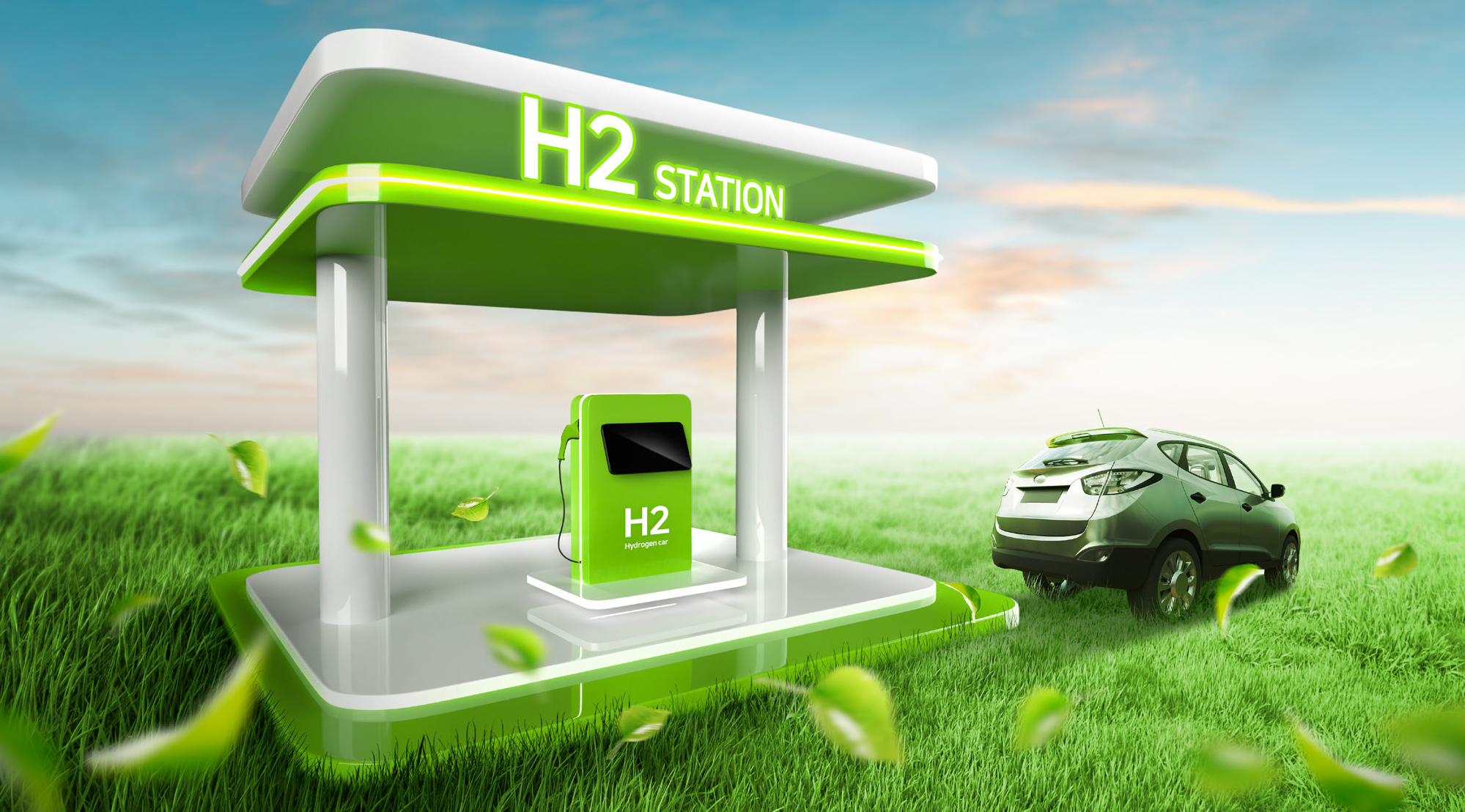
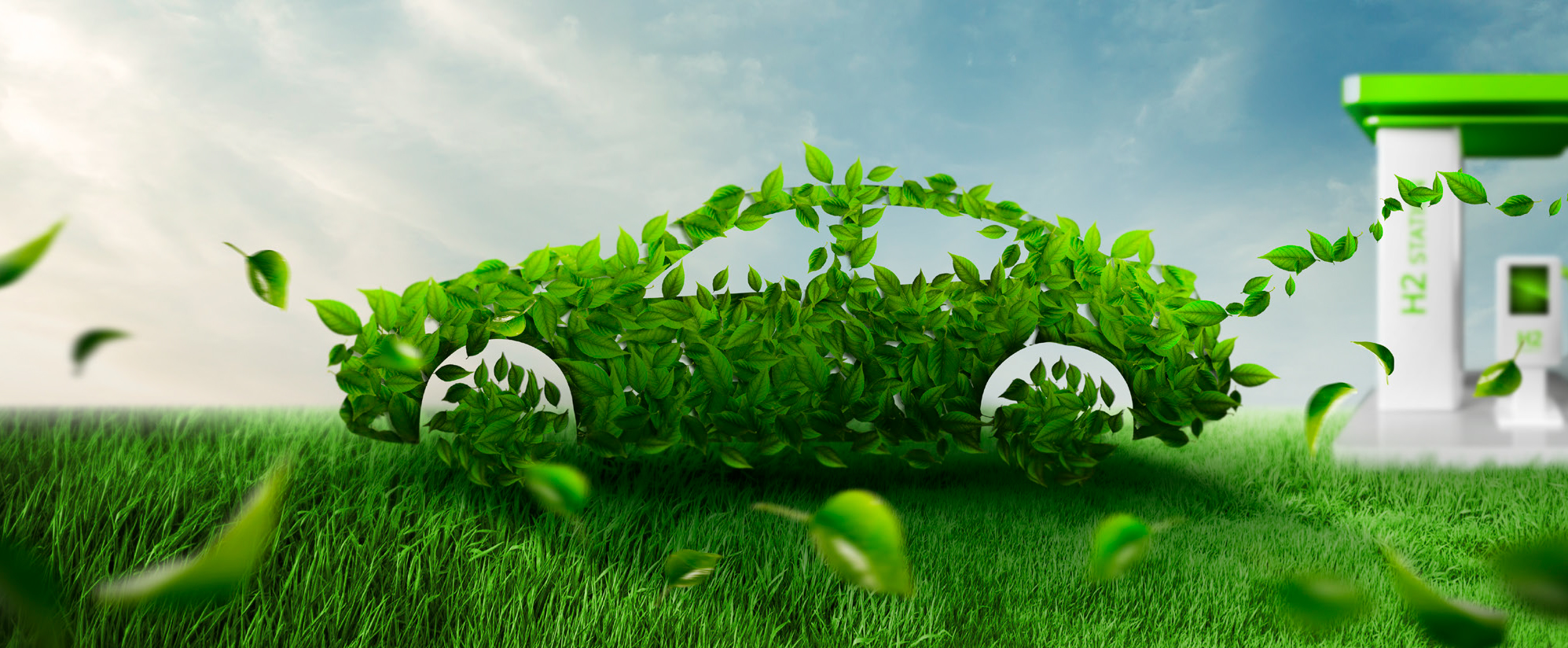
Increasing Electric and Hydrogen Vehicles… 9.5 Million Units in 10 Years

K-Mobility Initiative Strategy
Raising a goal of distributing zero-emission vehicles
Reducing individual consumption and acquisition taxes until next year

The government has set a goal of restructuring the entire automotive industry, including not only complete vehicles but also parts manufacturers, centered around eco-friendly vehicles.
The Ministry of Trade, Industry and Energy, jointly with relevant ministries, recently announced the K-Mobility Global Initiative Strategy that contains such contents. The core objective is to transition not only sales of complete vehicles but also parts manufacturers toward eco-friendly vehicles. The government’s goal is to increase the proportion of eco-friendly vehicles, including electric, hydrogen, and hybrid vehicles, to comprise 90% of new vehicle sales by 2035.
According to the Korea Automobile Mobility Industry Association, cumulative sales of domestic complete vehicles as of the third quarter of 2025 reached 1,036,912 units. Of these, eco-friendly vehicles accounted for 44%, or 457,321 units. The government aims to more than double the proportion of eco-friendly vehicle sales within 10 years.

The government also set a goal for the distribution of zero-emission vehicles, including only electric and hydrogen vehicles. Assuming the 2035 National Greenhouse Gas Reduction Target (NDC), announced on the 11th, to be 53%, the lowest goal, a total of 9.52 million zero-emission vehicles must be supplied by 2035. The cumulative number of zero-emission vehicles distributed is approximately 750,000, representing only 7.8% of the target value.

The government plans to support the distribution of eco-friendly vehicles across the entire supply and demand chain. To increase demand, subsidies for passenger EVs will be significantly expanded from next year. Until this year, subsidies were limited to a maximum of KRW 5.8 million per vehicle, but starting next year, an additional KRW 1 million will be provided. This applies to scrapping old existing vehicles and purchasing eco-friendly vehicles. The total budget for subsidies has also been increased from KRW 780 billion this year to KRW 936 billion next year.
The government set itself another goal of converting 70% of internal combustion engine parts companies into future vehicle parts companies by 2030. To facilitate allied mergers between companies, the government will provide support of up to 60% of the funding, up to a limit of KRW 20 billion. It will also support research and development, and 200 future vehicle specialized companies by training 70,000 future vehicle specialists by 2033.

korean-machinery.com | Blog Magazine of korean-machinery, brands and Goods
Tesla’s Self-Driving Offensive

https://korean-machinery.com///inquiry

Tesla’s Self-Driving Offensive… Korean Cars on the Edge

7th company to enter the market, following the USA, Canada, and China
GM also unveils its second-generation self-driving system.
Competing in the IT-receptive Korean market

Tesla’s flagship self-driving technology, Full Self-Driving (FSD), has been officially introduced in Korea, the seventh country in the world.
According to the automotive industry, Tesla recently released its ‘supervised FSD’ feature via an over-the-air (OTA) software update.
This update was applied to Tesla Model S and Model X vehicles equipped with the 4th-generation hardware (HW4) produced in North American factories.

This system accelerates, decelerates, changes lanes, and navigate routes on city streets and highways, but it is a Level-2 self-driving system that requires a driver to keep eyes on the road. Based on the test-drive data released by Tesla Korea, advanced features were identified — such as recognizing a speed limit sign, decelerating over a speed bump, and avoiding a stationary vehicle.
There are, however, still many obstacles to overcome before Tesla’s FSD is fully implemented in Korea. The update applied by Tesla this time is restricted to U.S.-produced vehicles. While vehicles imported into Korea under the Korea-U.S. Free Trade Agreement (FTA) can use the FSD feature without restrictions, vehicles manufactured at the Shanghai plant in China, which account for most domestic sales, are subject to separate safety standards, meaning that it will take longer until fully implemented.
As advanced global self-driving technologies are rapidly being introduced in Korea, technological competition will be also intensified. GM, ahead of Tesla, announced the launch of the Cadillac Escalade IQ this month and announced that advanced driver assistance system (ADAS) ‘Super Cruise’ will be applied. Super Cruise supports hands-free driving on tens of thousands of kilometers of highways and arterial roads.
These characteristics of the Korean market are also evident in sales of imported cars. From January to October of this year, Tesla’s Model Y ranked first in cumulative imported car sales. As 37,590 units were sold as a single vehicle, its sales are at least double those of the BMW 520 (12,408 units). Tesla ranked third among all imported vehicles, selling 47,962 units through October of this year, accounting for more than half of all imported electric vehicle sales.

korean-machinery.com | Blog Magazine of korean-machinery, brands and Goods
The Advancing Big-4 Defense Companies

https://korean-machinery.com///inquiry

The Advancing Big-4 Defense Companies to Achieve KRW 4 Trillion in Operating Profit This Year

KRW 3.5 trillion by the third quarter… 44% up from last year
“Export expansion… growth will continue for 2~3 years.”

The four largest domestic defense companies expect to exceed KRW 4 trillion in annual operating profit this year. Their combined operating profit for the 3rd quarter of 2025 (from July to September) reached KRW 3.49 trillion, already surpassing last year’s annual performance by over KRW 1 trillion.
According to each company’s disclosures, the four largest domestic defense companies — Hanwha Aerospace, Korea Aerospace Industries (KAI), Hyundai Rotem, and LIG Nex1 — have earned a cumulative operating profit of KRW 3.49 trillion through the 3rd quarter. This surpasses last year’s combined operating profit of KRW 2.4182 trillion by 44.4%, and with just 3 months left until the end of the year, their combined operating profit is likely to exceed KRW 4 trillion.

By company, Hanwha Aerospace posted operating profit of KRW 2.2817 trillion from January to September, accounting for 65% of total profits. Hyundai Rotem followed with KRW 738.2 billion, LIG Nex1 with KRW 280.8 billion, and KAI with KRW 192.2 billion.

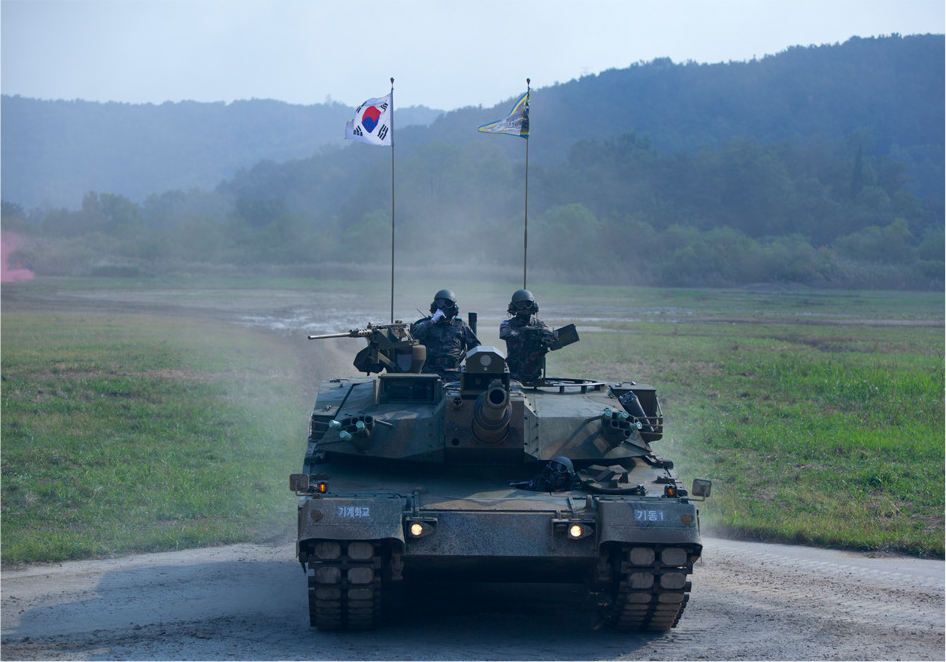
Hanwha Aerospace achieved KRW 10 trillion in sales and KRW 1 trillion in operating profit last year for the first time in the Korean defense industry and is expected to exceed KRW 20 trillion in sales and KRW 2 trillion in operating profit this year. Hyundai Rotem’s cumulative operating profit in the third quarter also exceeded the last year’s annual performance, KRW 456.6 billion) by 61%, thanks to large-scale overseas orders including the second export contract for the Polish K2 tank.
With these companies’ defense industry orders backlog reaching KRW 118 trillion, forecasts suggest that growth will continue for the next 2~3 years.

korean-machinery.com | Blog Magazine of korean-machinery, brands and Goods
Korea’s Steel Industry Expected to Bear Added Costs of KRW 3 Trillion Due to Tariffs and Certified Emission Reductions over the Next Five Years

https://korean-machinery.com///inquiry

Free allocations for companies will be reduced starting next year
At least KRW 600 billion will be added
Soaring costs of certified emission reductions also becoming a burden

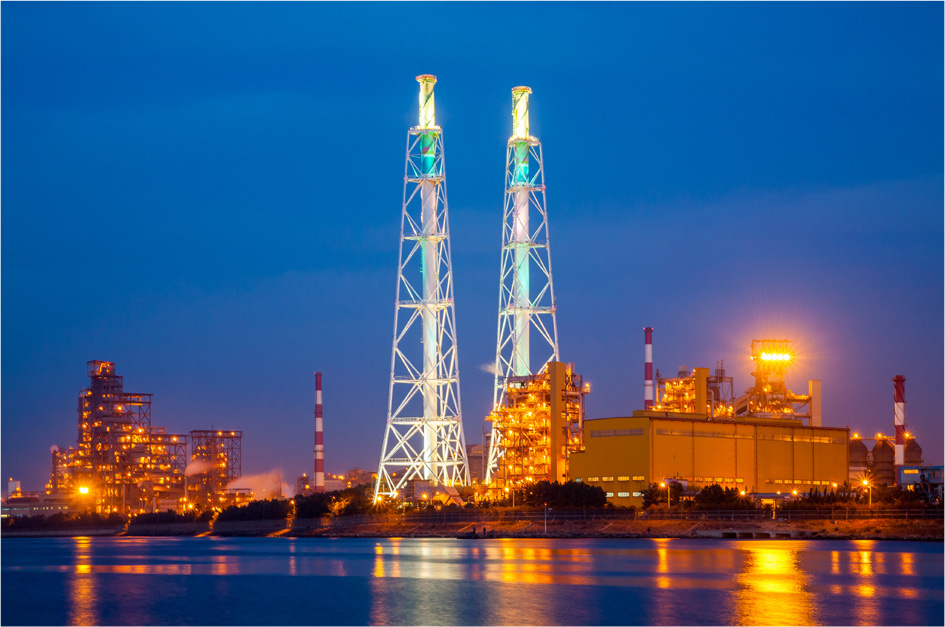
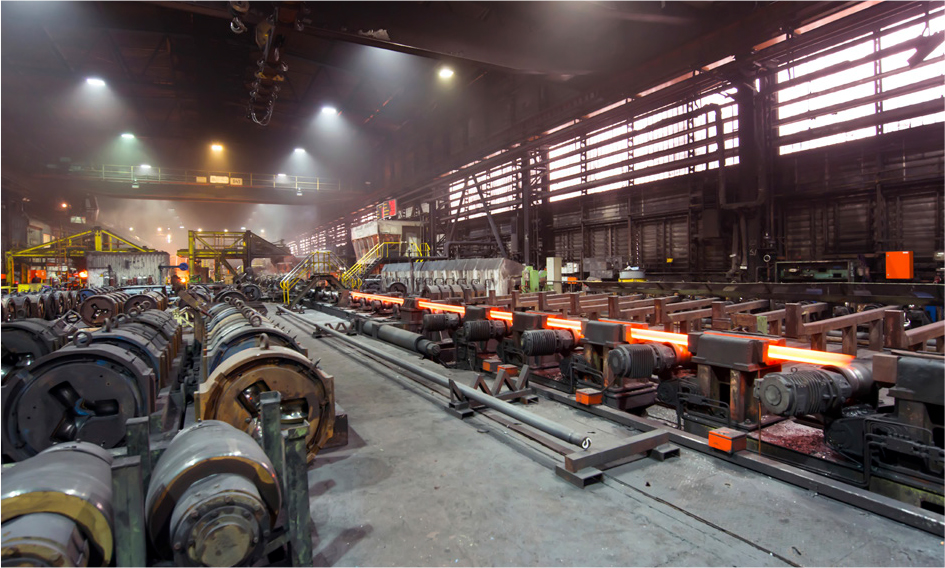
The domestic steel industry, which is already threatened by ultra-high tariffs from the USA and the European Union (EU) and the challenges of low-priced Chinese products, has faced an additional threat — the cost of certified emission reductions. As it is anticipated that additional costs of up to KRW 3 trillion would be incurred over the next five years for the two-largest steel companies alone, the industry is complaining, “We’ve been hit with a certified emissions-reduction bomb, not just a tariff bomb.”
According to the steel industry, the government’s allocation plan for the 4th Emissions Trading Scheme (K-ETS), scheduled to be implemented from 2026 to 2030, is expected to cost the nation’s two-largest steel companies, POSCO and Hyundai Steel, approximately KRW 600 billion annually, or a total of KRW 3 trillion over the next five years, in certified emission-reduction purchase costs.
Under the 4th Scheme, the total amount of certified emission reductions distributed by the government to all companies will be reduced to 450 million tons, from the annual average of 580 million tons under the 3rd plan (2021~2025). Consequently, free allocations for the steel industry will also be reduced significantly from 114 million tons under the 3rd plan to 89 million tons (industry estimates) under the 4th plan. Accordingly, companies will be compelled to purchase additional certified emission reductions on the market to fill up the deficiency, and certified emission-reduction rights prices are thus expected to rise rapidly.
According to the steel industry — if conservatively assuming that the current price of certified emission reductions of KRW 10,250 per ton (as of October 15), rises to KRW 30,000 per ton — the two-largest companies, POSCO and Hyundai Steel, alone will face a shortage of a total of 20 million tons of certified emission reductions. This will result in annual purchasing costs of approximately KRW 600 billion (industry estimates). Based on last year’s sluggish market, this is a massive amount that could consume up to 60% of the combined annual operating profit of these two companies (approximately KRW 1 trillion).
Korea’s Ministry of Climate, Energy, and Environment predicts that the cost of certified emission reductions will rise to KRW 40,000~61,000 by 2030, significantly increasing the burden on companies. Furthermore, there are growing concerns about rising electricity rates.
There are a lot of concerns that the cost burden on power-generation companies (KEPCO subsidiaries and private power generation companies like POSCO Energy and SK E&S), directly impacted by the certified emission reductions trading system, will be fully passed on to steelmakers through their industrial electricity rates. Unlike the steel industry, where pre-allocation is free, paid allocations for power-generation companies will increase 50% by 2030 under the 4th plan.
The Federation of Korean Industries estimates that an additional burden of approximately KRW 309.4 billion will be incurred by the steel industry as electricity rates are expected to rise by KRW 9.41 per kWh if the price of certified emission reductions is KRW 30,000 per ton. Combining the cost of certified emission reductions and the increased electricity rates, the steel industry’s burden could increase to as much as KRW 900 billion annually (KRW 600 billion in certified emission reductions + KRW 300 billion in electricity costs).


korean-machinery.com | Blog Magazine of korean-machinery, brands and Goods
Hanjin Group will Pioneer theSpace Logistics Market

https://korean-machinery.com///inquiry

Hanjin Group announced a new vision on its 80th anniversary
“Hanjin is the history of Korea’s growth”
A major innovation in AI-based logistics technology
“Satellite recovery market to open”
Seven new strategies announced to lead the future
K-UAM to participate in the Arctic Sea Route Project

Hanjin Group, celebrating its 80th anniversary, declared a new leap forward toward its next 100 years, upholding its management philosophy of ‘patriotic service through transportation.’ The group announced its vision, transforming into a comprehensive mobility company encompassing aerospace and future mobility. Its strategy is to innovate its logistics service through artificial intelligence (AI) and digital technology and establish space logistics solutions to become the world’s leading comprehensive logistics company.

First, its core affiliate, Korean Air, will advance beyond the boundaries of aviation and become a comprehensive mobility company encompassing aerospace, future mobility, and e-commerce. It plans to grow into a global top-tier airline by expanding its global network and prioritizing safety through the synergy coming from last year’s merger with Asiana Airlines.
Hanjin, a logistics affiliate, is leading AI-based logistics technology innovation. Furthermore, the company plans to open a new era of logistics by actively participating in the commercialization of the Northern Sea Route (NSR) to expand its global supply chain and growing its direct delivery system to China.
Hanjin Group — leveraging its 50 years of technological prowess in developing drones, aircraft, and space launch vehicles — plans to lead the urban air mobility (UAM) and air mobility markets. In particular, it plans to become a key player in the future mobility era by participating in the K-UAM project, aiming to commercialize in 2029.

The group is also entering the space logistics industry in full-scale. Chairman Cho stated, “The logistics market for satellite recovery will open before space tourism, which will transport humans to Mars. Space logistics will present a new opportunity.”

 
korean-machinery.com | Blog Magazine of korean-machinery, brands and Goods
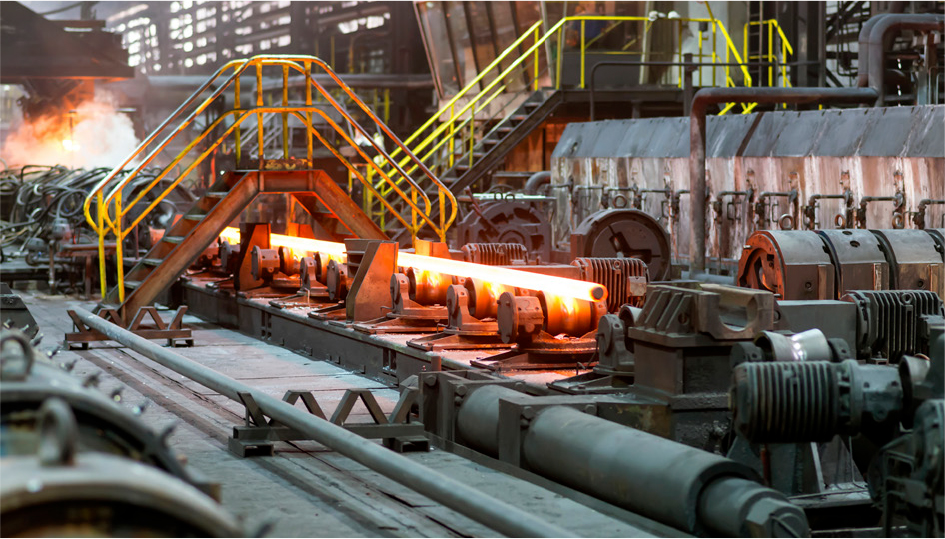
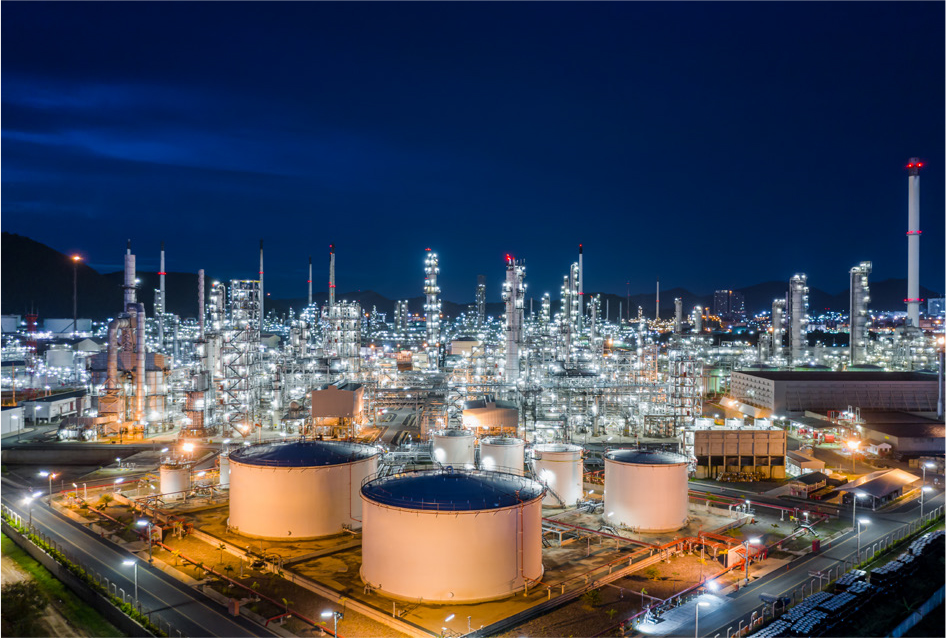
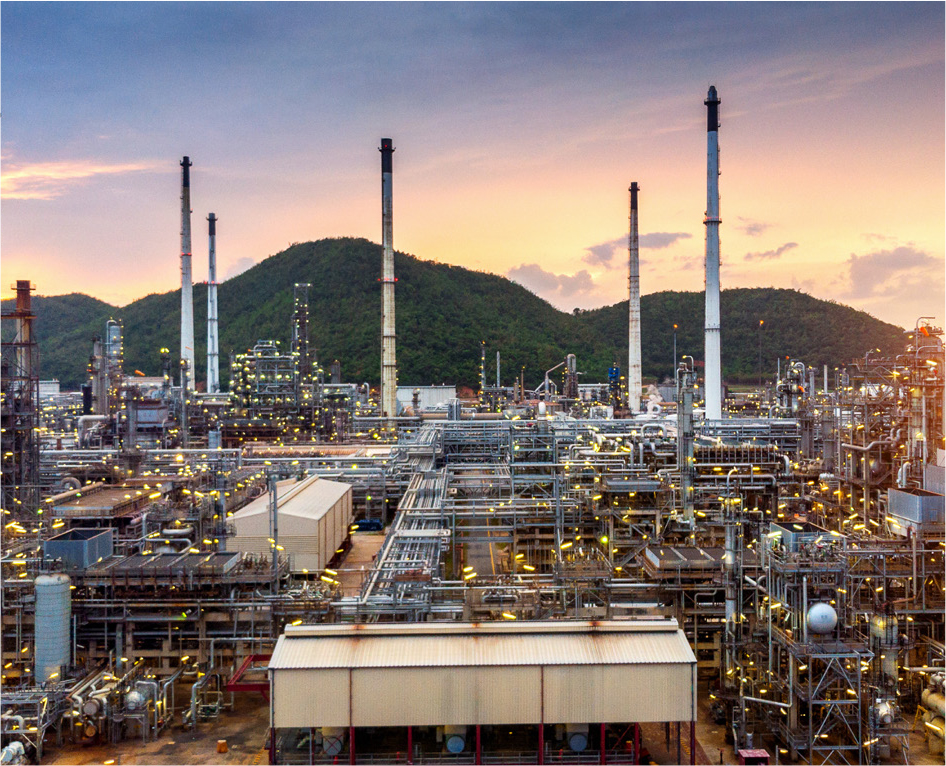
Due to Business Restructuring, the Petrochemical Industry is in a Slump

https://korean-machinery.com///inquiry

Petrochemical companies undergo restructuring, including selling core assets.
Japan underwent restructuring in the 2000s.
Korean petrochemical companies’ profitability continues to worsen.

The petrochemical industry in structural stagnation faces credit rating risks spreading across the industry, depending on the direction of business restructuring.
The petrochemical industry, suffering from both decreased profitability and financial burdens due to the prolonged recession, is thus undergoing large-scale, government-led restructuring.

Major petrochemical companies recently signed contracts for business restructuring and agreed to present specific plans by the end of the year, aiming to achieve the reduction of up to 3.7 million tons of NCCs proposed by the government.
In Korea’s three major petrochemical industrial complexes — Yeosu, Daesan, and Ulsan — discussions are underway on vertical integration with refineries, and horizontal integration between adjacent NCCs.

Compared to Japanese petrochemical companies, which underwent industrial restructuring earlier, Korea’s profitability is unfortunately deteriorating.
In 2023 alone, Korea’s petrochemical companies’ operating profit margin reached 2.5%, surpassing the 1.8% margins of eight Japanese petrochemical companies, including Eneos and Mitsubishi Chemical. However, last year Japan surpassed Korea with an operating profit margin of 3.7%.


korean-machinery.com | Blog Magazine of korean-machinery, brands and Goods
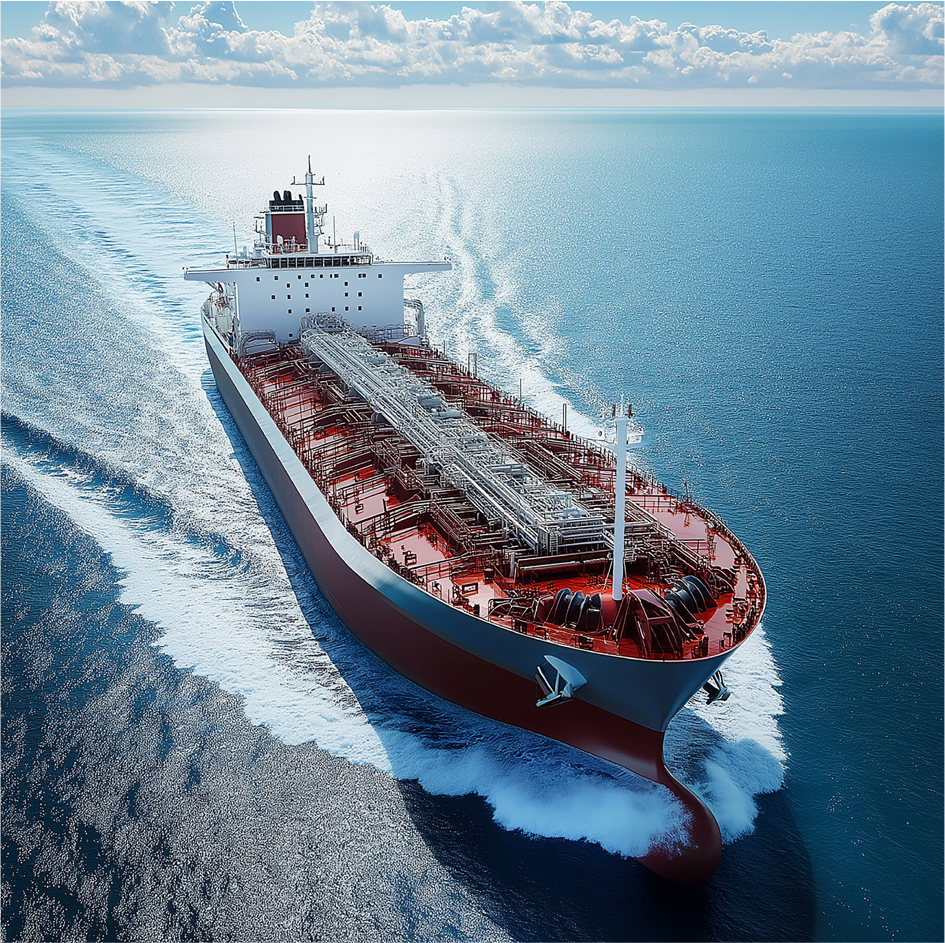
Hyundai Motors Overtakes Toyota in TIME Magazine’s Rankings

https://korean-machinery.com///inquiry

Ranked Asia’s No. 1 automaker
“Sales sustainability is excellent
and this future vehicle growth engine is robust.”

Hyundai Motors was ranked 33rd globally, getting ahead of Toyota (48th) and taking Asia’s No. 1 position in TIME magazine’s ‘World’s Best Companies 2025.”
TIME considers companies’ performance over the past three years as key evaluation criteria. Hyundai Motors’ sales grew by 23% from KRW 142 trillion in 2022 to KRW 175 trillion last year, demonstrating significant growth. Meanwhile, its operating profit increased by 45% from KRW 9.8 trillion to KRW 14.2 trillion over the same period.

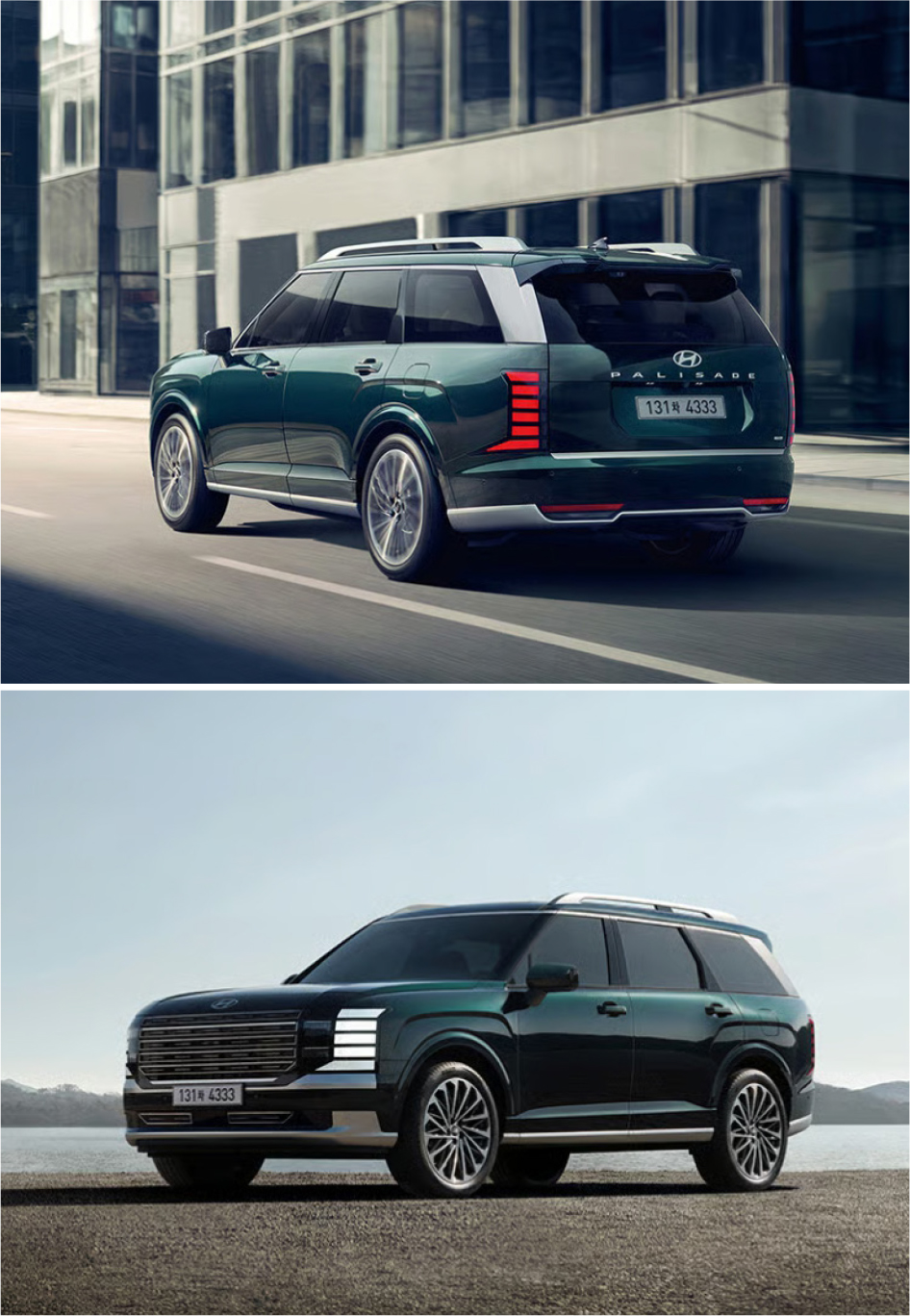
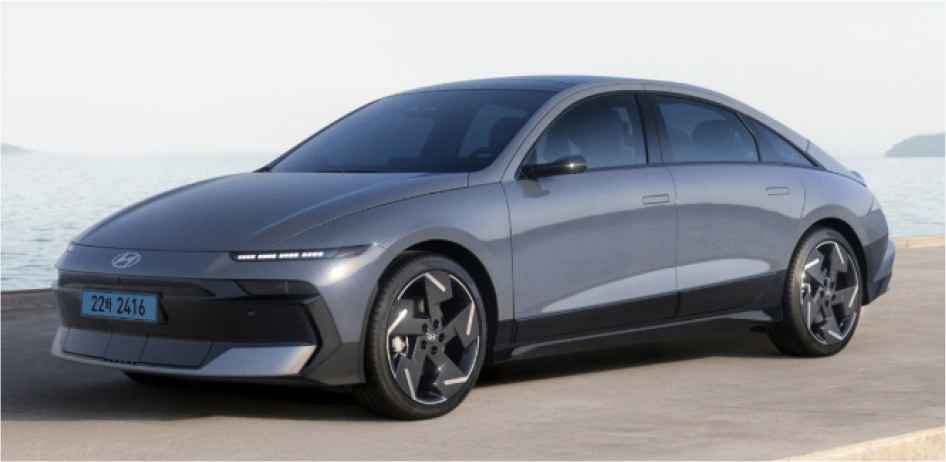
Despite concerns about the impact of U.S. tariffs that began late last year, the electric vehicle (EV) chasm (temporary stagnation in demand), and the pursuit of Chinese competitors, Hyundai Motors’ steadily recovered performance strategy with increased sales of high-value-added products has worked. It read industry shifts in advance and has responded to the crisis by significantly increasing the proportion of hybrid cars, high-value-added sports utility vehicles (SUVs), and Genesis, its luxury brand.
Hyundai Motors is pursuing a 100% renewable energy transition (RE100) across all establishments, in line with its vision of achieving carbon neutrality by 2045, by signing large-scale renewable energy purchase contracts in Korea, the USA, and India.

Hyundai Motors has clearly shown improvement as it is consistently highly ranked, rising from 151st place in 2023, when TIME began evaluating the world’s 1,000 Best Companies, to 192nd in 2024, and to 33rd this year. This year, it has risen 159 places within just one year compared to last year. On the other hand, Toyota has shown significant fluctuations, from ranking 329th in 2023, to no ranking in 2024, and then ranking 48th this year.


korean-machinery.com | Blog Magazine of korean-machinery, brands and Goods
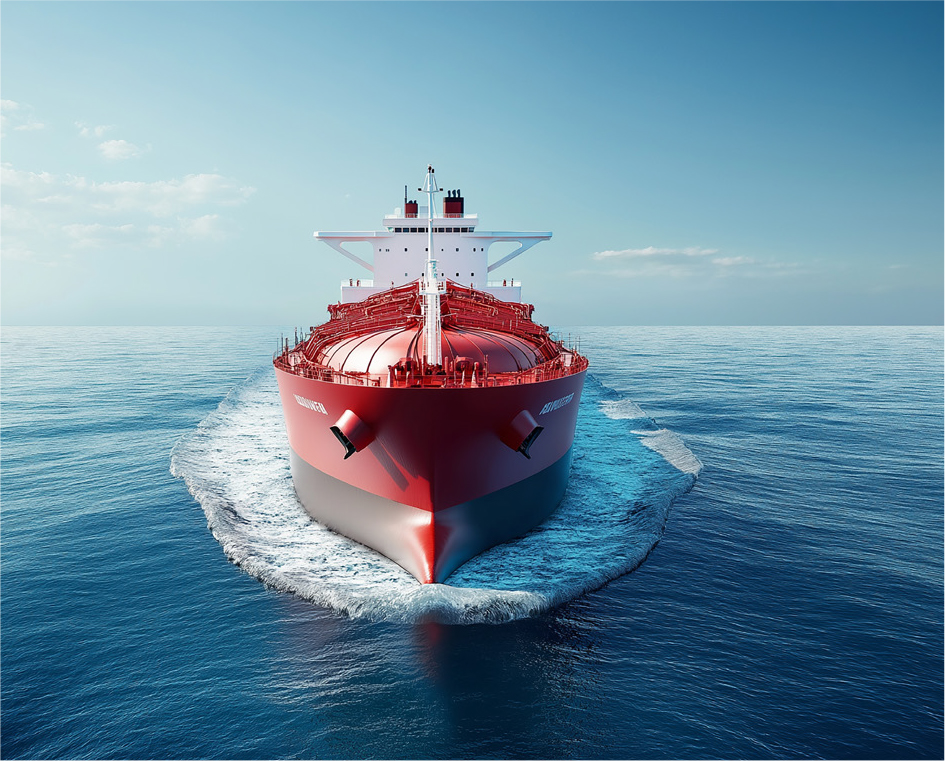
Hannam University

https://korean-machinery.com///inquiry

Hannam University Launches Full-fledged Operation of the LINC 3.0 Global Platform
 
 Aiming for Globalization of K-Startups

Signing of an MOU with a Malaysian University and Chamber of Commerce
Hannam University’s LINC 3.0 Dept. signed a LOI with UMS University in East Malaysia in July 2023, and then visited Kota Kinabalu, Sabah in December of the same year to sign an MOU with UMS University and the Sabah Chamber of Commerce.

Promoting Industry-Academia Talent Training
In February this year, UMS University’s students and professors visited Hannam University and successfully promoted industry-academia talent training such as visiting local innovation organizations, and the Daedeok Youth Bunker in the cooperative projects ― so that Daejeon City and Sabah State can develop together as cooperative partners. Moreover, the LINC3.0 Dept. at Hannam University expressed its ambition to provide maximum support within the possible scope so that the companies located in Daejeon and the Sabah Chamber of Commerce can interact smoothly ―the aim of Hannam University’s LINC 3.0 Dept. The Unit aims to grow into a body that accelerates the industry-academia research cooperation by fostering creative talents needed by future industries, forming a symbiosis and cooperation of industry-academia research, and a business operation based on platforms and specialization for the advancement of regional industries at Deodeok-gu office and Capstone Design, an idea for solving social problems.

Signing of MOUs with many Korea-based Bodies
Hosted by the LINC 3.0 Dept. of Hannam University, 15 persons – from the chairman, to representatives of the member companies of Sabah Chamber of Commerce, UMS University, and MATRADE (Trade and Investment Center in the Malaysian Embassy in Seoul), visited Hannam University from May 28 to June 1 to conduct overseas marketing strategy training for global capacity empowering; MOU and business networking with the Daejeon Chamber of Commerce; MOU and trade exchange meeting with the Innopolis Institute Enterprise Association; and an MOU signing with Doma Big Market; and a local SME product exhibition.

Malaysia: Korea’s important trading partner and bridgehead into Southeast Asia
As of March 2024, Korea’s exports to Malaysia amounted to US$800 million, while imports amounted to US$1 billion, making the country Korea’s 13th-largest trading partner in terms of exports. Thus, Malaysia is serving as a bridgehead for advancing further into Southeast Asia (Source: KOTRA’s trade statistics). Malaysians use both Malay and English as their official languages, and Sabah is an Islamic state located on the island of Borneo. Its constitution recognizes freedom of religion (Christianity and Catholicism account for about 30%), and it has abundant natural resources (timber, crude oil, natural gas, minerals, etc.) and a well-developed tourism industry. The Sabah Chamber of Commerce in Malaysia was established in 2003 and currently has over 1,400 members in Sabah. Director Won Gu-hwan of the LINC3.0 Dept. at Hannam University explained, “We hope that the business agreement and networking program promoted during the period will not be a one-off event, but will continue to promote cooperative projects so that Daejeon City and Sabah State can develop together as cooperative partners.” Moreover, the LINC3.0 Dept. at Hannam University expressed its ambition to provide maximum support within the possible scope so that the companies located in Daejeon and the Sabah Chamber of Commerce can interact smoothly.

The Aim of Hannam University’s LINC 3.0 Dept.
The Unit aims to grow into a body that accelerates the industry-academia research cooperation by fostering creative talents needed by future industries, forming a symbiosis and cooperation of industry-academia research, and a business operation based on platforms and specialization for the advancement of regional industries.
The person in charge of this global network program, Prof. Peter Lee (peter7@hnu.kr), indicated that he would continue promoting the global program to mainland Malaysia, Singapore, Indonesia, etc., and also he emphasized that Hannam University would be implementing the Southeast Asia Industry-Academia Global Cooperation biz platform for Daejeon City.


korean-machinery.com | Blog Magazine of korean-machinery, brands and Goods
Mechanical Seal / Metal Bellows

https://korean-machinery.com///inquiryMechanical Seal
[INQ. NO. 1912M18] This product is a sealing device that prevents the leakage of liquid or gas while rotating. It is an industrial machine component essential for all rotary machines that require sealing while pumping and rotating. It is applied to pumps that transfer fluids or gases, automobiles, power plants, ships, rockets, and compressors.

Metal Bellows
Bellows are used in extension joints that require strong durability and where shrinkage and expansion steadily repeat. It maintains high flexibility and is widely used in high-tech industries such as semiconductors and display equipment, aerospace, medical, automotive and high-tech defense industries.

korean-machinery.com | Blog Magazine of korean-machinery, brands and Goods
Hydraulic Chucks

https://korean-machinery.com///inquiry[INQ. NO. 1912M17] SEKWANG SELUX CO., LTD. is the leading manufacturer of machining tool holders, manufacturing the machining tool holders for more than 30 years.
SEKWANG SELUX’s hydraulic chucks can be easily clamped and unclamped using just one T-wrench and are very convenient to exchange cutting tools.
The product boasts a wide variety of uses as holder for precision finishing operation. It ensures high precision runout accuracy of less than 3㎛ at 4D (T.I.R) and has been designed and optimized for high speed machining (max.G2.5 at 25,000 rpm).
SEKWANG SELUX has produced all kinds of the tool holder, collet, and pull stud bolt in its factory with keeping stock.
SEKWANG SELUX has always earned an excellent reputation in manufacturing tools of high quality and has expanded its sales volume.

korean-machinery.com | Blog Magazine of korean-machinery, brands and Goods