Korean Exhibitions

https://korean-machinery.com///inquiry

Korean Exhibitions: Platforms for Opening the Future of Industrial Innovation

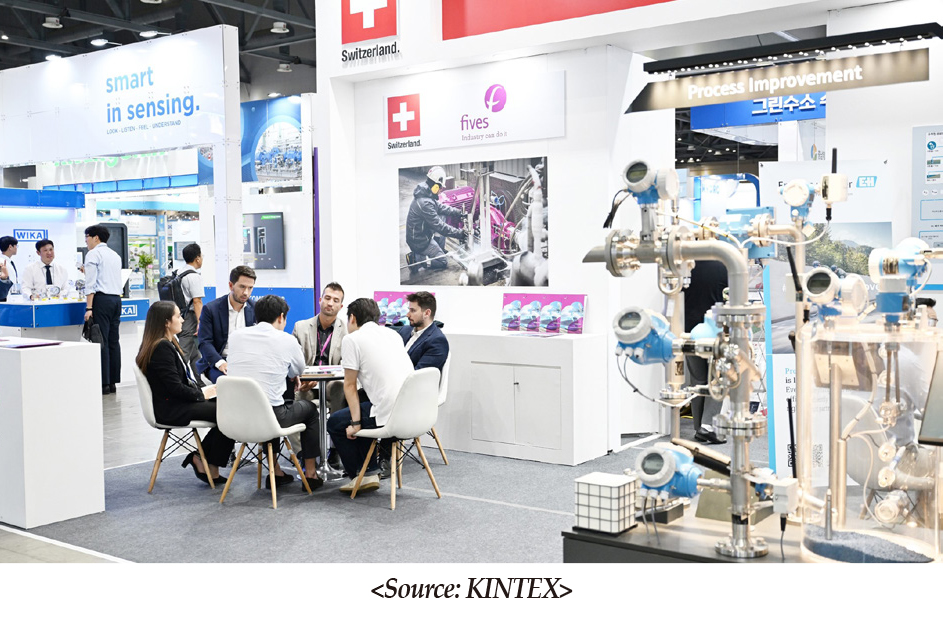
The exhibition industry is a key business platform that first introduces innovations from each country and connects companies and markets. For over 20 years, the Korean government has provided support for entities to hold exhibitions through the Domestic Exhibition Support Project for Hosting, (“the Project”) and by developing exhibitions as a strategic tool for expanding exports and enhancing national trade competitiveness.
In particular, the Project supports the holding of exhibitions to strengthen industrial growth and connections with global markets, focusing on the following three key pillars:
Fostering Exhibitions by Stage of Growth
The Project categorizes the exhibitions into three growing stages: ‘New,’‘Promising,’ and ‘Global Top,’ and systematically supports the necessary capabilities for each stage.
For the New Exhibitions, the Project provides comprehensive support for attracting small and medium-sized enterprises (SMEs), and for promotional costs to secure a stable growth foundation in the domestic market.
For the Promising Exhibitions, laying the foundation for entering the global market is important, so the Project actively supports the attraction of overseas buyers, international promotion, and hosting side events to help Korean companies to advance onto the international stage.
As international exhibitions, the Global Top exhibitions are a stage that requires the advancement of their platforms. Support is provided primarily through expanding the global networks, such as attracting overseas guests and foreign journalists.
As such, Korean exhibitions, grown through such step-by-step support, are strengthening their role as a global industry platform through innovative exhibitions that lead industry trends.

Promoting Exhibitions Centered on Strategic Industries
The Korean government has designated key industries — such as semiconductors, secondary batteries, biotechnology, and robotics — as strategic industries that are crucial for the national economy, and is thus encouraging exhibitions in these fields to strengthen the nation’s industrial competitiveness.
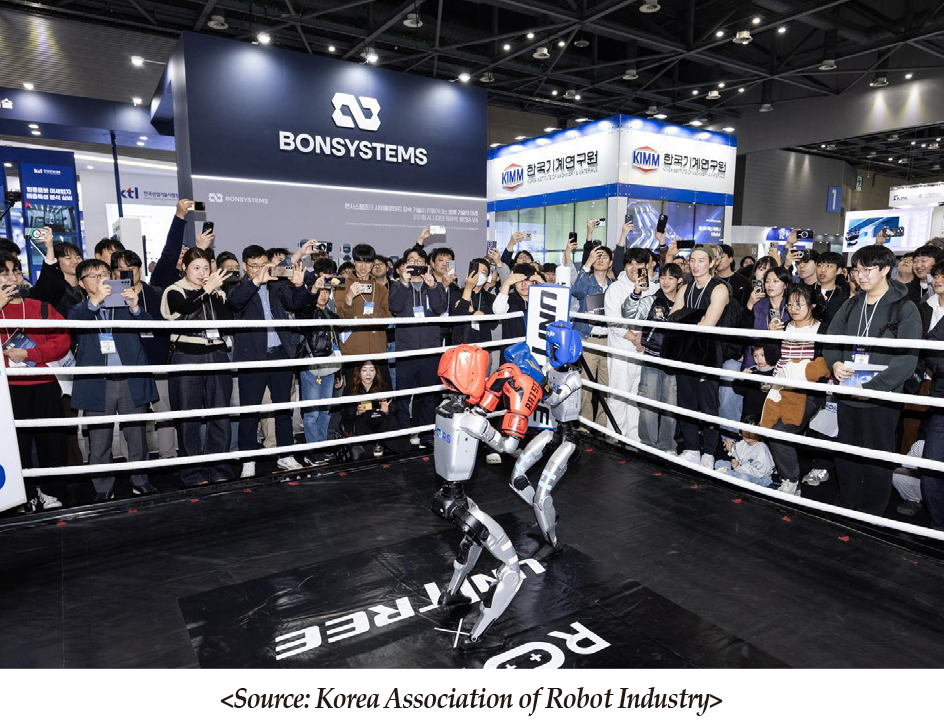
The Project comprehensively supports the development of core capabilities of strategic exhibitions that showcase new technologies and connect global partnerships across industries, leading the expansion of the industrial ecosystem.
It is expected that these strategic industry exhibitions will grow into specialized platforms for policy announcements and technology sharing, and advance to become Global Top stages for industrial innovation at prestigious international events such as the Consumer Electronics Show (CES), Hannover MESSE, and the Mobile World Congress (MWC).
Strengthening the Foundation for Fostering Regional Exhibitions
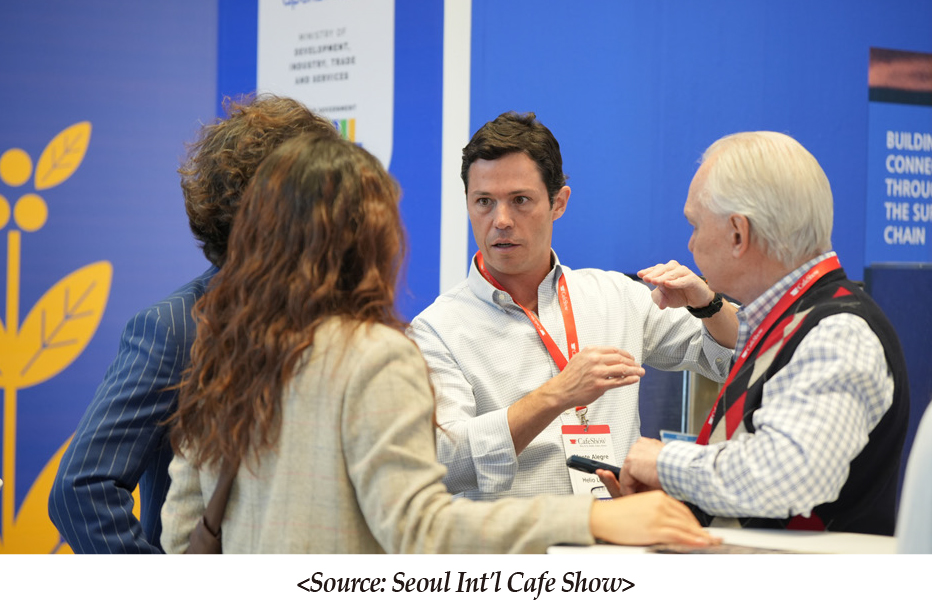
Since 2013, the government’s efforts to foster regional exhibitions have intensified as regional exhibitions have been included in the targets of the Domestic Exhibition Support Project for Hosting. Recently, support has been focused on exhibitions linked to local industries, underlining the fact that regional exhibitions serve as key venues for showcasing regional characteristics and strengths.
In this way, regional exhibitions promote local industrial growth, support local SMEs in securing business opportunities and markets, and promote relationships for mutual growth. These changes are restoring the balance of the existing exhibition industry structure, which is concentrated in the Seoul metropolitan area, and laying the foundation for strengthening regional industrial competitiveness through growing into global-level exhibitions.
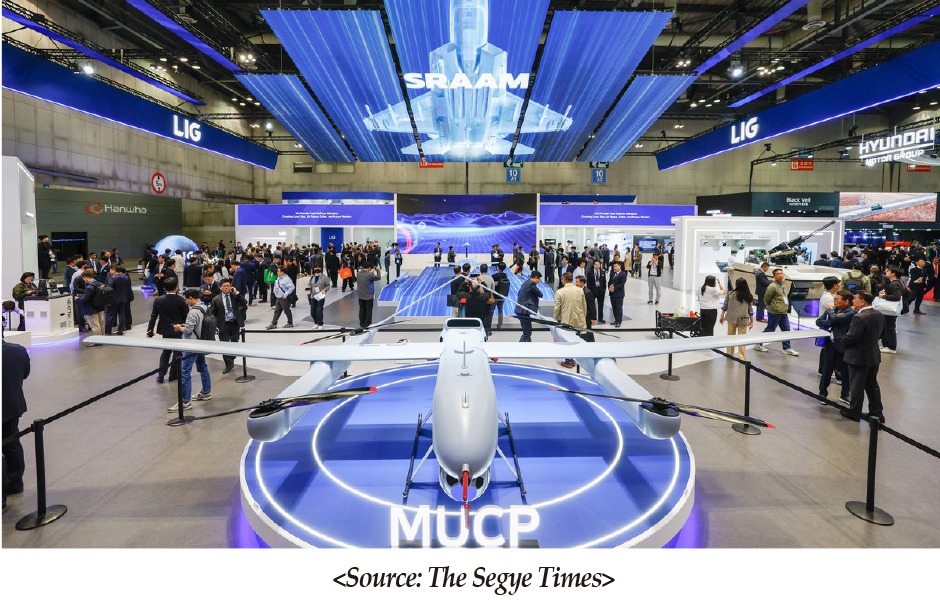
Automechanika Frankfurt, a representative global brand exhibition, has expanded its exhibition franchise model to countries like China, Turkiye, Malaysia, and the UAE — establishing itself as an international business platform that aims to connect the global supply chains into a coordinated network. Similarly, some domestically organized exhibitions that have grown under the Korean government’s systematic support are actively seeking overseas market expansion and expanding their global networks.
If more exhibitions join this trend and receive continued support at the national level, domestic exhibitions are expected to grow as global brand exhibitions for each industry, securing leading positions in the global market.

korean-machinery.com | Blog Magazine of korean-machinery, brands and Goods
Speeding Up Commercialization of the Dream Battery

https://korean-machinery.com///inquiry

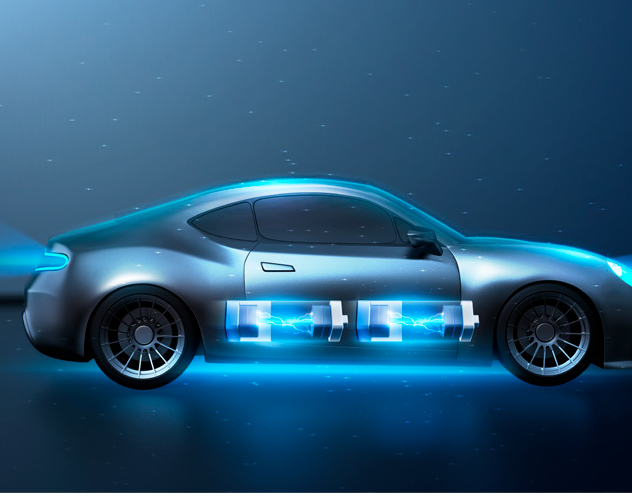
The electric vehicle (EV) battery industry has begun to prepare for the era of the post-lithium-ion era. At the heart of this shift are all-solid-state batteries that use solid electrolytes instead of liquid ones. They are also called “dream batteries” due to their low risk of explosion and ability to store more power compared to ones with the same volume and weight.
The most significant feature of all-solid-state batteries is definitely their safety. While conventional lithium-ion batteries using liquid electrolytes pose a risk of leakage and self-ignition by external impact or under high temperatures, all-solid-state batteries fundamentally eliminate these risks by using solid electrolytes.

The very high market potential of all-solid-state batteries is already clear. According to SNE Research, a market research firm, the global market for all-solid-state batteries is expected to grow rapidly from US$27.5 million (approximately KRW 400 billion) in 2022 to US$40 billion (KRW58 trillion) in 2030.
Three major Korean battery companies are also accelerating their efforts to secure a leading position in the all-solid-state battery era.
Samsung SDI broke ground on Korea’s first all-solid-state battery pilot line, the ‘S Line,’ at its Suwon SDI Research Center in 2022, with a scale of 6500m2. It already supplied its all-solid-state battery samples to its customers in 2023 and aims to commercialize sulfide-based all-solid-state batteries by 2027.
LG Energy Solution is also reportedly constructing a polymer-based all-solid-state pilot line in Ochang, South Korea, with plans to mass-produce sulfide-based, all-solid-state batteries as from 2030.
SK On is developing two types of all-solid-state batteries, polymer-oxide composite, and sulfide-based, with the goal of producing commercial prototypes in 2028 and 2029, respectively. Last August, it jointly developed an oxide-based solid-state electrolyte with the world’s highest lithium-ion conductivity.

The very high market potential of all-solid-state batteries is already clear


korean-machinery.com | Blog Magazine of korean-machinery, brands and Goods

Coex Expands its MICE Empire

https://korean-machinery.com///inquiry

Coex Expands its MICE Empire:
New Coex Magok Convention Center Leads Seoul’s Western Innovation Hub

A New Milestone in Seoul’s MICE Industry

Coex has established itself as Korea’s premier exhibition and convention center, serving as a cornerstone of the nation’s MICE (Meetings, Incentives, Conferences, and Exhibitions) industry. Hosting over thirty major exhibitions annually, Coex has become synonymous with success and innovation in the sector. Last year marked a significant milestone in the center’s history as it celebrated unprecedented achievements.
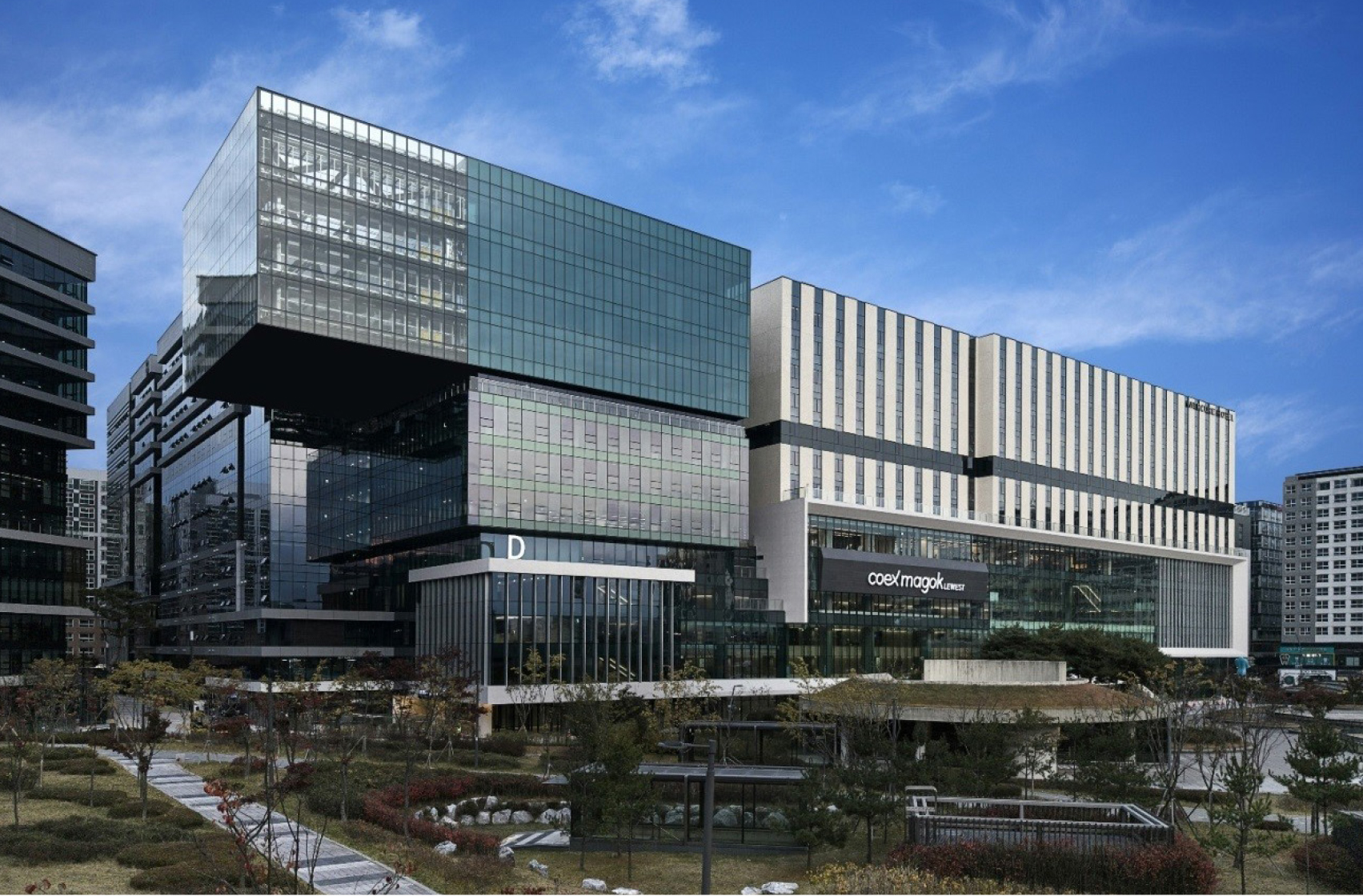
In a bold step forward, Coex introduced the Coex Magok Convention Center (hereafter referred to as Coex Magok), Seoul’s first exhibition and convention center in the city’s western region. This landmark opening took place on November 28, 2024, and signaled the beginning of a new era for MICE activities in western Seoul.
With an anticipated occupancy rate of sixty-five percent in its inaugural year, Coex Magok has been hailed as a transformative addition to the region’s exhibition industry. This development is particularly meaningful given that, since 2000, new exhibition venues in Korea have predominantly emerged outside Seoul.
The introduction of Coex Magok marks a significant shift, reinvigorating Seoul’s role as a hub for industrial innovation. This addition is set to strengthen Korea’s global reputation in the competitive MICE sector, creating new opportunities for growth and collaboration.

Where Vision Meets Versatility

Coex Magok has been meticulously designed to integrate exhibition and convention spaces, offering a seamless ‘ConfEx’ experience that combines the best of both worlds. Spanning five floors and encompassing 7,452 square meters of exhibition space, the venue offers a variety of purpose-built facilities for a range of events.
The ground floor features a sprawling exhibition hall that connects directly to Magok Plaza, providing organizers with unparalleled flexibility for large-scale events. The basement houses the Square Ballroom, a versatile space linked to a vibrant underground commercial zone. This area is ideal for seminars, weddings, and catering events, offering visitors a convenient and accessible experience.
On the third floor, meeting rooms are designed to accommodate small-scale business gatherings and interviews. Some rooms boast outdoor views, adding an inspiring touch to meetings. The fourth floor is home to Le West Hall, the centerpiece of Coex Magok.
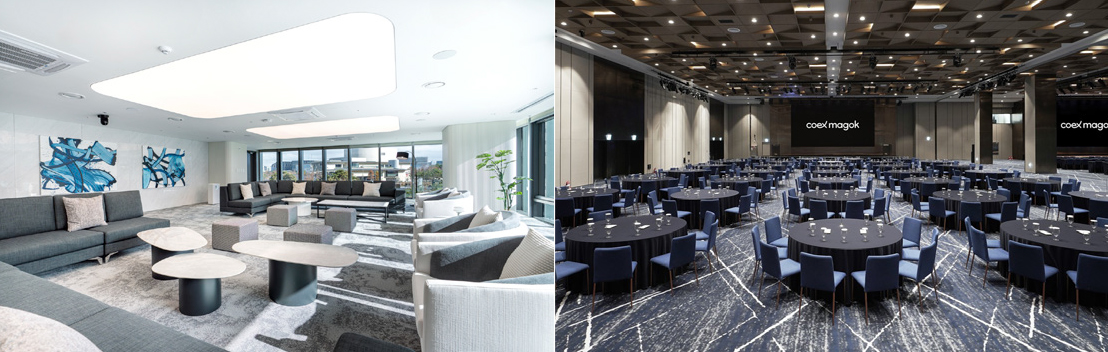
This expansive convention hall can host up to 2,200 attendees and is divisible into three independent sections, making it suitable for conferences, shareholder meetings, and academic symposia. The fifth floor complements these facilities with additional multi-purpose rooms, supporting mid-sized seminars and breakout sessions.
The vertical layout of Coex Magok is a modern marvel. It allows diverse and simultaneous events to be held within a compact footprint. Industries such as healthcare, pharmaceuticals, and biotechnology, which have a significant presence in Magok, have found Coex Magok to be an ideal venue for their activities.

A Gateway to Seamless Connectivity

Coex Magok offers exceptional accessibility, enhancing its appeal as a premier event destination. The center is directly connected to Subway Line 9’s Magoknaru Station and the Airport Railroad, ensuring convenient access from Gimpo and Incheon International Airports. Major roadways such as Olympic Boulevard provide seamless travel options for participants from across Korea and abroad.
Magok itself has emerged as a thriving hub for advanced industries, surpassing even landmarks like Sangam DMC and Pangyo Techno Valley in scale. The complex is designed as a mixed-use facility, featuring a 400-room Mercure Hotel on its upper floors, a shopping mall below, and cultural attractions nearby, including LG Science Park and Seoul Botanic Park.
This integration of business, leisure, and culture creates a comprehensive experience for MICE participants, making Coex Magok a destination that meets a variety of needs.

Redefining Events with Innovation and Sustainability

Coex Magok has set new standards for efficiency and automation. By collaborating with August Robotics, Coex introduced Korea’s first floor-marking robots, streamlining event setup and enhancing operational precision. This innovative approach reflects Coex’s commitment to digital transformation and operational excellence.
Looking to the future, Coex is determined to lead the global MICE industry by fostering international collaborations and embracing ESG (Environmental, Social, and Governance) principles. With its dual locations in Seoul and international ventures in Vietnam, Indonesia, and Germany, Coex is poised to shape the future of exhibitions on a global scale.
Coex stand as shining examples of Korea’s visionary approach to the exhibition industry. These dynamic venues not only address current demands but also anticipate future trends, ensuring their place at the forefront of global innovation.
 
 
korean-machinery.com | Blog Magazine of korean-machinery, brands and Goods
Innovation-Driven Association

https://korean-machinery.com///inquiry

Korea’s small and medium enterprises (SMEs) have found a powerful ally in MAINBiz, officially known as the Korea Management Innovation Association for Small and Medium Business (MAINBiz Association). This influential organization has been at the forefront of transforming Korean SMEs into globally competitive companies through comprehensive support systems, innovative programs, and strategic partnerships.

From Vision to National Impact
MAINBiz emerged from Korea’s strategic vision to foster innovation-driven economic growth. The term “MAINBiz” itself is a clever combination of “MAnagement,” “INnovation,” and “Business,” reflecting the organization’s core mission. Established in 2010, the association serves as the designated management institution for Korea’s Management Innovation-oriented SME certification system, operating under the ACT ON THE PROMOTION OF TECHNOLOGY INNOVATION OF SMALL AND MEDIUM ENTERPRISES.
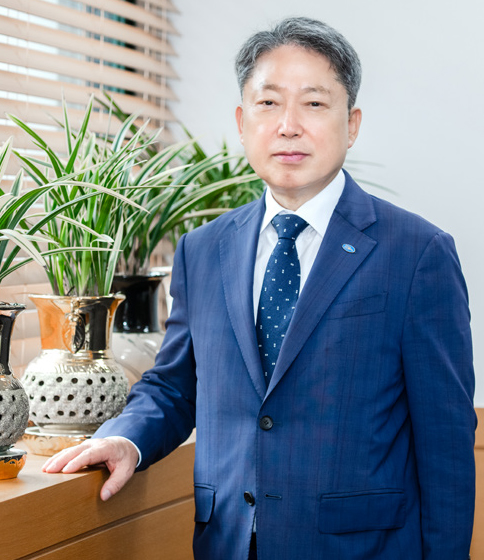
Under the current leadership of Chairman Kim Myung-jin, the association has experienced remarkable growth, expanding from managing 2,619 certified companies in 2006 to overseeing 23,973 companies as of December 2024. This year marks the association’s 15th anniversary, representing a significant milestone in its journey to support Korean SME innovation and growth.

Rigorous Certification and Exceptional Performance
At the heart of MAINBiz’s operations lies a sophisticated certification system based on the Oslo Manual guidelines from the Organisation for Economic Co-operation and Development (OECD). Companies seeking certification must demonstrate excellence across three critical evaluation areas: management innovation infrastructure (350 points), management innovation activities (400 points), and management innovation performance (250 points), totaling 1,000 points.
The certification process involves a rigorous two-stage evaluation requiring companies to achieve minimum scores of 600 points in self-assessment and 700 points in on-site evaluation to receive certification valid for three years.
MAINBiz companies have demonstrated exceptional economic performance, significantly outpacing their non-certified counterparts. These certified enterprises generate average revenues of 15.59 billion won (approximately $11.7 million), which is 3.6 times higher than typical small manufacturing companies. Their average operating profit of 550 million won ($413,000) is 3.2 times greater than industry standards, while employing an average of 39.1 workers—2.8 times more than comparable firms.

Collectively, MAINBiz companies contribute substantially to Korea’s economy, accounting for 10.7% of total SME revenues (355.9 trillion won) and 11.8% of SME exports (132.5 billion dollars). They provide employment for 892,000 people, representing 4.7% of all SME workers nationwide.
Perhaps most significantly, MAINBiz companies have proven their innovation credentials by achieving remarkable representation in Korea’s startup ecosystem. Among Korea’s unicorn companies (valued at over $1 billion), 25% are MAINBiz certified enterprises. The association also counts 330 companies listed on Korea’s major stock exchanges, including 265 on KOSDAQ, 32 on KOSPI, and 33 on KONEX.

Strategic Vision and Global Leadership
Chairman Kim Myung-jin has outlined an ambitious “Future Vision 7 Pillars” strategy for 2025, demonstrating the association’s commitment to continuous innovation. This comprehensive framework focuses on seven key areas: finance, policy, culture, education, welfare, innovation, and global expansion.

The finance pillar emphasizes creating customized funding platforms and connecting companies with investment opportunities through mutual investment forums and venture capital partnerships. The policy component leverages the association’s Think-Tank 1000 research capabilities to expand participation in government programs and develop new policy initiatives.
The global expansion pillar represents the association’s most ambitious goal: establishing partnerships with international organizations like KOTRA, which operates 131 trade offices worldwide, to provide customized market entry support for member companies. Through Global Market Advisors (GMA), the association offers specialized expertise in overseas market penetration and international business development.
Chairman Kim envisions scaling up to 100,000 member companies, which would represent approximately 4.4 million family members—equivalent to one in every 11.78 Koreans being connected to a MAINBiz member company.

Building Korea’s Economic Future
Through its comprehensive certification system, extensive benefits package, and strategic partnerships with financial institutions and government agencies, MAINBiz continues to serve as a crucial catalyst for Korea’s economic transformation. The association helps small businesses scale up to become global mid-sized enterprises, effectively serving as a bridge in Korea’s economic structure.

With its proven track record of nurturing high-performing companies and ambitious expansion plans under Chairman Kim’s leadership, MAINBiz stands as a model for how strategic business associations can drive national economic development while supporting individual enterprise growth through sustained innovation and strategic support.
 
 
korean-machinery.com | Blog Magazine of korean-machinery, brands and Goods

ROBOTIS Enters the North American Market with New Actuator

https://korean-machinery.com///inquiry

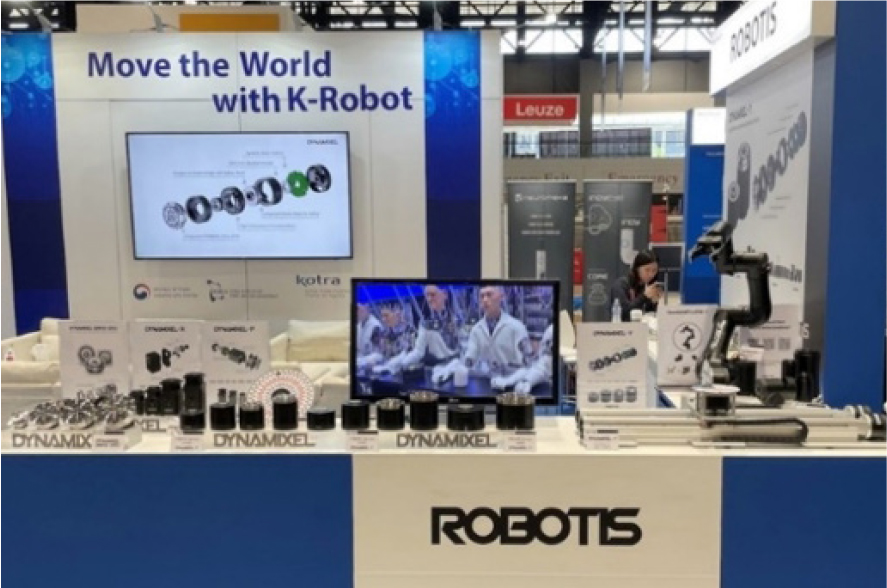
ROBOTIS Co., Ltd., a company specializing in self-driving robots, participated in Automate 2024, which was recently held in Chicago, USA, and introduced a new actuator, ‘Dynamixel-Y,’ to the North American market.
Using this opportunity as a starting point, ROBOTIS aimed to actively target the U.S. automation equipment and robotics market by leveraging the powerful performance of its new actuator, Dynamixel-Y.
ROBOTIS is supplying products to various companies, including major customers in the United States such as the National Aeronautics and Space Administration (NASA), Disney, etc., and is highly recognized.
According to local industry officials, many American companies welcomed the news of the launch of Dynamixel-Y, which delivers more powerful performance. With the growing expectations for the expansion of the automation parts and robotics market, it is expected that there will be a positive impact on new product sales.
The Automate exhibition is North America’s largest automation technology solution exhibition that has been held since 1977. It is an event where global companies in fields including automation equipment, machine vision, and robotics participate to showcase their products and new technologies and build networks. For Automate 2024, more than 750 companies from 100 countries participated in this exhibition, attracting more than 30,000 visitors.
At this exhibition, ROBOTIS exhibited and promoted its products in general, including its main products ― robot actuators and cycloid reducers. At the same time, ROBOTIS interacted with existing partners and held active face-to-face meetings to discover new partners.
In particular, the recently launched Dynamixel-Y is a robot actuator series that integrates its own advanced technology. It is a core component that is essential for the construction and operation of various high-tech industries and automation systems and processes as it supports electronic brake function, high speed, high torque, and precise position control ― centered on a high-performance frameless motor. Based on 100% in-house technology, ROBOTIS takes charge of everything, from design to manufacturing.
For this reason, it is expected that the new product will have high market competitiveness, in that it can respond to various environments and variables by enabling quick and easy customization for customers.
“We plan to actively pioneer the North American market based on our high awareness and positive industry reputation in that market,” adding, “We will make our utmost efforts to implement localization of K-robot and automation technology and further achieve remarkable results in the global market,” stressed the CEO of the company.


korean-machinery.com | Blog Magazine of korean-machinery, brands and Goods
Lift Center Jack for EVs

https://korean-machinery.com///inquiry

A lift center jack designed specifically for electric vehicles (EVs) has been developed by Panstar Enterprise Co., Ltd.
Panstar Enterprise recently started delivery of the jack required for electric vehicle wheel replacement after signing a supply contract with three domestic companies.
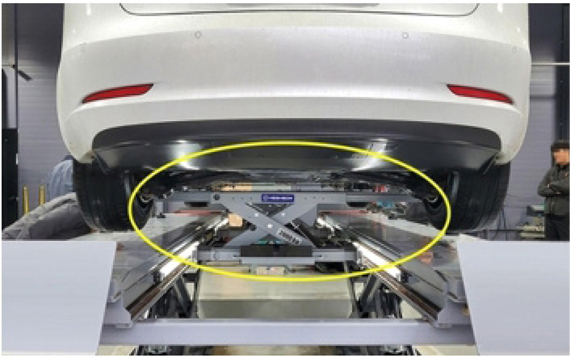
The center jack is equipment installed in the center of the lift to raise the car body into the air. It safely protects the battery at the bottom of the vehicle. Since the battery of an electric vehicle is mounted at the bottom of the car body, it is important to avoid impact on the battery when lifting the car body with a lift for tire replacement or repair.
The center jack developed by Panstar Enterprise has the ability to expand to both sides, allowing the vehicle body to be lifted to the exact jack point on the side frame, thereby avoiding contact with the battery installed under the chassis of the electric vehicle.

Patent pending for center jack for EVs and internal combustion engine vehicles
Panstar Enterprises has applied for a patent for a center jack that can be used both in EVs and internal combustion engine vehicles, and has started supplying it to tire manufacturers and general repair shops. In addition, the company has developed a fork-type lift for the maintenance of the battery installed under the chassis of EVs, and is seeking to supply it to service centers directly managed by domestic finished vehicles.
Panstar Enterprise is a company that develops and sells various types of automobile maintenance equipment, including lifts, under the brand name of ‘Heshbon,’ and it is maintaining the No. 1 market share in Korea’s lift market.
A spokesperson for the company commented, “Demand for lifts for electric vehicles is also increasing, with the number of registered electric vehicles exceeding 450,000 in the first half of this year,” adding, “As the era of 10 million electric vehicle sales began globally last year, we expect exports to increase significantly in the future, contributing to increased sales.”


korean-machinery.com | Blog Magazine of korean-machinery, brands and Goods
Global Automotive Display Market Expected to Surpass US412.32 bn. by 2027

https://korean-machinery.com///inquiry

According to a report on automotive display value-chain analysis recently published by the Korea Display Industry Association (KDIA), it is predicted that the global automotive display market will reach US412.32 billion in 2027.
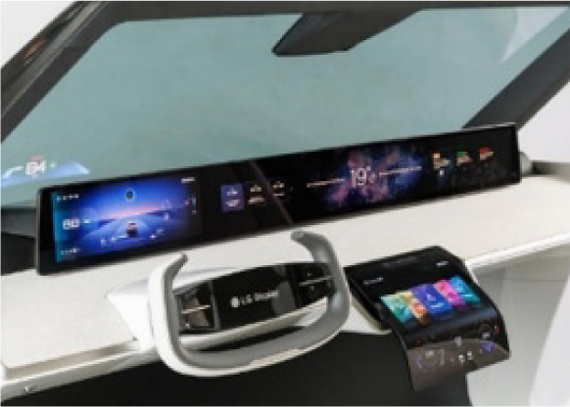
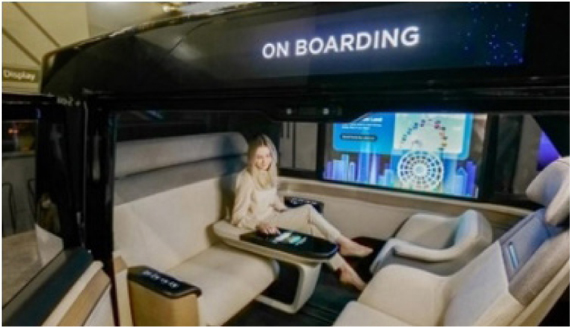
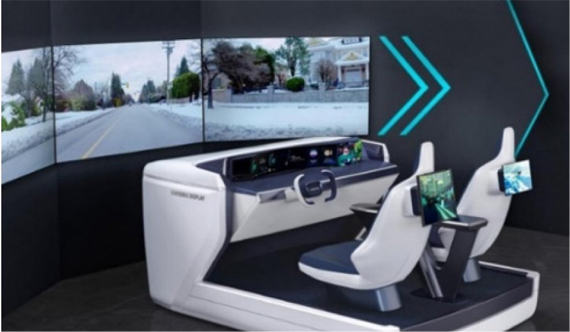
As the infotainment function of automobiles has been strengthened due to the development of autonomous driving technology, displays mounted in vehicles are gradually becoming larger and with higher resolution.


Following this trend, the market scale of global automotive display is expected to grow at an average annual rate of 7.8% from US$8.86 billion last year to US$12.63 billion in 2027 (about KRW16.3 trillion).
By type, the market share of organic light emitting diodes (OLEDs) for vehicles is expected to rise from 2.8% last year to 17.2% in 2027. The proportion of liquid crystal display (LCD), which accounted for 97.2% of the automotive display market last year, is expected to gradually decrease.
The market share of automotive LCDs by country was as follows: China (38.4%), Taiwan (33.7%), Japan (14.8%), and Korea (13.1%). The market share of automotive OLED was 93% in Korea and 7% in China.
As Korean companies are reducing the proportion of LCD and focusing on OLED, KDIA predicted that their market dominance in the premium market would continue.


By type of vehicle display, OLED is mainly used for the areas that utilize entertainment.
Based on sales, the proportion of OLED in center stack display is expected to grow from 0.6% in 2020 to 8.0% this year.
In addition, it is estimated that OLED accounts for 46.3% of display in passenger seats of vehicles this year. It is also in the process of enlarging vehicle displays.
In the case of center stack displays, KDIA predicted that shipments of 10-inch or larger panels would increase by 13.3% from 47.49 million units last year to 53.8 million units this year.


korean-machinery.com | Blog Magazine of korean-machinery, brands and Goods
SK Signet Discloses 400kW Ultra-fast Charger

https://korean-machinery.com///inquiry

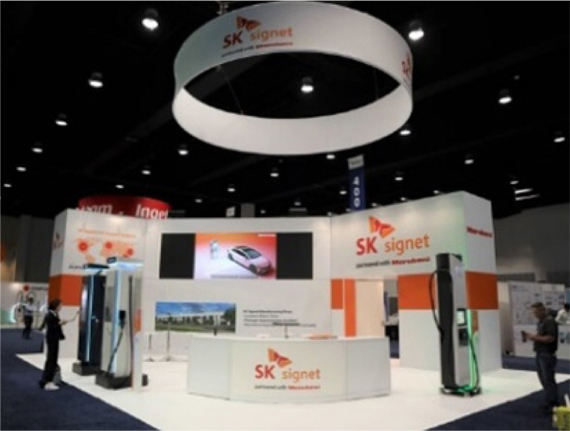
At the 36th Electric Vehicle Symposium & Exposition (EVS36) held last month, SK Signet introduced a 400kW V2 charger that was first unveiled at CES 2023.


The V2 charger has already received a great response from the market by charging a Kia EV6 vehicle equipped with an 800V battery up to 80% within just 14 minutes and 44 seconds at a charging demonstration event held at a plant completion ceremony in Texas.


The V2 can charge two vehicles simultaneously with one charger (dispenser), and can output up to 400kW from a single port. It is the first 400kW ultra-quick charger produced in the United States, and with its ability to charge up to 80% in 15 minutes, it is the fastest electric vehicle charging product.


In addition, the V2 chargers are produced at a factory in the United States using American steel, making it one of the few products that can benefit from the National Electric Vehicle Infrastructure Formula Program (NEVI). Since last month, SK Signet’s Texas plant started mass-production in earnest.


SK Signet also exhibited a prototype model of the Megawatt Charging System (MCS) that supplies power in megawatts (MW), for the first time at an international exhibition. The megawatt charger supplies more than 1000 kW of power, making it suitable for charging heavy-duty vehicles such as trucks and buses equipped with large-capacity batteries.


A spokesperson for SK Signet explained, “As the number of electric vehicle users increases, the level of customer demand for the charging experience will increase. In order to advance the era of electric vehicles, shortening the charging time is essential. So we are determined to advance the actual electric vehicle era through the further development of ultra-fast charging technology.”


korean-machinery.com | Blog Magazine of korean-machinery, brands and Goods
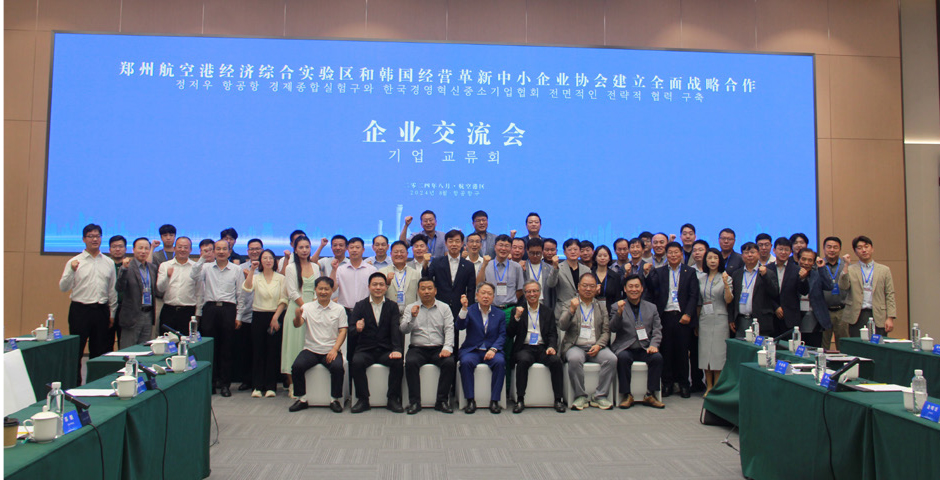
Shinheung SEC Invests KRW100 Billionin EV Battery Parts Plant in USA

https://korean-machinery.com///inquiry

Shinheung SEC Co., Ltd., an electric vehicle (EV) battery parts maker, is entering the U.S. market directly. In order to respond to demand from the nation’s batt ery manufacturers expanding local production bases with the implementation of the Infl ation Reduction Act
(IRA), it plans to establish a factory in the United States.


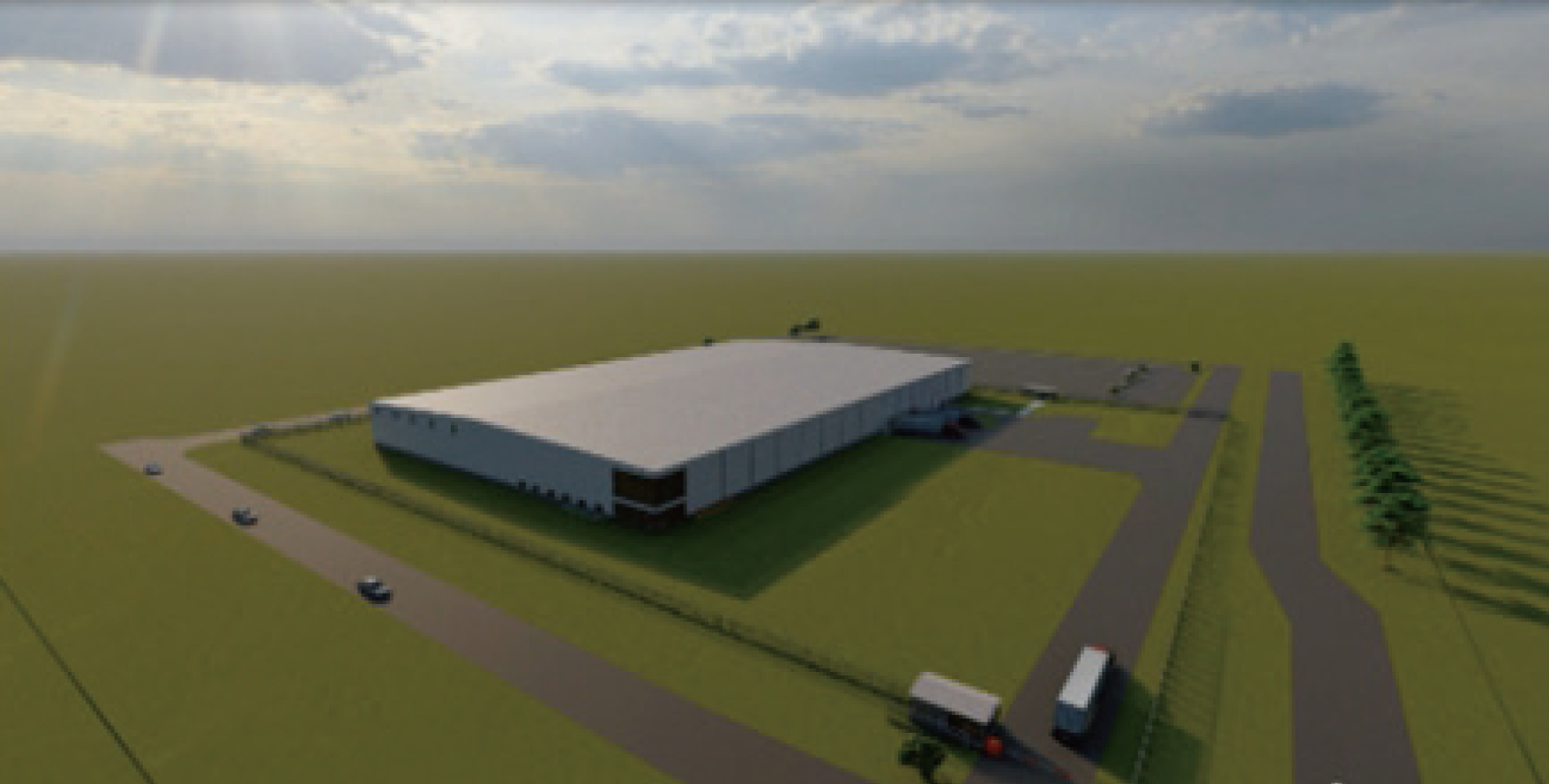
Shinheung SEC decided to build a batt ery parts factory near Fort Wayne
Shinheung SEC decided to build a batt ery parts factory near Fort Wayne, the second biggest city in Indiana, USA. It secured a site and building of 20,000 pyeong and completed the establishment of a U.S. corporation.
As soon as the transfer of ownership of the building is completed, internal construction will begin, equipment will be brought in, and personnel will be hired in earnest. It has also secured a site that can be further expanded so that production capacity can be expanded if the customer demand increases in the future.
Shinheung SEC plans to invest more than 100 billion won in the construction of a factory in the USA, and automation facilities. The investment will be made sequentially over two years. The company aims to start operations in 2025.
Establishing a local plant is a strategy to respond to the expansion of electric vehicle and batt ery production in the United States. Demand for batt ery parts is growing as the establishment of joint ventures between battery makers and fi nished car makers is actively underway due to the implementation of the IRA in the United States.
Fort Wayne, where the Shinheung SEC plant will be built, is located an hour and 10 minutes by car from Kokomo, Indiana, where a joint venture plant with domestic batt ery manufacturers will be built.
Shinheung SEC expects to be able to establish a mass-production system the fastest among partners entering the U.S. market together as it purchases completed buildings and sets up factories.

Shinheung SEC mainly manufactures cap assemblies for small, medium, and large prismatic batt eries and current interrupting devices (CID) for small circular batteries. The cap assembly and current cut-off device are key parts that sever the current and discharge gas to the outside before the batt ery’s internal pressure rises and explodes. It is also producing cans, which are cases that contain batt ery contents.

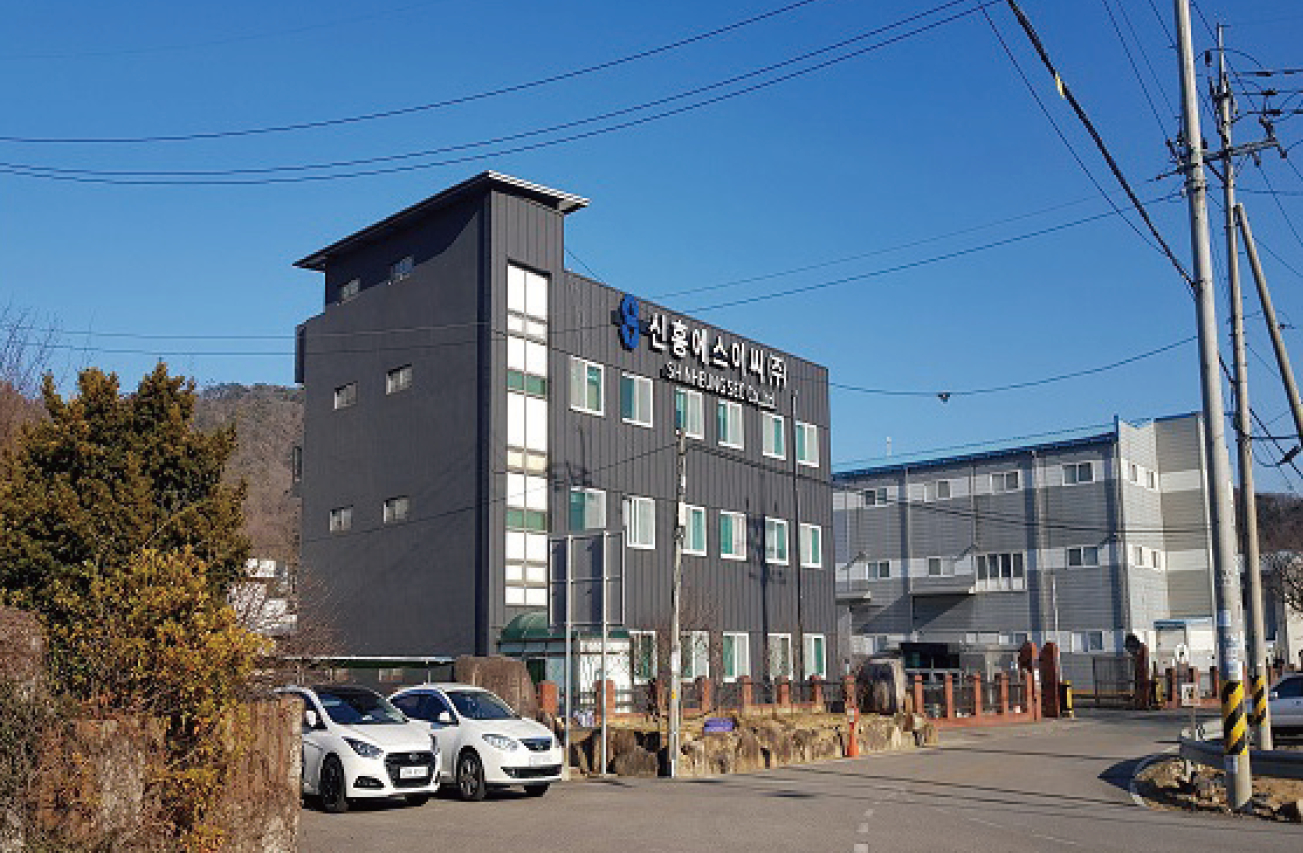
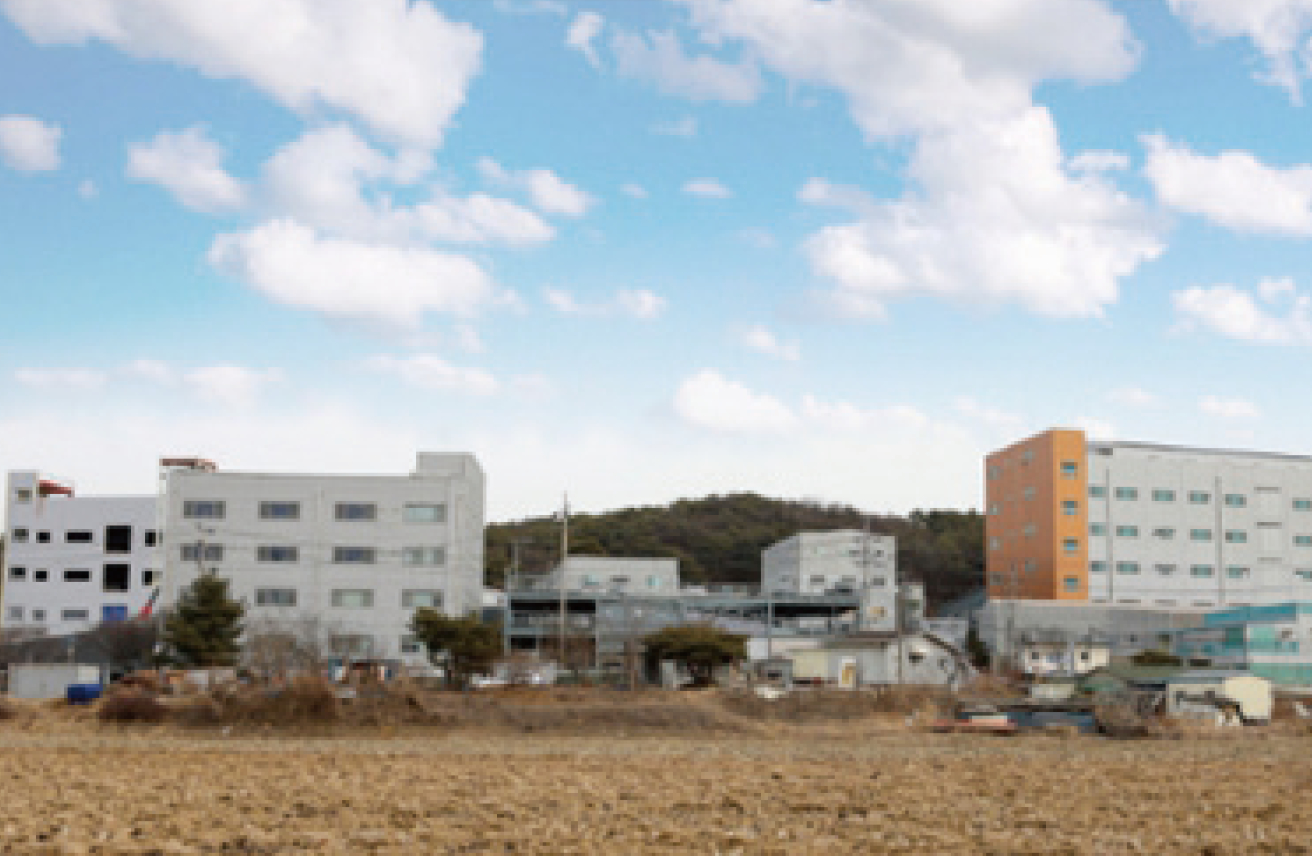
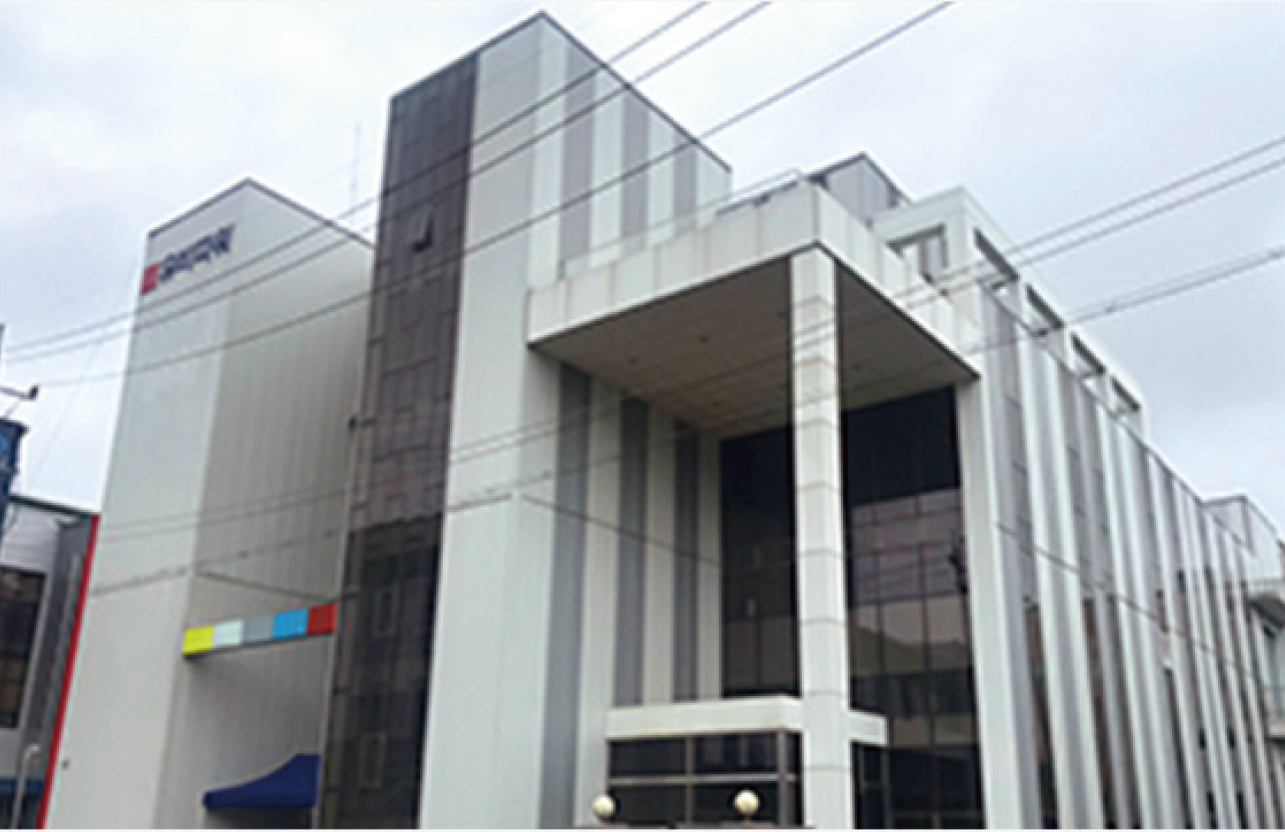
Considering expanding factories in China and Hungary Shinheung SEC is also considering expanding factories in China and Hungary. This is because orders are fl ocking in due to the explosive growth of the electric vehicle market. Currently, it has production bases in Osan and Yangsan in Korea, as well as in China, Malaysia and Hungary. It is also preparing to produce next-generation cylindrical batt ery parts.
Growth is expected through capacity expansion. Shinheung SEC recorded sales of KRW 477.8 billion last year, up 30% from the previous year.

Hwang Man-yong, CEO of Shinheung SEC, remarked, “We decided to build a U.S. plant in response to the expansion of local production capacity for our customers, and we will strengthen the production

capacity of core parts and achieve continuous performance growth as the demand for batt eries increases at home and abroad.”


korean-machinery.com | Blog Magazine of korean-machinery, brands and Goods
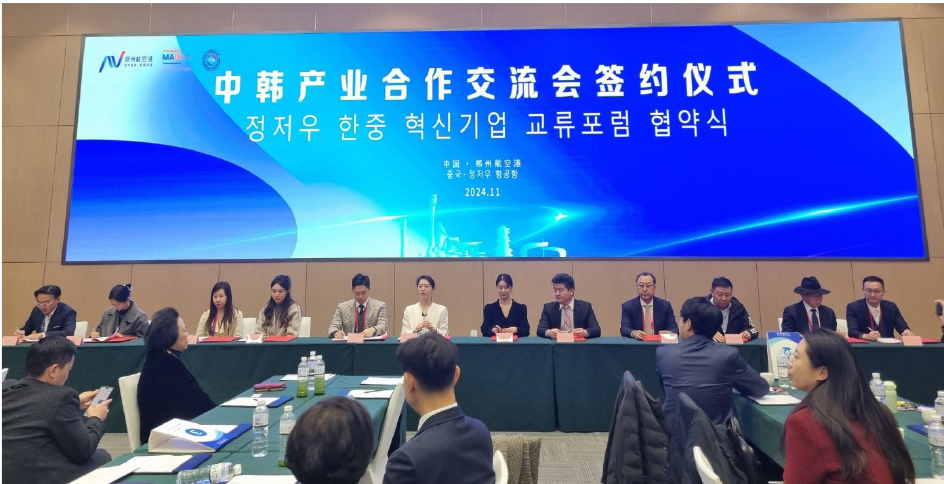
EcoPro Building Secondary Battery Plant inHungary

https://korean-machinery.com///inquiry

EcoPro will build a production plant in Europe for the first time as a domestic secondary battery cathode material company.
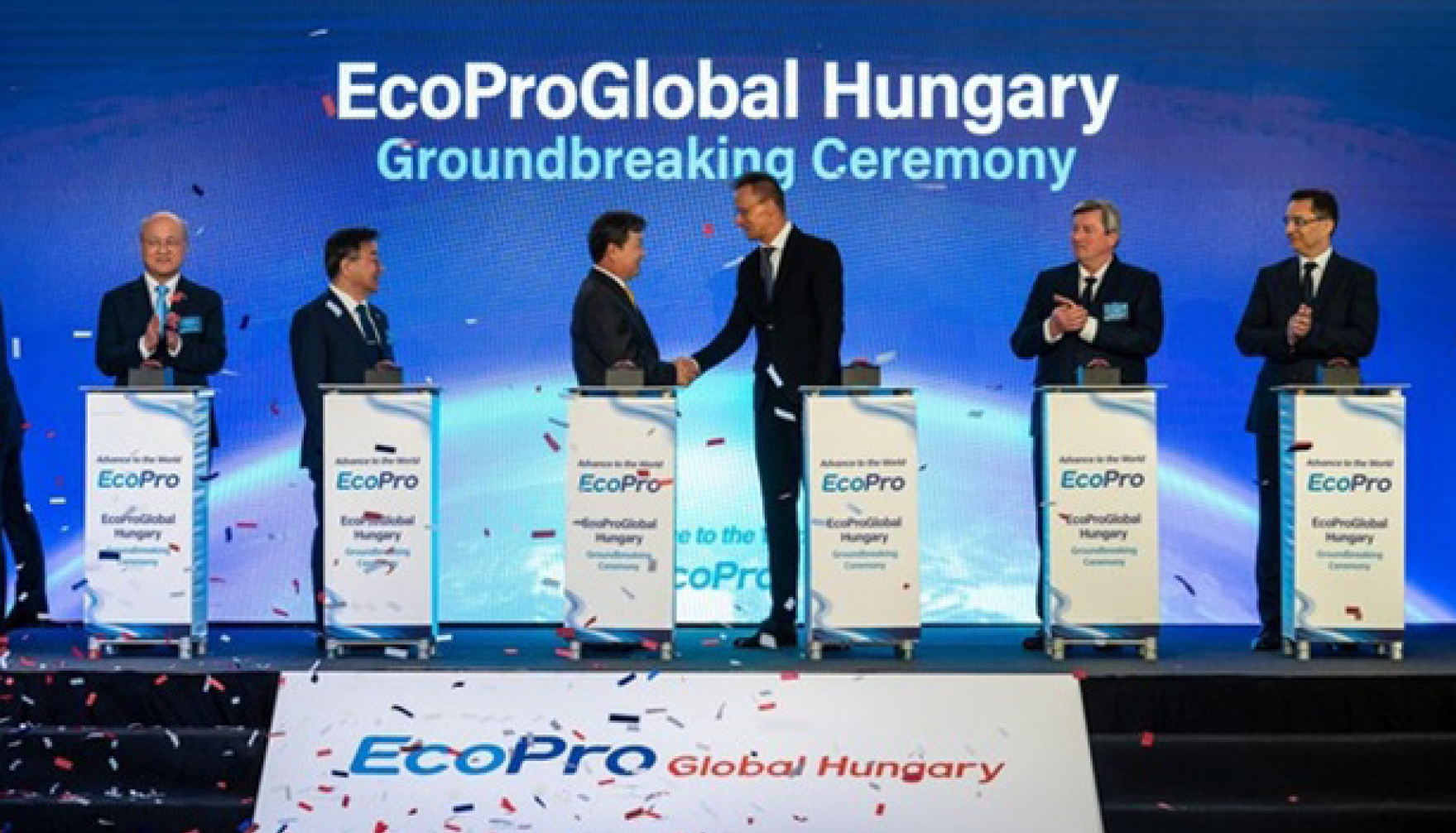
EcoPro recently announced that it held a groundbreaking ceremony for the ‘Global Hungary Business Site’ in Debrecen, Hungary.
The groundbreaking ceremony was held with around 100 people in attendance, including Chairman Lee Dong-chae of EcoPro, Minister of Foreign Affairs and Trade of Hungary SziiJarto Peter, Korea’s Ambassador
to Hungary Hong Kyu-duk, and Debrecen Mayor Papp Laszlo.
EcoPro is aiming for mass-production in 2025 after completion in 2024 by investing a total project cost of about KRW 382.7 billion in a local plant in Hungary with a total area of 440,282m2

.

When the construction of the local plant in Hungary is completed, EcoPro will have an annual production capacity of 108,000 tons of secondary battery cathode materials. This is an amount that can supply about 1.35 million electric vehicles per year.
EcoPro expects that the establishment of a local production plant in Hungary will serve as a bridgehead for securing orders in the European finished vehicle market, which is considered a new market.
Previously, EcoPro succeeded in establishing the world’s first secondary battery industrial ecosystem called the ‘Closed Loop Eco-System’ at the eco-battery Pohang Campus in Yeongilman Industrial Complex, Pohang, and is producing high-performance high-nickel cathode materials.
EcoPro plans to apply the successful cases of Pohang to the overseas business sites to the fullest and strive to build the second and third eco-battery Pohang campuses.
A spokesperson for EcoPro remarked, “The groundbreaking ceremony for the Hungarian plant is a meaningful occasion for us to announce our entry into the global market. We plan to make various efforts, such as technology development and production plant expansion, to raise the status of K-Battery in the future.”


korean-machinery.com | Blog Magazine of korean-machinery, brands and Goods