Lift Center Jack for EVs

https://korean-machinery.com///inquiry

A lift center jack designed specifically for electric vehicles (EVs) has been developed by Panstar Enterprise Co., Ltd.
Panstar Enterprise recently started delivery of the jack required for electric vehicle wheel replacement after signing a supply contract with three domestic companies.
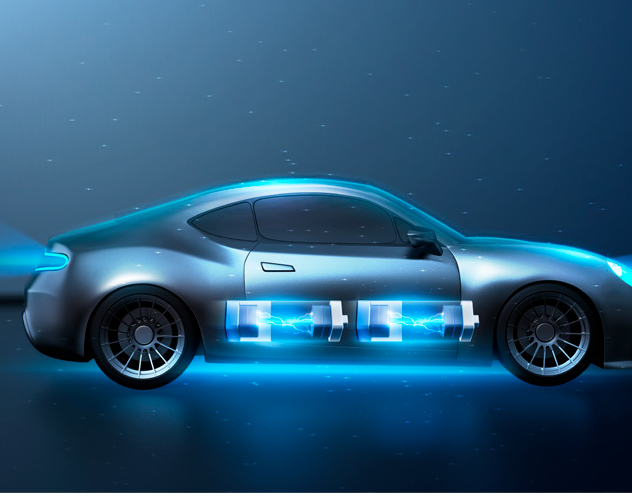
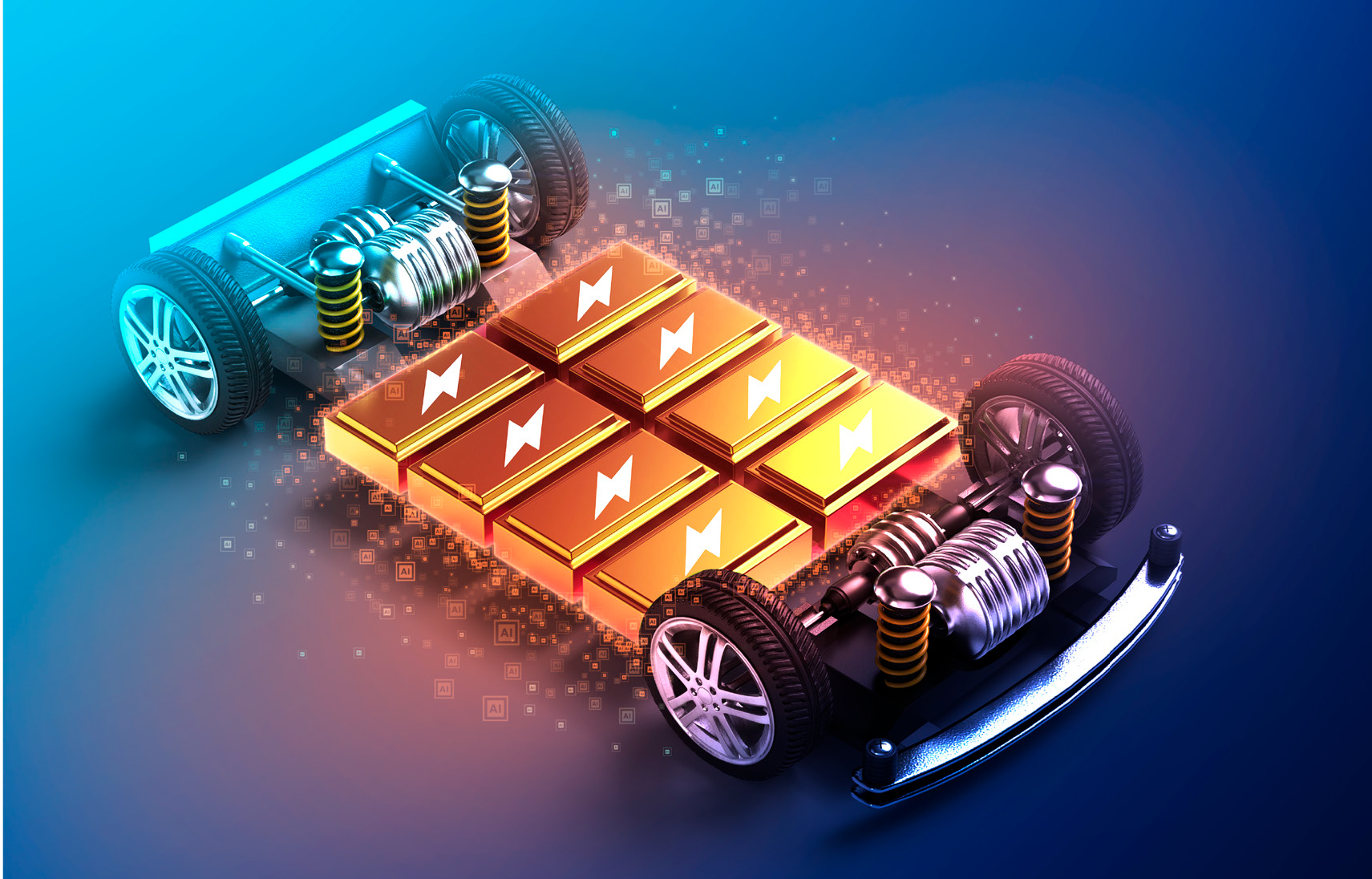
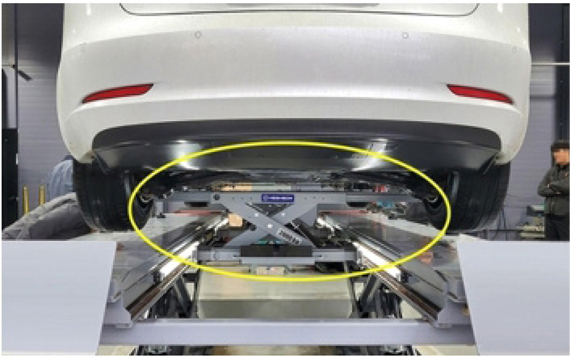
The center jack is equipment installed in the center of the lift to raise the car body into the air. It safely protects the battery at the bottom of the vehicle. Since the battery of an electric vehicle is mounted at the bottom of the car body, it is important to avoid impact on the battery when lifting the car body with a lift for tire replacement or repair.
The center jack developed by Panstar Enterprise has the ability to expand to both sides, allowing the vehicle body to be lifted to the exact jack point on the side frame, thereby avoiding contact with the battery installed under the chassis of the electric vehicle.

Patent pending for center jack for EVs and internal combustion engine vehicles
Panstar Enterprises has applied for a patent for a center jack that can be used both in EVs and internal combustion engine vehicles, and has started supplying it to tire manufacturers and general repair shops. In addition, the company has developed a fork-type lift for the maintenance of the battery installed under the chassis of EVs, and is seeking to supply it to service centers directly managed by domestic finished vehicles.
Panstar Enterprise is a company that develops and sells various types of automobile maintenance equipment, including lifts, under the brand name of ‘Heshbon,’ and it is maintaining the No. 1 market share in Korea’s lift market.
A spokesperson for the company commented, “Demand for lifts for electric vehicles is also increasing, with the number of registered electric vehicles exceeding 450,000 in the first half of this year,” adding, “As the era of 10 million electric vehicle sales began globally last year, we expect exports to increase significantly in the future, contributing to increased sales.”


korean-machinery.com | Blog Magazine of korean-machinery, brands and Goods
Global Automotive Display Market Expected to Surpass US412.32 bn. by 2027

https://korean-machinery.com///inquiry

According to a report on automotive display value-chain analysis recently published by the Korea Display Industry Association (KDIA), it is predicted that the global automotive display market will reach US412.32 billion in 2027.
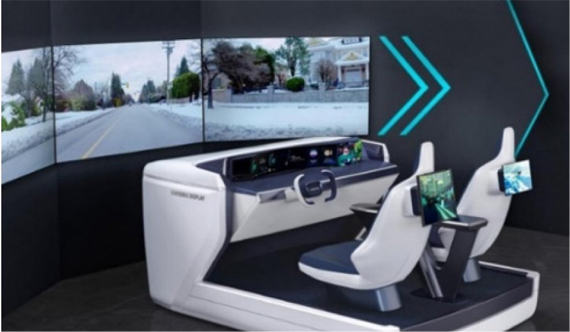
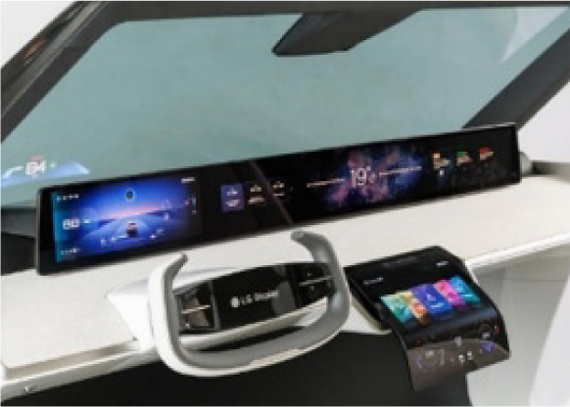
As the infotainment function of automobiles has been strengthened due to the development of autonomous driving technology, displays mounted in vehicles are gradually becoming larger and with higher resolution.


Following this trend, the market scale of global automotive display is expected to grow at an average annual rate of 7.8% from US$8.86 billion last year to US$12.63 billion in 2027 (about KRW16.3 trillion).
By type, the market share of organic light emitting diodes (OLEDs) for vehicles is expected to rise from 2.8% last year to 17.2% in 2027. The proportion of liquid crystal display (LCD), which accounted for 97.2% of the automotive display market last year, is expected to gradually decrease.
The market share of automotive LCDs by country was as follows: China (38.4%), Taiwan (33.7%), Japan (14.8%), and Korea (13.1%). The market share of automotive OLED was 93% in Korea and 7% in China.
As Korean companies are reducing the proportion of LCD and focusing on OLED, KDIA predicted that their market dominance in the premium market would continue.


By type of vehicle display, OLED is mainly used for the areas that utilize entertainment.
Based on sales, the proportion of OLED in center stack display is expected to grow from 0.6% in 2020 to 8.0% this year.
In addition, it is estimated that OLED accounts for 46.3% of display in passenger seats of vehicles this year. It is also in the process of enlarging vehicle displays.
In the case of center stack displays, KDIA predicted that shipments of 10-inch or larger panels would increase by 13.3% from 47.49 million units last year to 53.8 million units this year.


korean-machinery.com | Blog Magazine of korean-machinery, brands and Goods
SK Signet Discloses 400kW Ultra-fast Charger

https://korean-machinery.com///inquiry

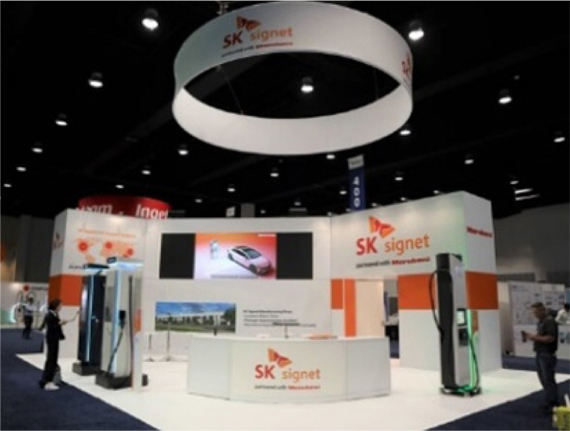
At the 36th Electric Vehicle Symposium & Exposition (EVS36) held last month, SK Signet introduced a 400kW V2 charger that was first unveiled at CES 2023.


The V2 charger has already received a great response from the market by charging a Kia EV6 vehicle equipped with an 800V battery up to 80% within just 14 minutes and 44 seconds at a charging demonstration event held at a plant completion ceremony in Texas.


The V2 can charge two vehicles simultaneously with one charger (dispenser), and can output up to 400kW from a single port. It is the first 400kW ultra-quick charger produced in the United States, and with its ability to charge up to 80% in 15 minutes, it is the fastest electric vehicle charging product.


In addition, the V2 chargers are produced at a factory in the United States using American steel, making it one of the few products that can benefit from the National Electric Vehicle Infrastructure Formula Program (NEVI). Since last month, SK Signet’s Texas plant started mass-production in earnest.


SK Signet also exhibited a prototype model of the Megawatt Charging System (MCS) that supplies power in megawatts (MW), for the first time at an international exhibition. The megawatt charger supplies more than 1000 kW of power, making it suitable for charging heavy-duty vehicles such as trucks and buses equipped with large-capacity batteries.


A spokesperson for SK Signet explained, “As the number of electric vehicle users increases, the level of customer demand for the charging experience will increase. In order to advance the era of electric vehicles, shortening the charging time is essential. So we are determined to advance the actual electric vehicle era through the further development of ultra-fast charging technology.”


korean-machinery.com | Blog Magazine of korean-machinery, brands and Goods
Shinheung SEC Invests KRW100 Billionin EV Battery Parts Plant in USA

https://korean-machinery.com///inquiry

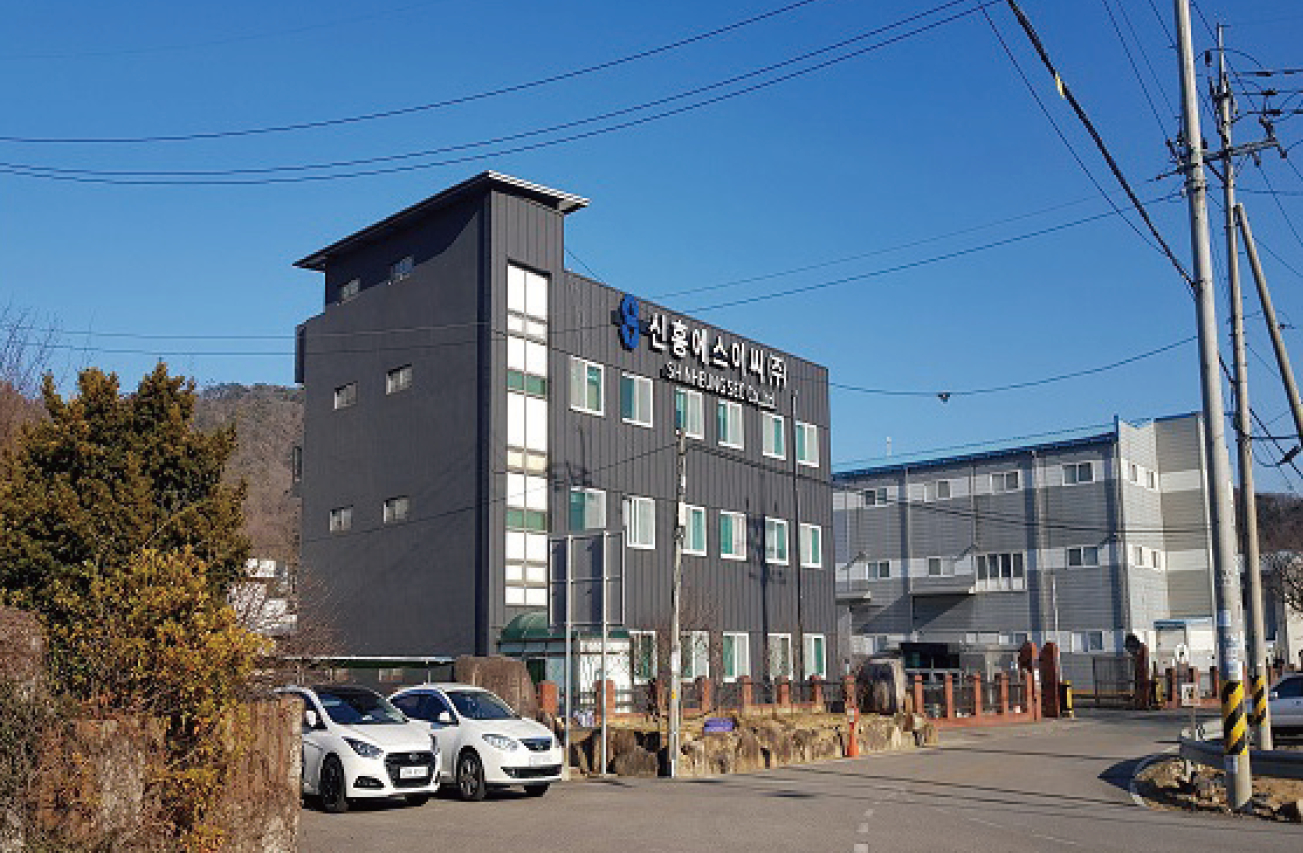
Shinheung SEC Co., Ltd., an electric vehicle (EV) battery parts maker, is entering the U.S. market directly. In order to respond to demand from the nation’s batt ery manufacturers expanding local production bases with the implementation of the Infl ation Reduction Act
(IRA), it plans to establish a factory in the United States.


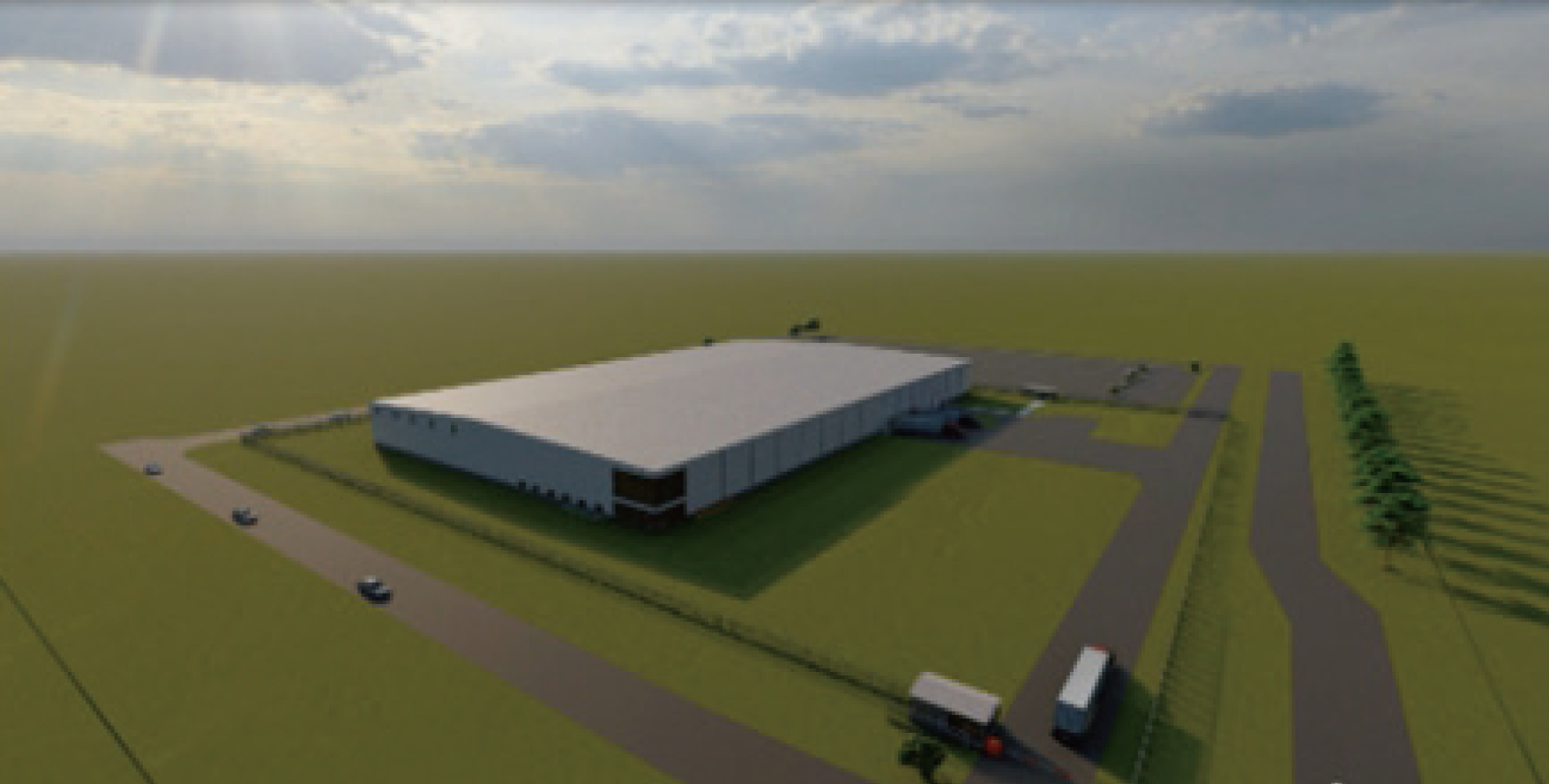
Shinheung SEC decided to build a batt ery parts factory near Fort Wayne
Shinheung SEC decided to build a batt ery parts factory near Fort Wayne, the second biggest city in Indiana, USA. It secured a site and building of 20,000 pyeong and completed the establishment of a U.S. corporation.
As soon as the transfer of ownership of the building is completed, internal construction will begin, equipment will be brought in, and personnel will be hired in earnest. It has also secured a site that can be further expanded so that production capacity can be expanded if the customer demand increases in the future.
Shinheung SEC plans to invest more than 100 billion won in the construction of a factory in the USA, and automation facilities. The investment will be made sequentially over two years. The company aims to start operations in 2025.
Establishing a local plant is a strategy to respond to the expansion of electric vehicle and batt ery production in the United States. Demand for batt ery parts is growing as the establishment of joint ventures between battery makers and fi nished car makers is actively underway due to the implementation of the IRA in the United States.
Fort Wayne, where the Shinheung SEC plant will be built, is located an hour and 10 minutes by car from Kokomo, Indiana, where a joint venture plant with domestic batt ery manufacturers will be built.
Shinheung SEC expects to be able to establish a mass-production system the fastest among partners entering the U.S. market together as it purchases completed buildings and sets up factories.

Shinheung SEC mainly manufactures cap assemblies for small, medium, and large prismatic batt eries and current interrupting devices (CID) for small circular batteries. The cap assembly and current cut-off device are key parts that sever the current and discharge gas to the outside before the batt ery’s internal pressure rises and explodes. It is also producing cans, which are cases that contain batt ery contents.

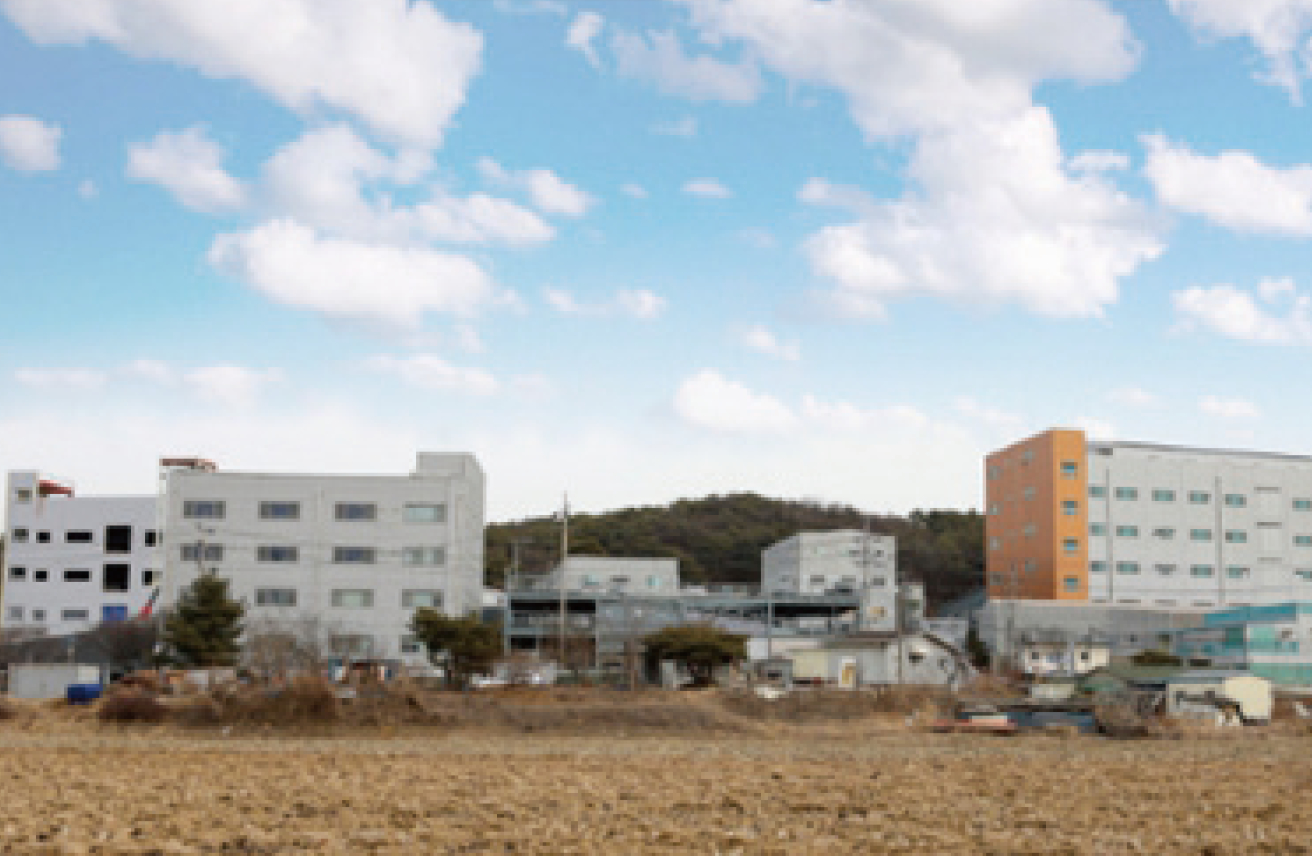
Considering expanding factories in China and Hungary Shinheung SEC is also considering expanding factories in China and Hungary. This is because orders are fl ocking in due to the explosive growth of the electric vehicle market. Currently, it has production bases in Osan and Yangsan in Korea, as well as in China, Malaysia and Hungary. It is also preparing to produce next-generation cylindrical batt ery parts.
Growth is expected through capacity expansion. Shinheung SEC recorded sales of KRW 477.8 billion last year, up 30% from the previous year.

Hwang Man-yong, CEO of Shinheung SEC, remarked, “We decided to build a U.S. plant in response to the expansion of local production capacity for our customers, and we will strengthen the production

capacity of core parts and achieve continuous performance growth as the demand for batt eries increases at home and abroad.”


korean-machinery.com | Blog Magazine of korean-machinery, brands and Goods
EcoPro Building Secondary Battery Plant inHungary

https://korean-machinery.com///inquiry

EcoPro will build a production plant in Europe for the first time as a domestic secondary battery cathode material company.
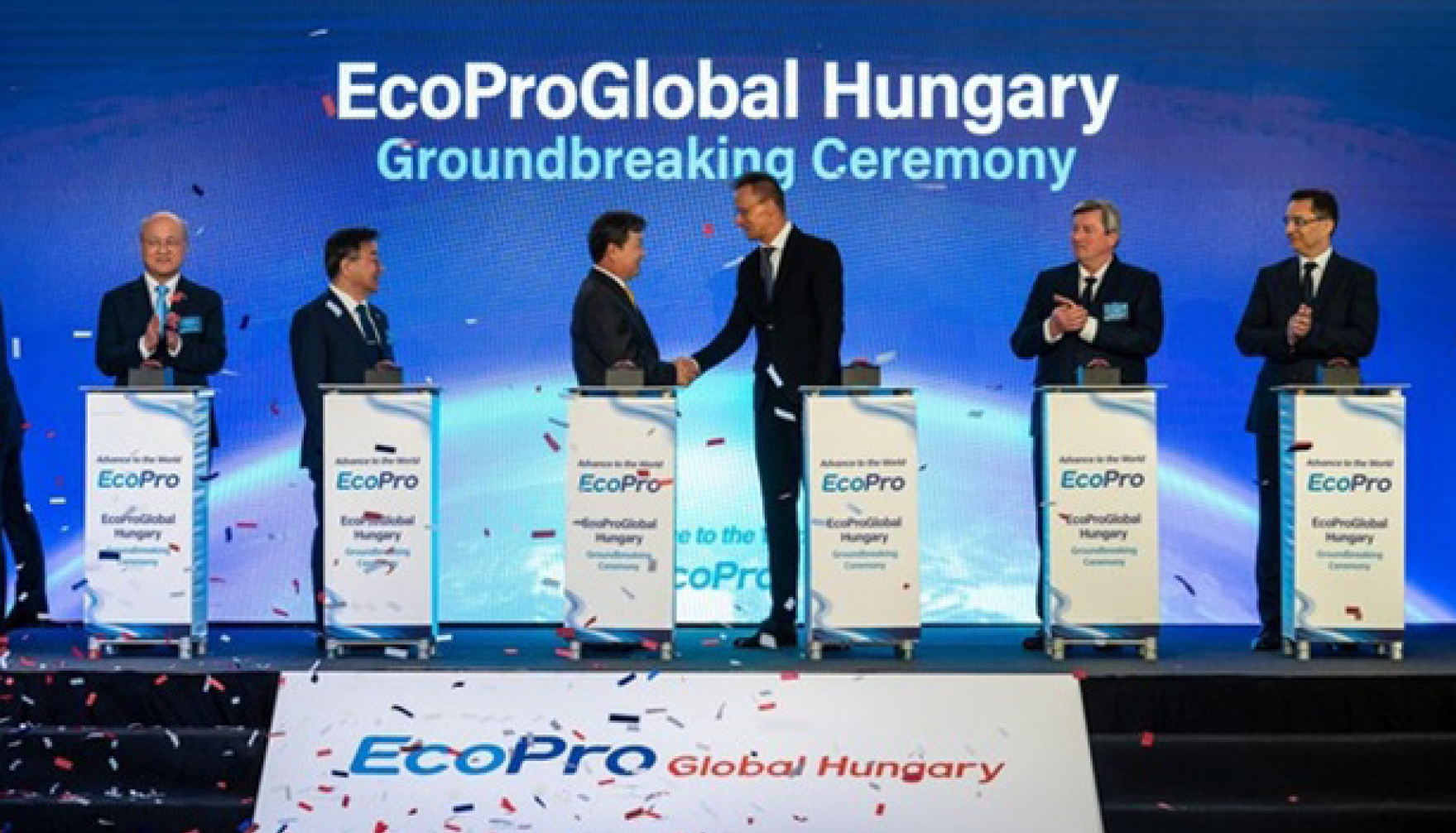
EcoPro recently announced that it held a groundbreaking ceremony for the ‘Global Hungary Business Site’ in Debrecen, Hungary.
The groundbreaking ceremony was held with around 100 people in attendance, including Chairman Lee Dong-chae of EcoPro, Minister of Foreign Affairs and Trade of Hungary SziiJarto Peter, Korea’s Ambassador
to Hungary Hong Kyu-duk, and Debrecen Mayor Papp Laszlo.
EcoPro is aiming for mass-production in 2025 after completion in 2024 by investing a total project cost of about KRW 382.7 billion in a local plant in Hungary with a total area of 440,282m2

.

When the construction of the local plant in Hungary is completed, EcoPro will have an annual production capacity of 108,000 tons of secondary battery cathode materials. This is an amount that can supply about 1.35 million electric vehicles per year.
EcoPro expects that the establishment of a local production plant in Hungary will serve as a bridgehead for securing orders in the European finished vehicle market, which is considered a new market.
Previously, EcoPro succeeded in establishing the world’s first secondary battery industrial ecosystem called the ‘Closed Loop Eco-System’ at the eco-battery Pohang Campus in Yeongilman Industrial Complex, Pohang, and is producing high-performance high-nickel cathode materials.
EcoPro plans to apply the successful cases of Pohang to the overseas business sites to the fullest and strive to build the second and third eco-battery Pohang campuses.
A spokesperson for EcoPro remarked, “The groundbreaking ceremony for the Hungarian plant is a meaningful occasion for us to announce our entry into the global market. We plan to make various efforts, such as technology development and production plant expansion, to raise the status of K-Battery in the future.”


korean-machinery.com | Blog Magazine of korean-machinery, brands and Goods
Slow Charger with EV Fire-Detection

https://korean-machinery.com///inquiry


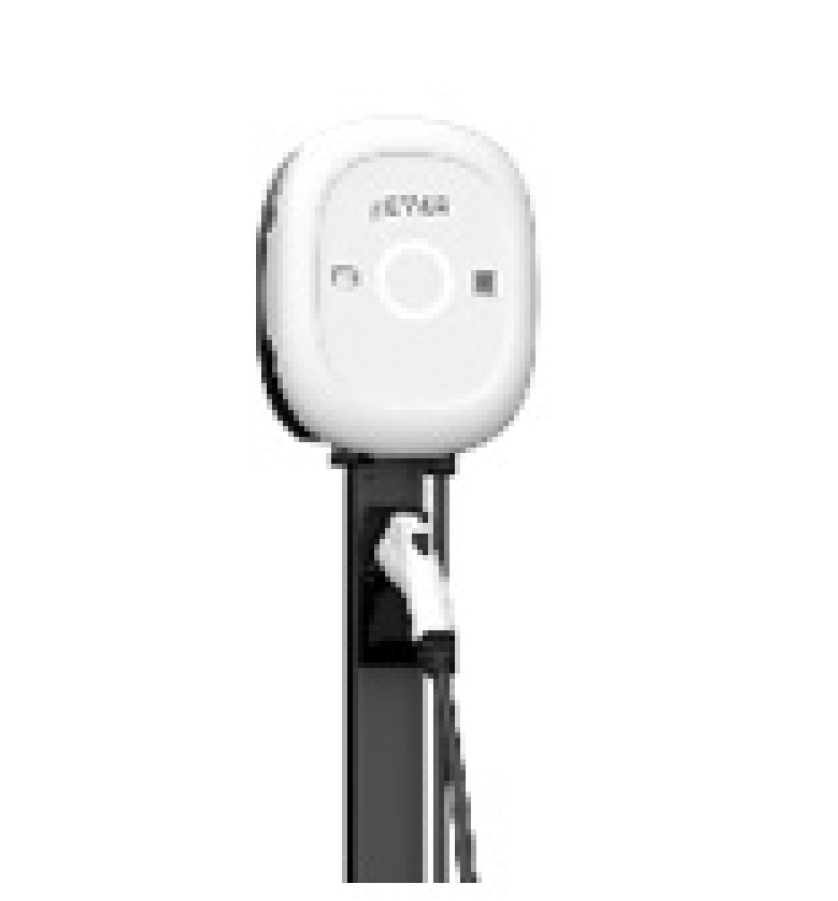
Amid growing concerns about electric vehicle fires, EVAR, a company specializing in electric vehicle charging solutions, has recently developed a slow charger that is excellent for fire detection.
EVAR recently announced that it has launched a new slow charger, the Smart EV Charger 2023. The company explained that it obtained not only safety confirmation, but also electromagnetic compatibility certification and type approval.

For the first time in the world, this product is equipped with a sensor that detects infrared rays and temperature when a fire breaks out in a vehicle or space in front of the charger. In the event of a fire, it has a function that immediately stops charging and sends an alarm to the control center connected to the server, and even reports to the competent control agency if necessary. As a result, if the initial response is quicker, the damage can be minimized and the user’s safety can be protected.
In addition, to enhance user convenience, the BT PnC (Bluetooth Plug and Charge) automatically recognizes the user without an app or card to provide a convenient electric vehicle charging experience. When the user’s mobile phone is brought near the charger, the user is automatically authenticated and the charging service is activated.
Externally, while the electric vehicle charger model with a prominent angular and straight appearance is the mainstream, EVAR’s new product has a clean exterior design with a soft curved line at the edges. In addition, it has an advantage of being able to apply customized color designs of charging operators.

Lee Hoon, CEO of the company, explained, “In order to alleviate users’ concerns about electric vehicle fires, we launched the world’s first charger that detects electric vehicle fires. We will use our experience of operating the world’s largest smart load balancing charging infrastructure to further solidify our position as a leading technology company that provides all safe solutions necessary for electric vehicle charging for a worry-free electric vehicle life.”
Meanwhile, EVAR was selected as the representative Korean company in the startup pitching competition hosted by the U.S. Embassy in Seoul in March, and participated in the 2023 SelectUSA Investment Summit, a global startup competition hosted by the U.S. government, held from May 1 to 4, and the SelectU Tech.


korean-machinery.com | Blog Magazine of korean-machinery, brands and Goods
Smart-pipe Combining Self-diagnosis and StatusMonitoring

https://korean-machinery.com///inquiry


Water leaks occur when a water pipe buried in the ground develops a microscopic crack. This is often verydifficult to notice, and can even cause large-scale accidents such as a sinkhole in which the ground
suddenly disappears after a pipe leaks gradually over a long period of time. Accordingly, a monitoring system for water-pipe management and leakage-prevention is required.

A smart-pipe system under development to enable real-time monitoring of the water supply network was
recently displayed at an exhibition in South Korea.
Coating Korea Co., Ltd. participated in 2023 Water Korea, held from March 21 to March 23, at KINTEX in Goyang-si, Gyeonggi-do, and exhibited a model of this smart-pipe system.
The smart-pipe system was introduced by a spokesperson for the company as a future system that
has been under development in cooperation with three companies since 2021 as a national project of Korea’s Ministry of Environment.
The goal of the task is to combine a sensor with a steel pipe (pipe), and to complete a smart-pipe capable of self-diagnosis and condition monitoring with a monitoring system (software).
Coating Korea, specializing in pipe manufacturing and coating, was in charge of research and development of pipe hardware durability enhancement and sensor coupling, such as seismic performance, corrosion resistance, and pipe connection technology.
A spokesperson for the company explained, “If welding is performed when connecting pipes, there is a risk of burning the coated sheath. If welding is not done, additional connecting parts must be used. If the pipes are connected using the tube expanding method, the pipes can be connected without welding or additional connections. In addition, the inside is coated with polyethylene (PE) resin to prevent internal corrosion and can be used hygienically for a longer period of time.”

He added, predicting that commercialization of smart pipes would be possible around 2024, “Since there is a burden on the cost part to proceed with the system with a digital twin, there is a method to check the condition by combining sensors in areas with a high risk of leakage to develop the progress of the smart-pipe system.”


korean-machinery.com | Blog Magazine of korean-machinery, brands and Goods
Double-digit Increase in Domestic AutomobileProduction

https://korean-machinery.com///inquiry


South Korea’s automobile industry in January this year showed a double-digit increase in production,domestic demand, and exports compared to the same month of last year, thanks to the easing of the problem in the supply and demand of automotive semiconductors, and the continued good performance of eco-friendly vehicles despite the global economic
slowdown.
According to ‘Automotive Industry Trends’ recently released by the Ministry of Trade, Industry and Energy (MOTIE), the automobile production in January was 306,738 units, up 13.2% from the same month of last year.
Despite the number of lost working days due to the Lunar New Year holidays, production increased thanks
to new car production and increased sales volume of major models.
Domestic sales recorded 116,565 units, up 4.7% from the same month of last year, due to increased production thanks to improved supply and demand for automotive semiconductors.
Exports totaled 200,825 units, up 11.3% from the same month of last year. Despite the global economic downturn, an increase in export demand for eco- friendly vehicles led to strong export performance.
Exports sales amounted to US$4.98 billion, the highest level for every month of January. This is attributable to a significant increase in exports of eco- friendly cars, which have a high export unit price.
Auto parts exports recorded US$1.79 billion, down 16.2% from the same month of last year, due to a decrease in exports to key markets such as China, the United States, and the European Union.
Domestic sales of eco-friendly vehicles in January increased by 28.9% year-on-year to 22,662 units, accounting for 19.4% of total vehicle sales.
Specifically, the sales volume of large sedan and SUV models increased significantly for hybrids, while the number of electric vehicles decreased due to the exhaustion of subsidies last year and the confirmation of subsidies for electric vehicles this year.

Eco-friendly car exports increased 29.8% year-on-year to 56,697 units, and exports increased 42.3% to US$1.79
billion. Following December of last year, both monthly export volume and export amount recorded a new all-time high.
Eco-friendly car exports accounted for 28.2% of total car exports. Hybrids, electric vehicles, plug-in hybrids,
and hydrogen vehicles all contributed to the record high export volume, with increased exports compared to the
same month of last year.


korean-machinery.com | Blog Magazine of korean-machinery, brands and Goods
Breakthrough by KIMM in Laser Direct Lithography

https://korean-machinery.com///inquiry

The Korea Institute of Machinery & Materials (KIMM) under the Ministry of Science and ICT has succeeded in developing 400nm laser direct lithography equipment for the first time in Korea. It is considered as technology that could remarkably improve semiconductor productivity.
KIMM’s research team has developed laser lithography equipment that is able to process the resist coated on a substrate by moving a micro focus of 400nm at a speed of 40mm per second.
Laser lithography is technology developed for creating micro shapes as the resist reacts to light and becomes hardened when a laser beam is focused on the resist on substrate.
The research team has succeeded in creating a very fine focus with a size of 400nm by utilizing a blue-violet laser diode with the wavelength of 405nm, among various other laser beams, to process a substrate.
By using the equipment developed by the research team, a laser focus is able to process a substrate with a thickness of 200mm at a speed of 40mm per second, as if it were sketching on a sheet of drawing paper with a sharp pencil.

Breakthrough by KIMM in Laser Direct Lithography


The team has also devised and applied for a patent on technology that could enlarge the line width by up to 50 times so as to shorten the process time that is extended when a micro-focus is applied onto a wide space.
Nano-scale lithography is considered to be one of the most-important technologies for the next-generation semiconductor lithography process. And most of the commercialized lithography technologies are led by Germany, the Netherlands, and other nations. It is the first time in Korea for the creation of precise patterns of 400mm on planar and non-planar substrates.
When applying the newly developed technology, it is possible not only to create a three-dimensional nano-micro composite structure, which is impossible to create by utilizing the existing lithography technology but also to form a nano-structure on any shape surfaces.
This technology is expected to be used for the production of biosensors, medical devices, micro optical devices and microfluidic channels in the future. Furthermore, it is expected to replace costly foreign-made devices.
 
korean-machinery.com | Blog Magazine of korean-machinery, brands and Goods
Korea’s LS Cable & System Wins Huge Orders for Taiwan’s Submarine Cable Projects

https://korean-machinery.com///inquiry

LS Cable & System has recently received consecutive orders for large-scale submarine cable projects in Taiwan.
The cable provider recently announced that it was selected as a preferred bidder for a project worth KRW 200 billion by CDWE (CSBC-DEME Wind Engineering), an offshore wind-power construction company, and would supply submarine cables to an offshore wind-power complex in Hai Long, Taiwan by 2025.
The company has won all rights to provide high-voltage submarine cables for the Taiwanese offshore wind-power complex project and the total amount of the orders it has received stand at around KRW 800 billion.
The Hai Long offshore wind-power complex is one of the largest in Taiwan. It will be established around 50km away from the Taiwanese western coastal line to generate about 1GW of electricity that is equivalent to the power capacity one nuclear power plant could generate.
The complex is developed jointly by Northland Power from Canada and Yushan Energy from Singapore and CDWE will supply and construct submarine cables and other main materials and facilities.

Korea’s LS Cable & System Wins Huge Orders for Taiwan’s Submarine Cable Projects


As part of the policy to expand new and renewable energy, Taiwan is carrying out the development of offshore wind-power complexes with a total of 15GW capacity by 2035.
The company has decided to focus on winning orders as it expects the additional tenders for submarine cables in Taiwan would be worth over KRW 1 trillion. The experience the company has built up in implementing projects in Taiwan is expected to play a key role in advancing into the North American and Southeast Asian markets, where demand for offshore wind power generation is growing sharply.
“We will take the lead in expanding new and renewable energy business at home and abroad based on the close ties we’ve so far established with global offshore wind power companies in Europe, the North America, Taiwan and other regions,” commented Myeong Noh-hyeon, CEO of LS Cable & System.
“We are pleased to have LS Cable & System as our partner that has sufficient business experience in Taiwan and produces world-leading submarine cables,” remarked Marco Kanaar, General Manager of CDWE project.
 
korean-machinery.com | Blog Magazine of korean-machinery, brands and Goods