[INQ. NO. 2611M08] Utilizing artificial intelligence (AI) for quality inspection in manufacturing processes requires data that can learn a wide range of defect examples. However, in actual production lines, defects occur so infrequently that it is difficult to secure enough images for model training.
At the Industrial AI Expo held at KINTEX located nearby Seoul from October 21 to 23, Dagyeom Inc. showcased its anomaly detection technology for manufacturing processes, along with customized AI solutions tailored to individual clients’ needs.
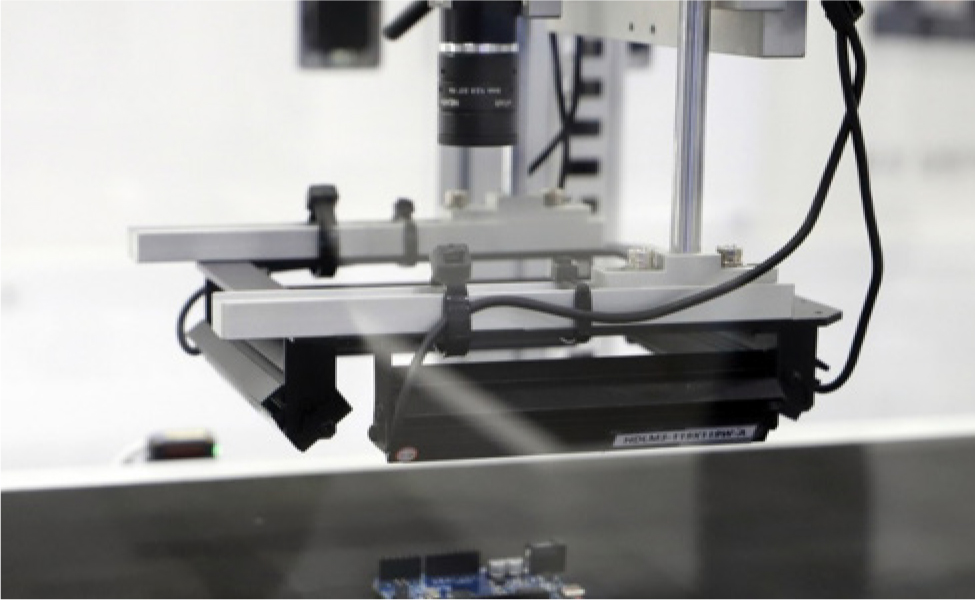
“Our AI solution, Dagyeom iKit, utilizes zero-shot learning to provide a model that can be used even when only about four images—or virtually no images at all—are available. Since abnormal, defective images rarely appear during production, the model is trained using only normal images,” explained a spokesperson for the company.
Anomaly detection works by analyzing the differences between models built on normal images and the specific images being inspected.
The spokesperson added “If an image deviates significantly from the model created based on normal samples, it is flagged as an anomaly. The system identifies discrepancies—such as a missing chipset on a PCB, or stains or scratches on a surface—and visualizes these findings through a heatmap.”
Rather than forcing products into a rigid, one-size-fits-all inspection framework, Dagyeom configures its solutions to align with each client’s specific manufacturing processes and requirements. The company’s anomaly detection technology is applied across a diverse range of areas, including detecting defects on copper foil surfaces, inspecting memory chipsets, monitoring wafer cleaning processes, and overseeing chemical processing for lenses. When necessary, the company also provides the Manufacturing Execution System (MES) program.
Dagyeom is also working on technology to present anomaly detection results in a more intuitive way. While traditional heatmaps are useful for showing the location of an anomaly, they fall short when it comes to explaining the root cause or the specific nature of a defect in descriptive terms. To address this issue, the company is exploring the use of Large Language Models (LLMs) to provide inspection results in natural language.
The spokesperson added, “By presenting inspection results in a format that operators can easily understand, we help them to make informed decisions—such as whether to halt the production line or resolve the issue while operations continue. Our technology development is focused on reducing the time required to respond to process issues and enhancing overall operational efficiency.”
korean-machinery.com | Blog Magazine of korean-machinery, brands and Goods