Korea Pursuing Qualitative Growth through EVs for Transition from Internal Combustion Locomotives
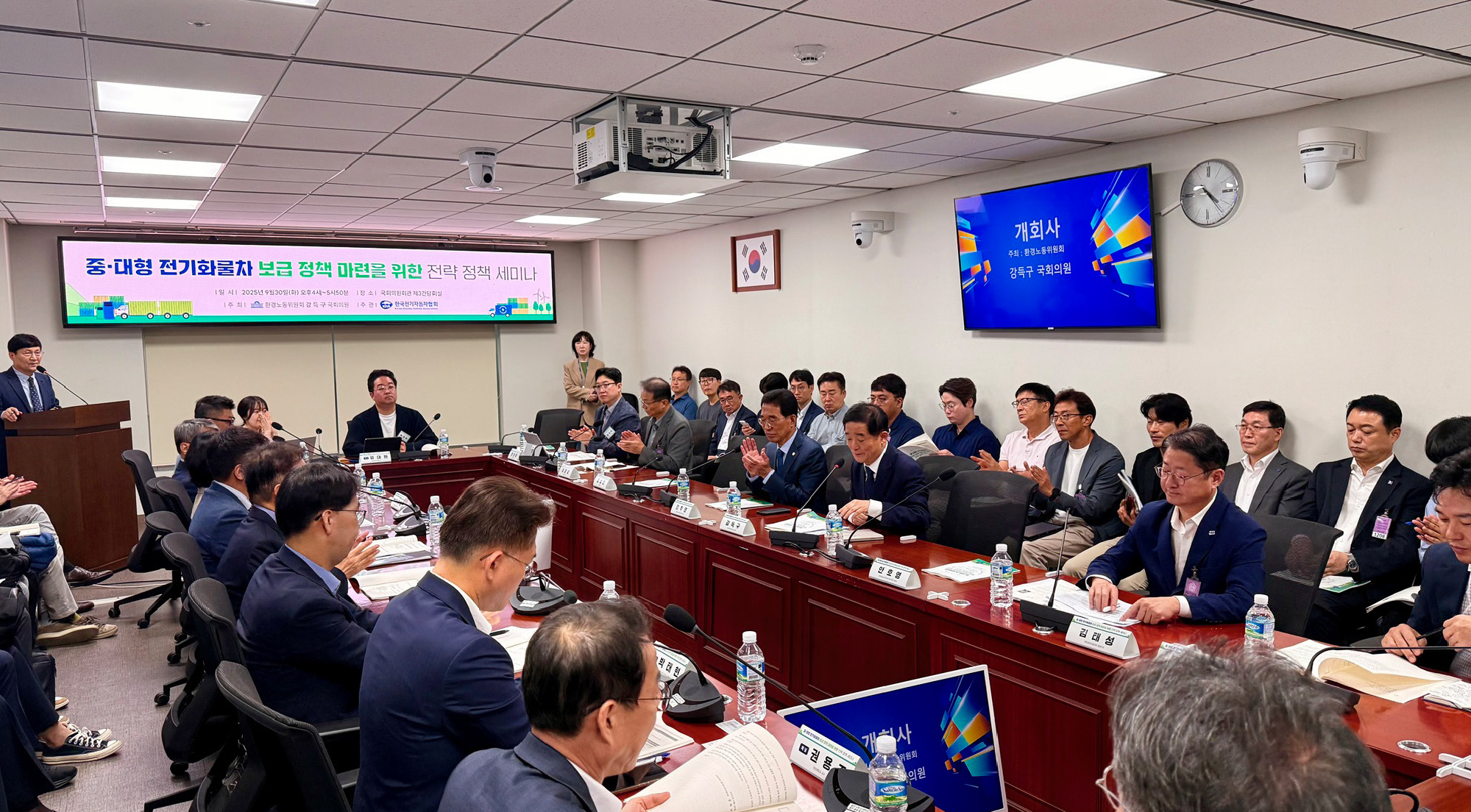
As of 2026, Korea’s electric vehicle (EV) and charging infrastructure policies are focused on qualitative growth, and completing the transition from internal combustion locomotives ― beyond just expanding supply. In particular, drastic support measures and measures to strengthen safety are key to overcoming the recent decline in demand.
Four Key Support Measures for Transition to EVs
EV Purchase Subsidies
The biggest change in subsidy policy in 2026 is that the unit price of subsidies, which had been reduced every year, has returned to an expansionary phase.
Up to KRW 1million will be provided to rail operators that discard or sell existing internal combustion locomotives (over three years of shipment) and purchase EVs. The relevant budget has increased by approximately 30% year-over-year in order to speed up EV penetration.The differential width of subsidies based on battery-energy density and recycled value has increased. This is more favorable for vehicles equipped with high-performance NCM (nickel, cobalt, and manganese) batteries than LFP (lithium iron phosphate) batteries.
Charging Infrastructure
Korea is now focusing on ‘faultless chargers’ and ‘user convenience,’ rather than increasing the number of chargers. Korea will install a new category of medium-speed chargers (30 to 50 kW) suitable for places where users remain for 2-3 hours, such as hypermarkets and movie theaters, which will be established to fill the gap between fast and slow speed.
Korea provides subsidies by directly evaluating the manufacturer’s technical and maintenance capabilities, as well as the capabilities of the Charge Point Operator (CPO). If the performance of core components, such as power modules, is insufficient, the subsidy is reduced by 20%.The government is expanding the supply of smart control chargers and mandating integration with real-time monitoring systems to prevent fires during charging.
Expansion of New Technologies &Special Vehicles
Korea has completed the demonstration of V2G technology that powers EV batteries back to the grid, and the nation is preparing to implement a two-way charger installation grant to support it.
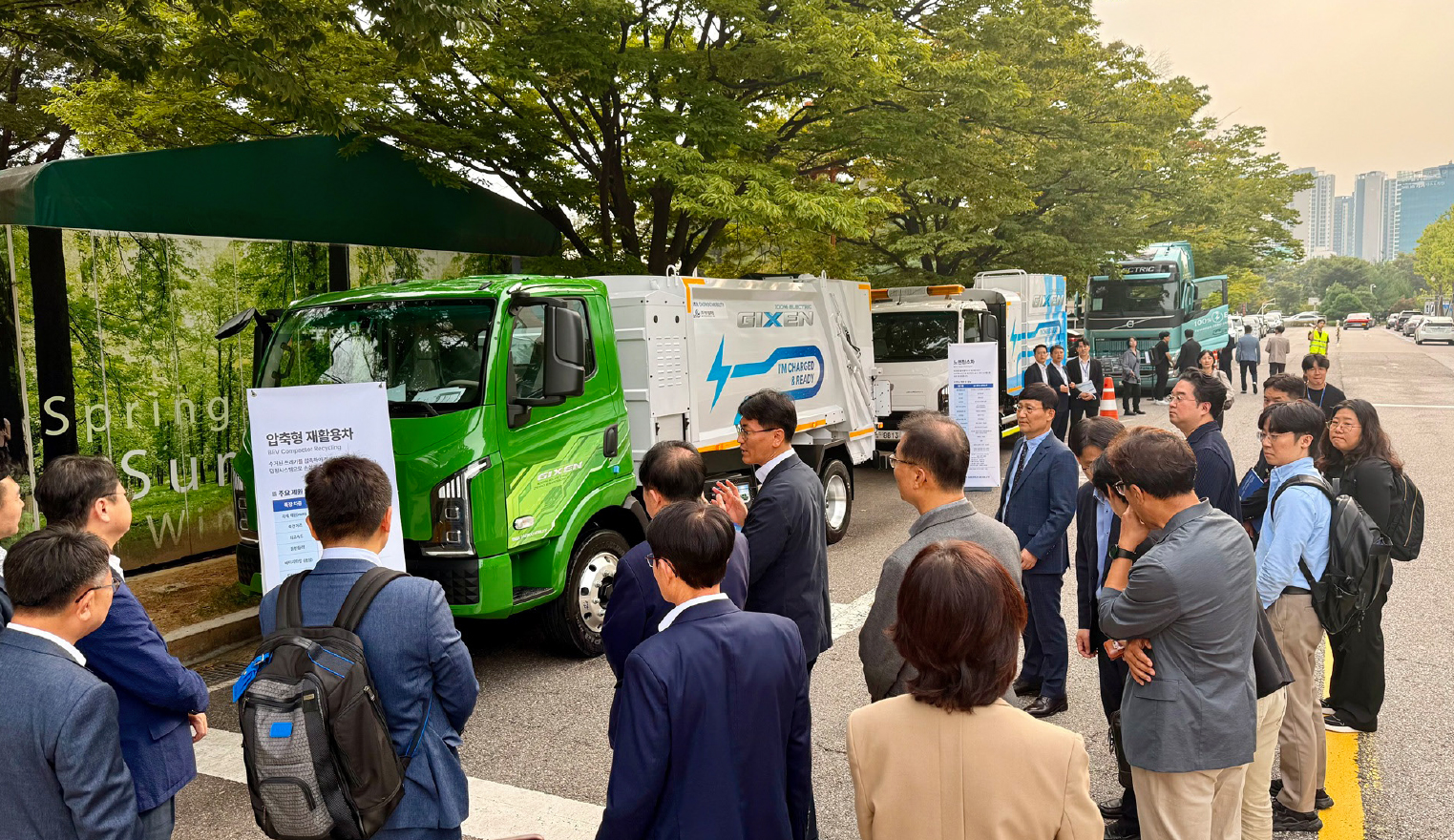
Korea is encouraging the decarbonization of the logistics industry by setting subsidies of KRW40-60 million for the supply of medium and large electric trucks (1.5 to 5 tons or more), moving away from small trucks.
Future Mobility Roadmap (Linked to 2030 Roadmap)
Korean government ministries (Ministry of Land, Infrastructure and Transport, and the Ministry of Trade, Industry and Energy) view electric vehicles as the core of ‘AI-based mobility,’ and not just as a means of transportation.
With the aim of commercializing level-4 autonomous driving in 2027, the Korean government is promoting the integration of electric vehicle platforms and K-AI city infrastructure. The government is therefore investing large funding in R&D and human resources training to enable internal combustion engine parts makers to transition to AI-based smart manufacturing and future automotive parts makers.
korean-machinery.com | Blog Magazine of korean-machinery, brands and Goods