South Korea’s Hyundai Motor Co. announced recently that it signed a memorandum of understanding with Air Liquide S.A., a French industrial gas company, to boost cooperation to take lead in the global hydrogen electric vehicles, as part of its efforts to vitalize the hydrogen electric vehicle market.
The Korean car maker explained that Air Liquide is a French company with world-class technologies related to hydrogen production and construction and operation of hydrogen plants. Hyundai Motor in cooperation with Air Liquide plans to push for the revitalization of the hydrogen electric vehicle market, utilizing hydrogen as a clean new renewable energy and development of business models of hydrogen energy stations.
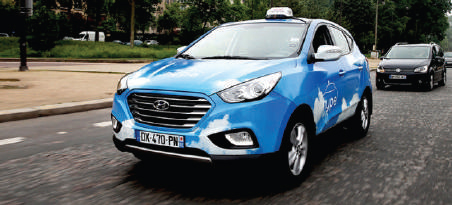
A hydrogen electric vehicle refers to a car that drives by operating a motor using electricity generated by hydrogenoxygen reaction. The car is regarded as an eco-friendly car emitting not air pollution substances and green house gases but just water.
Hyundai Motor successfully mass produced hydrogen electric vehicles of the Tucson in 2013. The company has developed a next-generation hydrogen electric vehicle with higher mileage, aiming to release it in 2018. Hyundai Motor Group plans to increase hydrogen electric vehicle models to two by 2020.
< Source: KITA>
korean-machinery.com | Blog Magazine of korean-machinery, brands and Goods
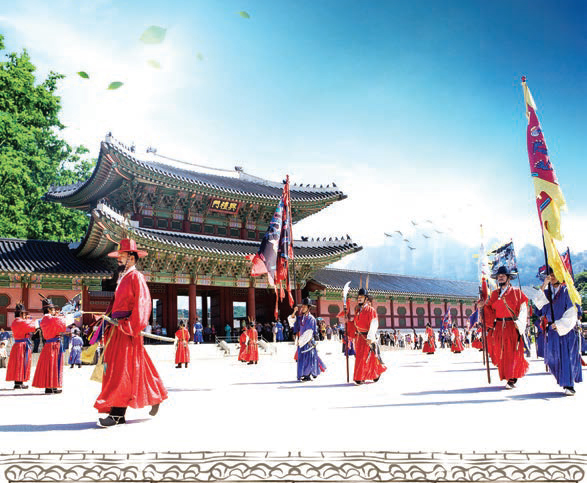
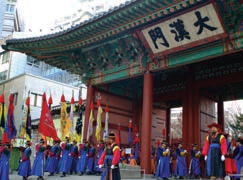
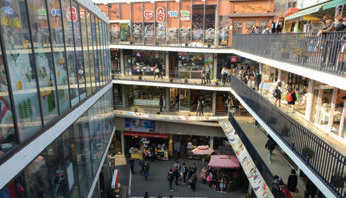 Located in the heart of Seoul, Insa-dong Street is one of the most memorable attractions in Seoul and represents the focal point of Korean traditional culture and crafts. Stores in Insa-dong specialize in a wide variety of goods that can only be purchased or appreciated in Korea: hanbok (traditional clothing), hanji (traditional paper), traditional teas, pottery, and folk crafts.




 Samyoung has been developed technologies of steel casting and bridge shoes used in full range of suspension bridge, meeting the high safety regulation in designing, manufacturing, testing and inspection.













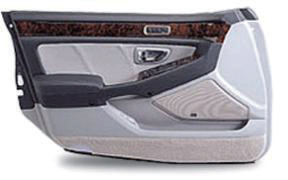 Problem-solving in industrialization: A close analysis DB on products and raw materials for each manufacturing process is required to analyze causes of VOC of PVC skin and replacements but it was difficult to establish improvement direction because there was no professional data or accumulated data from the past. To solve this problem, an analysis plan was established and a process product was sampled at the right time. Systematic DB was established and it could be used for development of replacements. Also, to solve a problem of productivity decline and production cost rise due to increase of production lead time after reducing VOCs, the BRX free surface treating solvent exclusive line has been newly created with a developing company’s customer company by benchmarking H company in the USA and the drying process has been optimized. As a result, industrialization has been successful by complementing, verifying and mass-producing the product quality of the developed product.

 Korean-Machinery.com