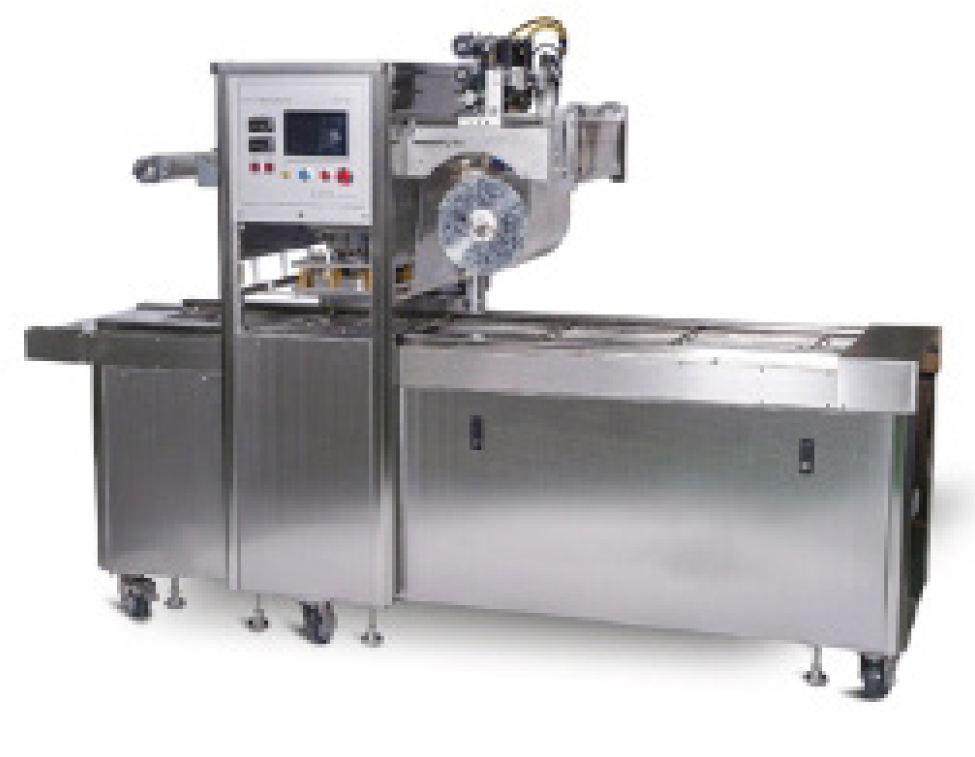
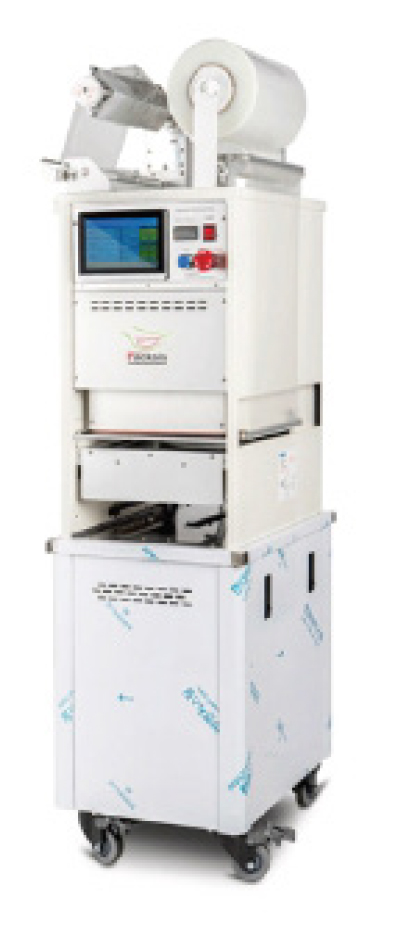
Auto Spout Sealer

https://korean-machinery.com///inquiry


 [INQ. NO. 2604M03] CHEMPEOPLE Co., Ltd. is a specialized manufacturer of high-performance packaging films and functional inks for the global food and consumer packaging industry.
With strong in-house R&D and manufacturing capabilities, CHEMPEOPLE focuses on value-added materials that enhance food safety, shelf life, productivity, and sustainability.
In addition to its film and ink manufacturing business, CHEMPEOPLE acts as an official authorized agent for selected packaging machinery manufacturers, providing integrated solutions that combine packaging materials with optimized vacuum and skin packaging equipment.
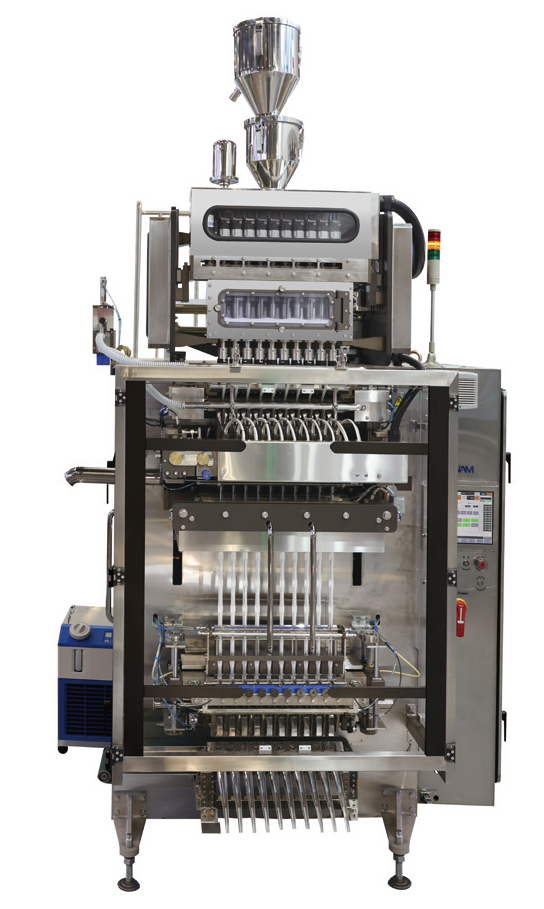
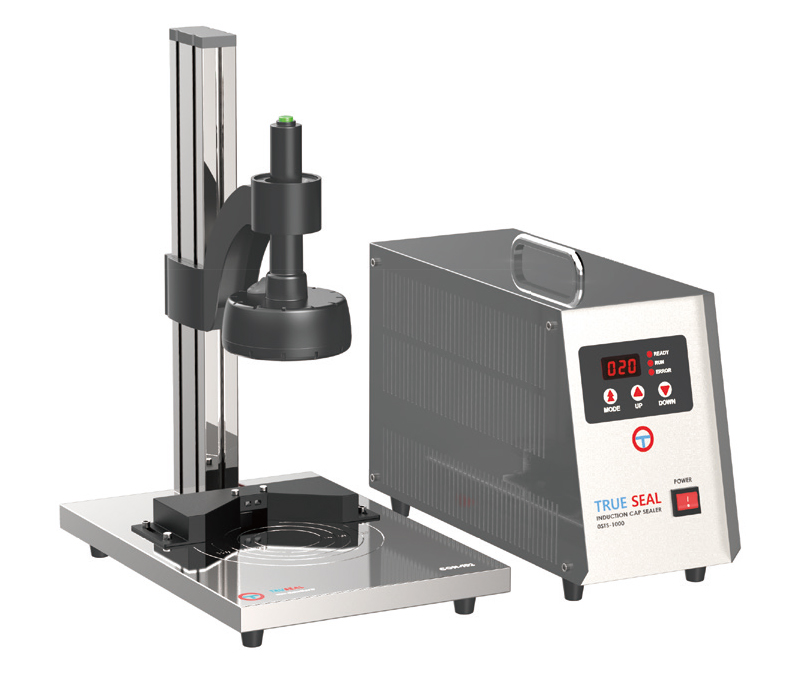
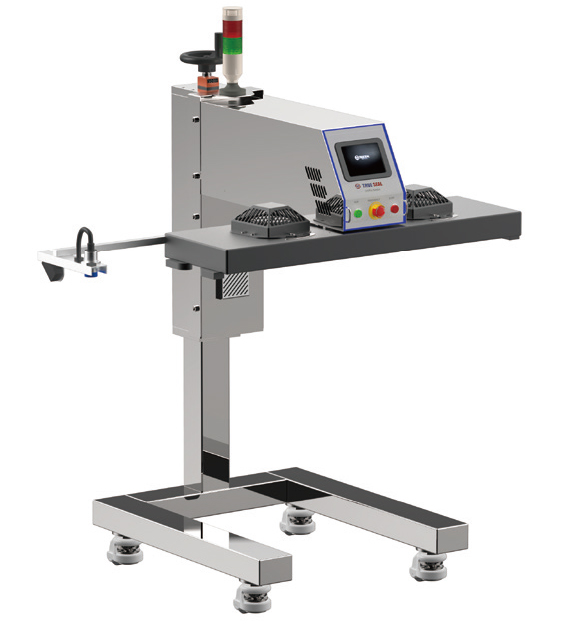
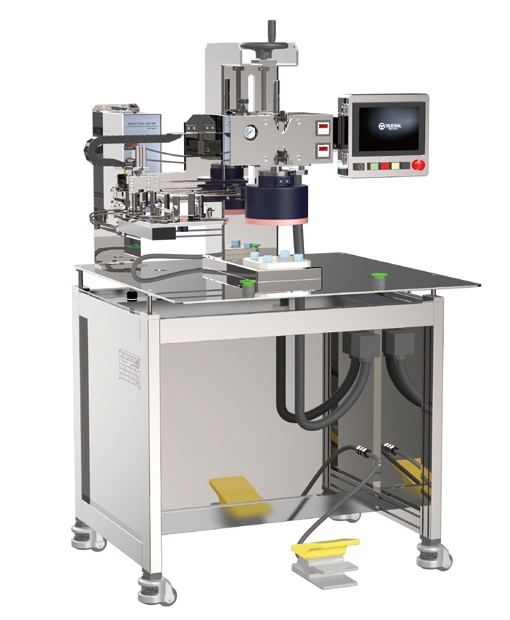
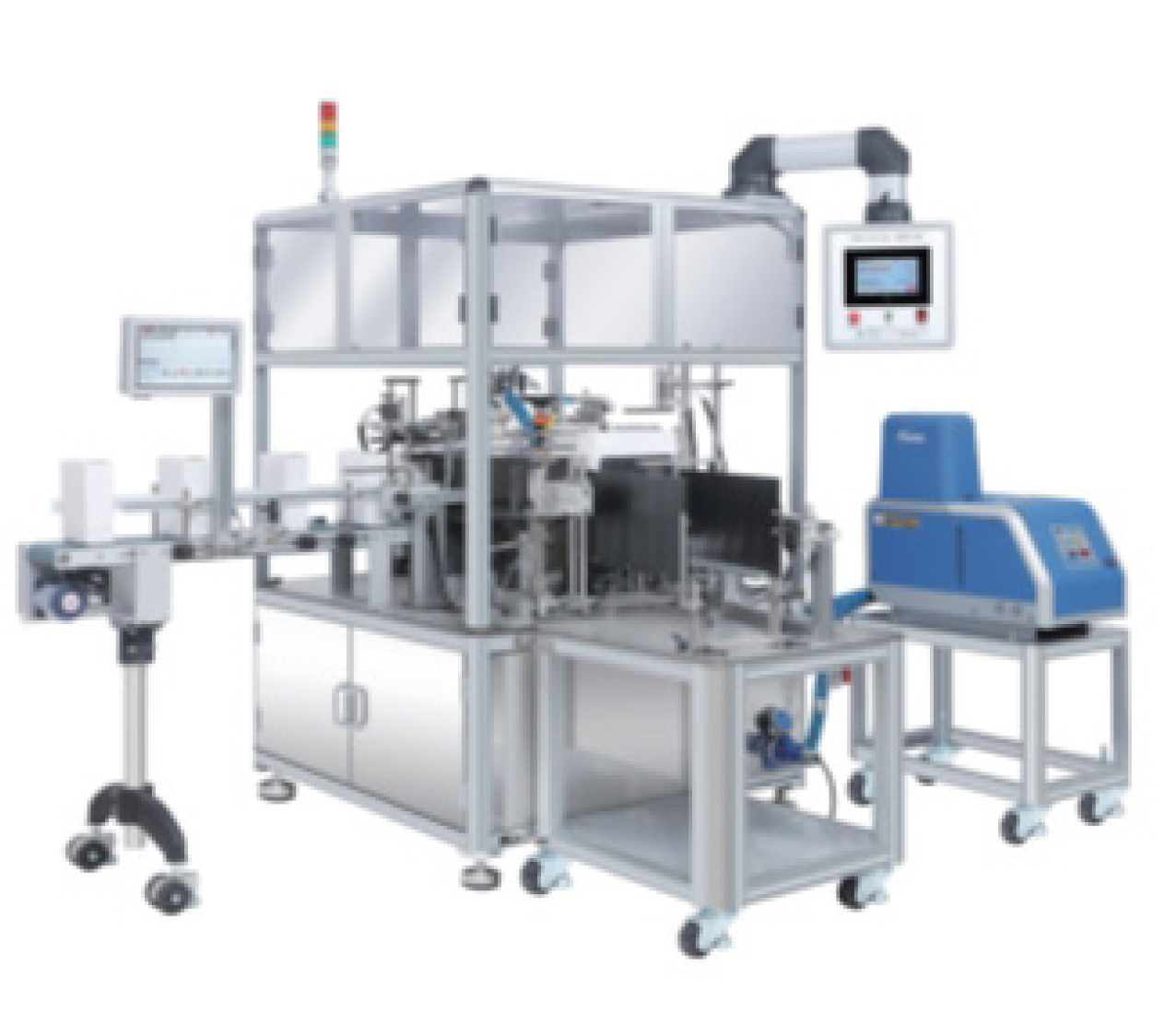
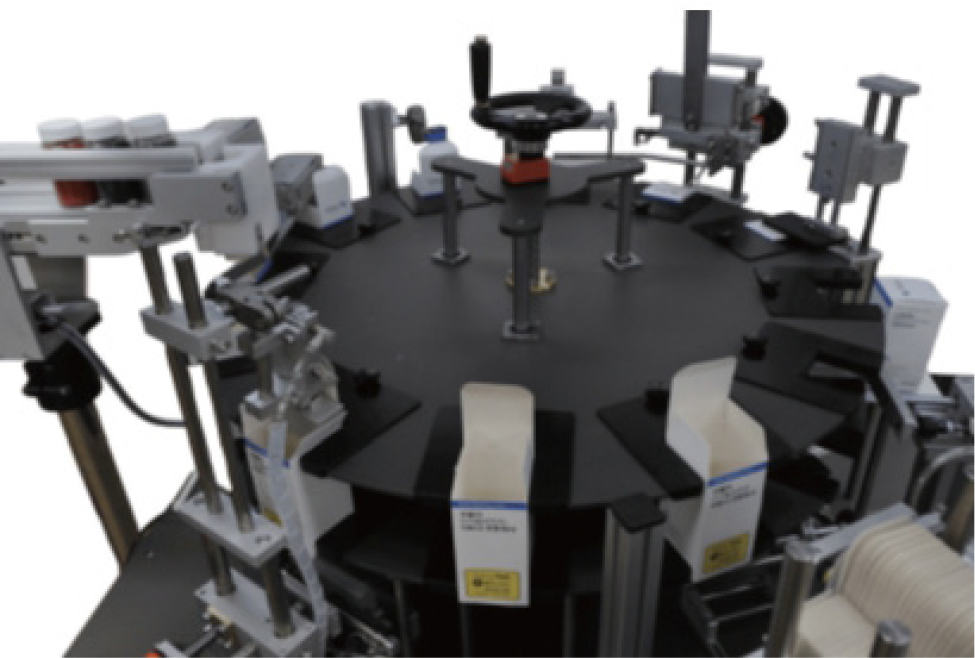
CHEMPEOPLE’s auto spout sealerMK-9000is designed to be applied to many different types of flexible pouch packages. With one machine, you can make different types of spout packages by switching sealing jig and spout holder.

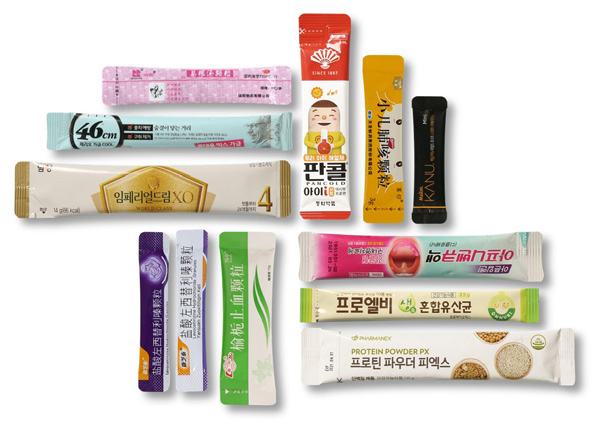
The spout sealer can work with such various items as food, plastic, pet food, liquid, beverage, sauces, oils, personal care, and cosmetics.
Approximately 10,000 pcs of pouch sealing per 8 hours are possible. Many different types of spouts can be sealed by switching the sealing jig and spout holder. MK-9000 is suitable for small-quantity batch production. Moreover, there is no need for highly skilled workers among companies that adopt this model.

The CEO of the company explained, “Our strength lies in delivering customized, application-oriented solutions rather than standard products, supporting customers from material selection to commercial implementation,” adding “We possess technologies and experience in chemical and combination technology and focus our research capabilities in order to improve the functioning and performance of products through constant innovation of technology. Our R&D team is continuously advancing in its competence through technological breakthroughs.”


korean-machinery.com | Blog Magazine of korean-machinery, brands and Goods

Paper-Cup Converting Machines

https://korean-machinery.com///inquiry

[INQ. NO. 2604M02] Future Pack Co., Ltd. is one of the leading manufacturers and exporters in the field of paper-cup converting machinery in Korea. Future Pack started its business as a manufacturer of paper cup machines; handle cup machines; paper cup sleeves (two-layer coffee, noodle & plastic cups); blank punching machines (die cutter); printing & punching machines; blank offset printing machines; paper plate (tray) machines; take away boxes (food pail boxes) machines; aluminum foil food-container forming machines — and other packing-related converting machinery.

Future Pack’s sub-factory has been exporting around 1,000 sets of equipment to worldwide customers since 1985, and has risen to be No. 1 in this industry in Korea.
So far, Future Pack has been exporting its products to the Americas (USA, Canada, Mexico, Honduras, Venezuela, Chile, Peru, Ecuador, Colombia, Brazil, Argentina, Bolivia), Europe (UK, France, the Netherlands, Germany, Italy, Russia, Ukraine, Belarus, Poland, Bulgaria, Romania, Greece, Turkey, Cyprus), the Middle East (Palestine, Israel, Jordan, Lebanon, KSA, Iran, Iraq, Kuwait, Qatar, UAE, Oman), Africa (Nigeria, Kenya, Sudan, Egypt, Algeria, Libya, Tunisia), Asia (India, Pakistan, Thailand, Vietnam, the Philippines, Malaysia, Singapore, Indonesia, Australia), and others around the world.

Future Pack’s accumulated technologies and experience guarantee the highest-quality products at very competitive prices.


korean-machinery.com | Blog Magazine of korean-machinery, brands and Goods
Packaging Machinery

https://korean-machinery.com///inquiry

[INQ. NO. 2604M01] Ace Machinery Co., Ltd. is a leading manufacturer specializing in folder gluers and fully automated converting lines under the brand name SIGNATURE.
With over 30 years of engineering expertise and proven technical excellence, Ace Machinery has delivered more than 1,000 packaging machines to over 35 countries worldwide, earning global trust and recognition. Driven by innovation and reliability, Ace Machinery continues to shape the future of global packaging.

Folder Gluer Machine
Ace Machinery’s Signature Elite folder gluer machine is a high-end model designed for high-speed production, offering a belt speed of up to 650 m/min. With advanced automation compatibility, reduced tooling for faster setups, and exceptional reliability, the folder gluer machine delivers outstanding productivity and quick performance.
It runs at speeds of up to 650 m/min. The standard pneumatic center carrier moves up and down, and the gearbox can drive with no speed deviation. Flexible configurations with customizable options are supplied. A heavy-duty squeeze roller is a standard fitting.

Automatic Packer
Ace Machinery’s SIG-PACK is an automatic packer known for its accurate box counts, simple maintenance, operator friendliness, and energy efficiency, making it a productive and economical solution for any converting operation.
The packer runs at speeds of up to 160,000 sheets per hour, providing high packing efficiency with minimal labor. Precise control with its six servo motors is made possible. It also allows for accurate and reliable box counting. It is perfectly compatible with most folder gluers, and is available in multiple configurations.
Ace Machinery is a professional producer of automatic folding carton gluers under the brand name SIGNATURE, and it is continuously leading in both domestic and overseas markets as a folding gluer manufacturer.
Ace Machinery started its business in Korea in 1993 and has been supplying automatic folding carton gluers to more than 35 countries, as well as Korea. Ace Machinery has its headquarters in Siheung, Korea and a branch near Ho Chi Minh City, Vietnam.

korean-machinery.com | Blog Magazine of korean-machinery, brands and Goods
Interpack 2026, a Platform to View the Future of the Global Packaging Industry

https://korean-machinery.com///inquiry

Interpack 2026, scheduled to be held in Düsseldorf, Germany from May 7 to 13, 2026, is the world’s largest processing and packaging industry exhibition, and held every three years. It attracts significant attention from the industry by encompassing diverse sectors such as food, beverages, confectionery, bakery products, pharmaceuticals, cosmetics, and industrial goods. This year, 2,800 companies from 60 countries are expected to participate to showcase their latest technologies and solutions.
Through close collaboration with relevant industry organizations such as the German Engineering Federation (VDMA), the exhibition reflects the actual needs of the field while simultaneously leading industry development by presenting innovative trends in the processing and packaging sector. It is expected to serve as a platform that goes beyond a mere exhibition to present the future direction of the industry.

One of the key features of Interpack is that it offers visitors the opportunity to directly experience the vivid reality of machinery and production lines operating in real time. Visitors can personally verify how equipment operates and test its performance, thereby obtaining practical information necessary for investment decisions. Furthermore, the event can assist in identifying new technological trends and also help in formulating future strategies.
The last exhibition attracted approximately 140,000 industry professionals from the packaging, processing, and application sectors, demonstrating keen interest in the products on display. This high level of interest can be seen as proof of the influence Interpack has on related industries.
With the EU’s Packaging and Packaging Waste Regulation (PPWR) set to take effect on August 12, domestic companies supplying products to the European market or collaborating with global brands face an urgent need to prepare countermeasures for the new regulations. New standards, including enhanced recyclability, reduced packaging, expanded reuse, and a transition to sustainable materials, are scheduled to be applied in stages. Accordingly, securing equipment and process capabilities that meet global standards is emerging as an important task.

Interpack 2026 is expected to provide an optimal opportunity for the Korean packaging and processing industry to seek strategic transformation amidst these circumstances. It is expected that the exhibition will serve as a stepping stone for not only complying with regulations, but also strengthening competitiveness through new technologies and solutions.
The latest technological trends in the global packaging and processing industry―including AI-based automation, process efficiency, resource conservation, and sustainable materials ― will be unveiled across the entire value chain. In particular, it has the advantage of allowing users to directly observe the actual processes, by watching the machinery and production lines operate in real time on-site from processing, to packaging, inspection, and materials.

KPMA to Operate a Joint Korean Pavilion
Fifty Korean companies will participate in this exhibition, and the Korea Packaging Machinery Association (KPMA) will operate a joint Korean pavilion to contribute to promoting the technological capabilities of domestic companies to the global audiences. Participating companies plan to present practical solutions to international buyers by showcasing automation equipment, pharmaceutical packaging lines, inspection and marking solutions, and eco-friendly and functional packaging materials.

korean-machinery.com | Blog Magazine of korean-machinery, brands and Goods
Hyundai Motors to Introduce All of its Hydrogen Value Chains in Japan

https://korean-machinery.com///inquiry

Driving range of 720km, surpassing Toyota
Scheduled for launch in Japan in the first half of this year

Hyundai Motor Group will solidify its position as a global leader in the hydrogen sector by introducing all of its hydrogen value chains in Japan, the birthplace of hydrogen.
Especially designed for models to be launched in Japan, a vehicle-to-home (V2H) function that can supply power to homes in case of an emergency, considering disaster situations such as earthquakes and power outages. Hyundai Motors will launch The All-New Nexo in the first half of this year. In addition to passenger models, hydrogen-electric trucks and hydrogen-electric tram models will also be shown at this exhibition.

Hyundai Motor Group is also demonstrating its capabilities as an ‘energy solution company’ beyond just being an automobile manufacturer. ‘The hydrogen automatic EV charging robot,’ developed by Robotics Lab will show a charging demonstration of The All-New Nexo. This robot enables 24-hour unmanned charging without human intervention, through vision AI technology.
The company will also display a model of a packaged hydrogen-charging station to expand the hydrogen charging infrastructure. This charging station is designed to modularize core facilities in the form of containers so that they can be freely placed, both horizontally and vertically. In addition, it is considered a practical alternative to solving the problem of securing land for charging stations in urban areas, which is the biggest obstacle to the supply of hydrogen cars, by incorporating multi-layering and undergrounding technology.
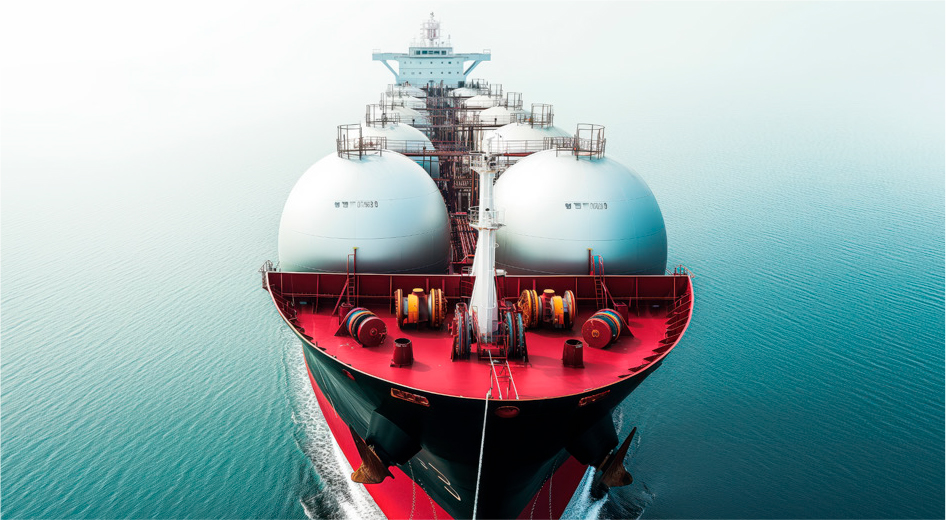
Furthermore, Hyundai Motor will also unveil its hydrogen-burner technology for decarbonizing the manufacturing process. Starting with the company’s plant in Ulsan, it will convert to hydrogen about 5,000 liquefied natural gas (LNG) burners in domestic production bases and introduce it to more production bases in North America and Europe.
Hyundai Motor established a hydrogen research and development organization in 1998 and has been conducting research for 30 years.

korean-machinery.com | Blog Magazine of korean-machinery, brands and Goods
Hyundai Mobis Obtains Huge Orders in Europe

https://korean-machinery.com///inquiry

Jackpot in Europe following the USA
Recognized for its supply capabilities and technology

Hyundai Mobis will supply chassis modules on a large-scale to Mercedes-Benz in Europe after its success in North America. Hyundai Mobis announced that it has signed a contract with Mercedes to supply chassis modules, and has operated a dedicated production base in Hungary for this purpose. It plans to supply chassis modules for electric and hybrid vehicles through this new plant in Hungary and build facilities for mixed manufacturing with gas and diesel vehicles.

The chassis houses components such as steering, braking, and suspension that runs under the vehicle body. When these devices are installed on the vehicle body, it is called a chassis module, which is considered a key component that determines driving stability. As vehicle parts are integrated and provided in a package format, there are many cases where supply continues for a long time once trust relationships with customers are established.
The industry also sets a high value on the fact that the company has established a forward base in Hungary, targeting the European market, where premium automakers are located. Hyundai Mobis’ new European plant in Kecskemét , central Hungary, is the size of seven football fields (equivalent to 50,000 square meters). Recently, Hungary has been rapidly emerging as an automobile and battery production hub in Eastern Europe. Production bases of major battery cell companies such as Samsung SDI, SK On, and CATL as well as finished car makers such as BMW have been built, resulting in annual production of 500,000 new cars.

korean-machinery.com | Blog Magazine of korean-machinery, brands and Goods
Doosan Enerbility Expands its North America Invasion Strategy

https://korean-machinery.com///inquiry

Expected to supply to Mask’s xAI
Secured order for two additional 370MW units

Doosan Enerbility has won a contract with a U.S. company to supply steam turbines and generators for power supply to data centers. This marks the first time Doosan Enerbility has supplied steam turbines to North America.
Doosan Enerbility announced that it recently signed a contract with a U.S. big-tech company to supply two 370 MW-class steam turbines and two generators for power supply to data centers. With the company securing steam turbine orders, following its export of gas turbines last year, it has strengthened its foothold in the North American market.
Doosan Enerbility is reported to have signed a contract last year to supply a total of 12 gas turbines to xAI’s data center.

Steam turbines are a core component of combined cycle power plants, using exhaust-heat from gas turbines to generate additional electricity and significantly boosting energy efficiency. Combined cycle power generation refers to a high-efficiency generation system in which a gas turbine is driven by gas including liquefied natural gas (LNG), and the heat produced in this process is then used to drive a steam turbine a second time. Because AI centers consume massive amounts of electricity around the clock, highly efficient and reliable power facilities are essential.
Building on this latest order, Doosan Enerbility plans to accelerate exports of its combined cycle power-generation model to utility companies and independent power producers (IPPs) across North America.
It is analyzed that the company has gained a competitive edge in bidding for future large-scale combined-cycle power projects by securing gas-turbine and steam-turbine supply-performance in the North American market.


korean-machinery.com | Blog Magazine of korean-machinery, brands and Goods
Imminent First Export of Korean-Made Supersonic Fighter KF-21

https://korean-machinery.com///inquiry

The countdown is on for the first exports of Korea’s supersonic fighter plane, KF-21. The KF-21’s first client is Indonesia, a joint-development participant, with an export volume of 16 units.
It is reported that Korea Aerospace Industries (KAI) is expected to sign an export fulfillment contract in Jakarta as early as the first half of this year after subsequent negotiations with Indonesia.
Initially, Indonesia planned to introduce 48 KF-21s (equivalent to three squadrons), but decided to sign for only 16 of them first due to defense -budget constraints. In addition, it was disclosed that detailed consultations have been held since the beginning of this year with local defense authorities and Kat participating.

Meanwhile, KAI has made another advance by formalizing the new presidential system under Jong-chul Kim. The management gap, which lasted for about eight months since the retirement of former president Gu-young Kang, who was appointed by the previous government, has been resolved.
President Kim explained, “We will strengthen strategic cooperation with domestic defense companies in line with the government’s Team Korea policy,” adding, “We will establish a horizontal communication system to create a ‘One Team KAI’ in which all executives and employees, including subsidiaries, are committed to achieving common goals.”

 
korean-machinery.com | Blog Magazine of korean-machinery, brands and Goods
A Complete Guide to Cherry Blossom Season in Korea

https://korean-machinery.com///inquiry

A Bloom That Travels North
Every spring, South Korea undergoes a breathtaking transformation. Millions of cherry trees — known locally as beot-kkot — burst into bloom, turning roads, riverbanks, palace grounds, and temple paths into corridors of pale pink and white. For 2026, forecasters have identified an earlier-than-usual season, with blossoms expected to arrive approximately three to eight days ahead of historical averages due to evolving climate patterns. The bloom begins in the south and moves steadily northward, giving travelers the rare opportunity to follow the season across the entire peninsula.

Where the Season Begins: Jeju Island
The cherry blossom journey starts on Jeju Island, where the first blooms are expected around March 22. Jeju is the primary habitat of the native King Cherry tree — a species distinct from the more widely known Somei Yoshino variety — and the island’s festivals celebrate this indigenous tree as a symbol of Korean identity.
Top viewing spots include Jeonnong-ro in Jeju City, a 1.2-kilometer road closed to vehicles during the festival period to allow pedestrians full immersion under a dense canopy of mature trees. The entrance road of Jeju National University offers a slightly later bloom due to its elevation, while Jangjeon-ri in Aewol-eup is celebrated for its evening illuminations that highlight white petals against the dark volcanic landscape. Hallim Park adds a dramatic geological element, pairing the delicate blossoms with lava caves and volcanic stone formations.

The Southern Coast: Festivals on a Grand Scale
The southern coastal region hosts Korea’s most celebrated spring festivals. Jinhae, a city that is home to more than 360,000 cherry trees, holds the Jinhae Gunhangje Festival — the largest spring celebration in the country, drawing over 2.6 million visitors annually. In 2026, the festival is expected to run from March 27 to April 5. Originally established in 1952 to commemorate Admiral Yi Sun-sin, the event now blends military heritage with floral tourism. The iconic Yeojwacheon Stream, with its “Romance Bridge” and water reflections, and the photogenic Gyeonghwa Station — a retired railway track lined with mature cherry trees — are among its most beloved spots.
Nearby Busan offers a coastal counterpoint, pairing cherry blossoms with seaside views at Dalmaji Hill in Haeundae, where a winding path overlooks the East Sea. The city’s peak bloom is projected between March 27 and March 31.
In Hadong, the Hwagae Cherry Blossom Festival centers on a roughly four-kilometer road connecting Hwagae Market to the ancient Ssanggyesa Temple, popularly called the “Wedding Road” after a local legend promising eternal love to couples who walk it together. Visitors are also encouraged to sample regional spring delicacies at the market.

History in Full Bloom: Gyeongju and Jeonju
Gyeongju, the former capital of the Silla Dynasty, offers one of Korea’s most unique blossom experiences. The city is considered a living museum, and its 2026 peak bloom is forecast between March 27 and April 5. The Daereungwon Tomb Complex, with its grass-covered royal burial mounds framed by pink petals, creates a powerful sense of history meeting impermanence. Bulguksa Temple, a UNESCO World Heritage site, is known for its rare “double” cherry blossoms, which bloom slightly later than standard varieties, extending the season. Gyeongju also hosts a Cherry Blossom Marathon in early April, with courses ranging from 5 kilometers to a full marathon distance.
Further west, the Maisan Cherry Blossom Festival in Jeonju features a hiking trail leading to Tapsa Temple, and many visitors combine this with a visit to the historic Jeonju Hanok Village.

Seoul: Urban Cherry Blossom at Its Finest
Seoul’s blossoms reach their peak between April 7 and April 14. The Yeongdeungpo Yeouido Spring Flower Festival draws crowds to a 1.7-kilometer Cherry Blossom Tunnel along the Han River, accompanied by live performances and evening illuminations. Seokchon Lake in the Jamsil district reflects blossoms on its calm surface against the backdrop of the city skyline.
Seoul’s five grand palaces provide a more serene setting. Gyeongbokgung offers coveted Moonlight night tours, while Changdeokgung’s guided walks through the Secret Garden include a traditional tea ceremony. Visitors wearing traditional hanbok clothing are typically admitted to the palaces free of charge. The E-land Han River Cruise also offers specialized cherry blossom cruises departing from Yeouido Pier, some featuring live jazz and evening fireworks.

Planning Your Trip
The optimal window for experiencing blossoms across the southern and central regions is March 25 to April 10. Travelers should book KTX rail tickets exactly one month in advance, as seats on popular routes sell out quickly. For Jinhae, which lacks direct KTX access from Seoul, organized shuttle bus tours departing from major Seoul hubs offer a practical alternative. To avoid peak-hour crowds, weekday visits and early morning arrivals — before 9:00 a.m. at major sites — are strongly recommended. Monitoring real-time bloom reports from the Korea Meteorological Administration can also help travelers adjust their itineraries as the season unfolds.
 
 
korean-machinery.com | Blog Magazine of korean-machinery, brands and Goods
February’s Exports Hit Record-High Amid Semiconductor Boom

https://korean-machinery.com///inquiry

Fueled by the semiconductor boom, Korea’s exports in February increased by nearly 30%, recording the highest February performance ever.
According to the Ministry of Trade, Industry and Energy (MOTIE), Korea’s exports in February reached $67.45 billion, a 29.0% increase from the same month last year. This is the highest February performance ever. This significant increase was achieved despite three fewer working days than last year due to the Lunar New Year holidays. Record monthly export performance has been recorded for nine consecutive months since June last year.

Semiconductors were the driving force behind Korea’s exports, reaching $25.16 billion in February, a 160.8% increase compared to the same month last year. This is in fact the highest monthly figure ever recorded. Semiconductor exports have remained above $20 billion for three consecutive months due to excess demand stemming from increased investment in artificial intelligence (AI), and the resulting surge in memory prices.
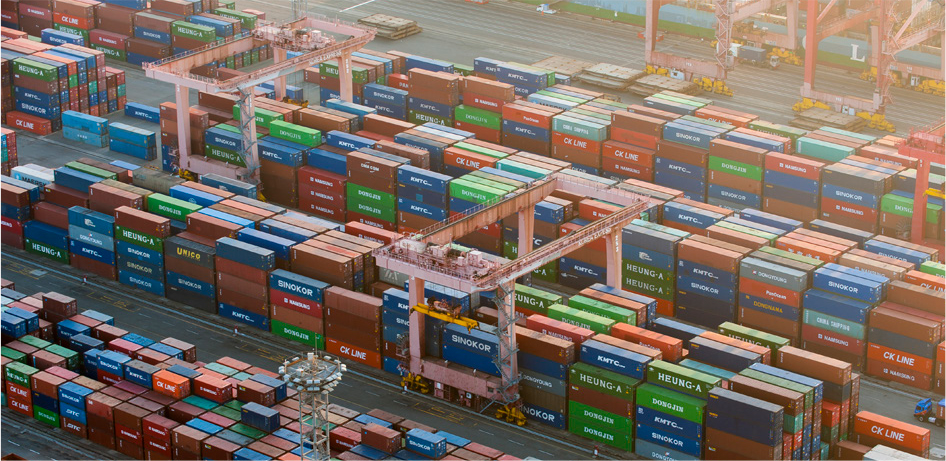
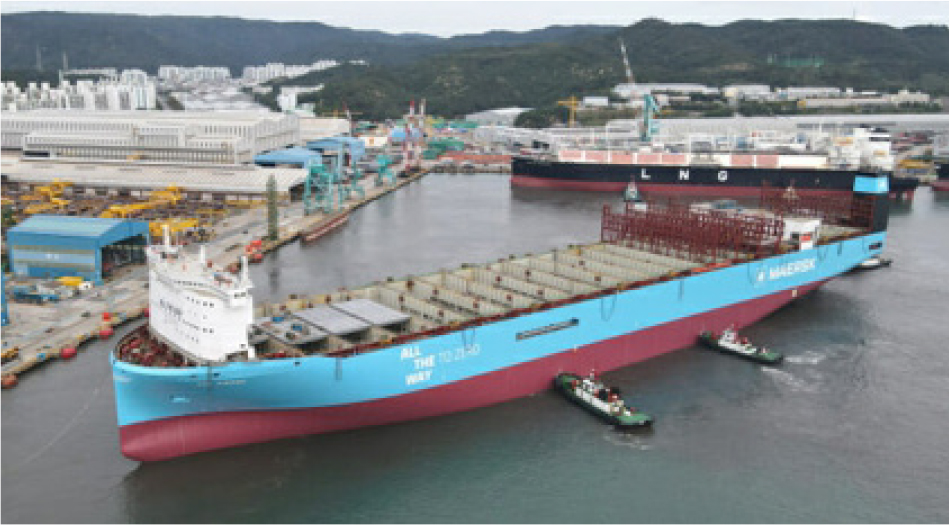
In February, only five of Korea’s 15 major export items, including semiconductors, saw an increase in exports. Computers, wireless communication devices, ships, and biohealth were these items that saw export growth. Conversely, exports of automobiles and auto parts declined due to the Lunar New Year holidays. Exports of general machinery, petrochemicals, and steel also saw declines.
By region, exports increased in seven of the nine major export regions. Exports to the United States reached $12.85 billion, a 29.9% increase, marking the highest February performance ever. Exports to China also increased by 34.1% to $12.75 billion due to higher demand for semiconductors.

South Korea’s imports in February reached $51.94 billion, a 7.5% increase from the same month last year. This resulted in a trade surplus of $15.51 billion. The trade balance increased by $11.55 billion year-on-year, reaching a record monthly high. The monthly trade balance has remained in surplus for 13 consecutive months since February of last year.

 
korean-machinery.com | Blog Magazine of korean-machinery, brands and Goods