 The big three Korean shipbuilders – Hyundai Heavy Industries, Samsung Heavy Industries, and Daewoo Shipbuilding & Marine Engineering – have reportedly won a total of US$ 6 billion in the first quarter alone in 2018, reaching 20% of this year’s sales goal. Accordingly, it is expected that 1Q 2018 sales, which are slightly below expectations, are likely to be nothing more than growing pains and will lead to sales growth in the second quarter.
Combined sales of the Big Three are estimated to have fallen 41% YoY to KRW 5.6 trillion, and the operating loss to KRW 150bn, falling below the projected operating loss of KRW 35bn. This is largely due to a further drop in profitability due to the stronger Korean won.
Meanwhile, Daewoo Shipbuilding & Marine Engineering and Hyundai Mipo Dockyard expect a surplus since their sales declines are relatively small.
In 4Q 2017, the Big Three reflected provisioning for new construction orders as much as changes in the exchange rate of 8%. Provision for construction losses is generally reconciled on the deficit project. Hyundai Heavy Industries Group received a total of US$3.5bn in the fourth quarter, reflecting a provisioning loss of KRW
310bn, which corresponds to an 8% drop in the KRW/USD rate.
Likewise for Samsung Heavy Industries and DSME, the 1Q 2018 KRW/USD rate is not much different from 4Q, while the rise in the cost of the vessels is only 3 to 4%. In order to offset the KRW depreciation, it is necessary to raise COGS by 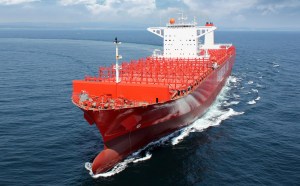 more than 8% which is fallen short of. Therefore, it is estimated that the amount of construction received in 2018 will reflect a provisional loss of about 5%.
It is expected that shipbuilding prices will pick up from Q2 and profitability will improve with lower fixed cost burdens and lower possibility of provisioning for construction losses, thus causing a sales rise. Assuming such an optimistic scenario, if the KRW depreciates, the existing provision for losses on construction will be reversed.
On the other hand, the improvement in orders that began this year is largely driven by the popularity of LNG carriers. Daewoo Shipbuilding & Marine Engineering won eight orders out of the 13 orders received by the Big Three. Hyundai Heavy Industries and Samsung Heavy Industries followed by winning three and two orders respectively. Considering that the total order volume of LNG carriers last year was 14, the boom in this sector is becoming more evident than ever.
Apart from LNG carriers, orders for mid- to large-sized feeders and container vessels are also noticeable. Container shipbuilding orders are on the rise for the following reasons: the increase in freight volume has exceeded the fleet growth rate from 2017; the Panama Canal has been expanded to accommodate 14,000 TEU-class container ships; and due to the increased demand for new shipbuilding orders because of stricter environmental regulations.

korean-machinery.com | Blog Magazine of korean-machinery, brands and Goods
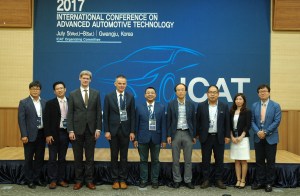 A junior session is also prepared to present six posters from industries in Gwangju, six oral – and twenty-five posterpresentations from professors, researchers, and graduate students who are the heroes of the future automobile industry. In particular, this conference will provide two-way simultaneous interpretation between Korean and English for the professionals from the local SMEs, thereby eliminating the inconvenience and language barriers.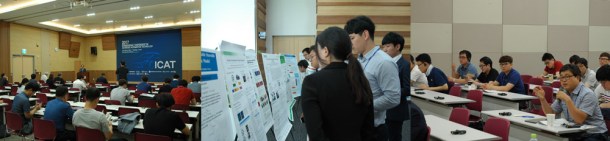
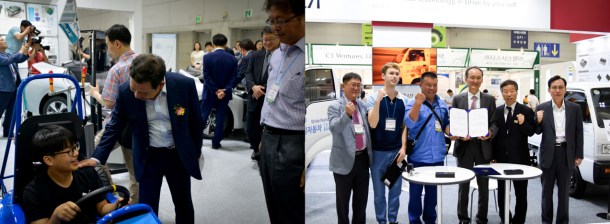
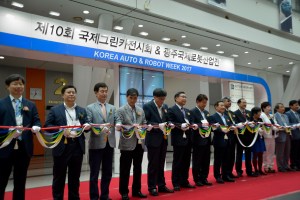 This year, the International Green Car Korea will see participation by the UK’s Society of Motor Manufacturers and Traders (SMMT), along with its member companies as well as eco-friendly vehicles and parts makers such as KOMEL, an electric motor manufacturer from Poland, as well as the Flying Car Association, which will showcase manned drones, a future transportation, and the member companies; the Gwangju Aftermarket Auto Parts Council and member companies that manufacture and supply automobile parts to the market to provide performance enhancement and stability of auto parts; MPS Korea specializing in electric commercial vehicles; APRO that specializes in the production of automotive parts and lamps; Earthtech, a battery recycling company that recycles energy storage system (ESS) for waste batteries from electric vehicles; Protec EMS, an electric charger supplier; and AutoLine, which produces and distributes eco-friendly automobile products.

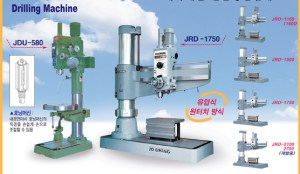 started to export to Indonesia in 1983, to Canada in 2003, and to China and Vietnam in 2004. As a specialized manufacturer, all of its employees put a lot of efforts into continuous research to realize its main management objective, which is quality improvement, and make technical improvements endlessly to meet its clients’ needs and demands. JoGwang is fully committed to supplying excellent quality products with timely and complete follow-up services and to fulfill customers’ needs with the best technology and trust.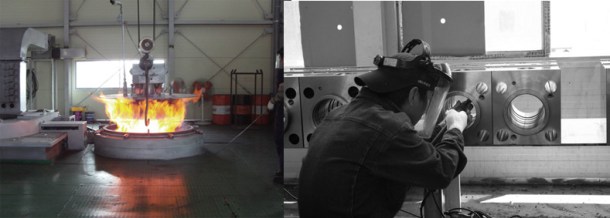
 Serim Mulsan’s ZIO Tank is the result of use by combining Zeolite and Bio red clay inside ingredient of SMC (Sheet Molding Compound), ZIO-TANK has resistance 99.999%, 99.166% against coliform bacillus and Staphylococcus aureus which cause food poisoning as harmful germ at the same time. Therefore ZIO-TANK is reasonable water tank.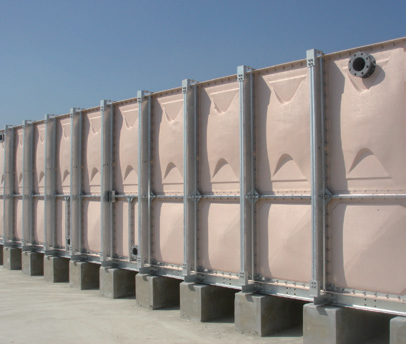
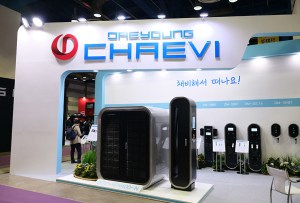 charging even in a space outside the designated charging position for an electric car, and further enables one to cope more effectively with problems such as parking.
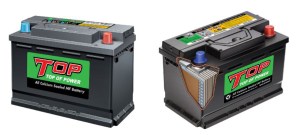 resulting from road shock. It also features low-resistance envelope separators and lead-calcium grids.
 Korean-Machinery.com