Water leaks occur when a water pipe buried in the ground develops a microscopic crack. This is often verydifficult to notice, and can even cause large-scale accidents such as a sinkhole in which the ground
suddenly disappears after a pipe leaks gradually over a long period of time. Accordingly, a monitoring system for water-pipe management and leakage-prevention is required.

A smart-pipe system under development to enable real-time monitoring of the water supply network was
recently displayed at an exhibition in South Korea.
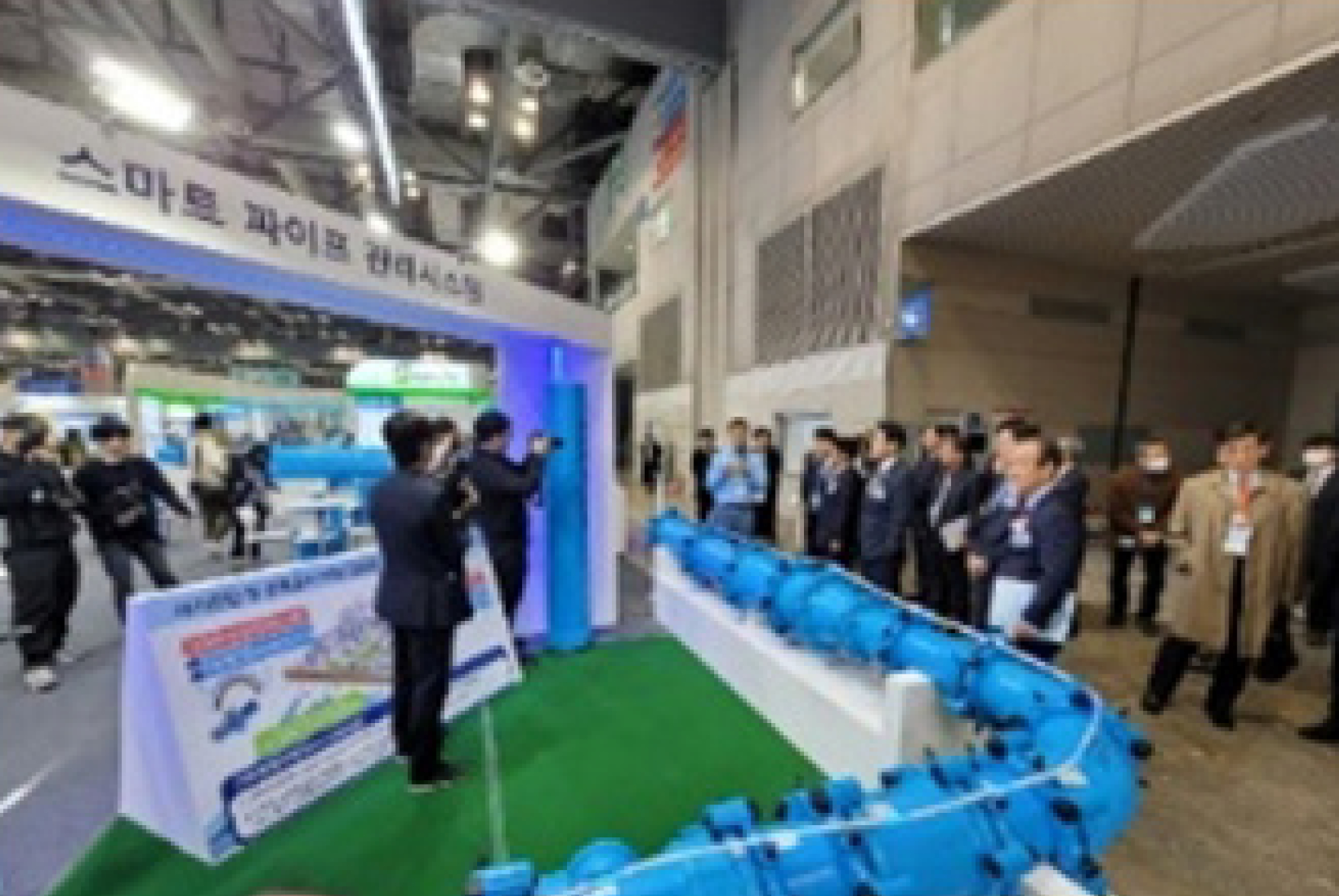
Coating Korea Co., Ltd. participated in 2023 Water Korea, held from March 21 to March 23, at KINTEX in Goyang-si, Gyeonggi-do, and exhibited a model of this smart-pipe system.
The smart-pipe system was introduced by a spokesperson for the company as a future system that
has been under development in cooperation with three companies since 2021 as a national project of Korea’s Ministry of Environment.
The goal of the task is to combine a sensor with a steel pipe (pipe), and to complete a smart-pipe capable of self-diagnosis and condition monitoring with a monitoring system (software).
Coating Korea, specializing in pipe manufacturing and coating, was in charge of research and development of pipe hardware durability enhancement and sensor coupling, such as seismic performance, corrosion resistance, and pipe connection technology.
A spokesperson for the company explained, “If welding is performed when connecting pipes, there is a risk of burning the coated sheath. If welding is not done, additional connecting parts must be used. If the pipes are connected using the tube expanding method, the pipes can be connected without welding or additional connections. In addition, the inside is coated with polyethylene (PE) resin to prevent internal corrosion and can be used hygienically for a longer period of time.”
He added, predicting that commercialization of smart pipes would be possible around 2024, “Since there is a burden on the cost part to proceed with the system with a digital twin, there is a method to check the condition by combining sensors in areas with a high risk of leakage to develop the progress of the smart-pipe system.”
korean-machinery.com | Blog Magazine of korean-machinery, brands and Goods


 Europe, and North America. However, new equipment markets in Taiwan and South Korea contracted. The 2018 equipment market rankings for Japan, North America, Europe, and Rest of World remained unchanged from 2017.
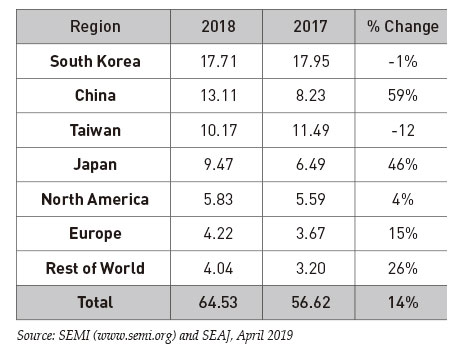 increased 20 percent as assembly and packaging sales increased two percent.
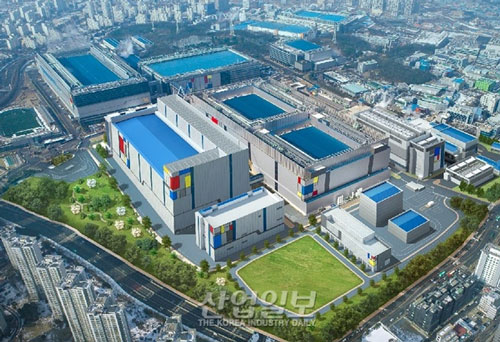 equipment. Other front-end includes mask/reticle manufacturing, wafer manufacturing, and fab facilities equipment.
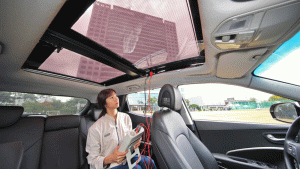 The solar charging system consists of a solar panel, a controller, and a battery. In the solar panel, energy is generated as the sunlight is separated into an electron and a positive hole when it contacts the surface of the cell of a solar battery.
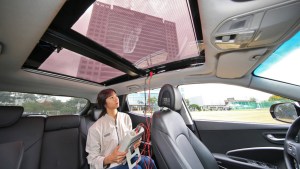 applied to the eco-friendly model is a method of composing a solar battery as an all-in-one type on the lid
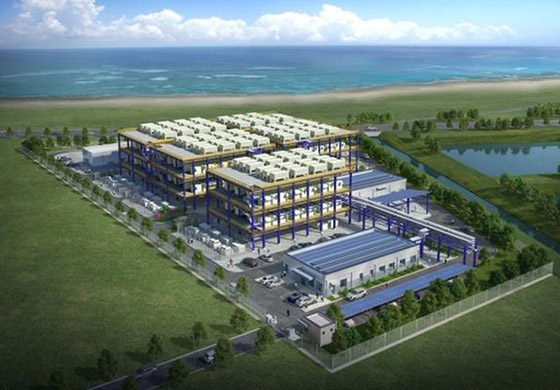
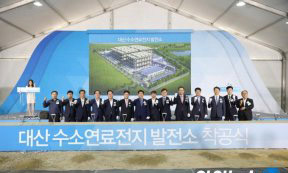 The power plant will be the world’s first of its kind using byproduct hydrogen as fuel, the companies accounced. Byproduct hydrogen fuel cell uses hydrogen created as byproduct in various chemical processes as energy source. Doosan will supply 114 fuel cell units and be responsible for long-term service once the plant is completed. Doosan developed byproduct hydrogen fuel cell units based on home-grown technology last year with plans to supply them to hydrogen power plants starting in the fourth quarter of this year.