Technology overview: The traditional air conditioning devices for electric cars are comprised of a cooling system that uses refrigerant, ie. vapor compression cycle, and a heating system that uses an electric heater, and it operates these two systems at the same time to maintain an appropriate temperature and comfort inside the car. This product has commercialized a heat pump system for electric car, which uses the existing vapor compression cycle, capable of using the cold spot of refrigerant for cooling use under the condition where outdoor temperature is high, and the hot spot  of refrigerant can be used for heating use under the condition where outdoor temperature is low. Traditional heaters that use electricity have thermal efficiency lower than 1 (0.9~0.95), consuming electricity energy more than required quantity of heat. While, the heat pump system has COP bigger than 1 at all times (1.5~4), which helps reduce energy consumption by 30~60% compared to the system that uses an electricity heater to get the equivalent heating performance. In addition, it collects waste heat generated from application components of an electric car, such as inverter and drive motor, with the use of the heat pump system helping improve COP and reduce parasitic power. As a result, we could extend distance per charge by about 21% through power saving of the battery of a system requiring heating source up to 7kW for an electric car, and we have secured technology for domestically designing a heat pump system for electric cars.
Industrialization: With regard to developing a high-performance heat pump system using waste heat for the first time in the world, we have enhanced the endurance for components, at the same time being capable of domestically producing all components except for a refrigerant change valve. In addition, as we have realized power saving required for heating the inner space of a vehicle, compared to other competitor’s performance, with driving distance per charge of an electric car being increased. With this, we could satisfy customers’ requirements for increasing driving distance per charge, and have secured better competitiveness than our competitors, resulting in enhanced productivity. Further, with respect to applying a heat pump system to a vehicle, it was required to run dehumidifying and defrosting operations at the same time to remove moisture and frost on the window to assure a driver’s visibility and automatic temperature variable control operation to control the indoor air conditioning. To realize these, we have implemented integrated control logic of optimized operation satisfying the performance required by an air conditioning system for automobiles by properly combining cooling/heating modes, frost recognition and continuous operation modes. As a result, we have secured an independent technology for domestically designing a high- performance heat pump system.
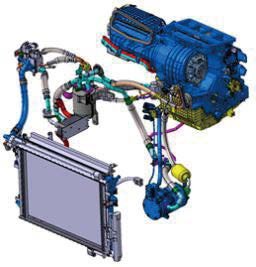 Problem-solving in industrialization: With respect to developing a high-performance air conditioning system to extend the driving distance of an electric car, we have dramatically extended it by about 21% when running a heating system through COP improvement and power-saving by collecting only waste heat generated from application components, such as an inverter and a drive motor, of an electric car with the use a heat pump system. Then, with respect to extending the operation range of a heat pump system when it is -20℃ outside, a heat pump system tends to have deteriorated performance and endurance as the exterior temperature becomes low, due to the characteristics of refrigerant. Thus, it was not possible to run the system at low temperatures. This technology enables the waste heat generated in the application components suffers heat exchange with the refrigerant of low temperature at the entrance of the compressor, increasing the amount of refrigerant flow, and leading to secure an endurance enabling the system to run at up to -20℃. Finally, with respect to developing control technology enabling continuous operation after recognizing frost generation and ice formation on the outdoor fan, in order to overcome the frost generation and ice formation issues, which are chronic ones of a heat pump system, we have developed a method to recognize frost generation and ice formation in an outdoor fan, leading the refrigerant to the inner circulation cycle mode if frost generation is recognized so that the heat pump can continuously work in the heating mode without having a section of defrost operation.
Technology developer:
Hyundai Kia Motors / +82-80-600-6000 / www.hyundai.com
Hanonsystems Co., Ltd. / +82-42-930-6114 / www.hanonsystems.com
korean-machinery.com | Blog Magazine of korean-machinery, brands and Goods


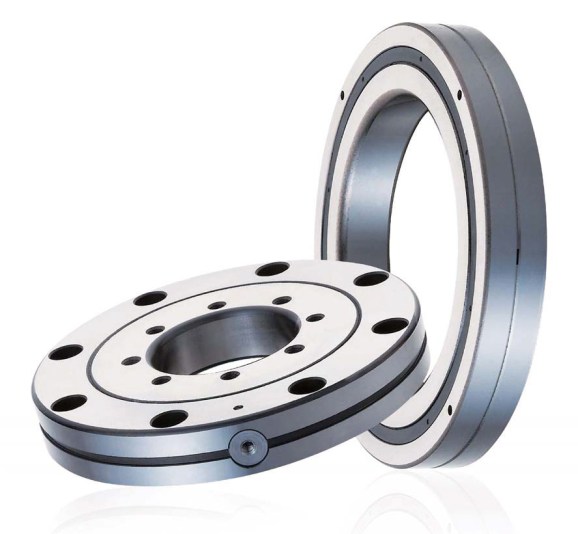
 Industrialization: Environmental-friendly method through re-utilization of aluminum wastes and reduction of carbon emission was developed. Aluminum granule (99%) is used as a material for high-quality ferroalloy (ferromolybdenum, ferrovanadium), and the size of the global market is about KRW 500 billion. Therefore, the balance of trade would be achieved with exports around the world. Essential technology and recycling facilities will be exported.
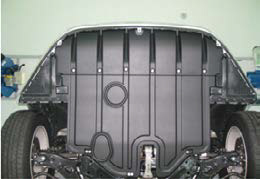 Problem-solving in industrialization: Plate-type lower stiffener was susceptible to deformation in a crash and was hard to obtain the strength of the car body in the installed part. Accordingly, foam was added to improve the stiffness of stiffener and the number of mounting in the car body was added; this resulted in the deformation of the car body and higher repair costs in a low-speed crash. To solve the problem, stiffener can be separated under more than a certain amount of crash impact.
 Industrialization: In 2012, POSCO employed non-coating metal bipolar plate using structural steel in cooperation with Doosan Fuel Cell (formerly Fuel Cell Power) for the first time in the world, thus succeeding in producing 1kW stack and obtaining the certificate of new & renewable energy system from the Korea Energy Management Corporation. In particular, coupled with the development roadmap for eco-friendly vehicles of global automobile companies, the company is in cooperation with bipolar plates for fuel cell vehicles. To promote the strategic items of core materials and components for exports, it is developing a commercialized technology that corresponds to the mass production. In particular, the industrialization of forming parts as well as materials is underway by packaging material technology with fuel cell bipolar plate applied to ultra-thin plate, which was jointly developed with small & medium-sized enterprises. The core material & parts of fuel cell is expected to develop as an export item.


 Korean-Machinery.com