 If you’re planning on vacationing in Korea this summer, be sure to check out at least one of the following beach destinations! Korea is surrounded on three sides by water, giving it plenty of beaches in a variety of shapes and sizes that offer a welcomed escape from everyday life. Since most beaches in Korea officially open in June or July and close towards the end of August, visitors have only a few months to splash around in the water and soak up the rays. But don’t worry if you miss out on the official summer beach season, as there are plenty of sightseeing activities that you can enjoy all year round!
Map of major beaches in Korea
Guryongpo Beach in Pohang-si, Gyeongsangbuk-doat ongpohang
Guryongpo Beach is about 24 kilometers away from Pohang and 1.5 kilometers from Guryongpo-eup. Thanks to the gentle slope of the ocean floor and the clean seawater, Guryongpo Beach is a favorite vacation spot for swimming enthusiasts. The beach is also popular among fishermen, many of whom troll their lines in Yeongilman Bay.
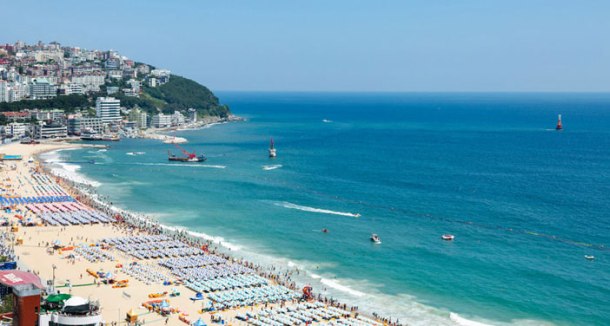
Sokcho Beach in Sokcho-si, Gangwon-dokcho Beach
Sokcho Beach is well known for the picturesque pine trees that stand proudly along its white sandy coast. One of the perks of this particular beach is that there are many tourist attractions in the surrounding area, including Yeongnangho Lake and Seoraksan Mountain, one of Korea’s most famous mountains.
Given the beach’s range of facilities and nearby accommodations, Sokcho Beach is a convenient place for a weekend trip. Visitors can even rent a fishing rod and go fishing at nearby Jodo Island, or walk towards the pier to get some fresh hoe (sliced raw fish) at one of the local fish markets.
One of the biggest draws of Sokcho Beach is that it is located near Sokcho Express Bus Terminal, making it easy to find for even first-time visitors. Festivals held at Sokcho Beach include the Sunrise Festival on January 1 of every year, and other events that take place during the beach swimming period between July and August for all visitors to enjoy.
Gyeongpo Beach in Gangneung-si, Gangwon-doyeongpo Beach
Gyeongpo Beach is the largest beach on the east coast, and is only about a kilometer away from Gyeongpodae Pavilion, famous for its sunrise view. Perhaps the most striking characteristic of Gyeongpo Beach is its fine powdery sand, which is perfect for barefoot walks along the beach. There is also a beautiful pine tree forest nearby for leisure walks. Beach activities such as banana boating, Jet Skiing, and waterskiing are popular as well. In addition, Gyeongpo Summer Music Festival is held every evening between the end of July and early August, featuring performances from famous bands and hip-hop groups for a beachside party atmosphere.

Naksan Beach in Yangyang-gun, Gangwon-do
With a sandy beach stretching over 1,810 meters, Naksan Beach is one of the top beaches in Gangwon-do, drawing in countless visitors each year. The beach runs along clean waters, bordered by rows of pine trees. In addition to its natural beauty, Naksan Beach also has a variety of water activities such as riding on a banana boat or Jet Ski for those looking for more adventure.
The beach is also a top pick for those who are interested in Korea’s traditional culture, as it is close to Naksansa Temple and Uisangdae Pavilion, which was built to commemorate Great Monk Uisang. As an added bonus, the pavilion is also one of the best places in the area to view the sunrise.
Daecheon Beach in Boryeong-si, Chungcheongnam-do
Daecheon Beach is the largest beach on the west coast, and is known for its shallow and calm waters. The sand on the upper shores of Daecheon Beach is especially soft and easy to wash off because it is composed of finely eroded shells. Closer to the shoreline, the sand is hard packed. These two varieties of sand allow visitors to enjoy both leisure walks and sand scrubs. Daecheon Beach is also home to the annual Boryeong Mud Festival. In the winter, the beach draws large crowds again as locals and tourists flock to the shores for the annual Sunset Festival.
Eurwangni Beach in Jung-gu, Incheon
Eurwangni Beach, located near Seoul and Incheon International Airport, is a popular beach, both for its gorgeous views and clean white sand. The beach’s shallow water also provides the perfect place for children to go swimming. Amenities nearby include a number of lavish resorts and restaurants that serve fresh seafood. Having dinner outside on the terrace of one of these restaurants is the perfect way to watch the final rays of sunlight as they disappear over the horizon! Beachgoers can also rent a fishing boat or a fishing rod to fish off the side of the pier. A variety of beach festivals take place at Eurwangi every summer.
Muchangpo Beach in Boryeong-si, Chungcheongnam-do
Muchangpo Beach is particularly famous for what is known as the “Moses Miracle,” a natural phenomenon in which extreme tides reveal the seafloor for only a few short hours two or three days a month (around the 15th and 30th days of the lunar calendar). The exposed sea floor makes a path about 1.5 kilometers long that reaches all the way from the beach to Seokdaedo Island. The Muchangpo Mystic Sea Road Festival celebrates this occurrence every year in August or September, with the exact timing varying each year. The beach is also known for its scenic coastal drive, clusters of pine trees, and beautiful sunsets.
Haeundae Beach in Haeundae-gu, Busan
The slope of Haeundae Beach is shallow and there is little change in tide, making this beach perfect for swimming. The beach is famous for its views of the sunrise and moonrise as seen from Haewoljeong Pavilion atop Dalmajigogae Hill. Haeundae’s Dalmaji-gil Road, which is located between Haeundae Beach and Songjeong Beach, is another recommended spot for a romantic view of the moonlight glistening off the water’s surface.
Haeundae Beach is also extremely well known for its many cultural events and festivals that are held throughout the year. Visitors can enjoy Haeundae Sand Festival in summer; Busan International Film Festival in fall; and the New Year Festival and Polar Bear Swimming Contest in winter.
Hyeopjae Beach in Jeju-si, Jeju-do
Hyeopjae Beach is one of the best beaches on Jeju Island for swimmers, since the waters are shallow with no sudden drops. Tiny shells in the sand give the beach a silver sheen and make for a firm feel that is perfect for walks along the water’s edge. Once you get into the water, you’ll be pleased to discover that the water is so clean that you can clearly see your toes!
Hallim Park, a major tourist attraction, is only 5 minutes away on foot, and is well worth a visit. The park is landscaped with an abundance of subtropical plants and topiaries, and serves as a cool escape from the summer heat. A pleasant beach with plenty of space, Hyeopjae is all the more beautiful for its view of black basalt rocks to one side and Biyangdo Island standing out in the distance.
Jungmun Saekdal Beach in Seogwipo-si, Jeju-do
Jungmun Saekdal Beach within Jeju Jungmun Resort is a unique beach comprised of a gradient of black, white, red, and gray sand, as well as the famous black volcanic stone of Jeju Island. To the right of the sandy beach is a natural cave that was created by coastal erosion. Rare plants flourish near the cave, offering a convenient spot for some eco-focused sightseeing. The waves and tides can be rather rough along Jungmun, so while conditions are great for wind surfing, Jet Skiing and other water leisure activities, non-swimmers and young children are advised to stick close to the shoreline under the careful watch of lifeguards.
Jungmun Resort is also home to an aquarium, Yeomiji Botanical Garden, Cheonjeyeon Waterfall, and a luster of traditional houses typical on Jeju Island. Various events are held along the beach and within the resort complex throughout the year.
* Swimming season and available facilities subject to change.
* This column was last updated in June 2019, and therefore information may differ from what is presented here. We advise you to check details before visiting.
The above article is courtesy of VisitKorea, the official website of the Korea Tourism Organization (www.visitkorea.or.kr)
korean-machinery.com | Blog Magazine of korean-machinery, brands and Goods
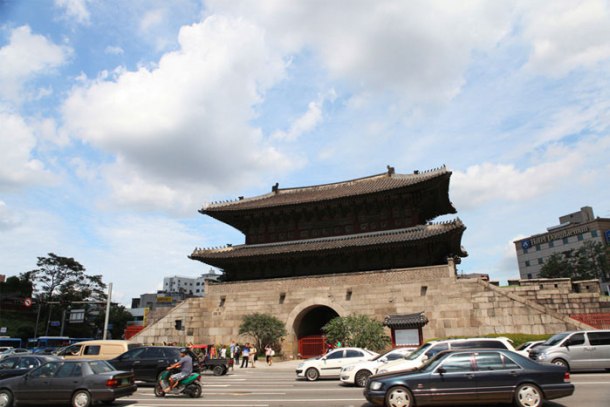 Heunginjimun Gate is the largest gate in Seoul, surpassing even Sungnyemun Gate. It has a semicircular ongsung (a small wall built in front of the gate for complete protection) that differentiates it from the other fortress gates.
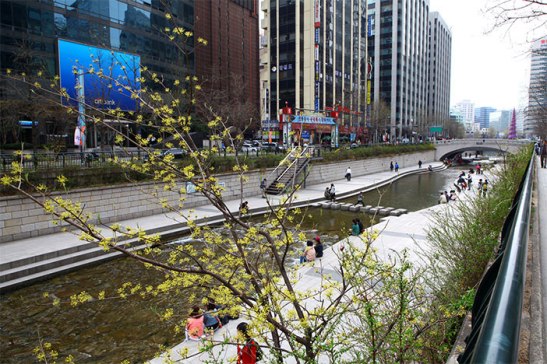
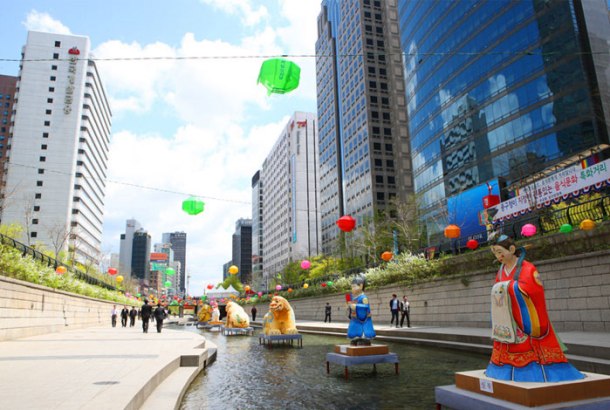 Though Gwanghwamun is the main entrance to Cheonggyecheon Stream, visitors may also get to the stream from Dongdaemun Station. There are a total of 22 bridges that cross over Cheonggyecheon Stream, with the bridge in Dongdaemun being Ogansugyo Bridge. The bridge is located at the spot of the previous Ogansu Gate, where five streams flowed out of the old capital. Due to urban development, the old gate can no longer be seen, but its memory lives on in the name of the bridge.
 Although international tourists tend to visit the modern-style shopping malls, Dongdaemun Shopping Complex and Pyounghwa Fashion Town are also highly recommended. Visitors may experience a different vibe from usual shopping, and feel a sense of the traditional flea market instead. Dongdaemun Shopping Complex mainly sells fabric, buttons and other similar materials while fashion-related goods and commodities can be found at Pyounghwa Fashion Town.
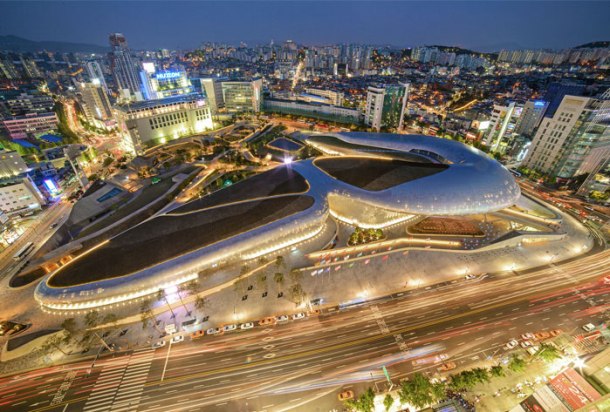
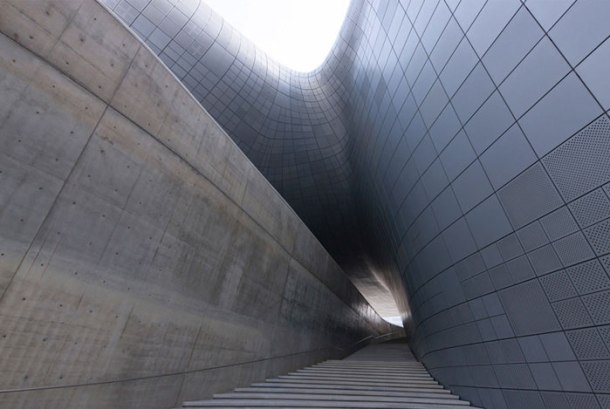 The structure itself is not only unique on the outside but is also full of fascinating attractions on the inside. The complex is convenient and makes exploring enjoyable as it is divided into four segments namely ‘Art Hall’, ‘Museum’, ‘Design Lab’ and the ‘Oullim Square’. The park next to the DDP is installed with 25,550 LED roses that make a beautiful scene at night. It’s the perfect location for a romantic date night.
 Doosan Tower. Recently, the name was changed to Dongdaemun Sebit Market.
 Established in 1950 as Asia’s first national theater, National Theater of Korea presents diverse performances spanning over Korea’s traditional arts, ballet and opera performances. World renowned performance groups and organizations from overseas often hold performances here as well. The theater is composed of Haeoreum Theater, the main hall; Daloreum Theater, a smaller theater; Byeoloreum Theater, with a customizable stage; and Haneul Theater, an outdoor stage.

 Korea’s unique traditional architecture is merged with modern design to create the grand yet elegant appearance of Sejong Center. Sejong Center holds a variety of performances of diverse genres including traditional Korean, classics, and even crossovers. The main theater, Grand Theater, has a wide stage equipped with the largest pipe organ in Asia. Sejong Center is a popular attraction among tourists as it is located across from Gwanghwamun Square and Gyeongbokgung Palace.

 The building of Seoul Museum of Art, which was once used for the Supreme Court, is highly recognized for its splendid modern image after undergoing renovation. Featured exhibitions are not limited to traditional arts, but include a wide range of media including architecture, films, music, fashion, handicraft, and even works that do not belong to any specific genre. The museum also features non-Western artwork, such as those from Africa and Latin America. If you are visiting Deoksugung Palace, consider adding Seoul Museum of Art to your schedule as they are located right next to each other.
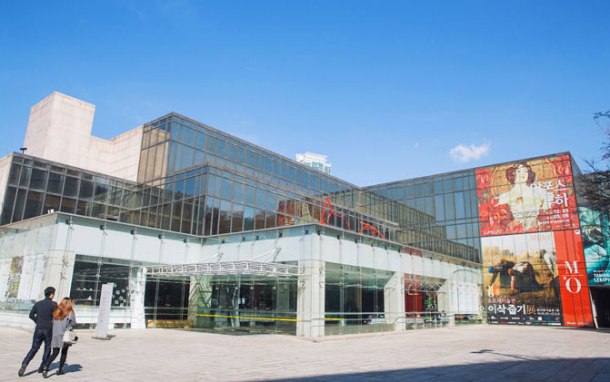 Located inside Seoul Arts Center, Hangaram Art Museum features various plastic arts. It consists of six exhibition halls and an art shop. Most featured exhibitions are based on modern art, making it easier for youths to approach the world of art. Often visited by people watching performances at Seoul Arts Center, Hangaram Art Museum makes it comfortable to explore with pleasant, open-style exhibition halls.
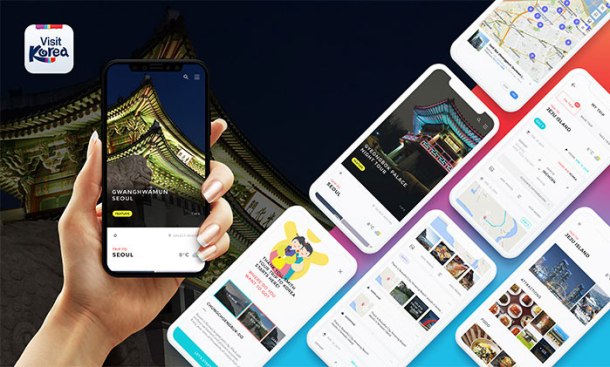
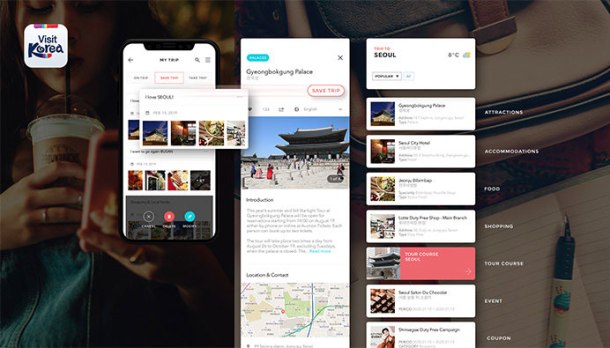 ① Pre-trip: Plan with SAVE TRIP
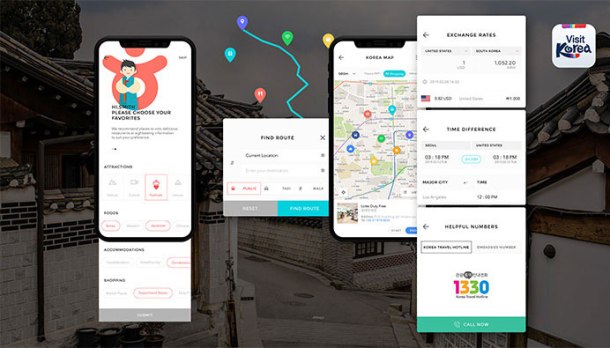 Users can also find nearby facilities and directions through the map feature. The About Korea section provides important information, including currency exchange rates, public transit information, and emergency contact numbers, such as the 1330 Korea Travel Hotline and international embassies, for a safe and convenient trip.
 • Search “VisitKorea” in Google Play or the App Store



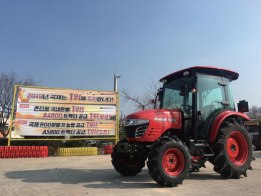 KUKJE MACHINERY strives always to meet users’ diverse needs with various line-ups ranging from compact tractors (below 30-horsepower) to medium-and large-sized ones. Among them, KUKJE MACHINERY produces its most popular product known as the “5025 Cabin tractor,” based on the fact that the model has been gaining the highest reputation among the existing similar ones, in terms of completeness.

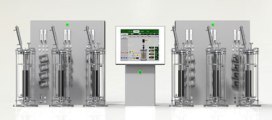 Group, the largest company in Taiwan, in 2002, it has been producing and installing many systems for Korean pharmaceutical firms. Based on the technology it uses to produce and supply precision fermentation facilities for domestic and foreign bio companies and pharmaceutical companies, Fermentec makes chemical reactors and products related to liquid seed culture mediums.
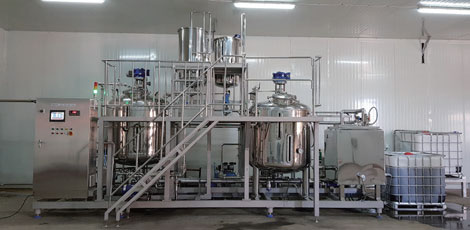
 Fermentec’s medium-scale and small-scale pilot fermenters are good for producing high-value precision fermentation goods or research. Pilot fermenters that are designed and produced to ASME standards to satisfy international standards cause no corrosion or abrasion, minimize material quality degeneration through delicate processing, and are produced after being approved as pressure vessels that are safe in high-temperature and high-pressure situations.
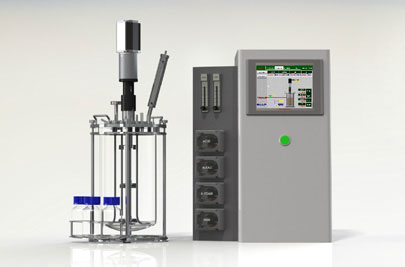 The compact pilot fermenters can be installed in narrow spaces of research rooms, and can be easily operated and maintained and repaired due to their automated systems and proper arrangement of devices. They have adopted the highest-standard controllers to secure precise control and reliability of operation data, and their control program of the highest technology in the industry guarantees improved results. Fermentec’s spirit of putting customers’ safety first is reflected in the control systems and the multiple safety systems adopted for their vessel parts.
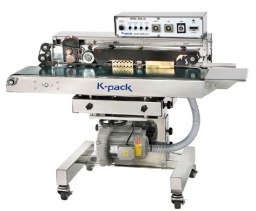 As a leading company in this field, the company believes that it can give its valuable customers lasting satisfaction with its guarantees in terms of competitive price, superior quality, and excellent service.

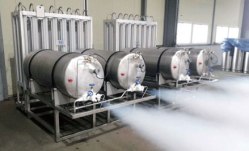 zero. Now it is widely used for various industrial sites such as shipbuilding, automobiles, electronics, foods, and medical, etc.
 still prefer to use the company’s products. There are three categories of products – cryogenic liquid gas cylinders, fuel cylinders for LNG vehicles, and customized products – that are now manufactured.